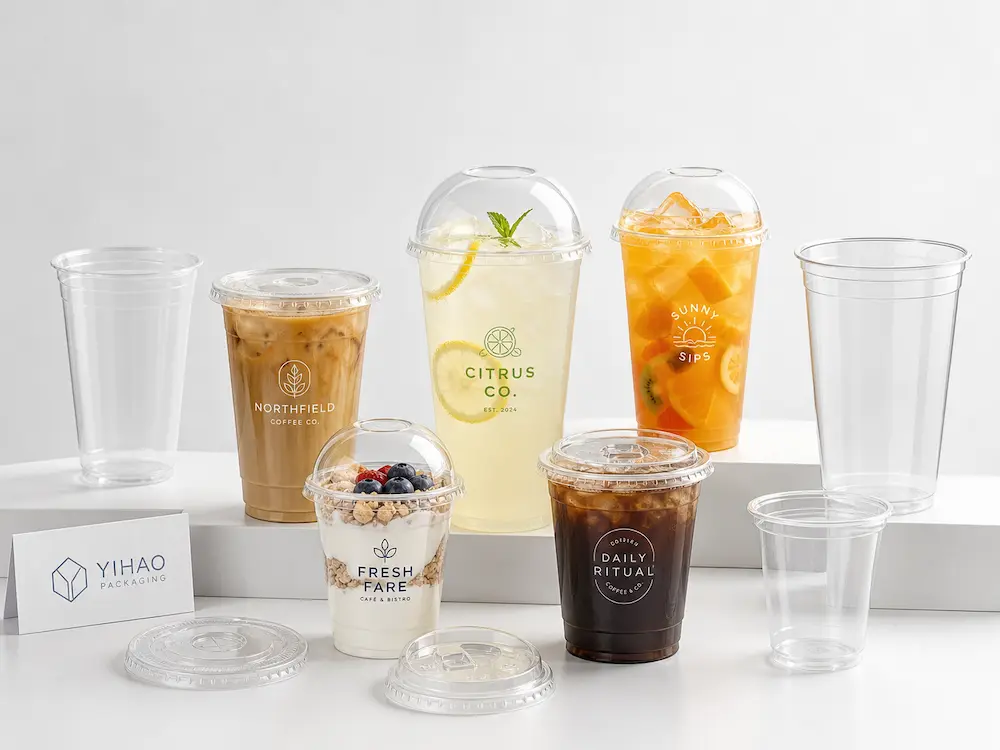
Micro Summary: Polypropylene Cold Cups
Polypropylene cold cups are practical beverage packaging options for cafes, supermarkets, juice bars, foodservice distributors, and takeaway drink programs. Compared with PET cups, PP cold cups usually focus more on durability, crack resistance, flexible handling, and reliable lid matching rather than maximum glass-like clarity.
Food packaging teams choose PP cold cups for iced coffee, smoothies, juice, milk tea, lemonade, iced tea, matcha, refreshers, protein drinks, and other takeaway cold beverages. Before wholesale ordering, buyers should review cup capacity, rim diameter, lid compatibility, wall strength, carton packing, food-contact documentation, recyclability claims, and supplier quality control.
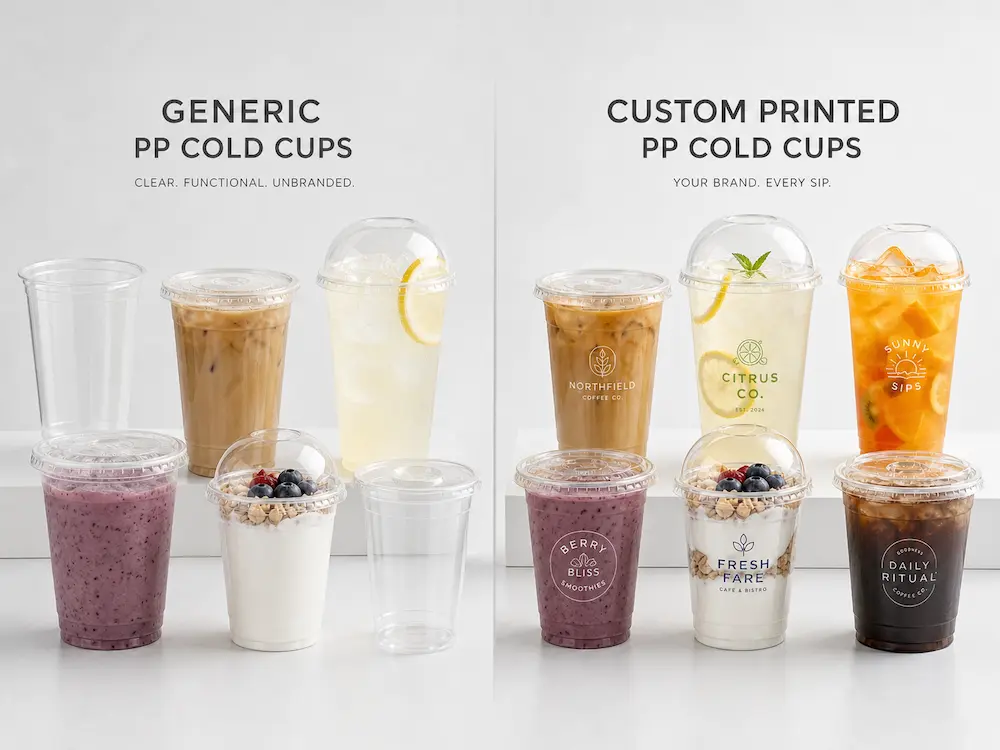
Cold beverage packaging is no longer a simple cup-and-lid decision. For cafes, supermarkets, juice brands, foodservice distributors, convenience stores, and takeaway beverage operators, cup material directly affects drink presentation, lid fit, transport stability, storage efficiency, and customer experience. Among commonly used materials for cold drink packaging, polypropylene cold cups offer a practical balance of durability, flexibility, and everyday handling performance.
For food packaging teams, the real question is not whether PP is always better than PET, paper, or another material. The better question is: when do polypropylene cold cups create the strongest value for a beverage program?
This buyer guide explains how PP cold cups perform in real cold drink operations, how they compare with PET cold cups, what specifications buyers should review before wholesale ordering, and how to evaluate a reliable polypropylene cold cups manufacturer or supplier. YIHAO is a food packaging manufacturer and solution provider, and this guide is written for purchasing teams that need practical packaging decisions, not generic plastic material descriptions.
What Are Polypropylene Cold Cups?
Polypropylene cold cups are cold beverage cups made from PP, a plastic material widely used in food packaging applications. In cold drink packaging, PP is valued for its practical strength, flexible structure, and resistance to cracking during normal handling. These features make PP cold cups suitable for high-volume takeaway drinks, beverage counters, cafes, supermarkets, convenience stores, foodservice channels, and event beverage programs.
Unlike PET cold cups, which are usually selected for stronger glass-like clarity, polypropylene cold cups are often selected when buyers care more about durability, lid stability, and dependable takeaway performance. This makes PP especially useful in beverage programs where cups are stacked, filled, sealed, transported, and handled repeatedly before reaching the final consumer.
A strong PP cup is not just a container. It is part of a complete packaging system that includes the cup body, rim structure, lid fit, carton packing, storage performance, and customer hand feel.
Common Uses for PP Cold Cups
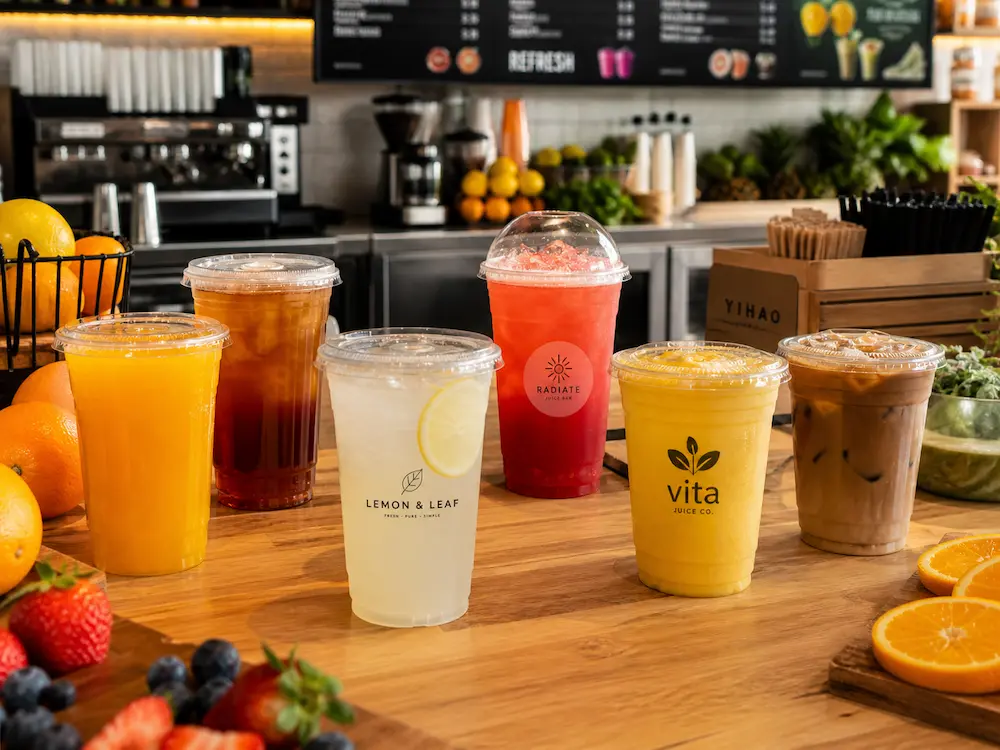
PP cold cups are used across many cold beverage categories, especially where the cup must perform well during filling, lidding, takeaway, and transport.
Common applications include:
- Iced coffee and cold brew
- Flavored cold brew
- Smoothies and fruit blends
- Fresh juice and lemonade
- Milk tea and bubble tea
- Iced tea and fruit tea
- Matcha drinks and matcha lattes
- Refreshers and berry refreshers
- Sparkling fruit drinks
- Protein drinks and wellness beverages
- Cold soft drinks for takeaway and catering
For cafes, PP drink cups support fast preparation and counter service. For supermarkets, they help package ready-to-drink beverages for grab-and-go display. For distributors, takeaway cold cups need to be durable enough for carton storage, warehouse handling, transport, and repeated customer use.
Why Food Packaging Teams Choose Polypropylene Cold Cups
Food packaging teams choose polypropylene cold cups because PP supports practical beverage packaging performance. It is not usually chosen for the highest possible transparency. It is chosen because it performs well in real handling conditions.
First, PP supports good durability for daily takeaway use. A cup used in a busy beverage program must survive stacking, filling, lidding, handoff, transport, and customer handling. A weak cup increases leakage risk, customer complaints, and operational waste.
Second, PP offers strong crack resistance for cold drink service. This matters when cups are packed in cartons, handled by distributors, stored in back rooms, or used in outdoor and event settings.
Third, PP works well in cup-and-lid systems. PP cups with lids need consistent rim structure so that flat lids, dome lids, straw-slot lids, or sip lids fit securely.
Fourth, PP is practical for high-volume beverage programs. Wholesale buyers care about cost control, stable supply, carton efficiency, and repeatable quality.
Fifth, PP gives beverage teams a durable alternative when product visibility matters, but maximum PET-level clarity is not the main purchasing priority.
Polypropylene Cold Cups vs PET Cold Cups
The comparison between PP and PET is one of the most important decisions for cold beverage packaging buyers. Both materials are used for cold cups, but they serve different priorities.
PET cold cups are widely known for high transparency. They are often used when drink color, ice, fruit pieces, layered ingredients, toppings, or premium retail display matter most. Clear PET cups are especially strong for visual merchandising.
Polypropylene cold cups, on the other hand, are often chosen when durability, crack resistance, and flexible takeaway handling matter more than maximum glass-like clarity. PP cups are practical for beverage programs where cups are handled heavily and paired with lids for transport.
| Buyer Need | Polypropylene Cold Cups | PET Cold Cups |
|---|---|---|
| High visual clarity | Good, but usually less glass-like than PET | Strong choice for clear drink display |
| Takeaway durability | Strong choice for frequent handling and transport | Good, depending on cup design and thickness |
| Crack resistance | Strong practical advantage | Good, but more dependent on structure |
| Premium beverage display | Suitable when durability matters more | Strong choice for layered and colorful drinks |
| Lid matching | Critical for takeaway performance | Critical for leakage control and display |
| Wholesale beverage programs | Strong for durable, high-volume use | Strong for clear display and retail branding |
Where PP Cold Cups Fit in Modern Beverage Packaging
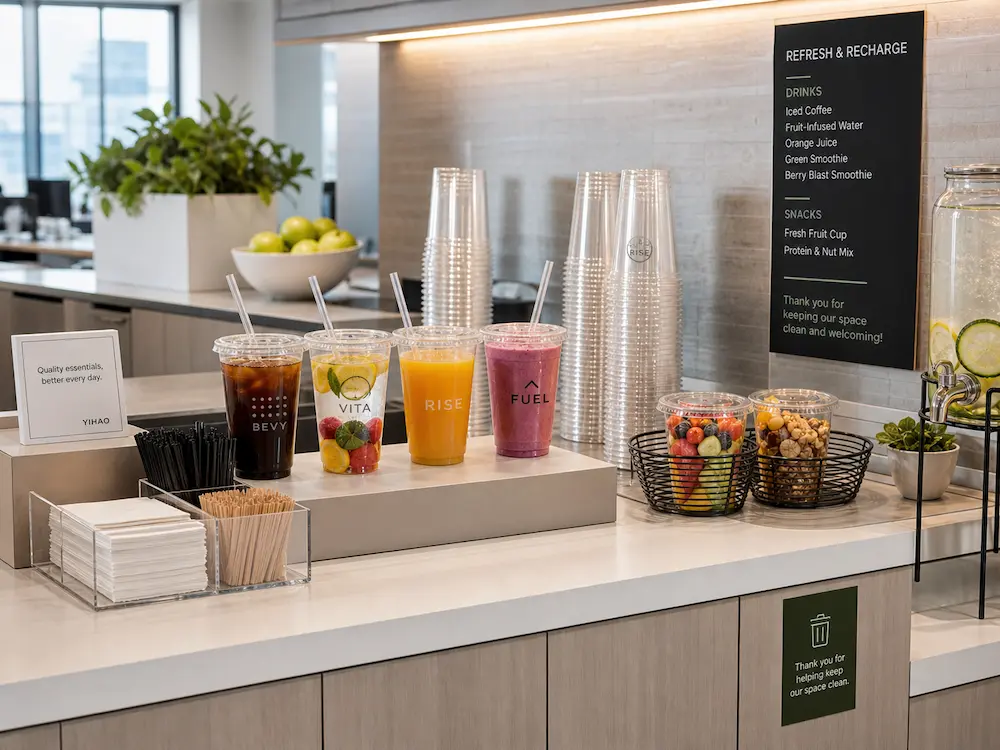
Modern cold drink menus are more diverse than traditional soda and juice programs. Cafes now sell iced coffee, flavored cold brew, matcha, iced tea, refreshers, and protein drinks. Juice shops sell smoothies, fruit blends, and functional beverages. Supermarkets package chilled drinks for grab-and-go retail. These formats create stronger demand for durable, stackable, and lid-compatible packaging.
Polypropylene cold cups fit well in beverage programs where operational performance matters. A cup may look acceptable in a product photo, but food packaging teams need more than appearance. The cup must work on a filling table, at a service counter, inside a carton, on a delivery route, and in the customer’s hand.
For cafes and coffee chains, PP cold cups are practical for iced coffee, cold brew, flavored cold brew, matcha, iced tea, and refreshers. These drinks are often sold with flat lids or sip lids, so rim consistency and lid fit are essential.
For juice bars and smoothie shops, durable cold cups help handle thicker beverages, ice, pulp, fruit pieces, and blended textures. Smoothie cups often need stronger wall performance because the filled weight is higher than standard iced tea or lemonade.
For supermarkets and convenience stores, PP drink cups support ready-to-drink programs where cups are filled, sealed, displayed, and transported before purchase. In these channels, shelf handling and carton packing are just as important as customer hand feel.
Key Specifications Buyers Should Review Before Ordering Polypropylene Cold Cups
Wholesale buyers should never evaluate polypropylene cold cups by product photos alone. Cup performance depends on capacity, rim diameter, wall strength, gram weight, lid matching, stackability, and carton packing.
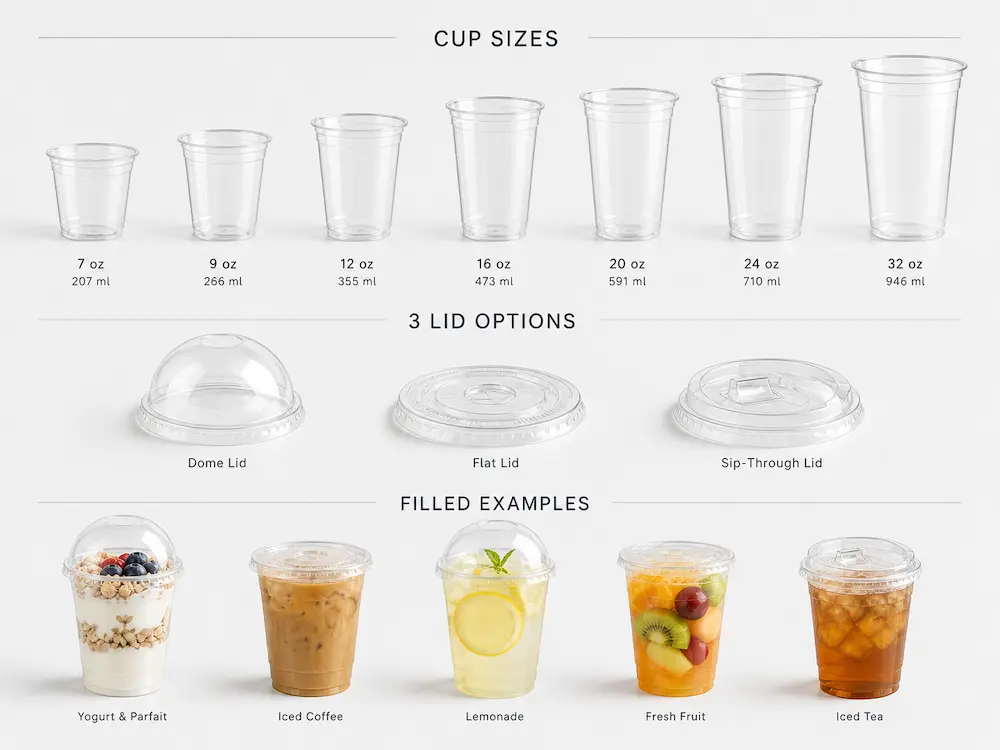
Cup Capacity and Portion Planning
Cup capacity should match the drink menu and target use. Small PP cups are suitable for samples, kids’ drinks, small juices, and portion-controlled beverage programs. Medium cups work well for iced tea, juice, lemonade, fruit tea, and standard takeaway drinks. Larger cups are often used for smoothies, iced coffee, milk tea, cold brew, and refreshers.
Food packaging teams should not choose capacity only by market habit. A beverage with ice, toppings, foam, pulp, or fruit pieces may require a different cup size from a simple cold drink. Buyers should test the real filled product before confirming the final order.
Rim Diameter and Lid Matching
Rim diameter is one of the most important details for PP cups with lids. A cup and lid that appear compatible may still fail in actual use if the rim tolerance is unstable. Poor lid fit leads to leakage, lid pop-off, customer complaints, and higher product loss.
Buyers should confirm:
- Cup rim diameter
- Lid type and matching diameter
- Flat lid, dome lid, sip lid, or straw-slot lid compatibility
- Sealing feel during manual lidding
- Lid stability after filling
- Performance during takeaway and transport
For wholesale programs, cups and lids should be tested together before mass production. Buying cups and lids from separate suppliers without fit testing is one of the most common sourcing mistakes.
Wall Thickness and Cup Weight
Wall thickness and gram weight influence cup rigidity, hand feel, cost, and filled-cup performance. A cup that is too light may deform when filled. A cup that is unnecessarily heavy may increase material cost and carton weight. The best choice is not always the thickest cup. The best choice is the cup that matches the drink type, handling process, and cost-performance target.
Food packaging teams should request actual product samples, not only specification sheets. Real samples allow the buyer to test stacking, grip, filling, lidding, and customer handling.
Stackability and Carton Efficiency
Stackability affects warehouse storage, export shipping, distributor handling, and cafe back-room organization. A well-designed PP cold cup should stack smoothly without sticking too tightly. It should also separate easily during service.
Carton efficiency matters for wholesale and export buyers. Carton dimensions, pieces per carton, carton strength, pallet loading, and container utilization all affect total landed cost. A cheap cup becomes expensive if carton packing is inefficient or damage rates are high.
Printing and Custom Branding
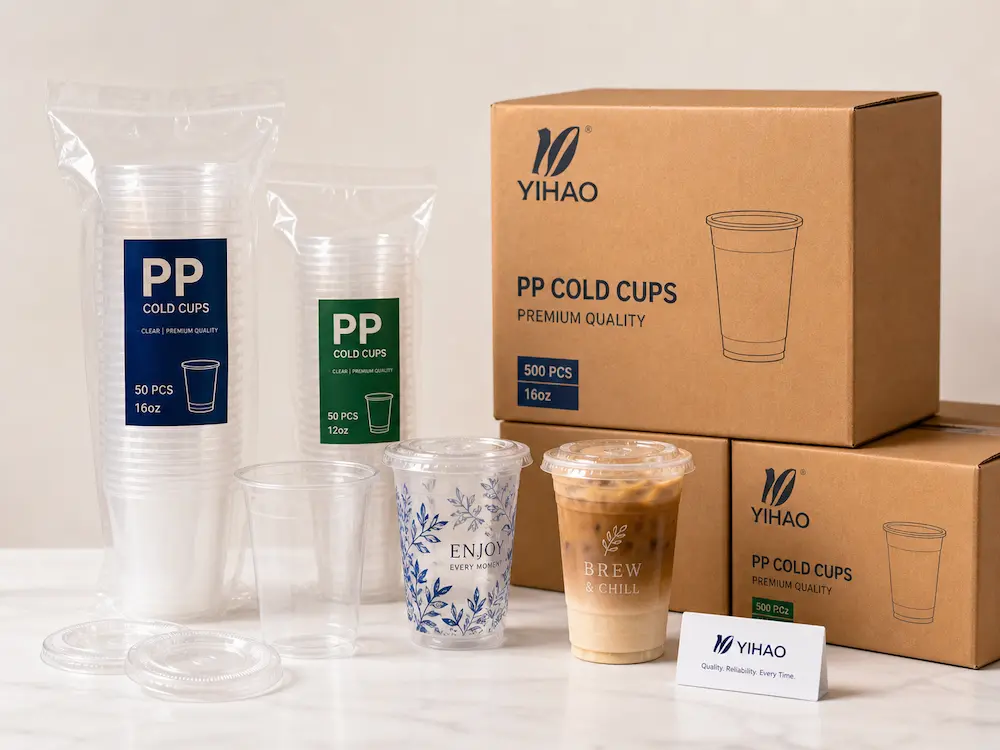
Custom printing helps beverage brands, cafes, supermarkets, and foodservice operators build stronger visual identity. Polypropylene cold cups can support brand presentation through logo printing, simple graphics, private-label design, and coordinated lid systems.
Before ordering custom printed PP cups, buyers should confirm artwork requirements, printing area, color limitations, sample approval process, carton labeling, and production consistency. For export programs, printed cup designs should also consider barcode use, language requirements, and local packaging claims.
Food-Contact and Safety Considerations for Polypropylene Cold Cups
Food-contact compliance is a serious part of cold cup sourcing. Buyers should avoid treating PP material as automatically compliant in every market. Requirements depend on destination country, product composition, additives, use conditions, food type, and documentation.
For cold drink applications, polypropylene cold cups should be produced from suitable food-contact material and supported by supplier documentation for the target market. Food packaging buyers should request relevant material declarations, compliance documents, and test reports where applicable.
Useful documents may include:
- Food-contact material declaration
- Material specification
- Migration or compliance test reports where applicable
- Product specification sheet
- Batch traceability information
- Factory quality control process
- Carton packing details
- Cup and lid compatibility confirmation
- Sample approval record before production
The correct approach is simple: do not rely on verbal promises. Ask for documents, test samples, and verify the packaging under real use conditions.
Recyclability and Sustainability Notes for PP Cold Cups
Sustainability claims require careful language. Polypropylene cold cups may be recyclable where local collection, sorting, and recycling systems accept PP food packaging. However, no supplier should claim that every PP cup will be recycled everywhere. Actual recycling depends on local infrastructure, contamination level, color, labels, inks, sleeves, and package design.
For food packaging teams, the practical sustainability questions are:
- Is the cup designed as simply as possible?
- Are labels, inks, or sleeves compatible with the recycling goal?
- Is the target market able to collect and sort PP cups?
- Are the cups likely to be contaminated after use?
- Does the supplier provide realistic sustainability documents?
- Can the buyer separate marketing language from verified recyclability?
A responsible product page should use careful wording such as “recyclable where local facilities accept PP packaging” instead of making universal claims. This protects the buyer, the brand, and the supplier.
Wholesale Sourcing Checklist for Polypropylene Cold Cups
Wholesale sourcing is not just about unit price. A reliable polypropylene cold cups manufacturer should provide stable production, consistent material sourcing, cup-lid matching support, quality inspection, export packing, and clear communication.
Food packaging teams should evaluate suppliers through a complete sourcing checklist.
| Sourcing Item | What Buyers Should Check | Why It Matters |
|---|---|---|
| Material | PP material grade, food-contact suitability, documentation | Supports compliance and stable product performance |
| Cup capacity | Actual filled volume, menu fit, portion planning | Prevents undersized or oversized packaging choices |
| Rim diameter | Cup-lid fit, tolerance, sealing feel | Reduces leakage and lid pop-off risk |
| Wall strength | Rigidity, gram weight, hand feel, filled-cup stability | Improves customer experience and takeaway performance |
| Stackability | Cup separation, stacking height, service efficiency | Supports fast counter service and warehouse handling |
| Lid options | Flat lid, dome lid, sip lid, straw-slot lid | Matches different drink categories and service models |
| Carton packing | Pieces per carton, carton size, carton strength, pallet loading | Affects shipping cost and distributor storage efficiency |
| Supplier capability | Production capacity, quality control, OEM support | Ensures repeat orders remain consistent |
Questions to Ask a PP Cold Cups Supplier
Before placing a wholesale order, buyers should ask direct questions. A professional PP cold cups supplier should answer clearly and provide samples or documents when needed.
Important supplier questions include:
- Can you provide matched lids for this cup?
- What lid types are available for this rim diameter?
- Can the cup pass stacking, lidding, and transport tests?
- What is the cup weight and wall strength?
- Can you provide food-contact documentation for the target market?
- Can you support custom printing or private-label packaging?
- What carton packing options are available?
- How do you control rim consistency during production?
- Can you provide pre-production samples?
- What quality inspection steps are used before shipment?
These questions help buyers identify whether the supplier is only selling a cup or actually supporting a beverage packaging program.
Common Sourcing Mistakes to Avoid
Many cold cup problems begin before production starts. The buyer chooses quickly, the supplier confirms vaguely, and the product only gets tested after arrival. This creates preventable problems.
Common mistakes include:
- Choosing only by unit price
- Buying cups and lids from different suppliers without fit testing
- Ignoring rim diameter tolerance
- Evaluating cup quality only by photos
- Not testing filled-cup rigidity
- Not checking carton strength
- Overlooking stacking and cup separation
- Making unsupported recyclability claims
- Forgetting destination-market compliance needs
- Approving custom printing without checking artwork limits
The best sourcing process is practical and repeatable: confirm the drink application, request samples, test cup and lid together, review documentation, approve final specifications, and then place the wholesale order.
When Polypropylene Cold Cups May Not Be the Best Choice
A professional buyer guide should also explain when polypropylene cold cups are not the strongest option. PP is practical and durable, but it is not always the best fit for every cold beverage program.
PP may not be the first choice when maximum glass-like clarity is the main requirement. If the product strategy depends on showing fruit pieces, layered colors, premium toppings, or strong retail shelf visibility, PET cold cups usually create a clearer visual effect.
PP may also be less suitable when a brand wants a very premium transparent appearance for high-end chilled drinks. In that case, PET often supports stronger product presentation.
For some sustainability-focused projects, buyers may also need to evaluate local recycling systems before choosing PP. If the target market does not collect or sort PP food packaging effectively, recyclability claims should be adjusted carefully.
This does not reduce the value of PP. It simply means material choice should match the real packaging goal. PP is strong for durable takeaway use. PET is strong for high-clarity display. Paper may fit certain brand styles. Reusable systems may work in closed-loop environments.
Polypropylene Cold Cups for Custom Branding
Custom branding is important for cafes, supermarkets, beverage chains, juice bars, and foodservice brands. A plain cup can hold a drink, but a branded cup supports recognition, customer experience, and repeat purchase.
Polypropylene cold cups can be used in custom beverage packaging programs when buyers need a durable cup structure and a consistent supply base. Custom options may include logo printing, cup artwork, carton marks, private-label packaging, and coordinated lid selection.
For supermarkets, branded PP drink cups support private-label chilled beverage programs. For cafes, custom cups help create a stronger takeaway identity. For distributors, printed cups can support regional beverage operators that need practical packaging with brand visibility.
PP Cold Cups vs Alternative Packaging Options
Food packaging teams often compare PP cups with PET cups, paper cold cups, and reusable cups. Each option has a role, but the best choice depends on drink format, sales channel, budget, brand position, and handling requirements.
PP Cold Cups vs Paper Cold Cups
Paper cold cups are widely used for takeaway beverages, but many paper cups require a lining or coating to resist moisture. This can affect recycling pathways depending on local systems. Paper cups may work well for certain brand styles, but they are not always the best option for drinks where visibility, condensation handling, and cup rigidity are priorities.
Polypropylene cold cups provide a plastic cup structure that supports durable handling and visibility. They are especially practical when the beverage team wants a cup that works well with lids and stands up to fast service environments.
PP Cold Cups vs PET Cold Cups
PET cold cups are often the stronger option for premium drink display. If the buyer sells colorful juices, fruit teas, layered smoothies, or visually rich beverages, PET helps show the product clearly.
PP cold cups are stronger when the buyer prioritizes durability, crack resistance, and practical takeaway handling. The choice should match the business model. A retail display program may lean toward PET. A high-volume takeaway program may prefer PP.
PP Cold Cups vs Reusable Cups
Reusable cups are useful in closed-loop systems, dine-in programs, campus projects, and deposit-return models. However, they require collection, washing, storage, and return logistics. Disposable takeaway cold cups remain practical for high-volume events, quick-service beverage counters, convenience stores, and delivery-focused operations.
The right decision depends on operational reality. A reusable cup model only works when the system behind it is strong enough. A disposable PP cup works when fast service, hygiene, convenience, and distribution efficiency are central to the business.
Buyer Decision Framework: When Should You Choose Polypropylene Cold Cups?
Choose polypropylene cold cups when your beverage program needs practical durability, stable handling, and dependable lid matching. PP is a strong material choice for buyers who care about performance in real takeaway conditions.
You should consider PP cold cups when:
- Your drink program requires durable takeaway cups
- Your cups will be handled frequently during service or transport
- Your operation needs stable cup-lid matching
- Your packaging team wants good crack resistance
- Your beverage category includes iced coffee, juice, smoothies, milk tea, iced tea, matcha, or refreshers
- Your sourcing team needs wholesale supply from a manufacturer or supplier
- Your brand values reliable performance more than maximum glass-like clarity
Consider PET cold cups when:
- Maximum clear display is the main priority
- Layered drinks, toppings, fruit pieces, or color presentation matter most
- Retail shelf appearance is more important than impact resistance
- Your brand wants a premium transparent look
A strong packaging strategy may use both materials. PET can support display-focused beverage lines, while PP can support durable takeaway and high-volume service channels.
Practical Application Scenarios for Polypropylene Cold Cups
Scenario 1: Iced Coffee and Cold Brew Programs
Iced coffee and cold brew cups need to hold ice, liquid, milk, foam, syrup, or flavored cold brew. PP cold cups are practical for coffee shops that need cups with good handling strength and reliable lids. A well-matched sip lid or flat lid helps improve takeaway performance.
Scenario 2: Smoothie and Protein Drink Shops
Smoothies and protein drinks are heavier than many standard cold beverages. They may include fruit pulp, yogurt, protein powder, ice, and thick blended textures. Durable cold cups help maintain better hand feel and reduce deformation during serving.
Scenario 3: Juice Bars and Fresh Beverage Counters
Fresh juice, lemonade, fruit tea, and wellness drinks benefit from cups that are easy to fill, stack, seal, and transport. PP cups support daily beverage counter use where speed and repeatable performance matter.
Scenario 4: Supermarket Grab-and-Go Drinks
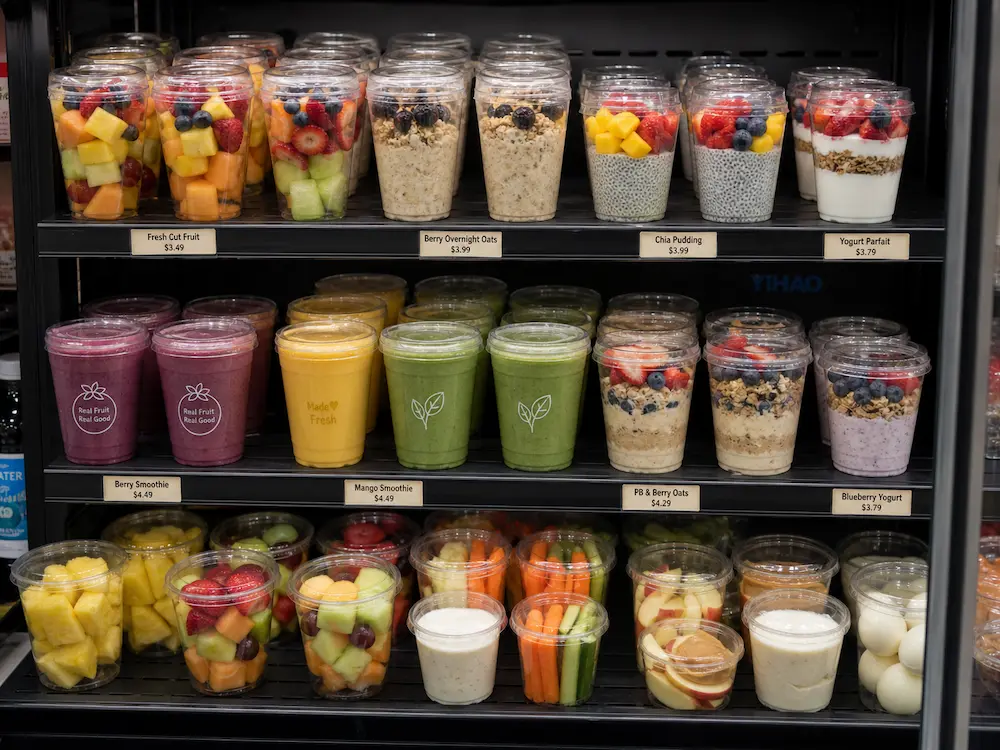
Supermarkets often need chilled beverage packaging for ready-to-drink products. PP drink cups can support private-label beverages, short-term retail display, and back-room preparation workflows. Buyers should test cup clarity, lid fit, shelf handling, and carton packing before ordering.
Scenario 5: Foodservice and Catering
Catering and foodservice operations require packaging that travels well. Takeaway cold cups used in events, casual dining, and delivery should be durable, stackable, and easy to pair with lids. PP is practical for these high-movement service environments.
Scenario 6: Distributor and Wholesale Programs
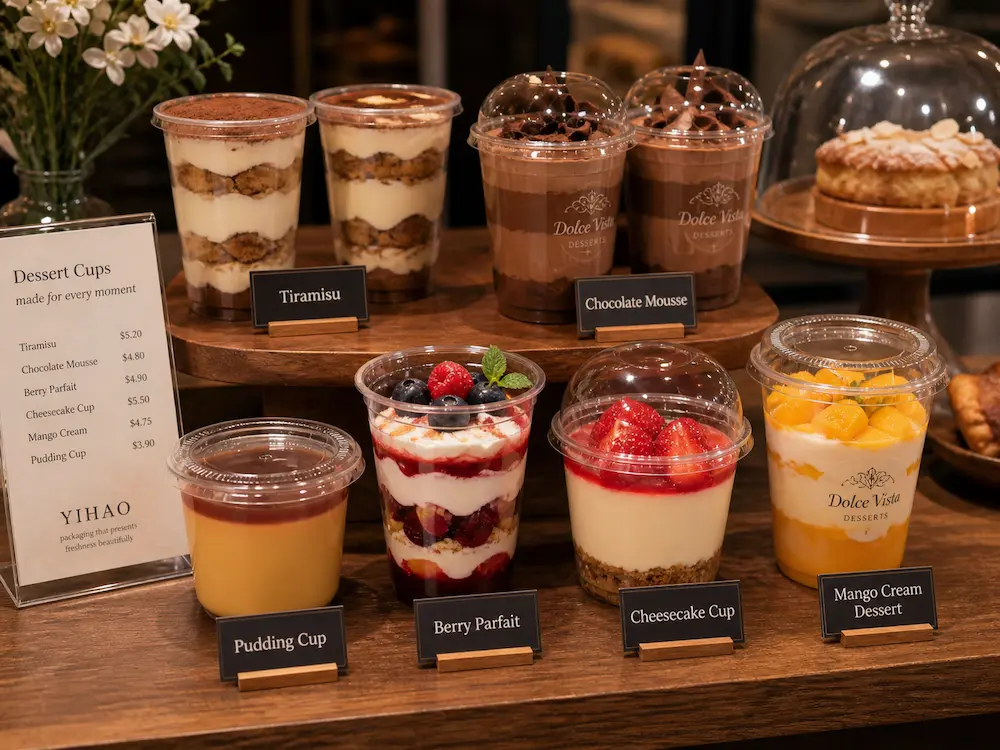
Distributors need packaging that works for multiple customers. A reliable polypropylene cold cups manufacturer should provide stable specifications, compatible lids, consistent carton packing, and repeatable quality. This helps distributors reduce complaints and simplify inventory planning.
Work with a Polypropylene Cold Cups Manufacturer for Wholesale Beverage Packaging
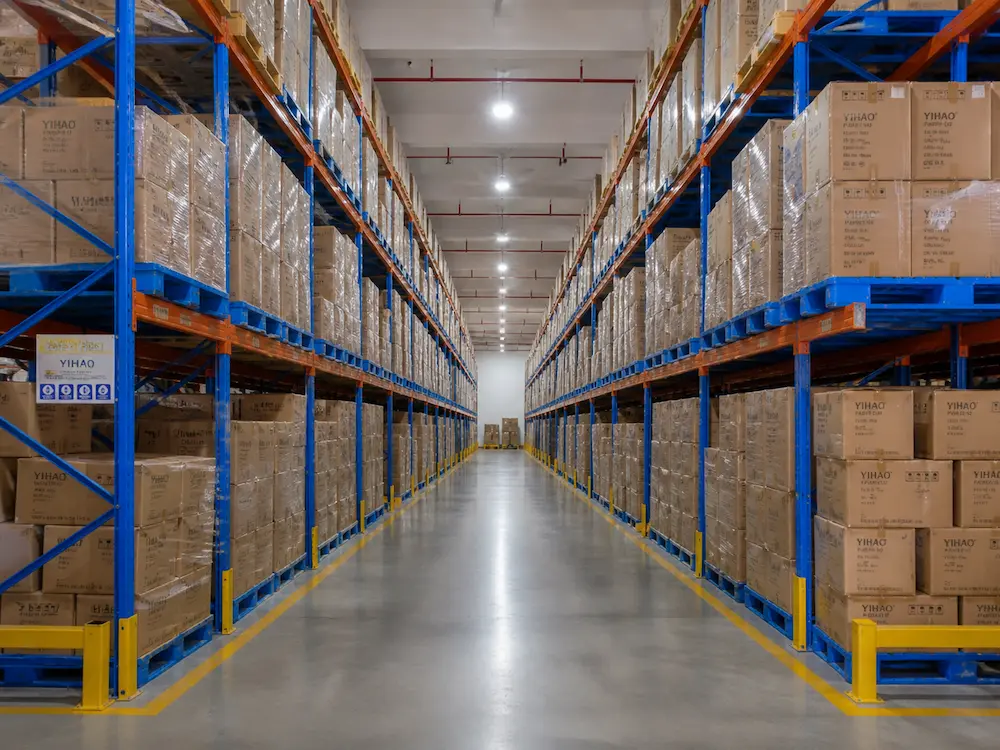
For food packaging teams, choosing the right cup is only one part of the sourcing process. The stronger decision is choosing a manufacturer that understands cold beverage packaging as a complete system.
A reliable polypropylene cold cups manufacturer should support cup selection, lid matching, sample testing, carton packing, custom branding, and repeat-order consistency. This matters because a cup that works once in a small sample order must also work across large wholesale orders, distributor inventory, and long-term beverage programs.
When buyers work with YIHAO, the goal is not only to source a cup. The goal is to build a practical packaging solution for iced coffee, smoothies, juice, milk tea, matcha, refreshers, and other takeaway cold drinks. Buyers can review PP cup options, confirm compatible lids, request samples, compare carton packing, and develop branded packaging for supermarket, cafe, foodservice, and distributor channels.
If your team is sourcing polypropylene cold cups for wholesale beverage packaging, the next step is to confirm the drink application, cup size range, lid requirement, target market, and custom branding needs. This makes the sample process faster and helps the supplier recommend a more accurate packaging solution.
Final Buying Advice
The best polypropylene cold cups are not chosen by material name alone. They are chosen by matching cup design to beverage type, service channel, lid system, compliance needs, sustainability language, and wholesale supply requirements.
For food packaging teams, PP is a practical choice when the business needs durable cups for cold beverages, takeaway service, high-volume handling, and reliable cup-lid matching. PET remains valuable for high-clarity display, while PP delivers strong performance where durability and operational consistency matter.
A good supplier should help buyers test the complete packaging system, not just sell a cup. That means matching cups with lids, confirming specifications, reviewing food-contact documentation, supporting custom branding, and providing stable production quality.
For cafes, supermarkets, juice bars, foodservice brands, and distributors, polypropylene cold cups provide a strong packaging option when real-world performance matters as much as appearance.
FAQ About Polypropylene Cold Cups
1. What are polypropylene cold cups used for?
Polypropylene cold cups are used for cold beverage packaging, including iced coffee, cold brew, smoothies, juice, lemonade, milk tea, iced tea, matcha, refreshers, sparkling fruit drinks, protein drinks, and takeaway beverages. They are practical for cafes, supermarkets, juice bars, foodservice operators, and wholesale drink packaging programs.
2. Are polypropylene cold cups safe for cold drinks?
Polypropylene cold cups are commonly used for cold drink packaging when produced from suitable food-contact PP material and supported by the required documentation for the target market. Buyers should request food-contact declarations, specifications, and test reports where applicable before wholesale ordering.
3. Are PP cold cups better than PET cold cups?
PP cold cups are not always better than PET cold cups. PP is usually stronger for durability, crack resistance, and practical takeaway handling, while PET is usually stronger for high visual clarity and premium drink display. Buyers should choose based on drink type, service channel, lid requirement, and brand presentation goals.
4. Can polypropylene cold cups be used with lids?
Yes, polypropylene cold cups can be used with lids, but buyers must confirm rim diameter, lid type, tolerance, and actual fit before bulk ordering. PP cups with lids should be tested together for lidding feel, leakage control, transport stability, and customer handling.
5. Are polypropylene cold cups recyclable?
Polypropylene cold cups may be recyclable where local collection, sorting, and recycling systems accept PP food packaging. Buyers should avoid universal recyclability claims because actual recycling depends on local infrastructure, contamination, package design, labels, inks, and market acceptance.
6. What should buyers check before ordering wholesale PP cold cups?
Before ordering wholesale PP cold cups, buyers should check material specification, cup capacity, rim diameter, lid compatibility, wall strength, stackability, carton packing, food-contact documentation, custom printing options, supplier quality control, and sample performance under real beverage conditions.
References
- U.S. Food and Drug Administration — Packaging & Food Contact Substances.
- Electronic Code of Federal Regulations — 21 CFR 177.1520 Olefin Polymers.
- Association of Plastic Recyclers — APR Design Guide Overview.
- Association of Plastic Recyclers — APR Design Hub.
- European Commission — Food Contact Materials.
- EUR-Lex — Regulation (EC) No 1935/2004 on Materials and Articles Intended to Come into Contact with Food.
- European Commission — Food Contact Materials Legislation.
- Ellen MacArthur Foundation — Packaging and Circular Economy Guidance.
Deep-Dive Insights: How Buyers Should Think About Polypropylene Cold Cups
How PP Cold Cups Support Takeaway Beverage Operations
Polypropylene cold cups support takeaway beverage operations by combining durable handling, practical cup-lid matching, and stable performance during service. For cafes, juice bars, supermarkets, and foodservice distributors, the cup must work beyond the counter. It must handle filling, lidding, stacking, carton packing, delivery, and customer use.
Why Material Choice Changes the Buyer’s Packaging Strategy
Material choice affects more than appearance. PET often supports stronger visual display, while PP supports durable handling and practical takeaway performance. Food packaging teams should match the material to the beverage, the sales channel, and the handling process instead of choosing one material for every application.
What Buyers Should Confirm Before Bulk Orders
Before ordering wholesale PP cold cups, buyers should confirm cup capacity, rim diameter, lid compatibility, wall strength, carton packing, food-contact documentation, custom printing requirements, and real sample performance. A complete cup-and-lid test is more reliable than a photo or specification sheet alone.
Option: PP Cups with Lids for High-Volume Beverage Programs
PP cups with lids are practical for beverage programs that need stable takeaway packaging. Matched lids reduce leakage risk, improve customer experience, and help operators manage iced coffee, smoothies, juice, milk tea, iced tea, matcha, and refreshers with more confidence.
Consideration: Recyclability Claims Must Match Local Infrastructure
PP cold cups may support recyclability goals where local systems accept PP food packaging, but buyers should avoid universal claims. Responsible packaging communication should consider local collection, sorting, contamination, labels, inks, and real recycling acceptance.
Buyer Takeaway: Choose PP When Durability Matters More Than Maximum Clarity
Polypropylene cold cups are a strong choice when the beverage program requires durability, stable lid fit, practical handling, and wholesale supply consistency. For buyers who need the clearest product display, PET may still be the stronger visual option. For takeaway performance, PP deserves serious consideration.
© YIHAO Packaging. All rights reserved. All articles, product images, packaging designs, technical specifications, and website materials are protected by copyright. Unauthorized copying, reproduction, redistribution, modification, or commercial use is strictly prohibited without prior written permission.