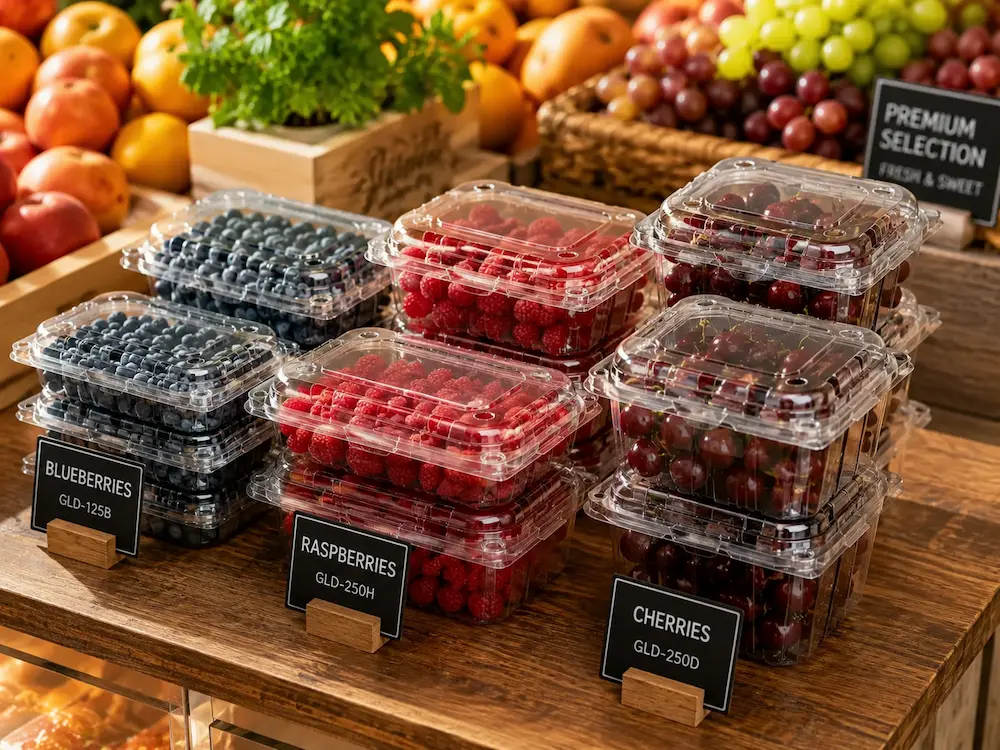
Why Fruit Clamshell Size Matters for Produce Retail
Fruit packaging is not just a container decision. For fresh produce brands, supermarkets, growers, distributors and foodservice buyers, fruit clamshell size affects product protection, shelf display, customer inspection, ventilation, stacking, carton efficiency and retail presentation.
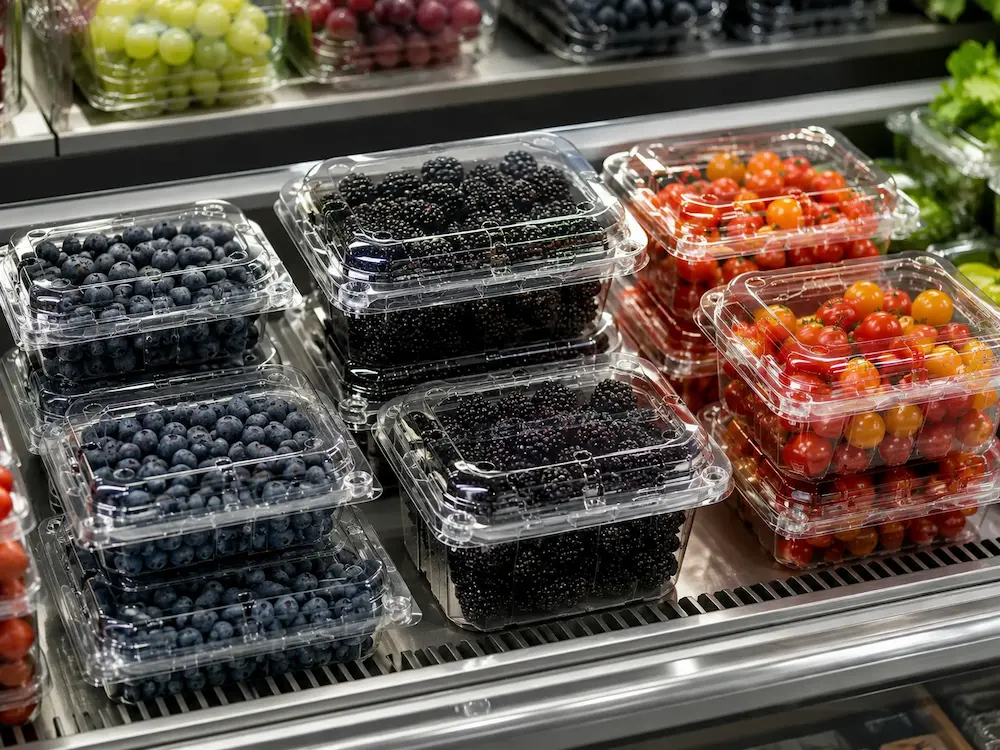
A clamshell that is too small may compress berries, grapes or cherry tomatoes. A container that is too large may make the product look underfilled and reduce shelf efficiency. A package with poor ventilation may not support the intended produce handling condition. A container with weak hinge or lock performance may open during transport or customer handling.
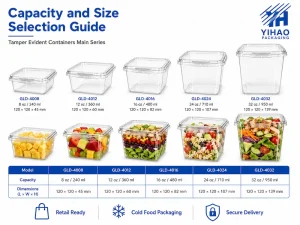
This is why buyers need a practical fruit clamshell packaging size guide, not only a capacity chart. Real produce selection depends on fruit type, fruit size variation, moisture behavior, ventilation design, clamshell height, footprint, lid closure and retail display method.
As a food packaging manufacturer and solution provider, YIHAO recommends that buyers choose fruit clamshell packaging by product application first. Berry clamshells, grape packaging containers, cherry tomato packs, apple clamshell containers and fresh-cut fruit containers should not all be treated as the same structure.
Quick Comparison: Common Fruit Clamshell Applications
| Fruit Application | Common Packaging Direction | Main Packaging Priority | Buyer Watch Point |
|---|---|---|---|
| Berries | Small to medium vented clamshell containers | Ventilation, gentle protection and visibility | Avoid excessive pressure on delicate fruit |
| Grapes | Vented clamshells or handled fruit basket containers | Airflow, weight support and easy handling | Check base strength and sidewall stability |
| Cherry tomatoes | Vented produce clamshells | Visibility, ventilation and rolling control | Check closure security and stacking |
| Apples | Apple clamshell containers or larger produce packs | Product separation, protection and retail display | Check footprint, height and fruit movement |
| Fresh-cut fruit | Clear PET fresh-cut fruit containers | Clarity, moisture management and clean presentation | Test condensation, lid fit and chilled display |
Berries: Choosing Clamshells for Delicate Fruit
Berries are one of the most common uses for produce clamshell containers. Blueberries, strawberries, raspberries and other delicate fruits need packaging that balances ventilation, protection and visibility.
Berry clamshell containers should not be too deep or too loose. If the clamshell is too tight, berries may be compressed. If the container is too large, the fruit may move too much during transport and retail handling. Buyers should test the real fruit size, fill weight, clamshell height and stacking behavior before confirming orders.
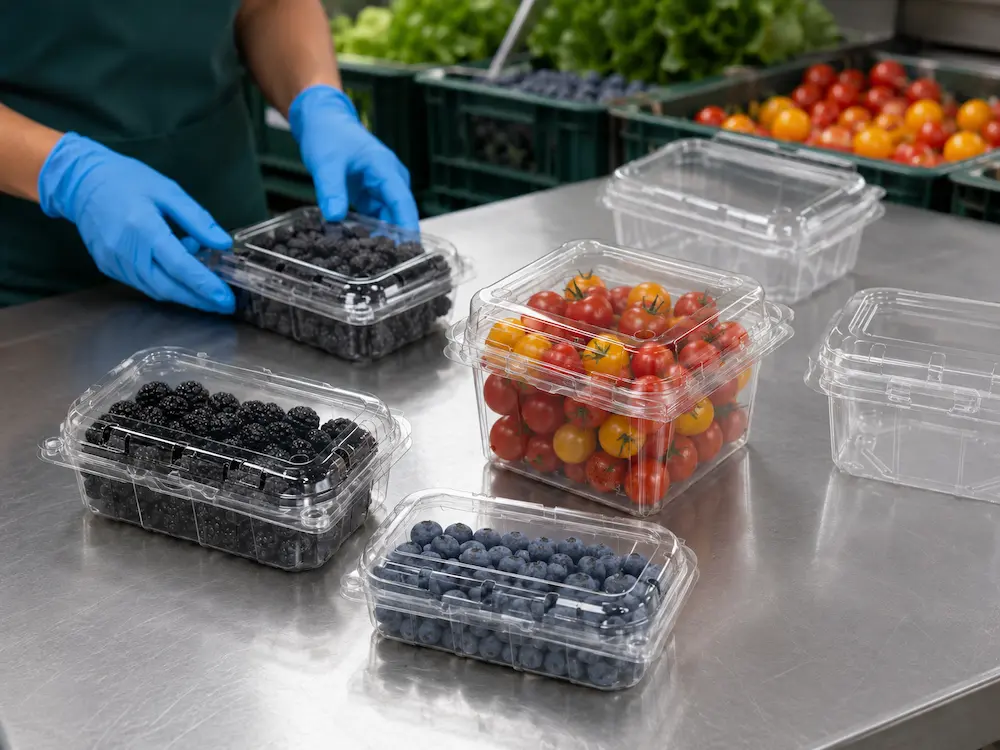
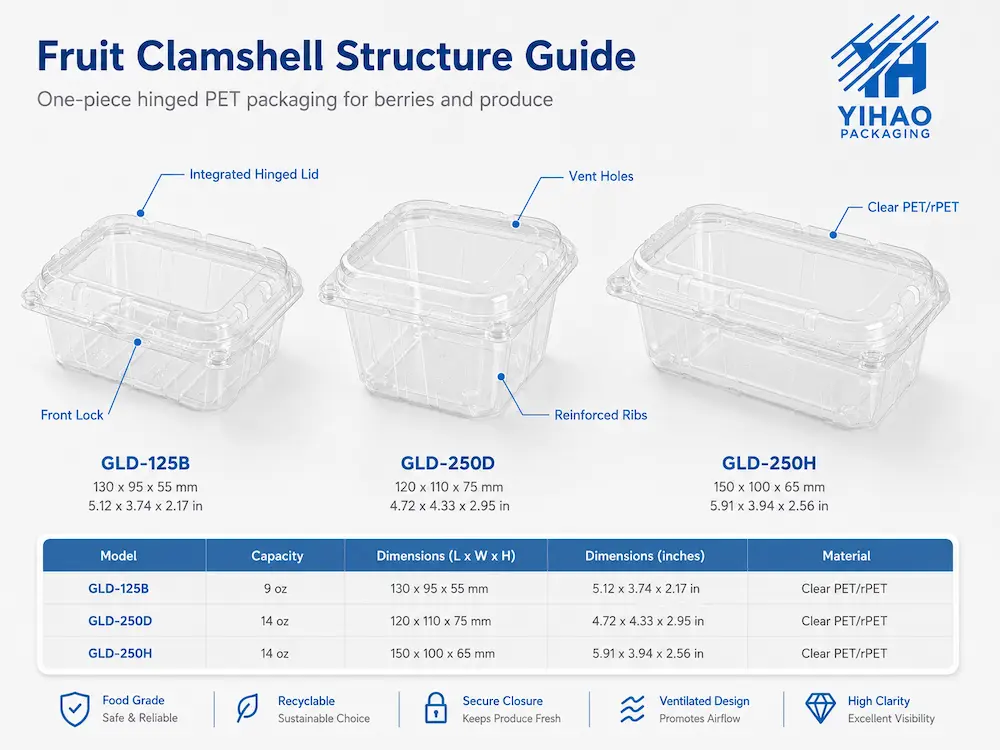
A product such as a 1lb vented clamshell pack can be a practical option for blueberries and delicate fruit where visibility, ventilation and retail-ready handling are important. For larger berry programs, a 2lb vented berry clamshell container may help buyers support larger fresh fruit portions while keeping a one-piece hinged and vented structure.
Grapes and Cherry Tomatoes: Why Ventilation and Strength Matter
Grapes and cherry tomatoes often require more structural support than lightweight berry portions. These products can create more pressure on the base and sidewalls, especially when packed in larger volumes. Ventilation still matters, but strength and closure consistency become more important.
For grape packaging containers, buyers should check base rigidity, sidewall reinforcement, lid engagement and how the product moves inside the container. A clamshell that is too flexible may deform during stacking or transport. A weak closure may open during handling.
Cherry tomato packaging also needs careful testing because round produce can move easily inside the pack. A good clamshell should help keep the product organized while still allowing customers to see color, freshness and portion size clearly.
For general fresh fruit applications, a clear PET hinged clamshell container can help buyers evaluate a transparent, one-piece hinged structure for retail-ready produce presentation.
Apples and Larger Produce: When Footprint and Height Become Critical
Apple clamshell containers need a different size logic from berry containers. Apples are larger, heavier and more rigid. The packaging must provide enough height and footprint to hold the fruit without excessive movement or pressure points.
For apple clamshell containers, buyers should review fruit count, fruit diameter, display orientation and carton packing. A package that fits smaller apples may not work for larger sizes. If the clamshell is too shallow, the lid may press against the fruit. If the footprint is too large, the package may waste retail shelf space.
Apple packaging should also support clean retail presentation. Customers want to see fruit color and condition. Clear PET or rPET packaging can help with visibility, while reinforced structure and good closure design support transport and display handling.
Fresh-Cut Fruit: Clear Presentation and Moisture Considerations
Fresh-cut fruit containers need a slightly different approach from whole-fruit clamshells. Cut fruit is often sold in chilled displays and customers judge it by color, moisture, freshness and portion appearance.
For fresh-cut fruit, clear PET containers are useful because they allow customers to inspect the product quickly. However, buyers should test condensation, lid fit, chilled display, label placement and product movement. Fruit pieces such as mango, melon, grapes, pineapple and apple slices may behave differently inside the same container.
For mixed fruit or snack combinations, a 2-compartment PET clamshell container can help separate fruit combinations or complementary snack items. A 17oz 500ml clear PET three-compartment snack container can support mango, grapes, cashews, almonds and similar mixed snack applications where portion separation matters.
One-Piece Hinged Clamshells vs Handled Fruit Basket Containers
Fruit clamshell packaging buyers often compare one-piece hinged clamshells with handled fruit basket containers. These structures are not the same, and they should be selected for different use cases.
One-piece hinged clamshells are useful when the buyer needs a connected lid and base, clear display, ventilation and fast packing. They are commonly used for berries, cherry tomatoes, grapes and other retail produce packs. Since the lid and base are connected, packing teams do not need to match a separate lid.
Handled fruit basket containers are useful when carrying convenience and larger fruit portions matter. They can support grapes, berries and selected fresh produce packs where a raised handle improves shopper handling and shelf differentiation.
| Structure Type | Best Applications | Main Advantage | Buyer Watch Point |
|---|---|---|---|
| One-piece hinged fruit clamshells | Berries, cherry tomatoes, grapes, small produce portions | Integrated lid and base for fast packing and retail display | Check hinge strength, ventilation and lock performance |
| Handled fruit basket containers | Larger berry, grape and fresh produce packs | Improved shopper handling and stronger shelf differentiation | Check handle strength, stacking and carton efficiency |
| Multi-compartment fruit containers | Fruit combos, snack packs and mixed fresh food portions | Separates ingredients and improves product organization | Check compartment depth and lid fit across all sections |
Ventilation, Visibility and Product Protection
Ventilation is one of the biggest differences between fruit clamshell packaging and many deli or salad containers. Fresh produce often needs airflow, moisture control and temperature-sensitive handling. Vent openings can help support produce presentation and reduce excessive moisture buildup under suitable storage conditions.
Visibility is just as important. Customers want to inspect berries, grapes, cherry tomatoes, apples and fresh-cut fruit before purchase. Clear PET and rPET packaging help show color, fruit condition and portion size. Poor clarity can make even high-quality produce look less appealing.
Protection is the third part of the decision. A fruit clamshell must protect the product without crushing it. This means buyers should evaluate lid height, base shape, sidewall reinforcement, hinge structure, locking tabs and stacking performance. The best clamshell should support airflow and visibility while reducing unnecessary product movement.
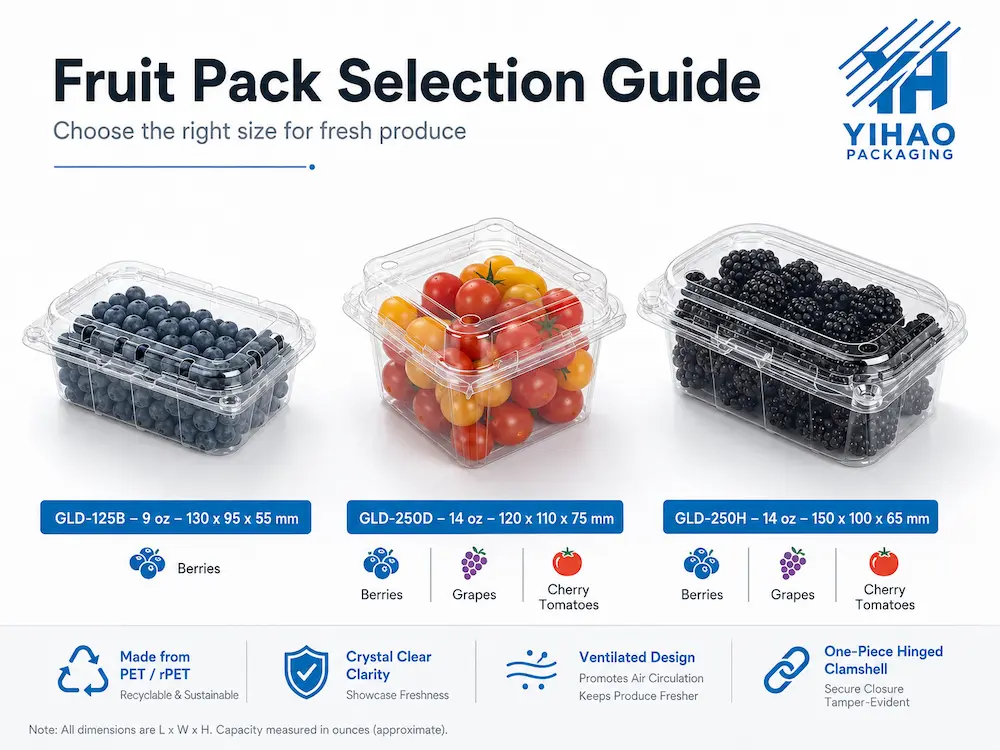
How Footprint and Height Affect Shelf Presentation
Two fruit clamshells with similar capacity can perform very differently if the footprint and height are different. A wider clamshell may show fruit more clearly from the top. A taller clamshell may hold more product in a smaller shelf footprint. A shallow clamshell may improve visibility but may not protect taller fruit well.
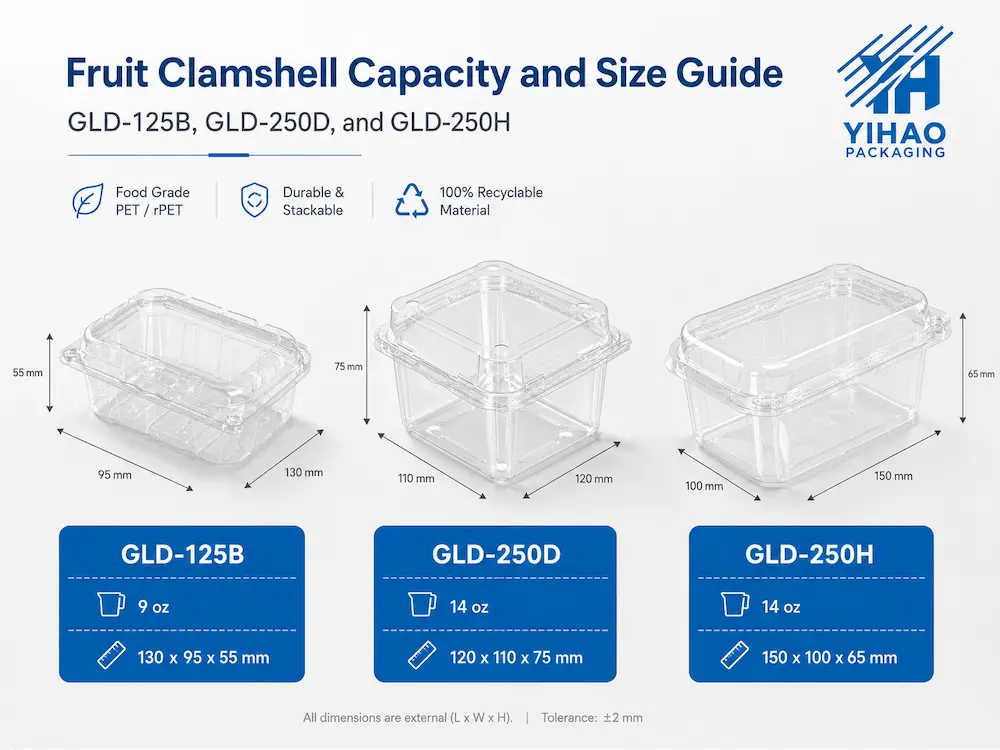
For retail buyers, footprint affects shelf efficiency. For distributors, footprint affects carton packing. For customers, footprint affects handling and perceived value. Height affects fruit protection, stacking and lid clearance.
| Design Factor | Why It Matters | Buyer Test |
|---|---|---|
| Footprint | Affects shelf layout, carton packing and product visibility | Test how many packs fit on shelf and in cartons |
| Height | Affects fruit protection and lid clearance | Test real fruit size variation before ordering |
| Vent pattern | Supports airflow and moisture behavior | Test under real storage and display conditions |
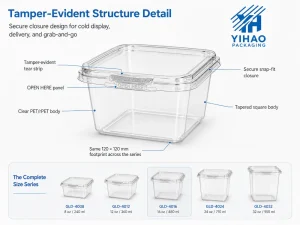
| Hinge and lock | Supports packing speed and closure security | Open, close, stack and transport filled samples |
| Material clarity | Improves customer inspection and shelf appeal | Review filled packs under retail lighting |
PET and rPET Clarity for Fresh Produce Display
PET and rPET are commonly used in fresh produce packaging because clear packaging helps customers inspect the fruit before purchase. For berries, grapes, cherry tomatoes and fresh-cut fruit, visibility can support customer confidence and retail shelf appeal.
Fresh produce packaging containers should present fruit cleanly while supporting the real handling chain. That includes packing, stacking, cold storage, transport, retail display and customer handling.
rPET may also be relevant for buyers who want to discuss recycled material use, where food contact suitability, supplier documentation and local recycling systems support it. Buyers should confirm the material, food contact suitability, clarity consistency and intended application before making recycled content claims.
YIHAO Fresh Produce Packaging Sample Request Checklist
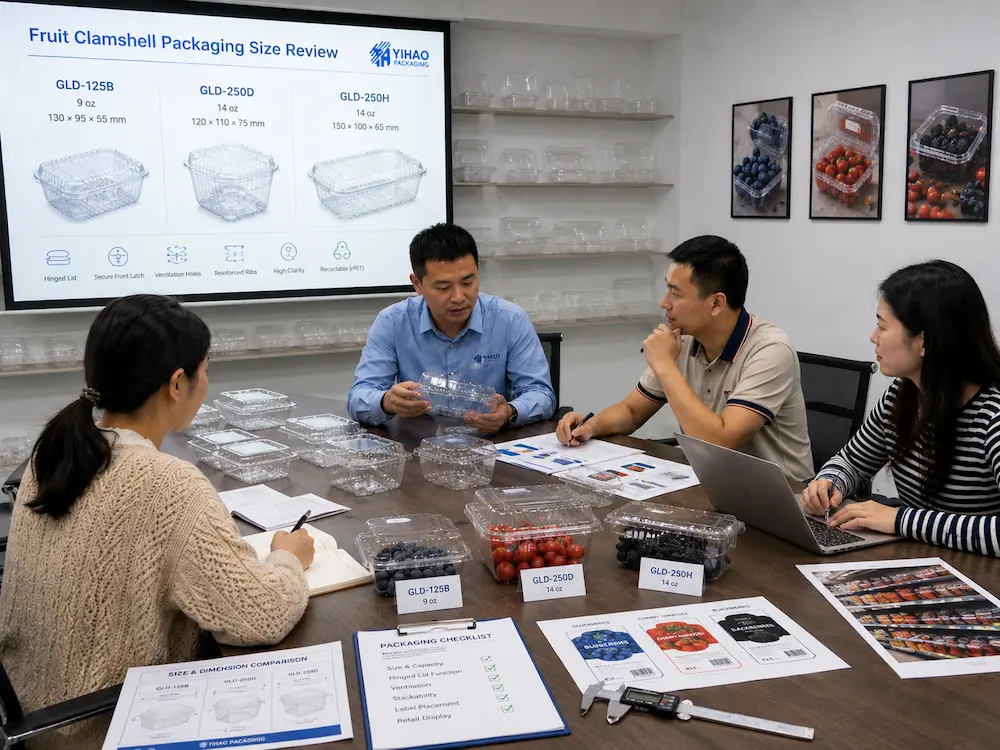
Before confirming fruit clamshell packaging, buyers should request samples and test them with real produce. Empty containers can show shape and clarity, but filled clamshells reveal the real performance.
| Information to Send | Why It Matters | Example |
|---|---|---|
| Produce type | Different fruits need different height, ventilation and support | Berries, grapes, cherry tomatoes, apples, fresh-cut fruit |
| Target pack weight | Weight affects base strength and stacking behavior | 1lb, 2lb or buyer-specific portion target |
| Fruit size range | Large fruit may need more lid clearance | Small berries, grape clusters, apple diameter range |
| Structure preference | Different structures support different retail needs | One-piece hinged, handled basket or compartment container |
| Storage condition | Cold chain and retail display affect performance | Refrigerated display, chilled transport, retail shelf |
| Label plan | Labels should not hide fruit visibility or vents | Top label, side label, barcode or brand sticker |
| Testing condition | Real handling reveals structural issues | Stacking, drop handling, cold display and carton packing |
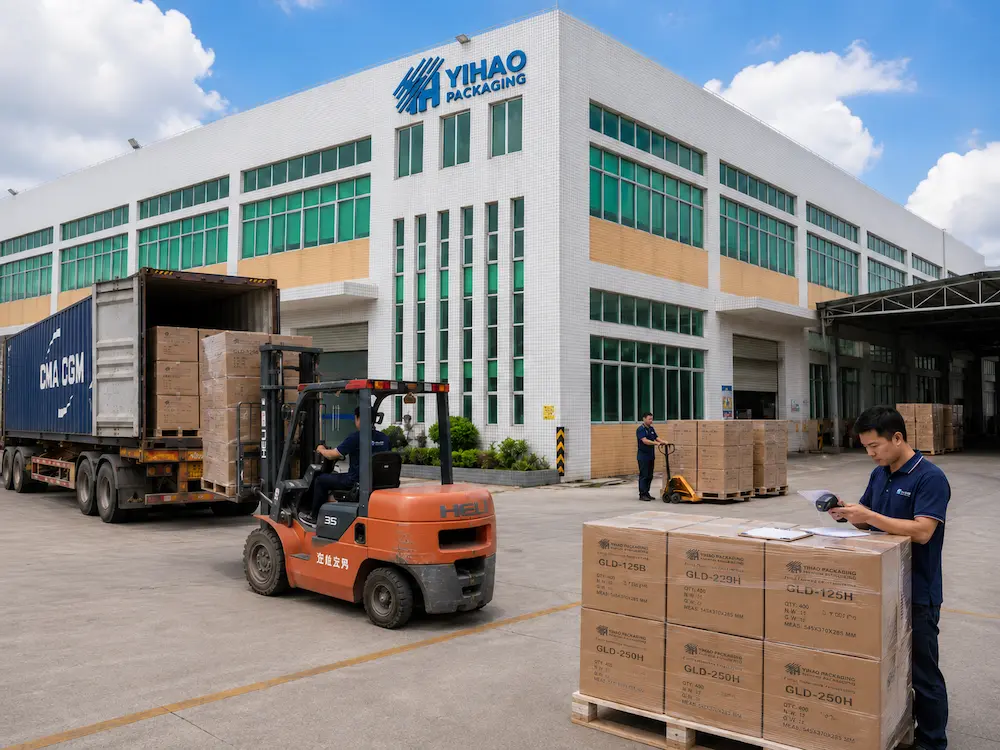
When working with a manufacturer, buyers should test real filled samples instead of relying only on catalog photos. The goal is to confirm that the clamshell protects the fruit, displays it clearly and works through the buyer’s packing and retail process.
Common Mistakes Buyers Should Avoid
Mistake 1: Confusing berry clamshells with salad clamshells
Berry clamshells usually need ventilation and produce-specific structure. Salad clamshells may focus more on deli presentation, lid clearance and cold food display. Buyers should not treat them as the same packaging.
Mistake 2: Choosing only by capacity
Fruit size, movement, ventilation and stacking matter as much as capacity. A package with the right volume may still fail if the footprint, height or closure does not match the produce.
Mistake 3: Ignoring ventilation
Fresh produce packaging often requires airflow and moisture consideration. Buyers should not select a closed container when the fruit application needs ventilation.
Mistake 4: Testing empty clamshells only
Empty clamshells do not show how fruit moves, stacks or presses against the lid. Buyers should test real fruit, real labels and real storage conditions.
Mistake 5: Blocking vents or visibility with labels
Labels should support branding without hiding the fruit or blocking important ventilation areas. Label placement should be part of sample testing.
FAQ
1. What size clamshell is best for berries?
The best berry clamshell size depends on fruit type, pack weight, berry size, ventilation needs and retail display method. Buyers should test the actual berries inside the clamshell to confirm lid clearance, movement, visibility and stacking performance.
2. Why do fruit clamshells need ventilation?
Fruit clamshells often need ventilation to support airflow and moisture behavior during chilled storage, transport and retail display. Vent design should match the produce type and handling condition, so buyers should test filled samples before wholesale ordering.
3. What is the difference between berry clamshells and handled fruit baskets?
Berry clamshells are usually one-piece hinged, vented and designed for compact produce retail packs. Handled fruit basket containers add a raised handle for easier shopper carrying and shelf differentiation, often for larger berry, grape or fresh produce packs.
4. Can clear PET improve produce display?
Yes. Clear PET and rPET packaging can improve produce display by allowing customers to see fruit color, freshness, portion size and product condition before purchase. Buyers should still test material clarity, ventilation, stacking and label placement.
5. Are fruit clamshells suitable for fresh-cut fruit?
Some clamshell or clear PET compartment containers can be suitable for fresh-cut fruit and snack packs. Buyers should test moisture behavior, lid fit, chilled display, compartment depth and product movement before confirming the final package.
6. Should buyers choose one-piece hinged or bottom-and-lid separated containers?
For many berries, grapes and cherry tomatoes, one-piece hinged clamshells are practical because the lid and base stay connected during packing. Bottom-and-lid separated containers may serve other food categories, but buyers should not confuse them with vented produce clamshells.
7. What should buyers send before requesting fruit packaging samples?
Buyers should send produce type, target pack weight, fruit size range, preferred structure, storage condition, label plan, ventilation needs and testing requirements. This helps the supplier recommend the right produce clamshell or fruit container.
References
- U.S. Food and Drug Administration, Packaging and Food Contact Substances resources.
- European Commission, Food Contact Materials and Regulation (EC) No 1935/2004 framework.
- European Food Safety Authority, food contact materials safety assessment resources.
- Association of Plastic Recyclers, Design Guide for Plastics Recyclability.
- RecyClass, Design for Recycling Guidelines for PET Packaging.
- WRAP, plastic packaging design and recyclability guidance.
- Produce Marketing Association, fresh produce packaging and merchandising resources.
- PMMI Business Intelligence, food packaging and fresh produce packaging industry research.
Deep-Dive Insights: How Buyers Should Think About Fruit Clamshell Packaging
How clamshell size affects fresh produce retail
Fruit clamshell size influences product protection, customer inspection, shelf presentation, carton packing and handling stability. A good size should hold the fruit securely without compressing it or making the package look underfilled.
Why ventilation matters for produce packaging
Ventilation helps support airflow and moisture behavior during chilled handling and retail display. The vent pattern should match the produce type, storage condition and display method instead of being treated as a decorative detail.
What option works best for berries, grapes and apples?
Berries often need compact vented clamshells with gentle protection. Grapes and cherry tomatoes need stronger structure and closure stability. Apples need larger footprint and height logic. Fresh-cut fruit may need clear compartment containers or fresh-cut fruit containers that support chilled presentation.
Consideration: one-piece hinged structures should not be confused with salad clamshells
YIHAO fruit clamshell packaging should be positioned as one-piece hinged, vented, transparent and reinforced produce packaging. It should not be confused with bottom-and-lid separated salad containers or generic deli clamshells.
Buyer takeaway before wholesale ordering
Before confirming fruit clamshell packaging, buyers should test real produce, real fill weight, real labels, stacking, ventilation, chilled storage and retail display. The strongest packaging decision combines product protection, visibility and operational efficiency.
Final Note / Practical Takeaway
© YIHAO Packaging. All rights reserved. All articles, product images, packaging designs, technical specifications, and website materials are protected by copyright. Unauthorized copying, reproduction, redistribution, modification, or commercial use is strictly prohibited without prior written permission.