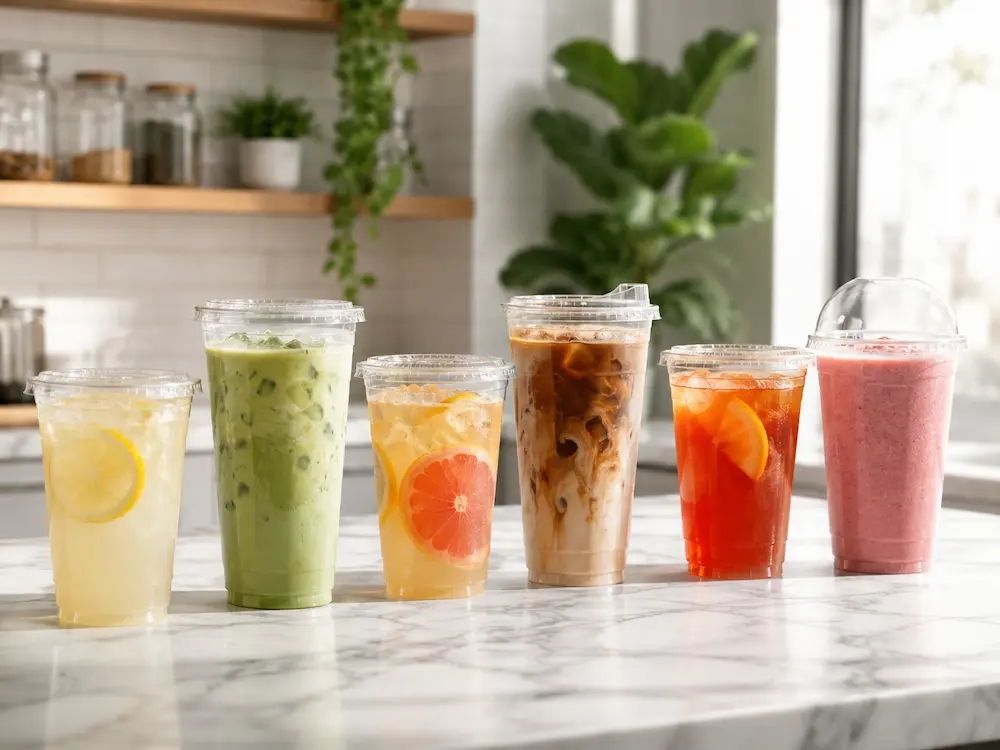
Quick Summary: Compostable Cold Cups for Food Packaging Buyers
Compostable cold cups help cafes, juice bars, supermarkets, bakeries, and foodservice teams serve chilled drinks with clearer sustainability positioning. For buyers, the key is not only choosing PLA material, but also checking lid fit, cup clarity, compostability documentation, cold drink performance, custom printing options, and wholesale supply stability.
Compostable Cold Cups: Buyer Guide for Food Packaging Teams
Food packaging teams are no longer choosing cold drink cups only by size and price. Cafes, juice bars, bakeries, supermarkets, convenience stores, takeaway chains, and foodservice buyers now need packaging that supports product presentation, customer handling, environmental messaging, and stable wholesale supply.
That is why compostable cold cups have become an important option for chilled beverage programs. They help brands serve iced coffee, cold brew, smoothies, juice, matcha, fruit tea, lemonade, refreshers, and other cold drinks with a more sustainability-focused packaging message.
However, a compostable cup is not automatically the right choice for every buyer. The real purchasing decision should include material structure, lid compatibility, cold drink performance, compostability documentation, local disposal conditions, custom branding needs, carton packing, and supplier reliability.
YIHAO is a food packaging manufacturer and solution provider supporting foodservice, takeaway, retail display, and chilled food packaging projects. From a buyer’s perspective, the goal is simple: choose a cold cup system that looks good, performs reliably, and matches the brand’s sustainability promise without creating avoidable risks in daily service.
What Are Compostable Cold Cups?
Compostable cold cups are disposable cups designed for chilled beverages and intended to break down under defined composting conditions. Most clear compostable cold cups are made from PLA, also known as polylactic acid. PLA is a plant-based plastic commonly derived from renewable resources such as corn starch or sugarcane.
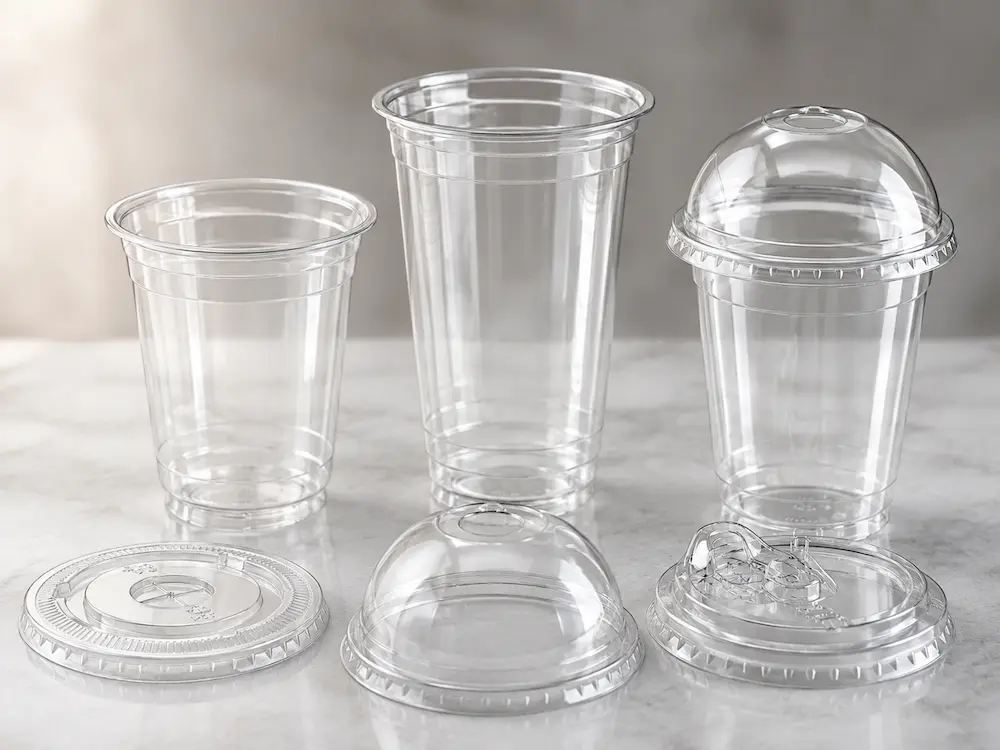
In appearance, PLA compostable cold cups often look similar to clear plastic cups. They provide good transparency, making them suitable for cold drinks where visual presentation affects buying decisions. Iced coffee, fruit tea, smoothies, juice, lemonade, matcha drinks, sparkling fruit beverages, and berry refreshers all benefit from clear packaging.
A key point for buyers: compostable does not mean the cup breaks down quickly in any natural environment. PLA usually requires industrial composting conditions, including controlled temperature, moisture, oxygen, and processing time. That makes documentation and correct claim wording important for brands selling in regulated or environmentally conscious markets.
Why Food Packaging Teams Choose Compostable Cold Cups
Food packaging teams choose compostable cold cups because they combine cold drink visibility with a stronger environmental positioning.
For beverage brands, packaging is part of the product experience. A clear cup shows ice level, drink color, foam, fruit pieces, toppings, milk layers, and texture. This matters for iced coffee, smoothies, juice, matcha, lemonade, fruit tea, and refreshers.
For retailers and takeaway operators, compostable packaging also supports customer-facing sustainability communication. When a brand already uses compostable food containers, paper bags, wooden cutlery, or plant-based packaging, PLA drink cups help create a more consistent packaging system.
For procurement teams, the value is practical. A well-selected compostable cup system helps support menu presentation, takeaway convenience, brand differentiation, and environmental positioning at the same time.
Compostable Cold Cups vs PET, PP, and Paper Cups
Different cold cup materials serve different business goals. Compostable cold cups are strong when a brand prioritizes plant-based material positioning and compostable packaging systems. PET, PP, and paper cups each have their own strengths.
| Cup Type | Main Material | Best Applications | Main Advantage | Buyer Watchpoint |
|---|---|---|---|---|
| Compostable Cold Cups | PLA | Iced coffee, smoothies, juice, fruit tea, lemonade, matcha | Plant-based material and compostable positioning | Usually requires industrial composting |
| PET Cold Cups | PET | Retail display, premium cold drinks, high-clarity beverages | Excellent transparency and strong shelf appeal | Recycling depends on local systems |
| PP Cold Cups | PP | Takeaway drinks, flexible service, durable handling | Good flexibility and impact resistance | Lower glass-like clarity than PET |
| Paper Cold Cups | Paper with lining | Branded takeaway drinks and printed cup programs | Strong printing surface | Lining affects recycling or composting path |
The right choice depends on the full business model. A juice bar focused on eco branding may prefer PLA. A supermarket focused on maximum clarity may choose PET. A takeaway chain needing stronger flexibility may choose PP. A coffee shop emphasizing printed branding may consider paper cups.
Good buyers do not choose by material trend alone. They choose by drink type, sales channel, customer handling, local waste infrastructure, and long-term supply reliability.
Best Applications for Compostable Cold Cups
Compostable cold cups are mainly designed for chilled beverages. They are not intended for hot filling or high-temperature use.
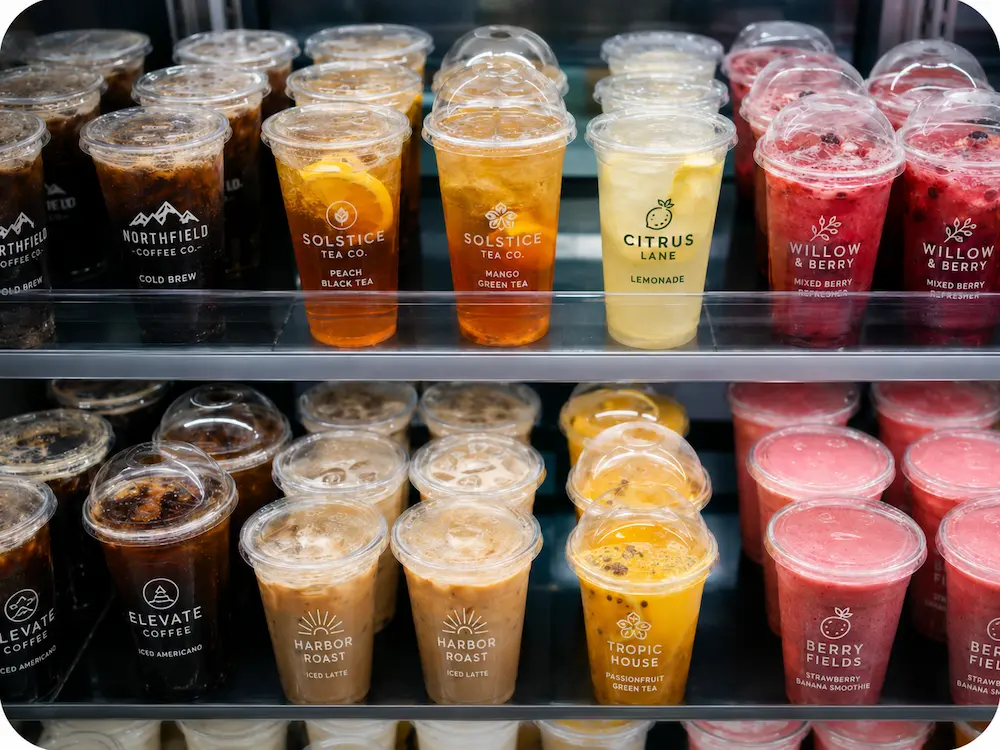
Common applications include:
| Drink Category | Suitable Examples | Packaging Priority |
|---|---|---|
| Coffee Drinks | Iced coffee, cold brew, iced latte, flavored cold brew | Clear appearance, lid fit, takeaway handling |
| Tea Drinks | Fruit tea, iced tea, milk tea, matcha latte | Color visibility, straw lid fit, cup stability |
| Juice Drinks | Orange juice, green juice, lemonade, sparkling fruit drinks | Freshness display and clean presentation |
| Smoothies | Berry smoothies, protein smoothies, acai drinks | Dome lid compatibility and wall strength |
| Refreshers | Berry refreshers, citrus refreshers, fruit-based drinks | Visual appeal and chilled shelf display |
| Dessert Drinks | Cream-topped drinks, layered beverages | Dome lid space and premium presentation |
PLA Compostable Cold Cups for Iced Coffee and Cold Brew
Iced coffee and cold brew need packaging that looks clean, feels stable, and handles takeaway movement. A transparent PLA cup allows customers to see coffee color, milk layering, ice, cream foam, and syrup effects clearly.
For cafes and beverage chains, compostable cold cups support a more premium and environmentally aware presentation. This is useful for brands that want their cold coffee menu to feel modern, clean, and aligned with sustainability expectations.
Buyers should test:
- Cup clarity with dark coffee and milk-based drinks
- Lid seal during takeaway movement
- Straw-slot performance
- Condensation handling
- Cup holder fit
- Stackability during busy service hours
The cup should work smoothly for staff, not only look good in product photos.
PLA Cups for Smoothies, Juice, Matcha, and Refreshers
Smoothies, juice, matcha, and refreshers depend heavily on color and freshness. Clear PLA packaging helps customers see the drink before purchase, which is especially valuable for grab-and-go chillers, cafe counters, bakery drink stations, and supermarket beverage shelves.
For smoothies and dessert-style drinks, dome lids are often useful because they provide extra space for whipped cream, fruit toppings, foam, or thick drink texture. For juice, lemonade, fruit tea, and iced matcha, flat lids with straw slots are often more practical.
PLA cups with lids should always be tested as a complete system. Cup rim diameter, lid structure, stacking pressure, and carton protection all influence performance during transport and daily service.
Compostable vs Biodegradable Cold Cups
Compostable and biodegradable are not the same.
Compostable cold cups should break down under defined composting conditions and usually need to meet recognized compostability standards. Biodegradable cold cups is a broader term and can be less precise if it does not specify the environment, timeframe, and testing method.
This distinction matters because food packaging teams must avoid vague or misleading environmental claims. Buyers should not rely only on words printed on a carton or product page. They should request documentation from the manufacturer or supplier.
A responsible buyer should ask:
| Question | Why It Matters |
|---|---|
| Is the cup made from PLA? | Confirms the base material |
| Is the cup certified compostable? | Supports environmental claims |
| Which standard applies? | Helps match the target market |
| Does the lid match the cup claim? | Avoids mixed-material confusion |
| Is the cup accepted locally? | Determines real disposal practicality |
| Can custom printing affect claims? | Ink and decoration may matter |
Compostability Claims and Compliance Checks
Compostability claims need careful wording. Buyers should avoid saying or implying that PLA cups will compost anywhere. In most cases, PLA cold cups require industrial composting facilities.
For international buyers, common references may include ASTM D6400, EN 13432, BPI certification, TÜV Austria certification, or other region-specific compostability standards. The relevant requirement depends on the target sales market.
Before placing a wholesale order, buyers should request:
- Material specification
- Compostability certification documents if available
- Test reports where applicable
- Lid material confirmation
- Printing ink information for custom designs
- Carton label wording
- Disposal instruction support
- Compliance documents for target market
This is where many buyers make mistakes. They focus on the word “eco” but skip the proof. For B2B purchasing, documentation is part of the product.
How to Choose PLA Cups with Lids
A compostable cup is only reliable when the lid fits correctly. Poor lid fit creates leakage, customer complaints, delivery problems, and product waste.
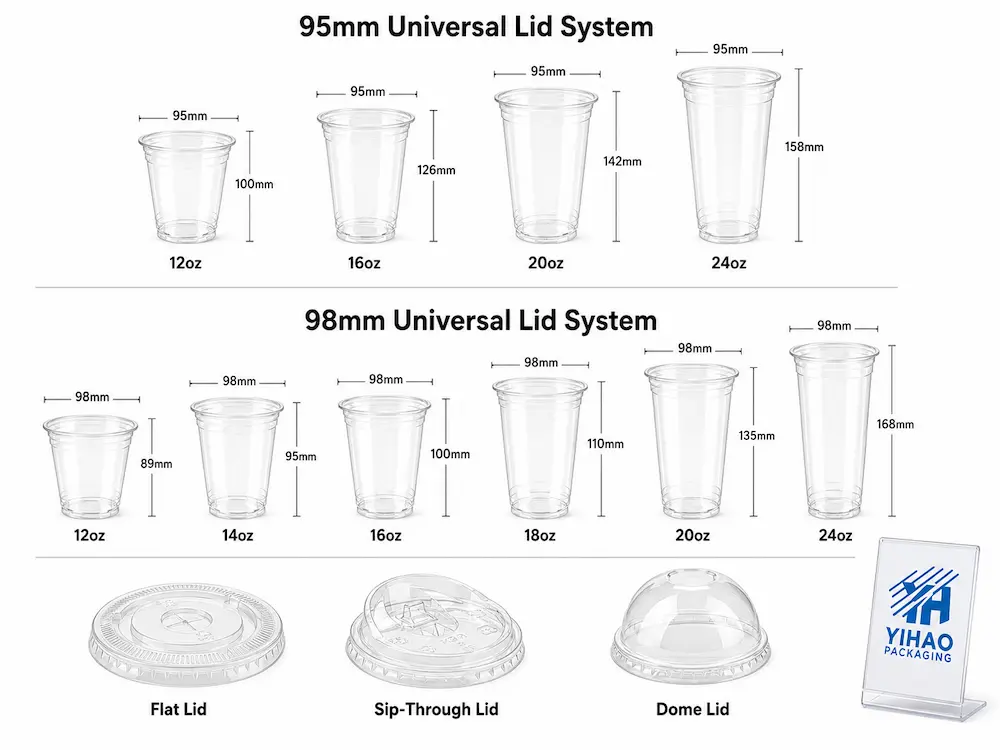
When choosing PLA cups with lids, buyers should check:
| Selection Point | What Buyers Should Check |
|---|---|
| Rim diameter | Lid must match the cup precisely |
| Lid type | Flat lid, dome lid, straw-slot lid, no-hole lid |
| Cup wall strength | Important for hand feel and drink stability |
| Stackability | Cups should release smoothly during service |
| Cold drink performance | Test with ice, condensation, and refrigerator storage |
| Delivery handling | Test takeaway bags and movement |
| Carton packing | Rim protection matters during export shipping |
| Custom branding | Confirm printing area, MOQ, artwork, and lead time |
For high-volume buyers, the lid system is not a small detail. It directly affects service speed, customer satisfaction, and repeat orders.
Buyer Checklist Before Wholesale Orders
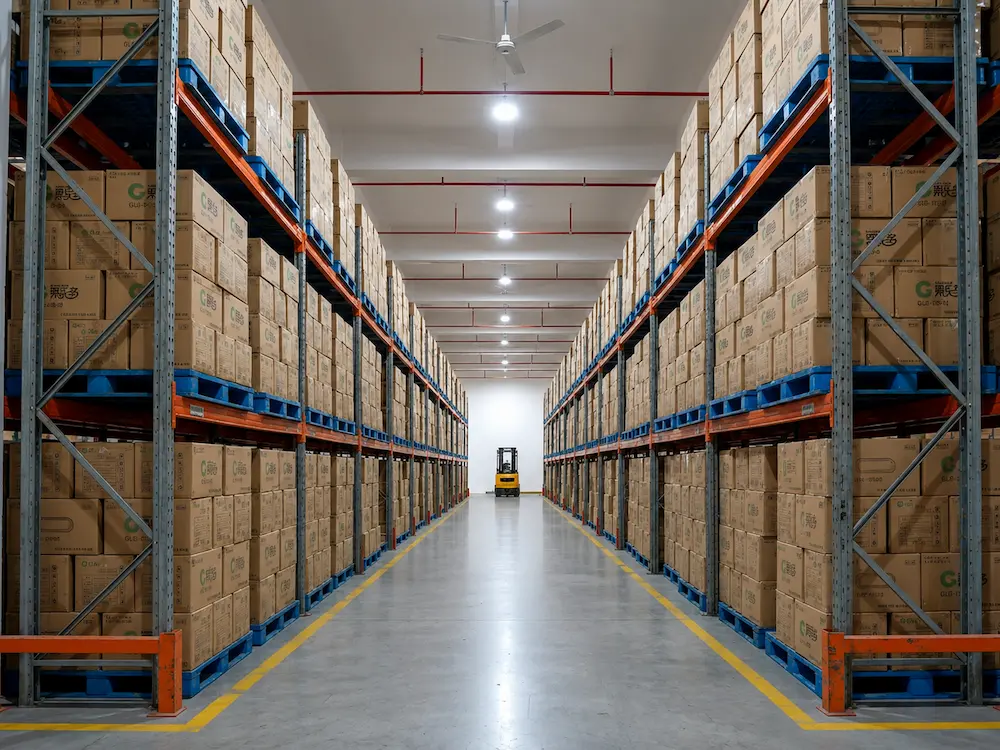
Before ordering compostable cold cups in bulk, food packaging teams should complete a structured purchasing check.
| Buyer Checklist | Recommended Action |
|---|---|
| Confirm cup material | Verify PLA or confirmed compostable material |
| Confirm cold-use limitation | Avoid hot filling or high-temperature misuse |
| Request samples | Test with real drinks before bulk orders |
| Test lid fit | Check flat lids, dome lids, and straw-slot lids |
| Check cup clarity | Test visual presentation with actual beverages |
| Review documents | Ask for certification or material support |
| Confirm size range | Match small, medium, and large drink menus |
| Review packing | Ensure export cartons protect cup rims |
| Check custom printing | Confirm artwork rules, MOQ, and lead time |
| Evaluate supplier capacity | Confirm stable wholesale supply |
This table strengthens purchasing decisions and reduces risk before production or import.
Common Sizes and Menu Matching
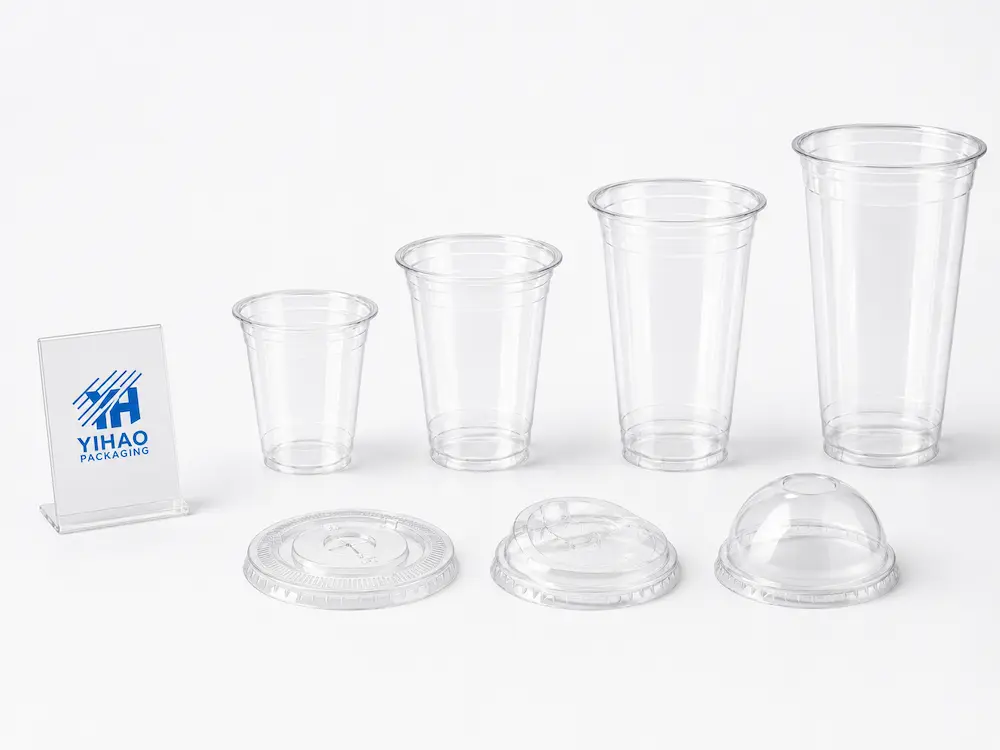
Cup size should match the drink menu, not just the lowest unit cost. Buyers should evaluate serving size, drink category, lid style, carton efficiency, and customer handling.
| Size Group | Typical Use | Buyer Note |
|---|---|---|
| Small Size | Juice samples, kids drinks, small iced coffee | Good for tasting and small portions |
| Medium Size | Iced coffee, matcha, lemonade, fruit tea | Suitable for standard takeaway drinks |
| Large Size | Smoothies, milk tea, protein drinks, large cold brew | Needs stronger lid fit and cup stability |
| Dome Lid Format | Smoothies, toppings, dessert drinks | Useful for whipped cream and fruit toppings |
| Flat Lid Format | Coffee, juice, tea, refreshers | Practical for high-volume service |
A professional supplier should help buyers build a cup-and-lid range that supports multiple beverage categories without creating too many SKUs.
Manufacturer, Wholesale, and Supplier Selection
Choosing a compostable cold cups manufacturer is a supply-chain decision, not only a packaging decision.
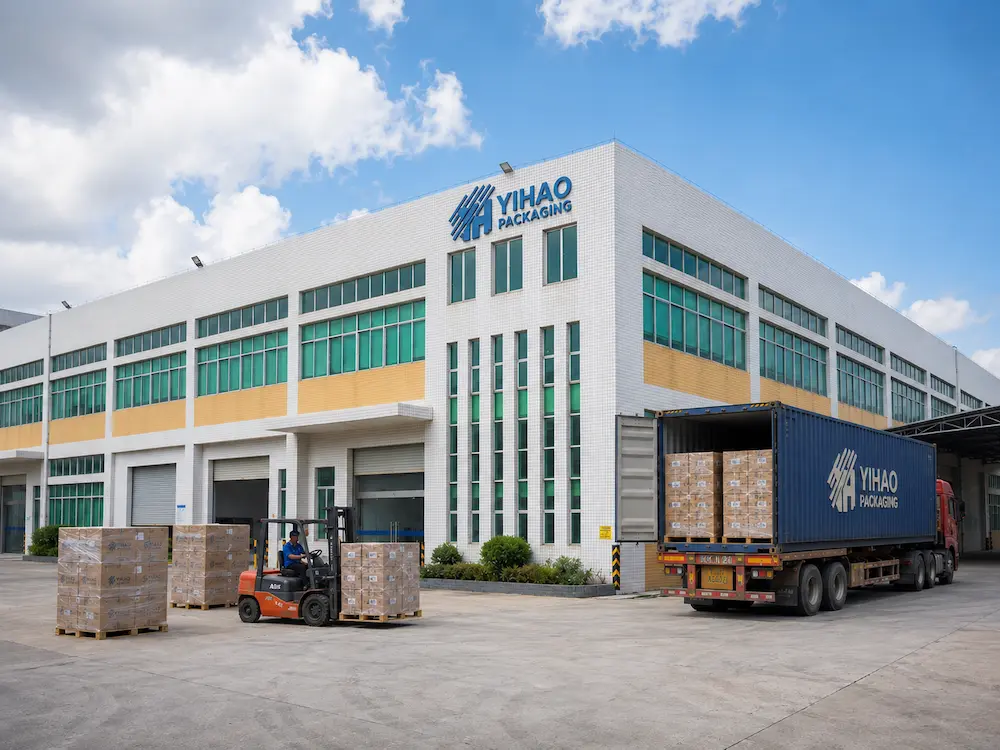
A good manufacturer, wholesale partner, or supplier should support:
- Stable PLA cup quality
- Matching lid systems
- Sample testing
- Export carton protection
- Size range planning
- Certification documentation
- Custom printing communication
- Wholesale order consistency
- Fast response during quotation and production
- Long-term product development support
YIHAO supports food packaging teams with practical packaging selection for takeaway drinks, chilled beverage programs, retail display, and foodservice supply. For compostable cup projects, the value of a manufacturer is not only production capacity. It is also the ability to help buyers reduce mistakes before bulk orders.
Custom Printing for Compostable Cold Cups
Custom printing helps cafes, beverage chains, supermarkets, and foodservice brands improve recognition. A printed logo on a clear PLA cup creates a cleaner branded experience while still showing the drink inside.
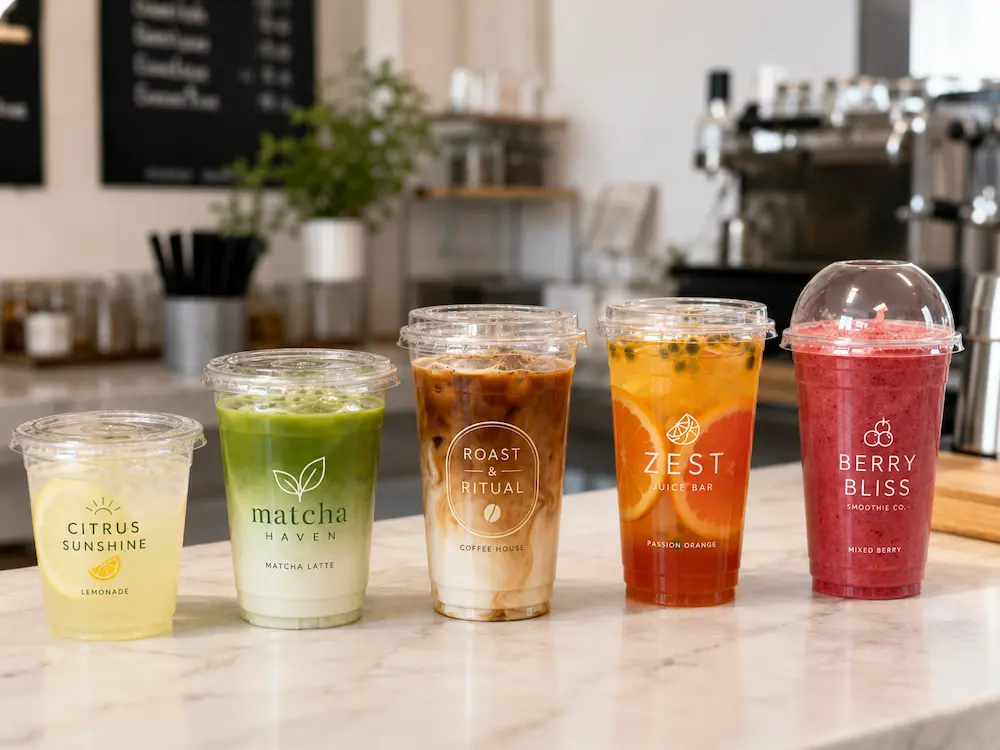
Buyers should confirm:
- Logo size
- Printable area
- Number of print colors
- Ink suitability
- MOQ
- Artwork format
- Production lead time
- Whether printing affects compostability claims
- Carton marking requirements
For clear cups, less is often better. A simple logo, clean brand mark, and clear drink view usually create a more premium appearance than heavy printing.
Cost Factors Buyers Should Understand
The price of compostable cold cups depends on more than material cost. Food packaging teams should compare total purchasing value.
Important cost factors include:
| Cost Factor | Impact on Buying Decision |
|---|---|
| PLA material cost | Affects base cup price |
| Cup weight | Influences strength and cost |
| Lid matching | Adds system cost but reduces leakage risk |
| Certification support | Important for regulated markets |
| Custom printing | Adds setup, MOQ, and lead time |
| Carton packing | Affects shipping protection |
| Order volume | Influences wholesale pricing |
| Export logistics | Affects landed cost |
A cheaper cup may become expensive if it causes lid failure, carton damage, customer complaints, or claim compliance issues. Buyers should compare performance and supplier reliability, not only unit price.
Mistakes Buyers Should Avoid
Mistake 1: Treating Compostable and Biodegradable as the Same
Compostable packaging requires defined conditions. Biodegradable is broader and often less clear.
Mistake 2: Ignoring Industrial Composting Requirements
PLA cups normally need industrial composting. Buyers should confirm local acceptance before making disposal claims.
Mistake 3: Buying Cups and Lids Separately
Cup and lid compatibility must be tested together. Matching size labels do not always guarantee secure fit.
Mistake 4: Using PLA Cold Cups for Hot Drinks
PLA cold cups are designed for chilled beverages. Hot filling may cause deformation.
Mistake 5: Skipping Sample Testing
Samples should be tested with real drinks, ice, refrigerator storage, delivery bags, and staff workflow.
Mistake 6: Choosing Only by Lowest Price
Low-cost cups may create hidden losses through poor fit, weak rims, carton damage, or unstable supply.
Practical Sample Testing Process
Before wholesale purchasing, buyers should test samples under real working conditions.
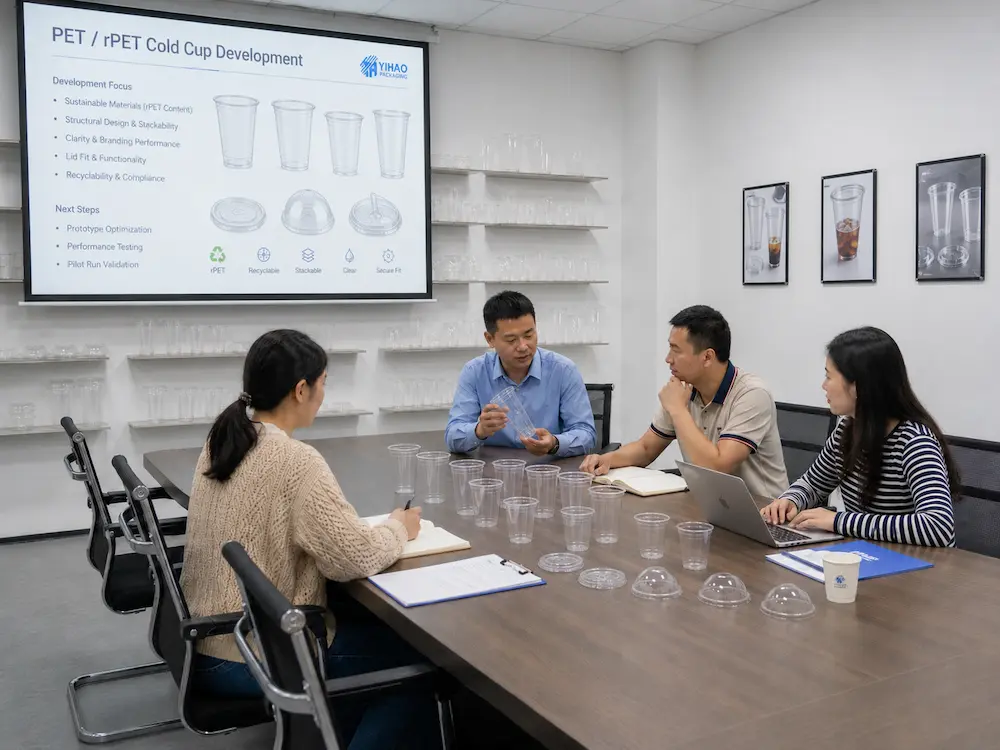
A practical test should include:
- Fill cups with iced coffee, juice, smoothies, fruit tea, and matcha.
- Add ice and check cup clarity.
- Apply flat lids and dome lids.
- Shake lightly to test lid stability.
- Place cups in takeaway bags.
- Store cups in a refrigerator.
- Test straw insertion.
- Stack empty cups during service.
- Check rim shape after carton handling.
- Collect staff feedback.
The best cup is not only the one that looks good in a catalog. It is the one that performs consistently during daily use.
When Compostable Cold Cups Are the Right Choice
Compostable cold cups are the right choice when a brand wants cold drink visibility, plant-based material positioning, and a compostable packaging direction.
They are especially suitable for:
- Eco-conscious cafes
- Juice bars
- Smoothie shops
- Supermarket chilled drink programs
- Bakery drink counters
- Foodservice events
- Beverage chains
- Takeaway drink brands
- Retail grab-and-go programs
They may not be the best choice when local composting infrastructure is weak, when the brand prioritizes PET recycling, or when the application requires higher heat resistance.
A mature buyer should match material choice with real use conditions, customer communication, and end-of-life infrastructure.
Conclusion
Compostable cold cups give food packaging teams a practical way to combine clear cold drink presentation with sustainability-focused packaging. They are suitable for iced coffee, cold brew, smoothies, juice, lemonade, matcha, fruit tea, refreshers, sparkling fruit drinks, and other chilled takeaway beverages.
For successful sourcing, buyers should evaluate PLA material, cup clarity, lid compatibility, compostability documentation, industrial composting requirements, sample testing, custom printing, carton packing, and supplier reliability.
The strongest purchasing decision is not based on one environmental word. It is based on a complete packaging system. With the right manufacturer, wholesale support, and product testing process, compostable cold cups can help food packaging teams build a cleaner, more consistent, and more customer-ready cold drink packaging program.
FAQ
1. What are compostable cold cups made from?
Most clear compostable cold cups are made from PLA, a plant-based plastic commonly used for cold beverage packaging. PLA is designed mainly for chilled drinks and usually requires industrial composting conditions.
2. Are PLA compostable cold cups suitable for iced coffee?
Yes. PLA compostable cold cups are suitable for iced coffee, cold brew, iced latte, fruit tea, juice, lemonade, matcha, smoothies, and refreshers. Buyers should test lid fit, clarity, condensation, and takeaway handling before bulk orders.
3. Are compostable cold cups the same as biodegradable cold cups?
No. Compostable cold cups should meet defined composting conditions, while biodegradable cold cups is a broader term. Buyers should request documentation before using environmental claims.
4. Do compostable cold cups need industrial composting?
In most cases, PLA compostable cups require industrial composting facilities with controlled temperature, moisture, oxygen, and processing time. Buyers should confirm local acceptance before making disposal claims.
5. How should buyers choose a compostable cold cup manufacturer?
Buyers should evaluate PLA material quality, lid compatibility, size range, sample support, certification documents, custom printing capability, wholesale supply stability, carton packing, and export experience.
References
- ASTM International, ASTM D6400 Specification for Compostable Plastics
- European Committee for Standardization, EN 13432 Packaging Compostability Standard
- Biodegradable Products Institute, Compostable Product Certification Guidelines
- U.S. Federal Trade Commission, Green Guides for Environmental Marketing Claims
- European Bioplastics, PLA and Compostable Plastics Market Information
- Ellen MacArthur Foundation, Packaging and Circular Economy Reports
- U.S. Environmental Protection Agency, Sustainable Materials Management Guidance
- ISO Standards, Environmental Labels and Declarations Guidance
Deep-Dive Insights: How Buyers Should Think About Compostable Cold Cups
How do compostable cold cups support cold drink branding?
Compostable cold cups combine clear drink presentation with a sustainability-focused material message. This helps cafes, juice bars, supermarkets, bakeries, and beverage brands present iced coffee, smoothies, juice, matcha, fruit tea, and refreshers in a cleaner packaging format.
Why should buyers test PLA cups with lids before wholesale orders?
The cup and lid must work as one system. Rim fit, straw-slot performance, dome lid clearance, condensation handling, stacking, and takeaway movement all affect customer experience and repeat purchasing.
What should buyers verify before using compostable claims?
Buyers should verify PLA material, compostability documentation, applicable standards, lid material, printing details, and local composting acceptance. Accurate claims protect the brand and help customers understand proper disposal.
Option: When should a buyer choose PLA instead of PET or PP?
PLA is a strong option when the brand prioritizes plant-based material and compostable packaging. PET is strong for high-clarity recyclable packaging, while PP is useful for durable and flexible takeaway service.
Consideration: What makes a supplier reliable?
A reliable supplier provides stable product quality, matching lids, sample support, clear documents, export-ready packing, custom printing communication, and consistent wholesale supply support.
© YIHAO Packaging. All rights reserved. All articles, product images, packaging designs, technical specifications, and website materials are protected by copyright. Unauthorized copying, reproduction, redistribution, modification, or commercial use is strictly prohibited without prior written permission.