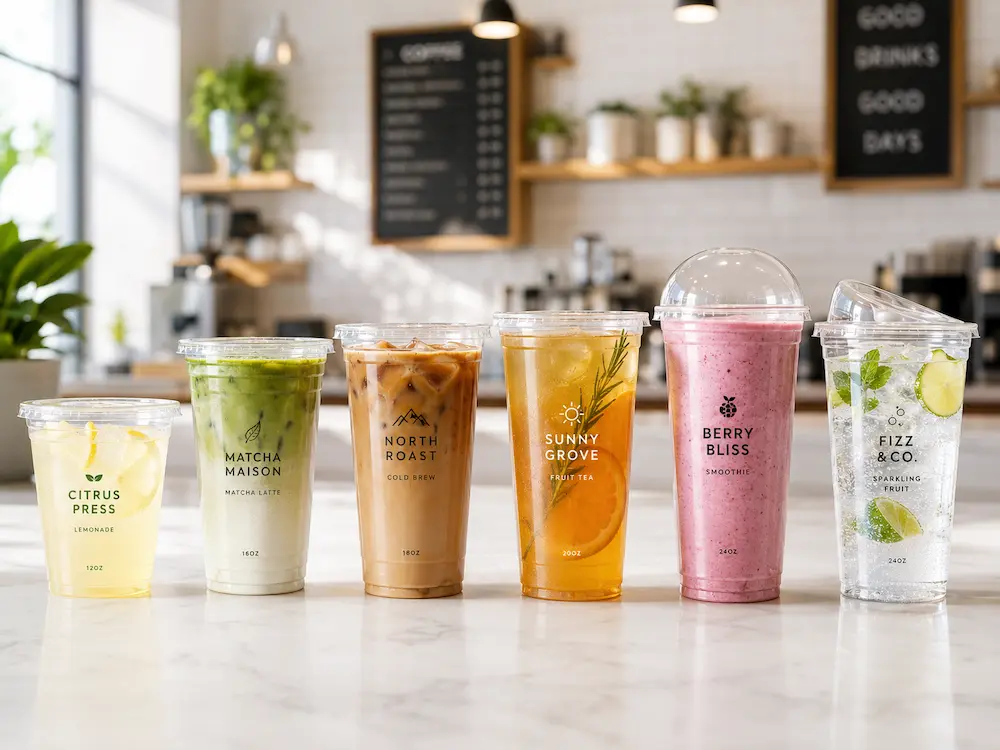
Quick Summary: PLA Drink Cups for Food Packaging Buyers
PLA drink cups are clear, plant-based cold cups designed for chilled beverages such as iced coffee, smoothies, juice, lemonade, fruit tea, matcha, refreshers, and takeaway drinks. Buyers should compare cup clarity, lid compatibility, cold storage performance, compostability documentation, custom branding, carton packing, and stable wholesale supply before bulk orders.
Food packaging teams are choosing cold drink cups with higher expectations than before. A cup is no longer just a disposable container. It needs to show the drink clearly, support fast takeaway service, fit reliable lids, perform in chilled display, communicate a responsible packaging message, and remain practical for wholesale purchasing.
That is why PLA drink cups have become a serious option for cafes, juice bars, bakeries, supermarkets, convenience stores, foodservice operators, and beverage brands. These cups are designed for chilled beverages such as iced coffee, cold brew, smoothies, juice, lemonade, fruit tea, matcha, refreshers, sparkling fruit drinks, protein drinks, and other cold takeaway drinks.
Compared with general compostable cold cups, this guide focuses more specifically on how PLA drink cups perform in three buying scenarios: retail display, takeaway service, and chilled food or beverage programs. These are the areas where cup clarity, lid fit, shelf appearance, and supply stability directly affect customer experience and repeat purchasing.
YIHAO is a food packaging manufacturer and solution provider supporting cold drink, takeaway, retail display, and chilled food packaging projects. From a buyer’s perspective, PLA drink cups should be evaluated as a complete packaging system, not just a single cup.
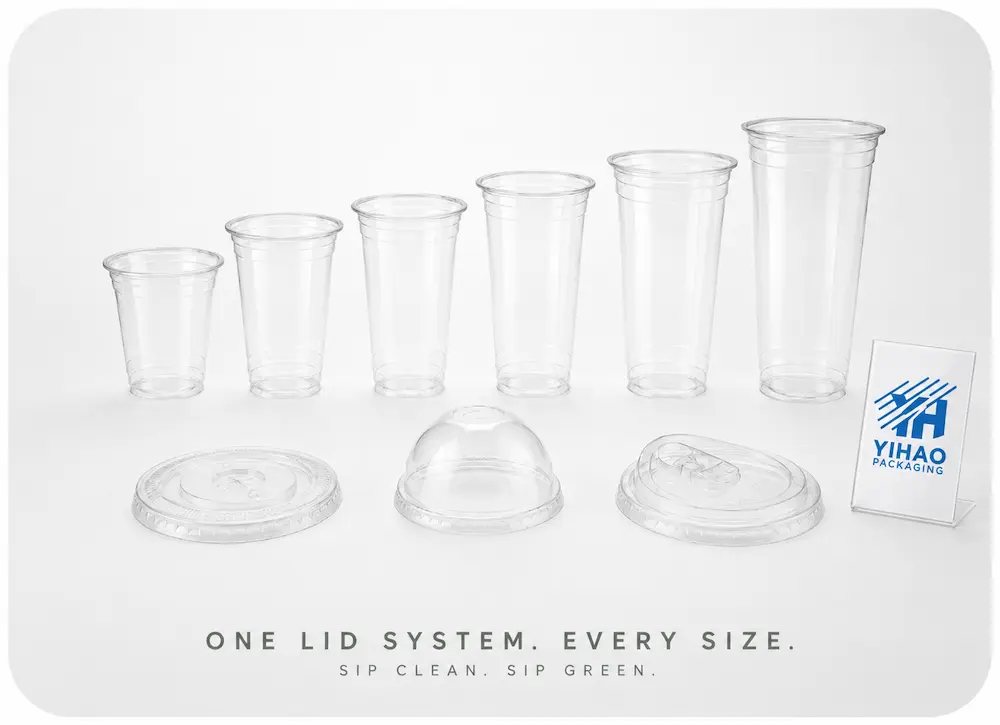
What Are PLA Drink Cups?
PLA drink cups are cold beverage cups made from PLA, also known as polylactic acid. PLA is a plant-based plastic material commonly derived from renewable resources such as corn starch or sugarcane. It is widely used for clear cold cups because it offers good transparency while supporting compostable packaging positioning.
In many foodservice and retail environments, PLA cups look similar to conventional clear plastic cups. They allow customers to see drink color, ice, foam, fruit pieces, toppings, and layered textures. This makes them useful for cold beverages where appearance influences purchase decisions.
Buyers evaluating PLA compostable cold cups should remember that PLA is mainly designed for chilled applications. It is suitable for iced coffee, juice, smoothies, matcha, fruit tea, lemonade, refreshers, and other cold drinks, but it should not be used for hot filling.
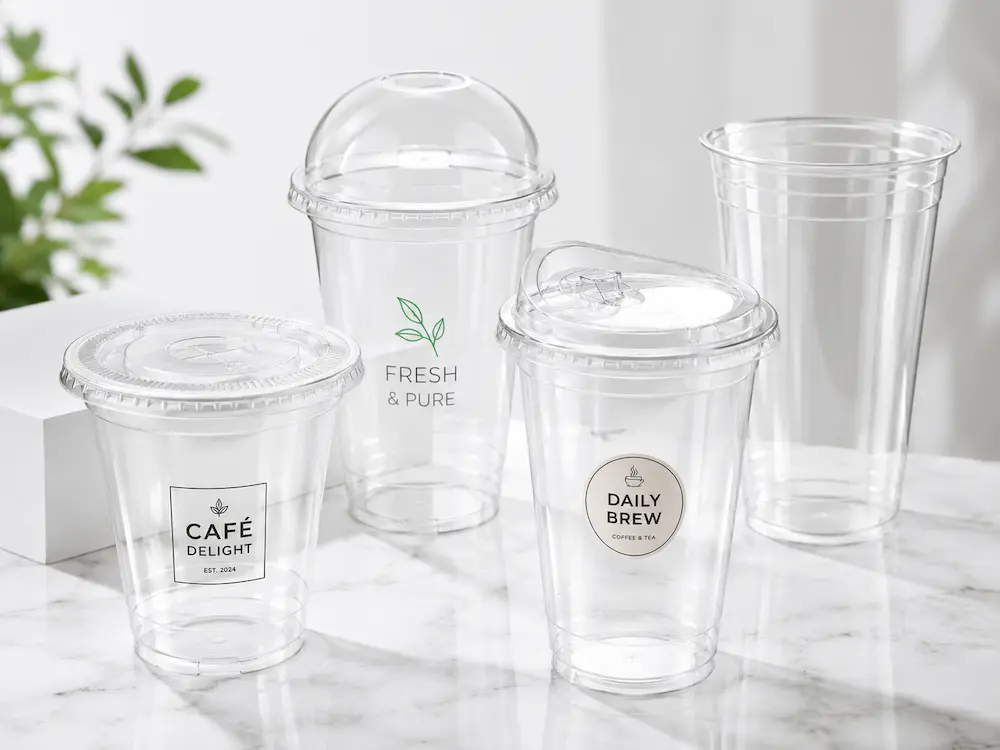
Why PLA Drink Cups Work for Retail Display
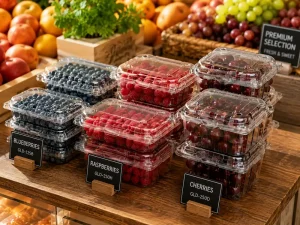
Retail display is one of the strongest reasons to choose PLA drink cups. In supermarkets, convenience stores, bakery counters, and cafe chillers, customers often make a fast visual decision before reading product details.
Clear PLA cups help show drink color, ice, pulp, foam, fruit pieces, toppings, and layered textures. This is especially useful for iced coffee, matcha, lemonade, smoothies, fruit tea, berry refreshers, protein drinks, and chilled dessert beverages.
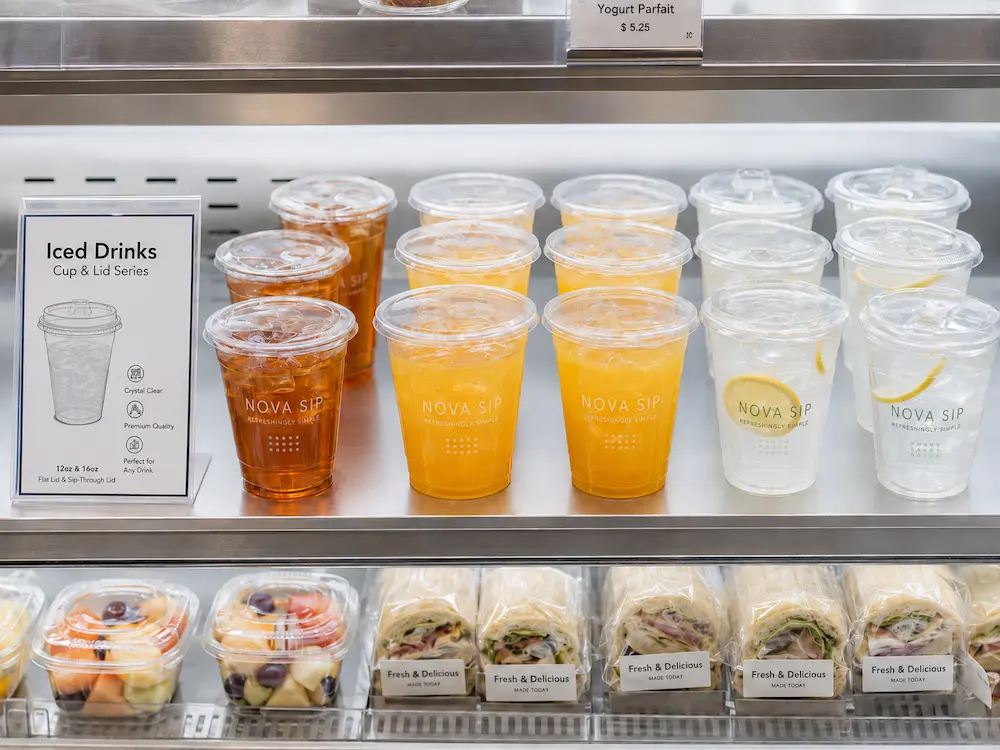
For buyers comparing eco friendly cold cups, retail display performance should not be treated as a secondary detail. A cup that supports sustainability messaging but hides the drink’s appearance may weaken shelf conversion. The best PLA cup keeps the environmental message and the product presentation working together.
Best Uses for PLA Drink Cups
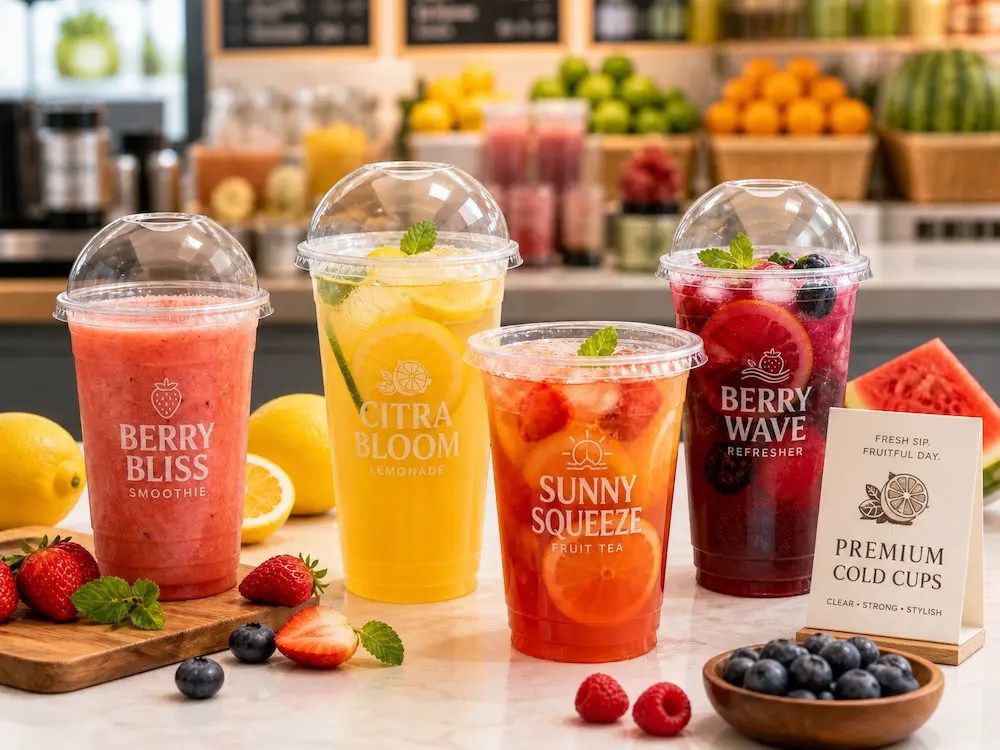
PLA drink cups are best used for chilled beverages that need clean presentation and reliable takeaway handling.
| Drink Category | Common Applications | Packaging Priority |
|---|---|---|
| Coffee Drinks | Iced coffee, cold brew, iced latte, flavored cold brew | Clear layering, lid fit, cup holder compatibility |
| Tea Drinks | Fruit tea, iced tea, milk tea, matcha latte | Color display, straw-slot lid, takeaway handling |
| Juice Drinks | Fresh juice, lemonade, green juice, sparkling fruit drinks | Freshness presentation and clean transparency |
| Smoothies | Berry smoothies, protein smoothies, acai drinks | Dome lid compatibility and cup wall strength |
| Refreshers | Citrus refreshers, berry refreshers, fruit-based iced drinks | Bright color display and chilled shelf appeal |
| Dessert Drinks | Cream-topped drinks, yogurt drinks, layered beverages | Dome lid space and premium visual effect |
For food packaging teams, the strongest use cases are cold drink programs where product appearance, customer convenience, and environmental positioning need to work together.
PLA Drink Cups for Takeaway Service
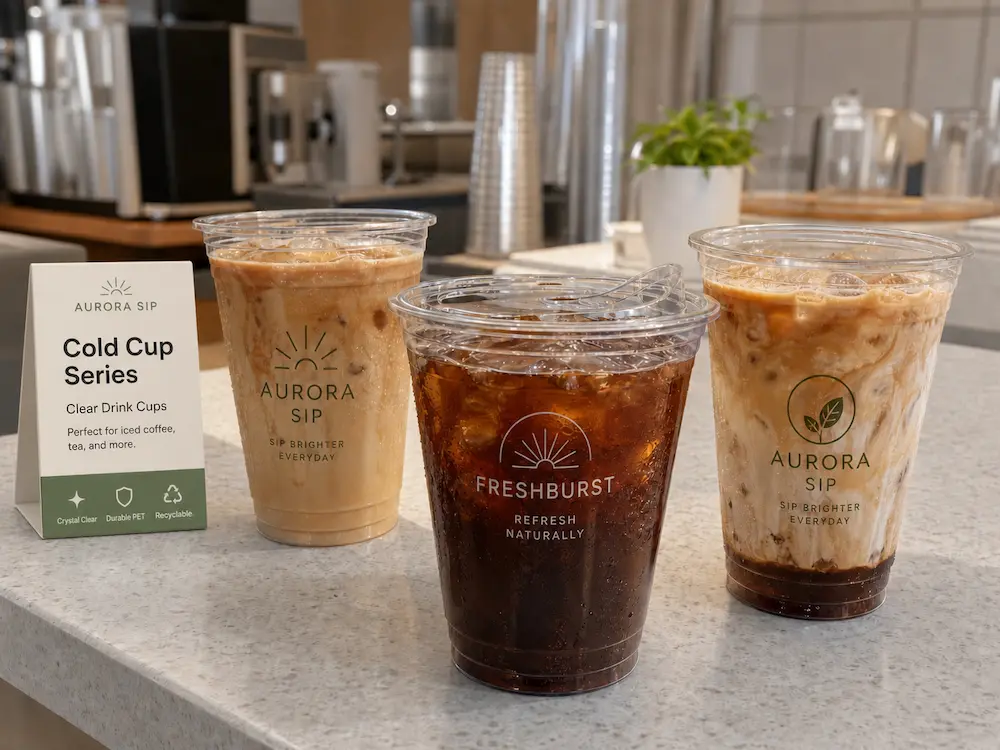
Takeaway service is where packaging quality becomes obvious. A cup may look clean on a shelf, but it still needs to perform when staff stack it, fill it, apply the lid, place it in a carrier, and hand it to the customer.
For PLA drink cups, lid compatibility is the first performance checkpoint. Flat lids are suitable for iced coffee, juice, lemonade, fruit tea, and refreshers. Dome lids are better for smoothies, whipped cream, toppings, yogurt drinks, and dessert-style cold beverages.
Buyers sourcing PLA cups with lids should test the cup and lid together before bulk orders. Rim fit, straw-slot opening, dome height, stacking pressure, and carton protection all affect real takeaway performance.
PLA Drink Cups for Chilled Food and Beverage Programs
Although PLA drink cups are mainly used for drinks, they also support broader chilled food and beverage programs. Supermarkets, bakeries, cafes, and convenience stores often sell multiple cold items in the same display area. A consistent clear packaging system helps the shelf look organized and professional.
PLA drink cups are suitable for:
- Grab-and-go iced drinks
- Fresh juice programs
- Smoothie counters
- Chilled dessert drinks
- Yogurt beverages
- Fruit-based refreshments
- Cold coffee stations
- Bakery beverage pairings
- Event drink service
- Eco-focused takeaway menus
For chilled display, buyers should test how the cup performs in refrigerator conditions. The cup should keep its shape, remain visually clean, and pair securely with the selected lid.
PLA Drink Cups vs PET, PP, and Paper Cups
PLA, PET, PP, and paper cups each serve different packaging goals. The right choice depends on brand positioning, drink type, local waste systems, and customer expectations.
| Cup Type | Main Material | Best For | Main Strength | Buyer Watchpoint |
|---|---|---|---|---|
| PLA Drink Cups | PLA | Chilled drinks with eco-focused positioning | Plant-based material and compostable packaging message | Usually requires industrial composting |
| PET Cold Cups | PET | Premium clear cold drinks and retail display | Excellent clarity and strong shelf appeal | Recycling depends on local systems |
| PP Cold Cups | PP | Flexible takeaway and durable service environments | Good impact resistance and flexibility | Lower glass-like clarity than PET |
| Paper Cold Cups | Paper with lining | Printed branding and familiar takeaway format | Strong surface for logos and graphics | Lining affects recycling or composting path |
For buyers focused on compostable packaging direction, PLA drink cups are a strong choice. For buyers focused on maximum transparency and existing recycling streams, PET may be more practical. For buyers needing flexibility and durability, PP may be preferred. For buyers focused on cup printing, paper cups may be useful.
The best material is not the trendiest material. It is the material that fits the drink, sales channel, disposal pathway, and supply plan.
Compostable and Biodegradable Claims Buyers Should Understand
Environmental wording needs careful control. PLA drink cups are often described together with compostable and biodegradable packaging, but these terms should not be used casually.
Compostable cold cups are designed to break down under defined composting conditions, usually in industrial composting facilities. Biodegradable cold cups is a broader term and may be less precise if it does not define the environment, timeframe, or testing method.
For wholesale buyers, the safe approach is to request material details, compostability documents, applicable market standards, lid material confirmation, and disposal wording support. A responsible supplier should help buyers avoid vague claims that create compliance or customer communication risks.
How to Choose PLA Cups with Lids
For most buyers, the cup and lid system is more important than the cup alone. Poor lid fit causes leakage, service delays, customer complaints, and product waste.
When choosing PLA cups with lids, food packaging teams should review:
| Selection Point | What to Check |
|---|---|
| Rim diameter | The lid must match the cup precisely |
| Lid style | Flat lid, dome lid, straw-slot lid, no-hole lid |
| Cup wall strength | Important for handling and filled-cup stability |
| Straw-slot performance | Straw should insert cleanly without lid cracking |
| Stacking | Cups should separate smoothly during busy service |
| Cold storage | Test performance in chilled conditions |
| Takeaway handling | Test with bags, trays, and cup holders |
| Carton packing | Protect cup rims during shipping and storage |
A reliable supplier should help buyers match cups and lids before bulk purchasing. This is especially important for wholesale orders where small fit issues can become large operational problems.
Wholesale Buyer Checklist for PLA Drink Cups

Before placing wholesale orders for PLA drink cups, buyers should use a structured checklist.
| Buyer Checklist | Recommended Action |
|---|---|
| Confirm material | Verify PLA material and cold-use application |
| Request samples | Test with real drinks before bulk orders |
| Check lid fit | Test flat lids, dome lids, and straw-slot lids |
| Test cup clarity | Use actual drinks such as coffee, juice, and smoothies |
| Confirm size range | Match menu portions and drink categories |
| Review documentation | Ask for compostability or material support |
| Check carton packing | Confirm rim protection and export readiness |
| Review printing options | Confirm logo area, MOQ, color limits, and lead time |
| Evaluate supplier capacity | Confirm stable production and wholesale support |
| Compare total value | Consider performance, claims, and supply reliability |
This checklist helps buyers avoid mistakes such as choosing only by price, assuming all lids fit, or using environmental claims without proof.
Common Size Planning for PLA Drink Cups
Food packaging teams usually need more than one cup size. A practical range helps serve different beverage categories without creating unnecessary inventory complexity.
| Size Group | Typical Applications | Buyer Note |
|---|---|---|
| Small Cups | Juice samples, kids drinks, small iced coffee | Good for tasting menus and smaller portions |
| Medium Cups | Iced coffee, fruit tea, lemonade, matcha | Useful for standard takeaway drinks |
| Large Cups | Smoothies, milk tea, protein drinks, large cold brew | Needs strong lid fit and good cup stability |
| Flat Lid Format | Coffee, juice, lemonade, tea, refreshers | Practical for high-volume service |
| Dome Lid Format | Smoothies, toppings, whipped cream, dessert drinks | Adds space for texture and toppings |
Buyers should test hand feel, cup holder fit, lid compatibility, carton quantity, and staff handling before finalizing the size range.
Manufacturer and Supplier Selection
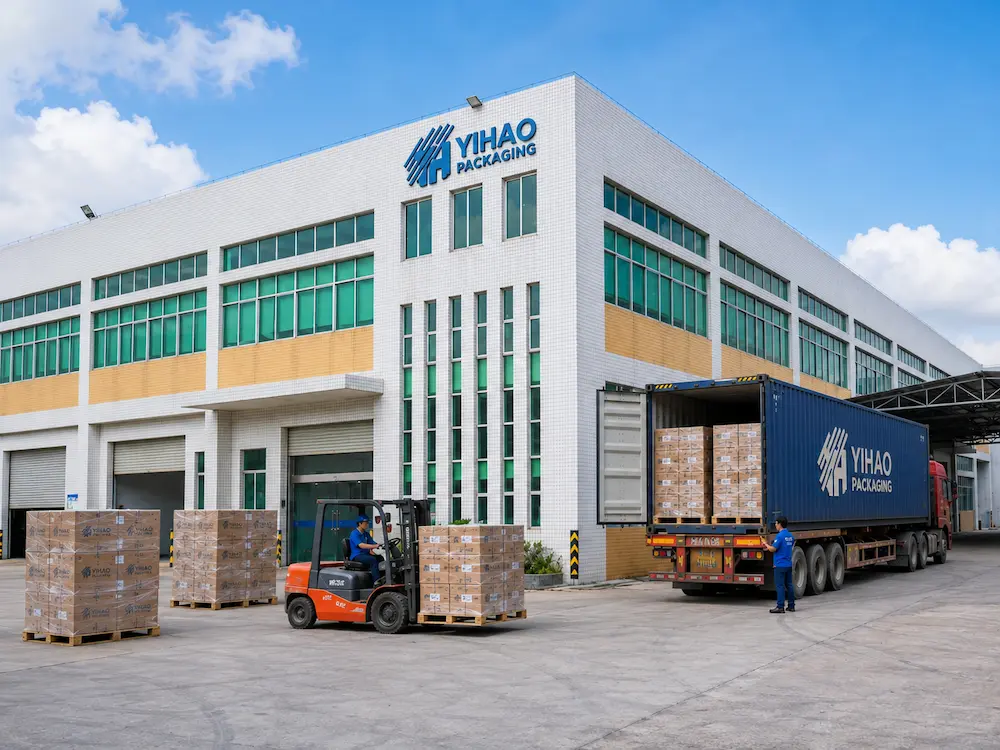
Choosing a PLA drink cups supplier is not only a price decision. For retail display, takeaway, and chilled food programs, buyers need a manufacturer that understands the full packaging system.
YIHAO supports food packaging teams with PLA cold cup selection, matching lid options, sample testing, export carton planning, custom branding communication, and wholesale supply support. For buyers developing chilled beverage packaging, this reduces the risk of poor lid fit, weak shelf presentation, carton deformation, unclear claims, or unstable repeat orders.
A strong supplier should provide:
- Stable PLA cup quality
- Matching flat and dome lid options
- Practical sample support
- Clear material and claim documentation
- Export-ready carton packing
- Custom printing communication
- Wholesale order consistency
- Responsive support before and after production
Custom Branding for PLA Drink Cups
Custom printing helps beverage brands improve recognition in cafes, retail shelves, and takeaway channels. A printed PLA cup can carry a logo, simple brand message, or sustainability note while still showing the drink clearly.
Buyers should confirm:
- Printable area
- Logo size
- Number of print colors
- Ink suitability
- MOQ
- Artwork format
- Sampling process
- Production lead time
- Carton label requirements
- Whether decoration affects environmental claims
For clear cups, clean branding usually works better than heavy decoration. The drink itself is part of the visual appeal, so the design should leave enough space for product visibility.
Cost Factors Buyers Should Compare
The cost of PLA drink cups is influenced by material, structure, lid matching, packing, customization, and order volume. Buyers should compare total value instead of only unit price.
| Cost Factor | Why It Matters |
|---|---|
| PLA material | Affects base product cost |
| Cup weight | Influences strength and price |
| Lid system | Adds cost but reduces leakage risk |
| Documentation | Important for environmental claims |
| Printing | Adds setup cost, MOQ, and lead time |
| Carton packing | Affects shipping protection |
| Order quantity | Influences wholesale pricing |
| Export logistics | Affects landed cost |
A lower cup price is not always better if it leads to poor lid fit, rim deformation, carton damage, unclear claims, or unstable supply.
Common Mistakes Buyers Should Avoid
Mistake 1: Using PLA Cups for Hot Drinks
PLA cups are designed for cold beverages. Hot filling may deform the cup and create service problems.
Mistake 2: Treating Biodegradable and Compostable as the Same
Compostable claims need defined conditions and documentation. Biodegradable claims are broader and less specific.
Mistake 3: Skipping Lid Compatibility Tests
Cup and lid fit must be tested together. Matching size labels do not always guarantee secure sealing.
Mistake 4: Choosing Only by Lowest Price
Low-cost cups can create hidden losses through leakage, complaints, damage, and inconsistent quality.
Mistake 5: Ignoring Local Composting Infrastructure
PLA usually requires industrial composting. Buyers should confirm local acceptance before making disposal claims.
Mistake 6: Overprinting the Cup
Too much printing can reduce drink visibility. For retail display, clear presentation is often more valuable than heavy graphics.
Practical Sample Testing Before Bulk Orders
Before placing a wholesale order, buyers should test PLA cup samples with real beverages and real service conditions.
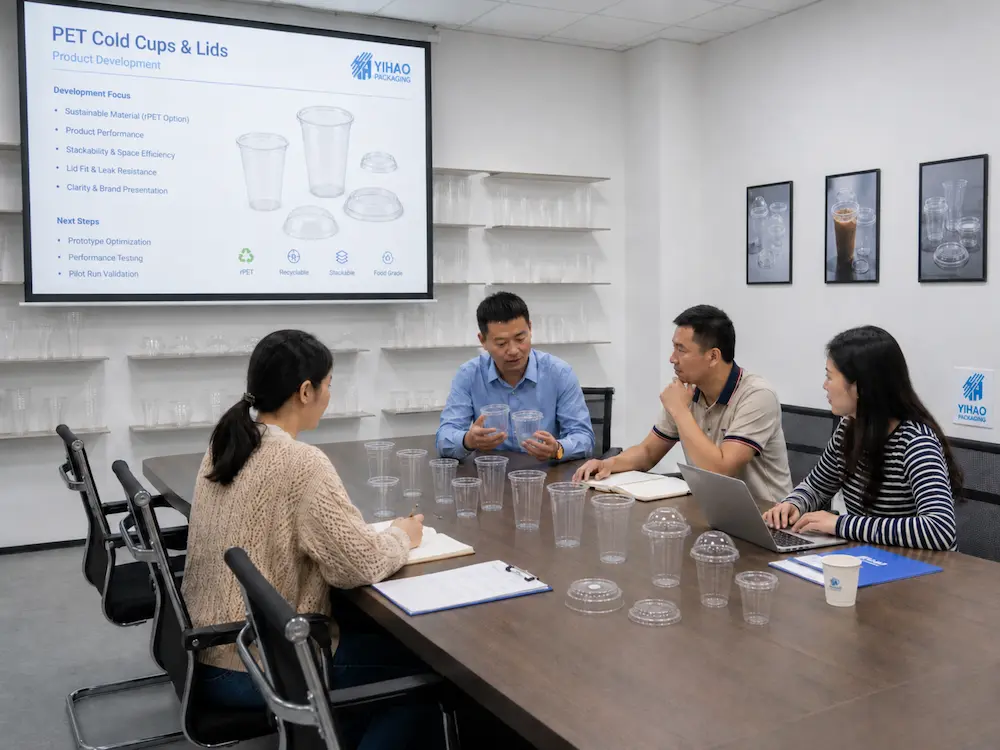
A useful sample test includes:
- Fill cups with iced coffee, juice, smoothies, fruit tea, matcha, and lemonade.
- Add ice and check clarity.
- Apply flat lids and dome lids.
- Test straw insertion.
- Carry cups in takeaway bags.
- Place filled cups in refrigerator conditions.
- Check condensation and grip comfort.
- Stack empty cups and test cup release.
- Inspect rim shape after carton handling.
- Collect staff feedback during service simulation.
The best PLA drink cups are not only attractive in photos. They are reliable during repeated daily use.
When PLA Drink Cups Are the Right Choice
PLA drink cups are a strong choice when a brand wants cold drink clarity, plant-based material positioning, and a compostable packaging direction.
They are especially suitable for:
- Cafes
- Juice bars
- Smoothie shops
- Supermarkets
- Bakeries
- Convenience stores
- Foodservice events
- Beverage chains
- Grab-and-go drink programs
- Eco-focused takeaway menus
They may not be the right choice for hot drinks, markets without industrial composting access, or applications where the buyer prioritizes PET recycling systems over compostable packaging.
A smart buyer matches the packaging material to drink type, customer use, disposal pathway, and brand positioning.
Conclusion
PLA drink cups are a strong choice for food packaging teams that need clear cold drink presentation, reliable takeaway performance, and a stronger sustainability message. They are especially useful for iced coffee, smoothies, juice, lemonade, matcha, fruit tea, refreshers, protein drinks, and chilled grab-and-go beverage programs.
For the best purchasing result, buyers should evaluate PLA material, retail display clarity, lid compatibility, cold storage performance, compostability documentation, sample testing, custom printing, carton packing, and wholesale supply reliability.
When the cup, lid, branding, and supplier support work together, PLA drink cups become more than an eco packaging option. They become a complete cold drink packaging system for retail, takeaway, and chilled foodservice growth.
FAQ
1. What are PLA drink cups used for?
PLA drink cups are used for chilled beverages such as iced coffee, cold brew, smoothies, juice, lemonade, fruit tea, matcha, refreshers, milk tea, protein drinks, and other takeaway cold drinks.
2. Are PLA drink cups compostable?
PLA cups are commonly designed as compostable cold cups, but they usually require industrial composting conditions. Buyers should request documentation and confirm local acceptance before using compostable claims.
3. Are PLA drink cups suitable for iced coffee?
Yes. PLA drink cups are suitable for iced coffee, cold brew, iced latte, and other chilled coffee drinks. Buyers should test lid fit, clarity, condensation, and takeaway handling before wholesale orders.
4. Can PLA drink cups be used with lids?
Yes. PLA cups with lids are commonly used for takeaway drinks. Flat lids are practical for iced coffee and juice, while dome lids are useful for smoothies, toppings, whipped cream, and dessert drinks.
5. How should buyers choose a PLA drink cup supplier?
Buyers should evaluate PLA material quality, lid compatibility, size range, sample support, compostability documentation, custom printing options, carton packing, wholesale supply stability, and manufacturer experience.
References
- ASTM International, ASTM D6400 Specification for Compostable Plastics
- European Committee for Standardization, EN 13432 Packaging Compostability Standard
- Biodegradable Products Institute, Compostable Product Certification Guidelines
- U.S. Federal Trade Commission, Green Guides for Environmental Marketing Claims
- European Bioplastics, PLA and Compostable Plastics Market Information
- Ellen MacArthur Foundation, Packaging and Circular Economy Reports
- U.S. Environmental Protection Agency, Sustainable Materials Management Guidance
- ISO Standards, Environmental Labels and Declarations Guidance
Deep-Dive Insights: How Buyers Should Think About PLA Drink Cups
How do PLA drink cups improve retail display?
PLA drink cups help customers see drink color, ice, foam, toppings, fruit pieces, and layered textures clearly. This makes them useful for iced coffee, smoothies, juice, fruit tea, matcha, and refreshers in chilled retail and takeaway settings.
Why does lid compatibility matter for PLA cups?
The cup and lid must work together as one system. Rim fit, straw-slot performance, dome lid space, stacking, and takeaway movement all affect service speed and customer satisfaction.
What should buyers verify before using compostable claims?
Buyers should verify PLA material, compostability documentation, applicable standards, lid material, printing details, and local composting acceptance before using compostable or biodegradable claims.
Option: When should buyers choose PLA instead of PET or PP?
PLA is a strong choice when the brand prioritizes plant-based material and compostable packaging positioning. PET is strong for high-clarity recyclable packaging, while PP works well for durable and flexible takeaway service.
Consideration: What makes a PLA cup supplier reliable?
A reliable supplier provides stable product quality, matching lids, sample support, clear documents, custom printing communication, export-ready cartons, and consistent wholesale supply support.
© 2026 YIHAO Packaging. All Rights Reserved.
All website content, including but not limited to images, product designs, and specifications, is protected under copyright. Any unauthorized reproduction is prohibited.
We adhere to strict quality standards and compliance guidelines in every product we produce.