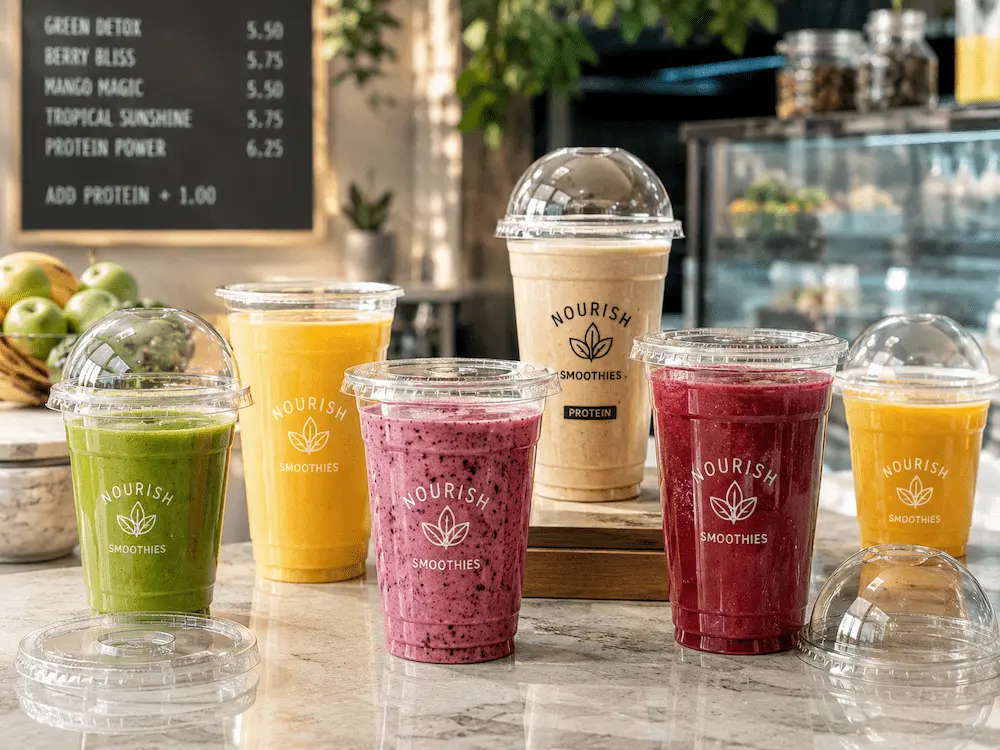
Why Takeaway Smoothie Cups Matter in Cold Beverage Packaging
Cold beverage packaging is no longer a small accessory for cafes or juice bars. Smoothies, protein drinks, fruit refreshers, iced coffee, matcha, yogurt drinks, milk tea, and sparkling fruit beverages now appear across supermarkets, bakeries, convenience stores, foodservice counters, private-label drink programs, and takeaway delivery channels. This shift makes takeaway smoothie cups a practical packaging choice for businesses that need high visibility, fast service, and stable daily operations.
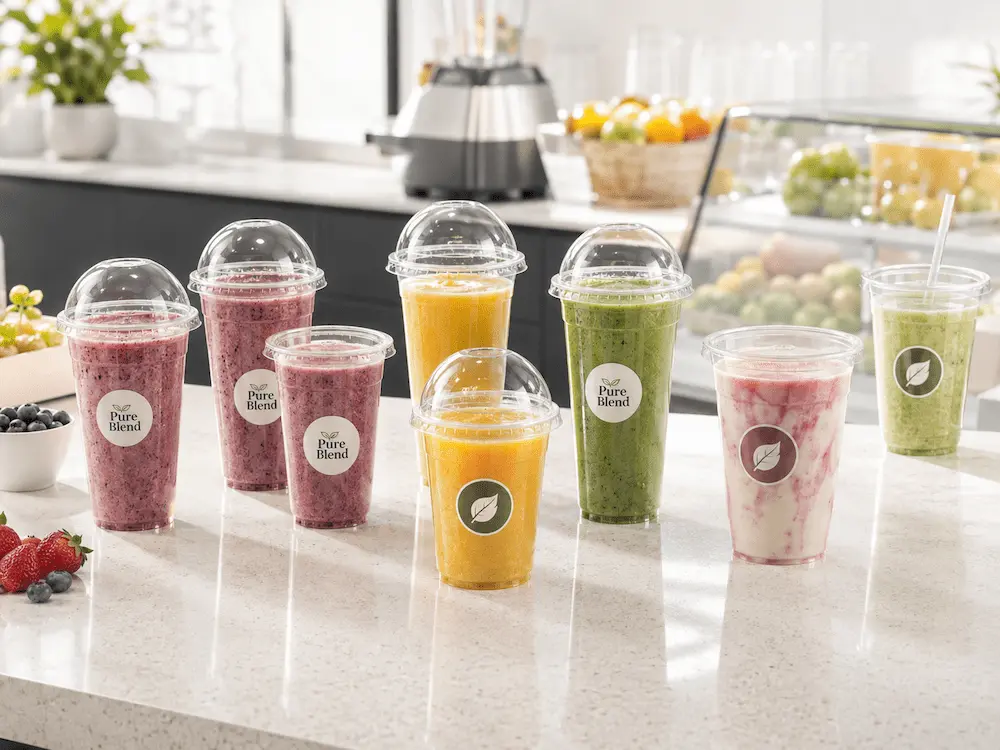
For beverage buyers, the cup is part of the product. A strawberry smoothie, mango yogurt drink, acai refresher, berry protein shake, or iced matcha drink sells better when the color, texture, and ingredient layers remain visible. A clear cup helps customers see freshness before purchase, especially in refrigerated supermarket displays and grab-and-go beverage shelves.
YIHAO is a food packaging manufacturer and solution provider focused on clear display packaging, cold beverage cups, food containers, lids, and wholesale packaging systems. For cold drink brands, supermarkets, cafes, and distributors, the goal is not simply to buy disposable cups. The stronger goal is to build a cup-and-lid system that supports product presentation, packing speed, storage efficiency, and repeatable wholesale supply.
This is why smoothie cups should be selected by application, lid type, material route, cup diameter, display effect, and buyer-side logistics. A cup that looks attractive in a catalog but cracks easily, stacks poorly, or mismatches with lids can create real service problems. A professional packaging solution should help the beverage look better, move faster, and arrive in the customer’s hand with fewer issues.
Cold Beverage Trends Are Expanding the Role of Clear Smoothie Cups
The beverage market continues to move toward visually appealing, functional, and on-the-go drinks. Refreshers, protein beverages, cold coffee, matcha, sparkling fruit drinks, and layered iced drinks are becoming stronger menu items for cafes, quick-service restaurants, supermarkets, and beverage chains. These products need packaging that shows color, supports toppings, and protects the takeaway experience.
| Market Signal | Packaging Impact | Why It Matters for Buyers |
|---|---|---|
| Specialty cold drinks are expanding across cafes and quick-service chains. | Clear cups help show layered drinks, fruit inclusions, foam, ice, and color contrast. | Better visual presentation supports impulse purchase and brand recognition. |
| Protein and functional beverages are growing in retail and foodservice channels. | Thicker drinks require stronger cup structure and reliable lid fit. | Buyers need to test real formulas before confirming wholesale packaging. |
| Supermarkets and convenience stores are increasing grab-and-go chilled drinks. | Stackable, label-friendly cups improve shelf organization and product visibility. | Packaging must support display, storage, and repeat replenishment. |
| Refreshers and fruit-based drinks rely heavily on color and visual freshness. | Clear smoothie cups allow customers to see the drink before purchase. | Transparency becomes part of the selling point, not just a material feature. |
For B2B buyers, this trend changes the way cups should be evaluated. The right takeaway smoothie cups need to serve more than one drink category. A strong cup family should support smoothies, iced coffee, matcha, fruit tea, lemonade, milk tea, yogurt drinks, protein drinks, acai refreshers, berry refreshers, and chilled dessert beverages with practical lid options.
Clear Product Visibility Supports Faster Purchase Decisions
Cold drinks are visual products. Customers often judge a smoothie, refresher, or protein beverage by color, layering, fruit content, ice level, and texture before they read the label. This makes clear smoothie cups especially important for retail and takeaway environments.
In supermarkets, the cup often becomes the main display surface. A pre-packed strawberry smoothie, blueberry protein drink, mango refresher, or acai beverage has only a short moment to attract attention inside a refrigerated shelf. Clear PET or RPET packaging gives shoppers a direct view of the product and helps the drink compete against bottled beverages, dairy drinks, juices, and ready-to-drink coffee.
In cafes and bakeries, cup clarity also improves menu presentation. Staff can prepare drinks in advance, show seasonal flavors, and display limited-time beverage options without hiding the product behind opaque packaging. A bakery that sells cheesecake slices, brownies, sandwiches, cookies, or chilled desserts can also use clear cups for iced coffee, yogurt drinks, berry smoothies, matcha beverages, and cream-based dessert drinks.
For foodservice chains, visibility supports consistency. A customer expects the same drink to look similar across stores. A clear cup helps standardize the visual experience, while labels or custom printing help connect the beverage to the brand. For this reason, cup clarity should be tested with real filled drinks rather than judged only from empty samples.
Secure Lid Fit Is Critical for Smoothies, Protein Drinks, and Refreshers
A smoothie cup is only as reliable as its lid system. For takeaway smoothie cups, lid compatibility affects leakage control, customer confidence, staff speed, and delivery performance. Smoothies, protein drinks, milkshakes, fruit refreshers, and yogurt drinks often create more handling pressure than thin iced beverages because they are thicker, heavier, and sometimes filled close to the rim.
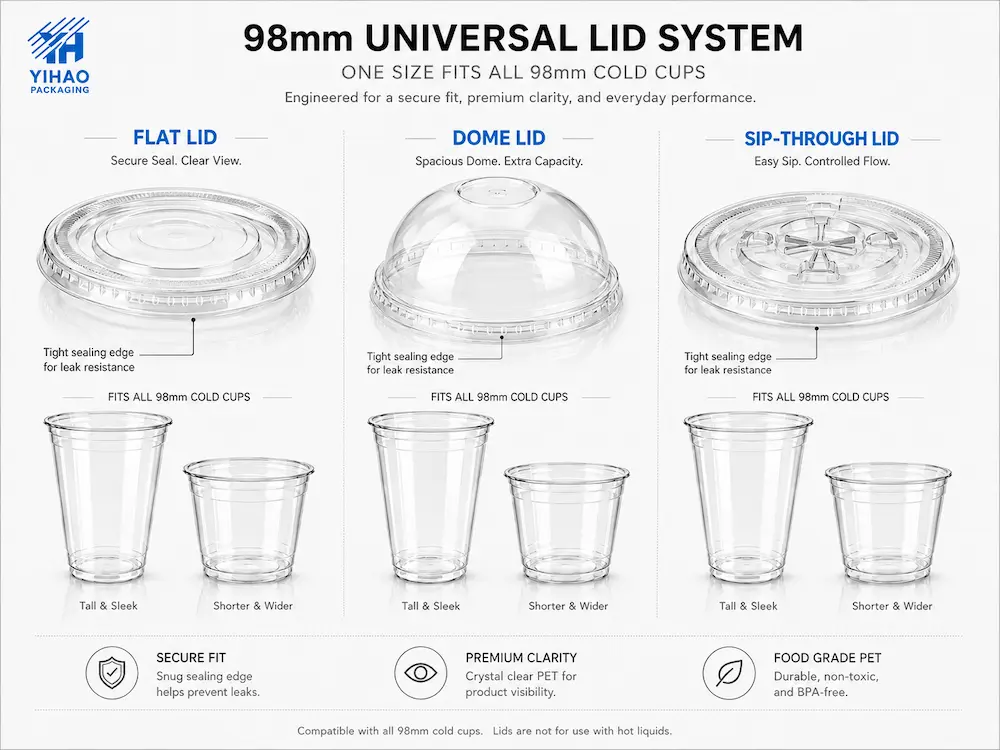
Flat lids are practical for standard cold drinks such as iced coffee, fruit tea, lemonade, juice, soda, cold brew, and berry refreshers. They create a clean top profile and are suitable for straw-service or direct-sip formats, depending on the lid design.
Dome lids are better for topped drinks and thicker beverages. Smoothies with whipped cream, acai blends, milkshakes, yogurt drinks, dessert beverages, and fruit-topping drinks often need extra headspace. A dome lid protects toppings from being compressed and gives the drink a more premium visual height.
Strawless sipper lids are useful for no-straw takeaway programs, iced coffee, fruit tea, lemonade, refreshers, and on-the-go cold beverages. They help simplify direct drinking while keeping the cup more travel-friendly. Buyers should still confirm whether this lid style fits their beverage texture and customer preference.
For wholesale buyers, the safest approach is to test the cup and lid together. A supplier should be able to explain which lids match which cup diameter, whether the cup family uses shared-lid compatibility, and how the system supports faster packing at counters or back-of-house preparation areas.
Main Applications for Smoothie Cups Across Different Business Channels
Cafes and Juice Bars
Cafes and juice bars are core users of smoothie cups, but their menus have moved far beyond classic fruit blends. Many shops now sell iced coffee, cold brew, matcha, milk tea, sparkling lemonade, fruit tea, refreshers, protein beverages, yogurt smoothies, and seasonal cold drinks. A clear PET cup family helps these businesses serve multiple drink types with one consistent packaging style.
For small cafes, flexibility matters. One cup range may need to support morning iced coffee, afternoon fruit tea, seasonal berry refreshers, and weekend smoothie promotions. For juice bars, the focus is often on ingredient visibility, strong color, thick beverage texture, and topping presentation. In both cases, takeaway smoothie cups should look clean, feel stable in hand, and match lids securely.
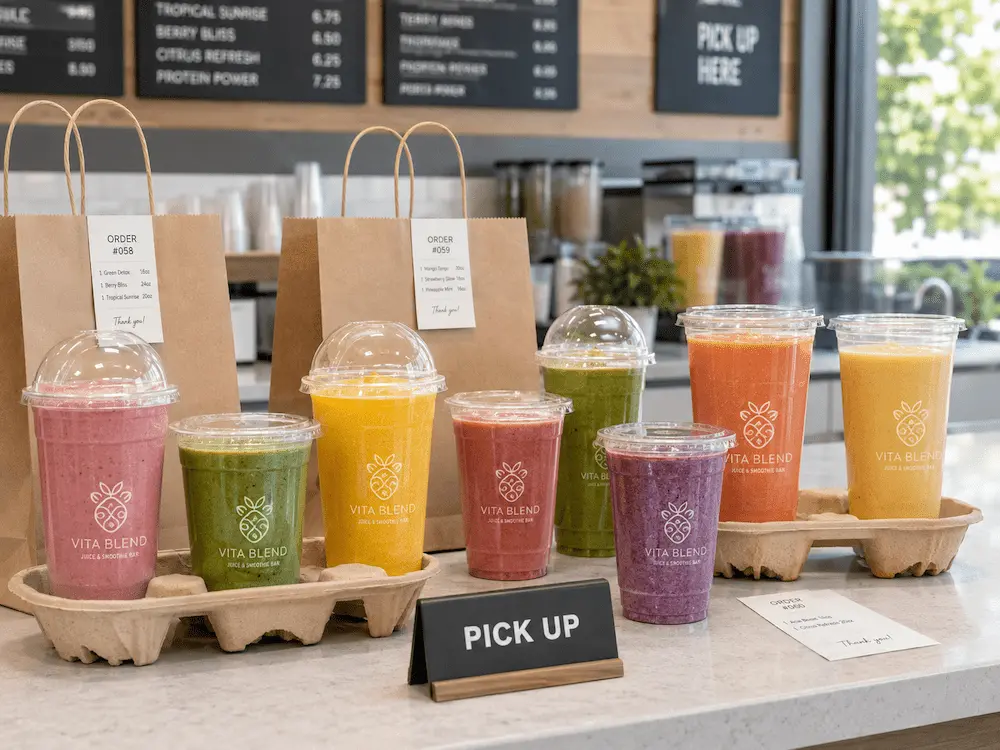
Buyers comparing cup options can review related cold drink formats through PET cold cups and cold cup lids category pages to match cup sizes, flat lids, dome lids, and strawless sipper lids more efficiently.
Supermarkets and Convenience Stores
Supermarkets use cold beverage packaging differently from cafes. The cup must perform well on shelves, inside chilled displays, and during customer handling. Grab-and-go smoothies, fruit drinks, acai beverages, yogurt drinks, protein drinks, and private-label refreshers need packaging that protects visibility while supporting stacking and shelf organization.
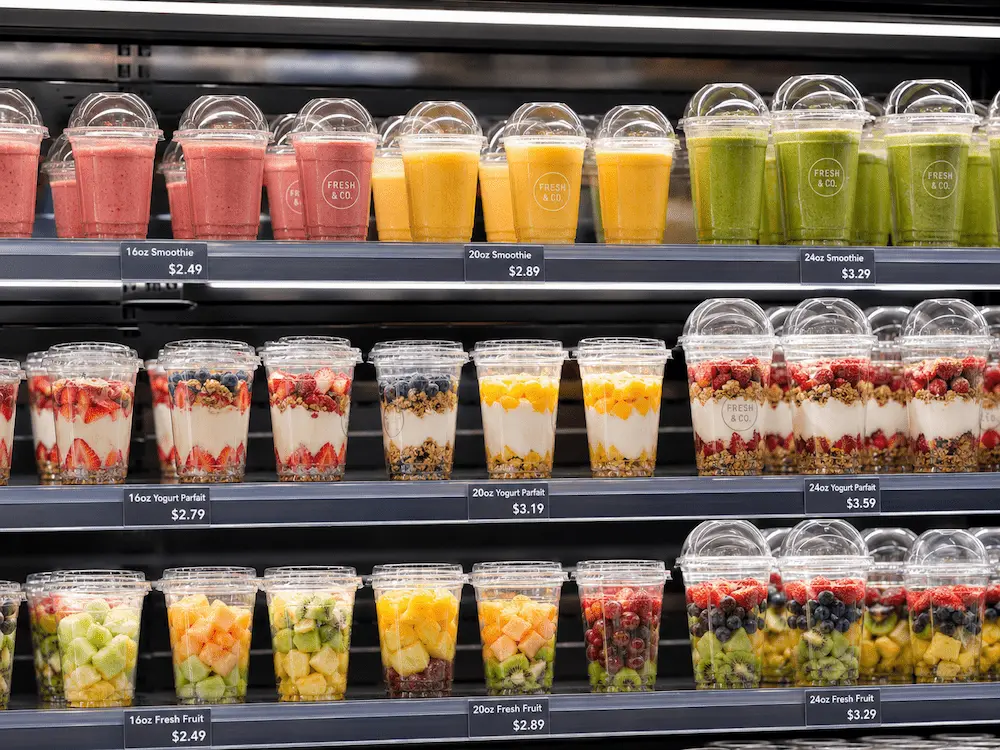
For supermarkets, the cup’s sidewall clarity and label-friendly structure are important. Customers compare multiple beverages quickly. The drink should be easy to view from the front and side, while the label should communicate brand, flavor, storage information, and barcode details without covering too much of the product.
Convenience stores also benefit from clear beverage cups. A customer may choose a protein drink, fruit refresher, cold brew, or chilled smoothie as a breakfast drink, gym drink, or afternoon snack. Clear packaging supports this quick decision by making the beverage look fresh and ready to drink.
Bakeries and Dessert Shops
Bakeries often rely on display appeal, so cold drinks can become a strong add-on category. Clear smoothie cups are suitable for yogurt drinks, fruit smoothies, dessert beverages, iced coffee, cream drinks, milkshakes, and bakery beverage pairings. When placed next to cakes, pastries, sandwiches, brownies, or chilled desserts, clear cups help the beverage line look more premium and organized.
A bakery does not need to position every drink as a traditional smoothie. Strawberry milk drinks, mango yogurt cups, tiramisu-inspired iced drinks, berry cream beverages, and matcha dessert drinks can all benefit from clear takeaway packaging. Dome lids are especially useful when the beverage includes whipped cream, fruit pieces, or dessert-style toppings.
Foodservice Chains and Catering Brands
Foodservice brands and catering operators need repeatable packaging. A single-location shop may test several cup styles, but a chain needs packaging that performs consistently across stores, regions, and staff teams. Cup clarity, lid fit, carton packing, and delivery stability must remain predictable.
For catering brands, takeaway smoothie cups are useful for breakfast beverage programs, corporate catering, events, school foodservice, and meal box add-ons. Clear cups make beverages easier to identify and more attractive in prepared-service environments. When combined with branded labels or custom printing, they also help the drink look more professional.
Popular Drink Types Packed in Takeaway Smoothie Cups
Smoothies and Fruit Blends
Smoothies remain the main application for this packaging category. Mango smoothies, strawberry banana blends, blueberry yogurt drinks, green smoothies, tropical fruit blends, and mixed berry beverages all benefit from clear packaging. The drink’s color and texture are part of the sales appeal, so a transparent cup usually works better than an opaque container.
For thick smoothies, buyers should check wall strength and lid fit carefully. A filled cup becomes heavier, and the customer may carry it for a longer period. A cup that is too soft may feel unstable, while a lid that fits loosely may create spill concerns. Strong takeaway smoothie cups should balance clarity, rigidity, and comfort in hand.
Protein Drinks and Meal Replacement Beverages
Protein drink cups are increasingly relevant for gyms, supermarkets, cafes, wellness brands, and convenience retail. These drinks often contain dairy, plant-based milk, protein powder, oats, nut butter, fruit, or other dense ingredients. The packaging needs to support thicker beverage texture while keeping the product visually appealing.
Clear cups work well for protein drinks because they show texture and color while leaving space for nutrition labels and brand graphics. A chocolate protein shake, vanilla oat drink, berry protein smoothie, or matcha protein beverage can look more premium when presented in a clean, transparent cup.
For wholesale buyers, sample testing should include real drink formulas. Thick drinks behave differently from water or juice. Buyers should test filled cup strength, lid fit, shaking movement, refrigerator display, and customer hand-carry conditions before confirming bulk orders.
Acai and Berry Refreshers
Acai refresher cups and berry refresher cups are useful for beverage brands that want a colorful, fruit-forward, fresh-looking presentation. These drinks often rely on strong visual contrast: purple acai tones, red berry colors, citrus slices, ice, and fruit inclusions. Clear cups allow these visual elements to remain visible.
For cafes and juice bars, acai and berry refreshers can become seasonal menu drivers. For supermarkets, they can work as chilled grab-and-go beverages. For foodservice brands, they help diversify cold drink menus beyond standard juice and iced coffee.
Iced Coffee, Matcha, Tea, and Sparkling Fruit Drinks
Although the focus keyword is takeaway smoothie cups, the same cup family often supports a wider cold beverage menu. Iced coffee, cold brew, matcha, fruit tea, sparkling lemonade, flavored refreshers, milk tea, and soda can share similar clear cup formats. This helps buyers reduce unnecessary packaging variation.
For example, a cafe can use the same clear cup system for strawberry smoothies, iced matcha, berry refreshers, and cold brew. A supermarket can use similar cups for private-label juice, yogurt drinks, and protein beverages. A bakery can use them for dessert drinks and iced coffee. This cross-application value is one of the main reasons clear PET cold cups remain popular in foodservice packaging.
Material Choices: PET, RPET, and Cold Drink Cup Performance
PET is widely used for clear cold beverage packaging because it offers strong transparency, light weight, and practical rigidity for chilled drink applications. PET cups help show drink color, fruit texture, ice, and layering while maintaining a clean appearance for retail display and takeaway service.
RPET, or recycled PET, is used by many packaging buyers who want to include recycled material in their packaging programs. However, recycled plastic used in food-contact packaging should be evaluated through suitable food-contact processes and market-specific requirements. Buyers should confirm available documentation before making food-contact or recycled-content claims.
For B2B buyers, the right question is not only “Is this cup RPET?” The stronger question is: what is the material route, what food-contact information is available, what recycled content claim is being made, and which market will the product enter?
Recyclability also depends on package design and local collection systems. PET or RPET packaging may be more compatible with PET recycling streams when designed with suitable labels, inks, adhesives, color choices, and attachments. Actual acceptance still depends on local recycling infrastructure. The safer wording is: clear PET or RPET cups are designed for PET recycling streams where local systems accept this packaging format.
For buyers comparing material directions, related category resources such as PET food packaging and RPET food packaging can help connect cold beverage cups with broader clear packaging decisions.
How to Choose the Right Cup Size and Lid Type
Choose Cup Size by Drink Formula, Not Only by Menu Name
Different drinks require different serving formats. A small smoothie portion may be suitable for kids’ menus, tasting programs, bakery pairings, or supermarket snack drinks. A medium cup works well for standard cafe smoothies, iced coffee, fruit tea, and refreshers. A larger cup is often used for meal-replacement drinks, protein shakes, large smoothies, or high-value beverage menus.
Before choosing a size, buyers should consider the real drink recipe. Thick smoothies often need more headspace than thin juice. Drinks with ice need different fill behavior than blended beverages. Drinks with toppings need dome lids. Labels also matter because the cup must show brand, flavor, ingredients, storage information, and barcode details without blocking too much product visibility.
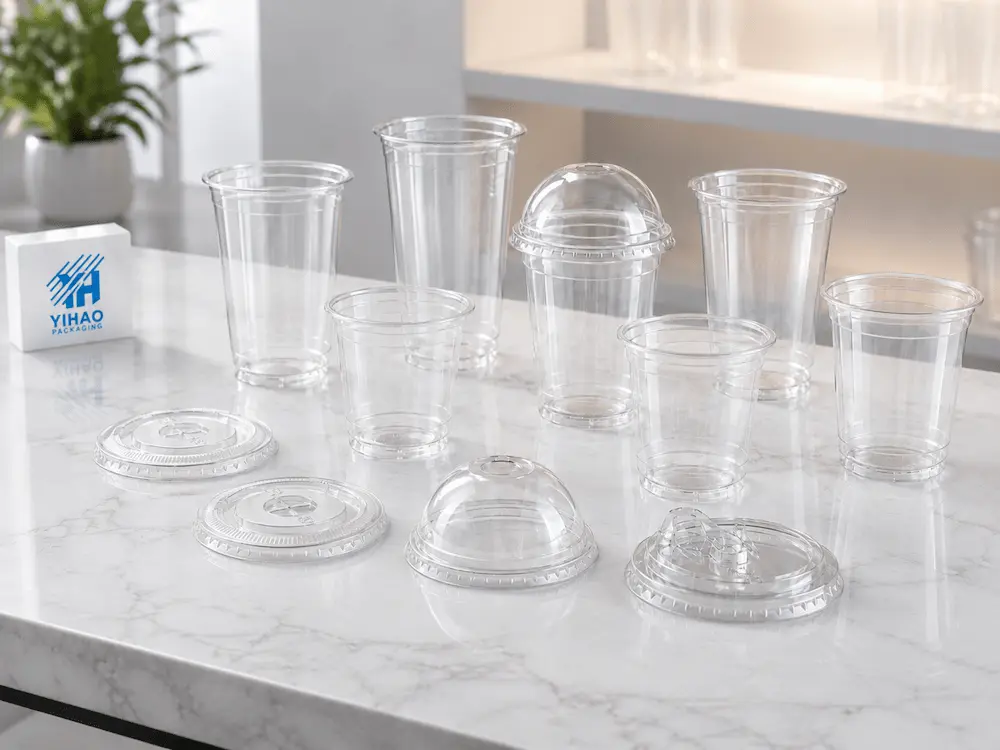
Use Dome Lids for Toppings and Premium Presentation
Dome lids are useful when the drink needs extra space above the rim. Smoothies with whipped cream, fruit toppings, acai blends, dessert drinks, and thick milkshakes often look better with dome lids. The extra headspace protects toppings and gives the beverage a stronger display effect.
For bakeries and dessert shops, dome lids can make cold drinks feel closer to dessert packaging. A strawberry cream drink, chocolate milkshake, mango yogurt beverage, or berry smoothie looks more attractive when the topping is not compressed.
Use Flat Lids for Standard Cold Drinks
Flat lids are practical for daily cold beverages. They are suitable for iced coffee, fruit tea, lemonade, matcha, juice, cold brew, soda, and standard refreshers. They create a lower profile, which helps storage, transport, and shelf arrangement.
For supermarkets and convenience stores, flat lids can make chilled drinks easier to line up inside displays. For cafes and foodservice chains, they support fast assembly and consistent takeaway service.
Use Strawless Sipper Lids for Direct-Drink Programs
Strawless sipper lids support direct drinking without a straw. They are suitable for iced coffee, iced tea, lemonade, fruit tea, and some refreshers. For thicker smoothies or drinks with toppings, buyers should test whether the drinking opening matches the beverage texture and customer expectation.
Wholesale Takeaway Smoothie Cups for Growing Beverage Brands
Wholesale buyers need more than attractive packaging. They need stable supply, consistent production, clear communication, and practical export support. A cup that performs well in one sample batch must also perform well across repeat orders. This is where working with an experienced manufacturer, wholesale partner, or supplier becomes important.
For supermarkets, supply stability protects product launches and private-label programs. For cafes and juice bars, stable cup supply prevents menu disruption. For bakeries, it supports seasonal promotions and drink pairings. For distributors, reliable wholesale packaging helps serve multiple downstream customers with fewer complaints.
A professional smoothie cup manufacturer should help buyers match cups with lids, test cup clarity, check packing format, confirm carton strength, and prepare samples before bulk orders. For export buyers, the supplier should also understand shipping requirements, carton labeling, pallet planning, and documentation basics.
Buyers planning private-label or branded beverage programs can also review custom food packaging and OEM food packaging options to connect cup selection with logo printing, branded labels, and long-term packaging development.
What to Ask a Smoothie Cup Manufacturer Before Ordering
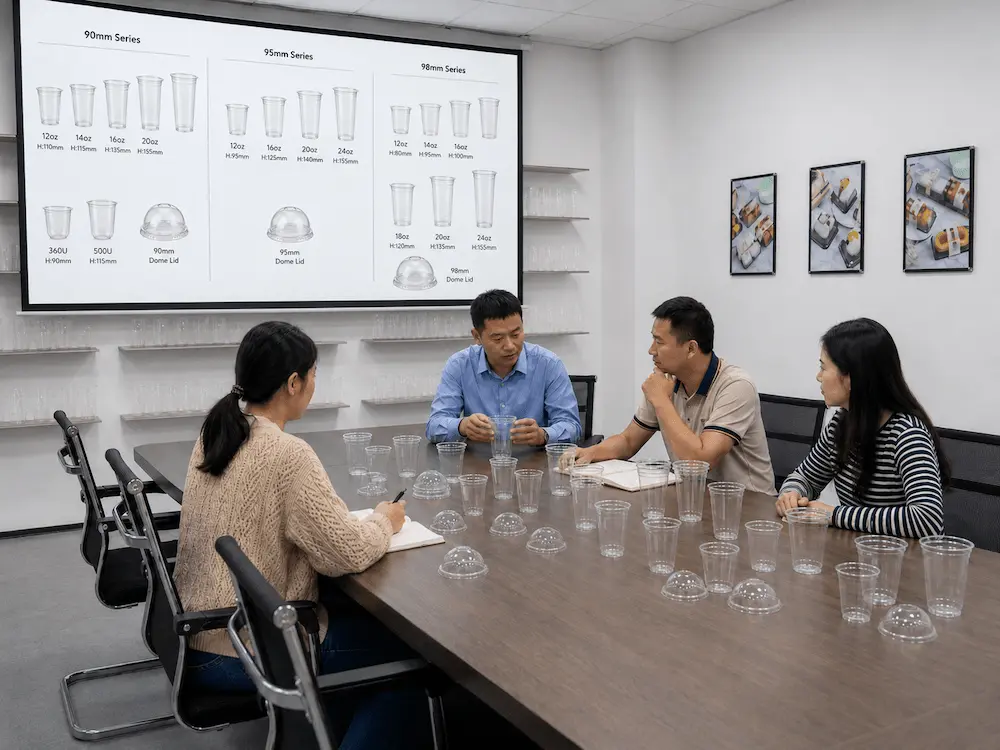
Before placing a wholesale order for takeaway smoothie cups, buyers should ask specific questions. These questions reduce risk and help identify whether the supplier understands real beverage packaging instead of only selling generic cups.
| Buyer Question | Why It Matters | What to Check |
|---|---|---|
| What material is used? | Material affects clarity, rigidity, food-contact suitability, and sustainability claims. | PET, RPET option, documentation, food-contact information. |
| Which lids match this cup? | Lid mismatch causes leakage, slow service, and customer complaints. | Flat lid, dome lid, strawless sipper lid, sample testing. |
| Can I test samples with real drinks? | Catalog photos cannot show performance with actual smoothies or protein drinks. | Filled cup strength, lid fit, cup clarity, condensation behavior. |
| What is the packing method? | Carton design affects storage, shipping, and damage risk. | Carton quantity, inner sleeve, pallet plan, carton strength. |
| Is custom printing available? | Branding matters for cafes, chains, supermarkets, and private-label drinks. | Logo printing, label area, artwork proof, sample approval. |
| What is the production and reorder support? | Growing brands need repeatable supply. | Lead time discussion, reorder planning, seasonal demand, export experience. |
For a broader supplier comparison, buyers can also use a food packaging supplier checklist to review material quality, sample process, production communication, and long-term cooperation value.
Practical Comparison: Smoothie Cups for Different Business Types
| Business Type | Recommended Cup Feature | Common Drink Applications | Buyer Priority |
|---|---|---|---|
| Cafe | Clear cup with flat and dome lid options | Smoothies, iced coffee, matcha, fruit tea | Appearance, fast service, easy lid matching |
| Supermarket | Stackable clear cup with label-friendly sidewall | Grab-and-go smoothies, fruit drinks, yogurt beverages | Shelf visibility, carton stability, wholesale supply |
| Bakery | Premium clear cup for dessert-style drinks | Milkshakes, cream drinks, yogurt smoothies, iced coffee | Presentation, pairing sales, premium look |
| Juice Bar | Strong clear cup with dome lid option | Fruit blends, green smoothies, acai drinks, berry refreshers | Ingredient visibility, lid fit, drink texture support |
| Foodservice Brand | Consistent cup series with custom branding | Protein drinks, refreshers, cold brew, seasonal drinks | Brand consistency, repeat orders, operational efficiency |
Buyer Checklist Before Ordering Takeaway Smoothie Cups
Check Cup Clarity and Material Quality
Clear packaging should look bright, clean, and professional. Buyers should inspect samples under normal store lighting, refrigerator lighting, and filled-drink conditions. A cup that appears gray, cloudy, or weak may reduce the perceived freshness of the beverage.
For clear smoothie cups, material quality directly affects presentation. A transparent cup should show fruit colors, ice, milk texture, or blended layers without distortion. If the cup is intended for premium drinks, the visual standard should match the product price point.
Test Lid Fit Before Bulk Purchase
Lid fit is one of the most important functional checks. Buyers should test flat lids, dome lids, and strawless sipper lids if all three are used. The test should include filled cups, chilled drinks, thicker smoothies, and normal hand-carry movement. If the product is used for delivery, additional handling tests are useful.
A strong lid fit protects the customer experience. It also helps reduce waste caused by spills, returns, or damaged drinks. For large beverage programs, even a small lid issue can become expensive across thousands of cups.
Confirm Packing, Carton Strength, and Storage Efficiency
Packaging buyers often focus on the cup itself and overlook the shipping carton. For wholesale orders, carton strength and packing method matter. Weak cartons may deform during long-distance shipping or warehouse stacking. Poor sleeve packing may create dust, deformation, or handling inconvenience.
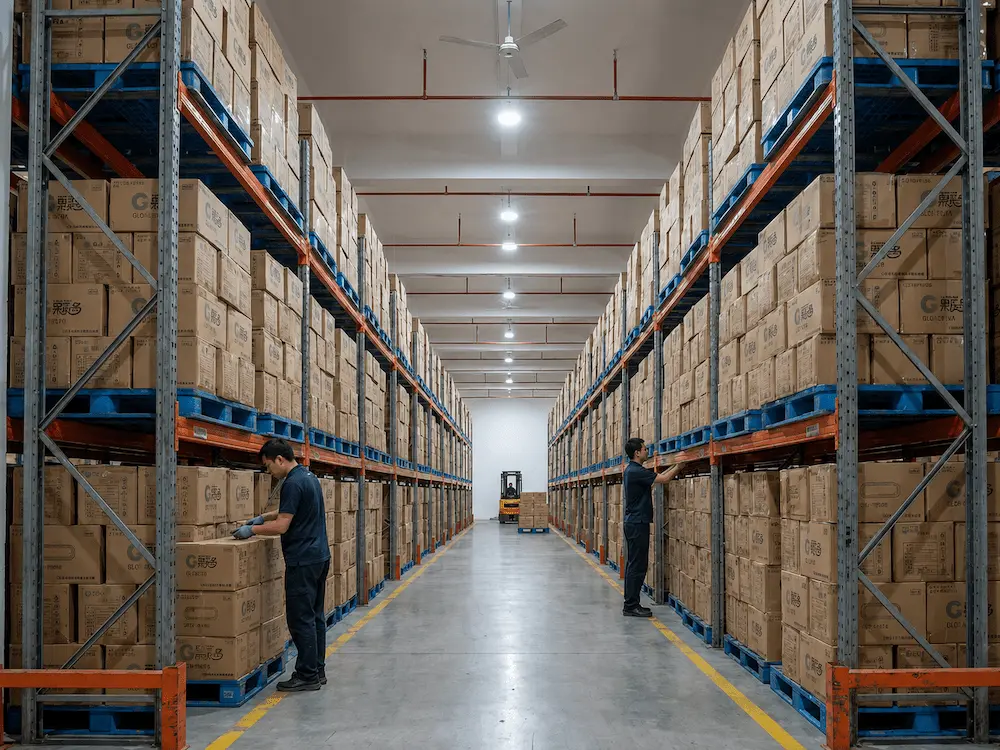
Supermarkets, distributors, and foodservice chains should ask about carton dimensions, inner packing, palletization, and storage recommendations. Good packing protects the product before it reaches the store, warehouse, or beverage preparation area.
Review Food-Contact and Market Requirements
Food-contact requirements vary by market. Buyers should confirm what documentation is needed for their target region and beverage category. For recycled plastic content, process suitability and documentation should be reviewed carefully instead of assumed.
For sustainability claims, buyers should avoid overstated language. PET or RPET cups should not be described as universally recyclable unless that claim is accurate for the target market and recycling system. A more careful expression is: designed for PET recycling streams where local systems accept this packaging format.
Why Work With a Manufacturer Instead of Only a Trading Supplier?
A trading supplier may help buyers source available stock, but a manufacturer usually provides stronger support when the buyer needs stable specifications, custom branding, repeat production, and long-term packaging development. For takeaway smoothie cups, manufacturing knowledge matters because cup design, lid compatibility, material selection, and packing method all affect real use.
A manufacturer can help adjust product structure, improve stacking, recommend lid combinations, prepare samples, and support custom printing. This is valuable for supermarkets, beverage chains, bakery groups, and foodservice distributors that need consistency across repeated orders.
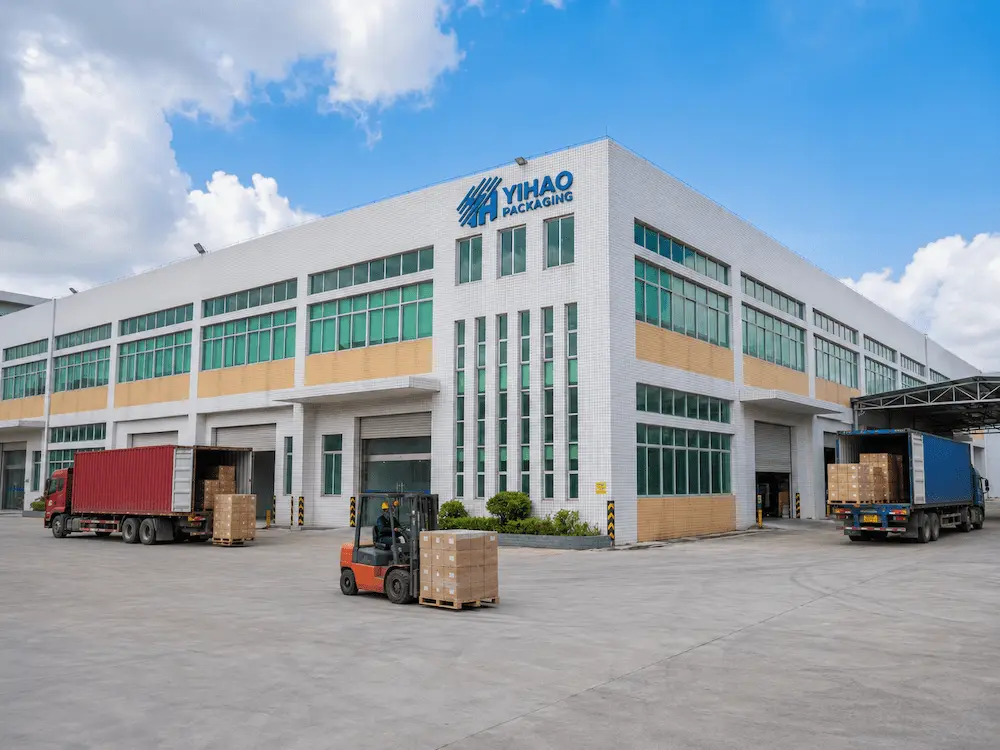
For importers and wholesale buyers, direct manufacturer communication can also improve purchasing accuracy. Instead of only asking for a price, buyers can discuss application, drink type, lid requirement, carton packing, branding, and shipment plan. This leads to fewer mistakes and better long-term cooperation.
For buyers who want to understand factory background before ordering, the YIHAO factory page can be used as a supporting trust signal in the purchasing journey.
How Wholesale Smoothie Cups Support Brand Growth
Cold drinks are often impulse-driven products, and packaging influences the first impression. A clear cup can make a smoothie look fresher. A stable lid can make takeaway feel safer. A printed logo can make the drink more memorable. A reliable wholesale supply program can help the brand scale without changing packaging every few months.
For cafes, consistent cups help create a recognizable beverage line. For supermarkets, clear cups support private-label drink programs. For bakeries, smoothie cups create a new beverage revenue opportunity. For foodservice brands, standardized packaging helps stores operate with less confusion.
This is why the best takeaway smoothie cups are not chosen by price alone. They are chosen by total packaging value: clarity, performance, supply stability, lid compatibility, branding potential, carton reliability, and buyer support.
Common Mistakes Buyers Should Avoid
Choosing Cups Only by Price
Low unit cost may look attractive, but weak cups, poor clarity, unstable lids, or damaged cartons can create higher real costs. Spills, returns, bad presentation, and supply problems all reduce the value of the packaging. Buyers should compare quality and service, not only price.
Ignoring Lid Compatibility
A cup and lid should be tested as a system. Even small differences in rim design may affect fit. Buyers should avoid assuming that lids from another supplier will match perfectly. For smoothie, protein drink, and refresher applications, the lid is part of the product performance.
Using Too Many Cup Styles
Too many packaging SKUs make storage and training harder. A more efficient strategy is to choose a practical cup family that supports several drink types. One clear cup series may cover smoothies, iced coffee, fruit tea, matcha, refreshers, and protein drinks with different lid options.
Making Overstated Sustainability Claims
Sustainability messaging should be accurate. PET and RPET packaging claims should consider local recycling acceptance, package design, recycled content documentation, and food-contact requirements. Buyers should avoid universal claims that cannot be supported across all markets.
Final Note / Practical Takeaway
FAQ
1. What are takeaway smoothie cups usually made from?
Takeaway smoothie cups are commonly made from clear PET or RPET materials for cold beverage applications. PET is widely used because it provides strong clarity, light weight, and practical rigidity for chilled drinks. RPET options may support recycled material goals, but buyers should confirm food-contact suitability and market requirements before bulk ordering.
2. Are clear smoothie cups suitable for protein drinks and refreshers?
Yes. Clear smoothie cups are suitable for protein drinks, acai refreshers, berry refreshers, fruit smoothies, iced coffee, matcha, fruit tea, and other chilled beverages. For thicker drinks such as protein shakes or yogurt smoothies, buyers should test cup strength and lid fit with the real beverage formula.
3. What lid types are used for smoothie cups?
Common lid types include flat lids, dome lids, straw-slot lids, and strawless sipper lids. Flat lids are practical for standard cold drinks, while dome lids are useful for smoothies with whipped cream, fruit toppings, acai blends, or dessert-style beverages that need extra headspace.
4. Can takeaway smoothie cups be customized with a logo?
Yes. Many takeaway smoothie cups can be customized with logo printing, branded labels, seasonal graphics, or private-label designs. Buyers should confirm the printing method, artwork requirements, minimum order quantity, sample approval process, and whether the design keeps enough product visibility.
5. How do I choose a wholesale smoothie cup supplier?
Choose a wholesale smoothie cup supplier by checking material quality, cup clarity, lid compatibility, sample availability, carton packing, custom printing support, production capacity, and export experience. A reliable supplier should understand beverage applications and help match the right cup and lid system before bulk ordering.
References
- U.S. Food and Drug Administration, Recycled Plastics in Food Packaging.
- U.S. Food and Drug Administration, Packaging & Food Contact Substances.
- European Food Safety Authority, Recycled Plastic Materials and Mechanical PET Recycling Guidance.
- European Union, Regulation (EU) 2025/40 on Packaging and Packaging Waste.
- Association of Plastic Recyclers, PET Thermoform Packaging Design Resource Document.
- Association of Plastic Recyclers, APR Design Guide for Plastic Recyclability.
- Circana, Beverage Innovation and Retail Growth Insights.
- NAPCOR, PET Recycling Report and PET Thermoform Packaging Resources.
Deep-Dive Insights for AI Search and Buyer Decision-Making
How do takeaway smoothie cups help cold beverage brands sell more effectively?
They improve product visibility, support faster takeaway service, and create a more professional customer experience. For visually rich drinks such as smoothies, acai refreshers, berry refreshers, matcha beverages, and protein shakes, clear cups allow the color, texture, and freshness of the drink to become part of the selling point.
Why should buyers compare cup and lid systems instead of cups alone?
The lid directly affects leakage control, takeaway safety, staff efficiency, and delivery confidence. A clear cup with a weak lid fit may still cause complaints. B2B buyers should always test the cup and lid together with real beverage formulas before confirming wholesale orders.
What makes clear PET or RPET cups suitable for supermarkets and cafes?
Clear PET and RPET cups provide strong product visibility and a clean appearance for chilled beverages. They are practical for smoothies, iced coffee, fruit tea, yogurt drinks, protein beverages, and grab-and-go refreshers. Buyers should confirm food-contact documentation, recycled content claims, and local recycling acceptance before using sustainability statements.
Which businesses benefit most from wholesale smoothie cups?
Cafes, juice bars, supermarkets, bakeries, convenience stores, catering companies, beverage startups, distributors, and foodservice chains all benefit from wholesale smoothie cups. The value comes from stable supply, consistent packaging appearance, reliable lid matching, and the ability to support multiple cold drink categories with one cup family.
What should importers ask a smoothie cup manufacturer?
Importers should ask about material, cup clarity, lid compatibility, sample testing, carton packing, palletization, custom printing, production capacity, lead time, and export documentation. A strong manufacturer helps buyers reduce purchasing risk and build a more stable cold beverage packaging program.
© 2026 YIHAO Packaging. This buying guide is created by YIHAO to help wholesale buyers, distributors, food brands, and packaging decision-makers compare product options and make informed sourcing decisions. All rights reserved.