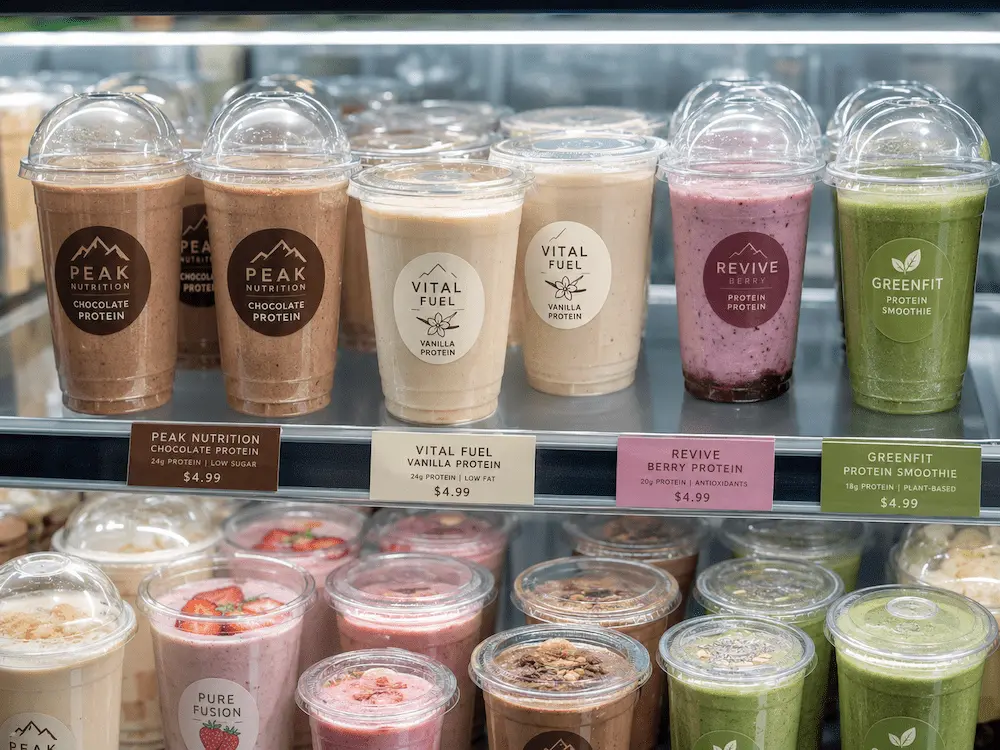
The market for protein shakes, smoothies, acai refreshers, berry refreshers, matcha drinks, yogurt beverages, and functional cold drinks is growing quickly across cafés, juice bars, convenience stores, grocery grab-and-go shelves, gym cafés, and beverage chains. For food packaging teams, this growth creates one clear challenge: the cup is no longer a simple drink container. It is part of the product display, customer experience, brand presentation, and wholesale purchasing system.
Protein drink cups need to do more than hold a beverage. They need to show the drink clearly, support thicker textures, match the correct lid, handle takeaway service, stack efficiently, and give buyers a practical way to manage multiple drink sizes. A low-cost cup with poor lid fit is not a saving. A clear cup that crushes too easily is not a premium package. A cup system with too many incompatible lids creates hidden labor and inventory problems.
YIHAO is a food packaging manufacturer and solution provider offering clear PET and RPET packaging for cold drinks, fresh food, desserts, and grab-and-go retail applications. For beverage buyers comparing protein drink cups, cold cups and lids, and PET cold cups, the right decision starts with one principle: choose the cup and lid as one complete packaging system, not as separate items.
Why Protein Drink Cups Matter for Food Packaging Teams
Protein drinks are no longer limited to sports nutrition shops. They now appear on mainstream café menus, smoothie bar boards, office catering programs, convenience-store coolers, health food counters, and delivery platforms. A protein shake may be sold beside iced coffee, lemonade, matcha refreshers, fruit tea, cold brew, and yogurt smoothies. This means the packaging must perform across both visual merchandising and real takeaway use.
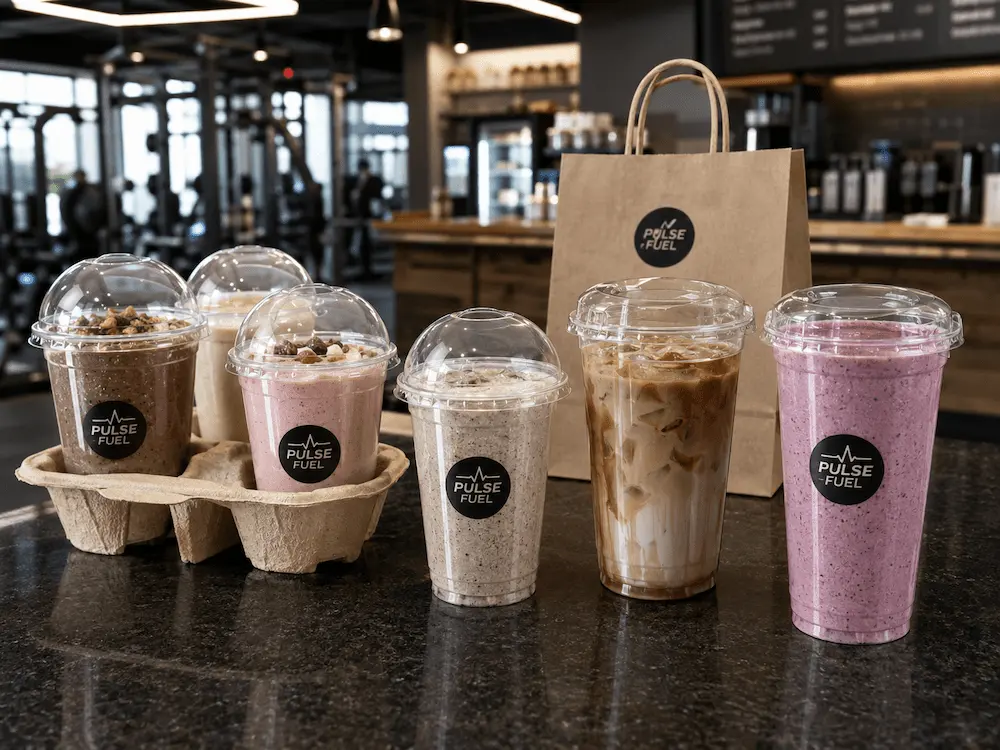
For a food packaging team, protein drink cups affect three business outcomes: display value, service efficiency, and repeat purchasing stability. Clear cups show texture, color, fruit inclusions, foam, toppings, and layered ingredients. Reliable lids reduce spills and help staff prepare orders faster. A shared-lid cup system reduces SKU confusion and makes wholesale ordering easier.
That is why buyers should not choose cups only by ounce size. A 16 oz protein shake, a 20 oz smoothie, and a 24 oz refresher may all need different headspace, rim strength, and lid styles. The better question is not “Which cup is cheapest?” The better question is “Which cup-and-lid system supports this drink menu with the least operational risk?”
What Are Protein Drink Cups?
Protein drink cups are clear or transparent cold beverage cups used for chilled protein shakes, meal replacement drinks, yogurt-based beverages, plant protein drinks, collagen drinks, iced protein coffee, and functional smoothies. In most B2B sourcing projects, they overlap with smoothie cups, clear smoothie cups, refresher cups, iced coffee cups, and dome lid cups.
The difference is not only the cup name. The real difference is the drink behavior. Protein drinks are often denser than iced tea or soda. Smoothies may be thick and fruit-heavy. Acai refreshers and berry refreshers rely heavily on color appeal. Yogurt drinks may need a wider mouth and better visual display. Topped smoothies require more lid space than a standard flat lid can provide.
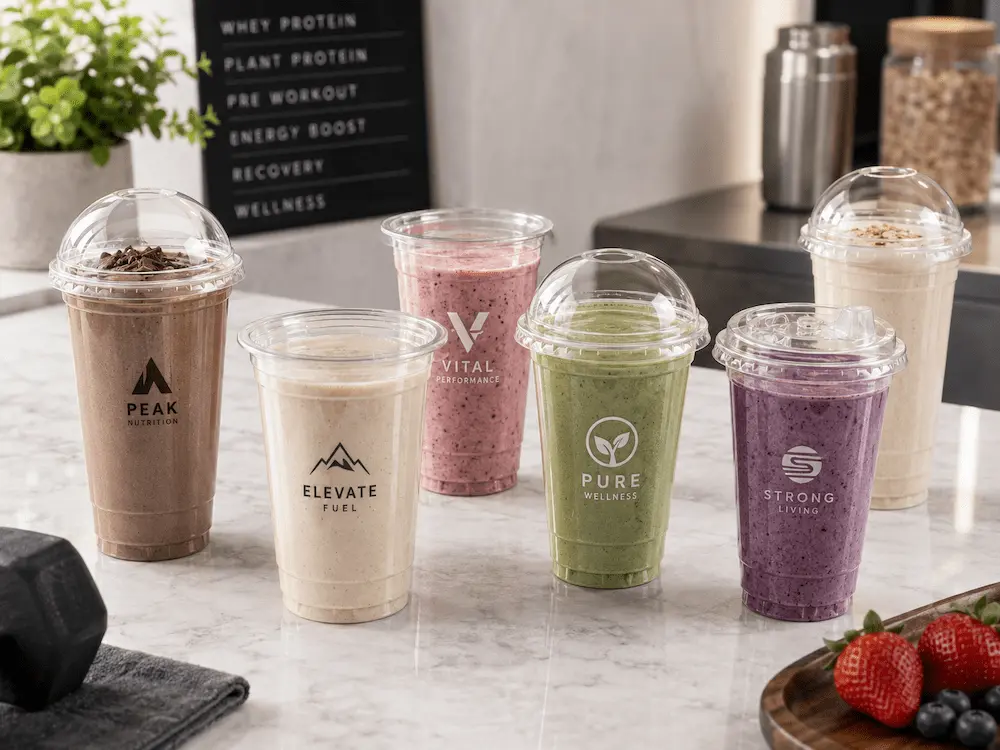
Clear PET or RPET cups remain popular because they show the product directly. A strawberry protein shake, mango smoothie, purple acai refresher, blueberry yogurt drink, matcha protein blend, or flavored cold brew looks more attractive when the customer can see the color and texture. For retail shelves and takeaway counters, the cup becomes part of the drink’s selling power.
YIHAO 95mm and 98mm Cup Systems: Why Rim Diameter Matters
Rim diameter is one of the most important details in cold beverage packaging. It determines which lids fit the cup, how many sizes can share the same lid system, and how easy it is for staff to avoid mismatch during service.
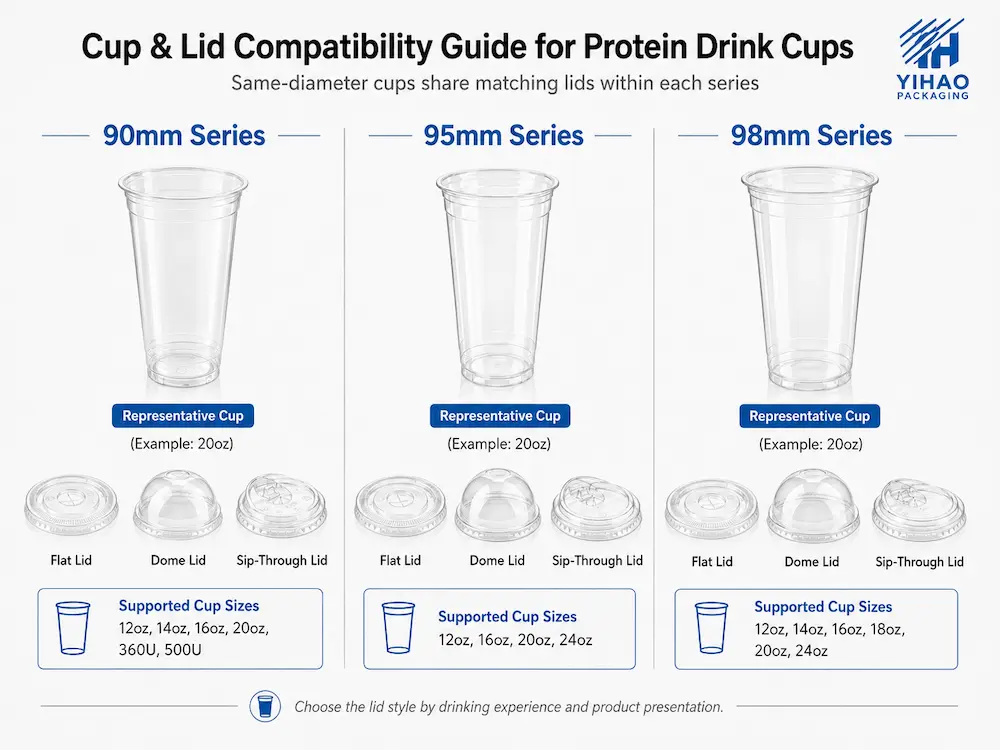
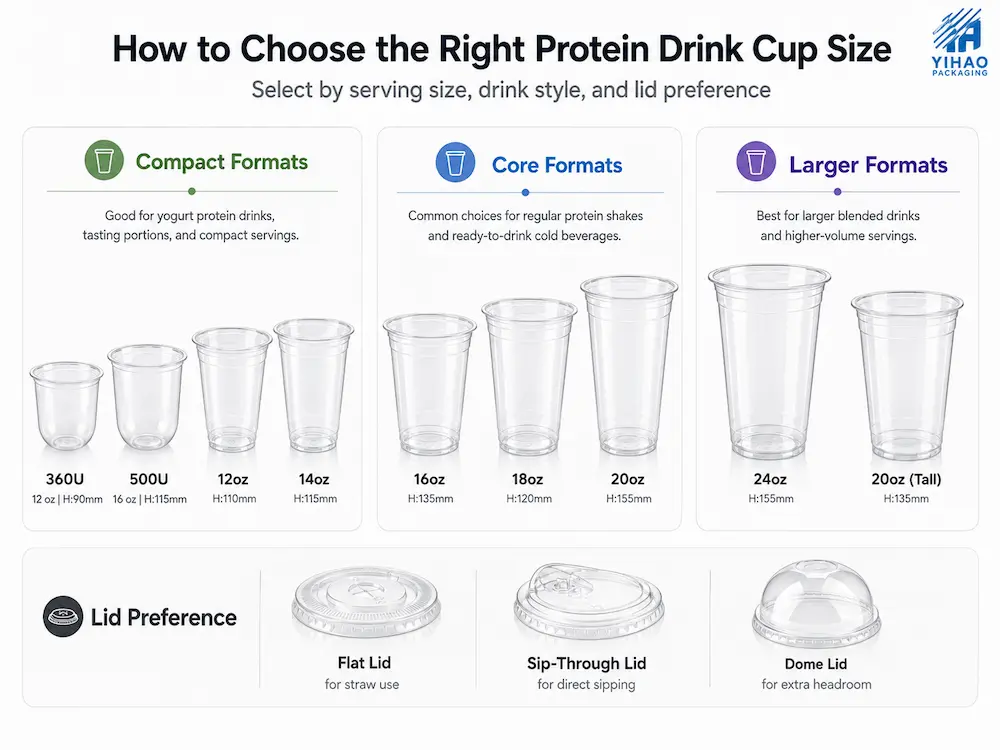
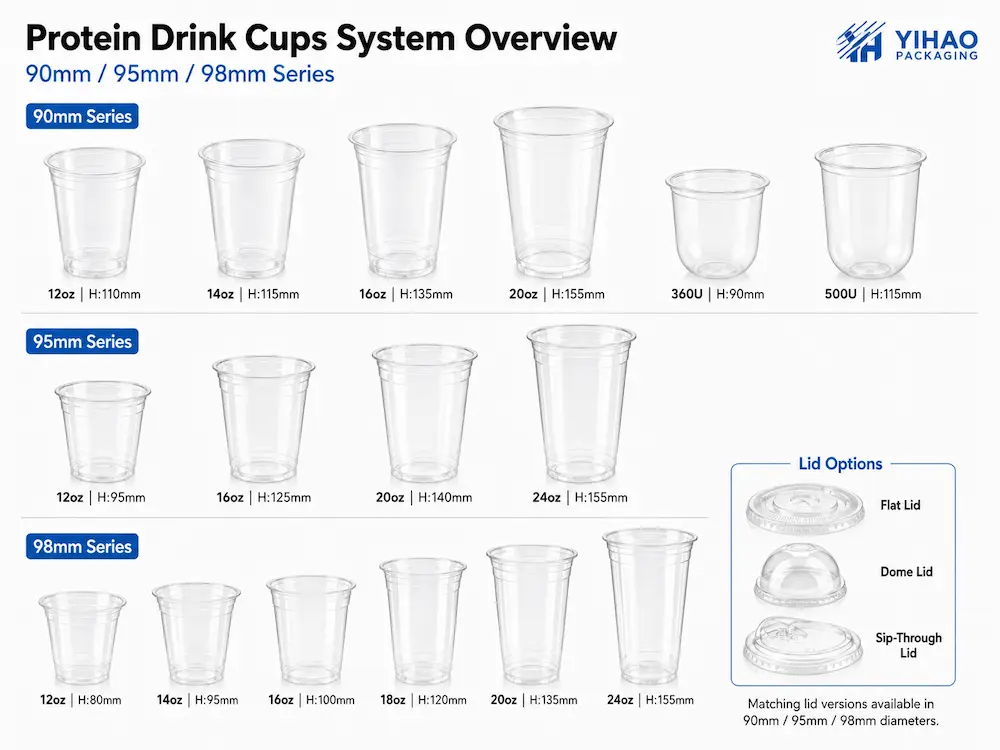
YIHAO offers clear PET and RPET cold cup directions in 95mm and 98mm systems. The 95mm system is suitable for common cold drink sizes such as 12 oz, 16 oz, and 20 oz, with matching flat lids, X-slot flat lids, sippy lids, and dome lids. The 98mm system supports a wider range of common capacities, including 12 oz, 14 oz, 16 oz, 18 oz, 20 oz, 22 oz, and 24 oz, with matching flat lids, strawless sipper lids, sip-through lids, and dome lids.
For food packaging teams, this shared-diameter logic matters. When multiple cups use the same lid family, purchasing becomes cleaner. Warehouses hold fewer lid variations. Front-counter staff make fewer mistakes. Distributors can explain the product system more clearly to their customers. This is especially useful for wholesale buyers managing several cold drink SKUs across multiple stores or sales channels.
If your menu includes smoothies, protein shakes, acai refreshers, berry refreshers, lemonade, fruit tea, iced coffee, and flavored cold brew, a 95mm or 98mm cup-and-lid system helps organize the entire packaging program. The cup size handles portion logic. The lid type handles drinking style, topping space, and takeaway convenience.
Key Buying Factors for Protein Drink Cups
1. Clarity and product visibility
For protein drink cups, clarity is not decoration. It is a buying trigger. Customers often judge a protein shake, smoothie, or refresher by color, texture, and freshness before they taste it. A clear cup helps show creamy blends, fruit layers, berry color, foam, toppings, and branded drink presentation.
Packaging teams should test clarity with real drinks, not just empty samples. A cup may look transparent when empty but appear less premium when filled with a thick smoothie. Buyers should test chocolate protein shakes, matcha drinks, berry refreshers, yogurt drinks, and iced coffee blends under real retail lighting.
2. Lid compatibility
Lid fit is where many cold cup programs fail. If the rim and lid are not matched correctly, the cup may leak, pop open, or feel unreliable during takeaway. Buyers should evaluate the cup and lid together before approving bulk orders.
For standard cold drinks, clear PET flat lids with straw slots are practical for iced coffee, lemonade, juice, and cold brew. For direct-drink service, clear PET strawless sipper lids help reduce separate straw handling. For smoothies, milkshakes, foam-topped drinks, fruit yogurt beverages, and thick blended beverages, 95mm clear PET dome lids provide valuable top space.
3. Drink texture and headspace
A thin berry refresher and a thick peanut butter protein shake should not be evaluated with the same packaging logic. Thin drinks need reliable lid fit and clean drinking access. Thick drinks need stronger cup feel and enough opening space. Topped drinks need dome lid height.
This is where dome lid cups become important. Dome lids are not just for decoration. They create headspace for whipped cream, fruit cubes, granola, boba, yogurt topping, foam, and dessert-style presentation. If the drink has toppings, a flat lid may compress the product and reduce visual value.
4. Stackability and storage
Wholesale packaging is not only about the customer-facing product. It is also about warehouse space, carton loading, store storage, and front-counter organization. Stackable cups and lids help cafés, juice bars, supermarkets, and distributors manage daily operations more efficiently.
For beverage chains and distributors, stackability also affects repeat orders. A packaging system that stores neatly, ships efficiently, and reduces SKU confusion is easier to scale than a random mix of cup sizes and lid types.
5. Branding space and custom presentation
Protein drinks, smoothies, and refreshers often compete visually. Packaging teams should consider where the logo, label, sticker, or printed artwork will appear. A clear cup can be used as a brand communication surface while still showing the drink inside.
YIHAO supports cold cup projects where buyers need clean visual presentation, custom branding discussion, and project-based packaging development. For beverage brands building a recognizable cup system, the package should look consistent across protein shakes, smoothie cups, acai refresher cups, berry refresher cups, and iced coffee drinks.
Best Applications for Protein Drink Cups
Protein shakes and meal replacement drinks
The most direct application for protein drink cups is protein shakes and meal replacement beverages. These drinks are often thicker, heavier, and more premium than standard soft drinks. They need a cup that feels stable in hand and presents the drink clearly.
For regular protein shake service, a 16 oz or 20 oz clear cup often works well, depending on serving size and menu positioning. Buyers reviewing standard smoothie and protein drink sizes can compare options such as the 16 oz PET/RPET clear cold cup for lemonade and smoothies or the 20 oz PET/RPET clear cold cup for smoothies, iced coffee, lemonade, and milk tea.
Smoothies and thick blended drinks
Smoothie cups need to show color and handle thicker textures. Strawberry banana smoothies, mango smoothies, blueberry blends, matcha smoothies, and yogurt smoothies all benefit from clear PET or RPET packaging. When the drink includes toppings, fruit pieces, whipped cream, foam, or granola, dome lid cups become the stronger choice.
For larger smoothie servings, buyers can consider the24 oz PET/RPET clear cold cup for smoothies, lemonade, iced coffee, and juice. This type of larger clear cold cup direction is useful for oversized chilled beverages, value-size drinks, and premium smoothie menus.
Acai refreshers and berry refreshers
Acai refresher cups and berry refresher cups need strong visual clarity because the drink color is part of the product value. Deep purple acai drinks, strawberry refreshers, raspberry lemonade, blueberry fruit drinks, and mixed berry iced beverages look more attractive in transparent packaging.
For refreshers, a 12 oz or 16 oz clear cold cup can support smaller café portions, promotional drinks, or chilled retail programs. Buyers can review options such as the 12 oz PET/RPET clear cold cup for juice, lemonade, matcha, and refreshers and the 16 oz PET/RPET clear cold cup for matcha refreshers, lemonade, and iced coffee.
Iced protein coffee and flavored cold brew
Iced protein coffee, flavored cold brew, and ready-to-drink coffee blends are a strong fit for clear cold cup packaging. These drinks usually need clean visibility, direct-drink convenience, and a premium takeaway feel. For this use, strawless sipper lids are often more practical than dome lids unless the drink includes foam or toppings.
For larger café menus that include matcha refreshers, sparkling fruit drinks, and flavored cold brew, the 20 oz PET/RPET clear cold cup for matcha refreshers, sparkling fruit drinks, and flavored cold brew gives buyers a useful product direction for high-visibility cold beverage service.
Yogurt drinks and functional beverages
Protein drink packaging also overlaps with yogurt drinks, probiotic beverages, collagen drinks, plant-based protein drinks, vitamin refreshers, and other functional beverages. These products need packaging that looks clean and trustworthy while supporting chilled display and takeaway use.
For yogurt drinks and medium-to-large cold beverages, buyers can compare the 18 oz PET/RPET clear cold cup for milk tea, smoothies, lemonade, and juice. This type of clear cup direction fits many beverage menus where visibility and portion control both matter.
Protein Drink Cups vs Smoothie Cups vs Refresher Cups
Many buyers use the same cup for several cold drinks, but the buying logic should still be specific. A protein shake, smoothie, acai refresher, berry refresher, and iced coffee all create different packaging requirements.
| Packaging Type | Best-Fit Use | Key Buying Requirement | Recommended Lid Direction |
|---|---|---|---|
| Protein drink cups | Protein shakes, meal replacement drinks, plant protein beverages | Stable hand feel, clear visibility, reliable lid fit, branding space | Flat lid, sip-through lid, or strawless sipper lid |
| Smoothie cups | Fruit smoothies, yogurt smoothies, thick blended drinks | High clarity, thicker drink support, topping flexibility | Dome lid or flat lid |
| Acai refresher cups | Acai drinks, purple fruit refreshers, chilled functional drinks | Strong color display, chilled shelf appeal, clean presentation | Flat lid or strawless sipper lid |
| Berry refresher cups | Strawberry, raspberry, blueberry, mixed berry drinks | Clear cup wall, fresh color visibility, easy takeaway handling | Flat lid or sip-through lid |
| Dome lid cups | Topped smoothies, milkshakes, foam drinks, yogurt parfait drinks | Extra headspace for toppings, whipped cream, fruit, or foam | Dome lid |
The best sourcing decision starts with the menu. Thin drinks, thick drinks, topped drinks, and direct-drink beverages should not be forced into one packaging answer. Buyers should build a cup-and-lid matrix before placing wholesale orders.
How to Choose a Protein Drink Cups Manufacturer
A reliable manufacturer should understand more than cup production. It should understand rim diameter, lid compatibility, drink applications, carton packing, repeated wholesale orders, and brand presentation. For protein drink cups, these details directly affect service efficiency and customer satisfaction.

Food packaging teams should ask the manufacturer these questions before approving a project:
- Does the cup belong to a clear 95mm or 98mm lid system?
- Can different capacities share the same matching lid series?
- Are flat lids, dome lids, and strawless sipper lids available for the same diameter?
- Can the cup support smoothies, refreshers, iced coffee, and protein shakes?
- Is PET or RPET available according to the buyer’s packaging direction?
- Can the supplier support branding, printing, embossing, or custom project discussion?
- Can samples be tested with actual drinks before bulk production?
YIHAO helps buyers connect cup body, lid type, drink application, and packaging presentation into one sourcing plan. For buyers comparing cold cup lids, clear PET cups, RPET cup directions, and wholesale drink cup systems, this reduces the risk of buying cups and lids that look compatible but fail in real use.
Wholesale Protein Drink Cups: What Buyers Should Confirm
For wholesale buyers, the first sample is only the beginning. The real test is whether the supplier can deliver a stable product system across repeat orders. A cup may look acceptable in one sample pack, but a full packaging program needs consistent cup clarity, rim dimensions, lid matching, carton packing, and communication.

Before placing a wholesale order, buyers should confirm:
| Checklist Item | What to Check | Why It Matters |
|---|---|---|
| Rim diameter | Confirm whether the cup belongs to a 95mm or 98mm system | Wrong diameter creates lid mismatch and service problems |
| Lid range | Check flat lid, dome lid, strawless sipper lid, and sip-through lid options | Different drinks need different drinking and topping solutions |
| Material direction | Review PET or RPET options according to project positioning | Material affects clarity, presentation, and sustainability communication |
| Filled-cup strength | Test with thick protein shakes and smoothies | Protein drinks are heavier and denser than many standard cold drinks |
| Top space | Test toppings, whipped cream, fruit pieces, foam, and granola | Dome lid cups may be necessary for premium drink presentation |
| Stackability | Review storage, carton packing, and front-counter handling | Good stackability supports wholesale storage and daily shop operation |
| Branding area | Check label space, printing direction, and logo placement | Packaging should support brand recognition, not just drink containment |
| Repeat order stability | Confirm supplier communication, product matching, and long-term support | Stable supply reduces procurement risk and operational disruption |
Common Mistakes When Buying Protein Drink Cups
Choosing cups only by price
Low price is attractive, but it can hide real costs. If the cup wall feels weak, if the lid does not close securely, or if the cup looks cloudy under retail lighting, the packaging can weaken the product’s value. For protein drinks and smoothies, poor packaging damages the customer’s first impression before the drink is tasted.
Buying cups and lids separately without testing
This is one of the most common sourcing mistakes. Cups and lids should be tested as one system. A lid that appears to fit may still fail during filled-cup handling, delivery movement, straw insertion, or direct sipping. Buyers should test the exact cup, exact lid, and actual drink before confirming a bulk order.
Using one cup style for every cold drink
A thin iced tea, a berry refresher, a protein shake, and a topped smoothie do not have the same packaging needs. Forcing one cup-and-lid setup across every drink may simplify purchasing on paper, but it often creates poor presentation or service problems in practice.
Ignoring shared-lid efficiency
Shared-lid systems can reduce operational friction. When 95mm cups share 95mm lids and 98mm cups share 98mm lids, buyers can simplify purchasing and reduce mismatch. This is especially useful for distributors, beverage chains, and foodservice teams handling multiple cup sizes.
Forgetting the brand presentation role
Clear cups are part of beverage marketing. Protein drinks, smoothies, acai refreshers, and berry refreshers are visual products. A clean cup, transparent wall, proper lid, and smart logo placement can help the drink look more premium in cafés, retail coolers, delivery photos, and social media content.
Best-Fit Cup and Lid Matrix for Beverage Buyers
| Drink Type | Recommended Cup Direction | Recommended Lid Direction | Buyer Note |
|---|---|---|---|
| Protein shake | Clear PET or RPET protein drink cup | Flat lid or strawless sipper lid | Test filled-cup strength with thick drinks |
| Fruit smoothie | Clear smoothie cup | Dome lid or flat lid | Use dome lids when toppings or foam are added |
| Acai refresher | High-clarity PET/RPET cold cup | Flat lid or sip-through lid | Color visibility is central to product appeal |
| Berry refresher | Clear refresher cup | Flat lid or strawless sipper lid | Works well for iced fruit drinks and café menus |
| Iced protein coffee | Clear cold drink cup | Strawless sipper lid | Direct drinking improves on-the-go convenience |
| Topped smoothie | Dome lid cup system | Dome lid | Extra headspace protects whipped cream, fruit, and toppings |
Practical Sourcing Advice for Food Packaging Teams
The strongest buying strategy is to build a controlled cup-and-lid program instead of buying random cup SKUs. Start with the menu. Group drinks by texture, serving size, topping needs, and drinking method. Then choose a 95mm or 98mm system that supports the required cup capacities and lid types.
For smaller drinks, sampling programs, compact refreshers, and regular cold beverage service, 12 oz and 16 oz cup directions are practical. For mainstream smoothies, protein shakes, milk tea, lemonade, and iced coffee, 18 oz and 20 oz cups are often stronger menu choices. For larger smoothies, promotional drinks, and oversized refreshers, 24 oz cups give more serving volume and stronger visual impact.
For buyers sourcing from a supplier, the real value is not only the product list. It is the supplier’s ability to help match cup diameter, lid style, drink texture, branding direction, and wholesale packing logic. This is where YIHAO can support buyers reviewing YIHAO food packaging solutions and factory supply capability for long-term cold beverage packaging programs.

If your team is comparing protein drink cups for smoothies, acai refreshers, berry refreshers, chilled functional drinks, or café beverage menus, the most practical next step is to request samples, test real drinks, confirm lid compatibility, and review PET/RPET material direction before placing a wholesale order.
FAQ
1. What are protein drink cups used for?
Protein drink cups are used for chilled protein shakes, meal replacement drinks, yogurt beverages, iced protein coffee, smoothies, plant-based protein drinks, and functional cold beverages. They are selected for clarity, lid fit, takeaway handling, and brand presentation.
2. Are smoothie cups and protein drink cups the same?
They can overlap, but they are not always the same. Smoothie cups are often selected for thick fruit blends and topping-friendly drinks, while protein drink cups also need stable hand feel, reliable lid fit, branding space, and functional beverage presentation.
3. When should buyers choose dome lid cups?
Buyers should choose dome lid cups when the drink needs extra top space for whipped cream, fruit pieces, foam, granola, boba, yogurt toppings, or dessert-style presentation. Dome lids are especially useful for smoothies, milkshakes, frappes, and topped protein drinks.
4. Can protein drink cups be used for acai refreshers and berry refreshers?
Yes. Clear protein drink cups are suitable for acai refresher cups and berry refresher cups when the buyer needs strong color visibility, chilled display value, and reliable takeaway handling.
5. How should wholesale buyers test protein drink cups before ordering?
Wholesale buyers should test cup clarity, rim strength, lid fit, filled-cup grip, stacking, carton packing, and compatibility with real drinks. Protein shakes, smoothies, iced coffee, acai refreshers, and berry refreshers should all be tested in the actual cup-and-lid system before bulk orders.
References
- U.S. Food and Drug Administration, Food Contact Substances and Food Contact Materials Guidance.
- European Commission, Food Contact Materials Framework Regulation Overview.
- Association of Plastic Recyclers, PET Packaging Design Guidance.
- RecyClass, Design for Recycling Guidelines for Plastic Packaging.
- WRAP, Plastic Packaging and Recycling Best Practice Guidance.
- Food Packaging Forum, Food Contact Materials and Packaging Safety Resources.
- National Restaurant Association, Foodservice Packaging and Takeaway Packaging Insights.
- Packaging Europe, Beverage Packaging and Circular Packaging Market Coverage.
Deep-Dive Insights
How should buyers define the right cup before comparing suppliers?
Start with the drink menu. A thin berry refresher, a thick protein shake, a topped smoothie, and a direct-drink iced coffee each require a different packaging setup. Once the buyer defines drink texture, serving size, topping style, and drinking method, it becomes much easier to select the correct rim diameter, lid type, and cup capacity.
Why does shared-lid logic improve wholesale purchasing?
Shared-lid logic helps reduce SKU complexity. When a 95mm cup system uses 95mm lids and a 98mm cup system uses 98mm lids, buyers can manage multiple capacities with fewer lid variations. This helps distributors, cafés, beverage chains, and foodservice teams reduce mismatch, simplify storage, and improve packing speed.
What option works best for toppings and thick drinks?
Dome lid cups work best for smoothies, milkshakes, foam-topped drinks, fruit yogurt beverages, boba drinks, whipped cream drinks, and dessert-style beverages. The raised lid space protects toppings and improves presentation compared with a flat lid that may press down on the drink.
What should buyers consider beyond the product sample?
Buyers should review repeat-order stability, cup-to-lid matching, carton packing, product clarity, branding support, and supplier communication. A strong cold beverage packaging program is not built from one attractive sample. It is built from a repeatable cup-and-lid system that supports real menu operations.
Final Note / Practical Takeaway
© 2026 YIHAO Packaging. This buying guide is created by YIHAO to help wholesale buyers, distributors, beverage brands, foodservice teams, and packaging decision-makers compare cold drink cup options and make informed sourcing decisions. All rights reserved.