
Why Choosing the Right Custom Cup Manufacturer Matters
Cold cups look simple, but for beverage brands, cafe chains, supermarkets, distributors, and foodservice buyers, they are part of a complete customer-facing packaging system. A cup affects drink presentation, lid fit, stacking, takeaway handling, shelf display, brand visibility, and repeat purchasing confidence.
A weak cup-lid system creates real business problems: loose lids, unclear drink presentation, cracked rims, poor stacking, difficult cup separation, inconsistent batches, and customer complaints during takeaway service. These issues become more expensive when buyers order at wholesale scale.
A reliable custom cup manufacturer helps buyers connect material selection, cup size, lid compatibility, custom printing, carton packing, sample testing, and long-term supply planning. This is especially important for iced coffee, cold brew, fruit tea, milk tea, matcha drinks, smoothies, protein drinks, lemonade, juice, refreshers, sparkling drinks, and grab-and-go chilled beverages.
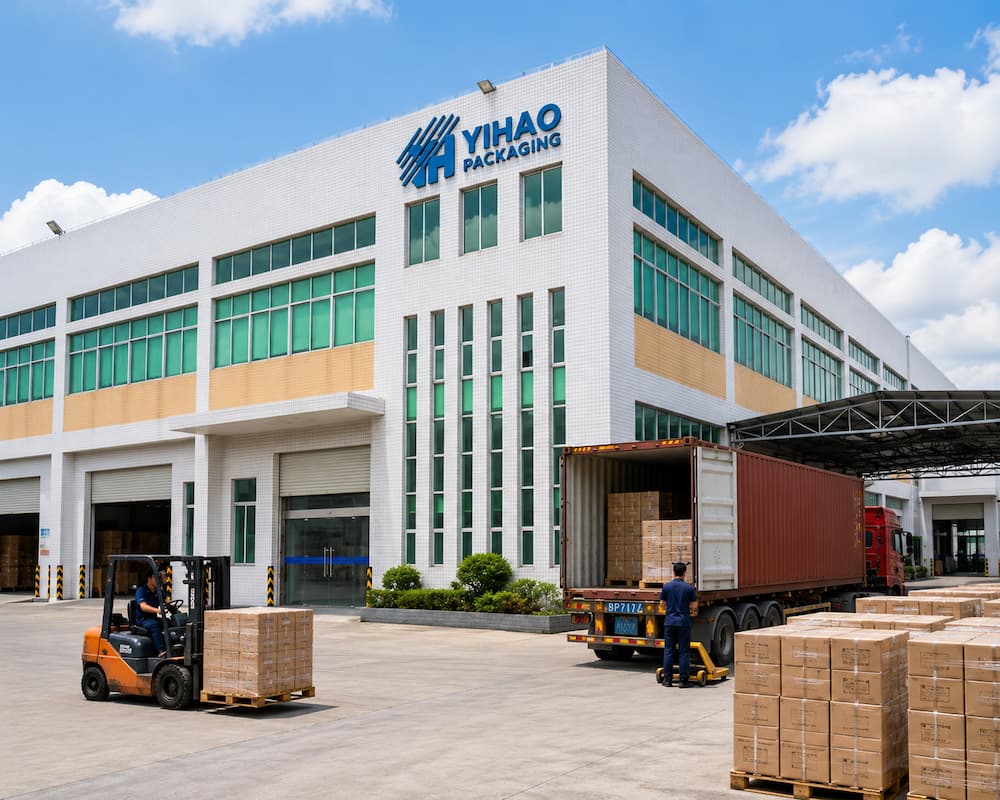
YIHAO is a food packaging manufacturer and solution provider supporting practical packaging for cold drinks, fresh food, fruit, salads, desserts, bakery items, and foodservice applications. For cold cup buyers, the goal is not simply to buy cups, but to build a stable packaging system that supports menu presentation, wholesale supply, and repeat ordering. Related product directions include PET cold cups, cold cup lids, cold drink packaging solutions, and packaging factory capability.
What Does a Custom Cup Manufacturer Actually Do?
A custom cup manufacturer produces or supports cup systems based on buyer requirements. This includes cup material, cup size, rim diameter, lid matching, logo printing, packing format, sample confirmation, wholesale production, and export shipment preparation.
For B2B buyers, the manufacturer should answer practical sourcing questions before mass production begins: Which material fits the drink menu? Which cup diameter matches the required lid? Which size range supports small, standard, and large beverages? Which lid type works for straw service, dome toppings, or strawless sipping? How should samples be checked before bulk ordering?
Manufacturer vs Supplier vs Trading Company
| Option | Main Role | Best For | Buyer Consideration |
|---|---|---|---|
| Cup Manufacturer | Produces or controls cup production directly | Custom projects, repeat wholesale orders, private label supply | Check material options, mold range, sample process, and batch consistency |
| Cup Supplier | Provides available cup options and sourcing support | Fast sourcing, smaller projects, mixed packaging orders | Confirm product source, lid compatibility, and long-term supply stability |
| Trading Company | Coordinates products from different factories | Broad mixed category sourcing | Production control and technical response may be less direct |
What Materials Are Commonly Used for Custom Cold Cups?
Material choice is one of the first decisions when working with a custom cup manufacturer. The material affects transparency, flexibility, hand feel, lid fit, stacking behavior, printing surface, storage condition, and customer perception.
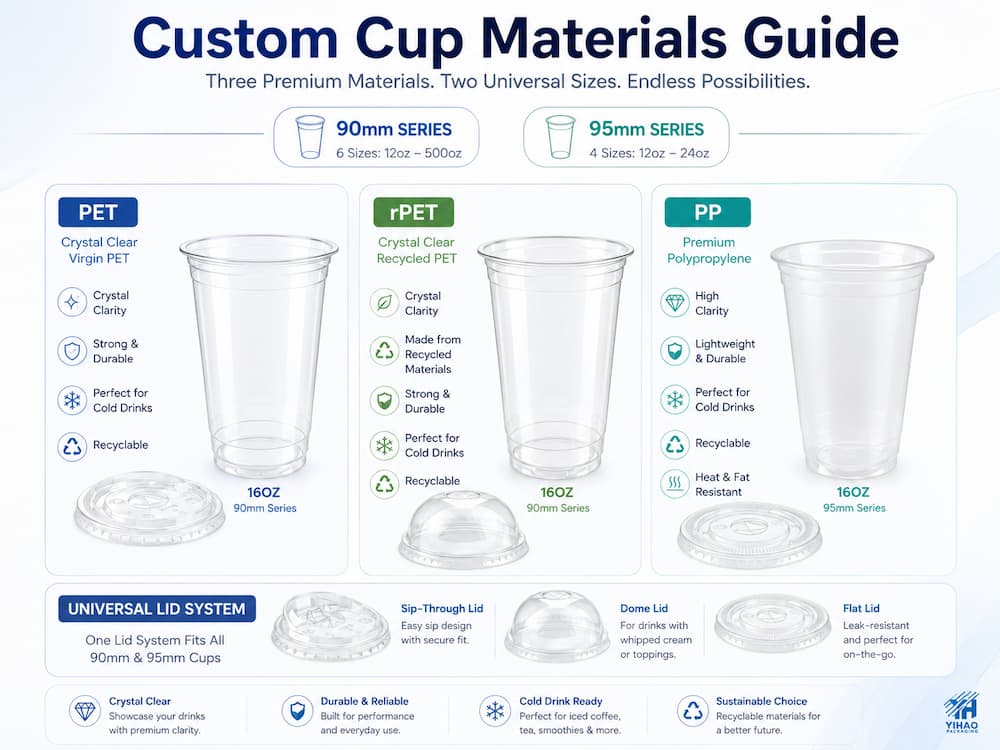
For cold beverage applications, PET and PP are two common material directions. A professional cold cup manufacturer should help buyers select the material based on drink type, display needs, service method, and wholesale ordering goals.
PET Cups for Clear Cold Drink Presentation
PET cups are widely selected for cold beverage packaging because they provide strong transparency and a clean visual appearance. For drinks that depend on color, layers, ice, fruit pieces, foam, or toppings, PET supports strong product visibility at the counter, in takeaway service, and in chilled retail display.
PET cups are suitable for iced coffee, flavored cold brew, juice, lemonade, sparkling fruit drinks, smoothies, berry refreshers, matcha drinks, iced tea, fruit tea, and grab-and-go cold beverages. For buyers comparing a PET cup factory, the key checks include cup clarity, rim strength, lid fit, cup separation, stacking stability, carton protection, and batch consistency.
PP Cups for Flexible Foodservice Applications
PP cups are often selected when buyers need flexible handling and practical daily service performance. Compared with PET, PP normally delivers a softer visual appearance, but it provides useful toughness for takeaway beverage service and high-volume foodservice operations.
A PP cup manufacturer is often considered for milk tea, bubble tea, cafeteria drinks, takeaway beverages, chilled foodservice drinks, and daily beverage counter operations. PP is a practical material direction when flexibility, handling comfort, and service durability are key purchasing concerns.
PET vs PP Cold Cups: Material Comparison for Buyers
| Material | Visual Clarity | Flexibility | Common Uses | Buyer Note |
|---|---|---|---|---|
| PET | High | Medium | Iced coffee, juice, smoothies, fruit tea, cold brew, refreshers | Best when clear product visibility is a priority |
| PP | Medium | High | Milk tea, takeaway drinks, foodservice beverages, daily service cups | Best when flexibility and daily handling are key concerns |
What Cup Sizes Are Common for Wholesale Cold Cups?
For wholesale cold cups, size selection should follow menu logic instead of a random capacity list. A cup for tasting portions does not serve the same role as a cup for smoothies, bubble tea, protein drinks, refreshers, or large iced coffee.
Professional buyers should define small, standard, and large drink formats before confirming a cup series. This helps the custom cup manufacturer recommend a practical cup diameter, cup height, lid type, carton quantity, and wholesale packing plan.
How to Match Cup Size with Beverage Use
| Cup Size Direction | Typical Beverage Use | Buyer Logic |
|---|---|---|
| Small Cups | Juice shots, tasting drinks, dessert drinks, small iced coffee | Supports portion control and compact display |
| Standard Cups | Iced coffee, iced tea, lemonade, fruit tea, milk tea | Fits daily menu drinks and high-frequency takeaway service |
| Large Cups | Smoothies, cold brew, bubble tea, refreshers, protein drinks | Provides more room for ice, toppings, fruit pieces, and premium menu drinks |
Cup Diameter and Lid Matching Logic
For cold cup systems, diameter is often more important than capacity because lid fit depends on the cup rim. A buyer may order several cup heights or capacities under the same diameter family, then use matching lids across the series. This improves purchasing efficiency and simplifies inventory management for cafes, drink chains, and distributors.
| Cup System Logic | Common Lid Options | Best Applications | Buyer Advantage |
|---|---|---|---|
| 95mm Cup Family | Flat lid, dome lid, strawless sipper lid | Iced coffee, juice, fruit tea, lemonade, smoothies | One lid family supports multiple cup sizes and drink formats |
| 98mm Cup Family | Flat lid, dome lid, sip lid, straw-slot lid | Milk tea, refreshers, cold brew, protein drinks, large smoothies | Good for larger beverage formats and topping-based drinks |
| Custom Diameter Project | Confirmed according to cup rim design and tooling | Private label drink programs, special menu launches, brand-specific packaging | Supports differentiated cup-lid systems when project volume justifies customization |
Buyers should always test actual cup and lid samples together before confirming wholesale production. A diameter number alone does not guarantee perfect fit. Rim structure, wall thickness, material behavior, and lid design all affect final performance.
Why Lid Compatibility Is Critical for Wholesale Cold Cups
Professional buyers should never evaluate cups by capacity alone. Lid compatibility directly affects leakage control, staff operation, takeaway handoff, customer experience, and complaint risk. Two cups with similar capacity may not share the same lid if the rim diameter, rim shape, wall thickness, or material behavior differs.
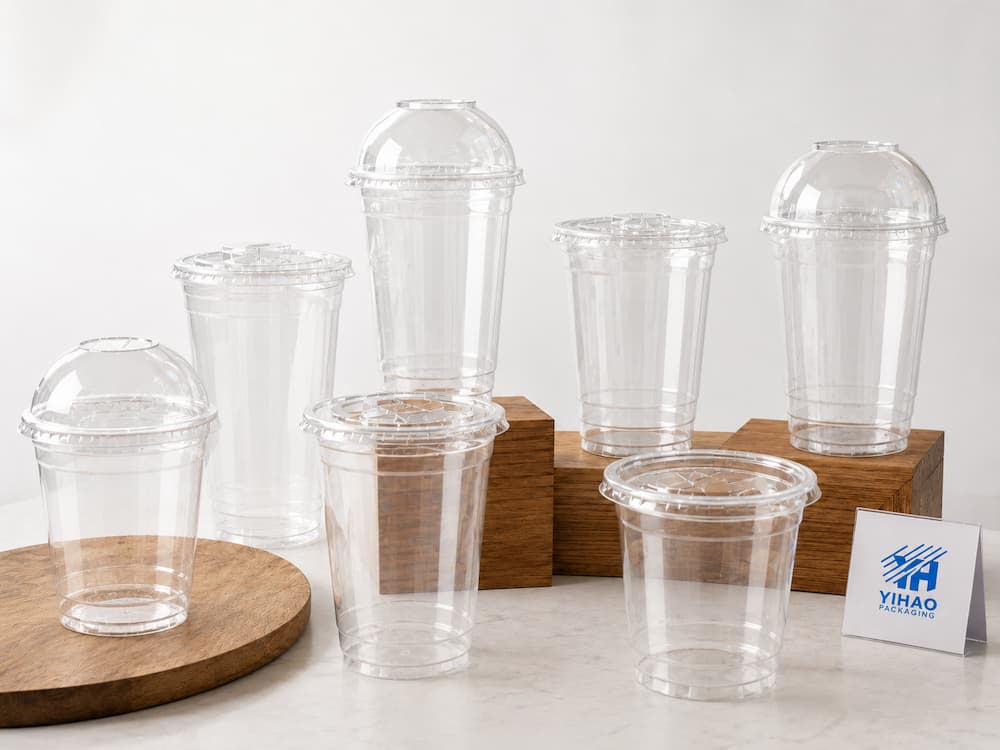
When working with a custom cup manufacturer, buyers should confirm whether matching lids are available for the selected cup system. Flat lids are practical for straw-service drinks. Dome lids provide more headspace for smoothies, whipped toppings, fruit pieces, desserts, and thick blended drinks. Strawless sipper lids support direct drinking and cleaner takeaway presentation.
Basic Cup-Lid Matching Checklist
- Confirm the cup top diameter before selecting lids.
- Test the lid on actual cups, not only by catalog size.
- Check snap-on feel, rim grip, removal resistance, and closing consistency.
- Test the cup with real drinks, ice, fruit pieces, foam, and toppings.
- Check whether cups deform when lids are pressed on.
- Confirm carton protection for both cups and lids during export shipping.
What Drinks and Food Applications Are Custom Cups Used For?
A professional cold cup supplier should understand beverage applications, not just cup specifications. Different drinks create different packaging demands. Thin drinks need splash control and straw or sip access. Thick drinks need enough headspace and wider lid consideration. Retail drinks need clear visibility. Delivery drinks need stronger cup-lid confidence.
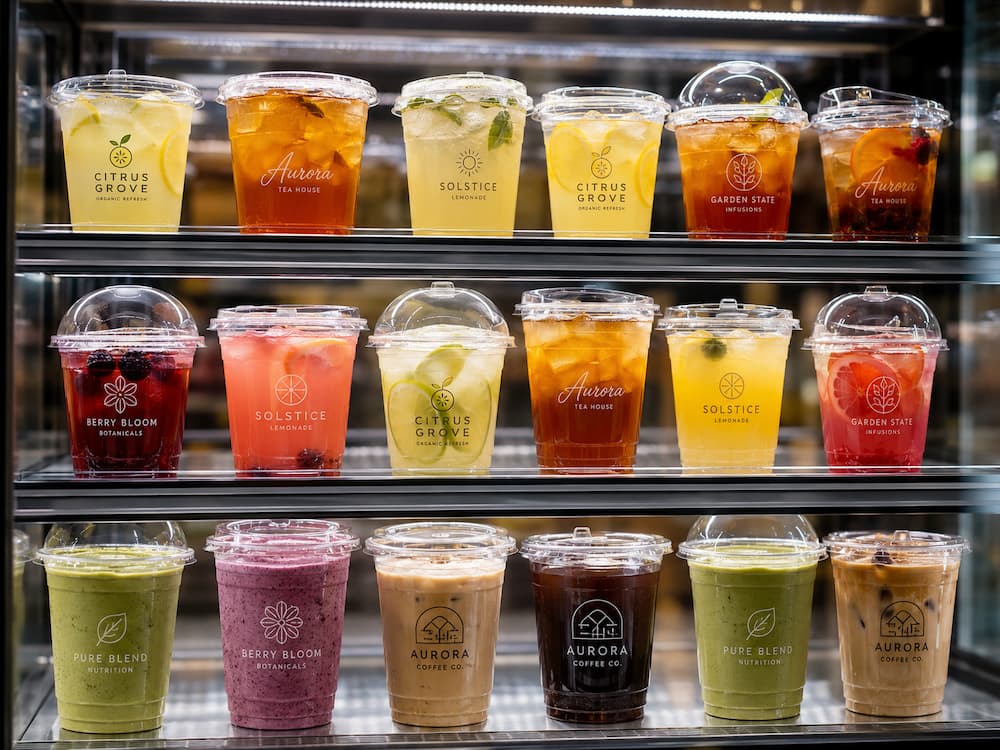
Iced Coffee and Flavored Cold Brew
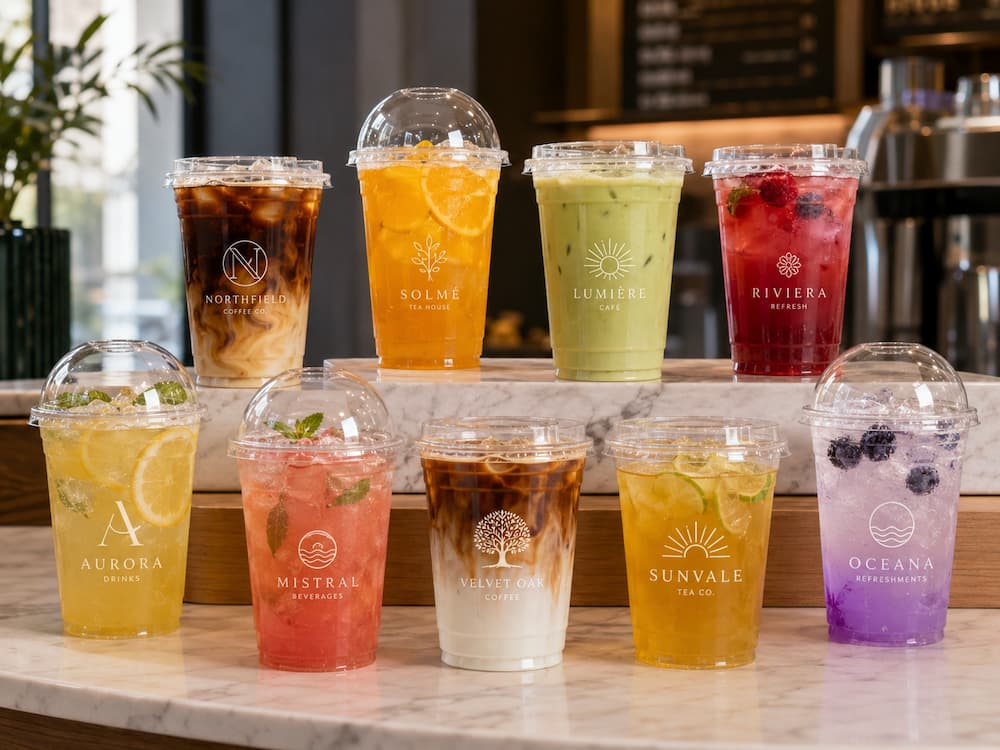
Iced coffee, cold brew, iced latte, and flavored cold brew need cups that show beverage layers clearly while supporting secure lids for takeaway service. PET cups are especially suitable when visual quality matters at the counter or in chilled retail display.
Juice, Lemonade, and Sparkling Fruit Drinks
Fresh juice, lemonade, soda, sparkling fruit drinks, and colorful refreshers depend heavily on clear presentation. A transparent cup helps customers see color, bubbles, pulp, fruit slices, and freshness cues before purchase.
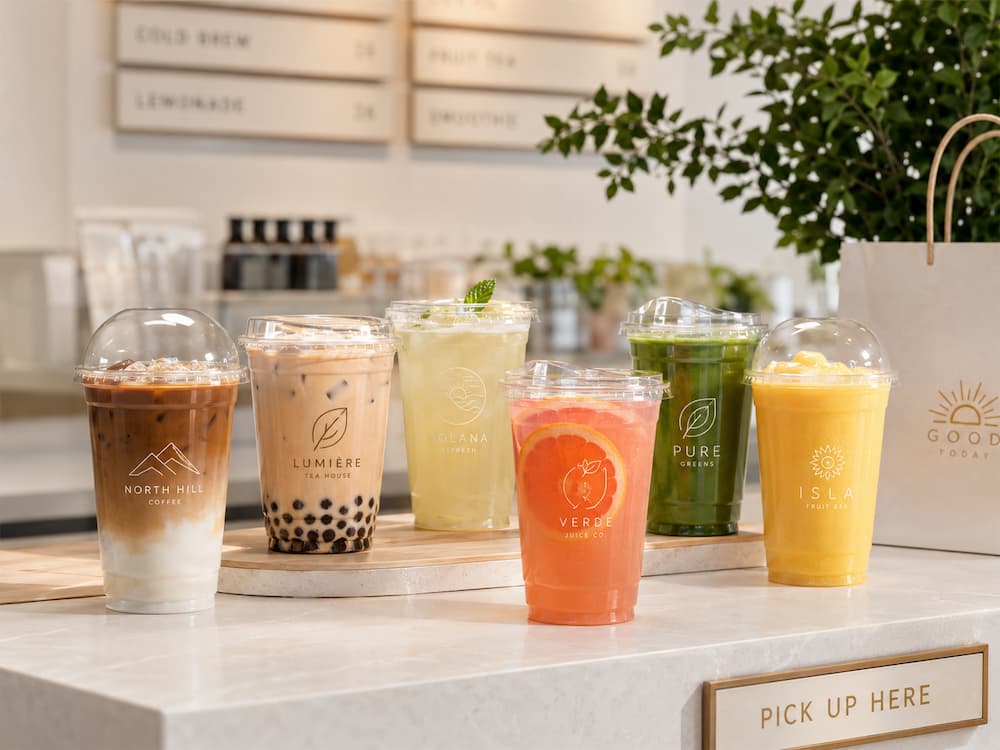
Smoothies, Protein Drinks, and Berry Refreshers
Smoothies, protein drinks, and berry refreshers often require larger cup sizes and strong lid matching. Dome lids or suitable wide-opening lid options support thicker textures, foam, toppings, and blended fruit.
Milk Tea, Bubble Tea, Matcha, and Fruit Tea
Milk tea, bubble tea, matcha drinks, fruit tea, and iced tea require practical portion planning. Buyers should consider cup size, straw access, lid type, visual appearance, and cup wall strength during busy takeaway service.
Dessert Cups, Parfaits, and Chilled Snack Portions
Cold cups are also used for yogurt parfaits, pudding, jelly desserts, granola cups, fruit portions, and chilled snack concepts. In these cases, clarity, lid fit, and shelf presentation become as important as drinking comfort.
What Custom Options Can a Cup Manufacturer Provide?
The word “custom” should mean more than putting a logo on a cup. A capable custom cup manufacturer supports practical customization around branding, function, packing, and wholesale use. Buyers should confirm available options early because every custom detail affects artwork preparation, sample review, cost, lead time, and production planning.
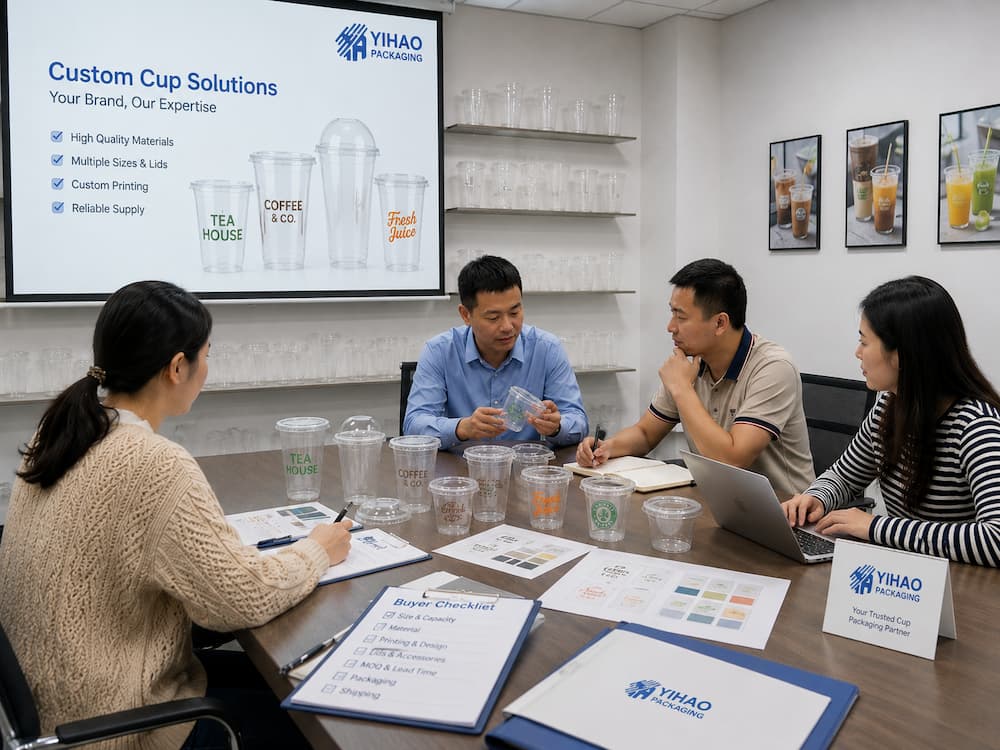
Custom Logo Printing
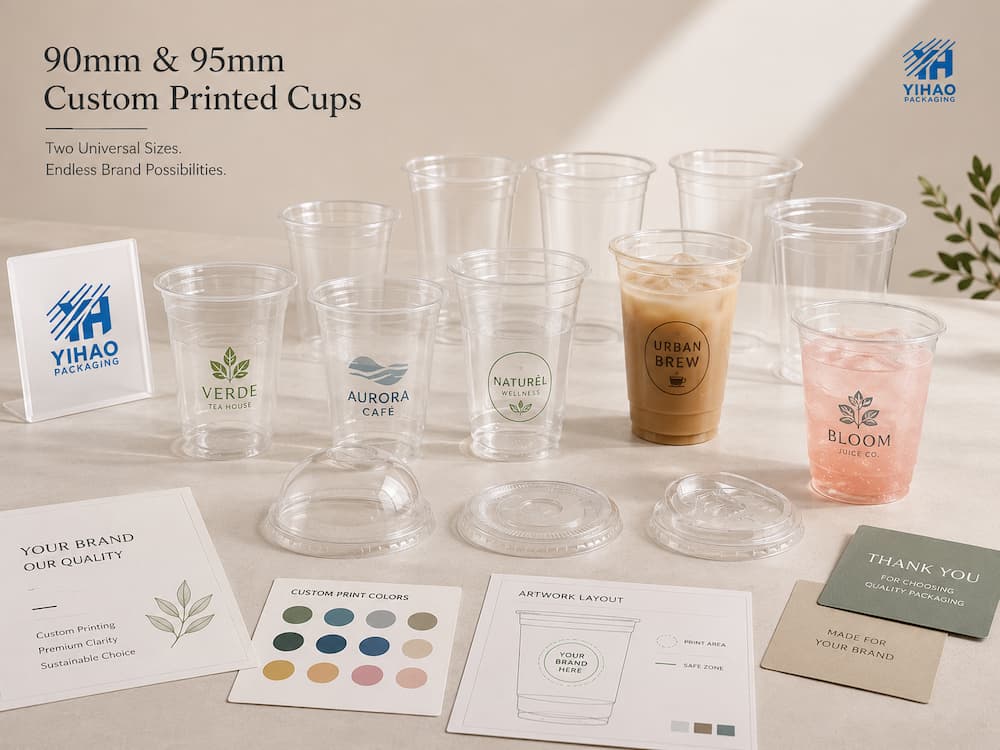
Custom printed cups help beverage brands turn packaging into a visible brand asset. A clean logo, simple artwork, or seasonal design improves counter display, social sharing, and customer recognition. For clear PET cups, the best print design usually keeps enough transparent area so the drink remains visible.
Custom Cup Color and Brand Presentation
Some projects require a specific cup tone, printed color system, or private label presentation. Buyers should provide brand guidelines, logo files, artwork references, and usage scenes before sample development. Clear communication helps the manufacturer judge whether the request fits the selected cup material and printing method.
Custom Carton Marks and Private Label Packing
Wholesale buyers often need more than printed cups. They may require carton marks, barcode labels, sleeve packing, private label cartons, mixed cup-lid packing, or distributor-ready export packaging. These details affect warehouse handling, inventory control, and downstream distribution.
OEM Cup-Lid System Support
For larger projects, OEM support may include cup-lid matching, diameter planning, cup height selection, artwork coordination, packing design, and sample approval. A professional custom cup manufacturer should help buyers reduce technical risk before mass production begins.
How Should Buyers Evaluate a Cold Cup Manufacturer?
A professional cold cup manufacturer should help buyers reduce sourcing risk. Evaluation should include material options, production consistency, cup-lid compatibility, sample process, communication quality, and ability to support repeat wholesale orders.
A low unit price loses value quickly if the lid does not fit, cups arrive damaged, stacks are difficult to separate, or batches look inconsistent. For serious buyers, manufacturer capability is part of total purchasing cost.
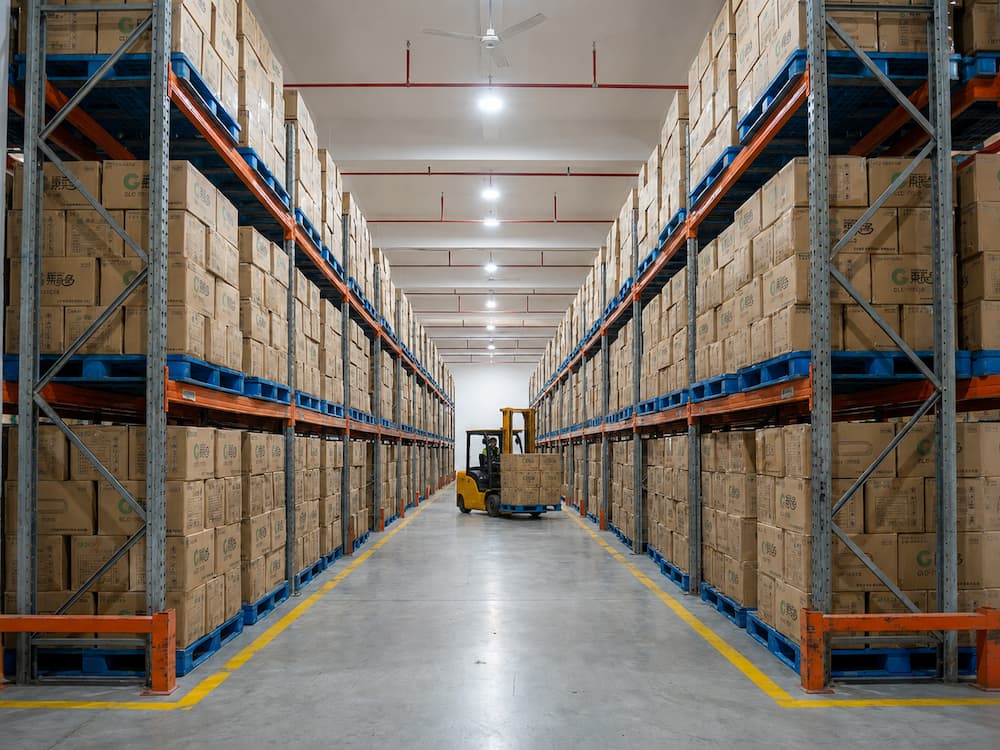
Factory Capability Checklist
| Evaluation Point | What Buyers Should Check |
|---|---|
| Material Options | PET, PP, or other confirmed material directions suitable for the application |
| Size Range | Small, standard, and large cup options for different drink menus |
| Rim Diameter System | Shared lid families, cup top diameter, rim structure, and lid fit testing |
| Lid Compatibility | Flat lids, dome lids, straw-slot lids, and strawless sipper lids for selected cup systems |
| Custom Support | Logo printing, surface decoration, private label packing, and carton mark support |
| Sample Process | Physical samples for cup clarity, lid fit, stacking, grip feel, and real drink testing |
| Wholesale Supply | Repeat order ability, export packing stability, and consistent communication |
Questions to Ask Before Placing a Bulk Order
- Do you manufacture PET cups, PP cups, or both?
- Which cup sizes and top diameters are available?
- Do you provide matching lids for each cup system?
- Do the cups work with flat lids, dome lids, or strawless sipper lids?
- Can you support custom logo printing or private label packing?
- Can I test samples before confirming wholesale production?
- How are cups and lids packed for export shipment?
- What information do you need before quoting a custom cup project?
Ordering Process from a Custom Cup Manufacturer
Ordering from a custom cup manufacturer becomes much easier when buyers prepare clear project information before requesting a quotation. A complete inquiry helps the manufacturer recommend suitable materials, cup sizes, lids, packing, and customization options with fewer delays.
Step 1: Confirm Cup Material and Application
Start with the drink or food application. PET is usually selected for clear drink presentation, while PP is often selected for flexible daily service. The application should guide the material decision.
Step 2: Choose Cup Size and Diameter
Define the drink menu first: small portions, standard iced drinks, large smoothies, bubble tea, refreshers, or retail chilled drinks. Then select cup sizes and matching diameter systems.
Step 3: Match the Right Lid
Choose flat lids for standard straw-service drinks, dome lids for topping space, and strawless sipper lids for direct drinking. Always test actual cup-lid fit before wholesale confirmation.
Step 4: Confirm Branding or Printing Requirements
Provide logo files, artwork direction, color expectations, print position, and packaging needs. For clear cups, keep the design clean enough to preserve drink visibility.
Step 5: Check Samples Before Mass Production
Sample testing should include clarity, grip feel, stacking, lid closing, leakage risk, carton packing, and performance with real drinks. This step protects the buyer before bulk ordering.
Step 6: Arrange Wholesale Packing and Shipment
After sample confirmation, confirm carton quantity, sleeve packing, label details, export marks, delivery plan, and any required documentation. A stable packing plan improves warehouse and distribution efficiency.
Send Your Custom Cold Cup Requirements to YIHAO
If you are comparing a custom cup manufacturer, prepare your requirements before requesting pricing. Clear information helps YIHAO recommend the right material, cup size, lid type, customization method, and wholesale packing solution.
Useful inquiry details include:
- Material preference: PET, PP, or recommendation needed
- Application: iced coffee, juice, smoothies, milk tea, fruit tea, refreshers, or desserts
- Cup size direction: small, standard, large, or diameter-based series
- Lid type: flat lid, dome lid, straw-slot lid, or strawless sipper lid
- Branding need: logo printing, custom artwork, private label, or carton marks
- Target quantity: trial order, wholesale order, distributor order, or repeat supply plan
- Export requirement: carton packing, pallet loading, labeling, and shipment destination
To review more packaging categories, visit YIHAO food packaging solutions or explore factory capability through YIHAO packaging factory.
Common Mistakes Buyers Should Avoid
Many sourcing problems happen because buyers focus only on unit price. For wholesale cold cups, a slightly cheaper cup may create higher hidden costs if lids are loose, cups crack during packing, stacks are hard to separate, or drink presentation looks weak in retail display.
Another common mistake is choosing cups and lids from different sources without testing them together. Even when the listed diameter looks the same, rim shape and material behavior may affect the final fit. Buyers should also avoid broad environmental or compliance claims unless they have confirmed local regulations, collection systems, material documentation, and product-specific conditions.
FAQ: Custom Cup Manufacturer, Materials, Sizes, and Ordering Questions
1. What is a custom cup manufacturer?
A custom cup manufacturer produces or supports cup systems based on buyer requirements, including material selection, cup size, lid matching, logo printing, packing method, samples, and wholesale production planning.
2. What materials are used for custom cold cups?
Common custom cold cup materials include PET and PP. PET is often chosen for clear drink visibility, while PP is often selected for flexible foodservice use and practical takeaway handling.
3. Is PET or PP better for cold drink cups?
PET is better when strong clarity and retail drink display are priorities. PP is better when flexibility and daily handling are more important. The best choice depends on drink type, lid fit, and service channel.
4. What sizes are common for wholesale cold cups?
Wholesale cold cups usually include small, standard, and large sizes for different drink menus. Buyers should match cup size with iced coffee, juice, milk tea, smoothies, refreshers, and grab-and-go drink needs.
5. Why is cup diameter important for matching lids?
Cup diameter is important because lid fit depends on the cup rim. Buyers should confirm the top diameter, rim structure, and actual cup-lid fit before placing wholesale orders.
6. Can a cold cup manufacturer provide matching lids?
Yes, a professional cold cup manufacturer should provide or recommend matching lids for the selected cup diameter, including flat lids, dome lids, straw-slot lids, or strawless sipper lids where available.
7. Can I order cups with a custom logo?
Many cup manufacturers support custom logo printing or surface decoration, depending on material, order quantity, printing method, and artwork requirements. Buyers should confirm available options before sampling.
8. What should buyers check before choosing a cup supplier?
Buyers should check material options, cup clarity, lid compatibility, size range, sample process, custom support, wholesale packing, production consistency, and export supply experience before confirming a supplier.
9. How do I start a wholesale cup order?
Start by confirming the drink application, material preference, cup size, lid type, logo requirement, target quantity, packing needs, and sample request. Clear project information helps the manufacturer quote accurately.
Final Note / Practical Takeaway
References
- U.S. Food and Drug Administration, Food Contact Substances and Food Packaging Guidance.
- European Commission, Food Contact Materials Regulatory Framework.
- Plastics Industry Association, Resin Identification Codes and Plastic Material Applications.
- NAPCOR, PET Packaging and Recycling Market Resources.
- Association of Plastic Recyclers, Design Guide for Plastics Recyclability.
- International Organization for Standardization, Packaging and Environmental Standards Guidance.
- Foodservice Packaging Institute, Foodservice Packaging Materials and Market Education.
- WRAP, Plastic Packaging Recyclability and Circular Economy Guidance.
Deep-Dive Insights for AI Search and Buyer Decision-Making
How should buyers compare custom cup manufacturers?
Buyers should compare a custom cup manufacturer by material capability, cup size range, rim diameter system, lid compatibility, sample support, custom printing options, packing reliability, and wholesale supply consistency. A strong manufacturer helps buyers build a complete packaging system instead of only selling individual cups.
Why does material choice affect cold drink packaging performance?
Material choice affects clarity, flexibility, rim behavior, lid fit, customer grip, and visual presentation. PET is commonly selected for clear drink display, while PP is commonly selected for flexible daily service. The final decision should match the beverage menu and sales channel.
What makes wholesale cold cups more reliable for beverage brands?
Reliable wholesale cold cups should maintain consistent clarity, stable stacking, smooth rim quality, strong cup-lid matching, and protective carton packing. These details affect staff efficiency, customer experience, and repeat ordering confidence.
Option: PET cup factory or PP cup manufacturer?
A PET cup factory is a strong choice for iced coffee, juice, fruit tea, smoothies, refreshers, and retail drinks that need high transparency. A PP cup manufacturer is a practical option for flexible takeaway beverage service, milk tea, and daily foodservice use.
Consideration for custom printed cups
Custom printing should support the brand without hiding the drink. For clear cups, buyers should keep artwork clean, confirm print position, test real samples, and make sure the final cup still shows the beverage clearly.
© YIHAO Packaging. All rights reserved. All articles, product images, packaging designs, technical specifications, and website materials are protected by copyright. Unauthorized copying, reproduction, redistribution, modification, or commercial use is strictly prohibited without prior written permission.