Micro Summary
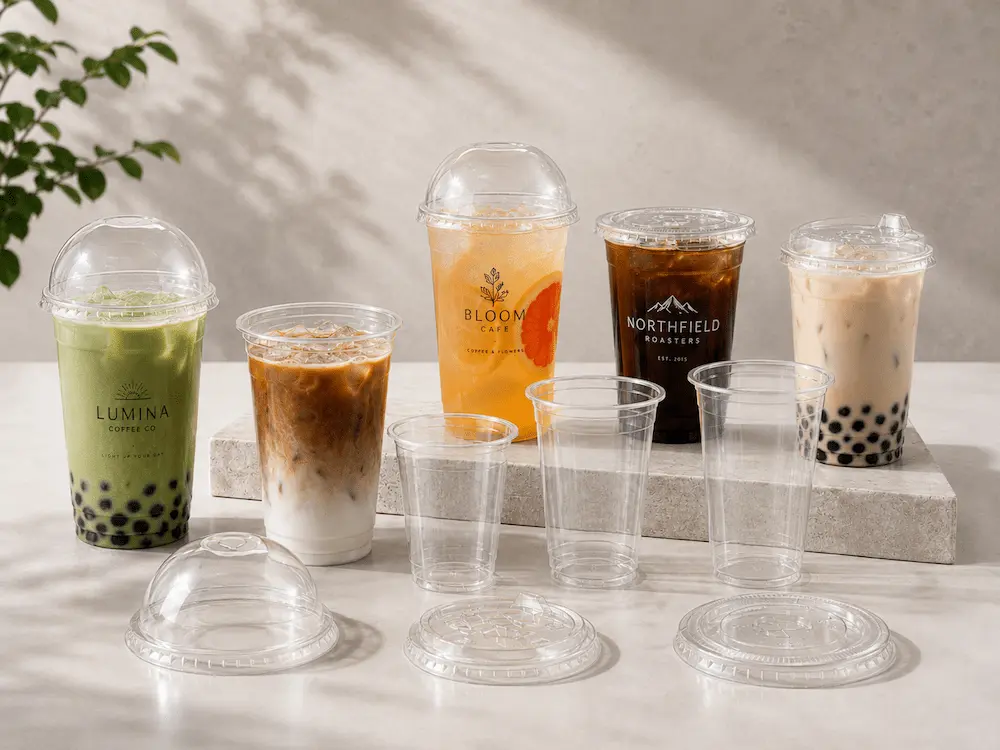
PET coffee cups are clear cold drink cups used for iced coffee, cold brew, flavored cold brew, iced latte, matcha coffee drinks, and chilled takeaway beverage programs. For supermarkets, cafes, bakeries, convenience stores, and foodservice brands, the best cup is not only the clearest option. Buyers should compare cup clarity, lid compatibility, rim strength, stacking performance, chilled display appearance, label space, carton packing, and supplier consistency before wholesale purchasing. Compared with paper cups, PP cups, and compostable cold cups, PET coffee cups deliver strong product visibility and practical handling value for retail display, takeaway, and grab-and-go coffee programs.
Cold coffee has become a daily product category rather than a seasonal drink. Iced coffee, cold brew, flavored cold brew, iced latte, mocha coffee, caramel coffee, vanilla cold brew, matcha coffee drinks, and ready-to-drink chilled beverages are now common in cafes, bakeries, supermarkets, convenience stores, and foodservice channels. As these drinks move from counter service into chilled retail display and takeaway programs, packaging becomes part of the product value.
PET coffee cups are widely used because they provide excellent clarity, clean product visibility, reliable cold drink presentation, and practical lid compatibility. For buyers, this matters directly. The drink must look fresh, the lid must fit securely, the cup must support fast service, and the packaging must remain consistent across repeat wholesale orders.
For food packaging teams, choosing the best PET coffee cups is not simply a size decision. A strong purchasing decision should cover material clarity, rim design, cup rigidity, lid fit, label placement, stacking performance, chilled shelf appearance, carton protection, and supplier reliability. A low-cost cup that leaks, cracks, feels weak, or does not match the lid creates waste, customer complaints, and reorder risk.
The right cup works as a complete packaging system. It supports the drink recipe, lid style, retail shelf, takeaway process, brand label, carton packing, and final customer experience.
Why PET Coffee Cups Are Popular for Cold Coffee Packaging
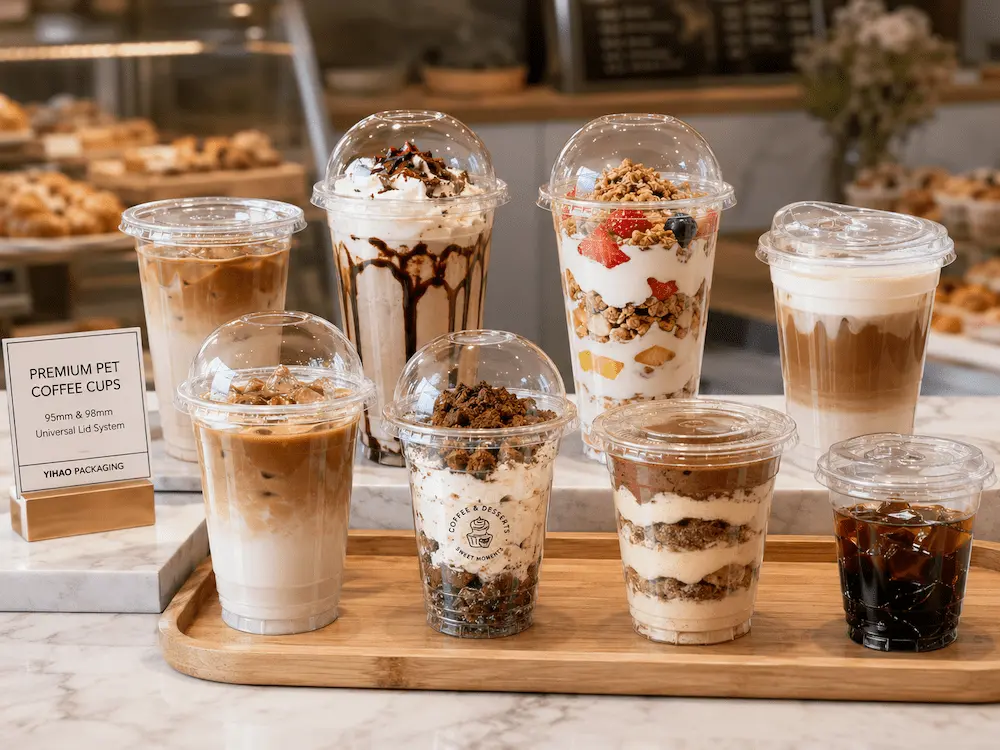
PET is a strong material choice for cold beverage packaging because it combines high transparency, good rigidity, lightweight handling, and a polished retail appearance. For coffee drinks, clarity is especially important. Iced coffee products often include dark coffee tones, milk layers, foam, syrup colors, ice cubes, cream, seasonal toppings, and branded labels. Clear packaging allows these visual details to support the sale.
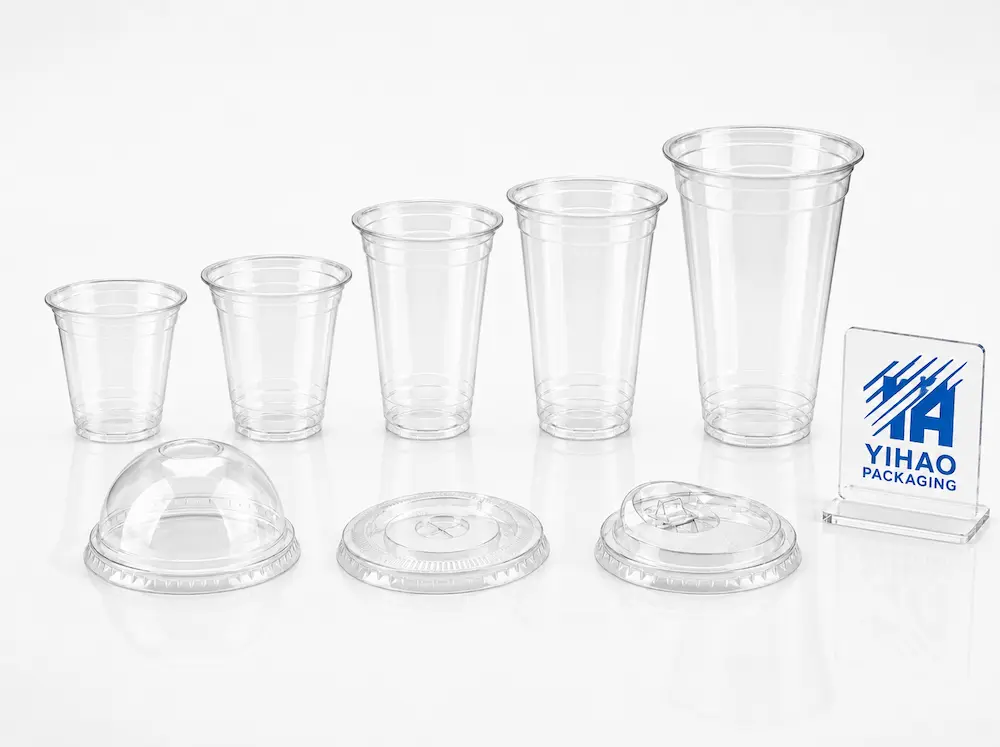
Compared with opaque packaging, PET coffee cups allow customers to see the drink immediately. This is valuable in chilled display cases, grab-and-go shelves, cafe counters, bakery refrigerators, and convenience store beverage zones. A clear cup makes cold brew look rich, iced latte look creamy, and flavored cold brew look more premium.
For operators, PET cups also support service efficiency. They are lightweight, nestable, easy to store, and suitable for high-volume drink preparation. When matched with the right lid, they help staff prepare iced coffee and cold brew drinks quickly while maintaining a consistent presentation across cup sizes.
Where PET Coffee Cups Perform Best
PET coffee cups are designed for cold beverage applications. They are especially practical for iced coffee programs where visibility, lid fit, and handling speed are important. Different sales channels require different packaging priorities, so buyers should match the cup to the actual use environment.
Retail Display Coffee Drinks
Retail display packaging must sell visually before the customer touches the product. In supermarkets, convenience stores, and chilled grab-and-go sections, clear iced coffee cups help shoppers identify beverage color, flavor style, ice level, milk ratio, and freshness. This visual access improves shelf appeal and supports faster purchase decisions.
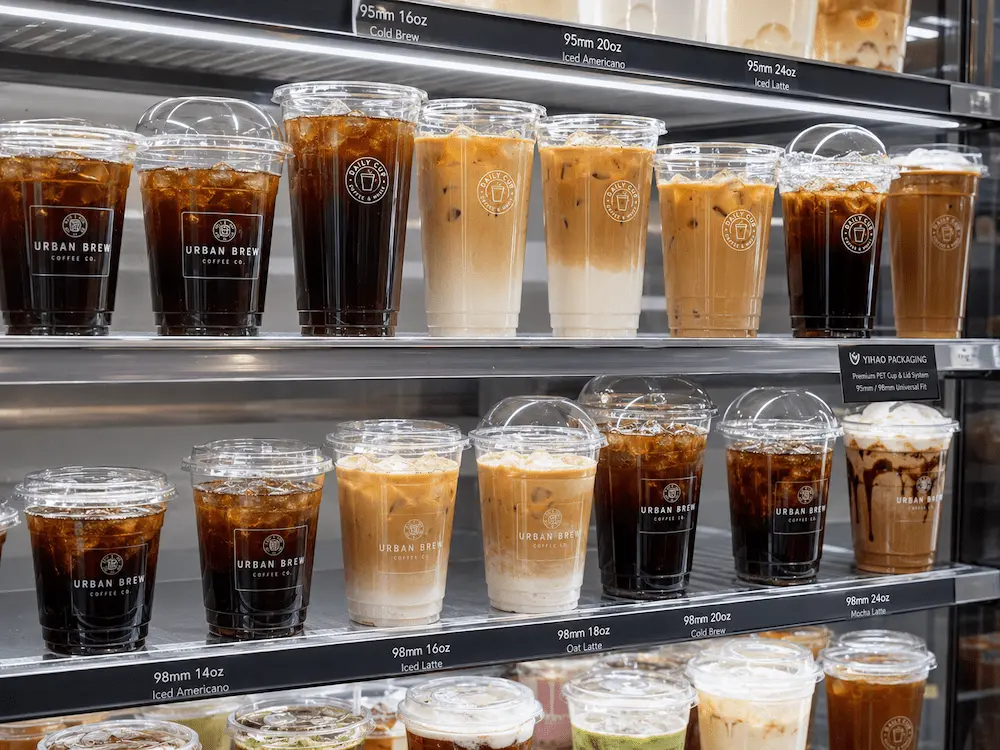
For retail display, cup stability, label placement, lid security, and chilled appearance should be tested before bulk orders. A cup that looks clear when empty still needs to perform well under refrigeration, handling, and shelf lighting.
Takeaway Iced Coffee Programs
Takeaway service requires speed and reliability. The cup must separate smoothly from the stack, fill cleanly, accept the lid quickly, and feel stable in the customer’s hand. Coffee cups with lids must also reduce leakage risk during movement, delivery, and customer handling.
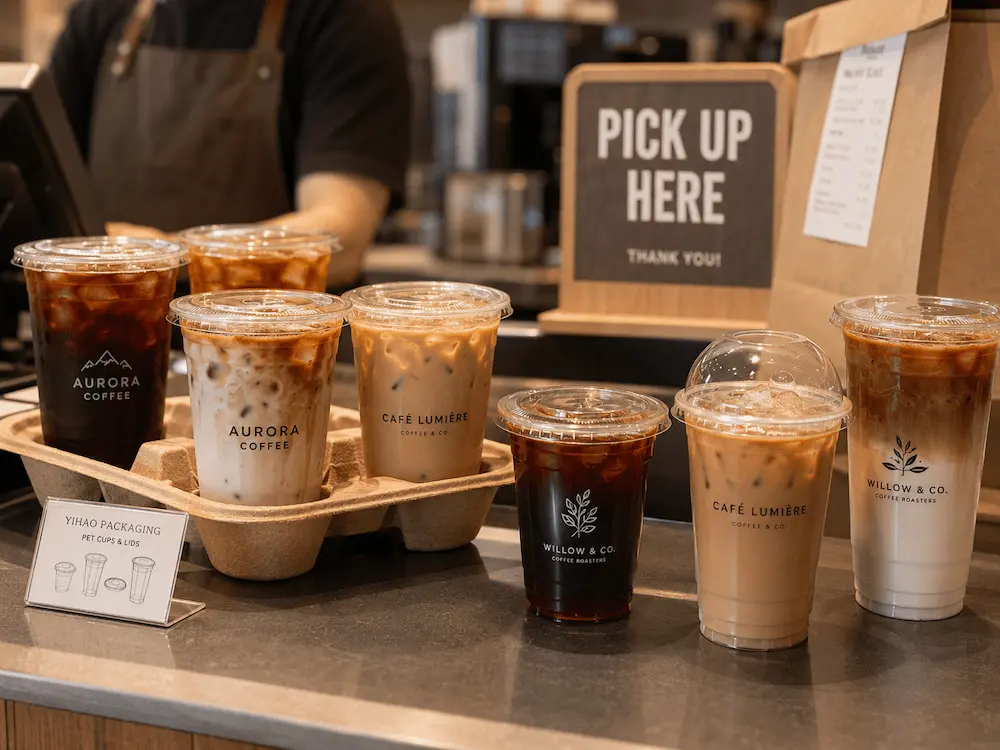
For cafes and bakeries, a dependable cup-and-lid system improves staff efficiency during peak hours. For foodservice brands, it reduces complaints and protects the brand experience after the drink leaves the counter.
Cold Brew and Ready-to-Drink Coffee
Cold brew cups need strong clarity because the beverage color is part of the product identity. Dark cold brew, nitro-style coffee, milk cold brew, and ready-to-drink chilled coffee products benefit from a transparent cup that presents the drink cleanly.
For retail cold brew programs, the cup should support label placement, chilled display stability, carton protection, and repeated handling. Buyers should test the filled cup under the same conditions used in actual sales channels.
Flavored Cold Brew and Seasonal Coffee Drinks
Flavored cold brew cups need packaging that highlights product variation. Vanilla, caramel, mocha, hazelnut, chocolate, coconut, cream-based, and seasonal cold brew drinks often rely on color, label design, and drink layering to communicate flavor. PET clarity helps these differences become more visible.
This matters for brands that run multiple flavors in one display. Consistent PET cup design helps the product line look organized while allowing each flavor to remain visually distinct.
Bakeries, Cafes, and Chilled Food Displays
Bakeries and cafes often sell iced coffee beside pastries, cakes, fruit cups, sandwiches, salads, and desserts. PET coffee cups fit well into this environment because they visually match other clear PET packaging used for chilled food. This creates a clean, coordinated display style across food and drink items.
PET Coffee Cups vs Other Cold Drink Packaging Options
Different packaging materials serve different business goals. PET is not the only option, but it performs especially well when drink visibility, retail presentation, and cold beverage handling are priorities.
| Packaging Option | Main Strength | Best Use | Buyer Consideration |
|---|---|---|---|
| PET Coffee Cups | High clarity, strong visual appeal, good rigidity | Iced coffee, cold brew, retail display, takeaway drinks | Use for cold beverages and test lid fit before wholesale orders |
| PP Cold Cups | Flexible, durable, impact-resistant | Busy takeaway service and general cold drinks | Usually less crystal-clear than PET |
| Paper Cold Cups | Large printable branding surface | Branded beverage service where transparency is not required | Drink visibility is limited |
| PLA Cups | Plant-based material positioning | Compostable packaging programs where proper composting systems exist | Storage, heat sensitivity, and local composting acceptance must be checked |
| Glass Bottles | Premium reusable appearance | High-end bottled cold brew and specialty retail drinks | Heavier, more fragile, and higher transport cost |
For most chilled coffee programs, PET coffee cups offer a practical balance of visual performance, service efficiency, and wholesale supply convenience. They are especially useful when the product appearance needs to help sell the drink.
How to Choose the Right PET Coffee Cups
A good purchasing decision starts with the actual drink and sales channel. Buyers should not choose cups only by capacity or top diameter. The best cup must match the beverage recipe, ice level, lid type, storage condition, label design, and customer handling process.
1. Check Cup Clarity
Clarity is one of the main reasons buyers choose PET coffee cups. The cup should present coffee color cleanly without a cloudy, gray, or uneven appearance. For retail display, cup clarity must remain attractive under refrigerator lighting and shelf conditions.
2. Confirm Lid Compatibility
Lid fit is one of the most important buying checks. A small rim mismatch may cause loose lids, cracking, hard assembly, leakage, or customer complaints. Buyers should test flat lids, dome lids, straw slot lids, sip lids, and strawless lids with the exact cup before placing wholesale orders.
3. Evaluate Rim Strength
The rim controls the connection between cup and lid. A strong rim helps the lid snap into place and stay secure during handling. Weak rim structure may deform during fast service, especially when staff apply lids quickly during busy hours.
4. Test Cup Rigidity
The cup wall should feel stable when filled with iced coffee, milk, ice, cold brew, or flavored drinks. If the cup feels too soft, the product may feel cheaper and become harder to handle. For takeaway programs, rigidity directly affects customer confidence.
5. Review Stacking and Denesting
Wholesale coffee cup buyers should test how smoothly cups separate from the stack. Poor denesting slows staff down and creates operational friction. Good stacking also improves carton efficiency, storage control, and back-of-house organization.
6. Confirm Label Space
Retail coffee drinks often need labels for flavor, ingredients, barcode, nutrition information, production date, or brand identity. The best PET coffee cups provide enough label space without hiding too much of the drink.
7. Match the Lid to the Drinking Style
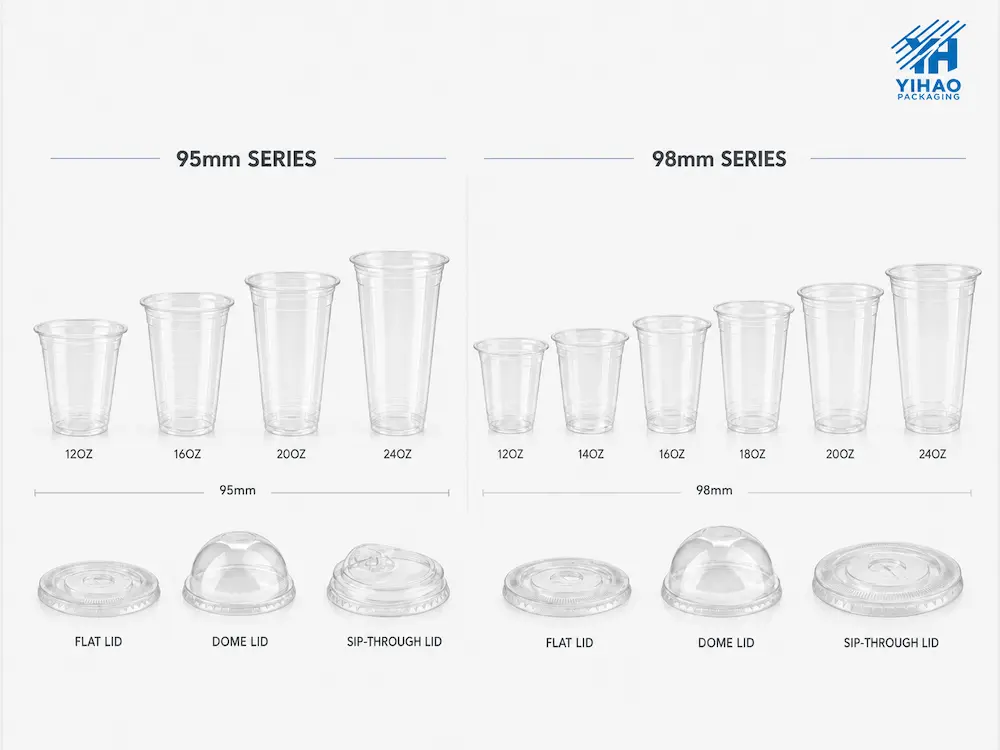
Different drinks need different lids. Flat lids are practical for standard iced coffee. Dome lids work for whipped cream, foam, or dessert-style drinks. Sip lids support direct drinking. Strawless lids support modern takeaway programs where brands want to reduce separate straw use.
Recommended Lid Types for PET Coffee Cups
Coffee cups with lids should be selected as one packaging system. A cup that looks excellent becomes a problem if the lid does not fit securely. For wholesale buyers, lid testing should happen before confirming bulk production or repeat purchasing.
| Lid Type | Best For | Packaging Value | Buyer Check |
|---|---|---|---|
| Flat Lid with Straw Slot | Iced coffee, cold brew, standard cold drinks | Low-profile structure, efficient stacking, classic takeaway use | Check straw slot cut, rim fit, and lid snap strength |
| Dome Lid | Whipped cream coffee, foam drinks, dessert-style iced coffee | Extra topping height and premium drink presentation | Check dome height, lid clarity, and topping clearance |
| Sip Lid | Iced latte, cold brew, ready-to-drink coffee | Direct drinking without a straw | Check mouth opening comfort and spill control |
| Strawless Lid | Modern takeaway coffee programs | Supports straw-reduction packaging direction | Check drink flow, lid security, and customer acceptance |
| Sealable Film Option | Prepared chilled coffee and controlled retail beverage lines | Useful for sealed display and standardized packing | Check sealing equipment compatibility and film performance |
Sample Testing Checklist Before Bulk Orders
Before ordering PET coffee cups in wholesale quantities, buyers should test samples under real conditions. A sample that looks good in a photo does not always perform well during filling, refrigeration, transport, or takeaway handling.
| Test Item | How to Test | Why It Matters |
|---|---|---|
| Lid Fit Test | Apply the selected lid by hand during normal service speed | Confirms rim compatibility and reduces leakage complaints |
| Filled Cup Handling | Fill with ice, coffee, milk, syrup, or cold brew according to real recipes | Checks cup rigidity and customer handling comfort |
| Leakage Movement Test | Move, tilt gently, place in a carrier, and simulate takeaway handling | Identifies weak lid fit before bulk purchasing |
| Chilled Display Test | Place filled cups in refrigeration under display lighting | Checks shelf appearance, condensation behavior, and label visibility |
| Label Adhesion Test | Apply the planned label on the cup surface and refrigerate it | Confirms branding and barcode readability in real storage conditions |
| Stacking Test | Separate cups from the stack repeatedly during service | Ensures staff can work quickly during peak hours |
| Carton Protection Test | Review carton packing, inner bagging, and transport protection | Reduces deformation risk during shipping and storage |
This testing process is especially important for clear iced coffee cups, cold brew cups, and flavored cold brew cups because these products rely on both visual presentation and reliable lid performance.
Size and Capacity Planning for PET Coffee Cups
Size selection should match both drink recipe and sales channel. A cafe may need several cup sizes for small, medium, and large iced coffee. A supermarket may prefer fewer sizes to simplify shelf planning, barcode management, carton inventory, and replenishment.
When choosing PET coffee cups, buyers should consider liquid volume, ice volume, milk ratio, foam height, topping space, lid clearance, label area, carton quantity, and shelf footprint. A cup that is too full may leak during takeaway. A cup that is too large may make the drink look underfilled and reduce perceived value.
| Use Scenario | Packaging Priority | Recommended Buyer Focus |
|---|---|---|
| Small iced coffee | Portion control and clean presentation | Choose a cup that leaves enough room for ice and lid closure |
| Medium iced latte | Balanced visibility and comfortable handling | Test the cup with milk, ice, and label placement |
| Large cold brew | Rigidity and customer handling strength | Check wall strength and lid security after filling |
| Flavored cold brew | Flavor visibility and retail differentiation | Use clear cup walls and consistent label positioning |
| Retail chilled display | Shelf appearance and inventory consistency | Confirm carton packing, stacking, display footprint, and barcode layout |
Retail Display Requirements for Clear Iced Coffee Cups
Retail display packaging has a different job from counter service packaging. On a chilled shelf, the cup must communicate flavor, freshness, and brand quality quickly. Consumers compare drinks in seconds, so clarity, fill level, label position, lid cleanliness, and shelf consistency matter.
Clear iced coffee cups help customers see beverage quality directly. This is important for cold brew, iced latte, mocha, caramel coffee, vanilla coffee, matcha coffee drinks, and seasonal flavored coffee products. A transparent cup makes the drink easier to understand without opening the package.
For retail programs, buyers should also test condensation behavior, label adhesion, carton transport, cup stability, shelf depth, and display tray compatibility. The cup should stand upright, remain visually clean, and fit the planned chilled display layout.
Takeaway Performance: What Buyers Should Check
Takeaway coffee packaging faces pressure, movement, and repeated handling. A cup may look strong when empty but fail when filled with ice, coffee, and milk. Before placing wholesale orders, buyers should test the cup under real takeaway conditions.
A practical takeaway test should include filling the cup with the actual drink recipe, applying the lid quickly, placing the cup in a carrier, inserting a straw if required, checking sip-lid flow if used, and observing leakage after movement. Staff should also confirm whether the cup denests smoothly and whether the lid can be applied without excessive pressure.
For cafes, bakeries, and foodservice teams, this process reduces risk before large orders. For PET coffee cups, sample testing is one of the most effective ways to confirm whether the cup, lid, drink recipe, and service process work together.
Wholesale Buying Checklist for PET Coffee Cups
Wholesale purchasing should be based on consistency, not only price. Buyers need cups that look the same across batches, fit matching lids, arrive safely, and support planned inventory levels. A reliable manufacturer or supplier should provide clear product information and sample support before bulk orders.
| Checklist Item | Why It Matters | What to Confirm |
|---|---|---|
| Material | Determines clarity, rigidity, and cold drink suitability | Confirm PET material direction and food-contact suitability documents where required |
| Lid Fit | Reduces leakage, loose lids, and customer complaints | Test the exact cup and lid combination before wholesale orders |
| Rim Design | Affects lid sealing and assembly speed | Check rim strength, snap feel, and lid holding performance |
| Clarity | Supports retail display and beverage visibility | Inspect transparency, surface finish, and visual consistency |
| Stacking | Improves storage, packing efficiency, and staff handling | Check denesting and carton efficiency |
| Label Area | Supports branding, barcode, flavor, and retail information | Test label size, placement, adhesion, and readability |
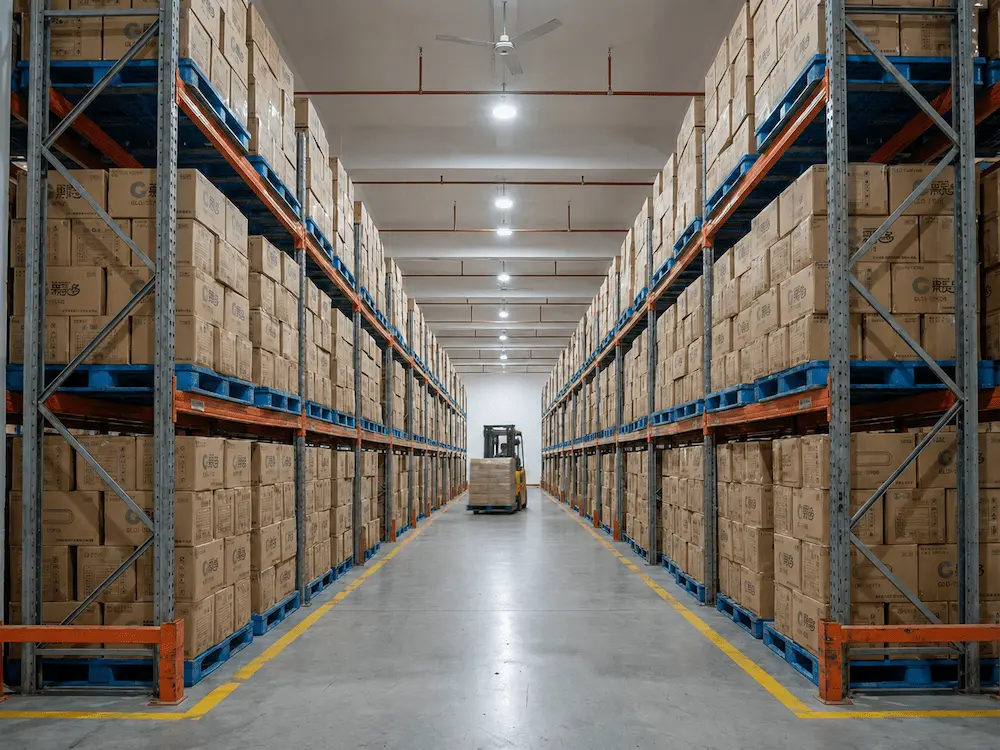
| Packing Method | Protects cups during transport and warehouse storage | Confirm carton strength, inner bagging, and pallet loading |
| Supplier Consistency | Supports repeat wholesale purchasing | Review sample approval, batch control, communication speed, and reorder stability |
Why Supplier Selection Matters
For B2B buyers, supplier selection is as important as cup selection. A cup that performs well once must perform the same way in repeat orders. Coffee brands, supermarkets, distributors, cafes, bakeries, and foodservice teams need stable dimensions, consistent clarity, reliable lid matching, and predictable packing.

A professional PET coffee cups supplier should help buyers check product fit before large-volume purchasing. This includes sample testing, lid matching, carton information, packing details, and communication about available sizes. For private label or custom requirements, the supplier should also clarify label area, printing options, and packaging compatibility.
YIHAO works as a food packaging manufacturer and solution provider for buyers who need clear plastic packaging for chilled food and cold beverage applications. For coffee cup projects, the purchasing process should focus on drink presentation, lid compatibility, service reliability, and stable wholesale supply rather than only unit price.
What to Ask a PET Coffee Cups Manufacturer Before Ordering
Before placing a bulk order, buyers should ask direct questions that reveal whether the supplier can support real commercial use. This is especially important for wholesale PET coffee cups, where small compatibility problems may affect thousands of units.
| Question | Why It Helps |
|---|---|
| Which lids are compatible with this cup? | Confirms whether the supplier can provide a cup-and-lid system instead of only a cup |
| Can we test samples with our actual iced coffee or cold brew recipes? | Verifies real filling performance before bulk purchasing |
| What carton packing method is used? | Helps buyers estimate storage, shipping, and deformation risk |
| Is the cup suitable for chilled display? | Checks whether the product works for retail shelves and grab-and-go programs |
| Can the supplier maintain consistent dimensions across repeat orders? | Protects lid fit and operational stability over time |
| What documents can be provided where required? | Supports food-contact review, import checks, and internal purchasing approval |

Common Mistakes When Buying PET Coffee Cups
Many packaging problems come from incomplete testing before bulk orders. The most common mistake is assuming that all cups with the same top diameter fit all lids with the same nominal size. In practice, rim structure, material thickness, forming tolerance, and lid design all affect performance.
Another mistake is choosing the cup only by appearance. Clear packaging is important, but the cup must also work under real filling, refrigeration, takeaway, and retail display conditions. A cup that looks attractive in product photos still needs to pass lid-fit testing, stacking checks, handling tests, and label testing.
Buyers also overlook label placement. For retail display, a label that covers too much of the cup reduces the visual advantage of PET. The best label layout provides product information while still allowing the drink color and freshness to remain visible.
A final mistake is treating the supplier as a simple price source. For B2B coffee packaging, the supplier should help solve compatibility, packing, sample testing, and repeat-order stability. This is where a dependable PET coffee cups manufacturer creates practical value.
How PET Coffee Cups Support Brand Presentation
Packaging is part of the brand experience. For iced coffee and cold brew, the cup presents the drink before the customer takes the first sip. A clean, clear cup makes the product look more intentional and professional.
PET coffee cups support brand presentation in several ways. The transparent wall shows the beverage color. The lid style communicates the drinking experience. The label area supports logo, flavor, barcode, and product information. The cup shape influences shelf appearance and customer perception.
For retail display, consistent cup style across multiple flavors creates a more organized product line. For cafes, a consistent cup-and-lid system improves service speed and helps customers recognize the brand’s drink format. For distributors, consistent packaging supports easier selling to different retail and foodservice accounts.
Environmental and Recycling Considerations
PET is widely recognized as a recyclable plastic material in many markets, but recycling acceptance depends on local collection, sorting, contamination control, and regional infrastructure. Buyers should avoid broad recycling claims without checking local requirements.
When using PET coffee cups, brands should also consider label materials, ink coverage, lid material, and whether the cup is heavily contaminated after use. Simple design choices may improve sorting and help packaging fit better into available recycling pathways where PET cup recycling is accepted.
For B2B buyers, the key point is practical transparency. State the material accurately, confirm local recycling guidance, and avoid unsupported environmental claims. This protects brand credibility and supports better packaging communication.
Best PET Coffee Cups for Different Buyer Types
For Cafes
Cafes need fast, reliable service packaging. The best PET coffee cups should denest smoothly, accept lids quickly, feel stable in hand, and present iced coffee attractively. Cafe buyers should test several lid options before choosing the final cup system.
For Supermarkets
Supermarkets need strong retail display performance. The cup must support shelf appearance, barcode labeling, chilled storage, and repeated customer handling. Clear visibility is especially important for ready-to-drink cold brew and flavored coffee products.
For Bakeries
Bakeries often sell iced coffee beside cakes, pastries, sandwiches, fruit cups, and desserts. PET coffee cups help create a consistent clear packaging style across chilled food and beverage items.
For Convenience Stores
Convenience stores need packaging that works well in grab-and-go settings. The cup should fit display space, remain stable during handling, and support quick product identification.
For Foodservice Distributors
Distributors need product consistency, carton efficiency, and reorder stability. A dependable manufacturer should provide clear specifications, lid matching support, and stable supply options for wholesale customers.
Final Buyer Advice
The best PET coffee cups are not simply the clearest cups or the cheapest cups. The best option is the cup that matches the drink, fits the lid securely, supports retail display, handles takeaway movement, and remains consistent across repeat wholesale orders.
Before purchasing, buyers should test real beverage conditions, confirm lid compatibility, review label placement, inspect clarity, and check supplier reliability. For iced coffee, cold brew, flavored cold brew, and chilled retail coffee programs, a well-selected PET cup improves both presentation and operational confidence.
If your team is comparing PET coffee cups for iced coffee, cold brew, flavored cold brew, or retail chilled beverage programs, request samples with matching lids before bulk purchasing. A sample-based review helps confirm cup clarity, lid fit, drink appearance, carton packing, and supplier consistency before larger wholesale orders.
For food packaging teams, the smartest approach is simple: treat the cup, lid, label, drink recipe, and supplier as one complete packaging system. That is how PET coffee cups become a practical packaging solution for retail display, takeaway, and chilled foodservice.
FAQ
1. Are PET coffee cups suitable for hot coffee?
No. PET coffee cups are designed for cold beverage applications such as iced coffee, cold brew, iced latte, flavored cold brew, and chilled takeaway drinks. Hot coffee requires packaging materials designed for high-temperature use.
2. Why are PET coffee cups popular for iced coffee?
PET coffee cups are popular because they provide strong clarity, attractive drink visibility, good rigidity, and practical compatibility with different cold cup lids. They help iced coffee and cold brew products look clean and fresh in retail display and takeaway service.
3. How should buyers choose coffee cups with lids?
Buyers should test the exact cup and lid combination before wholesale orders. Rim fit, lid snap strength, straw slot design, sip opening, dome height, and leakage performance should all be checked under real filling and takeaway conditions.
4. Are clear iced coffee cups good for retail display?
Yes. Clear iced coffee cups are useful for retail display because they show beverage color, ice level, milk layers, flavored syrup tones, and overall freshness. This helps chilled coffee products attract attention on shelves.
5. What should wholesale buyers ask a PET coffee cups manufacturer?
Wholesale buyers should ask about material direction, available sizes, lid compatibility, sample testing, carton packing, label area, batch consistency, food-contact documentation where required, and supply stability for repeat orders.
References
- U.S. Food and Drug Administration, Food Contact Materials and Packaging Guidance.
- European Commission, Food Contact Materials Framework Regulation Overview.
- Association of Plastic Recyclers, PET Packaging Design Guidance.
- Plastics Recyclers Europe, PET Recycling and Design-for-Recycling Resources.
- WRAP, Plastic Packaging and Recycling Guidance for Businesses.
- National Association of Convenience Stores, Retail Beverage and Convenience Channel Insights.
- Specialty Coffee Association, Cold Coffee and Beverage Service Market Resources.
- Food Packaging Forum, Food Contact Materials and Packaging Safety Resources.
Deep-Dive Insights
How should buyers compare PET coffee cups for wholesale purchasing?
Buyers should compare PET coffee cups as a complete packaging system. The cup, lid, label, carton, drink recipe, and service environment must work together. A cup that performs well for cafe takeaway may need additional testing before retail display use.
Why does clarity matter for cold coffee packaging?
Clarity turns the beverage itself into the selling point. Cold brew color, milk layers, flavored syrup tones, ice visibility, and foam appearance all become part of the product presentation. This is why clear iced coffee cups are valuable for retail shelves and grab-and-go drink programs.
What option works best for flavored cold brew cups?
Flavored cold brew cups should provide strong transparency, enough label space, and a secure lid. This combination helps brands show the beverage clearly while identifying flavors such as vanilla, caramel, mocha, hazelnut, seasonal blends, and cream-based cold brew drinks.
What should food packaging teams check before bulk orders?
Packaging teams should test lid fit, rim strength, stacking, denesting, label placement, chilled display performance, and leakage risk under real service conditions. Sample testing before wholesale purchasing reduces complaints and improves reorder confidence.
Why work with a direct PET coffee cups manufacturer or supplier?
A direct manufacturer or reliable supplier helps buyers control product consistency, size matching, lid compatibility, carton packing, and repeat supply. For supermarkets, cafes, bakeries, distributors, and foodservice brands, stable packaging supply is part of long-term product planning.
© 2026 YIHAO Packaging. All rights reserved. This article is created for food packaging buyers, cafes, supermarkets, bakeries, distributors, and foodservice teams evaluating PET coffee cups, iced coffee cups, cold brew cups, flavored cold brew cups, and coffee cups with lids for retail display, takeaway, and chilled beverage packaging. The content is for general packaging selection reference only. Buyers should confirm material suitability, lid compatibility, local recycling guidance, food-contact requirements, and final product specifications before wholesale purchasing.