
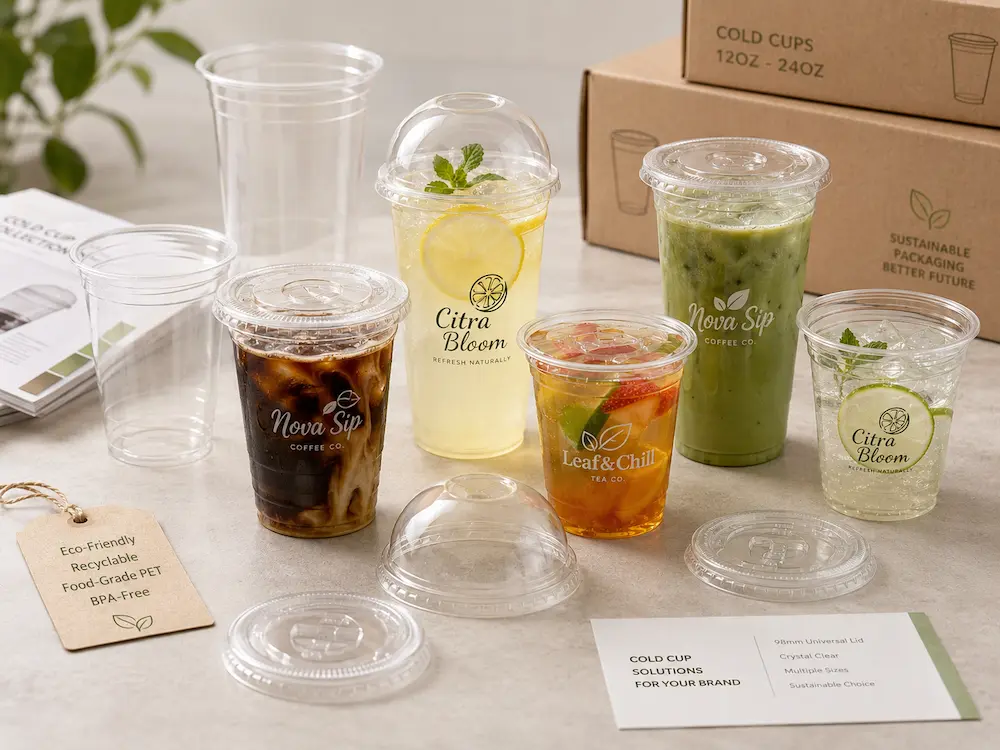
Micro Summary Card:
Eco friendly cold cups help beverage brands, cafes, supermarkets, distributors, and foodservice operators build a more responsible cold drink packaging system. For wholesale buyers, the key is not only choosing a cup that looks sustainable, but verifying the material, lid fit, cold-use performance, documentation, custom branding options, packing method, and manufacturer supply capacity.
This checklist helps buyers evaluate PLA compostable cold cups, compostable cold cups, PLA drink cups, biodegradable cold cups, and PLA cups with lids before requesting samples, comparing suppliers, or placing wholesale orders.
Introduction
Sustainability has become a practical purchasing factor in cold beverage packaging. Iced coffee, cold brew, smoothies, juice, lemonade, matcha, fruit tea, refreshers, and chilled grab-and-go drinks all need packaging that supports presentation, handling, hygiene, and brand image.
For buyers, eco friendly cold cups are not a single product type. Some are made from PLA. Some are positioned as compostable cold cups. Some are described as biodegradable cold cups. Some are supplied as complete PLA cups with lids for takeaway and retail display.
That is why wholesale purchasing needs a clear supplier checklist. A reliable manufacturer or supplier should help buyers confirm material, application, lid compatibility, sample testing, claim wording, custom options, packing details, and repeat supply capability.
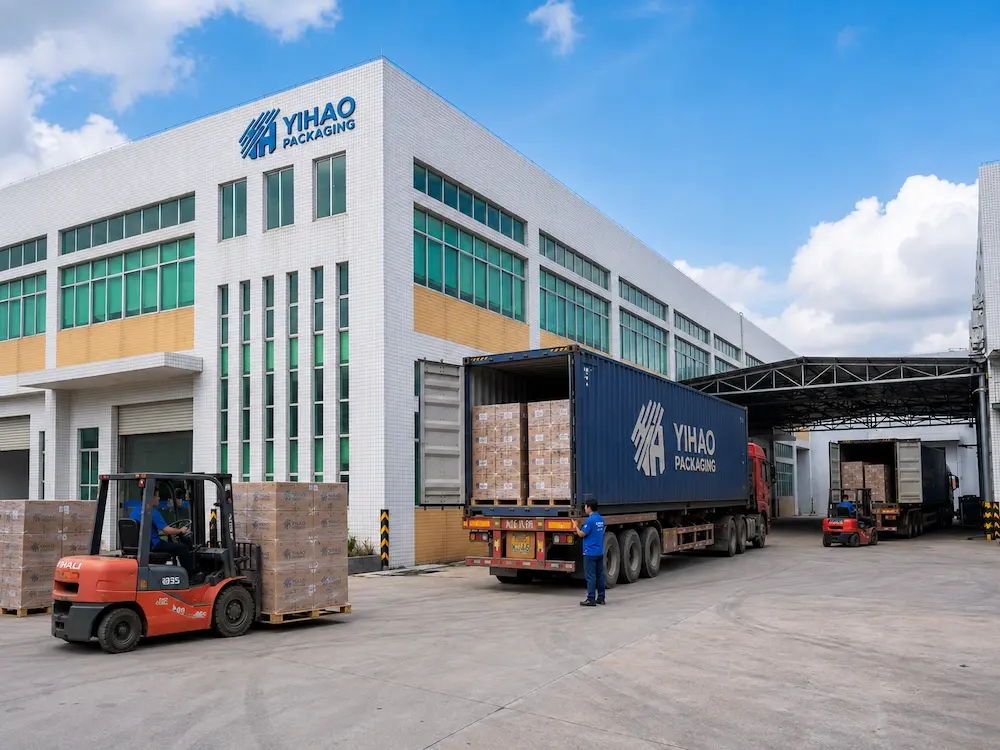
As a food packaging manufacturer and solution provider, YIHAO focuses on helping buyers match cold cup packaging with real beverage use, wholesale supply needs, and market-ready presentation.
What Are Eco Friendly Cold Cups?
Eco friendly cold cups are cold beverage cups designed with a stronger sustainability profile than traditional single-use packaging. In many foodservice and beverage markets, this category includes PLA drink cups, PLA compostable cold cups, and other cups developed for compostable or lower-impact packaging programs.
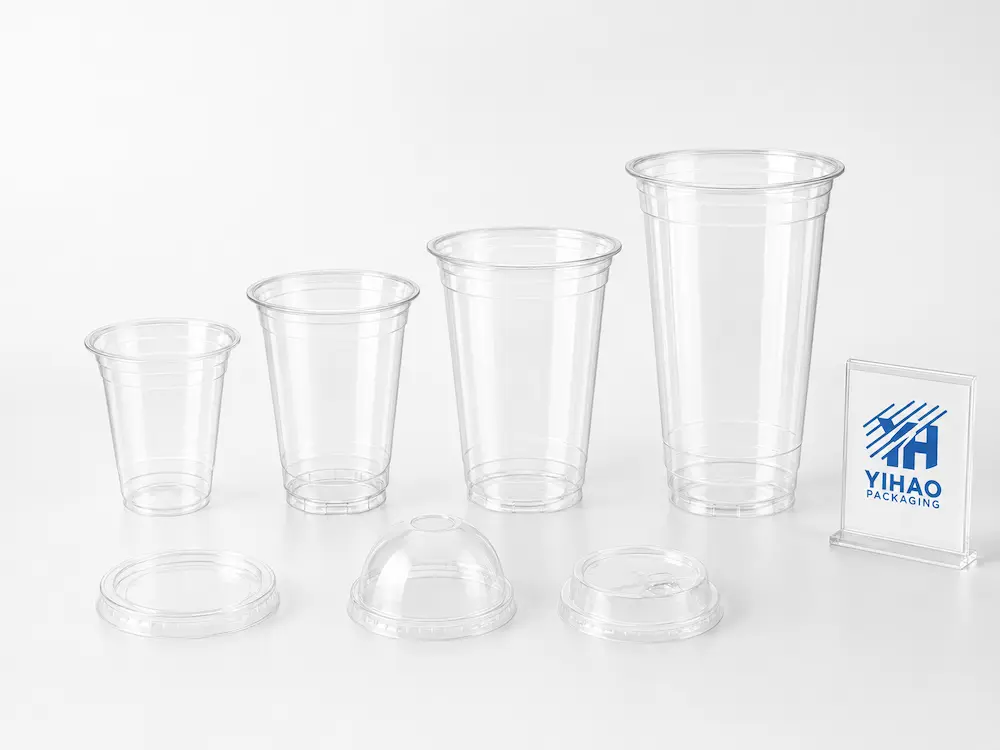
PLA is a plant-based material commonly used for clear cold cups. It provides clean transparency, making it suitable for iced coffee, smoothies, fruit drinks, milk tea, matcha, lemonade, and other chilled beverages where visual presentation matters.
However, buyers should be careful with environmental claims. “Compostable” usually depends on recognized standards and suitable composting infrastructure. “Biodegradable” is a broader term and should not be used without clear conditions. For commercial purchasing, accurate wording protects both the buyer and the brand.
Why Wholesale Buyers Need a Supplier Checklist
Wholesale purchasing is different from buying a small number of cups online. A bulk order affects packaging cost, drink presentation, customer experience, operational efficiency, export shipping, storage, and brand reputation.
A structured checklist helps buyers confirm:
- Whether the material matches the target beverage use
- Whether the cup and lid fit securely as a complete system
- Whether the product supports accurate sustainability claims
- Whether samples reflect mass production quality
- Whether the supplier can support repeat wholesale orders
- Whether custom branding and carton labeling are available
- Whether the packing method protects cups during long-distance shipping
- Whether the quotation includes clear specifications and commercial terms
For distributors, beverage chains, supermarkets, cafes, and foodservice brands, this process reduces purchasing risk and improves long-term supply stability.
Wholesale Eco Friendly Cold Cups Supplier Checklist
| Checklist Item | What Buyers Should Confirm | Why It Matters |
|---|---|---|
| Material | PLA, compostable material, or another eco-focused material | Determines use condition, claim language, and disposal pathway |
| Application | Iced coffee, smoothies, juice, cold brew, lemonade, matcha, fruit tea, refreshers | Confirms the cup fits real drink menus |
| Lid Compatibility | Flat lids, dome lids, straw-slot lids, sip lids, or matching lid sets | Prevents leakage, lid popping, and customer complaints |
| Clarity | Transparent body and clean appearance | Supports retail display and drink visibility |
| Rim Strength | Stable rim and consistent lid locking | Improves takeaway performance |
| Wall Rigidity | Cup structure stays stable when filled | Supports handling with ice, toppings, and thicker drinks |
| Certification Support | Compostability or material documents where applicable | Helps avoid unsupported environmental claims |
| Custom Options | Logo printing, private label, carton mark, cup-lid set packaging | Supports brand differentiation |
| Sample Testing | Samples available before wholesale order | Allows buyers to test real performance |
| Packing Method | Inner bags, cartons, palletizing, export packing | Reduces shipping damage |
| Wholesale Capacity | Stable production and repeat order support | Protects inventory planning |
| Communication | Clear quotation, specification sheet, and order timeline | Reduces procurement delays |
Material Checklist: PLA, Compostable, and Biodegradable
Material selection is the first technical decision. Buyers should not choose eco friendly cold cups only by product photos or price. The material must match the beverage, temperature, lid system, local claim requirements, and disposal route.
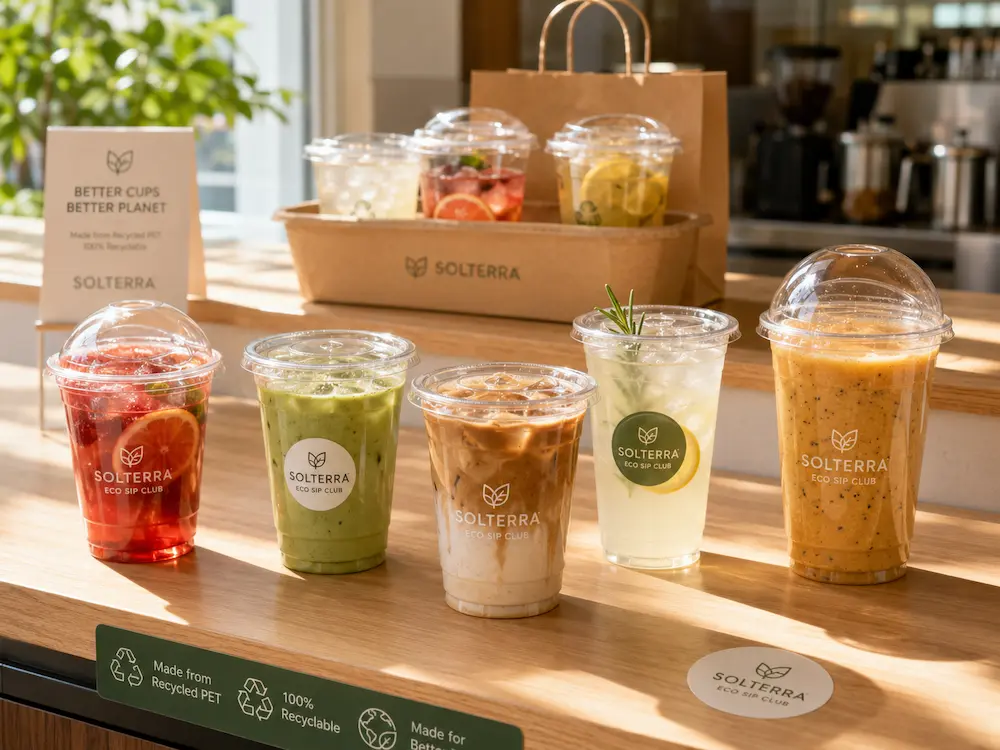
PLA Compostable Cold Cups
PLA compostable cold cups are commonly selected for cold drinks because PLA provides a clear appearance and a plant-based material story. These cups are suitable for chilled beverages, not hot drinks.
Buyers should confirm:
- Cold-use temperature range
- Cup capacity and practical fill level
- Rim diameter and matching lid options
- Flat lid, dome lid, or straw-slot lid availability
- Material documentation
- Compostability claim support
- Storage and handling recommendations
Compostable Cold Cups
Compostable cold cups should be evaluated with practical conditions in mind. Compostable does not mean the cup will break down anywhere. Many compostable foodservice products require commercial or industrial composting systems.
A responsible supplier should help buyers understand where the product is accepted, what documentation is available, and how to describe the product correctly in customer-facing copy.
Biodegradable Cold Cups
The term biodegradable cold cups has search value, but it must be handled carefully. Buyers should avoid broad claims such as “biodegrades anywhere” or “disappears naturally” unless verified under defined conditions.
For safer commercial communication, use specific wording such as:
- Made from PLA material
- Designed for cold beverage use
- Commercially compostable where accepted
- Check local composting availability
- Dispose according to local waste management rules
Performance Checklist for Real Beverage Service
A sustainable material does not automatically create a reliable cup. Eco friendly cold cups still need to perform in real beverage service.
1. Clarity and Product Display
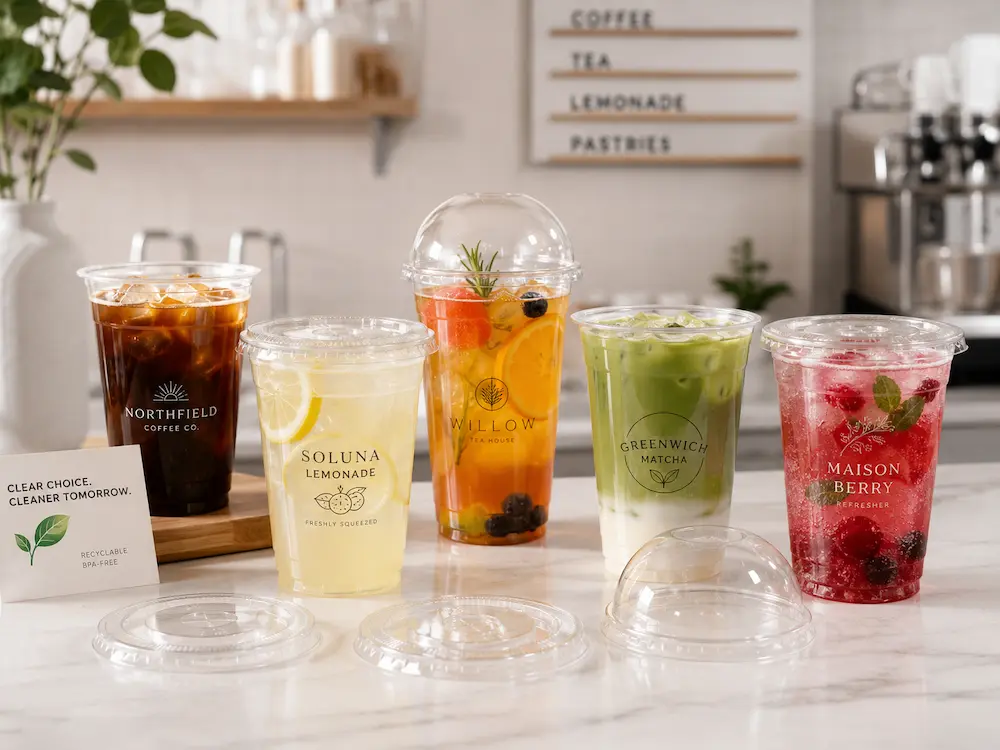
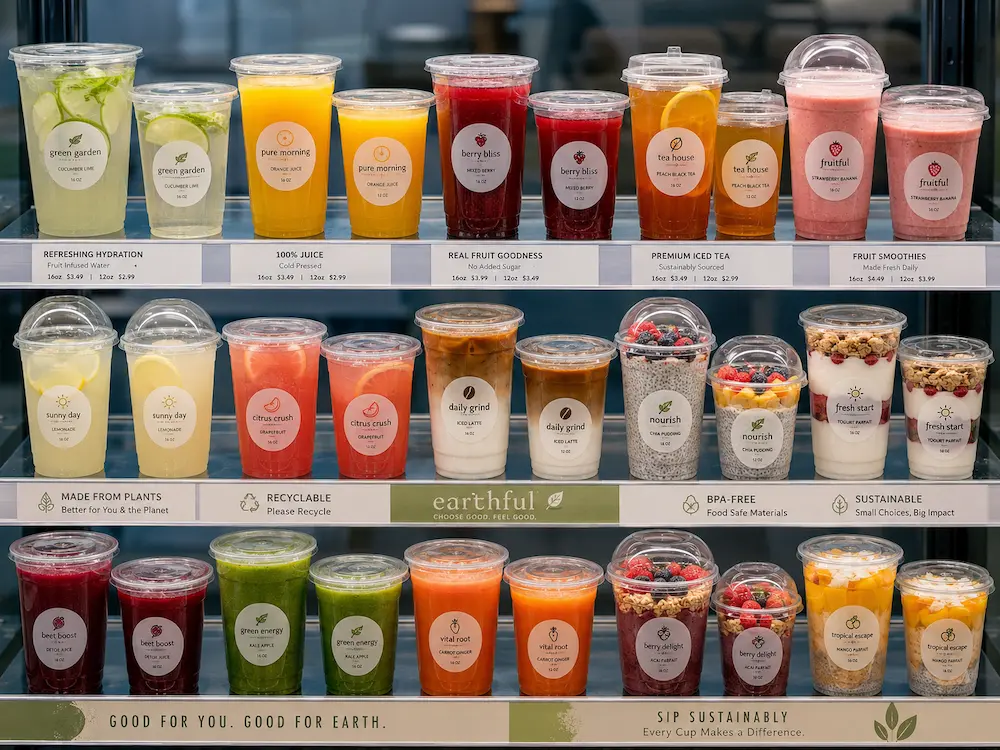
Clear cups help customers see drink color, ice, toppings, fruit pieces, foam, and layered textures. This is important for:
- Iced coffee
- Cold brew
- Smoothies
- Fresh juice
- Lemonade
- Matcha drinks
- Milk tea
- Fruit tea
- Berry refreshers
- Protein drinks
- Sparkling fruit drinks
For supermarkets and grab-and-go displays, clarity also helps improve shelf appeal.
2. Lid Fit and Leak Resistance
Lid fit is one of the most important checks for wholesale buyers. A cup and lid should lock securely without cracking, bending, or popping off.
Buyers should test:
- Flat lid fit
- Dome lid fit
- Straw-slot lid fit
- Sip lid fit
- Lid removal and reapplication
- Leakage during movement
- Rim consistency across samples
3. Wall Strength
Cold beverages with ice, fruit, foam, or thick smoothie texture place pressure on the cup wall. Buyers should check whether the cup remains stable when filled and carried.
4. Stacking and Dispensing
Cups should stack efficiently and separate smoothly. Poor stacking slows down beverage stations and increases waste during busy service hours.
5. Cold Storage Behavior
Many cold cups are used in refrigerated displays or chilled preparation areas. Buyers should test whether the cup keeps its shape and clear appearance under cold storage conditions.
Manufacturer vs Supplier: What Buyers Should Compare
For wholesale eco friendly cold cups, buyers often compare direct manufacturers, trading suppliers, and mixed product sourcing companies.
A direct manufacturer is usually stronger when buyers need:
- Stable repeat orders
- Custom cup printing
- Private label packaging
- Matching cup and lid systems
- Better control over specifications
- Product development support
- Factory-level quality feedback
- Export packing consistency
A trading supplier may help with mixed small orders, but long-term wholesale buyers usually need stronger control over product consistency, documentation, and customization.
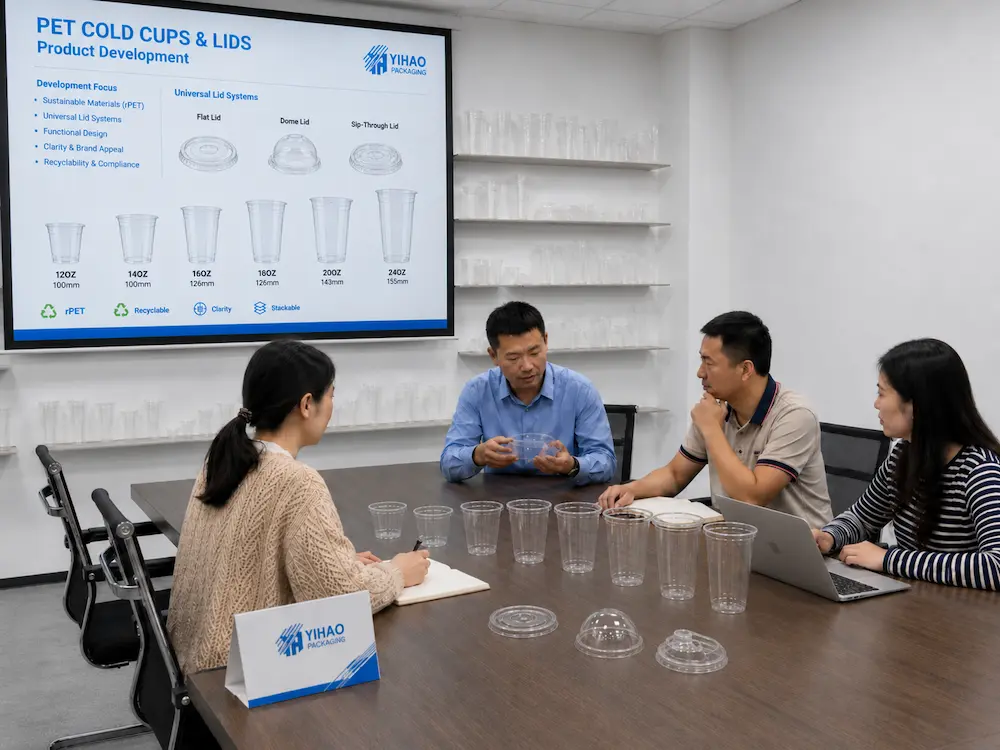
As a packaging manufacturer and solution provider, YIHAO supports buyers with cold cup selection, matching lids, sample review, wholesale packing, and custom packaging communication for beverage and foodservice applications.
Sample Testing Checklist Before Bulk Orders
Before placing a wholesale order, buyers should test samples under real operating conditions. Photos and quotation sheets are not enough.
| Sample Test | How to Test | What to Check |
|---|---|---|
| Fill Test | Fill with iced coffee, juice, smoothie, lemonade, or target beverage | Cup stability, clarity, hand feel |
| Lid Lock Test | Apply and remove the matching lid several times | Secure fit, rim strength, cracking risk |
| Movement Test | Carry and shake lightly as in takeaway use | Leakage, lid popping, liquid movement |
| Cold Storage Test | Place filled cups in chilled display or refrigerator | Shape stability, clarity, condensation appearance |
| Stacking Test | Stack and separate cups repeatedly | Dispensing speed and sticking risk |
| Branding Test | Review printed logo or sample artwork | Logo position, print clarity, brand visibility |
| Packing Test | Review carton packing and inner bag method | Shipping protection and warehouse handling |
Wholesale Order Checklist
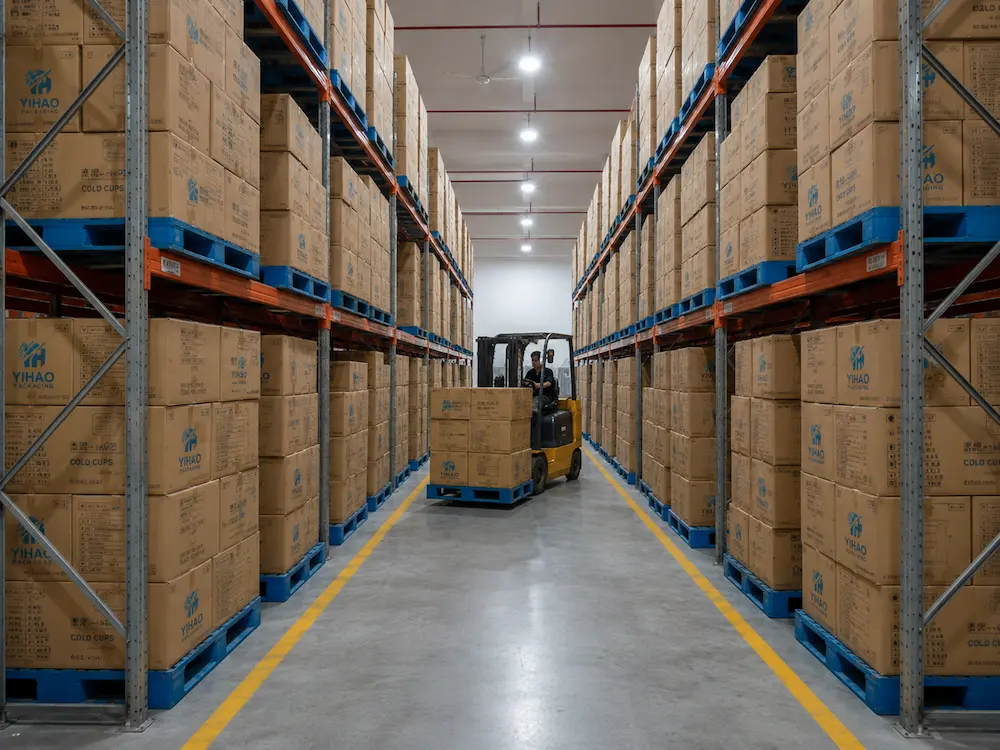
A professional wholesale order should include both product details and commercial details.
| Ordering Item | What Buyers Should Confirm |
|---|---|
| Product Type | Eco friendly cold cups, PLA cups, compostable cups, or cup-lid set |
| Capacity | Stated capacity and recommended practical fill level |
| Material | PLA or other confirmed material |
| Lid Type | Flat lid, dome lid, straw-slot lid, sip lid, or matching lid set |
| Quantity | MOQ, carton quantity, and total order volume |
| Samples | Existing sample, custom sample, or pre-production sample |
| Printing | Logo file, printing method, color approval, print area |
| Packing | Inner bag, carton size, carton mark, pallet method |
| Documentation | Material information and compostability support where applicable |
| Lead Time | Sample time, production time, and shipping schedule |
| Trade Terms | EXW, FOB, CIF, DDP, or agreed Incoterms |
| Payment Terms | Deposit, balance, and payment method |
| Quality Standard | Appearance, weight tolerance, lid fit, packing inspection |
What Buyers Should Send When Requesting a Quote
To receive an accurate quotation, buyers should send clear information to the supplier. This saves time and avoids repeated communication.
A strong RFQ should include:
- Target cup capacity
- Material preference, such as PLA
- Lid requirement
- Application, such as iced coffee, smoothie, juice, or fruit tea
- Quantity for sample order or wholesale order
- Logo printing requirement
- Target market or destination country
- Packing preference
- Required documents
- Expected delivery timeline
- Shipping terms
- Product photos or reference style if available
Example RFQ message:
“We are looking for eco friendly cold cups for iced coffee and smoothie takeaway service. Please quote PLA clear cups with matching lids, including sample availability, MOQ, carton packing, custom logo options, lead time, and available material documentation.”
Custom Branding Options for Eco Friendly Cold Cups
Custom branding turns a packaging item into a visible part of the customer experience. For cafes, juice shops, beverage chains, supermarkets, and distributors, custom eco friendly cold cups help create stronger product recognition.
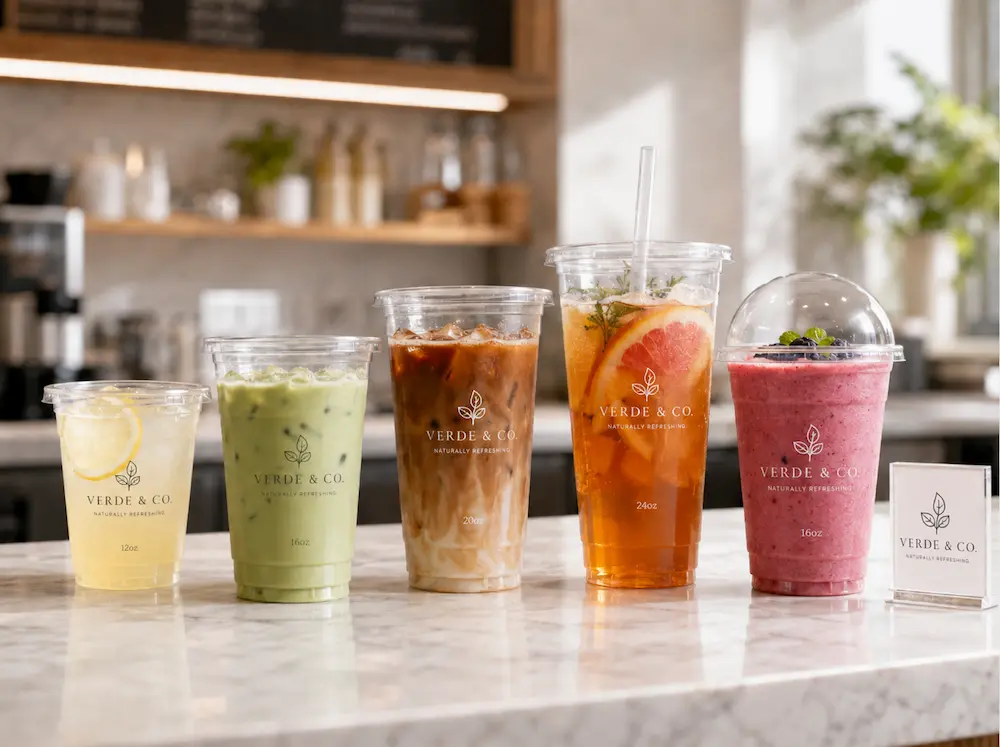
Common customization options include:
- Logo printing on cups
- Custom cup-lid sets
- Private label packaging
- Printed carton marks
- Branded sleeves
- Multi-size packaging series
- Distributor-ready labeling
- Retail display packaging
Branding should stay accurate. If the product is PLA, say PLA. If the cup is commercially compostable where accepted, state the condition clearly. Avoid vague or exaggerated environmental claims.
Common Buyer Mistakes to Avoid
Mistake 1: Choosing Only by Lowest Price
Low unit price can hide problems such as weak rims, poor lid fit, unclear material claims, thin walls, or poor packing.
Mistake 2: Skipping Lid Testing
Cup and lid compatibility must be tested together. A small rim difference can create leakage or lid popping.
Mistake 3: Using Unsupported Green Claims
Broad claims like “fully biodegradable” or “100% eco safe” may create compliance risk if they are not properly supported.
Mistake 4: Ignoring Local Waste Systems
Compostable packaging needs the right collection and composting infrastructure. Buyers should check local disposal conditions before making public claims.
Mistake 5: Not Testing Real Drinks
Water testing is not enough. Buyers should test the actual beverage type, especially smoothies, fruit drinks, iced coffee with toppings, and drinks with ice.
Mistake 6: Overlooking Export Packing
A good cup can still arrive damaged if the carton, inner bag, or pallet method is weak. Export packing must match long-distance shipping.
Buyer Quick Note
Wholesale eco friendly cold cups should be evaluated as a complete packaging system: cup, lid, material, claim wording, samples, packing, customization, and supplier capacity.
For long-term purchasing, the strongest choice is not the cheapest cup. It is the product system that supports real drink service, accurate sustainability communication, stable wholesale supply, and a better customer experience.
Conclusion
Eco friendly cold cups are a practical packaging choice for beverage brands, cafes, supermarkets, distributors, and foodservice operators that want a more sustainability-focused cold drink solution.
The right supplier should provide more than a product photo and a price. Buyers need material clarity, lid compatibility, sample testing, documentation support, custom branding options, export packing, and stable wholesale capacity.
For buyers comparing PLA compostable cold cups, compostable cold cups, PLA drink cups, biodegradable cold cups, and PLA cups with lids, a checklist-based process makes supplier selection more accurate and purchasing decisions more reliable.
A professional manufacturer or supplier should help buyers turn packaging from a cost item into a stronger part of beverage presentation, brand trust, and supply chain planning.
FAQ
1. What are eco friendly cold cups used for?
Eco friendly cold cups are used for cold beverages such as iced coffee, cold brew, smoothies, juice, lemonade, matcha drinks, fruit tea, refreshers, milk tea, and chilled grab-and-go drinks. They help buyers combine beverage presentation with a stronger sustainability-focused packaging choice.
2. Are PLA compostable cold cups suitable for hot drinks?
PLA compostable cold cups are mainly designed for cold drinks. Buyers should not use them for hot beverages unless the supplier clearly confirms heat resistance for that specific product. For hot drink service, a different material or cup structure is usually required.
3. Are compostable cold cups and biodegradable cold cups the same?
No. Compostable cold cups and biodegradable cold cups are not always the same. Compostable products usually need to meet defined standards and break down under specific composting conditions. Biodegradable is broader and should be explained with clear conditions to avoid misleading claims.
4. What should buyers test before ordering eco friendly cold cups wholesale?
Buyers should test cup clarity, lid fit, rim strength, wall rigidity, stacking performance, leakage resistance, cold storage behavior, branding quality, and packing method. They should also confirm material documentation and claim wording before placing wholesale orders.
5. How do I choose a reliable eco friendly cold cups manufacturer?
Choose a manufacturer that provides clear specifications, matching lids, samples, material documentation, custom branding options, export packing support, and stable wholesale supply capacity. A reliable supplier should explain product advantages, use limits, and order details clearly.
References
- Federal Trade Commission, Green Guides for Environmental Marketing Claims
- Biodegradable Products Institute, Certified Compostable Product Information
- ASTM International, ASTM D6400 Standard Specification for Compostable Plastics
- ASTM International, ASTM D6868 Standard Specification for Compostable Coated Paper and Other Substrates
- European Commission, Packaging and Packaging Waste Policy
- U.S. Environmental Protection Agency, Sustainable Materials Management Resources
- Ellen MacArthur Foundation, Circular Economy and Packaging Design Resources
- Composting Council Research and Education Foundation, Compostable Packaging Guidance
Deep-Dive Insights: How Buyers Should Evaluate Eco Friendly Cold Cups
What makes eco friendly cold cups a practical choice for wholesale beverage packaging?
Eco friendly cold cups give beverage brands, cafes, supermarkets, distributors, and foodservice operators a packaging option that supports cold drink presentation while responding to stronger market demand for responsible materials. For wholesale buyers, the real value is not only the environmental message, but whether the cup performs reliably with iced coffee, juice, smoothies, milk tea, fruit tea, refreshers, and other chilled beverages.
How should buyers compare PLA compostable cold cups and traditional cold drink cups?
PLA compostable cold cups, compostable cold cups, and PLA drink cups should be evaluated by material source, cold-use performance, clarity, rim strength, lid compatibility, packing stability, and documentation. A cup that looks sustainable is not enough. Buyers should confirm whether the selected cup fits the intended drink menu, local composting conditions, labeling requirements, and target customer expectations.
Why do lid fit and cup structure matter in biodegradable cold cups?
For biodegradable cold cups and PLA cups with lids, lid fit is one of the most important purchasing checkpoints. A clear cup may look attractive, but poor lid matching can cause leakage, loose closure, weak stacking, or customer complaints. Wholesale buyers should test flat lids, dome lids, straw-slot lids, and sip lids with real drinks before confirming bulk orders.
What should buyers ask a manufacturer or supplier before placing wholesale orders?
Before choosing a manufacturer or supplier, buyers should request samples, verify material information, check cup and lid compatibility, review carton packing, confirm available sizes, ask about custom printing options, and evaluate stable production capacity. For wholesale projects, repeat-order consistency is as important as the first sample because beverage packaging must perform the same way across different locations, shipments, and sales seasons.
What is the best purchasing mindset for eco friendly cold cups?
The best approach is to treat eco friendly cold cups as a complete beverage packaging system, not a single cup item. Buyers should compare cup body, lid options, branding space, carton protection, documentation, supplier experience, and real cold-drink performance together. This creates a stronger foundation for sustainable branding, daily beverage operations, and long-term wholesale supply.
© YIHAO Packaging. All rights reserved. All articles, product images, packaging designs, technical specifications, and website materials are protected by copyright. Unauthorized copying, reproduction, redistribution, modification, or commercial use is strictly prohibited without prior written permission.