Micro Summary: Strawless Lids for Modern Cold Drink Packaging
Strawless lids are designed for cold drink packaging that supports direct drinking without a separate straw. For cafes, supermarkets, beverage brands, and foodservice buyers, they offer a practical option when the goal is to simplify takeaway packaging, improve drinking convenience, and reduce the need for extra accessories. Compared with flat cold cup lids, dome lids, sip lids, and standard PET cup lids, strawless lids are best evaluated by drink type, cup compatibility, lid fit, chilled storage, retail display, and wholesale ordering needs.
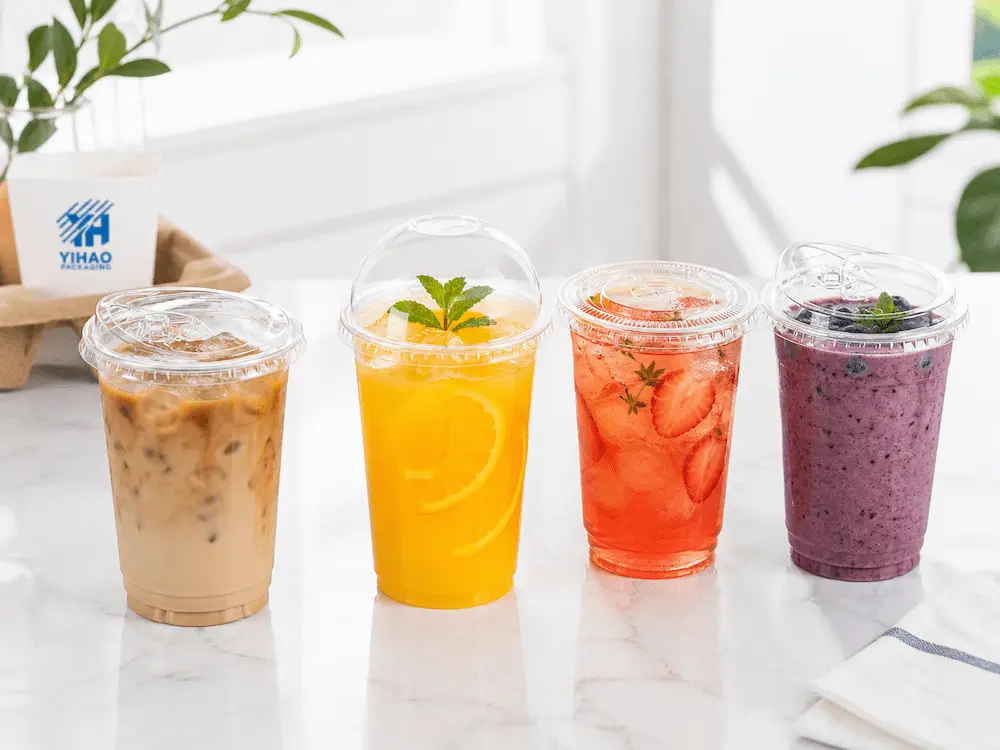
Introduction: Why Strawless Lids Matter in Cold Drink Packaging
Cold drink packaging has changed from simple cup-and-straw combinations into a more complete buying decision. Beverage brands, cafes, supermarkets, juice bars, bakeries, convenience stores, and foodservice distributors now need packaging that supports better drinking experience, cleaner display, easier takeaway service, and more consistent wholesale supply.
This is where strawless lids have become a practical option. Instead of relying on a separate straw, strawless lids allow customers to drink directly from the lid opening. For iced coffee, cold brew, juice, fruit tea, matcha drinks, refreshers, lemonade, sparkling fruit drinks, and selected milk tea menus, this structure creates a simpler packaging setup and a more convenient takeaway experience.
For professional buyers, however, the question is not only whether strawless lids look modern. The more important question is whether they fit the actual drink menu, cup rim size, packing process, storage condition, and customer use scenario. A lid that works well for iced coffee may not be the best choice for a smoothie with whipped cream. A lid that looks simple may still require careful testing before bulk orders.
YIHAO works as a food packaging manufacturer and solution provider for cold drink packaging, food containers, cup lids, and related packaging systems. For buyers comparing cold cup lids, flat cold cup lids, dome lids, sip lids, and PET cup lids, the right decision should come from use case, compatibility, and supply stability—not from lid appearance alone.
What Are Strawless Lids?
Strawless lids are cold cup lids designed with a direct drinking opening, allowing the consumer to drink without inserting a straw. They are commonly used for takeaway cold beverages where convenience, speed, and a clean drinking experience matter.
Unlike traditional flat lids with straw slots, strawless lids reduce the need for separate straw handling. This helps cafes and beverage teams simplify their packaging workflow. Staff members do not need to match every cup with an additional straw, and customers receive a more complete drink package in one step.
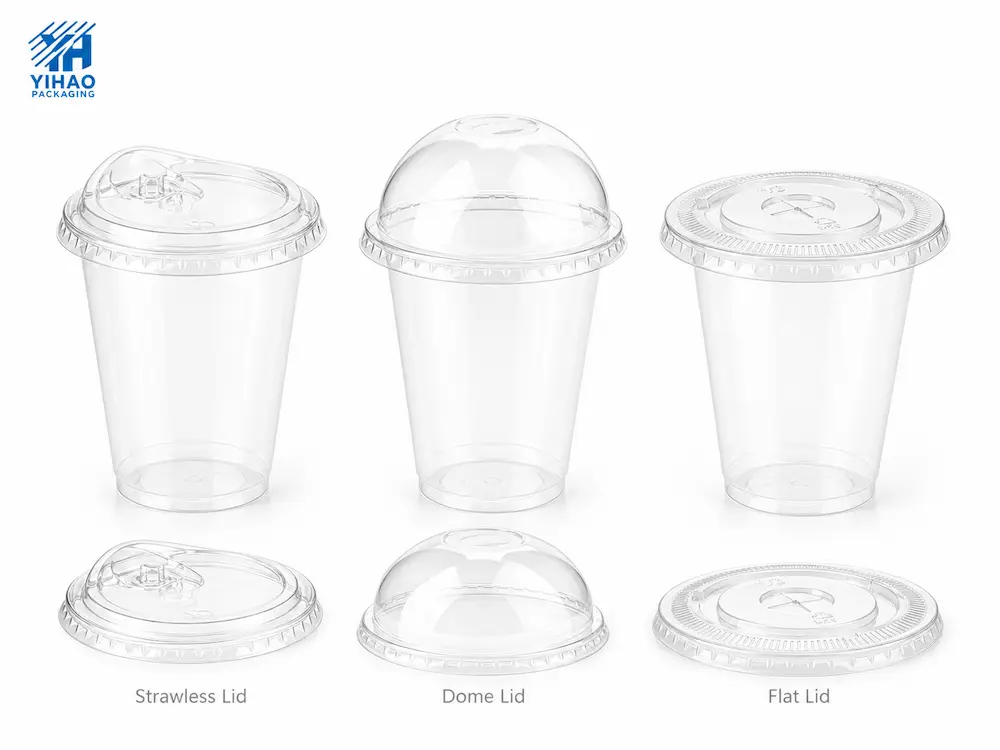
From a design perspective, strawless lids usually focus on three practical points:
- A drinking opening that supports direct sipping
- A lid structure that fits securely on the cup rim
- A profile that supports takeaway and grab-and-go use
The main value of strawless lids is not only “no straw.” Their real value is packaging simplification. For buyers managing high-volume beverage service, fewer packaging components often mean faster packing, easier inventory planning, and a cleaner customer experience.
They are especially suitable for:
- Iced coffee and cold brew
- Fresh juice and lemonade
- Fruit tea and refreshers
- Matcha drinks
- Sparkling fruit drinks
- Protein drinks with smooth texture
- Grab-and-go chilled beverages
- Retail cold drink displays
However, strawless lids are not the best answer for every drink. Thick smoothies, toppings, cream layers, and dessert-style drinks may require a different lid structure.
Strawless Lids vs Flat Cold Cup Lids
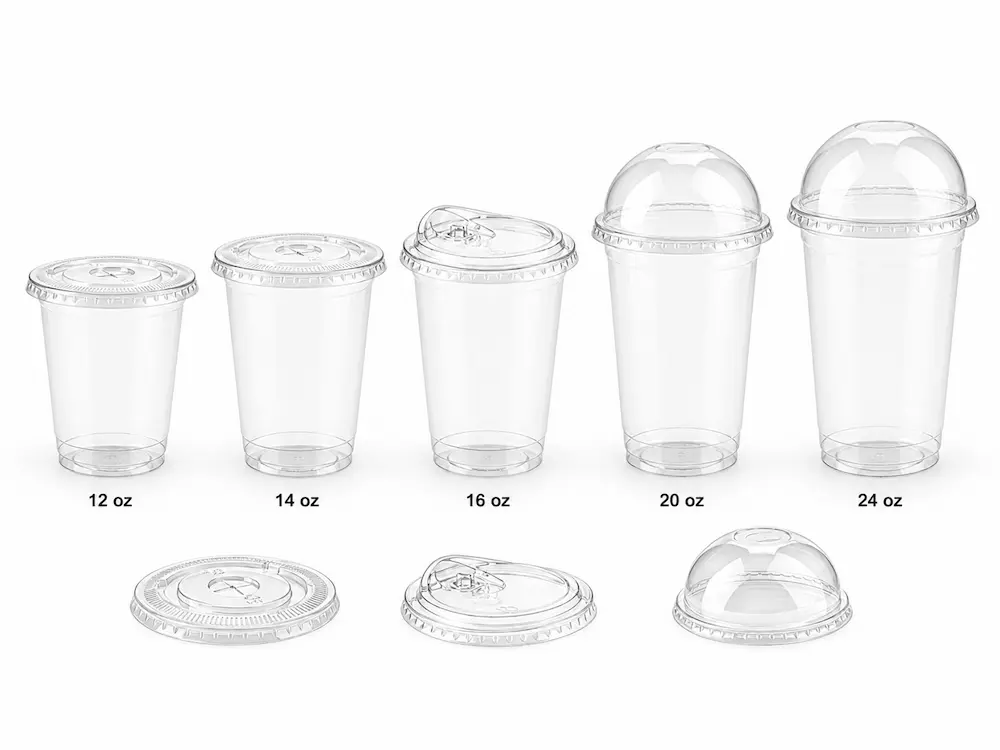
Flat cold cup lids are one of the most common lid options for cold beverages. They are simple, lightweight, and familiar to many buyers. In many cases, they include a straw slot, which makes them suitable for drinks that are traditionally served with straws.
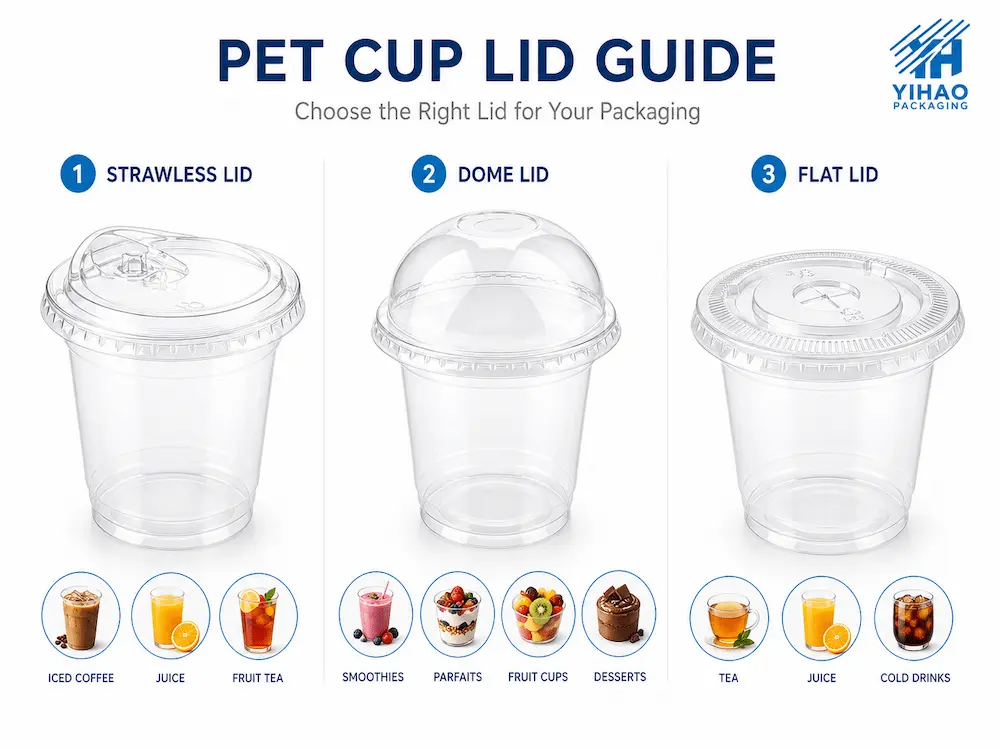
Compared with flat cold cup lids, strawless lids focus more on direct drinking. This difference changes the customer experience and the packaging workflow.
Flat cold cup lids are usually a good choice when buyers want a basic and cost-controlled solution for standard cold beverages. They work well for drinks where straws are expected, including many juice drinks, soft drinks, iced tea, and simple takeaway beverages. Their low-profile structure also helps with stacking and storage efficiency.
Strawless lids, on the other hand, are better when the drink is designed for direct sipping. For iced coffee, cold brew, matcha, fruit tea, and refreshers, customers often prefer a drinking experience closer to a hot cup sip lid, but adapted for cold drinks. This is where strawless lids create stronger value.
Buyer Decision Point
Choose flat cold cup lids when the menu still depends heavily on straws, when the buyer needs a simple standard lid, or when cost control is the main priority.
Choose strawless lids when direct drinking, takeaway convenience, and a cleaner packaging setup are more important.
Strawless Lids vs Dome Lids
Dome lids serve a different purpose. They are not mainly designed for direct sipping. Their biggest advantage is extra top space. This makes them useful for drinks and chilled foods that need room above the cup rim.
Dome lids are often used for smoothies, milkshakes, whipped cream drinks, dessert cups, parfaits, fruit cups, and beverages with toppings. For products that need visual height, dome lids provide a better presentation. The raised structure protects toppings and improves shelf display.
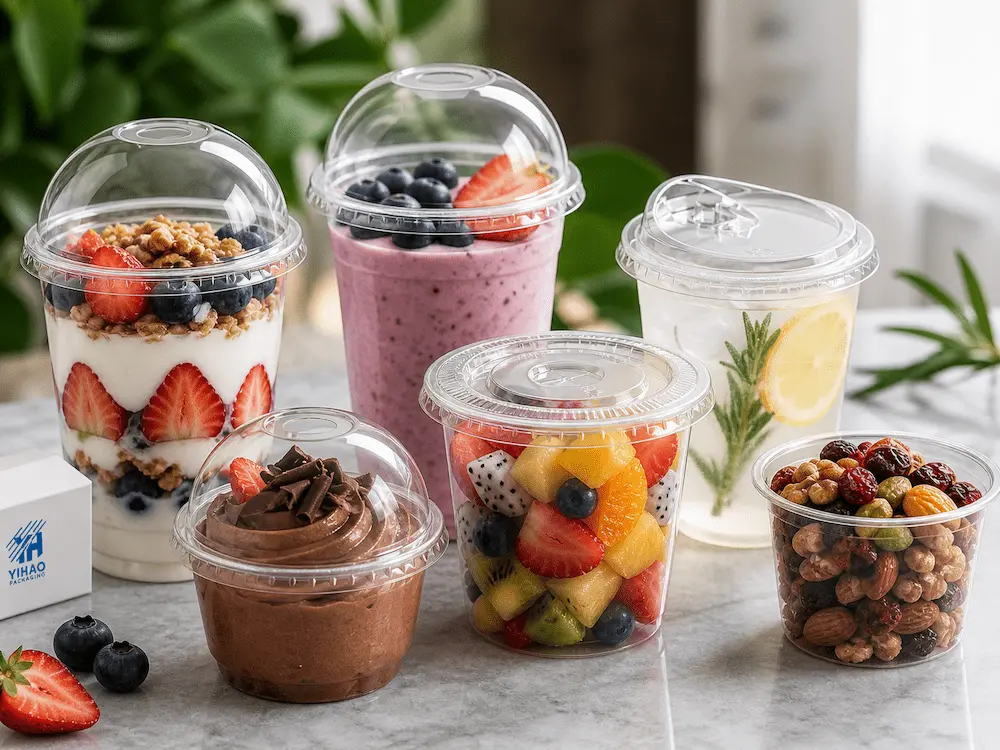
Compared with dome lids, strawless lids are more practical for drinks that do not require extra vertical space. They create a cleaner, flatter, and more direct drinking experience. This makes them suitable for drinks that are consumed while walking, driving, commuting, or carrying takeaway bags.
For retail display, the choice depends on the product. If the drink or dessert needs to show cream, fruit, topping layers, or extra volume above the cup, dome lids are the better choice. If the product is a ready-to-drink beverage with no topping space requirement, strawless lids are often more convenient.
Buyer Decision Point
Choose dome lids for smoothies, whipped cream drinks, dessert cups, fruit toppings, and beverages that need height.
Choose strawless lids for iced coffee, cold brew, juice, lemonade, fruit tea, matcha, and other cold drinks that are consumed directly from the lid.
Strawless Lids vs Sip Lids
Sip lids and strawless lids are closely related, but buyers should understand the difference in purchasing language.
A sip lid describes the drinking function. It usually means the lid has an opening that allows direct drinking. A strawless lid describes the packaging concept. It means the cup lid is designed to remove the need for a separate straw.
In some product lines, sip lids and strawless lids may refer to very similar structures. However, from a buyer’s perspective, the difference matters because each term reflects a different purchasing focus.
If a buyer is mainly focused on the drinking opening, “sip lids” may be the better product search term. If the buyer is trying to reduce straw dependency, simplify packaging inventory, or build a cleaner takeaway drink system, strawless lids is the stronger keyword.
For cafes and foodservice teams, sip lids work well when the main goal is customer drinking comfort. For distributors and wholesale buyers, strawless lids may be more useful as a product category because it clearly communicates the packaging solution.
Buyer Decision Point
Choose sip lids when the main concern is direct-drinking function.
Choose strawless lids when the main goal is a no-straw cold drink packaging system for takeaway, retail, or wholesale supply.
Strawless Lids vs Standard PET Cup Lids
PET cup lids are a broad category. They may include flat lids, dome lids, strawless lids, sip lids, and other lid structures designed for PET cold cups.
This means strawless lids are not separate from PET cup lids. In many cold beverage packaging systems, strawless lids can be part of the PET cup lid range. The real question is which lid structure best fits the cup and drink application.
PET is widely used for cold drink packaging because it offers clarity, light weight, and strong display value. Clear PET cup lids help show the drink surface, toppings, ice, fruit, and color. For retail shelves and takeaway counters, that visual clarity supports product appeal.
However, buyers must be careful with compatibility. A PET cup lid must match the cup rim accurately. Even a small mismatch may affect lid fit, sealing stability, stacking, or customer experience. Before placing a wholesale order, buyers should test the actual cup and lid together, not only compare lid diameter descriptions.
Buyer Decision Point
Choose general PET cup lids when you need a full lid range for different beverage applications.
Choose strawless lids when your cold drink line needs direct drinking, fewer accessories, and a cleaner takeaway experience.
Comparison Table: Strawless Lids vs Alternative Cold Cup Lids
| Lid Type | Best For | Main Advantage | Buyer Consideration |
|---|---|---|---|
| Strawless lids | Iced coffee, cold brew, fruit tea, juice, refreshers, matcha drinks | Direct drinking without a separate straw | Must match cup rim, drink flow, and takeaway use |
| Flat cold cup lids | Standard cold drinks, soft drinks, simple takeaway beverages | Simple, low-profile, and cost-effective | Usually depends on a straw opening |
| Dome lids | Smoothies, whipped cream drinks, dessert cups, toppings | Extra top space and better topping display | Higher profile may affect storage and carton efficiency |
| Sip lids | Direct-drinking cold beverages | Convenient drinking access | Design varies by supplier and cup system |
| PET cup lids | General cold cup packaging systems | Clear, lightweight, and suitable for multiple cold drink uses | Requires accurate cup-lid compatibility testing |
How Buyers Should Choose the Right Cold Cup Lid
Choosing between strawless lids and alternative packaging is not only a design decision. It is a purchasing decision that affects customer experience, inventory planning, packing speed, retail display, and wholesale supply consistency.
1. Match the Lid to the Drink Menu
The first question is simple: what drinks will the lid serve?
For iced coffee, cold brew, lemonade, juice, fruit tea, matcha, refreshers, and sparkling fruit drinks, strawless lids often provide a clean and direct drinking experience. These drinks usually flow easily and do not require topping space above the rim.
For smoothies, whipped cream drinks, parfait-style beverages, and dessert cups, dome lids are often more practical because they provide room for toppings and visual volume.
For simple cold drinks where straws are still expected, flat cold cup lids may remain the most efficient option.
A smart buyer does not choose one lid for every drink. A better approach is to build a lid system based on menu categories.
2. Test Cup-Lid Compatibility Before Bulk Orders
Cup-lid compatibility is one of the most important details in cold drink packaging. Buyers should never rely only on product names or general size descriptions. The lid must fit the actual cup rim securely.
Before ordering strawless lids in bulk, test them with the exact cups used in daily service. Check the lid fit by pressing around the rim, carrying the cup, tilting it slightly, and testing it after chilled storage. The goal is not only to confirm that the lid closes, but also to confirm that it performs during real use.
For wholesale buyers, this step reduces risk. It helps prevent complaints, returns, leakage issues, and packaging mismatch during busy service.
3. Consider Takeaway and Delivery Conditions
Takeaway packaging faces more pressure than dine-in packaging. Cups are carried by hand, placed in bags, moved through delivery routes, stored in refrigerators, and handled by customers in different ways.
For takeaway iced coffee and similar beverages, strawless lids create a direct-drinking experience that supports fast consumption. However, buyers still need to evaluate lid stability, drinking flow, and how the lid performs when the cup is moved.
For delivery, buyers should be more cautious. If the drink has foam, toppings, or a high fill level, the lid choice becomes more important. In some cases, a different lid structure may be better for transport stability.

4. Balance Retail Display and Function
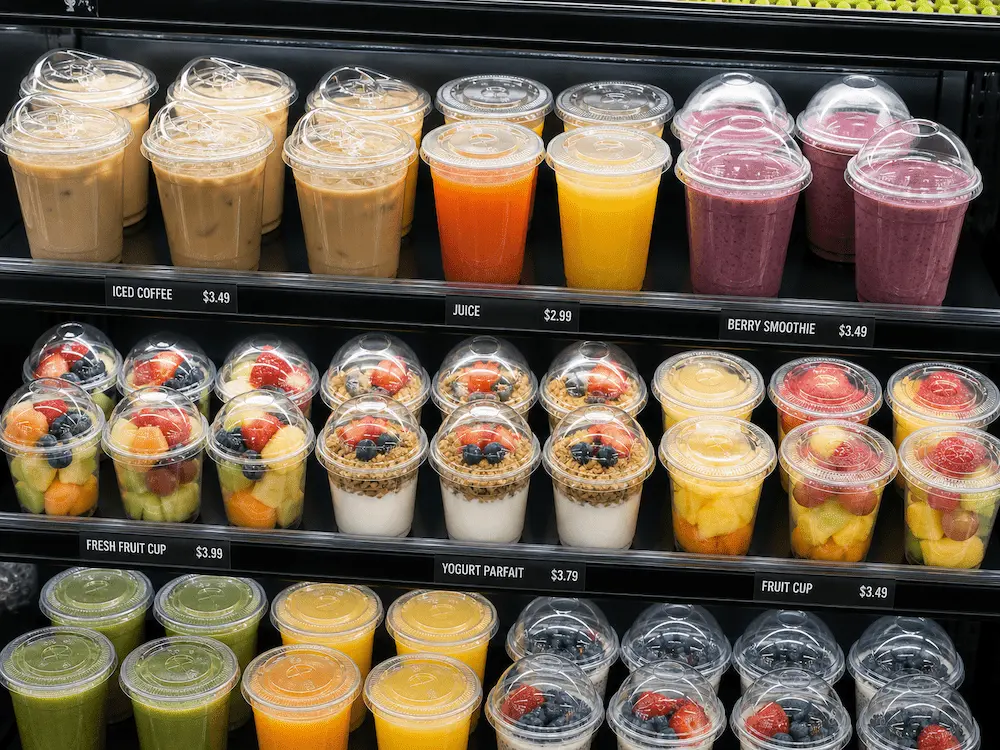
Retail display is not only about appearance. It also affects product confidence. A clear, well-fitted lid makes the drink look cleaner and more reliable.
Dome lids create strong display value when the product needs height. Flat lids create a simple and efficient look. Strawless lids create a more modern drinking format, especially for chilled ready-to-drink beverages.
For supermarkets and convenience stores, buyers should consider how the product looks in a refrigerated case. For cafes and takeaway counters, buyers should consider how quickly staff can prepare the drink and how customers hold the cup after purchase.
5. Review Storage and Carton Efficiency
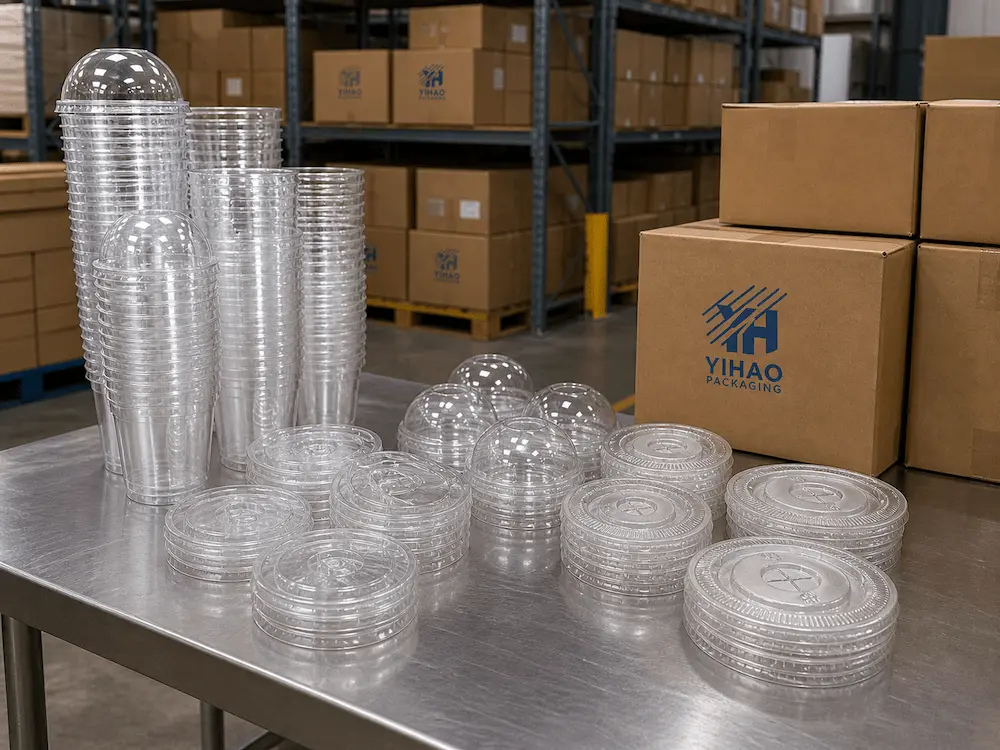
Packaging is also a logistics decision. Lid height, stacking, carton quantity, and warehouse space affect purchasing efficiency.
Flat cold cup lids usually stack efficiently because of their lower profile. Dome lids may require more space because of their raised shape. Strawless lids often sit between function and efficiency, depending on the specific structure.
Wholesale buyers should compare not only unit price but also carton packing, storage space, and how the lid fits into the full packaging operation.
6. Choose a Reliable Manufacturer, Wholesale Supplier, or Packaging Partner
When buying strawless lids, the supplier’s role matters. A professional manufacturer or wholesale supplier should help buyers compare lid types, test cup compatibility, review sample options, and select a lid structure that fits the actual beverage program.
For growing beverage brands, packaging consistency is critical. A lid that changes slightly between orders may affect fit and customer experience. This is why buyers should work with a supplier that understands production consistency, cold drink use cases, and wholesale supply requirements.
When Strawless Lids Are the Better Choice
Strawless lids are usually the better choice when the drink is designed for direct sipping and does not need extra topping space. They are especially suitable for modern cold beverage menus where convenience and cleaner takeaway presentation matter.
They are a strong option when buyers need:
- A no-straw cold drink packaging setup
- Faster packing for takeaway drinks
- A cleaner customer drinking experience
- Better suitability for iced coffee, cold brew, juice, and refreshers
- A modern lid option for cafes and retail beverage programs
- A practical alternative to traditional flat lids with straw slots
For beverage brands that want to simplify packaging inventory, strawless lids also reduce the need to manage separate straw stock for every drink order. This does not eliminate the need for careful testing, but it creates a more streamlined packaging system.
When Alternative Lids May Be Better
Alternative lids still have clear value. Buyers should not replace every cold cup lid with strawless lids without considering the product.
Flat cold cup lids remain useful for simple beverages, cost-sensitive orders, and menus where straws are still common. Dome lids remain the better choice for smoothies, cream toppings, parfaits, fruit cups, and dessert-style drinks. Sip lids are practical when direct-drinking comfort is the main feature. Standard PET cup lids are useful when the buyer needs a broad lid system across multiple drink and food applications.
The best packaging strategy is not to choose one lid type for everything. The best strategy is to match each lid to the drink, service model, and customer expectation.
Buyer Checklist Before Ordering Strawless Lids
Before placing a wholesale order for strawless lids, buyers should check the following points:
- Confirm the cup rim size and lid compatibility
- Test the lid with actual cold beverages
- Review drinking flow with iced coffee, juice, fruit tea, and similar drinks
- Check lid fit after chilled storage
- Compare strawless lids with flat cold cup lids and dome lids
- Evaluate storage, stacking, and carton efficiency
- Review whether the lid fits takeaway, delivery, or retail display
- Ask for samples before bulk orders
- Work with a reliable manufacturer, wholesale supplier, or packaging partner
This checklist helps buyers avoid choosing a lid based only on appearance. The right lid must perform in real use.
Why Work With YIHAO for Cold Cup Lids?
YIHAO provides food packaging solutions for buyers who need practical, consistent, and market-ready packaging for cold drinks, chilled foods, takeaway service, and retail display.
For cold beverage packaging, YIHAO supports buyers in comparing strawless lids, cold cup lids, flat cold cup lids, dome lids, sip lids, and PET cup lids according to drink type, cup matching, display needs, and wholesale supply planning.
For cafes, supermarkets, beverage brands, foodservice distributors, and packaging importers, the right lid is part of a complete packaging system. It must match the cup, support the drink, fit the service model, and remain consistent across orders.
Instead of treating lids as a small accessory, professional buyers should treat them as a critical part of customer experience. A well-matched lid improves convenience, reduces packaging mismatch, and supports smoother daily operations.
Request Strawless Lid Samples for Cup-Lid Matching
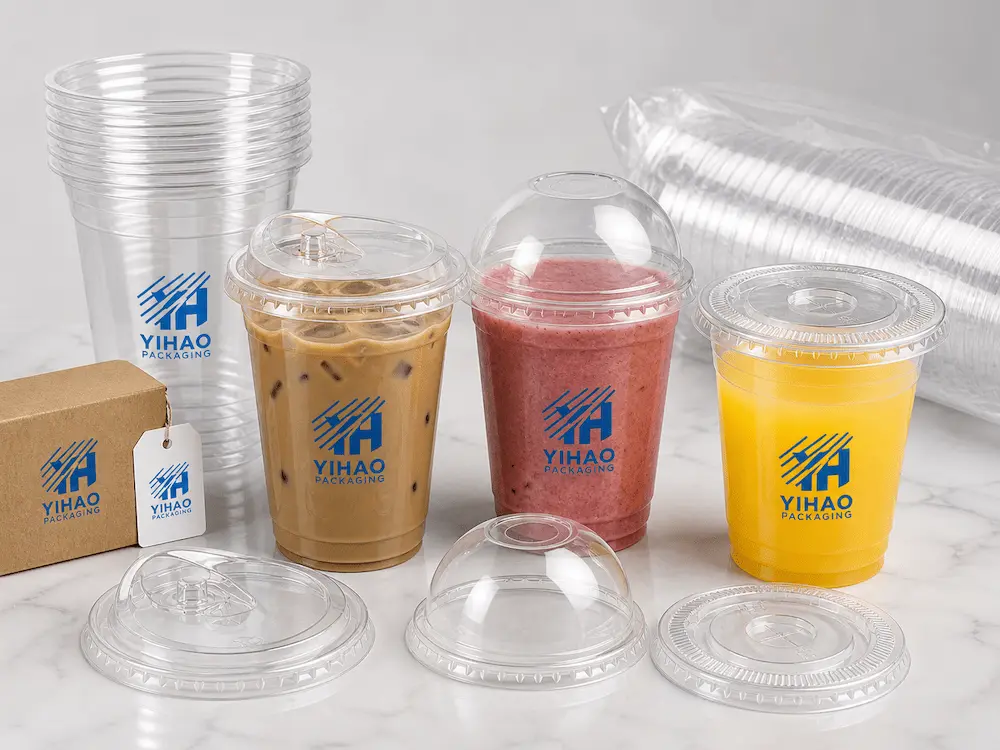
Before placing a wholesale order, buyers should test strawless lids with their actual cold cups, beverages, chilled storage process, and takeaway handling conditions. YIHAO supports food packaging buyers, beverage brands, cafes, supermarkets, and distributors with sample review, lid comparison, and practical cold cup lid matching suggestions.
Contact YIHAO to compare strawless lids, flat cold cup lids, dome lids, sip lids, and PET cup lids for your wholesale cold drink packaging needs.
Conclusion: Choose Strawless Lids by Use Case, Not by Trend
Strawless lids are a strong choice for modern cold drink packaging, especially when buyers want direct drinking, simplified takeaway service, and fewer accessory decisions. They work well for iced coffee, cold brew, juice, lemonade, matcha, fruit tea, refreshers, and many grab-and-go chilled beverages.
However, they are not the only answer. Flat cold cup lids, dome lids, sip lids, and PET cup lids each have their own role. The best choice depends on drink texture, toppings, cup compatibility, packing speed, storage efficiency, retail display, and customer drinking habits.
For wholesale buyers, the right approach is clear: compare lid structures, test real samples, match lids with actual cups, and work with a manufacturer or supplier that understands cold beverage packaging. When selected correctly, strawless lids become more than a lid option. They become part of a cleaner, faster, and more practical packaging system.
FAQ
1. What are strawless lids used for?
Strawless lids are used for cold drink packaging that supports direct drinking without a separate straw. They are commonly used for iced coffee, cold brew, juice, lemonade, fruit tea, matcha drinks, refreshers, and grab-and-go chilled beverages.
2. Are strawless lids better than flat cold cup lids?
Strawless lids are better when direct drinking and simplified takeaway packaging are the main goals. Flat cold cup lids are still useful for standard cold drinks, cost-controlled packaging, and beverage programs where straws are commonly used.
3. When should buyers choose dome lids instead of strawless lids?
Buyers should choose dome lids when the drink or food needs extra top space. Dome lids are better for smoothies, whipped cream drinks, dessert cups, fruit toppings, parfaits, and products that need stronger visual height for retail display.
4. Are strawless lids usually made from PET?
Many strawless lids for cold drink packaging are made from PET because PET provides clarity, lightweight handling, and strong display value. Buyers should always confirm the material, cup compatibility, and lid structure with the supplier before bulk ordering.
5. How should wholesale buyers test cold cup lids before bulk orders?
Wholesale buyers should test cold cup lids with the actual cups and beverages they plan to use. They should check rim fit, drinking flow, lid stability, chilled storage performance, takeaway handling, carton efficiency, and customer use conditions before placing bulk orders.
References
- Foodservice Packaging Institute, foodservice packaging usage and material guidance.
- Association of Plastic Recyclers, PET packaging design and recyclability resources.
- European Food Safety Authority, food contact material safety guidance.
- U.S. Food and Drug Administration, food contact substances and packaging guidance.
- ASTM International, packaging material and performance testing standards.
- Packaging Europe, beverage packaging and foodservice packaging market insights.
- Plastics Industry Association, PET packaging and thermoformed packaging resources.
- National Restaurant Association, takeaway, foodservice, and beverage service trends.
Deep-Dive Insights: Strawless Lids for Modern Cold Drink Packaging Buyers
How should buyers think about strawless lids?
Buyers should view strawless lids as part of a full cold drink packaging system, not as a single accessory. The lid must match the cup rim, drink type, service model, and customer drinking habit.
Why do strawless lids support takeaway drink service?
They reduce the need for separate straw handling and create a direct-drinking experience. This supports faster counter service, cleaner takeaway packaging, and simpler inventory management for cafes, beverage brands, and foodservice teams.
What is the main difference between strawless lids and dome lids?
Strawless lids focus on direct drinking. Dome lids focus on extra top space. Buyers should choose dome lids for smoothies, whipped cream, toppings, and dessert-style drinks, while strawless lids fit iced coffee, juice, fruit tea, and refreshers more naturally.
What should wholesale buyers test first?
The most important test is cup-lid compatibility. Buyers should test the lid with the actual cup, actual beverage, chilled storage condition, and takeaway handling process before confirming bulk orders.
Which supplier type is best for cold cup lids?
A reliable manufacturer, wholesale supplier, or packaging solution provider should support lid comparison, cup matching, sample testing, and consistent supply. This is especially important for buyers managing multiple drink categories or large-volume orders.
Copyright © YIHAO. All rights reserved. This article is created for food packaging buyers, distributors, supermarkets, cafes, beverage brands, and foodservice teams evaluating strawless lids, cold cup lids, PET cup lids, and wholesale packaging solutions.