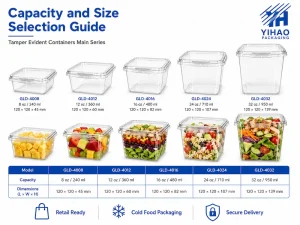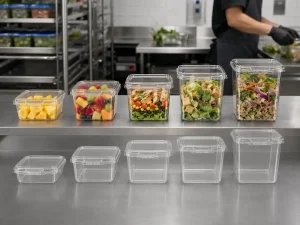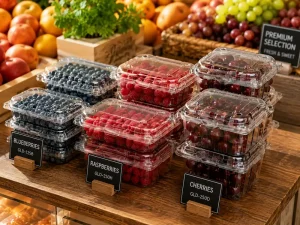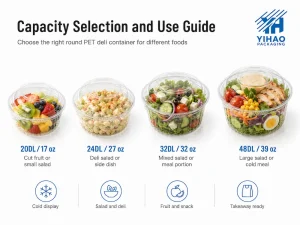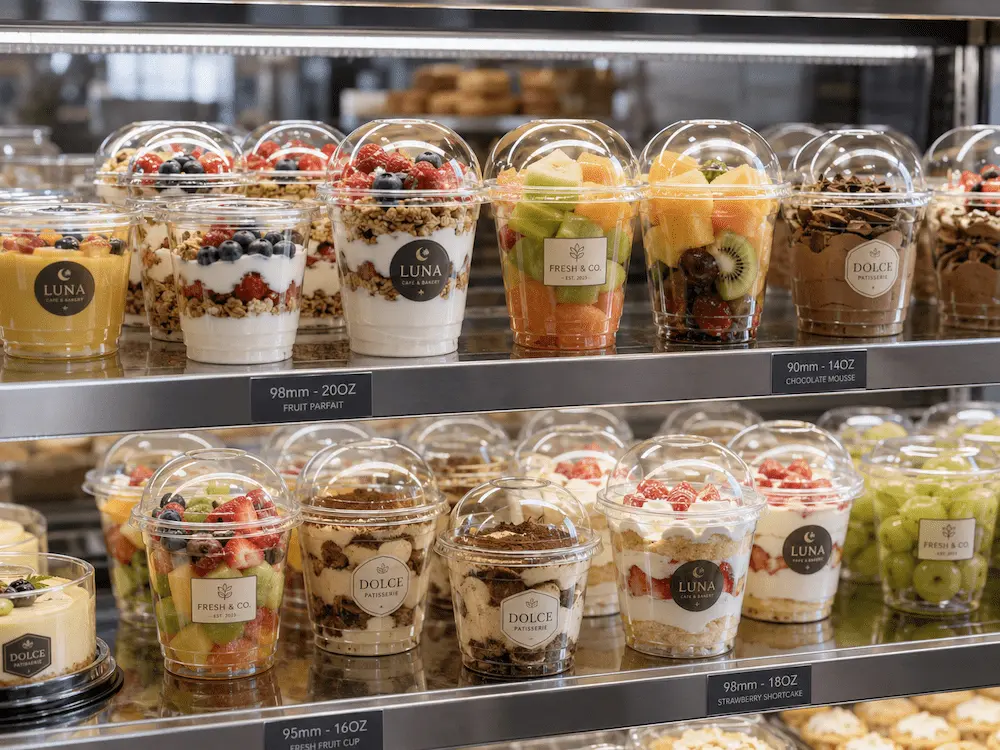
Dome lid cups are designed for cold beverages and dessert-style drinks that need more upper space than a flat lid provides. For supermarkets, cafes, bakeries, bubble tea stores, convenience stores, juice bars, smoothie counters, and foodservice brands, this packaging format supports drink visibility, topping protection, takeaway handling, and retail shelf presentation.
YIHAO is a food packaging manufacturer and solution provider focused on practical packaging structures for cold drinks, fresh food, bakery display, and grab-and-go retail programs. When buyers source dome lid cups, the decision should not stop at cup appearance. A professional purchasing decision should check cup material, lid fit, shared-diameter compatibility, drink height, straw use, sealing performance, storage efficiency, and bulk supply consistency.
This guide explains how packaging teams should evaluate dome lid cups for bubble tea cups, milk tea cups, boba cups, PET bubble tea cups, PP bubble tea cups, smoothies, iced coffee, fruit tea, bakery beverages, chilled dessert drinks, and wholesale cold drink packaging programs.
For related cold beverage packaging categories, buyers can also review Cold Cups & Lids, PET Cold Cups, and Cold Cup Lids to compare cup bodies, lid structures, and matching packaging systems before placing wholesale orders.
What Are Dome Lid Cups?
Dome lid cups are cold drink cups paired with raised dome-shaped lids. The dome creates additional headspace above the cup rim, making the package suitable for drinks with foam, whipped cream, fruit pieces, boba pearls, ice, smoothie texture, yogurt layers, or dessert toppings.
Compared with flat lids, dome lids provide a taller top profile. This matters when the drink is not flat at the surface. Bubble tea, milk tea, boba drinks, smoothies, milkshakes, frappes, iced coffee with cream, fruit yogurt drinks, and dessert beverages often need extra space to protect the top layer after preparation.
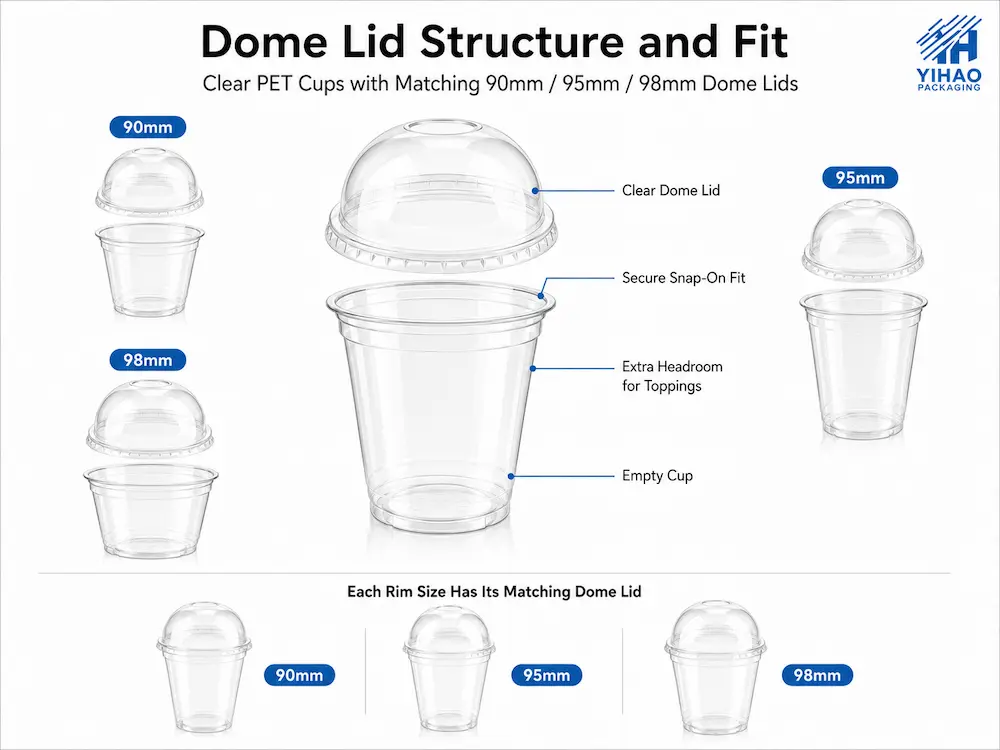
For wholesale buyers, dome lid cups should be evaluated as a complete packaging system. The cup body, dome lid, rim diameter, straw opening, material clarity, stacking strength, carton packing, and drink menu must work together. A strong dome lid cup program helps reduce lid mismatch, leakage complaints, slow counter service, repacking waste, and inconsistent takeaway quality.
Why Dome Lid Cups Work for Cold Drink Display
Dome lid cups work well because they combine visibility with functional headspace. Clear cup bodies show drink color, milk layers, fruit pieces, boba pearls, ice quality, foam texture, and toppings. The raised lid protects the upper part of the drink without hiding the product from customers.
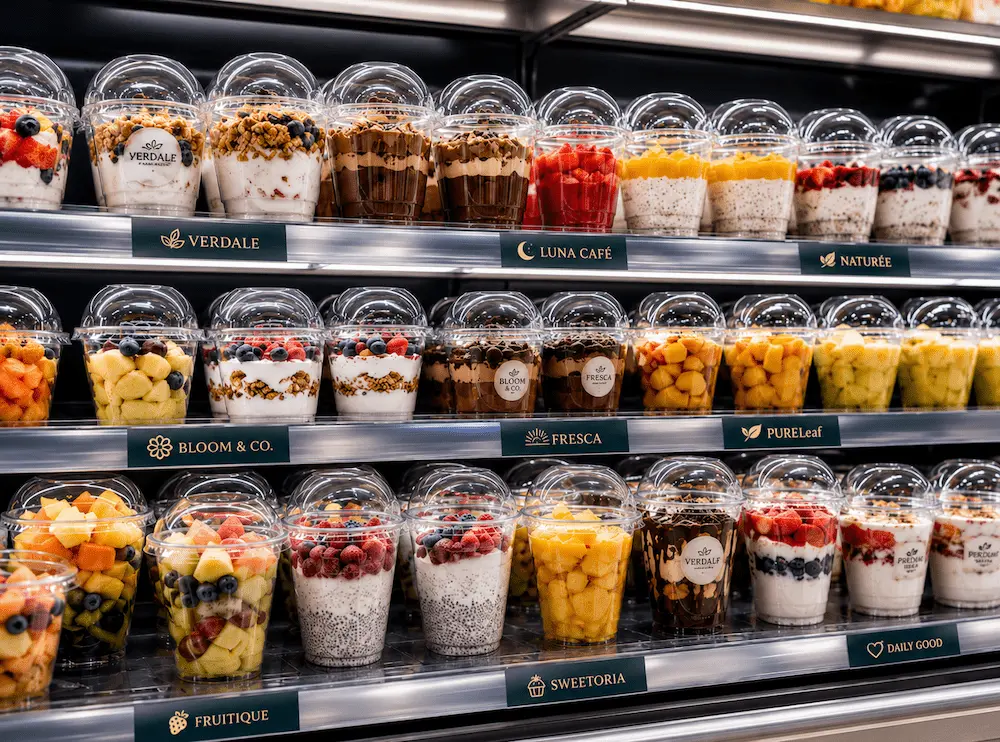
In supermarkets and convenience stores, this helps chilled drinks look fresh inside refrigerated display areas. In cafes and tea shops, it supports fast counter service and premium beverage presentation. In bakeries, dome lid cups help dessert drinks, yogurt beverages, iced matcha, lemonade, smoothies, and cream-topped seasonal drinks match the visual style of bakery retail display.
For foodservice brands, the main value is operational flexibility. One compatible cold cup family can support multiple lid styles when properly planned. Flat lids serve standard straw drinks, strawless sipper lids support direct sipping, and dome lids serve drinks that require top space. This helps purchasing teams reduce SKU confusion while still covering different menu needs.
Best Applications for Dome Lid Cups
| Application | Typical Drinks | Why Dome Lids Help | Buyer Priority |
|---|---|---|---|
| Bubble Tea Shops | Bubble tea, milk tea, boba drinks, cheese foam tea, fruit tea | Creates top space for pearls, ice, foam, cream, and toppings | Cup-lid fit and straw access |
| Cafes | Iced coffee, cold brew, iced latte, matcha, refreshers | Protects cream, foam, milk layers, and visual drink texture | Clear visibility and fast service |
| Bakeries | Dessert drinks, yogurt drinks, cream drinks, seasonal beverages | Matches premium bakery display and protects decorative toppings | Premium shelf appearance |
| Supermarkets | Chilled drinks, fruit beverages, grab-and-go drink cups | Improves product visibility in refrigerated display | Stacking and chilled shelf performance |
| Foodservice Brands | Smoothies, milkshakes, lemonade, protein drinks, slush drinks | Supports thicker drinks and menu variety | Bulk supply consistency |
Dome Lid Cups vs Flat Lid Cups vs Strawless Lid Cups
Buyers should not choose a lid style by appearance alone. Each lid structure supports a different drinking experience. Dome lid cups are strongest when the drink needs extra top space. Flat lid cups are practical for standard straw drinks. Strawless sipper lid cups support direct sipping for selected cold beverages.
| Lid Type | Best For | Main Advantage | Buyer Watch Point |
|---|---|---|---|
| Dome Lid | Smoothies, milk tea, boba cups, whipped cream drinks, dessert drinks | Extra headspace for toppings and thicker beverages | Check dome height and straw opening |
| Flat Lid | Iced coffee, juice, lemonade, iced tea, standard cold drinks | Low-profile takeaway format with straw access | Not suitable for high toppings |
| Strawless Sipper Lid | Iced coffee, iced tea, refreshers, juice, fruit tea | Direct sipping without a straw | Not suitable for boba pearls or thick toppings |
For buyers comparing lid structures, Cold Cup Lids is the main category to review. For dome-lid applications, buyers can also compare Clear PET Dome Lid for Smoothies, Milkshakes, Foam-Topped Drinks, and Fruit Yogurt Beverages. For standard cold drinks, compare Clear PET Flat Lid and Clear PET Strawless Sipper Lid.
PET Dome Lid Cups and PP Dome Lid Cups: How Buyers Should Compare
PET and PP are both common material directions in cold drink packaging. For dome lid cups, the right choice depends on drink visibility, cup-lid compatibility, sealing workflow, handling requirements, and the buyer’s existing packaging system.
PET bubble tea cups are strong when visual display matters. Clear PET and PET/RPET cup systems help show milk tea color, fruit tea ingredients, pearls, ice, foam, whipped cream, and layered beverage effects. This makes PET dome lid cups practical for cafes, supermarkets, bakeries, juice bars, and beverage brands that sell through appearance as well as function.
PP bubble tea cups are often considered when a drink shop already uses a PP cup workflow, a specific film-sealing system, or selected handling preferences. Buyers should verify cup diameter, dome lid compatibility, sealing direction, and beverage service conditions before switching materials.
The material decision should not be made by name alone. PET is usually stronger for clear retail presentation. PP may fit selected drink shop workflows. The safest approach is to test the actual drink menu, lid fit, straw access, and filled sample behavior before wholesale purchasing.
Same-Diameter Lid Systems Reduce Purchasing Mistakes
One of the most practical advantages in cold cup packaging is a same-diameter lid system. When multiple cup capacities share the same rim diameter, buyers can use compatible flat lids, dome lids, and strawless sipper lids within the same series. This helps reduce lid mismatch, simplify warehouse storage, and make cup-to-lid matching easier for chain stores and wholesalers.
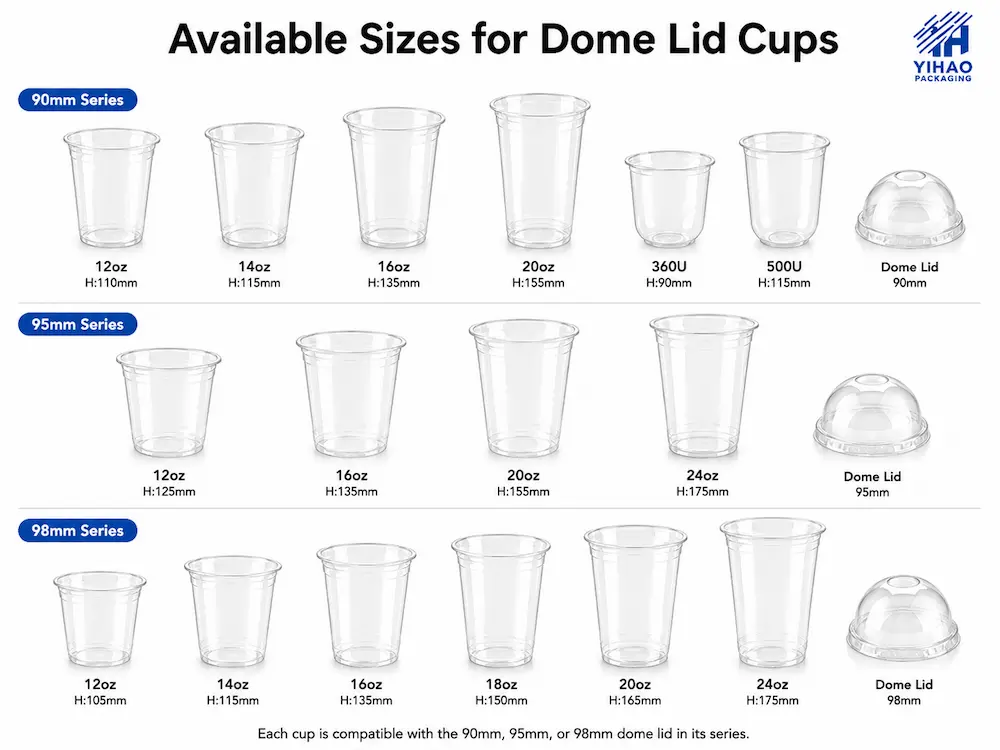
For example, a shared-lid system allows different cup capacities to serve different drinks while using the correct lid type for each menu item. A standard iced tea may use a flat lid. A cold brew or refresher may use a strawless sipper lid. A smoothie, milkshake, fruit yogurt drink, or boba drink may use a dome lid. This system helps buyers keep flexibility without creating unnecessary SKU confusion.
Buyers planning a full cold beverage packaging range can compare related cup options through PET Cold Cups, including 12 oz PET/RPET Clear Cold Cup, 16 oz PET/RPET Clear Cold Cup, 20 oz PET/RPET Clear Cold Cup, and 24 oz PET/RPET Clear Cold Cup.
How Supermarkets Use Dome Lid Cups
Supermarkets use dome lid cups for chilled drinks, fruit beverages, yogurt drinks, smoothies, dessert cups, and grab-and-go beverage programs. The raised lid helps protect toppings and keeps the product visible inside refrigerated display areas.
For supermarket buyers, shelf appearance is only one part of the decision. The package also needs stable stacking, clear label placement, reliable lid fit, and consistent supply. A dome lid that looks attractive but does not lock properly with the cup rim creates operational risk. Before bulk purchasing, buyers should test filled samples under chilled handling, shelf placement, and staff packing conditions.
For broader merchandising logic, buyers can connect dome lid cup selection with Cold Drink Packaging and Retail Food Packaging to build a clearer cold beverage and grab-and-go packaging structure.
How Cafes Use Dome Lid Cups
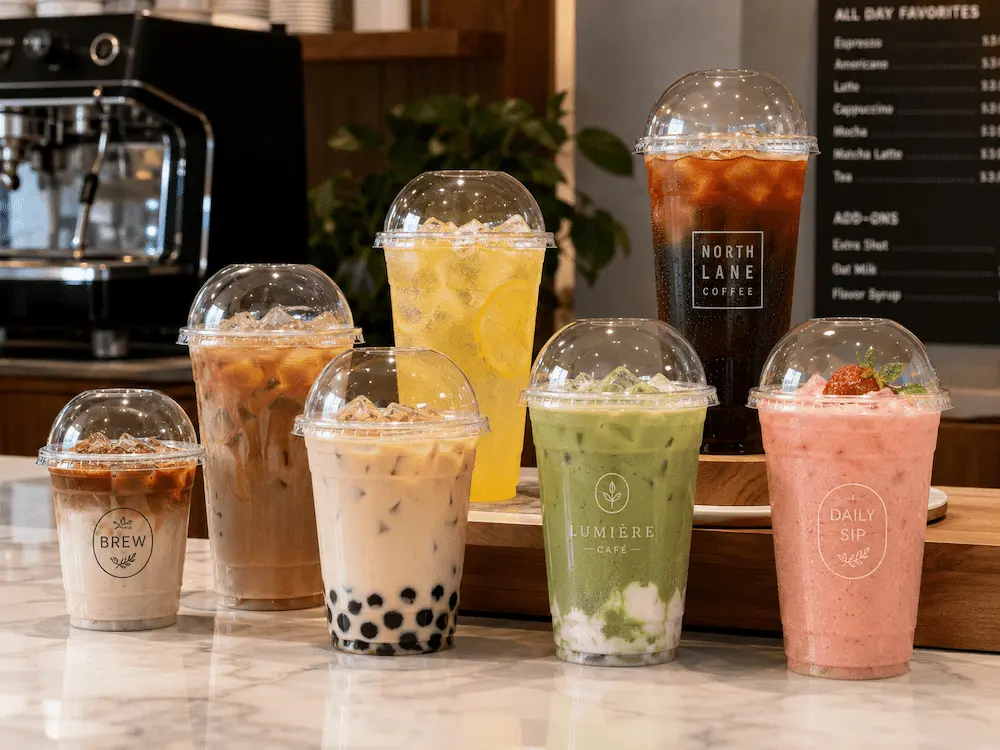
Cafes use dome lid cups for drinks that need a more premium top presentation. Iced coffee with cream, cold brew with milk layers, iced matcha with foam, refreshers with fruit pieces, lemonade with ice, smoothies, and flavored cold drinks all benefit from clear packaging and lid headspace.
For cafes, service speed is critical. Staff need cup and lid combinations that close quickly during busy periods. Poor lid fit slows down the counter, creates waste, and affects customer experience. A practical cafe packaging system should include compatible cups, flat lids, dome lids, and strawless lids so the menu can use different lid styles without changing the whole cup range.
How Bakeries Use Dome Lid Cups
Bakeries are no longer limited to cakes and pastries. Many bakery counters now sell iced drinks, dessert beverages, fruit yogurt drinks, milk tea, iced matcha, lemonade, smoothies, and cream-topped seasonal drinks. Dome lid cups help these drinks match the visual language of bakery display.
The raised lid gives room for whipped cream, foam, fruit toppings, crushed cookies, chocolate decoration, or dessert-style beverage toppings. This is useful when the beverage is positioned as a premium add-on next to cakes, muffins, croissants, brownies, cookies, pastries, and chilled desserts.
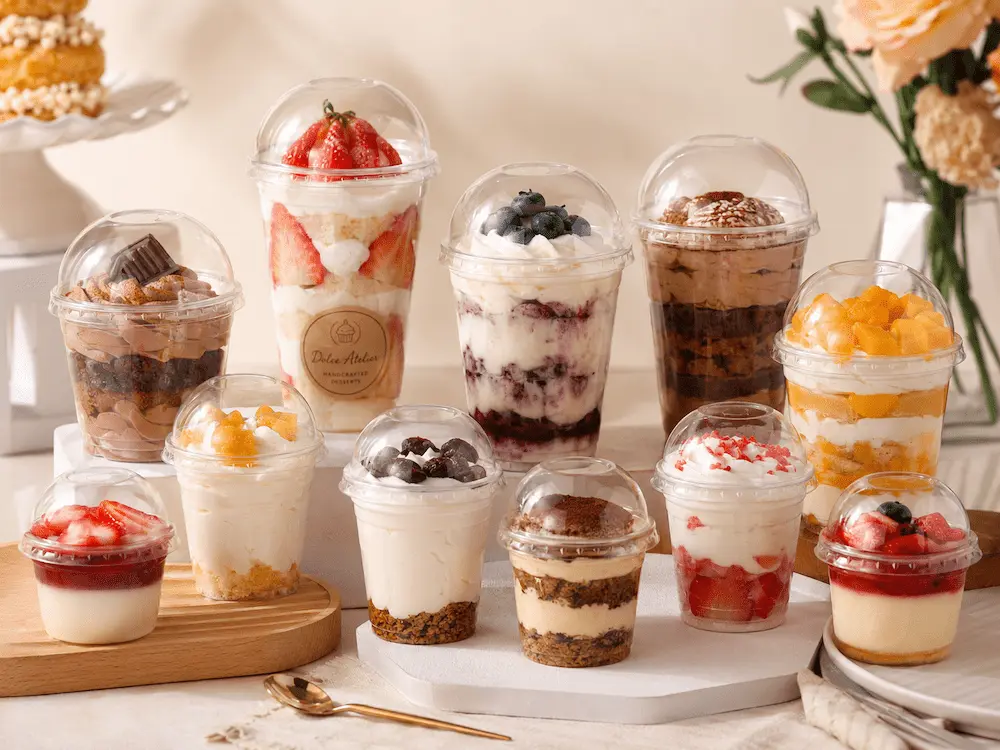
Bakery buyers can also connect drink packaging with Bakery Containers and Clear Bakery Clamshell Containers when building a consistent bakery packaging program for both drinks and desserts.
How Foodservice Brands Use Dome Lid Cups
Foodservice brands need packaging that performs across different stores, teams, and ordering cycles. Dome lid cups support beverages with higher fill profiles, thicker textures, toppings, and visual layers. This makes them useful for smoothies, milkshakes, bubble tea, fruit tea, milk tea, dessert drinks, protein drinks, and seasonal cold beverages.
The main challenge for foodservice buyers is standardization. If each store uses a different cup diameter or lid type, purchasing becomes inefficient. A better approach is to define the cup family first, then match flat lids, dome lids, and strawless lids within that system. This reduces compatibility errors and improves inventory control.
Foodservice buyers should work with a supplier that understands export packaging, carton consistency, product family planning, and custom packaging support. A manufacturer should help buyers compare cup sizes, lid types, material directions, and application scenarios without forcing one structure onto every drink.
Sample Testing Before Wholesale Orders
Sample testing is one of the most important steps before ordering dome lid cups in bulk. A cup and lid may look correct in product photos, but real performance depends on filled drinks, staff handling, storage, transport, and customer use.

| Test Item | What to Check | Why It Matters |
|---|---|---|
| Cup-Lid Fit | Press the dome lid onto the actual cup rim | Prevents loose lids, leakage, and customer complaints |
| Dome Height | Test whipped cream, foam, fruit toppings, and boba height | Protects the drink’s top presentation |
| Straw Access | Check standard straw and boba straw usability | Improves drinking experience and service speed |
| Chilled Handling | Place filled cups in cold display or refrigerator conditions | Confirms shelf display and handling performance |
| Carton and Storage | Check stackability, carton strength, and storage flow | Supports wholesale storage and daily operation |
Buyer Checklist Before Ordering Dome Lid Cups Wholesale
- Confirm cup-lid compatibility: Test the actual cup and dome lid together, not separately.
- Check dome height: Make sure the raised lid fits foam, cream, fruit toppings, boba, and ice level.
- Match the straw design: Boba drinks may require larger straw access than standard cold drinks.
- Evaluate material clarity: Clear PET and PET/RPET are strong choices for visible cold drink display.
- Review same-diameter compatibility: Shared lid systems simplify cup-to-lid matching and inventory control.
- Test filled samples: Use the actual menu before approving a wholesale order.
- Review carton packing: Stackable cup and lid packing supports warehouse and back-of-house efficiency.
- Avoid unsupported assumptions: Confirm dimensions, packing, customization, and specifications with the supplier before purchase.

Manufacturer and Supplier Questions Buyers Should Ask
| Question | Why It Matters |
|---|---|
| Which cups are compatible with this dome lid? | Prevents rim mismatch and leakage complaints. |
| Does the same cup series support flat, dome, and strawless lids? | Improves inventory control and purchasing efficiency. |
| Is the dome lid suitable for smoothies, milk tea, boba drinks, and foam-topped drinks? | Confirms whether the lid height matches the menu. |
| Can samples be tested before wholesale purchasing? | Reduces risk before bulk orders. |
| What custom packaging options are available? | Helps buyers plan branding without assuming unconfirmed details. |
Custom Branding for Dome Lid Cups
Custom branding can make dome lid cups stronger for cafes, bakeries, beverage chains, and foodservice brands. Logo printing, simple graphic elements, label planning, and coordinated cup-lid combinations help the drink feel more professional and retail-ready.
However, custom packaging should not hide the drink. For bubble tea cups, milk tea cups, boba cups, PET bubble tea cups, and smoothie cups, clear visibility is part of the selling power. Buyers should keep branding clean, readable, and balanced. The beverage itself should remain visible, especially when it relies on color, layers, toppings, pearls, ice, fruit, or foam.
For company capability and sourcing support, buyers can visit YIHAO Packaging and YIHAO Factory to understand the manufacturing and supply background behind the product range.
Common Mistakes When Choosing Dome Lid Cups
The biggest mistake is treating the dome lid as a decorative accessory. In real use, the lid affects service speed, drink height, straw access, packaging stability, and customer experience.
Another common mistake is ignoring the full menu. A cup and dome lid that works for whipped cream drinks may not be ideal for sealed milk tea. A boba shop, cafe, bakery, supermarket, and foodservice chain do not have the same workflow. Buyers should map packaging to the actual drinks they sell, then choose the right cup and lid family.
Buyers should also avoid choosing a supplier based only on product photos. Photos show appearance, but they do not confirm fit, packing strength, lid performance, or filled-sample behavior. A practical supplier should help buyers test the package before full-scale wholesale purchasing.

FAQ
1. What are dome lid cups used for?
Dome lid cups are used for cold drinks and dessert beverages that need extra top space. They are suitable for bubble tea, milk tea, boba drinks, smoothies, milkshakes, iced coffee with cream, fruit tea, yogurt drinks, and foam-topped beverages.
2. Are dome lid cups better than flat lid cups?
Dome lid cups are better when the drink needs topping height, whipped cream, foam, fruit pieces, boba, or thicker texture. Flat lid cups are better for standard cold drinks that do not need extra headspace.
3. Are PET dome lid cups suitable for bubble tea?
PET dome lid cups are suitable for many bubble tea and milk tea applications when the cup, lid, straw access, and drink format are properly matched. Buyers should test the actual cup and dome lid combination before wholesale purchasing.
4. What should buyers check before ordering dome lid cups wholesale?
Buyers should check cup-lid compatibility, rim fit, material clarity, dome height, straw design, carton packing, sample performance, and whether the supplier can support consistent bulk orders and custom packaging discussions.
5. Can dome lid cups be customized?
Many dome lid cup programs can support branding discussion, such as logo printing, label planning, or coordinated packaging design. Buyers should confirm actual customization options, artwork requirements, and production details with the manufacturer before ordering.
6. Should buyers choose PET or PP dome lid cups?
Buyers should choose PET dome lid cups when drink visibility and retail display are priorities. PP dome lid cups may fit selected drink shop workflows or sealing systems. The best choice should be confirmed through cup-lid matching, sample testing, and actual beverage use.
References
- YIHAO Packaging, PET/RPET Cold Cup and Lid Series Product Documentation.
- YIHAO Packaging, Cold Cup Lid Structure and Application Notes.
- YIHAO Packaging, Solution & Catalog Internal Linking and Category Planning Guide.
- YIHAO Packaging, Dynamic Copyright Statement Templates.
- Food packaging buyer practice: sample testing before bulk ordering.
- Retail beverage merchandising practice: product visibility and chilled display planning.
- Cold drink packaging procurement practice: cup-lid compatibility and SKU control.
- B2B foodservice packaging practice: carton packing, storage flow, and supplier consistency.
Deep-Dive Insights
How buyers should think about dome lid cups
Buyers should start from the drink menu, not from the lid shape. Bubble tea, milk tea, boba drinks, smoothies, iced coffee, whipped cream drinks, yogurt beverages, fruit tea, and dessert drinks do not create the same packaging requirements. Ice level, foam height, topping volume, straw access, lid fit, label placement, and chilled display plans all affect the final cup-lid choice.
Why clear PET/RPET remains strong for topped cold drinks
Clear PET/RPET dome lid cups are strong when the drink needs visual selling power. Customers can see coffee color, milk layers, fruit pieces, pearls, foam, cream, and toppings. For cafes, supermarkets, bakeries, and foodservice brands, this visibility helps the drink look fresh, premium, and ready to buy.
What alternative packaging does better
Flat lids are stronger for low-profile straw drinks. Strawless sipper lids are stronger for direct sipping. PP cups may fit selected drink shop workflows. Bottles and cans are stronger for sealed retail beverage programs. Dome lid cups are strongest when buyers need cold drink visibility, topping protection, and practical takeaway use in one packaging system.
Option buyers should prioritize first
For most supermarkets, cafes, bakeries, bubble tea shops, and foodservice brands, the safest starting point is a clear PET/RPET cup family with matching flat, dome, and strawless lid options. This gives the buyer more menu flexibility while reducing lid mismatch and inventory complexity.
Consideration before wholesale purchasing
Before placing a wholesale order, buyers should request samples and test actual filled drinks. The test should include lid closure, dome height, straw access, chilled display, staff handling, carton storage, and customer takeaway use. This is the practical step that separates a good-looking product from a reliable packaging solution.
Final Note / Practical Takeaway
© YIHAO Packaging. This buying guide is created by YIHAO to help wholesale buyers, distributors, food brands, and packaging decision-makers compare dome lid cups, cold drink cups, and matching lid options for practical sourcing decisions. All rights reserved.