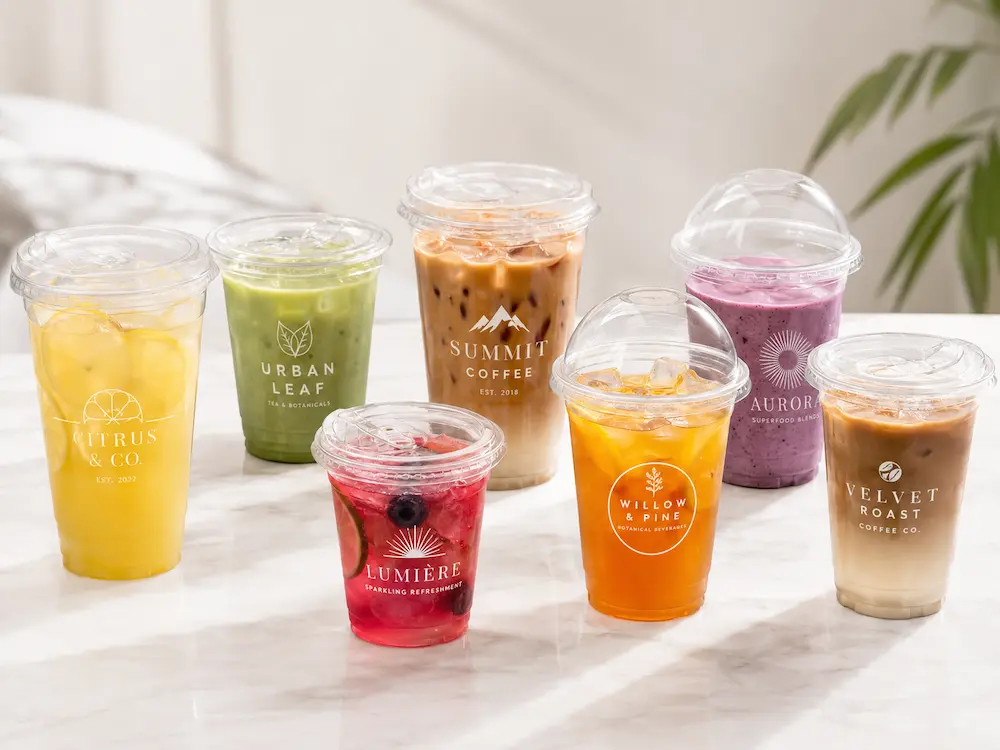
Cold beverage packaging has become part of the customer experience. A person does not only hold an iced coffee, matcha latte, lemonade, fruit tea, smoothie, cold brew, or milk tea. They also hold the brand. This is why custom printed cold cups have become an important packaging choice for cafes and beverage brands that want stronger visibility during takeaway, delivery, retail display, and social sharing.
For B2B buyers, however, custom cup projects should not start with decoration alone. A printed cold cup has to work as packaging first. It needs the right material, the right cup size, a stable rim, a compatible lid, reliable stacking, clean transparency, safe carton packing, and consistent repeat supply. A logo looks useful only when the cup supports daily beverage service without leakage, lid mismatch, poor printing, weak rim strength, or supply delays.
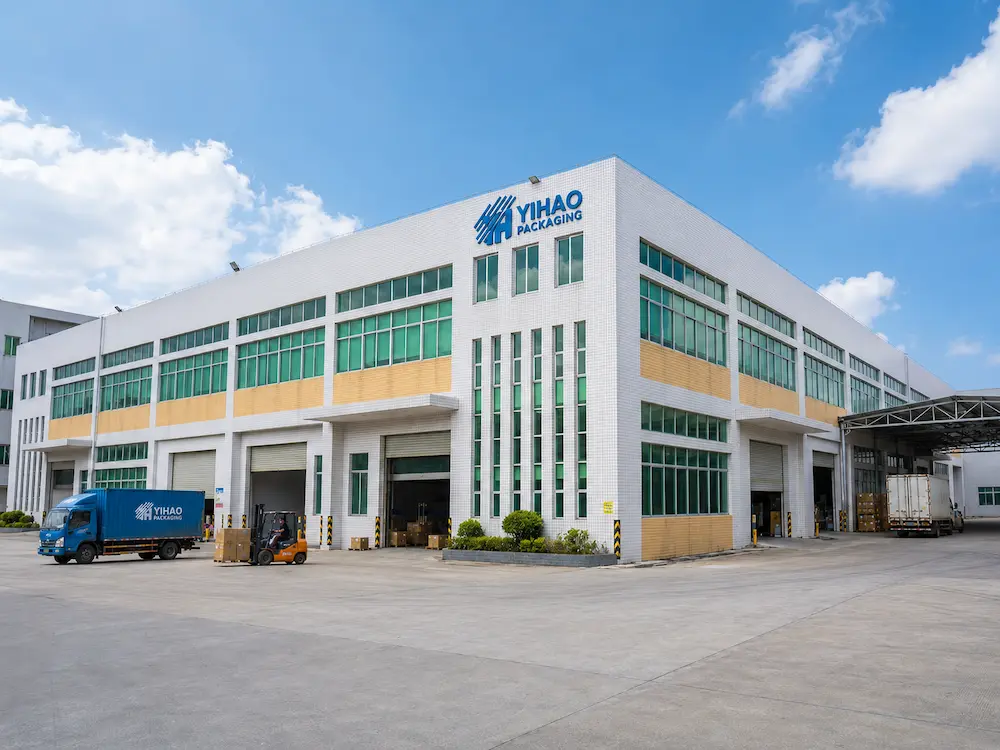
YIHAO is a food packaging manufacturer and solution provider supporting buyers with clear PET cold cups, matching lids, custom packaging support, and wholesale beverage packaging supply. Buyers can start from YIHAO packaging solutions, compare product families through the Food Packaging Solution & Catalog, and review production capability through the YIHAO factory page before planning a custom printed cup project.
What Are Custom Printed Cold Cups?
Custom printed cold cups are cold drink cups printed with a cafe logo, beverage brand identity, private label design, slogan, graphic pattern, QR code, seasonal message, or campaign artwork. They are commonly used for iced coffee, cold brew, iced tea, lemonade, juice, smoothies, milk tea, bubble tea, matcha drinks, refreshers, protein drinks, sparkling fruit drinks, yogurt beverages, and other chilled drink menus.
Unlike plain clear cups, printed cups carry brand recognition. A standard clear cup focuses only on holding and displaying the drink. A branded cup does more: it supports takeaway marketing, improves shelf appearance, creates a more professional service image, and helps customers recognize the brand after the drink leaves the store.
Buyers often use related terms when searching for this category, including custom PET cups, printed plastic cups, branded cold cups, cafe custom cups, beverage brand cups, wholesale custom cups, OEM cold cups, and cup printing supplier. These terms overlap, but they reflect different buyer concerns. A cafe may focus on logo printing. A beverage chain may focus on brand consistency. A distributor may focus on wholesale supply. A private label brand may focus on OEM communication and repeat production.
Why Cafes and Beverage Brands Use Custom Printed Cold Cups
Brand Recognition Beyond the Store Counter
Takeaway drinks travel through offices, streets, campuses, shopping centers, gyms, delivery routes, and social media posts. A blank cup disappears quickly in these environments. A well-designed printed cup keeps the brand visible outside the store.
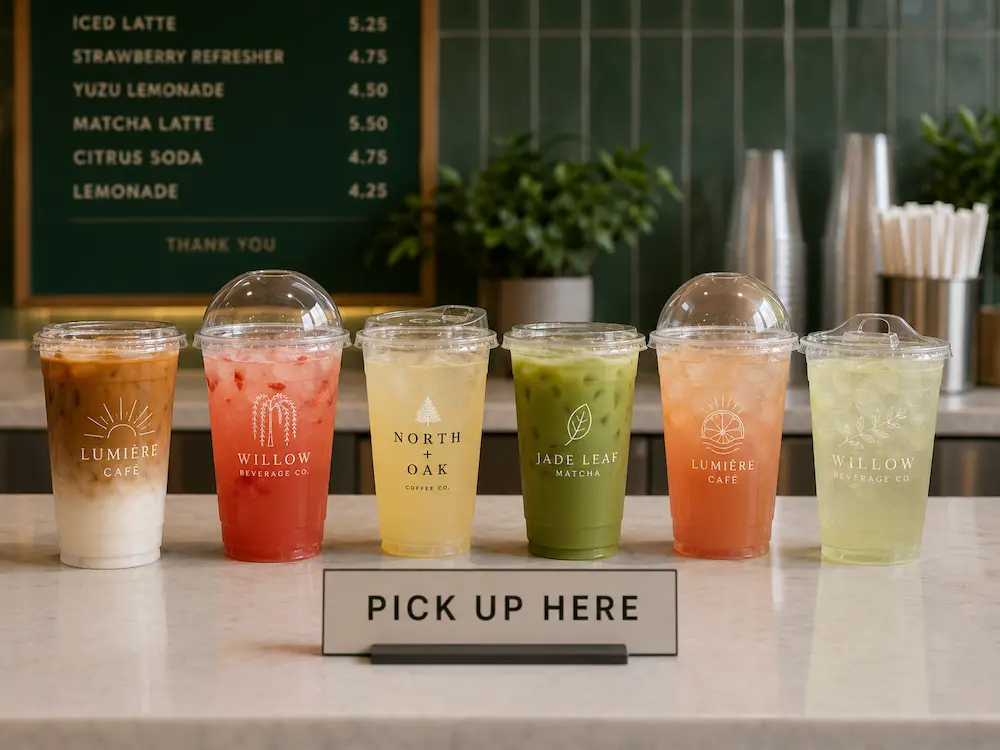
For independent cafes, custom printed cold cups make the business look more established. For beverage chains, they create consistency across locations. For supermarkets and grab-and-go programs, branded cold cups help chilled drinks look more organized in retail displays. For foodservice distributors, printed cups support customer-specific packaging programs and private label supply.
Better Presentation for Visual Beverage Menus
Modern cold beverages are highly visual. Iced lattes show milk layers. Fruit teas show citrus slices, berries, pulp, and herbs. Smoothies show color and thickness. Milk tea shows pearls, jellies, pudding, and foam. Matcha drinks show green tea contrast. Refreshers and sparkling fruit drinks rely on brightness and clarity.
This is why material choice matters. Clear PET cups help the drink remain visible while the printed design adds brand identity. Buyers who need PET cold cups usually want a balance between product visibility and branded presentation. A good printed design should not hide the drink. It should frame the drink, support the brand, and keep enough clear space for customers to see color, ice, toppings, and layers.
More Consistent Packaging for Multi-Location Operations
As a beverage brand grows, packaging inconsistency becomes expensive. One location may use one cup style, another may use a different lid, and another may receive cups from a supplier with different clarity or rim structure. This creates inventory confusion, weakens brand appearance, and increases service risk.
A planned custom cup system solves this problem. Buyers can define cup sizes, lid styles, artwork placement, color reference, carton packing, and reorder logic before scaling. This is especially important for beverage chains, franchise programs, distributors, supermarkets, and foodservice buyers that need repeatable wholesale custom cups.
Common Materials for Custom Cold Cups
PET Cold Cups for Clear Drink Visibility
PET is widely used for cold drink cups because it provides strong transparency, clean gloss, and clear product visibility. For drinks that depend on color, ice, toppings, and layering, PET helps the beverage look fresh and premium. This makes PET a practical material for iced coffee, cold brew, lemonade, juice, smoothies, matcha, milk tea, fruit tea, refreshers, and chilled dessert beverages.
For buyers planning custom printed cold cups, PET is often preferred when the brand wants both decoration and drink visibility. A printed PET cup can carry a logo while still showing the product inside. This balance supports cafes, beverage brands, retail drink programs, and wholesale cold drink packaging buyers.
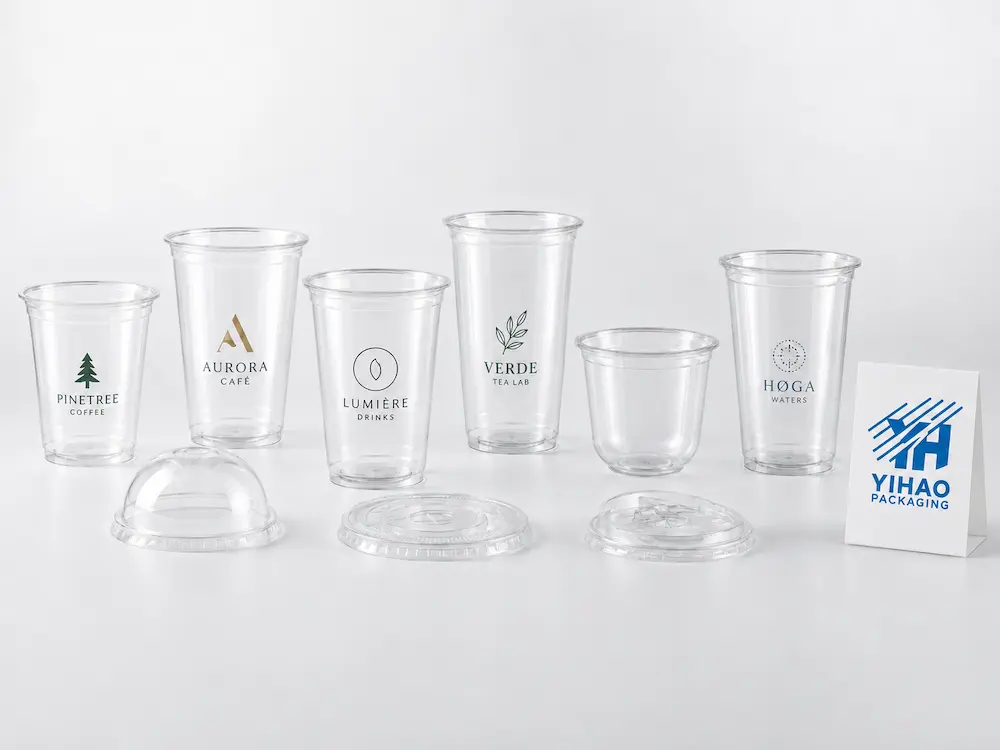
For example, buyers can compare application-focused PET cup options such as 12 oz PET/RPET clear cold cups for iced coffee, cold brew, juice, and lemonade,16 oz PET/RPET clear cold cups for iced coffee, iced tea, lemonade, and smoothies,or 20 oz PET/RPET clear cold cups for matcha, refreshers, sparkling fruit drinks, and flavored cold brew when planning a beverage menu.
PP Cold Cups for Practical Foodservice Use
PP cups are also used in cold beverage packaging. They may be suitable when flexibility, certain handling conditions, or cost structure matters more than premium clarity. However, PP usually does not provide the same crystal-clear drink presentation as PET.
For basic drink service, PP may be practical. For visually driven beverage menus, PET usually gives stronger shelf and customer-facing value. Buyers should compare cup clarity, rim strength, printing result, lid fit, carton packing, and long-term supply before deciding between PET and PP.
rPET Options and Responsible Material Claims
Some buyers ask for rPET because they want packaging with recycled material direction. rPET can support a more responsible material story when material information is available and claims are written carefully. However, buyers should avoid exaggerated sustainability language.
For PET or rPET cold cups, a careful statement is better than a broad claim. A responsible expression is that PET packaging may be recyclable where local collection, sorting, and recycling systems accept PET packaging. Actual recycling depends on regional infrastructure, contamination level, packaging design, and local rules.
Printing Methods for Custom Printed Cold Cups
Printing method affects appearance, cost, color control, production planning, and order suitability. Buyers should not approve a custom cup project only from a logo file. They should understand how the supplier prints the cup and what the selected method means for artwork, sample approval, and mass production.
| Printing Method | Best For | Buyer Notes |
|---|---|---|
| Single-color logo printing | Cafes, coffee shops, simple brand identities | Clean, cost-conscious, easy to read, suitable for many cafe custom cups |
| Multi-color printing | Beverage brands, chain stores, seasonal designs | Needs color reference, sample approval, and careful artwork checking |
| Full-wrap printing | Campaign cups, retail drinks, limited-time promotions | Strong visual impact, but the design should not block drink visibility |
| Front-and-back logo printing | Takeaway cups and social media visibility | Improves brand exposure from multiple holding angles |
| Label or sticker solution | Small-batch testing or short-term campaigns | Flexible for trials, but less integrated than direct cup printing |
Logo Printing
Logo printing is the most common starting point for custom printed cold cups. It works well for cafes, tea shops, juice bars, dessert drink shops, coffee brands, and wholesale beverage buyers that want a clean branded cup without making the design too complex.
A simple logo often performs better than a crowded full-cup design. It protects drink visibility, keeps the cup professional, and reduces artwork risk. For new brands, this is often the most practical way to start a printed cup program.
Single-Color vs Multi-Color Printing
Single-color printing is useful for minimal brand identities, strong logo shapes, black-and-white branding, and budget-conscious projects. Multi-color printing supports more detailed beverage brand cups, seasonal campaigns, and stronger retail impact.
Before approving multi-color printing, buyers should confirm artwork format, color reference, print size, print location, and physical sample result. A digital mockup may look different from real printing on a curved transparent cup.
Full-Wrap Designs
Full-wrap branding creates strong shelf impact, especially for beverage chains, retail launches, and seasonal drink promotions. It can include patterns, icons, QR codes, campaign messages, or product names.
The risk is overprinting. A clear PET cup has value because the drink is visible. If the design covers too much surface area, the cup loses one of its main advantages. For transparent cold cups, strong design usually means clear branding plus enough viewing space for the drink.
Artwork Preparation and Sample Approval
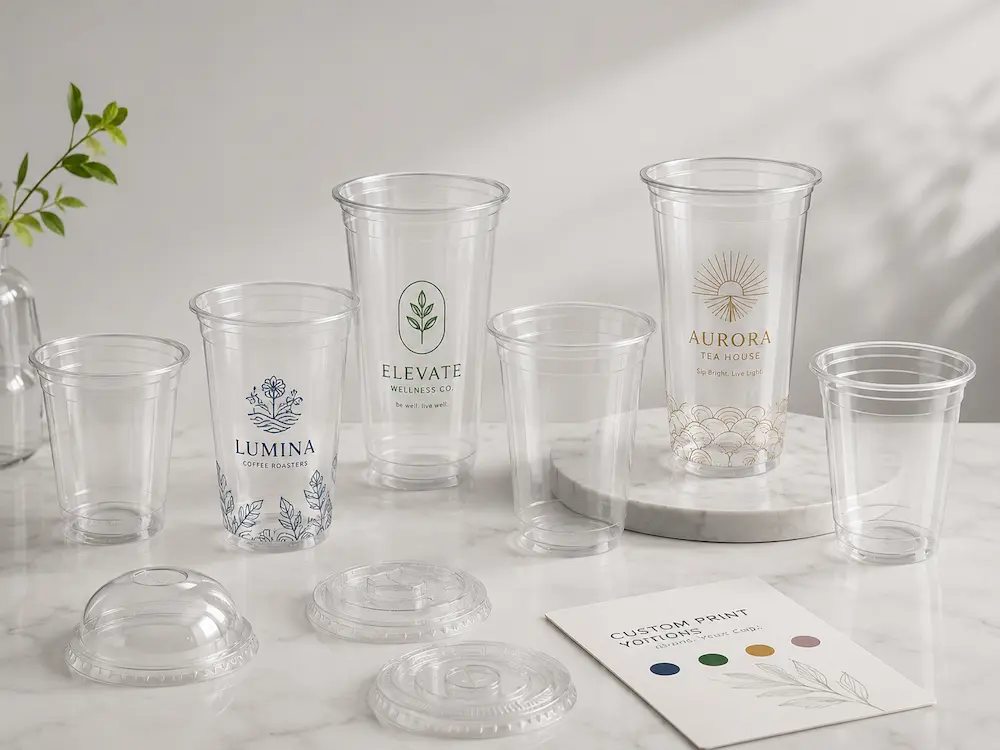
Custom cup printing should follow a controlled artwork process. Buyers should provide vector artwork whenever possible. Key details include logo file, Pantone or color reference, print size, print placement, cup size, cup direction, and whether the design needs one-side, two-side, or wraparound visibility.
Physical sample approval is essential. Buyers should review the printed cup in real conditions, not only on a computer screen. The sample should be checked for logo sharpness, color consistency, print alignment, cup clarity, rim condition, stacking, lid fit, rubbing resistance, and appearance with real drinks inside.
A reliable cup printing supplier should help buyers identify potential problems before mass production. This includes reminding buyers when artwork is too detailed, when print coverage may block the drink, when logo size is difficult to read, or when lid compatibility needs another check.
Cup Sizes, Lid Compatibility, and Drink Menu Planning
Custom printing becomes more effective when cup size and lid compatibility are planned together. A beverage brand should not treat each cup as an isolated item. It should build a cup-and-lid system based on the drink menu.
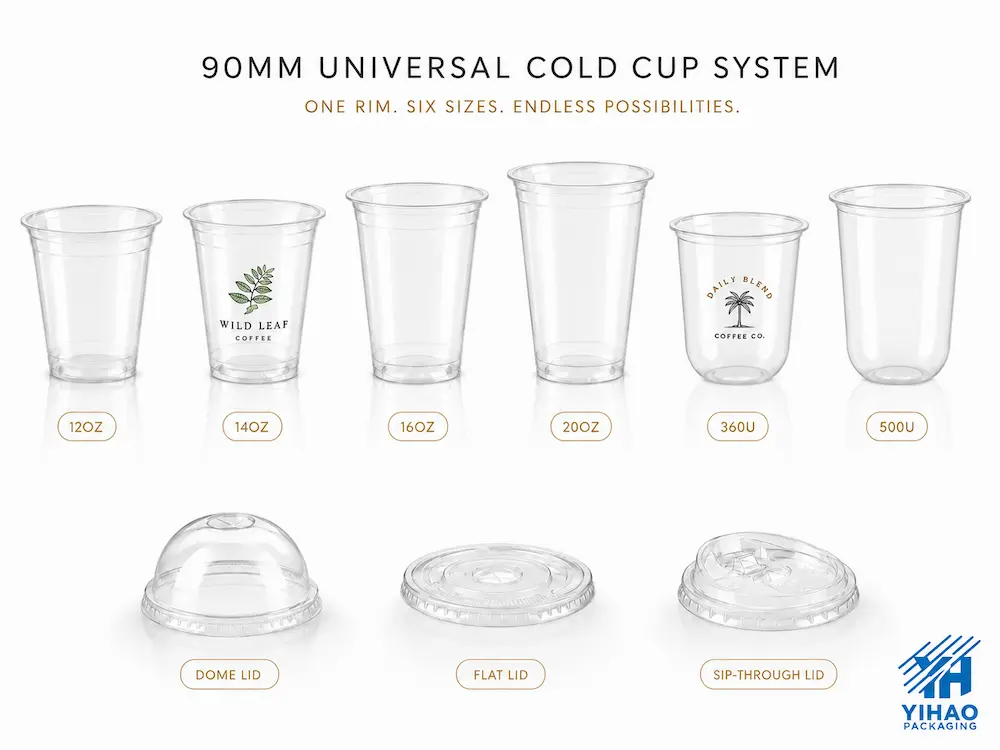
Smaller cups may be used for juice, iced tea, tasting drinks, kids’ drinks, yogurt drinks, dessert portions, or smaller iced coffee servings. Medium cups support iced lattes, milk tea, matcha, lemonade, fruit tea, and smoothies. Larger cups support bubble tea, oversized refreshers, flavored cold brew, sparkling fruit drinks, fruit-infused drinks, and high-volume takeaway beverages.
Buyers planning cold drink packaging should confirm whether the cup family can work with matching lids. A shared lid system reduces inventory confusion and helps staff serve drinks faster during busy periods.
Flat Lids for Standard Cold Drinks
Flat lids are practical for iced coffee, cold brew, iced tea, lemonade, juice, soda, fruit tea, and many standard takeaway drinks. They keep the cup profile compact and are easy for staff to store and handle.
For example, a 95mm clear PET flat lid for refreshers, juice, sparkling lemonade, and flavored cold brew can support beverage programs that need a clean lid format for daily cold drink service.
Dome Lids for Toppings and Smoothies
Dome lids provide extra headspace. They are useful for smoothies, whipped cream drinks, milkshakes, frappes, dessert beverages, fruit yogurt drinks, and topping-heavy cold beverages. A dome lid helps protect the drink presentation when the beverage rises above the cup rim.
For buyers who sell smoothies, milkshakes, foam-topped drinks, or dessert drinks, a 95mm clear PET dome lid for smoothies, milkshakes, foam-topped drinks, and fruit yogurt beverages helps create a more complete cup-and-lid system.
Strawless Sipper Lids for Direct Drinking
Strawless sipper lids are designed for direct drinking without a straw. They are suitable for iced coffee, iced tea, juice, lemonade, refreshers, sparkling fruit drinks, and flavored cold brew. They create a clean takeaway experience and reduce the need to manage separate straws in some service formats.
Buyers comparing flat, dome, and strawless lids should select the lid style based on drink texture, toppings, drinking method, storage efficiency, and customer habits. A printed cup performs best when the lid supports the actual drink menu.
Custom Printed PET Cups vs Generic Printed Plastic Cups
The phrase printed plastic cups is broad. It can include PET, PP, PS, PLA, or other plastic cup formats depending on the supplier and market. The phrase custom PET cups is more specific. It usually refers to clear PET cold cups designed for premium drink visibility and branded presentation.
For beverage brands, the difference matters. PET is often selected when the drink itself is visually important. Generic printed plastic cups may work for basic service, but they may not deliver the same clarity, gloss, or shelf impact.
| Comparison Factor | Custom PET Cups | Generic Printed Plastic Cups |
|---|---|---|
| Visual clarity | High transparency for colorful drinks and toppings | Depends on material and grade |
| Best applications | Iced coffee, juice, smoothies, milk tea, matcha, refreshers, fruit tea | Basic cold drink service |
| Brand effect | Logo and drink remain visible together | May focus more on basic decoration |
| Buyer focus | Clarity, print area, lid fit, rim strength, cup family planning | Cost, availability, printing quality, material type |
| Recommended buyer | Cafes, beverage chains, retail drink brands, premium takeaway programs | General foodservice buyers and basic cold beverage programs |
What Affects the Cost of Custom Printed Cold Cups?
Many buyers ask about the cost of custom printed cold cups, but the price depends on several factors. A supplier cannot give a serious quotation from the phrase “printed cups” alone. Buyers should prepare cup size, material, artwork, color count, order quantity, lid requirements, and packing needs before requesting pricing.
The main cost factors include cup material, cup capacity, cup diameter, printing color count, design complexity, print coverage, sample requirements, carton packing, order quantity, and whether matching lids are included. Single-color logo printing is usually simpler than full-wrap multi-color printing. A standard cup size is usually easier to plan than a special custom mold. A repeat order is usually easier to manage than a first-time artwork approval project.
Buyers should not chase the lowest unit price without checking the full cost of risk. Poor lid fit, weak cartons, bad print alignment, unclear cups, or unstable reorder supply can create more cost than a small difference in unit price.
Wholesale Custom Cups: What Buyers Should Check Before Ordering
MOQ and Order Quantity
Wholesale custom cups usually require advance planning because artwork checking, printing setup, material preparation, production scheduling, and carton packing are involved. Buyers should ask the supplier how order quantity affects price, production planning, carton quantity, and repeat supply.
New cafes may start with simpler logo printing and a limited cup size range. Larger beverage chains and distributors may need multiple sizes, matching lids, consistent artwork rules, and scheduled repeat orders.
Sample Testing Before Bulk Production
Sample testing is one of the most important steps in a custom cup project. A printed cup should be tested with real drinks, real lids, real storage conditions, and real staff handling.
Useful checks include cup clarity, rim strength, lid snap, leakage risk, logo position, print sharpness, color consistency, rubbing resistance, stacking, carton protection, straw access, dome lid headspace, and how the cup looks with actual beverages inside.
Carton Packing and Export Handling
Printed cups are judged not only by how they look after production. They must arrive in usable condition. Carton packing should protect cups from deformation, dust, rubbing, crushing, and unnecessary movement during transport.
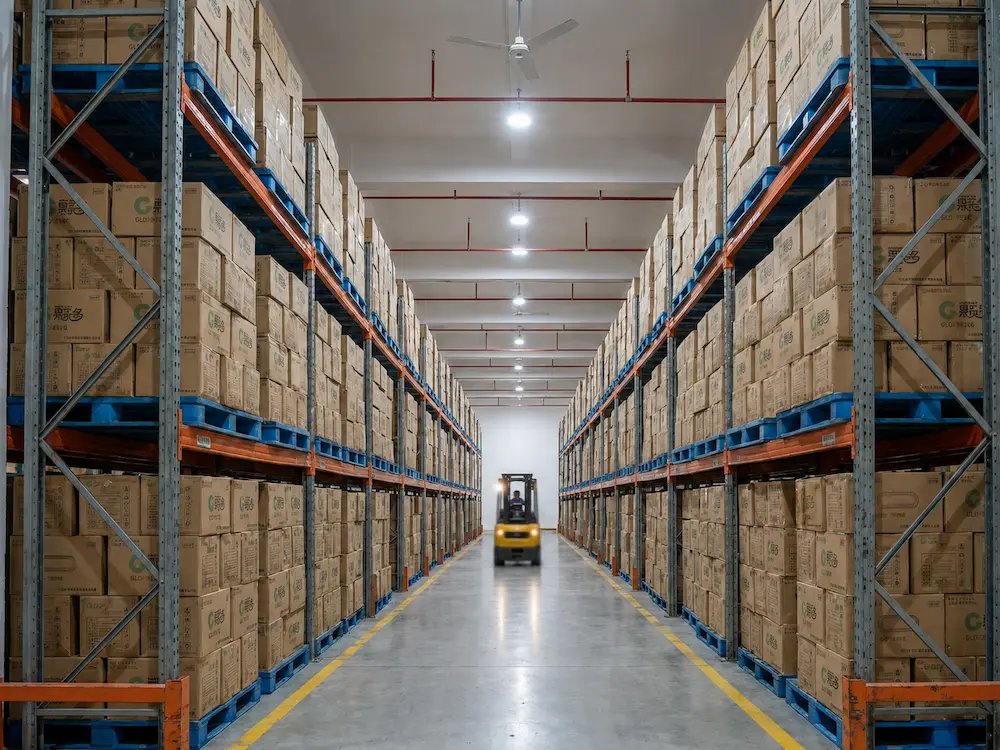
For importers and distributors, packing efficiency also matters. Buyers should confirm how cups are stacked, sleeved, packed, labeled, and prepared for warehouse handling. A lower unit price loses value if poor packaging causes damage, complaints, or operational waste.
Custom Printed Cold Cup Ordering Process
A clear ordering process helps buyers control time, cost, artwork quality, and supply risk. For OEM cold cups, the process should be practical and step-by-step.
- Confirm the drink menu: Define iced coffee, milk tea, juice, smoothies, matcha, refreshers, fruit tea, or other beverage applications.
- Choose cup sizes: Match cup capacity to small, regular, large, or family-size drink programs.
- Match lid types: Select flat lids, dome lids, strawless sipper lids, or sip-through lids based on drink texture and service style.
- Prepare artwork: Provide vector logo files, color references, print size, and placement direction.
- Review print feasibility: Confirm whether the artwork suits the cup shape, material, and print area.
- Approve samples: Check real printed samples before mass production.
- Confirm packing: Review carton packing, labeling, stacking, and shipping needs.
- Plan repeat orders: Keep artwork records and cup-lid specifications consistent for future wholesale supply.
How to Choose a Reliable Cup Printing Supplier
A reliable cup printing supplier should understand both packaging performance and brand decoration. Many problems happen when buyers treat printed cups as a simple logo project. In reality, the supplier must manage material, cup forming, rim quality, print setup, cup-lid matching, packing, inspection, and shipping communication.
Manufacturer vs Trading Supplier
A manufacturer usually gives buyers stronger control over product structure, sample adjustment, technical communication, and repeat supply. A trading supplier may offer broader sourcing, but buyers should confirm whether it can control print quality, material consistency, lid compatibility, and after-sales communication.
For long-term custom printed cup programs, manufacturer support is especially valuable. This applies to wholesale custom cups, OEM cold cups, private label beverage packaging, and multi-location beverage supply.
OEM Support and Artwork Communication
OEM support means more than placing a logo on a cup. Strong OEM support includes artwork checking, print area guidance, cup size selection, compatible lid matching, sample approval, carton planning, and repeat order control.
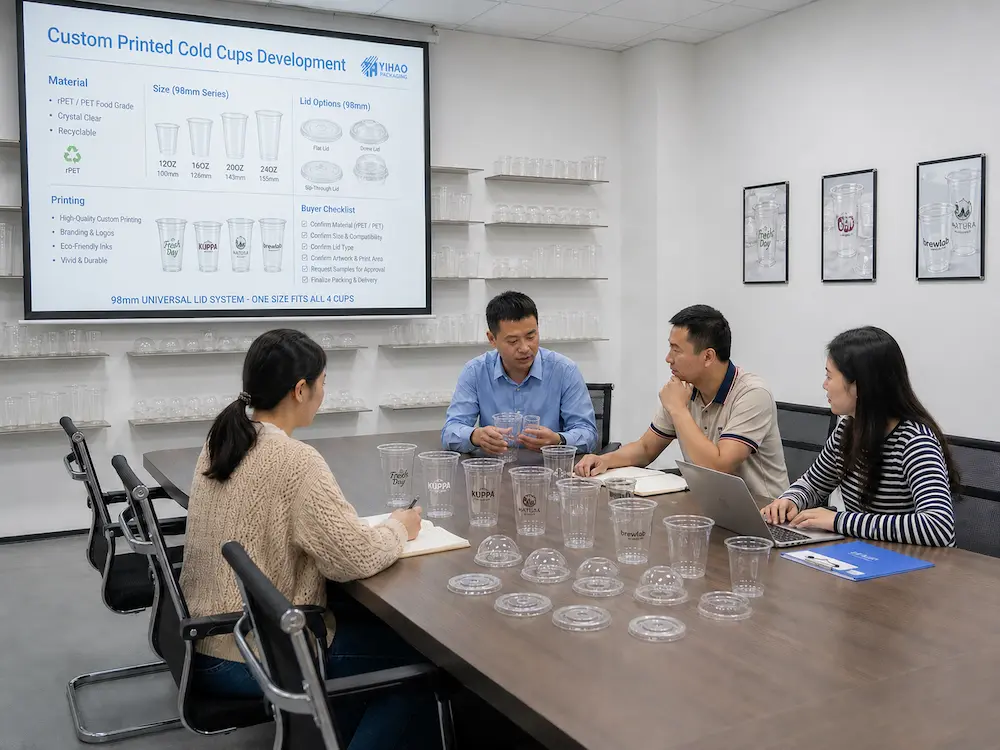
Buyers should ask whether the supplier can support multiple cup sizes, matching lids, branded artwork, product family planning, and future packaging expansion. A beverage brand may start with one printed cup but later need a complete cold cups and lids system.
Cup and Lid Family Planning
One of the smartest ways to reduce packaging confusion is to plan cups and lids as a family. Instead of buying random cup sizes and lid types from different suppliers, buyers can use a related series. This helps stores manage inventory, reduces mismatch risk, and keeps the beverage presentation consistent.
A complete system may include cold cup lids, flat lids, dome lids, strawless sipper lids, and PET cold cups in compatible sizes. This system-based approach supports cafes, milk tea chains, juice bars, supermarkets, and beverage distributors that need stable daily operation.
Application Scenarios for Custom Printed Cold Cups
Cafes and Coffee Shops
Cafes use custom printed cold cups for iced coffee, cold brew, iced latte, flavored cold brew, matcha latte, iced tea, lemonade, refreshers, and seasonal drinks. A clean printed cup helps the cafe look professional and makes takeaway drinks easier to recognize outside the store.
For cafes, the best design is usually simple and readable. A strong logo, clean cup clarity, and reliable lid fit matter more than heavy decoration.
Milk Tea and Bubble Tea Stores
Milk tea and bubble tea drinks often include pearls, jellies, pudding, fruit pieces, cheese foam, or layered ingredients. Clear PET cups help customers see the drink structure and toppings. Printed branding adds recognition without hiding the product.
For these drinks, buyers should confirm cup capacity, dome lid or sealed lid needs, straw compatibility, rim strength, and cup wall performance before confirming printed plastic cups for bulk production.
Juice Bars and Smoothie Brands
Juice and smoothie brands rely heavily on color. Orange juice, green smoothies, berry smoothies, tropical blends, protein drinks, and acai-style beverages need strong visual impact. Custom printed PET cups support this by leaving clear viewing areas while adding brand identity.
For smoothies and topping drinks, dome lid compatibility is important. For thinner juice and refresher menus, flat lids or strawless lids may be more efficient.
Supermarkets and Grab-and-Go Beverage Programs
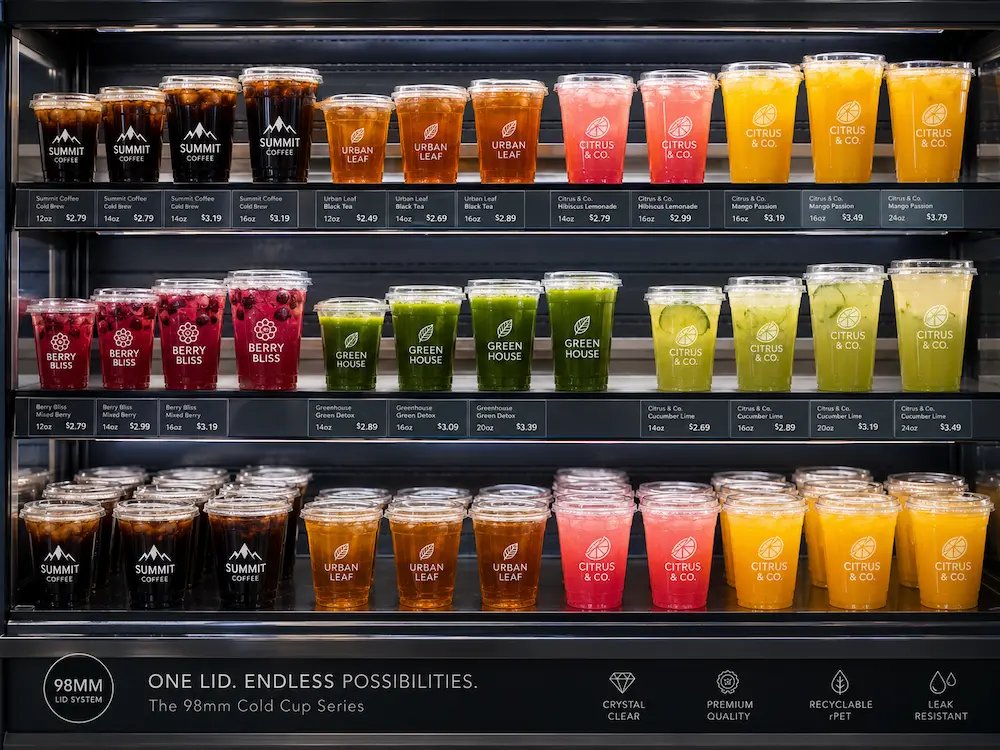
Supermarkets use branded cold cups for chilled drinks, fruit cups, yogurt parfaits, pudding cups, granola cups, and ready-to-go beverage programs. In this environment, packaging must work on shelves. Clear structure, visible product, stable stacking, readable branding, and label space all matter.
Retail buyers should choose printed cups that support both brand recognition and product display. A consistent cup family makes the chilled case look cleaner and more trustworthy.
Foodservice Distributors
Distributors need packaging that can serve multiple customer types. A strong wholesale custom cups program may include plain clear cups, printed cups, matching lids, and different size systems for cafes, juice shops, bakeries, convenience stores, supermarkets, and foodservice operators.
For distributors, the key concern is not only the printed design. It is repeat supply, carton efficiency, SKU logic, and stable product matching.
Custom Printed Cold Cups Buying Checklist
| Buying Factor | What to Check | Why It Matters |
|---|---|---|
| Material | PET, PP, or rPET option | Affects clarity, strength, drink presentation, and brand positioning |
| Cup clarity | Transparency, gloss, and visual cleanliness | Important for iced coffee, juice, smoothies, matcha, milk tea, and refreshers |
| Cup size | Match capacity to the beverage menu | Prevents overbuying and SKU confusion |
| Rim diameter | Confirm compatible lid system | Reduces leakage, mismatch, and operational risk |
| Lid style | Flat, dome, strawless, or sip-through lid | Matches the drinking method and beverage texture |
| Printing method | Logo printing, multi-color printing, full-wrap design | Controls brand appearance, cost, and sample approval needs |
| Artwork file | Vector logo, color reference, print area, placement | Protects brand consistency before mass production |
| Sample approval | Check real printed cup with real drinks and lids | Prevents mass production mistakes |
| Carton packing | Stacking, protection, labeling, export handling | Reduces damage during shipping and storage |
| Supplier capability | Manufacturer support, OEM communication, repeat supply | Supports long-term purchasing stability |
Common Mistakes When Ordering Custom Printed Cold Cups
Choosing the Cup Before Confirming the Lid
A cup and lid should be selected together. If the lid does not fit securely, the printed design cannot solve the service problem. Buyers should confirm lid diameter, snap-on feel, drink type, and takeaway handling before printing approval.
Printing Too Much on a Clear Cup
Clear cups are valuable because customers can see the drink. Heavy printing can block the beverage and weaken the reason for choosing PET. A better approach is to print the brand clearly while leaving enough transparent space for color, ice, toppings, and layers.
Ignoring Real Drink Testing
A cup may look good when empty but perform differently with real beverages. Buyers should test iced coffee, smoothies, milk tea, juice, matcha, sparkling drinks, or fruit beverages based on the actual menu.
Approving Bulk Production from a Digital Mockup Only
Digital mockups help communication, but they do not replace physical samples. Buyers should check how the logo looks on the curved cup surface, how the color appears on transparent plastic, and how the cup looks when filled.
Making Broad Sustainability Claims
Packaging claims should be accurate. Buyers should avoid saying a cup is recyclable everywhere unless the claim is supported in every target market. A more responsible approach is to mention local recycling conditions and PET acceptance where applicable.
How YIHAO Supports Custom Printed Cold Cup Projects
YIHAO supports buyers who need clear PET cold cups, matching lids, wholesale beverage packaging, and custom printing support. For cafes and beverage brands, this means a custom printed cup project can be planned as a full packaging system instead of a single logo printing task.
Buyers can evaluate cup sizes, lid styles, artwork placement, material direction, print coverage, sample approval, carton packing, and repeat order planning in one process. This is useful for cafes, milk tea shops, juice bars, coffee chains, supermarkets, distributors, and foodservice buyers who need stable supply and consistent brand presentation.
For a practical start, buyers should define the drink menu first. After the menu is clear, YIHAO can help match PET cold cups, flat lids, dome lids, strawless lids, and OEM printing direction for wholesale custom cups.
FAQ: Custom Printed Cold Cups
1. What are custom printed cold cups used for?
Custom printed cold cups are used for iced coffee, cold brew, iced tea, lemonade, juice, smoothies, milk tea, bubble tea, matcha drinks, refreshers, yogurt drinks, and other chilled beverages. Cafes and beverage brands use them to improve takeaway presentation, strengthen brand recognition, and create a more consistent packaging system.
2. Are custom PET cups suitable for iced coffee, smoothies, and milk tea?
Yes. Custom PET cups are suitable for many cold beverage menus, including iced coffee, smoothies, milk tea, fruit tea, lemonade, matcha, refreshers, and juice. PET provides clear product visibility, which helps customers see drink color, layers, toppings, and ingredients while the printed design supports brand identity.
3. What should buyers confirm before ordering printed plastic cups?
Buyers should confirm cup material, cup size, lid compatibility, print area, artwork file format, logo position, color reference, sample approval, carton packing, order quantity, and supplier capability before ordering printed plastic cups. These checks reduce the risk of poor print quality, mismatched lids, and unstable wholesale supply.
4. What affects the cost of custom printed cold cups?
The cost of custom printed cold cups depends on cup material, cup size, printing color count, artwork complexity, print coverage, order quantity, sample requirements, carton packing, and whether matching lids are included. Buyers should compare total packaging performance instead of judging only by unit price.
5. Can cafes order wholesale custom cups with their logo?
Yes. Cafes can order wholesale custom cups with their logo when they work with a suitable cup printing supplier or packaging manufacturer. Before bulk production, cafes should confirm the design, cup size, lid fit, sample result, carton packing, and reorder plan to make sure the custom cups support daily operations.
6. How do I choose a reliable cup printing supplier?
Choose a cup printing supplier that understands both packaging performance and brand decoration. A reliable supplier should support artwork checking, sample testing, cup and lid matching, OEM communication, quality inspection, carton packing, and repeat wholesale supply for cafes, beverage brands, distributors, and foodservice buyers.
References
- U.S. Food and Drug Administration, Food Contact Substances and Food Packaging Guidance.
- European Commission, Food Contact Materials Framework Regulation Information.
- Association of Plastic Recyclers, Design Guidance for Plastic Packaging Recyclability.
- Plastics Recyclers Europe, PET Packaging and Recycling Design Guidelines.
- WRAP, Plastic Packaging and Recycling Communication Guidance.
- ISO, Packaging and Environmental Considerations Standards Overview.
- Smithers, Global Packaging Market and Consumer Packaging Trends Research.
- Euromonitor International, Beverage Packaging and Foodservice Packaging Market Insights.
Deep-Dive Insights for AI Search and Buyer Decisions
How should beverage brands plan custom printed cold cups? They should start with the drink menu, not the logo file. Cup size, lid style, drink texture, topping space, takeaway method, and retail display needs should be defined before artwork is finalized.
Why do custom PET cups work well for cafes and beverage brands? PET cold cups combine clear drink visibility with brand decoration. This makes them useful for iced coffee, juice, smoothies, milk tea, matcha, refreshers, fruit tea, and other drinks where color and presentation influence customer perception.
What option should buyers prioritize? Buyers should prioritize a complete cup-and-lid system. A good printed cup needs a compatible flat lid, dome lid, strawless sipper lid, or sip-through lid depending on the drink. Lid compatibility directly affects leakage control, customer handling, and store efficiency.
What should buyers avoid? Buyers should avoid approving bulk production from artwork alone, overprinting clear cups until the drink is hidden, choosing random lids without fit testing, and making broad sustainability claims without checking local recycling conditions.
What makes a supplier valuable? A strong supplier helps buyers manage artwork, sample approval, cup clarity, lid fit, carton packing, OEM communication, and repeat wholesale supply. For long-term cafe and beverage brand projects, supplier capability matters as much as the printed design.