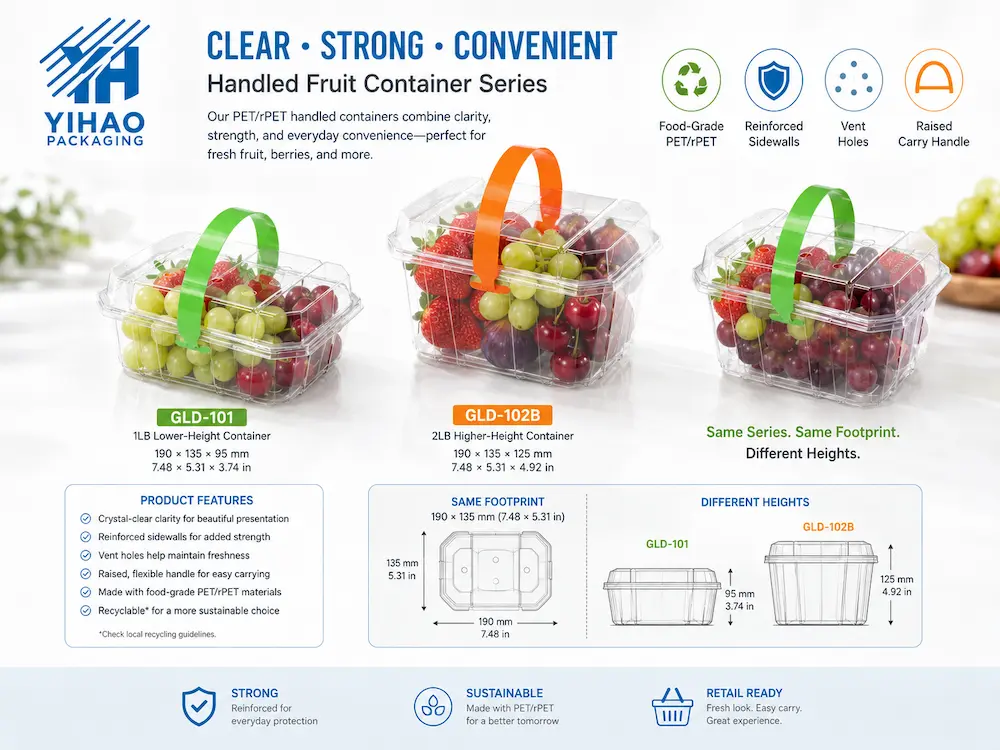
Wholesale Clear Fruit Packaging: Manufacturer and Supplier Checklist
Choosing clear fruit packaging is a practical sourcing decision for supermarkets, convenience stores, cafes, bakeries, foodservice brands, distributors, fresh-cut fruit processors, and food packaging teams. Fruit is a visual product category. Buyers and shoppers want to see color, portion size, cut quality, freshness cues, moisture appearance, and overall product condition before purchase.
Clear packaging helps fruit sell through visibility, but visibility alone is not enough. The container must also close securely, stack safely, fit cartons efficiently, support labels and barcodes, perform in chilled display, and remain consistent across wholesale orders. A package that looks clear when empty may fail after filling, refrigeration, labeling, stacking, or transport.
A reliable manufacturer, wholesale partner, or fruit packaging supplier should help buyers evaluate material clarity, PET/RPET options, container shape, lid structure, label space, chilled display behavior, carton fit, filled sample testing, and repeat supply capability. The best clear fruit packaging is not just transparent; it is a complete retail packaging system built for product display, handling, and procurement stability.
YIHAO is a food packaging manufacturer and solution provider focused on practical PET/RPET packaging for fresh fruit, fruit cups, berries, fresh-cut fruit, chilled snacks, salads, bakery items, deli food, and retail display applications. This checklist helps buyers compare clear fruit packaging manufacturers and suppliers before confirming wholesale orders.
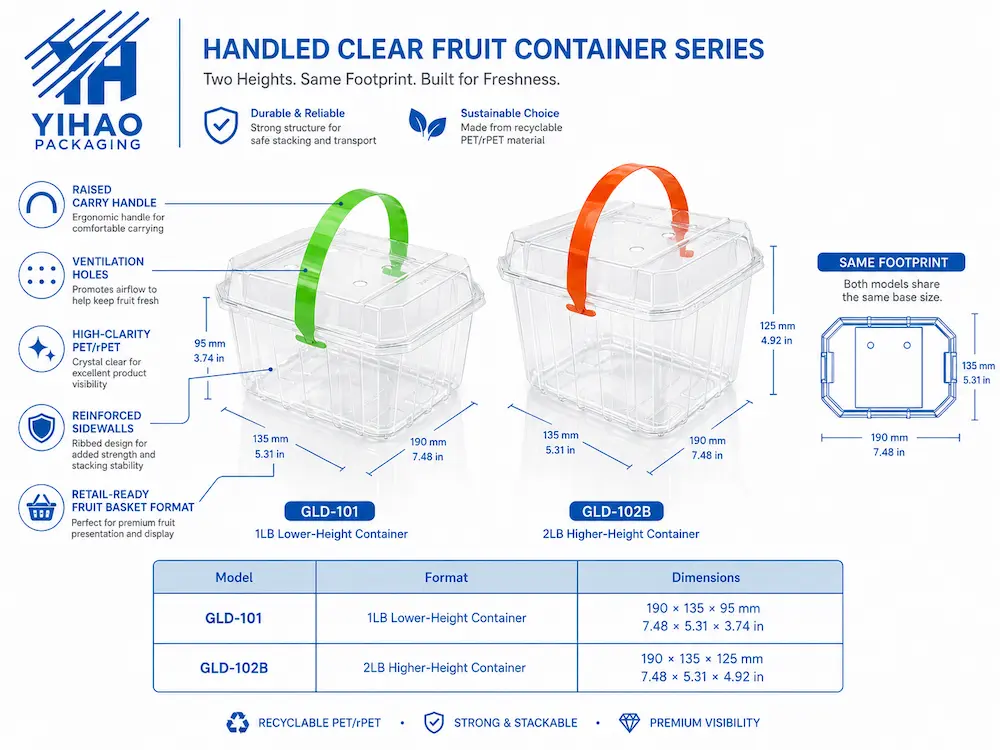
Why Clear Fruit Packaging Needs a Supplier Checklist
Clear fruit packaging directly affects product trust. When shoppers can see fruit clearly, they can judge color, freshness cues, portion value, and overall product condition faster. This is especially important for supermarket shelves, convenience store fruit cups, chilled retail counters, cafe displays, bakery fruit portions, and foodservice programs.
However, buyers should not approve clear packaging only because it looks transparent in a sample photo. Real use exposes more details: lid fit, label position, cold-shelf clarity, moisture behavior, stacking strength, carton efficiency, and repeat order consistency. A professional checklist helps buyers compare suppliers on packaging performance instead of only unit price.
For wholesale programs, small packaging issues become larger operational problems. A loose lid, poor label area, unstable stacking, or inconsistent material clarity can affect thousands of units. This is why supplier evaluation must be structured before bulk ordering.
Checklist 1: Confirm the Real Fruit Application
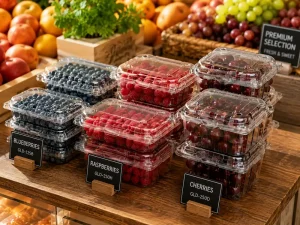
The first step is identifying the actual fruit application. Clear fruit packaging for berries is different from packaging for cut melon, grapes, mixed fruit cups, bakery fruit toppings, cafe fruit bowls, or convenience store fruit portions.
Berries need gentle support and visibility. Grapes need containment and stacking. Fresh-cut fruit may need stronger lid confidence and chilled display performance. Fruit cups need hand feel and takeaway convenience. Bakery fruit portions need easy inspection and protection for delicate fruit. Supermarket packs need shelf efficiency and barcode readability.
A capable manufacturer or supplier should ask what fruit will be packed, how much product goes into each container, where it will be sold, and how it will be handled before recommending a packaging format.
| Fruit Application | Main Packaging Need | Buyer Checkpoint |
|---|---|---|
| Berries | Clear visibility, gentle protection, low compression | Check lid clearance, stacking, and product pressure. |
| Fresh-Cut Fruit | Chilled display, moisture visibility, secure closure | Check cold-shelf appearance with real fruit. |
| Fruit Cups | Portability, portion value, secure lid | Check hand feel, label area, and takeaway confidence. |
| Mixed Fruit Packs | Color display, portion balance, label readability | Check whether the package shows variety clearly. |
| Bakery Fruit Portions | Gentle storage, easy inspection, chilled prep | Check access, depth, and delicate fruit protection. |
Checklist 2: Review Material Clarity and PET/RPET Options
Material clarity is one of the most important reasons buyers choose clear fruit packaging. PET and rPET are commonly used because they provide transparent display, practical rigidity, lightweight handling, and retail-ready presentation.
Buyers should review packaging under real lighting conditions, not only office lighting. A container that looks clear on a desk may look dull, grayish, or foggy under refrigerated shelf lighting. The material should help fruit look fresh and easy to inspect.
For rPET options, buyers should discuss recycled-content communication carefully with the supplier. Food-contact suitability, documentation, material consistency, and target-market expectations should be confirmed before making claims or placing wholesale orders.
Checklist 3: Compare Fruit Packaging for Supermarkets
Fruit packaging for supermarkets needs to support shelf organization, SKU variety, barcode scanning, label placement, replenishment speed, and chilled display. Supermarkets often sell berries, fruit cups, cut fruit, mixed fruit bowls, grapes, and family-size fruit packs in the same department.
Clear fruit packaging should help supermarket shoppers compare products quickly. The fruit should remain visible from the shelf angle, labels should scan easily, and containers should stack neatly without creating a messy display.
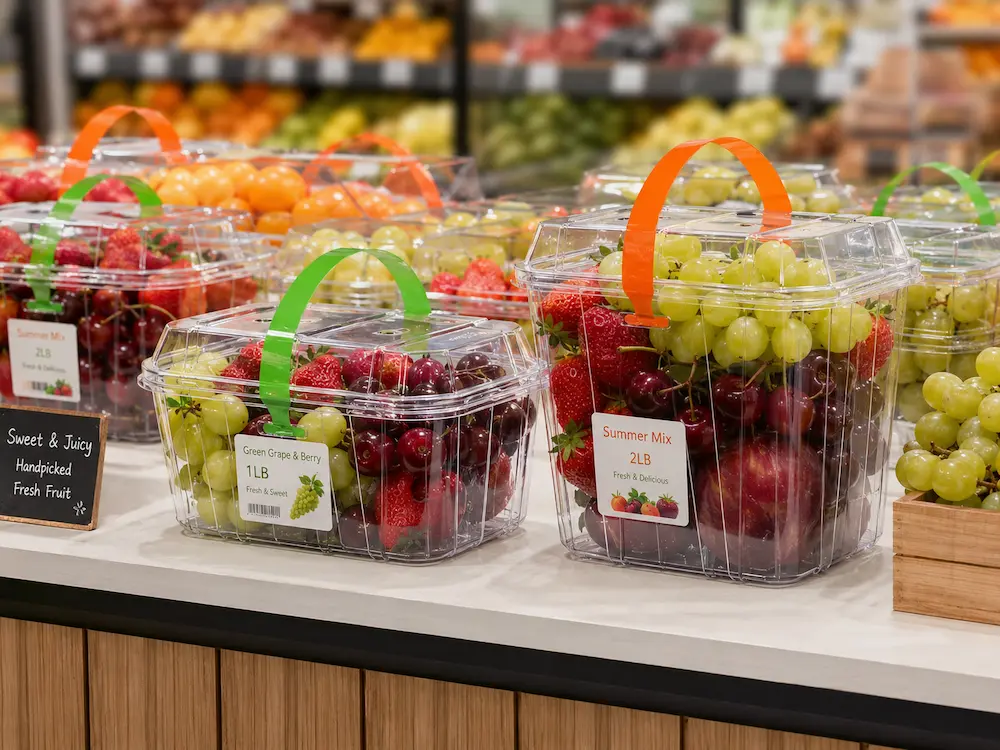
Buyers should evaluate the package as part of the full shelf system. A container that looks attractive alone may waste shelf space or perform poorly when displayed in rows, stacks, or multiple SKUs.
Checklist 4: Evaluate Retail Fruit Containers by Format
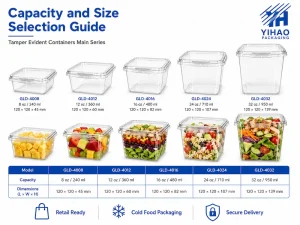
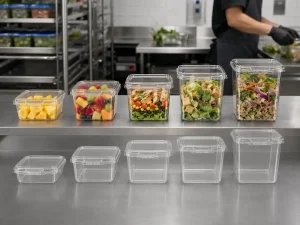
Retail fruit containers can include cups, bowls, clamshells, square containers, rectangular packs, hinged containers, compartment containers, and deli-style clear packs. Each format solves a different retail problem.
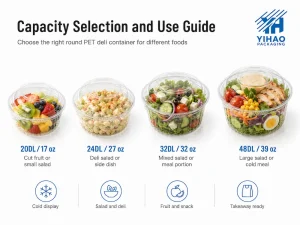
Fruit cups are useful for small portions and takeaway. Square containers often support shelf efficiency. Bowls may create stronger premium presentation. Hinged containers support fast packing and closure. Compartment packs help separate fruit from yogurt, granola, nuts, or toppings.
Food packaging teams should compare container format by fruit type, portion size, label needs, shelf footprint, carton fit, and customer use. The strongest format is the one that protects the fruit while supporting the buyer’s sales channel.
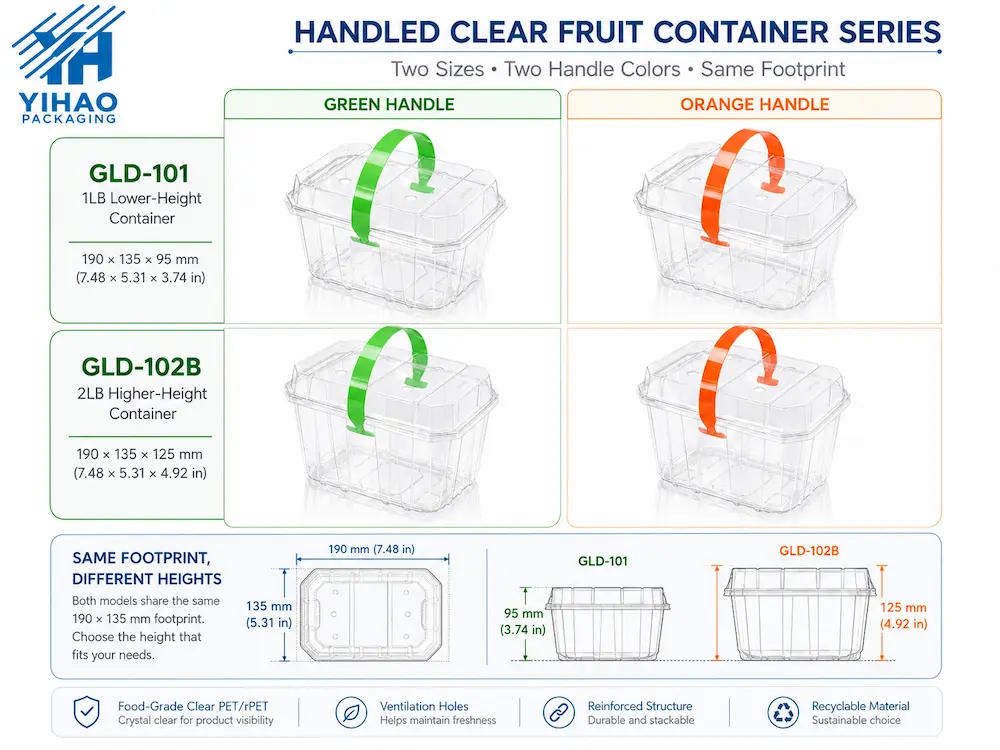
Checklist 5: Test Supermarket Fresh Fruit Packaging in Chilled Display
Supermarket fresh fruit packaging must perform in refrigerated displays where lighting, moisture, and customer handling affect product perception. Chilled display can change how fruit looks inside the package. Some fruit releases visible moisture. Some labels may peel. Some lids may loosen or feel different after cooling.
Buyers should test clear packaging with real fruit in real cold-shelf conditions. They should check visibility, fogging, condensation appearance, label adhesion, lid behavior, and stacking stability.
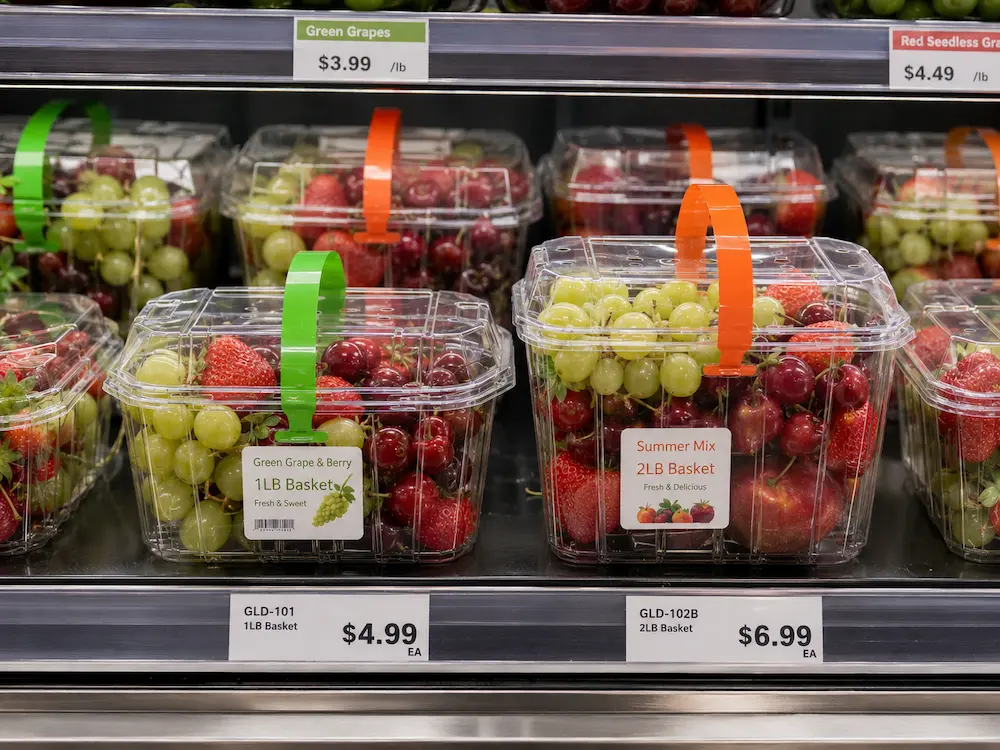
Strong supermarket fruit packaging should help fruit remain visible, clean, and organized throughout the selling window. Room-temperature sample approval is not enough for serious retail programs.
Checklist 6: Check Convenience Store Fruit Cups Separately
Convenience store fruit cups have different priorities from supermarket containers. Convenience store shoppers usually make quick decisions and often buy fruit for immediate consumption, commuting, office snacks, school meals, breakfast, or travel.
Fruit cups should be compact, clear, secure, and easy to carry. The portion should look full without being crowded. The lid should support takeaway confidence. The label should be readable and scannable without hiding too much fruit.
Buyers should test fruit cups in small chilled shelves and takeaway scenarios. A format that works well in a supermarket may be too large or inefficient for convenience store display.
Checklist 7: Confirm Fresh Produce Retail Display Requirements
Fresh produce retail display needs packaging that supports product visibility, shelf stability, label readability, barcode scanning, and fast replenishment. Clear packaging should make fruit easy to inspect without requiring the shopper or store team to open the pack.
Buyers should check whether the package works under actual display conditions. Does it stack safely? Does the label block the fruit? Does the barcode scan easily? Does the package remain visually clear after refrigeration? Does the container fit the shelf and carton plan?
Retail display performance is more than appearance. It affects shelf efficiency, staff workflow, checkout speed, and shopper confidence.
Checklist 8: Review Wholesale Retail Fruit Container Needs
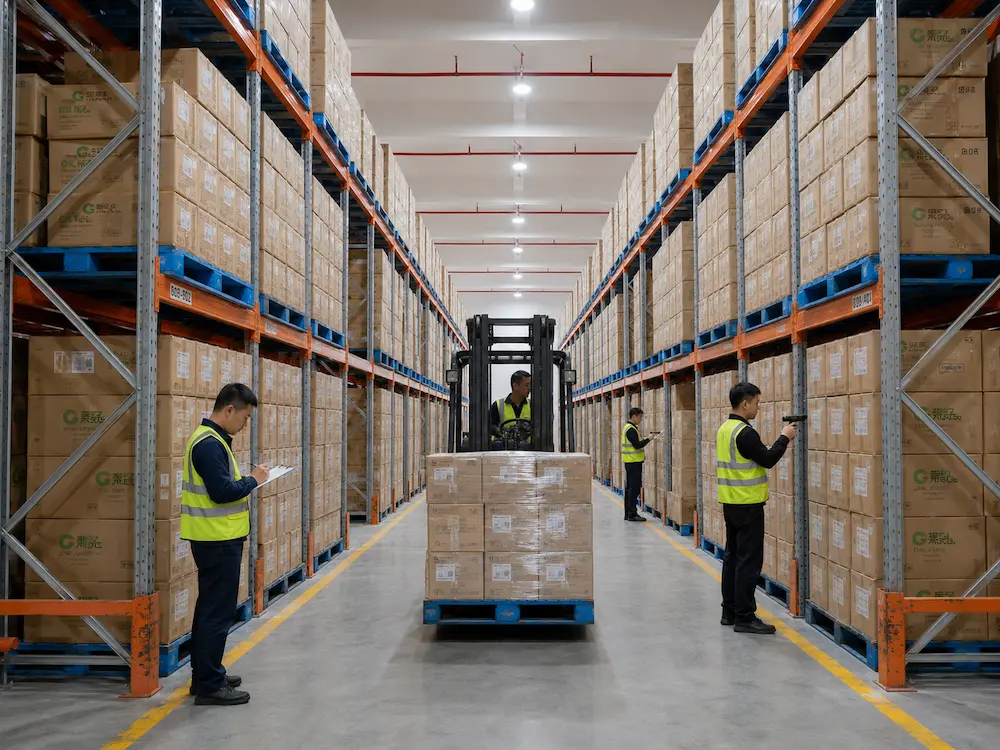
Wholesale retail fruit containers must remain consistent across repeat orders. Buyers need stable material quality, clear specifications, reliable lid fit, predictable carton packing, and supply continuity. Wholesale packaging is not only about the first sample; it is about repeated commercial performance.
For supermarkets, cafes, bakeries, and foodservice brands, wholesale stability affects operations. Inconsistent containers can disrupt labels, carton plans, shelf displays, and packing workflows. A strong supplier should help buyers confirm specifications before bulk orders.
Buyers should ask about carton quantity, packing method, sample support, repeat order consistency, and communication process before selecting a wholesale supplier.
Checklist 9: Test Lid Security and Closure Performance
Lid security is essential for clear fruit packaging because retail fruit may move through filling, closing, refrigeration, stacking, carton loading, transport, shelf replenishment, and customer handling. A weak lid creates leakage, opening, or handling concerns.
Buyers should test lid closure with actual filled samples. Fruit weight, moisture, and pressure can change how the lid performs. A lid that feels secure when empty may behave differently after filling and chilling.
For convenience store fruit cups, lid security supports takeaway confidence. For supermarket containers, lid security supports shelf stability and customer handling. For foodservice programs, it supports storage and delivery reliability.
Checklist 10: Review Label Space and Barcode Placement
Retail fruit packaging usually needs labels for brand, barcode, product name, price, weight, origin, ingredients, use-by date, store code, or batch information. Label placement must support retail scanning without hiding too much of the fruit.
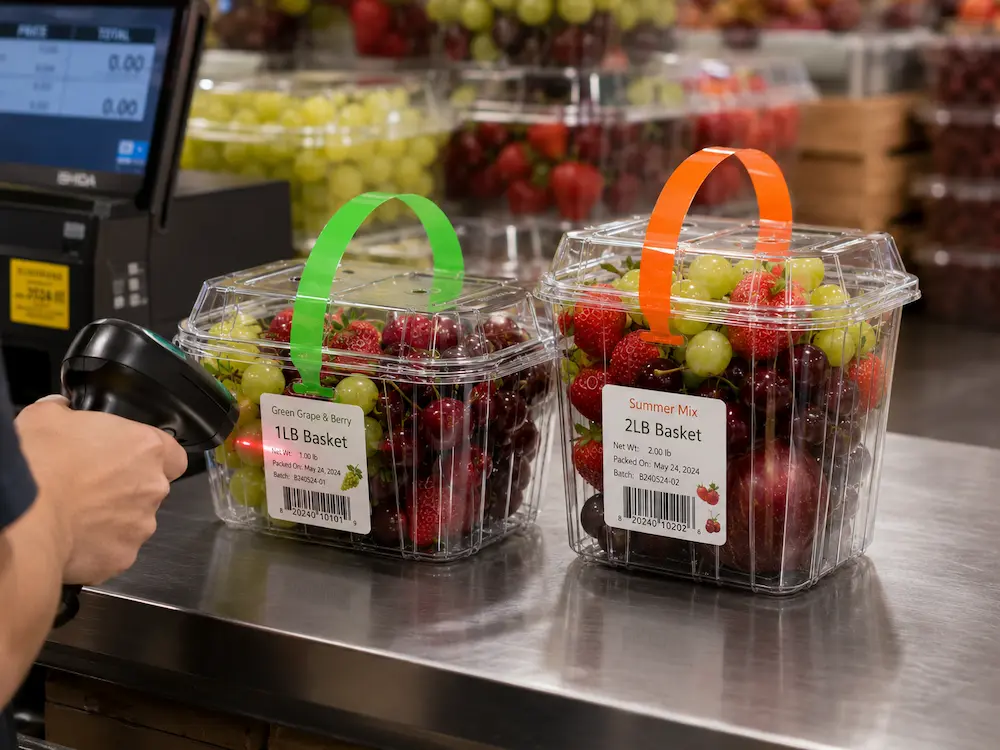
Clear packaging loses value when oversized labels cover the main viewing area. Buyers should apply real labels during sample testing and check barcode readability after refrigeration. Label adhesion should also be reviewed under chilled conditions.
The label should support the sale, not hide the product. A good package leaves enough visible area for shoppers to trust the fruit while still supporting retail information.
Clear Fruit Packaging Manufacturer and Supplier Checklist Table
| Checklist Item | What Buyers Should Confirm | Why It Matters |
|---|---|---|
| Fruit Application | Berries, cut fruit, fruit cups, mixed fruit, grapes, or bakery fruit. | Each application needs different size, lid, and handling logic. |
| Material | PET, rPET, clarity, rigidity, and intended food use. | Material affects visibility, structure, and buyer confidence. |
| Container Format | Cup, bowl, clamshell, square container, hinged pack, or compartment container. | Format affects display, handling, shelf fit, and customer use. |
| Lid Security | Closure fit, hinge strength, snap feel, and takeaway handling. | Secure lids reduce leakage, opening, and customer complaints. |
| Clarity | Transparency under office lighting, chilled display, and real shelf conditions. | Clear packaging must support freshness perception. |
| Label Area | Barcode, brand label, product name, price, origin, and use-by date. | Labels must support scanning without hiding too much fruit. |
| Chilled Display | Visibility, moisture appearance, fogging, and label adhesion. | Cold-shelf conditions affect retail presentation. |
| Stacking and Carton Fit | Filled-pack stacking, carton loading, transport stability, and shelf storage. | Wholesale programs require stable packaging performance. |
| Supplier Capability | Sample support, clear specifications, repeat order stability, and communication. | A reliable supplier supports long-term retail fruit packaging programs. |
How to Test Clear Fruit Packaging Before Ordering
Buyers should test clear fruit packaging with real fruit and realistic handling conditions. Empty samples are useful for first review, but they do not show product movement, lid pressure, moisture behavior, label fit, stacking strength, or carton efficiency.
A practical test should include filling, closing, labeling, refrigeration, stacking, carton loading, transport simulation, shelf placement, and final handling. For supermarkets, buyers should test shelf layout and barcode scanning. For convenience stores, they should test compact shelf fit and takeaway handling. For cafes and bakeries, they should test portion appearance and prep workflow. For foodservice brands, they should test storage and delivery performance.
Filled sample testing helps buyers avoid wrong sizes, weak lids, dull display, oversized labels, unstable stacking, carton inefficiency, and supplier mismatch before wholesale orders.
How to Compare Manufacturers and Suppliers
Buyers should compare manufacturers and suppliers by application knowledge, material clarity, sample support, communication quality, wholesale consistency, and repeat order reliability. The lowest unit price is not always the strongest choice for retail fruit packaging.
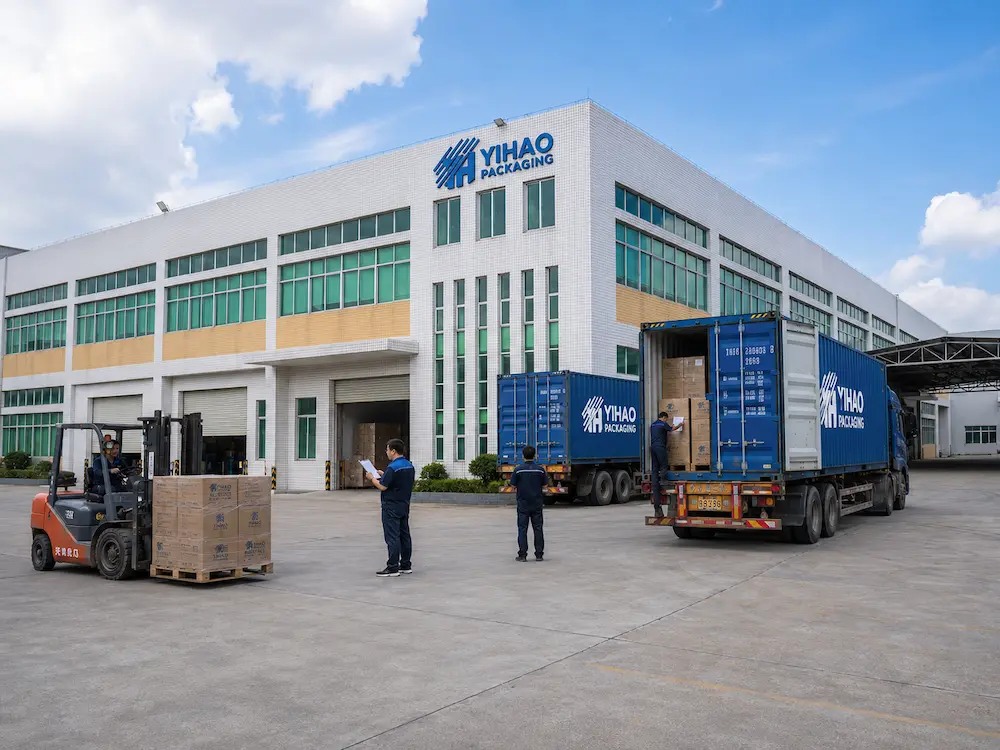
A direct fruit packaging manufacturer may be better when buyers need structural discussion, custom formats, material explanation, or long-term packaging development. A wholesale supplier may be useful for standard items and repeat replenishment. The strongest partner combines packaging knowledge with stable supply service.
Buyers should ask practical questions: What fruit is this container best for? How does the lid close after filling? How does the package perform in chilled display? How much label area is available? How many units fit per carton? Can the supplier support repeat wholesale orders?
What Buyers Should Ask Before Ordering
Before ordering clear fruit packaging, buyers should prepare product type, fill weight, sales channel, label size, display requirement, carton plan, and expected order volume. This information helps the supplier recommend the correct format instead of guessing from a general catalog.
Buyers should ask for material details, size range, lid compatibility, sample availability, carton packing data, stacking performance, chilled display behavior, label support, and wholesale order terms. If the packaging will be used for supermarkets or convenience stores, barcode and label testing should be included.
Strong supplier communication reduces risk before mass ordering. The right packaging partner helps buyers match the package to the real retail use case.
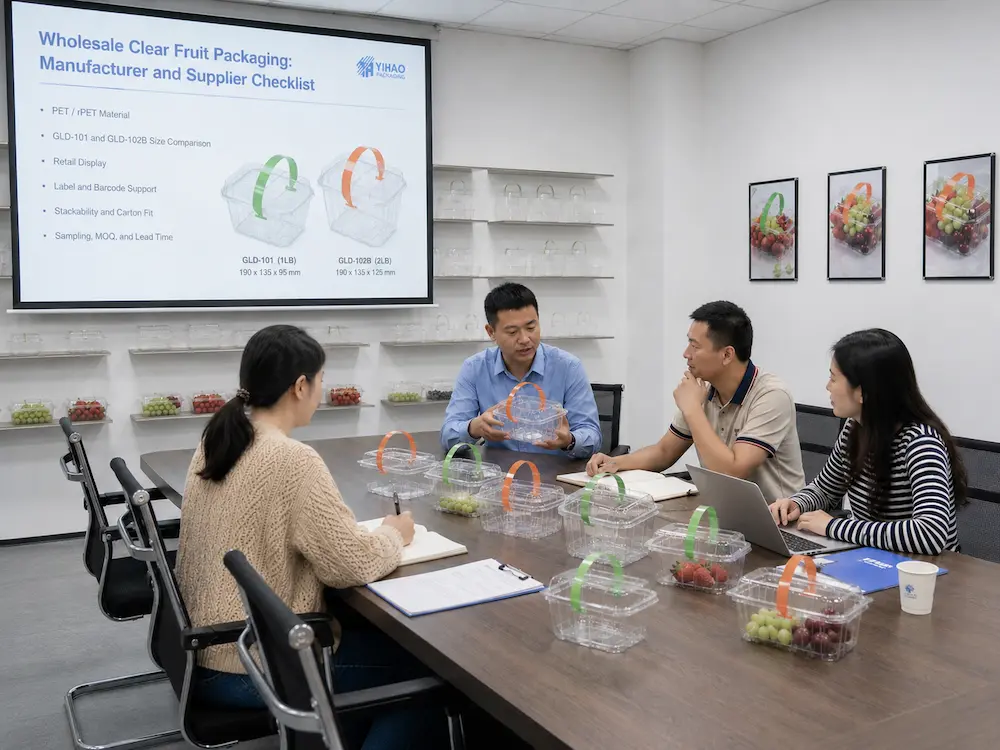
Common Mistakes When Buying Clear Fruit Packaging
Choosing Only by Transparency
Clear material is important, but buyers must also check lid security, stacking, label space, carton fit, and chilled display performance.
Ignoring the Retail Channel
Supermarkets, convenience stores, cafes, bakeries, and foodservice brands need different packaging logic. Channel-specific testing is necessary.
Using Labels That Hide the Fruit
Oversized labels reduce the value of clear packaging. Buyers should test actual label placement before approving wholesale orders.
Skipping Chilled Display Testing
Room-temperature review cannot show moisture appearance, fogging, cold label adhesion, or refrigerated shelf presentation.
Choosing a Supplier Without Repeat Supply Stability
Wholesale programs need consistent specifications, sample support, communication, and repeat order capability. Supplier stability is part of the packaging decision.
Why YIHAO Supports Clear Fruit Packaging Buyers
YIHAO supports buyers with clear PET/RPET packaging solutions for fresh fruit, fruit cups, berries, fresh-cut fruit, chilled snacks, salads, bakery items, deli food, and retail display applications. For buyers sourcing clear fruit packaging, the key value is application-based packaging selection.
Instead of treating clear packaging as only a transparent material choice, YIHAO helps buyers compare fruit type, fill weight, sales channel, container shape, material clarity, lid security, label space, stacking, carton fit, chilled display, sample testing, and wholesale supply needs.
For supermarkets, convenience stores, cafes, bakeries, foodservice brands, distributors, and food packaging teams, a structured supplier conversation reduces mistakes before mass ordering. Buyers can prepare fruit type, target fill weight, channel, label requirements, carton plan, and expected order volume before requesting samples.
FAQ About Clear Fruit Packaging
1. What is clear fruit packaging used for?
Clear fruit packaging is used for berries, fruit cups, cut fruit, mixed fruit packs, grapes, chilled fruit snacks, supermarket fruit displays, convenience store fruit cups, cafe fruit bowls, bakery fruit portions, and foodservice fruit programs.
2. What material is commonly used for clear fruit packaging?
PET and rPET are commonly used because they provide clear visibility, practical rigidity, lightweight handling, and chilled display presentation. Buyers should confirm material details, intended food use, clarity, lid compatibility, and supplier documentation.
3. Why is clear packaging important for retail fruit?
Clear packaging helps shoppers and buyers inspect fruit color, portion value, cut quality, moisture appearance, and freshness cues before purchase. Strong visibility supports retail confidence and shelf conversion.
4. How should buyers test clear fruit packaging?
Buyers should test filled samples under chilled, labeled, stacked, and cartoned conditions. This reveals material clarity, lid performance, label fit, product visibility, moisture behavior, and carton efficiency.
5. What should buyers ask a clear fruit packaging supplier?
Buyers should ask about material, size range, lid security, label space, stacking strength, carton packing, chilled display performance, sample testing, repeat wholesale supply, and whether the supplier understands retail fruit packaging applications.
References
- U.S. Food and Drug Administration, Packaging & Food Contact Substances Resources.
- U.S. Food and Drug Administration, Guidance for Industry: Use of Recycled Plastics in Food Packaging, Chemistry Considerations.
- European Commission, Packaging and Packaging Waste Policy Resources.
- Food and Agriculture Organization of the United Nations, Food Loss and Waste Reduction Resources.
- United States Department of Agriculture, Fresh Fruit and Vegetable Market Resources.
- International Fresh Produce Association, Fresh Produce Supply Chain and Packaging Resources.
- Association of Plastic Recyclers, Design Guide for Plastics Recyclability.
- ASTM International, Packaging Performance and Testing Standards.
Deep-Dive Insights: How Buyers Should Think About Clear Fruit Packaging
How should buyers define the right clear fruit packaging?
The right packaging should be defined by fruit type, sales channel, material clarity, container format, lid security, label placement, chilled display, stacking, carton fit, and wholesale supply needs. Clear fruit packaging should not be selected only by transparency or price.
Why does clarity matter?
Clarity matters because fruit sells visually. Clear packaging helps shoppers inspect fruit color, cut quality, portion value, and freshness cues before purchase.
When should buyers choose convenience store fruit cups?
Convenience store fruit cups are useful when buyers need small portions, quick purchase, clear visibility, secure lids, and easy takeaway handling in compact chilled displays.
What should buyers test first?
Buyers should test filled samples under chilled, labeled, stacked, and cartoned conditions. This reveals material clarity, lid performance, label fit, product visibility, moisture behavior, and carton efficiency.
What should buyers avoid?
Buyers should avoid choosing only by transparency, ignoring retail channel differences, hiding fruit with oversized labels, skipping chilled testing, and working with suppliers that cannot support repeat wholesale orders.
Final Note / Practical Takeaway
© 2026 YIHAO Packaging. This article is created for supermarkets, convenience stores, cafes, bakeries, foodservice brands, distributors, and food packaging teams evaluating clear fruit packaging, fruit packaging for supermarkets, retail fruit containers, supermarket fresh fruit packaging, convenience store fruit cups, and fresh produce retail display. All rights reserved.