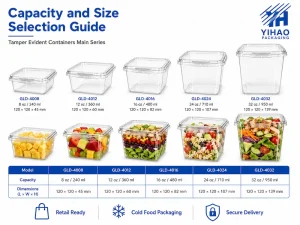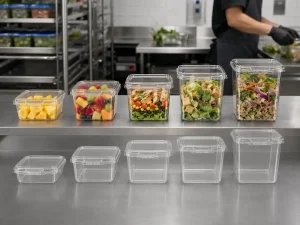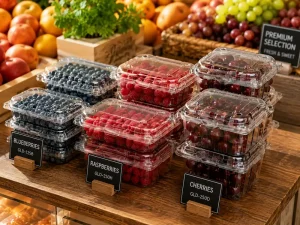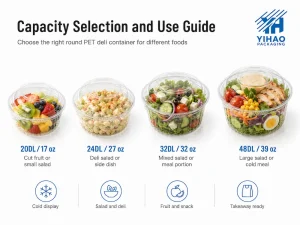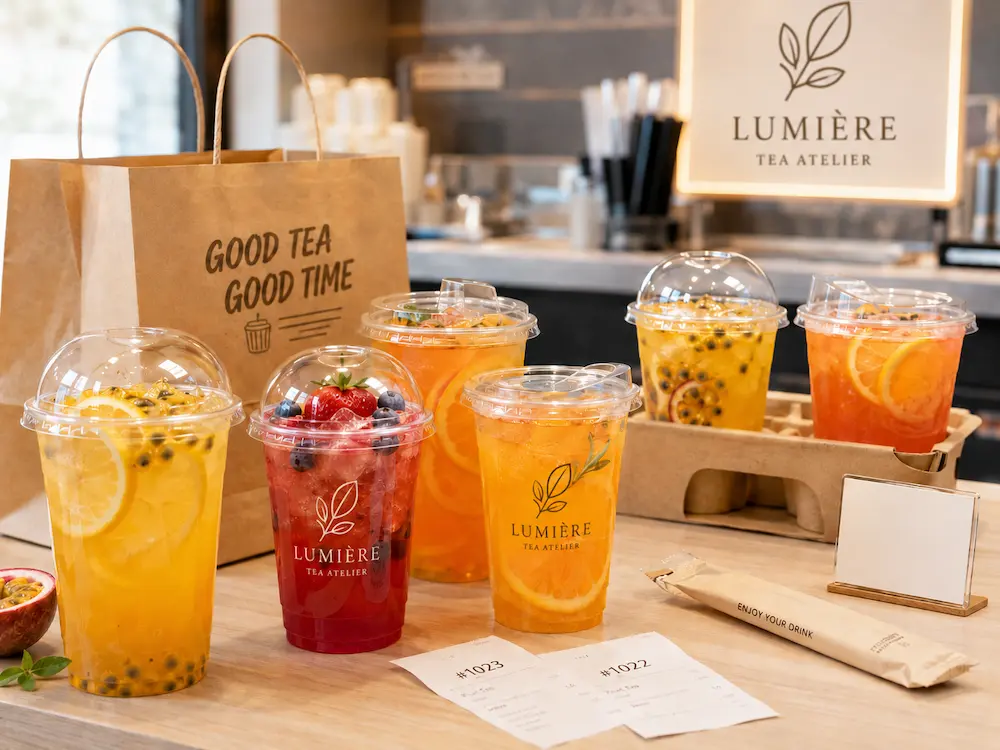
Cold beverage packaging is no longer a simple disposable supply. For modern fruit tea shops, juice bars, cafés, bakery counters, convenience stores, foodservice distributors, and private-label drink brands, a clear cup is part of the product experience. It shows color, ice, fruit pieces, tea layers, pulp, toppings, and freshness before the customer takes the first sip.
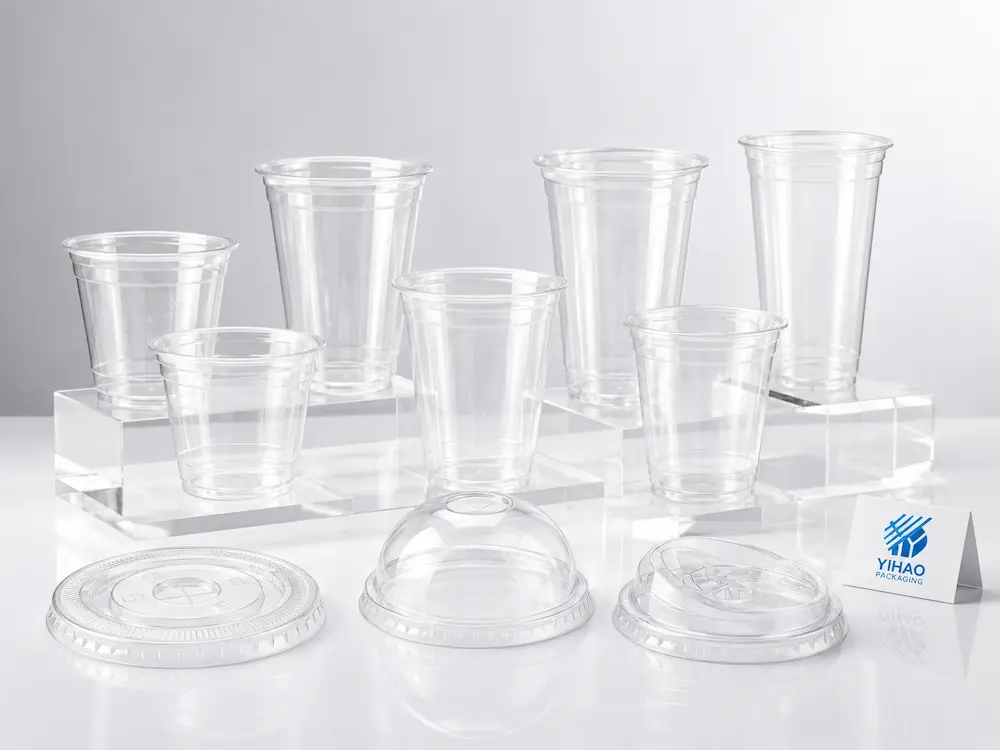
This is why wholesale fruit tea cups deserve a structured sourcing checklist. A cup that looks good in a catalog but cracks easily, mismatches lids, stacks poorly, or arrives with weak cartons creates hidden costs. A reliable manufacturer and supplier should help buyers evaluate the full cup system, not only the unit price.
YIHAO is a food packaging manufacturer and solution provider supporting clear PET and rPET cold drink packaging for fruit tea, juice, lemonade, refreshers, iced tea, sparkling fruit drinks, milk tea, smoothies, and grab-and-go beverage programs. Buyers can explore broader cold beverage packaging options through the Cold Drink Packaging category or review cup-specific options from the PET Cold Cups range.
Why Fruit Tea Cups Matter for Cold Beverage Brands
Fruit tea cups matter because fruit tea is a highly visual drink category. Tea color, citrus slices, berries, passion fruit pulp, ice cubes, popping boba, jelly, foam, herbs, and layered ingredients all influence customer perception. Clear packaging turns the drink into its own display.
For stores and beverage chains, cup performance also affects speed. Operators need cups that release smoothly from stacks, hold shape during filling, match lids quickly, and remain stable during takeaway. For importers and distributors, wholesale packaging must also survive carton handling, warehouse storage, shipment, and repeat supply cycles.
A strong cup system supports three commercial goals at the same time: better drink presentation, better service efficiency, and better sourcing control.
What Makes a Good Wholesale Fruit Tea Cup?
A good wholesale fruit tea cup is not defined by one feature. Buyers should evaluate the full packaging system: material, clarity, rim design, wall feel, lid compatibility, cup capacity, carton packing, customization options, documentation support, and supplier reliability.
Clear PET or rPET Material for Beverage Visibility
Clear PET and rPET are widely used for cold drink packaging because they provide strong transparency and a clean retail appearance. For fruit tea cups, this matters because the drink itself is the main selling point. The clearer the cup, the easier it is for customers to see fruit pieces, tea color, ice, toppings, and layered beverages.
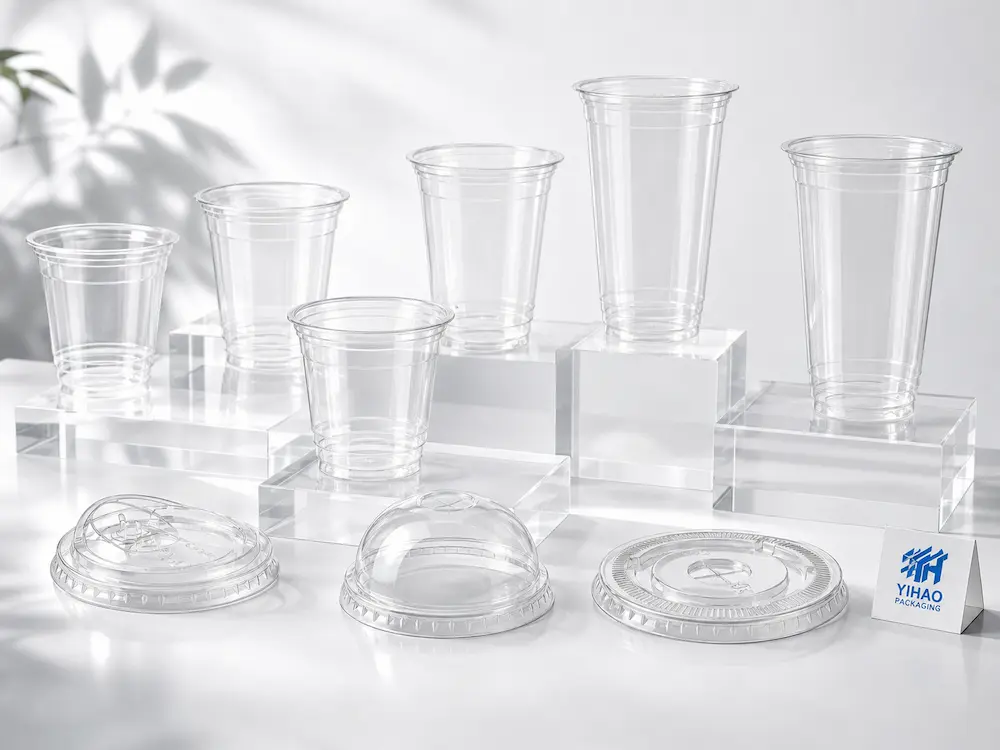
When buyers choose between PET and rPET, they should confirm the material direction, intended food-contact use, recycled content information if applicable, and documentation availability for the target market. Recycled-content claims should be specific and supported by supplier documents, especially when the packaging is used for food and beverage contact.
For buyers comparing different material directions, the PET Food Packaging and rPET Food Packaging pages can support further material-level purchasing decisions.
Stable Cup Shape and Practical Hand Feel
A cup should feel stable when filled with ice, fruit tea, juice, lemonade, sparkling fruit drinks, refreshers, or iced tea. Thin or unstable cups may deform during filling, crack during lid application, or feel unreliable in the customer’s hand.
Wholesale buyers should check rim strength, sidewall feel, bottom stability, stacking release, and whether the cup keeps a neat appearance after being filled. This is especially important for fruit tea shops and beverage chains where drinks are prepared quickly during rush hours.
Shared-Lid Logic for Easier Wholesale Management
Shared-lid systems help buyers reduce SKU complexity. A 95mm cup series using matching 95mm lids and a 98mm cup series using matching 98mm lids can simplify purchasing, storage, staff training, and reorder planning. Buyers should confirm that lids are matched by diameter and series, not only by visual appearance.
For cold drink programs, lid planning is as important as cup planning. Buyers can compare cup-lid options through Cold Cup Lids and the Flat, Dome & Strawless Lids guide.
Fruit Tea Cups vs Juice Cups, Lemonade Cups, Sparkling Fruit Drink Cups, Refresher Cups, and Iced Tea Cups
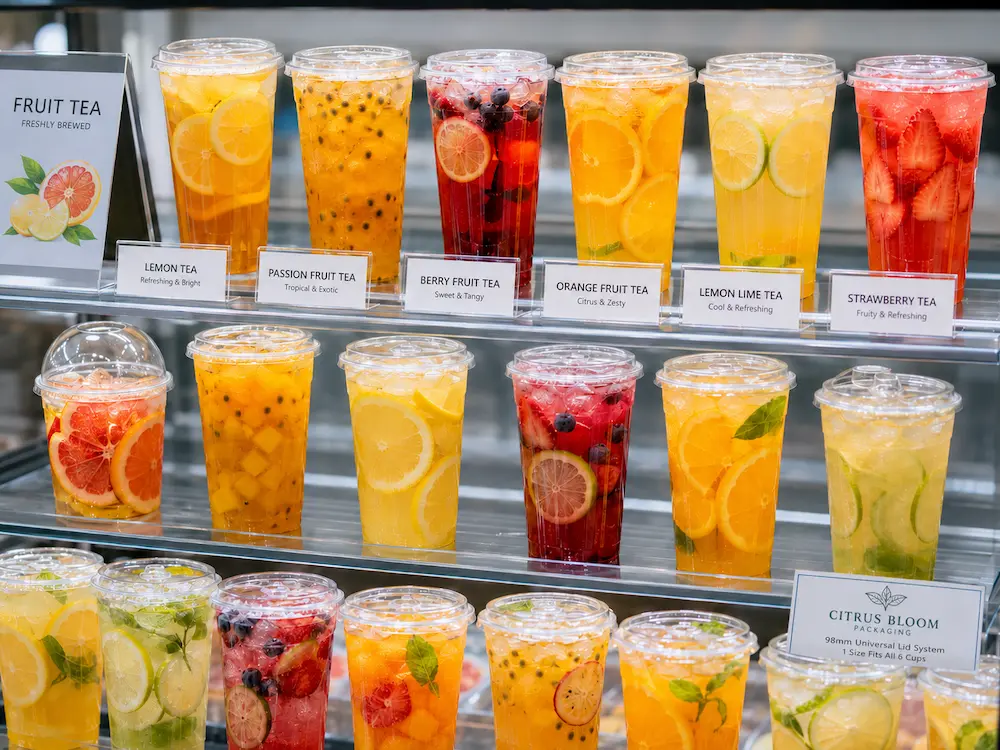
Many cold drink cups look similar, but different beverages create different packaging requirements. A practical supplier should understand how drink type affects lid choice, cup capacity, visibility, ice volume, topping space, and takeaway use.
| Beverage Type | Best Cup Focus | Suggested Lid Direction | Key Buying Note |
|---|---|---|---|
| Fruit tea | High clarity, space for ice and fruit pieces | Flat lid, straw lid, or strawless sipper lid | Test with real fruit slices, pulp, toppings, and ice level |
| Juice | Clear color display and stable grab-and-go use | Flat lid or sip-through lid | Good for juice bars, chilled display, and takeaway counters |
| Lemonade | Bright citrus visibility and smooth straw service | Flat lid with straw access | Test with citrus slices, crushed ice, and delivery movement |
| Sparkling fruit drinks | Clear bubble and fruit-layer presentation | Secure flat lid or strawless lid | Confirm lid fit and handling performance under real service conditions |
| Refreshers | Visual color, berries, ice, and café-style presentation | Strawless sipper lid or flat lid | Suitable for chain menus, cafés, and seasonal cold drinks |
| Iced tea | Clean clarity and simple takeaway operation | Flat lid or strawless sipper lid | Works well for tea shops, cafés, bakeries, and convenience retail |
Fruit Tea Cups for Colorful Tea-Based Drinks
Fruit tea cups should make tea color and fruit ingredients visible. For passion fruit tea, peach tea, berry tea, lemon tea, jasmine fruit tea, and mixed fruit tea, clear PET or rPET cups help customers identify freshness and flavor quickly.
For drinks with toppings, the buyer should test cup height, lid clearance, straw opening, and filling line. A beautiful cup is not enough if the lid cannot close smoothly after fruit pieces and ice are added.
Juice Cups for Fresh-Pressed and Grab-and-Go Beverages
Juice cups are commonly used for orange juice, green juice, watermelon juice, mango drinks, apple juice, mixed fruit juice, smoothies, and cold-pressed juice. The cup must show color clearly while remaining practical for filling, sealing, display, and takeaway.
Juice bars and chilled retail counters should choose cups that support fast lid application and clean display. For broader chilled takeaway use, buyers can connect this article with Grab-and-Go Food Packaging.
Lemonade Cups for Citrus Drinks and Seasonal Promotions
Lemonade cups are used in cafés, restaurants, summer events, food trucks, kiosks, and beverage chains. Lemon slices, mint, ice, berries, and bright citrus color create strong visual value in a clear cup.
Before placing wholesale orders, buyers should test the actual lemonade recipe with ice and lid options. The supplier should provide clear food-contact and material information instead of unsupported claims.
Sparkling Fruit Drink Cups for Carbonated and Layered Drinks
Sparkling fruit drink cups need good clarity because bubbles, ice, fruit pieces, and layered colors create the selling point. These drinks often appear in café menus, summer beverage campaigns, event catering, and quick-service restaurants.
Buyers should confirm lid fit and takeaway handling because sparkling drinks may be more sensitive to movement. The cup does not need to be overdesigned, but it must work consistently in real service.
Refresher Cups and Iced Tea Cups for Café Menus
Refresher cups and iced tea cups are useful for berry refreshers, citrus refreshers, matcha refreshers, fruit-infused tea, cold brew tea, flavored iced tea, sparkling fruit drinks, and protein drinks. These beverages depend on color and freshness, so clear packaging improves menu presentation.
For no-straw service, buyers can evaluate Strawless Sipper Lids. For drinks with whipped toppings, fruit cubes, or thick textures, the Dome Lids for Cold Cups page can support lid selection.
Manufacturer Checklist Before Buying Fruit Tea Cups Wholesale
Before placing a bulk order, buyers should use a structured checklist. This makes supplier comparison more objective and reduces mistakes caused by photos, vague descriptions, or low-price quotations.
1. Confirm Material and Food-Contact Use
Ask whether the cup is made from PET, rPET, or another material. Confirm whether the cup is intended for cold beverage and food-contact applications. If rPET is requested, ask for recycled-content information and market-specific documentation where needed.
Buyers should avoid vague claims such as “eco-friendly” or “green” without supporting details. A professional fruit tea cups manufacturer should explain the material direction clearly and provide available documents before bulk order confirmation.
2. Confirm Cup Series, Diameter, and Lid System
Diameter is a practical sourcing detail. A 95mm cup should match the 95mm lid system, while a 98mm cup should match the 98mm lid system. The same diameter within one series can help buyers use matching flat lids, dome lids, or strawless sipper lids across multiple cup capacities.
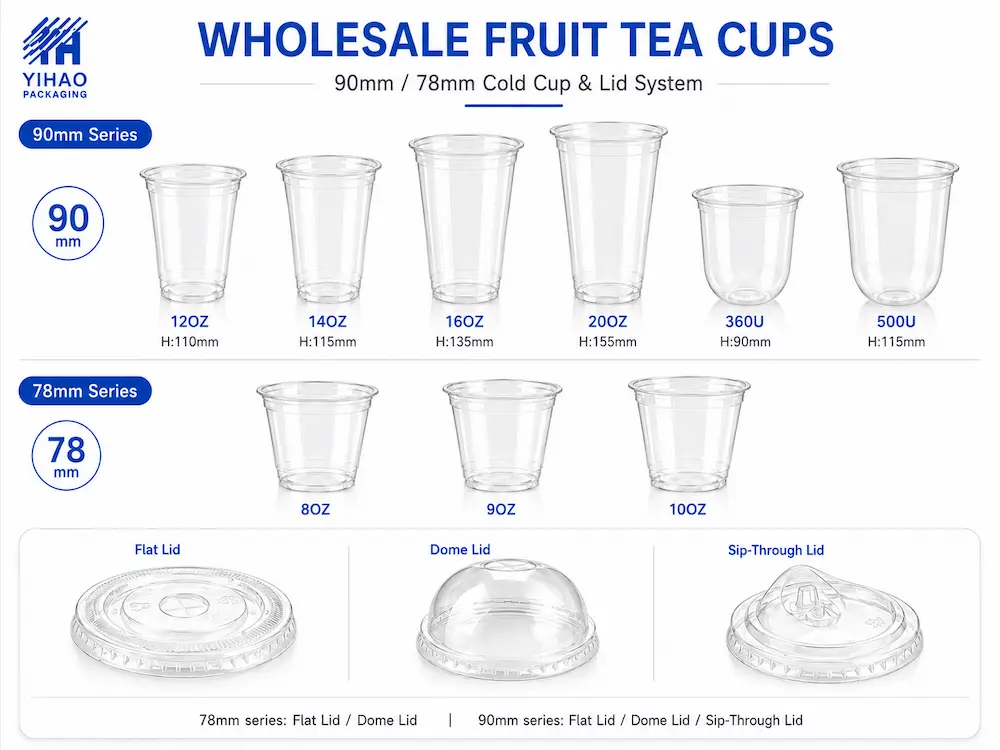
This logic is especially useful for importers, distributors, and beverage chains because it reduces lid mismatch, improves warehouse organization, and makes staff training easier.
3. Check Capacity Logic Against the Beverage Menu
Do not choose capacity only by market habit. Match cup size to real drinks. Small cups work well for samples, iced tea, small juice portions, tasting-size drinks, and grab-and-go chilled snacks. Medium cups support standard fruit tea, iced coffee, milk tea, lemonade, and juice. Larger cups support bubble tea, smoothies, sparkling fruit beverages, high-ice drinks, and large takeaway menus.
| Capacity Direction | Common Beverage Use | Buyer Consideration |
|---|---|---|
| Small cold drink portions | Iced tea, tasting drinks, small juice, lemonade, chilled snack cups | Good for cafés, convenience stores, and sample menus |
| Standard beverage portions | Fruit tea, iced coffee, milk tea, juice, lemonade, refreshers | Most useful for daily store operations and takeaway programs |
| Large beverage portions | Bubble tea, smoothies, sparkling fruit drinks, iced fruit beverages | Test ice volume, toppings, lid fit, and cup handling |
| Extra-large takeaway portions | Large fruit tea, boba drinks, smoothies, lemonade, cold brew | Check rim strength, sidewall stability, and carton protection |
4. Review Transparency, Rim Strength, and Stack Release
Samples reveal what photos cannot show. Buyers should check whether the cup looks clear under store lighting, whether the rim is smooth, whether the bottom sits flat, whether the sidewall feels stable, and whether cups separate cleanly from a stack.
For wholesale distribution, stack release is not a small detail. If cups stick together, store staff lose time during rush hours. If the rim is weak, lid application becomes inconsistent. If the cup looks cloudy, the drink loses shelf appeal.
5. Test Matching Lids Under Real Service Conditions
Lid fit should be tested with real drinks, not only empty cups. Fill the cup with fruit tea, juice, lemonade, sparkling fruit drinks, refreshers, or iced tea. Add ice, fruit pieces, toppings, and the selected lid. Then test handover, short-distance movement, chilled display, and takeaway handling.
Buyers should compare Flat Lids for Cold Cups, dome lids, and strawless sipper lids according to drink type. Flat lids are practical for standard straw-service drinks. Dome lids provide more top space for toppings and thick beverages. Strawless sipper lids support direct-drink takeaway programs.
6. Ask About Custom Printing and Private Label Support
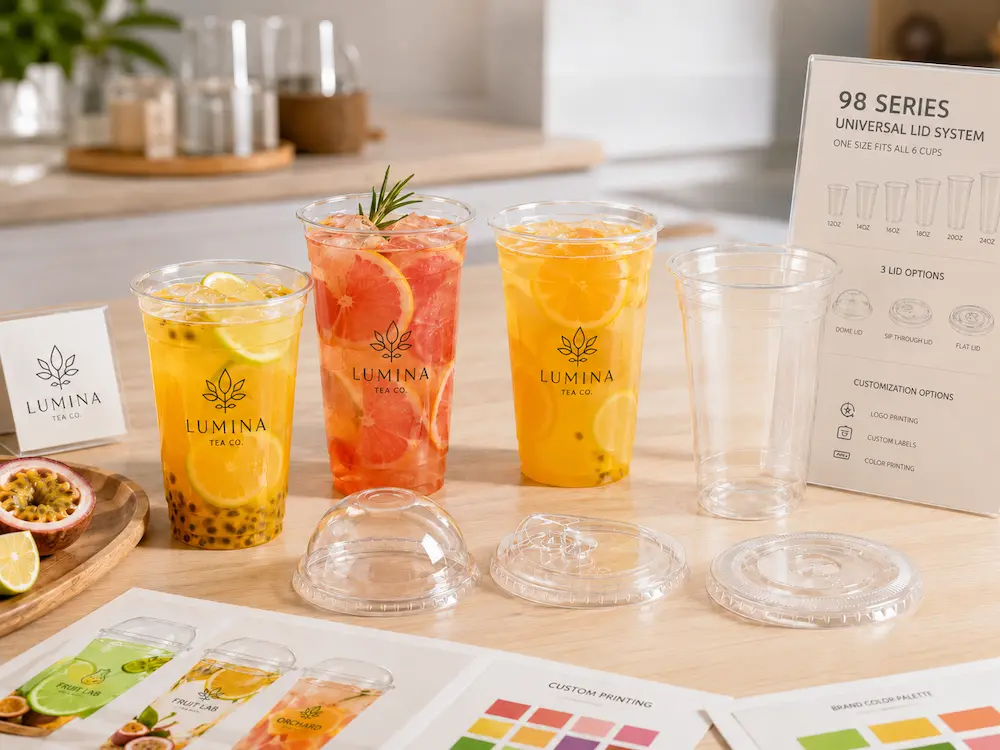
Custom printing helps beverage brands, tea chains, cafés, event companies, and private-label suppliers turn cups into brand assets. However, cup design should not cover too much of the beverage. The drink must remain visible.
Before custom printing, buyers should confirm artwork format, print area, color limitations, sample approval, carton labeling, and production requirements. A direct manufacturer is often better positioned to support custom beverage packaging projects than a reseller with limited product control.
7. Confirm Carton Packing and Export Protection
Cold drink cups are lightweight but bulky. Weak cartons may cause compression, rim damage, scratches, or deformation during transport. Importers and distributors should ask about carton strength, packing quantity, pallet loading, container loading, and warehouse handling requirements.

Carton labels should be clear enough for warehouse teams to identify cup series, capacity, lid type, batch, and order information. Good outer packing protects the cup and protects the buyer’s customer relationship.
8. Verify Documentation Before Bulk Orders
Buyers should confirm which documents are available for the target market. Depending on market and customer requirements, this may include material information, food-contact statements, test reports, recycled-content information, or other supporting documents.
The supplier should communicate what can be provided and what cannot be claimed. This is especially important when buyers sell into markets with strict food-contact packaging requirements.
9. Evaluate Production Stability and Long-Term Supply
A good sample is not enough. Wholesale buyers need stable repeat production, consistent carton packing, clear communication, and reliable order follow-up. Beverage chains and distributors should evaluate whether the supplier can support long-term purchasing rather than only one trial order.
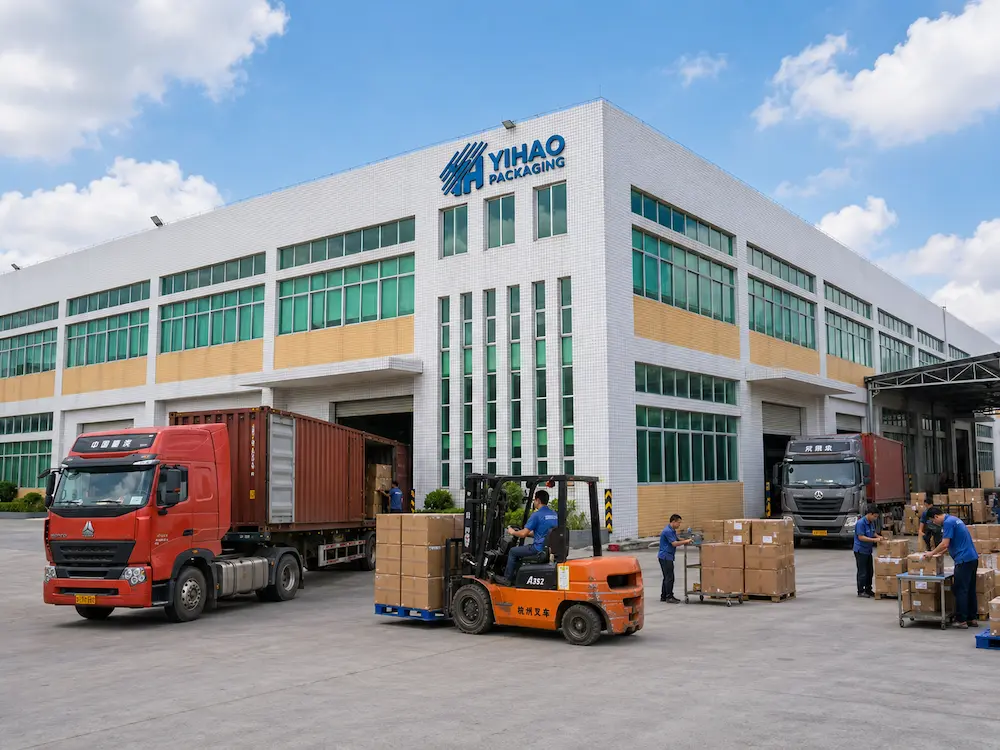
Buyers can also review YIHAO factory capabilities to understand manufacturing support, wholesale communication, and export packaging cooperation.
Supplier Checklist for Importers, Distributors, and Beverage Brands
Different buyers have different priorities. A fruit tea shop may focus on appearance and lid fit. A beverage chain may focus on operational consistency. An importer may focus on documents, carton protection, and repeat supply. A distributor may need a product range that serves multiple customer types.
| Buyer Type | Main Concern | Recommended Supplier Check |
|---|---|---|
| Fruit tea shops | Drink visibility, cup feel, lid application | Test with real fruit tea, toppings, ice, and store workflow |
| Juice bars | Fresh color display and fast takeaway service | Check clarity, flat lid fit, and chilled display performance |
| Cafés and bakeries | Multi-drink menu coverage | Choose a cup system suitable for iced tea, lemonade, refreshers, juice, and cold coffee |
| Beverage chains | Consistency and brand identity | Confirm repeat supply, custom printing, sample approval, and carton control |
| Importers | Documentation and export packing | Confirm material documents, carton strength, labeling, and shipment details |
| Packaging distributors | Range coverage and SKU management | Prioritize shared-lid systems and products that serve multiple cold drink applications |
Why Work with a Direct Fruit Tea Cups Manufacturer?
Working with a direct manufacturer gives buyers better control over material, cup shape, rim design, lid matching, carton packing, custom printing, and long-term supply. This matters because wholesale beverage packaging is not only a product purchase. It is a repeat sourcing program.
YIHAO supports clear PET and rPET cold cup and lid solutions for fruit tea, juice, lemonade, sparkling fruit drinks, refreshers, iced tea, milk tea, smoothies, cold brew, yogurt drinks, and grab-and-go food presentation. Buyers can start from Solution & Catalog to find packaging by application, product type, material, and structure.
Better Control Over Cup and Lid Matching
A direct manufacturer understands how cup diameter, rim shape, lid structure, and capacity work together. This reduces the risk of buying cups and lids that look similar but do not perform consistently.
For fruit tea shops and cold drink brands, proper lid matching improves service speed and customer confidence. For distributors, it reduces downstream complaints and returns.
More Practical Support for Custom Branding
Custom printed cups are valuable for beverage chains, cafés, private-label brands, and seasonal promotions. A manufacturer can support artwork review, sample confirmation, packaging instructions, and repeat order consistency.
The best custom cup design keeps the beverage visible while adding brand recognition. A clear cup should not become a full-cover label that hides the drink.
Stronger Support for Wholesale and OEM Projects
Wholesale buyers often need more than one cup. They may need a complete series of fruit tea cups, juice cups, lemonade cups, sparkling fruit drink cups, refresher cups, iced tea cups, flat lids, dome lids, strawless lids, and related cold beverage packaging.
A direct manufacturer can help buyers organize the system by diameter, capacity, lid type, drink application, carton packing, and reorder plan. This is more useful than buying isolated SKUs without a long-term sourcing structure.
Practical Buying Tips Before Placing a Wholesale Order
Test Samples with Real Drinks
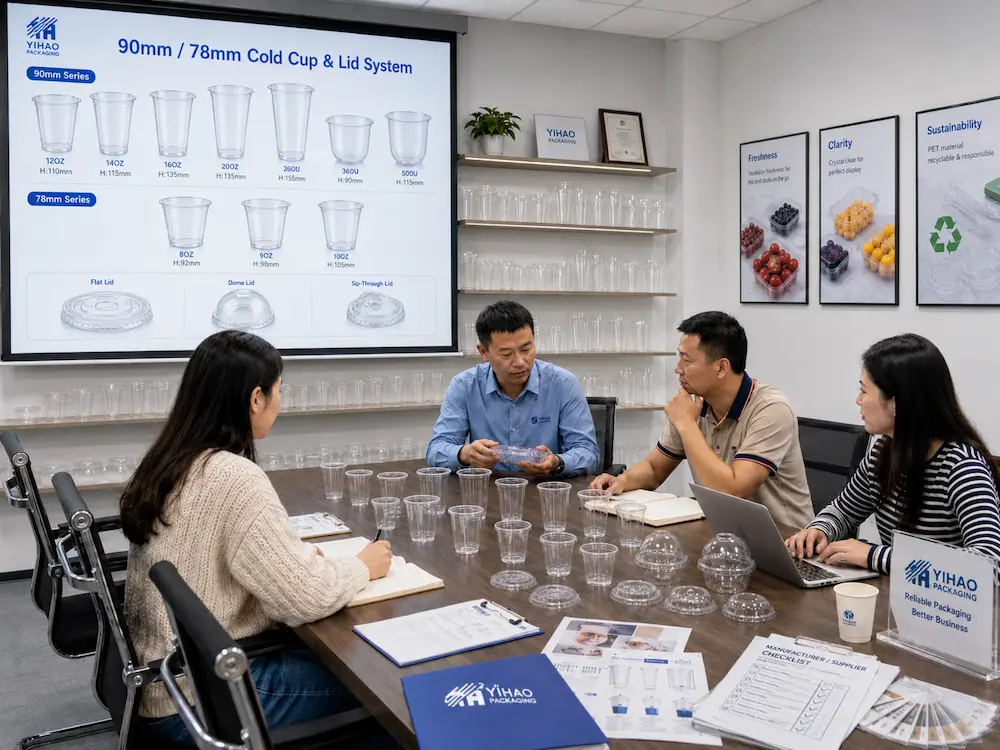
Buyers should test samples with the actual menu. Use real fruit tea, juice, lemonade, sparkling fruit drinks, refreshers, iced tea, ice cubes, fruit pieces, toppings, and lids. This test reveals whether the cup and lid work in real service.
Store operators should participate in the test because they understand filling speed, lid pressure, counter workflow, and customer handover better than the purchasing team alone.
Do Not Compare Only Unit Price
Unit price matters, but it is not the full cost. Buyers should also compare cup clarity, rim strength, lid match, carton protection, supplier communication, documentation support, and repeat quality.
The cheapest cup becomes expensive if it causes leakage, breakage, lid mismatch, customer complaints, or shipment damage. A stronger sourcing decision compares total packaging performance.
Keep One Checklist for Every New Cup Project
A written checklist improves communication with suppliers. Record material, diameter, capacity, lid type, drink application, sample result, carton details, documentation status, custom printing needs, and reorder expectations.
For growing beverage brands and distributors, this checklist becomes a repeatable packaging development system.
Common Mistakes When Buying Fruit Tea Cups Wholesale
Buying Cups and Lids Separately Without Testing
Cups and lids should be tested as a system. Even small differences in rim design can affect lid fit. Buyers should request matching cup and lid samples before confirming bulk orders.
Ignoring Beverage Menu Differences
Fruit tea, juice, lemonade, sparkling fruit drinks, refreshers, and iced tea may use different ice levels, toppings, lids, and serving styles. One cup series can cover many drinks, but buyers still need real menu testing.
Accepting Vague Sustainability Claims
Recyclable, recycled, eco-friendly, and sustainable claims must be handled carefully. Buyers should ask for material details, recycled-content information where applicable, and local market considerations. Clear claims protect both the supplier and the buyer’s brand.
Overlooking Carton Quality
A cup that performs well in samples can still fail if export packing is weak. Importers and distributors should check carton strength, product protection, labeling, and pallet loading before bulk shipment.
Wholesale Fruit Tea Cups Buying Checklist
| Checklist Item | What to Confirm | Why It Matters |
|---|---|---|
| Material | PET, rPET, food-contact direction, recycled-content information if applicable | Supports clarity, safety communication, and market requirements |
| Diameter System | 95mm or 98mm cup series and matching lid system | Reduces lid mismatch and simplifies wholesale SKU management |
| Capacity Range | Small, standard, large, and extra-large drink portions | Matches fruit tea, juice, lemonade, refreshers, iced tea, and sparkling drinks |
| Lid Options | Flat lid, dome lid, strawless sipper lid, straw-access lid | Supports different drink textures, toppings, and takeaway methods |
| Transparency | Clear appearance under store and display lighting | Improves beverage visibility and shelf appeal |
| Stacking | Smooth stack release and efficient storage | Improves counter speed and back-of-house organization |
| Custom Printing | Logo area, artwork format, sample approval, print limitations | Supports brand identity and private-label projects |
| Carton Protection | Carton strength, quantity, labeling, export packing | Reduces shipping damage and warehouse confusion |
| Documentation | Material documents, food-contact statements, test reports if available | Supports importer, distributor, and market compliance review |
| Supplier Stability | Repeat production, communication, sample support, after-sales response | Supports long-term wholesale cooperation |
Related Packaging Solutions for Cold Beverage Buyers
Buyers sourcing fruit tea cups often need related packaging categories for broader beverage and grab-and-go programs. The following pages can support product selection and internal navigation:
- YIHAO Home for company overview and packaging solution entry.
- YIHAO Factory for manufacturing and wholesale supply support.
- PET Cold Cups for clear cold drink cup options.
- Cold Cup Lids for matching lid choices.
Final Note / Practical Takeaway
FAQ
1. What are fruit tea cups usually made of?
Fruit tea cups are commonly made from clear PET or rPET for cold beverage packaging. These materials provide strong transparency and practical cold drink presentation for fruit tea, juice, lemonade, refreshers, iced tea, sparkling fruit drinks, and other chilled takeaway beverages. Buyers should confirm material details and food-contact documentation with the supplier before placing wholesale orders.
2. Are fruit tea cups suitable for juice, lemonade, and iced tea?
Yes. Clear fruit tea cups are often suitable for juice, lemonade, sparkling fruit drink cups, refresher cups, and iced tea cups when the cup size, lid type, and material are matched to the drink application. Buyers should test samples with real drinks, ice, fruit pieces, and lids before confirming bulk orders.
3. How do I choose between flat lids, dome lids, and strawless sipper lids?
Flat lids are practical for standard cold drinks that use straws. Dome lids provide extra top space for smoothies, whipped toppings, boba, fruit pieces, and dessert-style drinks. Strawless sipper lids support direct-drink takeaway service for iced tea, fruit tea, juice, lemonade, refreshers, and cold coffee programs.
4. Can fruit tea cups be customized with a logo?
Yes. Fruit tea cups can often be customized with logos, seasonal artwork, private-label designs, QR codes, or brand graphics. Buyers should confirm print area, artwork format, sample approval, color limitations, and minimum order requirements with the manufacturer before production.
5. What should buyers check before ordering fruit tea cups wholesale?
Buyers should check material, clarity, cup diameter, lid compatibility, capacity range, rim strength, stack release, carton packing, custom printing options, food-contact documentation, sample performance, supplier communication, and long-term production stability.
6. How do I choose a reliable fruit tea cups manufacturer or supplier?
A reliable manufacturer or supplier should provide stable product quality, clear material information, matching cup and lid systems, sample support, export packing, documentation communication, custom printing support, and consistent wholesale supply. Buyers should compare total sourcing value instead of choosing only the lowest unit price.
References
- U.S. Food and Drug Administration, Recycled Plastics in Food Packaging.
- U.S. Food and Drug Administration, Guidance for Industry: Use of Recycled Plastics in Food Packaging.
- U.S. Food and Drug Administration, Packaging & Food Contact Substances.
- European Commission, Regulation (EC) No 1935/2004 on Materials and Articles Intended to Come into Contact with Food.
- European Commission, Regulation (EU) No 10/2011 on Plastic Materials and Articles Intended to Come into Contact with Food.
- European Commission, Regulation (EU) 2022/1616 on Recycled Plastic Materials and Articles Intended to Come into Contact with Foods.
- European Commission, Commission Regulation (EU) 2025/351 on plastic food-contact materials and recycled plastic food-contact materials.
- European Food Safety Authority, Scientific Guidance on the Criteria for the Evaluation of Post-Consumer Mechanical PET Recycling Processes for Food Contact Applications.
Deep-Dive Insights
How should buyers compare fruit tea cups from different suppliers?
Buyers should compare samples under real beverage conditions. The most useful comparison includes material clarity, rim strength, stack release, lid fit, cup feel, carton protection, documentation support, and supplier communication speed.
Why does cup clarity affect cold beverage sales?
Fruit tea, lemonade, juice, refreshers, sparkling fruit drinks, and iced tea depend on visual appeal. A clear cup shows color, fruit pieces, ice, bubbles, and layers, helping customers understand freshness and flavor before purchase.
What makes shared-lid systems valuable for wholesale buyers?
Shared-lid systems reduce purchasing complexity. When multiple cup capacities use the same diameter lid system, buyers can simplify inventory, reduce lid mismatch, improve packing speed, and manage reorders more efficiently.
Which is better for beverage brands: stock cups or custom printed cups?
Stock cups are practical for fast purchasing, general service, and distributors. Custom printed cups are better for tea shops, beverage chains, seasonal menus, private-label projects, and brands that need stronger visual identity.
What should buyers consider before choosing a long-term fruit tea cups supplier?
A long-term supplier should provide stable quality, matching lid options, sample testing support, carton protection, clear documentation communication, custom packaging capability, and reliable wholesale supply. These factors matter more than a small difference in unit price.
Copyright Notice: © YIHAO Packaging. All rights reserved.
This article, including its structure, packaging analysis, buyer guidance, tables, and commercial insights, is originally created for YIHAO Packaging. Unauthorized copying, republication, scraping, translation, or commercial reuse is not permitted without written permission.
You may quote a short excerpt with clear source attribution and a link to the original page. For wholesale packaging inquiries, product samples, or manufacturer support, please contact YIHAO Packaging directly.