Quick Answers About Dome Lid Cups
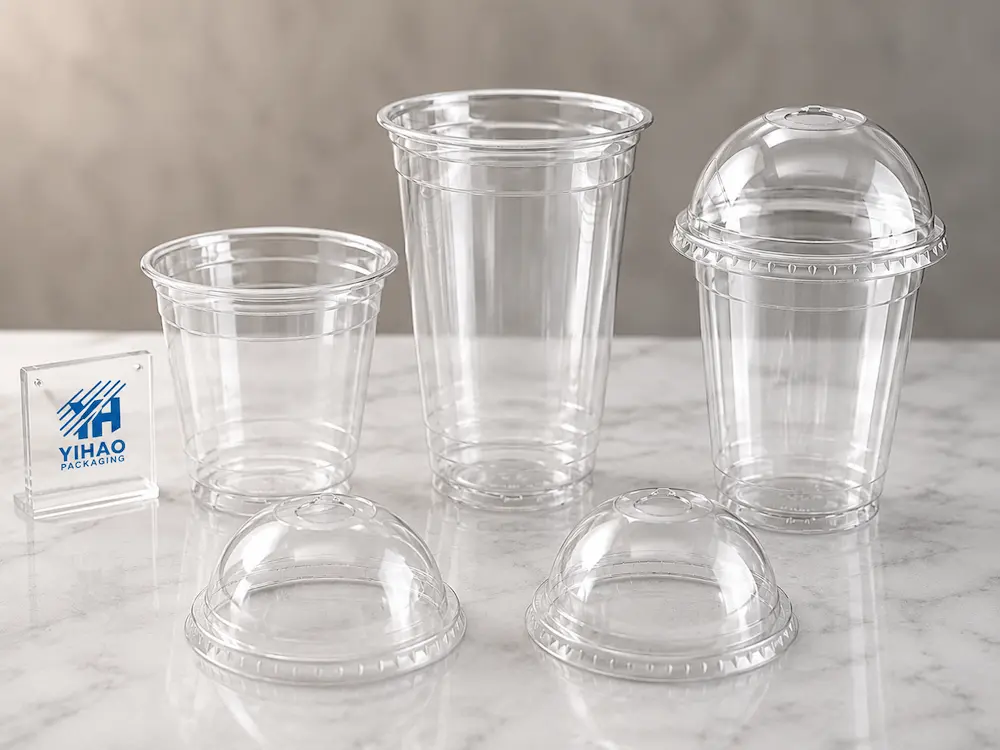
What are dome lid cups? dome lid cups are clear cold-drink cups paired with raised dome lids. The lid creates extra top space for whipped cream, fruit toppings, foam, ice, yogurt layers, and decorative beverage finishes.
What are dome lid cups best used for? They are best used for smoothies, iced coffee, matcha drinks, fruit tea, milk tea, refreshers, protein drinks, dessert beverages, yogurt parfaits, fruit cups, and topped cold drinks.
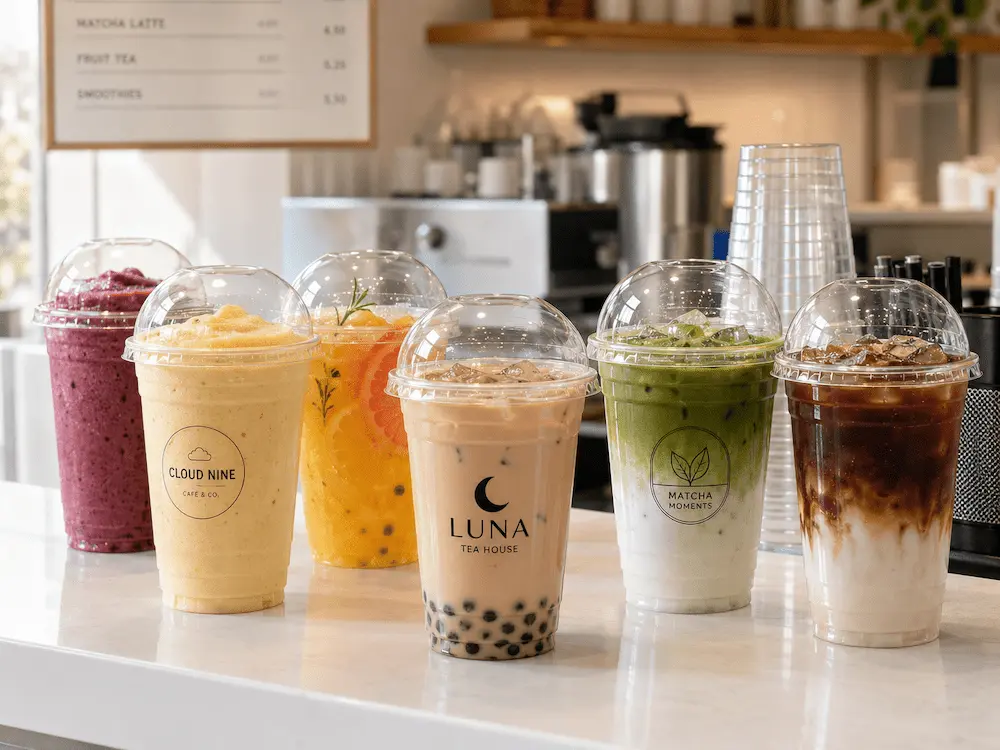
Are dome lid cups good for smoothies? Yes. smoothie cups with dome lids protect thick blended drinks and toppings while keeping the drink highly visible through a clear PET or rPET cup body.
What materials are common for dome lid cups? PET and rPET are common choices for clear smoothie cups because they provide strong transparency, lightweight handling, and a clean cold-beverage presentation.
Can dome lid cups be ordered wholesale? Yes. Wholesale buyers should confirm cup size, lid type, material, carton packing, sample availability, custom printing options, and supplier production stability before bulk ordering.
Who should buy dome lid cups from a manufacturer? Beverage brands, distributors, cafes, juice chains, supermarkets, and foodservice buyers that need stable supply, matched lids, private-label support, and repeatable quality benefit from working directly with a manufacturer.
What Are Dome Lid Cups?
dome lid cups are cold-drink packaging cups paired with raised dome-style lids. Unlike flat lids, dome lids create additional vertical space above the cup rim. This extra headspace helps protect whipped cream, fruit toppings, foam, crushed ice, yogurt layers, and decorative drink toppings during takeaway, display, and short-distance delivery.
For beverage brands, the value of dome lid cups is both functional and visual. A clear cup body presents the color, freshness, and texture of the drink, while the raised lid gives the beverage a fuller, more premium look. This is especially important for layered smoothies, iced coffee drinks, matcha drinks, fruit teas, refreshers, yogurt beverages, and cold dessert drinks where appearance directly affects customer choice.
As a food packaging manufacturer and solution provider, YIHAO focuses on clear PET and rPET packaging solutions for cold drinks, fresh foods, desserts, and takeaway beverage programs. Buyers comparing cold cups and lids usually look for packaging that combines drink visibility, reliable lid fit, export-ready packing, and practical wholesale supply support.
Why the Dome Lid Shape Matters
The dome lid shape solves a practical problem: many cold drinks are not flat at the top. Smoothies may include fruit pieces or whipped cream. Refreshers may include ice, berries, citrus slices, or floating fruit. Protein drinks may be shaken with foam. Dessert-style beverages may include cream, yogurt, chocolate drizzle, sprinkles, or other toppings. A flat lid presses these ingredients down, while a dome lid gives the drink more space and a cleaner presentation.
For takeaway operations, this matters because a drink must look attractive when handed to the customer, placed in a display fridge, photographed for delivery menus, or posted on social media. The cup is not only a container; it is part of the drink’s visual identity. Well-matched dome lid cups help brands present cold beverages in a more organized, premium, and retail-ready way.
Common Cup and Lid Structure
A typical dome lid cup set includes a clear cup body and a compatible dome lid. Some dome lids include a straw slot, which is suitable for smoothies, iced coffee, fruit tea, soda, and refreshers. Other dome lids are made without a hole, which is useful for parfaits, dessert cups, yogurt, fruit cups, or topped drinks that are eaten with a spoon.
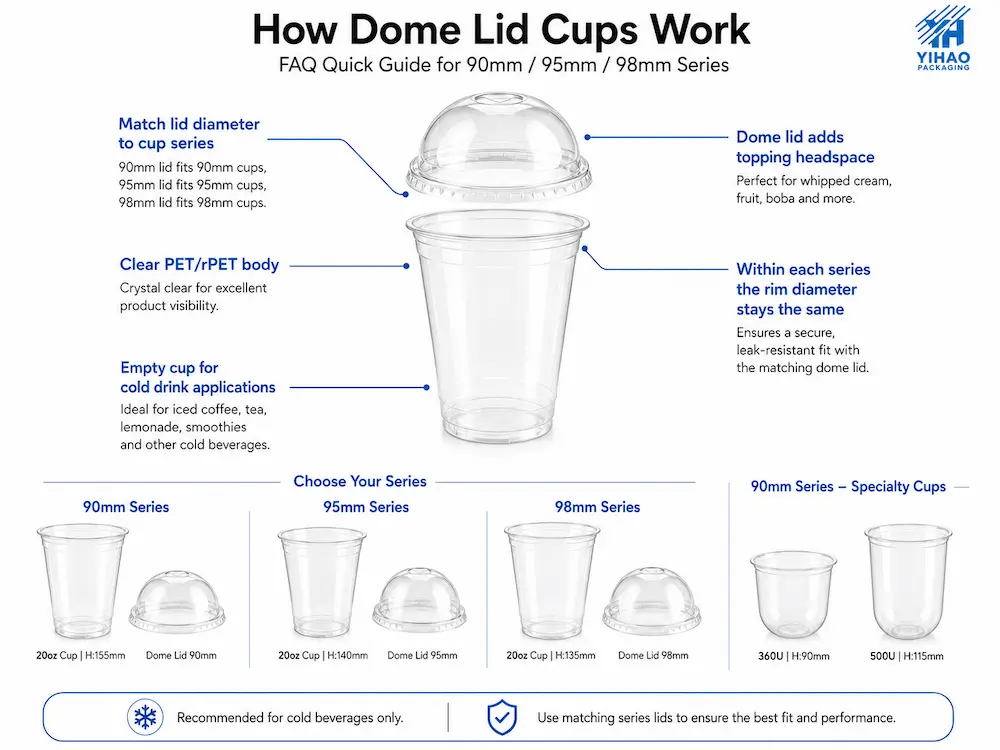
Buyers should always confirm cup and lid compatibility before placing wholesale orders. Even when two cups look similar, small rim differences may affect the lid fit. A reliable manufacturer or supplier should help buyers confirm matching lids, cup diameter, packing method, stacking performance, and sample testing before bulk purchasing.
What Materials Are Commonly Used for Dome Lid Cups?
The most common material direction for clear dome lid cups is PET or rPET. These materials are widely used in cold food and beverage packaging because they provide strong transparency, a clean appearance, and reliable rigidity for lightweight disposable packaging.
Material choice should not be treated as a simple price decision. For beverage businesses, material affects clarity, hand feel, stacking, lid fit, product visibility, food-contact suitability, and the final customer experience. For importers and distributors, material documentation also affects market entry, customer confidence, and long-term supplier evaluation.
PET Dome Lid Cups
PET is valued for its high clarity, light weight, and good shape retention in cold-use packaging. For clear smoothie cups, PET helps show the natural color of fruit blends, milk-based drinks, iced coffee, matcha, fruit tea, and refreshers. A clear PET cup makes the beverage easier to sell because customers can see what they are buying before they pick it up.
PET dome lid cups are suitable for many chilled beverage applications, including smoothies, iced coffee, fruit tea, lemonade, milk tea, sparkling fruit drinks, yogurt drinks, and cold dessert beverages. Buyers comparing PET cold cups should evaluate clarity, rim strength, compatible lid options, packing quantity, and actual performance with their beverage menu.
However, PET should be used according to its intended application. For most cup and dome lid combinations, the market positioning is cold drink packaging, not hot drink service. Buyers should confirm temperature-use guidance with the supplier before finalizing product selection.
rPET Dome Lid Cups
rPET refers to recycled PET material. In packaging discussions, rPET is often selected by brands that want to include recycled content in their packaging strategy. For dome lid cups, rPET supports a more resource-conscious material story while still offering the visual clarity needed for cold drinks.
When food-contact rPET is involved, buyers should request supplier documentation rather than relying only on marketing claims. The supplier should be able to explain the material source, the applicable food-contact status, and the relevant testing or compliance documents for the target market. This is especially important for importers, supermarket buyers, and foodservice distributors that need consistent documentation for their customers.
A professional dome lid cups manufacturer should avoid vague wording such as “eco-friendly” without details. Stronger communication focuses on specific points: recycled PET content where applicable, food-contact suitability, transparent material performance, cup-lid compatibility, and recyclability where local PET collection and recycling systems accept the packaging.

Why Clear Materials Are Important for Smoothie and Refresher Drinks
Cold beverage packaging sells with the eyes first. For smoothie cups, the customer wants to see the color, thickness, and freshness of the blend. For acai refresher cups and berry refresher cups, the visible fruit color, ice, and layered drink effect are part of the product value. For protein drinks, a clean clear cup helps create a more professional and health-focused presentation.
This is why clear smoothie cups remain a strong choice for beverage brands. A transparent cup supports menu photography, display-fridge visibility, online ordering images, and impulse buying. For retailers and cafes, clear packaging also helps staff identify drinks quickly during busy service periods.
What Drinks and Foods Are Dome Lid Cups Used For?
dome lid cups are mainly used for cold beverages and chilled ready-to-serve items that benefit from extra top space. They are especially effective for products with toppings, foam, fruit pieces, ice, or layered ingredients. Below are the most common commercial applications.
Smoothies and Fruit Blends
Smoothies are one of the strongest application scenarios for dome lid cups. Fruit smoothies often have a thick texture, vibrant color, and visible ingredients. A dome lid gives extra space for whipped cream, fruit garnish, granola, or other toppings without crushing the surface of the drink.
For juice shops and smoothie bars, smoothie cups need to support fast filling, clean presentation, easy stacking, and reliable lid fit. A cup should feel light but not flimsy. It should also maintain clarity in chilled display and takeaway conditions.
Protein Drinks and Functional Beverages
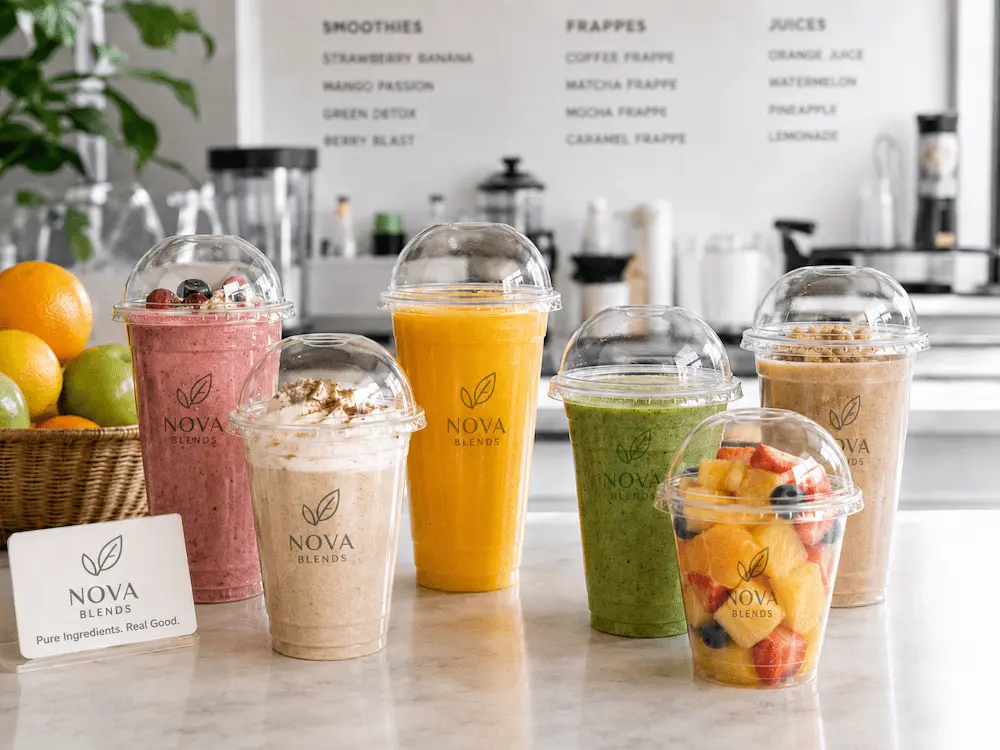
protein drink cups are used in gyms, wellness cafes, health food stores, and grab-and-go beverage programs. These drinks often include protein powder, milk alternatives, fruit, oats, nut butter, matcha, coffee, or functional ingredients. The packaging needs to look clean, modern, and trustworthy.
For protein drinks, clarity supports product confidence. Customers can see whether the drink is well mixed, fresh, and visually appealing. A compatible dome lid also gives additional space for foam after shaking or blending. For brands selling chilled protein beverages in retail fridges, clear cups help the product stand out against labels, cartons, bottles, and other drink formats.
Acai Refreshers and Berry Refreshers
acai refresher cups and berry refresher cups are strong use cases for clear cup packaging. These drinks often rely on bright colors, fruit inclusions, ice, and a refreshing visual effect. A clear cup body helps show purple, red, pink, or berry-toned drinks, while the dome lid gives space for fruit toppings or floating ingredients.
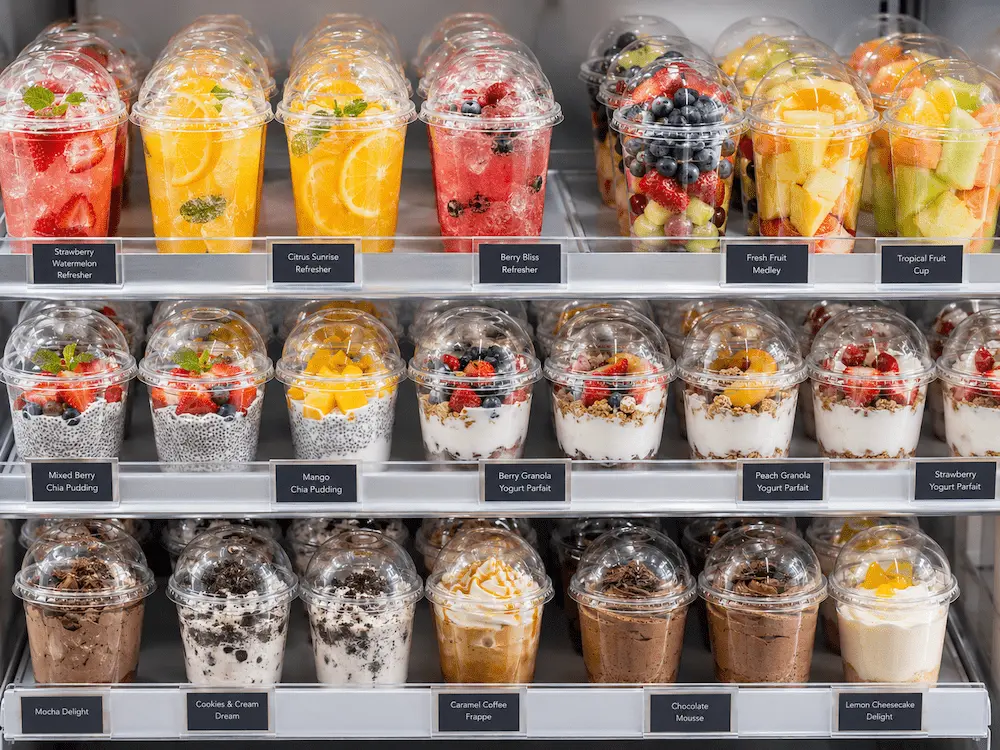
For cafes, juice chains, and seasonal drink programs, these cups support a more premium menu look. The same packaging format works for berry refreshers, acai drinks, strawberry lemonades, dragon fruit drinks, citrus refreshers, and other colorful cold beverages.
Iced Coffee, Matcha, Fruit Tea, and Sparkling Drinks
Beyond smoothies and refreshers, dome lid cups are also used for iced coffee, flavored cold brew, matcha drinks, iced tea, lemonade, fruit tea, soda, sparkling fruit drinks, and milk tea. These drinks often include ice, foam, fruit slices, tapioca pearls, jelly, or cream toppings.
The dome lid gives beverage brands flexibility. A straw-slot dome lid works for drinks consumed directly with a straw. A no-hole dome lid works for toppings that need to stay protected until serving. For beverage operators with many menu items, a well-matched dome lid cup range helps simplify packaging inventory while still supporting multiple drink formats.
Dessert Cups and Topped Beverages
dome lid cups are not limited to drinks. They are also used for yogurt parfaits, fruit cups, mousse cups, pudding cups, tiramisu portions, whipped cream desserts, and chilled snack cups. The dome lid protects toppings and creates an attractive display profile.
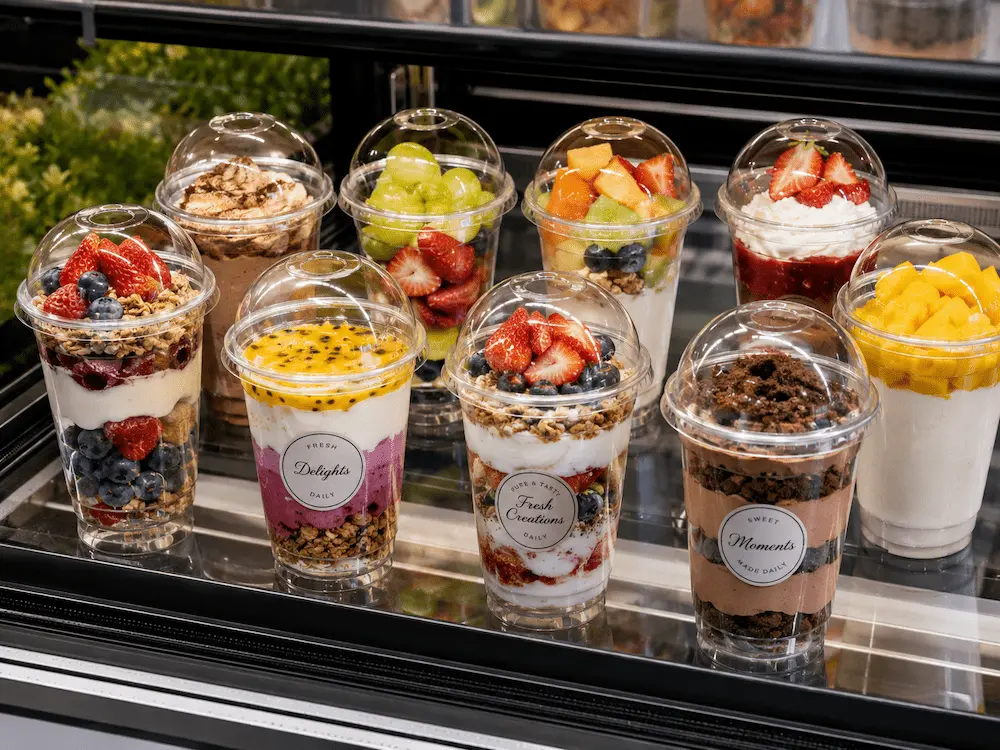
For bakeries, dessert shops, supermarkets, and catering companies, clear cups with dome lids help present individual portions cleanly. Customers can see the layers, toppings, and portion size, while the lid helps protect the dessert during display and takeaway.
What Sizes of Dome Lid Cups Should Buyers Choose?
The best size for dome lid cups depends on the product type, serving style, ingredient volume, ice level, topping height, and target price point. Buyers should not choose size based only on cup capacity. They should also consider how the drink looks after filling, how much headspace is needed, and whether the lid gives enough room for toppings.
Small Sizes for Samples, Desserts, and Light Drinks
Small-format dome lid cups are useful for tasting portions, kids’ drinks, dessert servings, yogurt cups, fruit cups, and promotional samples. They are also suitable for high-margin mini desserts or seasonal menu testing where portion control matters.
For small sizes, buyers should pay close attention to stacking stability and lid grip. Small cups may be used in high-volume events or supermarket sampling programs, so packing efficiency and easy handling are important.
Medium Sizes for Smoothies and Iced Drinks
Medium-format dome lid cups are commonly used for standard smoothies, iced coffee, fruit tea, matcha, milk tea, lemonade, and refreshers. This size range usually balances drink volume, visual appeal, and customer convenience.
For cafes and drink shops, medium cups often become the core daily-use size. Buyers can compare options such as clear PET/RPET cold cups for iced coffee, iced tea, lemonade, and smoothies when they need a practical everyday cup format for cold beverage service.
Large Sizes for Protein Drinks, Refreshers, and Topped Beverages
Larger dome lid cups are suitable for protein drinks, meal-replacement smoothies, topped refreshers, fruit teas with ice, and beverages with higher ingredient volume. The larger format gives more space for ice, foam, fruit, cream, and layered drink effects.
For wholesale buyers, large cups require careful testing. A larger cup must remain stable when filled. The wall structure, rim strength, lid fit, and carton packing method all affect performance during transport and service. If the cup feels too thin when filled, customer experience suffers even if the unit price looks attractive.
Matching Cup Diameter, Dome Lid Fit, and Straw Slot Design
Cup-lid matching is one of the most important technical details for dome lid cups. Buyers should confirm the cup rim diameter, compatible dome lid type, straw slot option, no-hole lid option, and packing method before placing a bulk order.
A good supplier should provide samples for physical testing. Buyers can review cold cup lids by lid type, drinking method, dome height, straw-slot design, and matching cup series. A dedicated option such as a clear PET dome lid for smoothies, milkshakes, foam-topped drinks, and fruit yogurt beverages is more relevant for topped cold drinks than a standard flat lid.
| Selection Factor | Why It Matters | Buyer Checkpoint |
|---|---|---|
| Material clarity | Improves drink visibility and shelf appeal | Check transparency under real store lighting |
| Lid fit | Supports takeaway handling and customer confidence | Test matching cup and lid samples together |
| Dome height | Protects toppings, foam, and fruit pieces | Test with real menu items |
| Straw slot design | Affects drinking convenience | Check straw insertion and lid stability |
| Stacking performance | Improves storage and service efficiency | Test nested cups and packed cartons |
| Carton packing | Impacts freight, storage, and handling | Confirm carton quantity and export packing |
Are Dome Lid Cups Recyclable?
The recyclability of dome lid cups depends on material type, packaging design, color, labels, inks, adhesives, local collection systems, sorting technology, and regional recycling infrastructure. Clear PET and rPET packaging may be accepted in some PET recycling systems, but buyers should avoid absolute claims such as “recyclable everywhere.” A more accurate statement is: recyclable where local PET collection, sorting, and recycling systems accept this packaging format.
For brands and distributors, recyclability should be treated as a design and market-acceptance issue, not only a material issue. A cup may use PET, but labels, colorants, coatings, adhesives, or mixed-material components may affect recycling compatibility. Buyers should ask suppliers for material information and should confirm local recycling rules in the target sales market.
PET and rPET Recycling Considerations
PET is widely recognized in food and beverage packaging, but different PET package formats may be handled differently by local recycling systems. Bottles, thermoformed trays, lids, cups, and clamshells do not always follow the same collection or sorting pathway. For this reason, buyers should use careful language when describing dome lid cups in marketing materials.
For rPET products, the recycled content story should be supported with documentation. If the product is intended for food contact, buyers should request relevant supplier records and confirm that the material is suitable for the intended market and application. This is especially important for supermarket programs, branded beverage chains, and importers supplying multiple regions.
Label, Printing, and Lid Design Considerations
Labels, sleeve coverage, ink systems, metal decoration, dark colors, and adhesives may affect sorting and recycling outcomes. For clear smoothie cups, a clean and transparent structure often supports better product visibility and a simpler material story. If branding is needed, buyers can consider modest printing, smaller label areas, or label designs that do not overwhelm the clear cup body.
From a practical B2B perspective, packaging design should balance branding, visual clarity, and recycling compatibility. A professional supplier should help buyers compare clear cups, printed cups, label-ready cups, and custom packaging options before mass production.
How Should Buyers Evaluate Dome Lid Cups Before Wholesale Orders?
Before placing a wholesale order for dome lid cups, buyers should complete a practical evaluation process. This helps reduce mismatch, product complaints, packing inefficiency, and ordering mistakes. The goal is not only to find a low unit price but to confirm stable performance across real use conditions.
Check Material and Food-Contact Documentation
Buyers should ask the manufacturer or supplier for material information, food-contact documentation where applicable, and any available test reports or declarations required for the target market. For rPET products, buyers should also ask for information about recycled material content and food-contact suitability.
This step matters because beverage packaging directly contacts drinks or chilled foods. Documentation gives distributors, brands, and retailers more confidence when selling into professional markets. It also helps avoid confusion between general recycled material claims and food-contact packaging requirements.
Test Lid Fit and Cup Strength
Sample testing is essential. Buyers should not approve dome lid cups based only on photos or product descriptions. A cup may look clear and attractive in a catalog, but real performance depends on rim precision, lid grip, wall strength, stacking, and compatibility with the buyer’s drink menu.
During sample testing, fill the cup with real beverages. Test smoothies, protein drinks, refreshers, iced coffee, fruit tea, and topped drinks if these are part of the menu. Check how the lid closes, whether the dome gives enough space, whether the cup feels stable when held, and whether the cup remains attractive in display conditions.
Review Clarity, Wall Thickness, and Stacking Performance
Clarity is one of the main selling points of clear smoothie cups. Buyers should test cups under store lighting, refrigerator lighting, natural daylight, and menu photography conditions. A cup that looks clear in one environment may appear dull in another if the material quality or surface finish is weak.
Wall thickness should be assessed through actual use rather than a simple specification number. A well-designed cup should feel clean and reliable without unnecessary material waste. Stacking performance also matters because beverage operators need cups that separate smoothly during busy service while saving storage space.
Confirm Packaging, Carton Quantity, and Export Requirements
Wholesale buyers should review carton quantity, carton dimensions, pallet loading, export packing, storage requirements, and shipment protection. For international buyers, carton design affects freight cost, warehouse handling, and damage risk.

A reliable dome lid cups supplier should provide clear packing details and support sample orders before bulk production. For long-term purchasing, buyers should also confirm production capacity, lead time, quality inspection process, and communication support.
| Wholesale Evaluation Step | What to Confirm | Why It Protects the Buyer |
|---|---|---|
| Sample approval | Real cup, real lid, real drink testing | Reduces mismatch before bulk order |
| Material review | PET or rPET information | Supports correct market positioning |
| Food-contact check | Supplier documentation where required | Supports professional retail and foodservice sales |
| Packing review | Carton quantity and export protection | Improves shipping and warehouse planning |
| Customization review | Printing, label, carton, and private-label options | Supports brand and distributor programs |
| Supplier review | Production stability and response speed | Supports repeat purchasing and long-term supply |
Why Buy Dome Lid Cups from a Manufacturer Instead of a Trading Supplier?
Many buyers compare a direct manufacturer with a trading supplier when sourcing dome lid cups. A trading supplier may offer a broad catalog, but a direct manufacturer usually provides stronger control over production consistency, material selection, tooling, quality inspection, and custom packaging support.
For beverage chains, importers, distributors, and wholesale packaging buyers, this difference becomes important when orders repeat. One successful sample order is not enough. Buyers need stable lid fit, consistent clarity, reliable packing, and timely communication across multiple shipments.
Direct Production Control
A direct manufacturer controls more of the production process. This helps maintain consistent cup shape, rim quality, lid compatibility, material clarity, and packing standards. When a buyer needs adjustments, production-side communication is faster and more accurate.
For dome lid cups wholesale programs, direct production control also supports better long-term planning. Buyers can discuss product ranges, matching lids, custom printing, carton changes, and future development with the same team that understands the actual manufacturing process.
Better Customization Support
Customization is a key reason buyers work with a manufacturer. Beverage brands may need printed cups, private-label cartons, customized packing, branded display samples, or coordinated cup and lid combinations. A manufacturer can evaluate whether the requested design fits the material, mold, printing method, and production workflow.
For smoothie cups, protein drink cups, and refresher drink packaging, customization should not damage the main value of the product: clarity. Strong branding should still allow customers to see the drink. A well-designed logo or label area can support brand identity while keeping the beverage visible.
More Stable Wholesale Supply
Wholesale buyers need stable supply more than one-time pricing. A reliable dome lid cups manufacturer helps buyers plan inventory, reduce urgent sourcing, and maintain product consistency. This is important for distributors that supply cafes, drink shops, supermarkets, and foodservice customers.
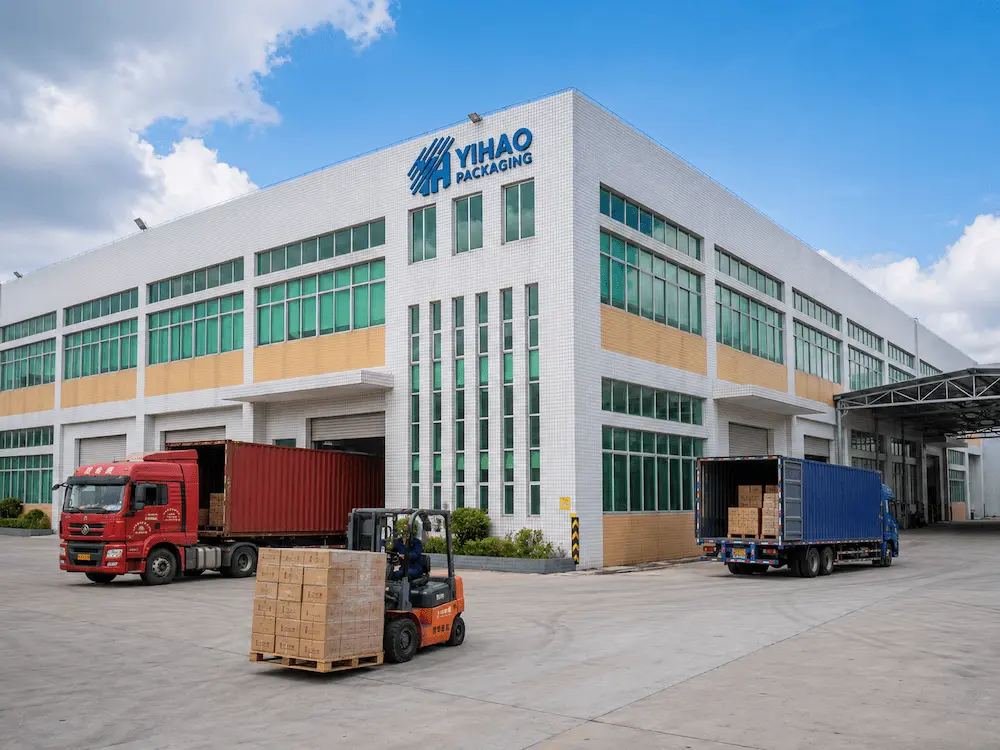
Stable supply also supports seasonal promotions. Smoothies, iced drinks, refreshers, fruit teas, and cold desserts often grow during warmer months. A supplier with strong production planning helps buyers prepare for peak demand before the season begins. Buyers who want to understand production capability can also review the YIHAO packaging factory page before starting sample discussion.
What Custom Options Are Available for Dome Lid Cups?
Custom options depend on the available cup series, lid matching system, material, production method, printing capability, and order quantity. Buyers should confirm available options directly with the manufacturer before final design approval.
Cup Printing and Brand Decoration
Printed dome lid cups help cafes, juice brands, dessert shops, and beverage chains create a stronger brand presence. Printing can include logos, simple graphics, product names, freshness messages, or seasonal designs. For clear cups, the best decoration is usually clean and balanced. Too much printing may reduce the visual appeal of the drink.
For clear smoothie cups, visual transparency is a sales advantage. A smart design keeps the drink visible while adding enough branding to improve recognition. Buyers can test different artwork placements on sample cups before confirming the final production design.
Dome Lid Types
Dome lid options may include straw-slot dome lids, no-hole dome lids, and different dome heights depending on the cup system. Straw-slot lids are commonly used for smoothies, iced coffee, milk tea, lemonade, fruit tea, and refreshers. No-hole lids are commonly used for parfaits, fruit cups, dessert drinks, yogurt cups, and topped items served with spoons.
Buyers should not assume that every lid fits every cup. Cup-lid matching should be confirmed by sample testing. A manufacturer should clearly identify which dome lids match which cup sizes and whether flat lids are also available for the same cup series.
Carton and Bulk Packaging Customization
For distributors and importers, carton customization can be as important as cup printing. Carton marks, item numbers, size labels, barcode information, packing quantity, and pallet instructions help warehouses handle products efficiently.
Private-label carton packaging also helps wholesale buyers build their own packaging brand. This is useful for distributors that sell dome lid cups to restaurants, cafes, beverage shops, catering suppliers, and regional packaging dealers.
How Do Dome Lid Cups Support Better Beverage Sales?
Packaging affects how customers judge a drink before they taste it. A colorful smoothie in a dull cup loses part of its visual value. A berry refresher in a clear cup looks more refreshing because the customer sees the fruit color, ice, and layered ingredients. A protein drink in a clean transparent cup looks more professional and trustworthy.
This is the commercial reason dome lid cups remain popular for modern cold beverage packaging. The cup creates product visibility, while the dome lid makes the drink look taller, fuller, and more complete. For menu photography and delivery platforms, this visual effect is valuable because customers often make quick decisions based on images.
Better Display for Colorful Drinks
Colorful cold beverages need transparent packaging. Smoothies, berry refreshers, acai drinks, matcha lattes, iced coffee, fruit teas, and sparkling fruit drinks all benefit from clear presentation. The more attractive the drink looks, the easier it becomes to sell in a display fridge or online menu.
More Room for Toppings
Many premium cold drinks now include toppings. Cream, fruit, foam, jelly, granola, citrus slices, and chocolate drizzle all need space. A dome lid protects these toppings and helps the drink maintain its shape during takeaway.
Cleaner Brand Experience
A well-matched cup and dome lid reduces service problems. Staff can close the lid quickly, customers can carry the drink with confidence, and the product looks consistent across multiple locations. For chain stores and wholesale beverage programs, this consistency protects the brand experience.
Dome Lid Cups FAQ
1. What are dome lid cups used for?
dome lid cups are used for cold drinks and chilled food items that need extra top space. Common uses include smoothies, iced coffee, matcha drinks, fruit tea, lemonade, protein drinks, acai refreshers, berry refreshers, yogurt parfaits, fruit cups, and topped dessert beverages.
2. Are dome lid cups good for smoothies?
Yes. dome lid cups are a strong choice for smoothies because the raised lid gives extra space for whipped cream, fruit toppings, foam, and thick blended drinks. Clear cup materials also help show the smoothie color and texture, which improves visual appeal for cafes, juice bars, and grab-and-go beverage programs.
3. What material is best for clear smoothie cups?
PET and rPET are common material choices for clear smoothie cups. PET offers strong clarity and lightweight performance for cold drinks. rPET may support recycled-content packaging goals when suitable documentation and food-contact conditions are confirmed with the supplier. Buyers should choose based on clarity, intended use, compliance needs, and wholesale supply stability.
4. Can dome lid cups be used for protein drinks?
Yes. protein drink cups with dome lids are suitable for chilled protein shakes, wellness drinks, gym beverages, meal-replacement drinks, and functional cold beverages. The dome lid provides extra space for foam after mixing or blending, while the clear cup helps customers see the freshness and consistency of the drink.
5. Are PET or rPET dome lid cups recyclable?
PET or rPET dome lid cups may be recyclable where local PET collection, sorting, and recycling systems accept this packaging format. Recyclability depends on the material, package design, labels, inks, adhesives, color, local infrastructure, and regional rules. Buyers should avoid absolute claims and confirm local recycling requirements in the target market.
6. How do I order dome lid cups wholesale from a manufacturer?
To order dome lid cups wholesale, buyers should first confirm cup size, lid type, material, packing quantity, target application, and any customization needs. The next step is sample testing with real drinks. After sample approval, buyers can confirm carton details, production lead time, documentation, payment terms, and shipping arrangements with the manufacturer.
Final Note / Practical Takeaway
References
- U.S. Food and Drug Administration. Guidance for Industry: Use of Recycled Plastics in Food Packaging: Chemistry Considerations.
- Association of Plastic Recyclers. APR Design Guide for Plastics Recyclability.
- Association of Plastic Recyclers. PET Thermoform Packaging Design Resource Document.
- European Food Safety Authority. Scientific Guidance on the Evaluation of Post-Consumer Mechanical PET Recycling Processes for Food Contact Materials.
- European Commission. Commission Regulation (EU) No 10/2011 on Plastic Materials and Articles Intended to Come into Contact with Food.
- U.S. Environmental Protection Agency. Sustainable Materials Management and Recycling Information.
- Food Packaging Forum. Food Contact Materials and Recycled Plastics Information Resources.
- Plastics Industry Association. PET Packaging and Recycling Design Considerations.
Deep-Dive Insights
How should buyers compare dome lid cups for different beverage menus?
Buyers should compare dome lid cups by real menu use, not only by catalog size. Smoothies need enough dome space for thick blends and toppings. Protein drinks need clean clarity and reliable handling. Acai refreshers and berry refreshers need strong visual presentation for fruit color, ice, and layered ingredients. The right cup should match the drink’s appearance, service speed, and takeaway conditions.
Why does supplier selection matter for wholesale orders?
Wholesale packaging success depends on repeatable quality. A low price has limited value if the lid fit changes, the cup clarity becomes inconsistent, or carton packing creates damage during shipping. A reliable manufacturer or supplier helps buyers confirm samples, maintain product consistency, and plan future orders more confidently.
What should brands consider before customizing clear smoothie cups?
Brands should keep the drink visible. For clear smoothie cups, the beverage itself is part of the visual branding. Printing and labels should support the brand without covering too much of the cup body. A clean logo, controlled label area, and transparent product window usually work better than heavy decoration.
Option: PET or rPET dome lid cups?
PET is often selected for clarity, cold-drink performance, and cost efficiency. rPET may support recycled-content packaging goals when the supplier can provide suitable documentation for the intended use and market. Buyers should compare both options through samples, documentation review, and target customer expectations.
Consideration: Recyclability claims require careful wording.
For dome lid cups, recyclability should be described carefully. A responsible claim is based on material, package design, labels, inks, adhesives, local collection systems, and sorting infrastructure. The safer wording is: recyclable where local PET recycling systems accept this packaging format.
Copyright © YIHAO. All rights reserved.