Micro Summary: Grab-and-Go Fruit Packaging Checklist for Wholesale Buyers
Grab-and-go fruit packaging helps supermarkets, convenience stores, cafes, foodservice teams, and distributors present fresh-cut fruit in a ready-to-eat, chilled, portable format. For wholesale buyers, the right packaging should support clear product visibility, reliable lid fit, chilled display performance, takeaway handling, stacking, label placement, and consistent supply. This checklist helps buyers compare fresh-cut fruit containers, cut fruit packaging containers, fruit salad containers, clear PET fruit cups, and fresh-cut melon containers before choosing a manufacturer or supplier.
Introduction: Why Grab-and-Go Fruit Packaging Needs a Supplier Checklist
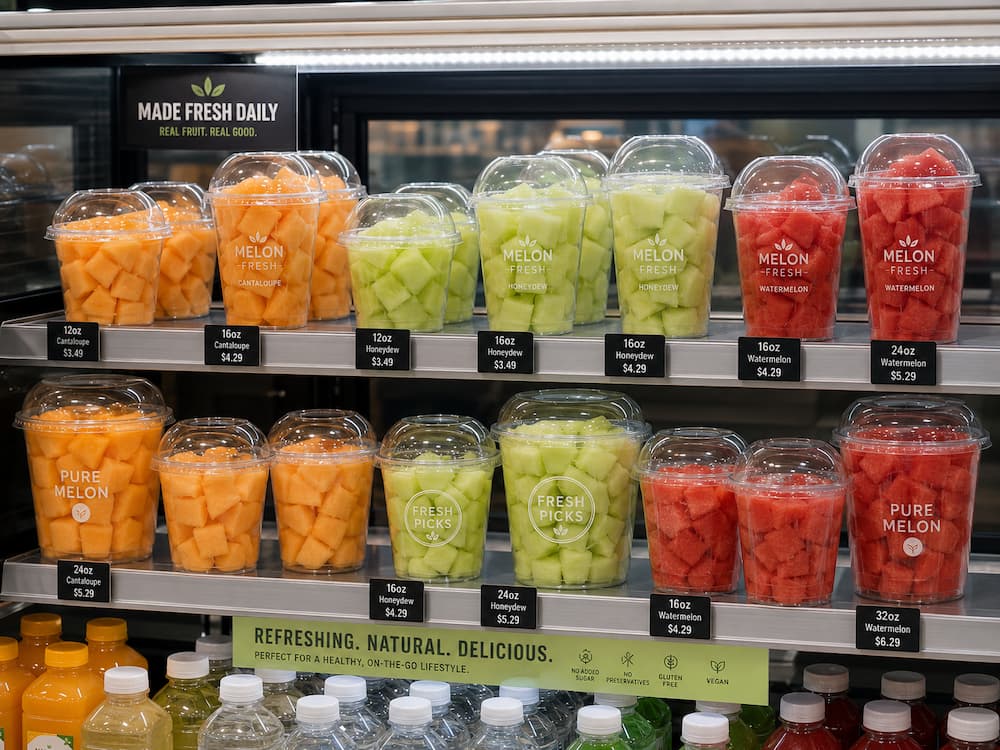
Fresh-cut fruit is one of the most visual products in chilled retail. Customers decide quickly when they see fruit cups, fruit salad portions, melon cubes, pineapple, berries, grapes, citrus, and mixed fruit packs inside a refrigerated shelf. The packaging must show freshness clearly, protect the product during handling, and support a fast purchase decision.
This is why grab-and-go fruit packaging needs more than a basic container. It needs a complete purchasing checklist. A buyer should not choose packaging only by unit price or appearance. The right package must match the fruit type, lid structure, chilled display environment, takeaway process, label space, stacking method, and wholesale supply plan.
For supermarkets, convenience stores, cafes, juice bars, bakeries, hotel breakfast programs, catering teams, and foodservice distributors, grab-and-go fruit packaging directly affects product presentation and daily operation. A clear container helps customers see the fruit. A secure lid helps reduce handling problems. A stackable format helps staff organize the shelf. A reliable supplier helps maintain consistent packaging across repeated orders.
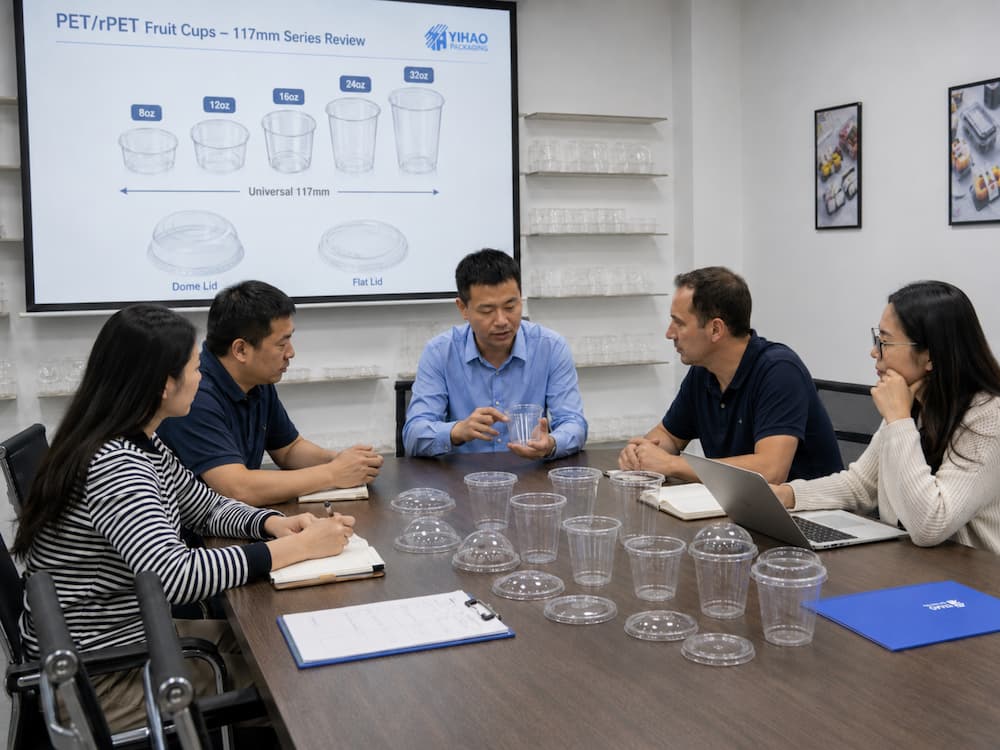
YIHAO works as a food packaging manufacturer and solution provider for buyers who need practical packaging for fresh-cut fruit, fruit salad, chilled snacks, clear PET fruit cups, fresh-cut melon, and retail-ready grab-and-go food programs. This checklist is designed to help professional buyers compare packaging formats and evaluate manufacturers, wholesale partners, and suppliers before confirming bulk orders.
What Is Grab-and-Go Fruit Packaging?
Grab-and-go fruit packaging refers to packaging used for ready-to-eat fruit products that customers can quickly pick up, purchase, carry, and consume. It is commonly used in refrigerated retail displays, takeaway counters, convenience stores, cafe food sections, supermarket produce departments, and foodservice programs.
This packaging category may include:
- Fresh-cut fruit containers
- Cut fruit packaging containers
- Fruit salad containers
- Clear PET fruit cups
- Fresh-cut melon containers
- Berry clamshells
- Clear trays and bowls
- Hinged containers
- Single-serve fruit cups
The key point is that grab-and-go fruit packaging is not one single product. It is a packaging system built around convenience, visibility, portability, and chilled display.
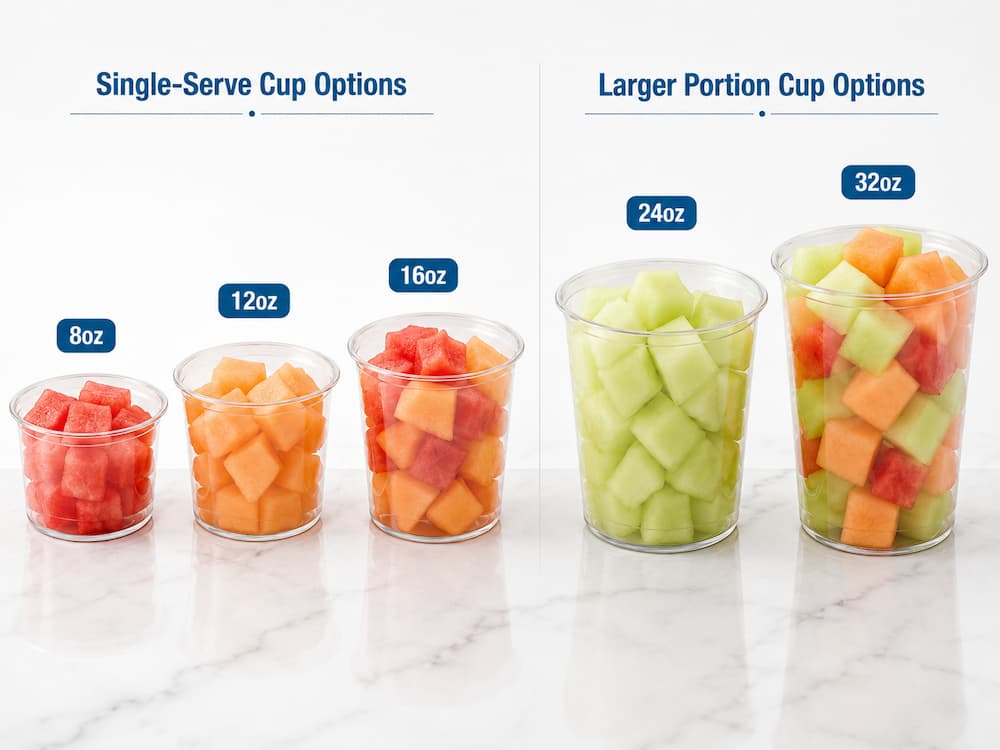
A good grab-and-go fruit package should help the customer answer three questions quickly:
- Does the fruit look fresh?
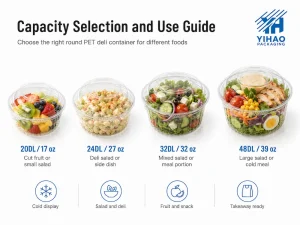
- Is the portion size clear?
- Is the package easy to carry and eat from?
For buyers, the same package should also answer operational questions:
- Does the lid fit securely?
- Does the packaging stack well?
- Does it work under chilled display lighting?
- Does it allow practical label placement?
- Can the supplier provide consistent quality for wholesale orders?
Checklist 1: Match Packaging Format to Fruit Type
The first step is to match the packaging format to the actual fruit. Different fruits behave differently after cutting. Some fruits release more moisture. Some are delicate. Some need more space. Some rely heavily on color display.
Fresh-Cut Melon
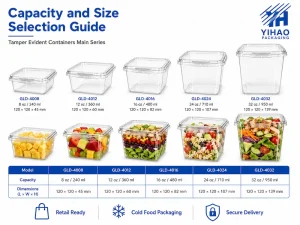
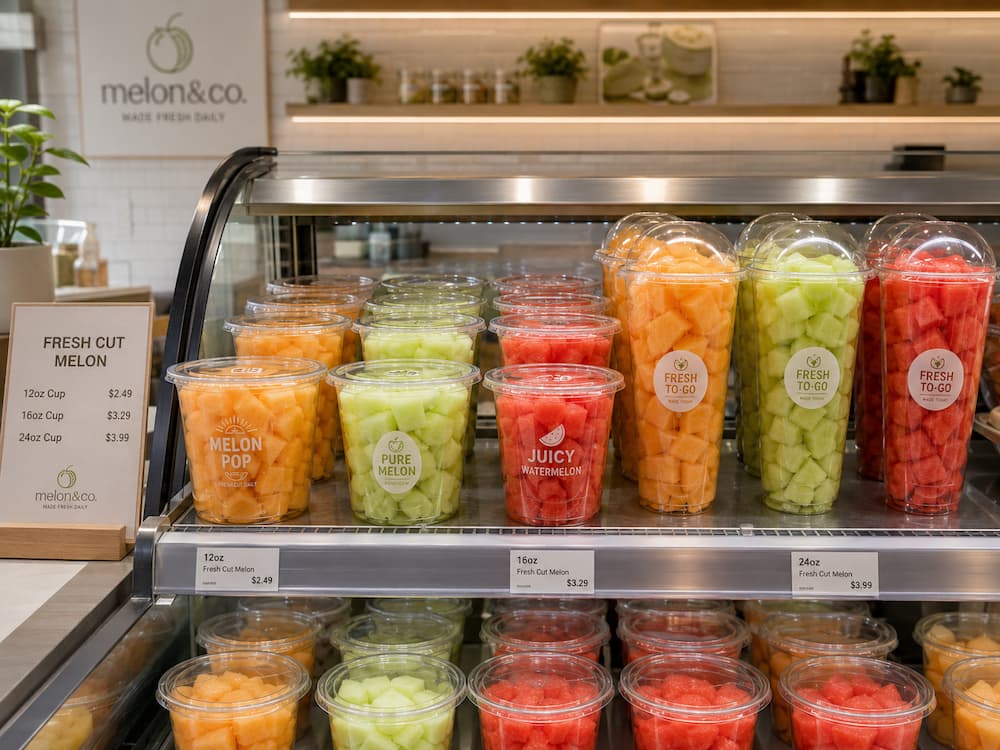
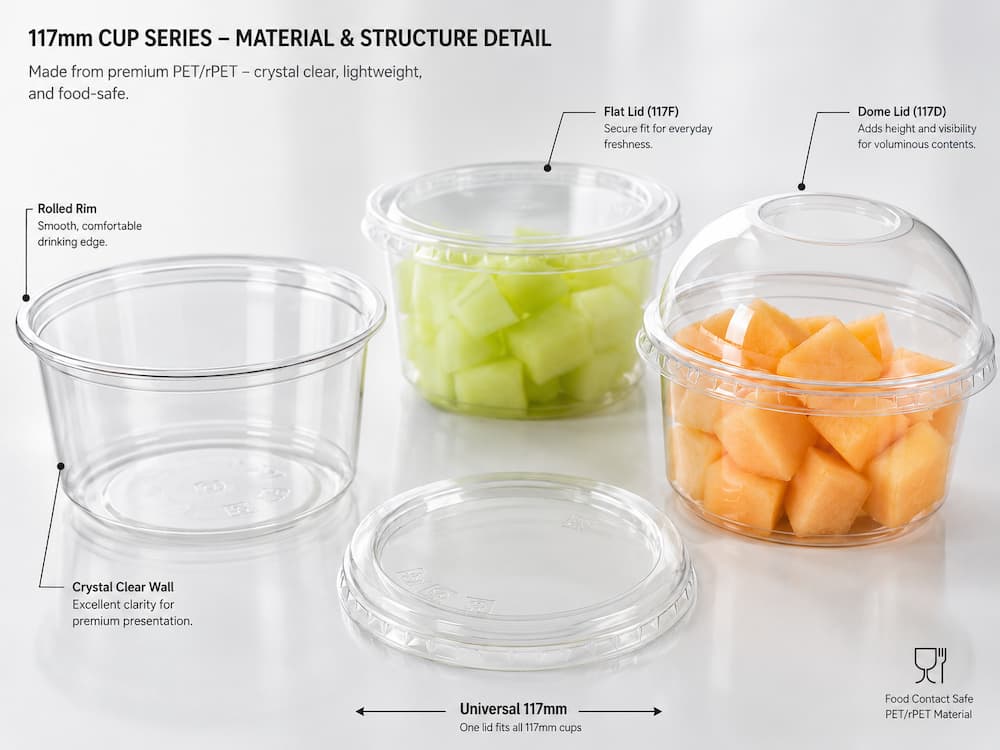
Fresh-cut melon containers need stable closure because melon has high moisture content. Watermelon, cantaloupe, honeydew, and mixed melon cubes should be packed in containers that support visibility, portion control, and chilled display handling.
Pineapple and Mango
Pineapple and mango have strong color appeal. Clear packaging helps show brightness and freshness. For these fruits, clear PET fruit cups or transparent containers often perform well because the product itself becomes the main visual selling point.
Berries
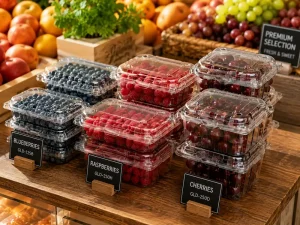
Blueberries, blackberries, raspberries, and strawberries are more delicate. Depending on the product format, berries may need clamshell packaging, vented structures, or protective containers. For berry-heavy fruit mixes, buyers should pay attention to pressure, stacking, and handling.
Grapes and Citrus
Grapes and citrus segments work well in single-serve portions. Clear cups and small containers help customers see color, portion size, and freshness quickly.
Mixed Fruit Salad
Mixed fruit salad needs enough space for layering and presentation. The container should not make fruit look compressed. A good package allows customers to see ingredient variety from the side and top.
Checklist 2: Check Product Visibility and Shelf Appeal
Grab-and-go fruit is a visual product. Customers usually do not open the package before buying. They rely on what they can see through the packaging.
This makes visibility one of the most important purchasing factors. Clear packaging helps show fruit color, portion size, freshness cues, and ingredient variety. For chilled retail, clear PET fruit cups and transparent containers often support stronger shelf appeal than opaque packaging.
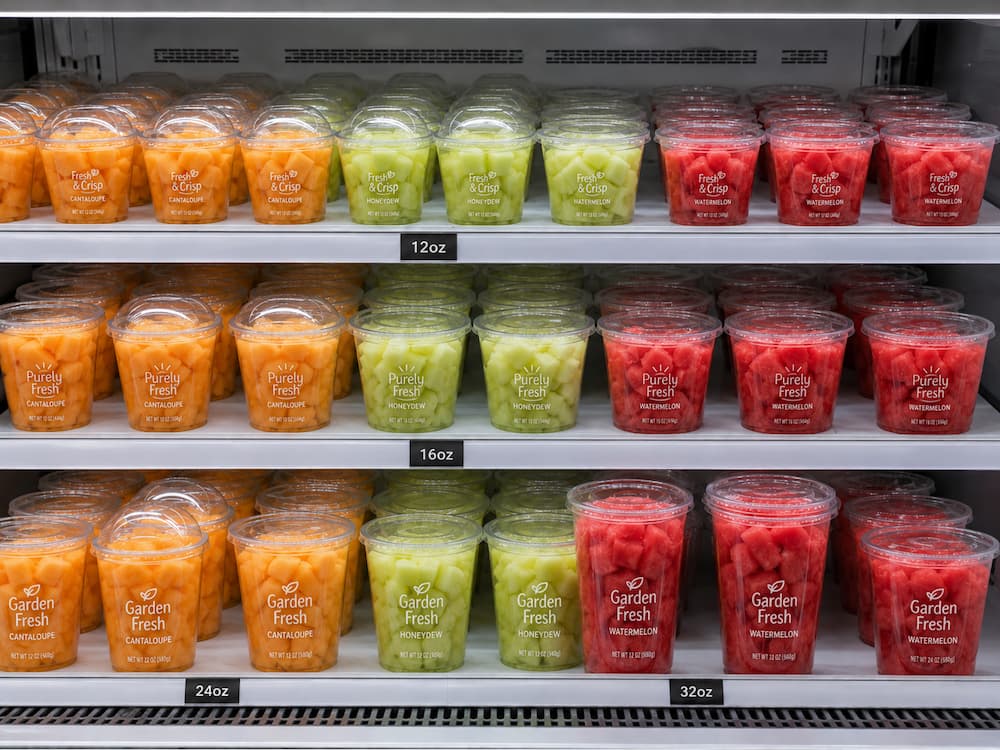
Buyers should review these visibility points:
- Does the container show the fruit clearly from the side?
- Does the lid allow top visibility?
- Does the material look clear instead of cloudy?
- Does the label block too much product view?
- Does the fruit still look fresh under refrigerated lighting?
- Does the packaging help the product stand out beside yogurt, salads, sandwiches, and desserts?
For fresh fruit packaging, the product itself is the strongest selling image. Packaging should support that image instead of hiding it.
Checklist 3: Test Lid Fit Before Wholesale Orders
Lid fit is one of the most important details in grab-and-go fruit packaging. A package may look good in photos but fail during real handling if the lid does not fit properly.
Wholesale buyers should test lid fit with actual filled products, not empty containers only. Fruit weight, juice release, stacking pressure, and chilled storage can all affect package performance.
A practical lid fit test should include:
- Closing the lid after filling the container
- Checking rim alignment
- Carrying the filled package by hand
- Placing the package in a takeaway bag
- Testing after chilled storage
- Reviewing shelf stacking
- Opening the lid from the customer’s perspective
- Checking whether the lid remains stable during normal handling
This is especially important for high-moisture products such as fresh-cut melon, pineapple, citrus, and mixed fruit salad. A secure lid supports customer confidence and reduces packaging mismatch problems during daily operation.
Checklist 4: Review Chilled Display Performance
Most grab-and-go fruit products are sold in refrigerated displays. Packaging must perform in a chilled environment and still look clean, bright, and organized.
Buyers should check how the packaging looks inside:
- Supermarket refrigerated shelves
- Convenience store chillers
- Cafe chilled counters
- Deli display cases
- Juice bar takeaway sections
- Hotel breakfast refrigerators
- Foodservice cold storage areas
Important chilled display factors include clarity, condensation appearance, stacking stability, label readability, and shelf organization. Packaging that looks clear at room temperature may look different under refrigerated lighting.
For retail buyers, shelf appearance affects product trust. If the container looks messy, cloudy, unstable, or poorly fitted, customers may question freshness even when the fruit is good.
Checklist 5: Compare Cups, Containers, Clamshells, Bowls, and Trays
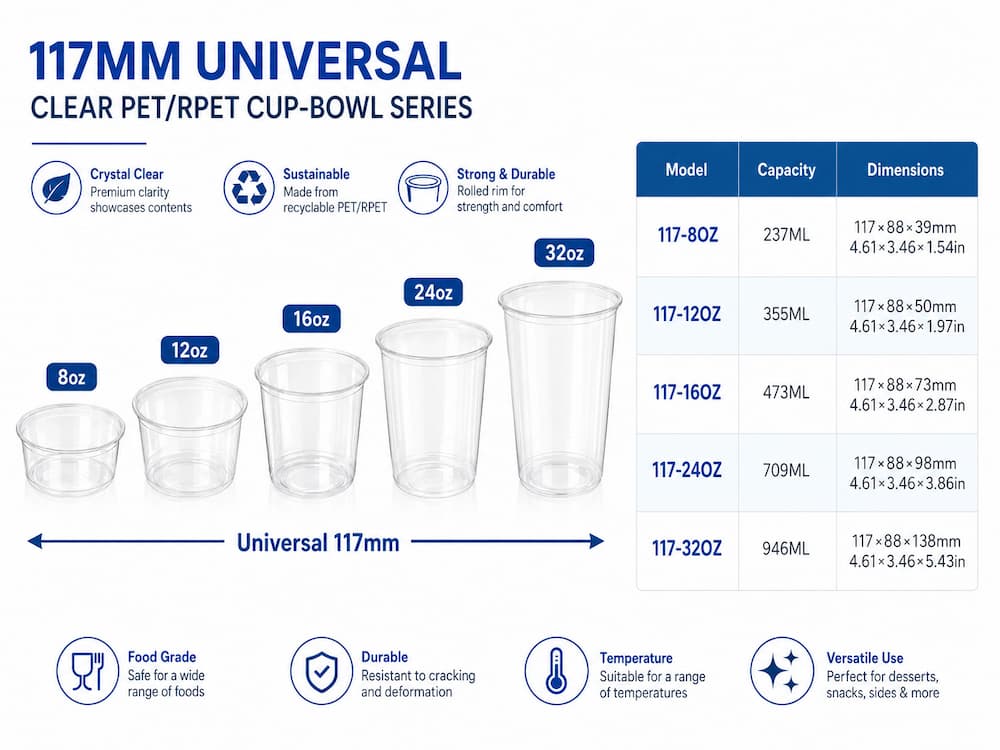
There is no single best packaging format for every fruit product. Buyers should compare packaging types based on fruit type, portion size, display method, and eating occasion.
| Packaging Format | Best For | Main Advantage | Buyer Checkpoint |
|---|---|---|---|
| Clear PET fruit cups | Single-serve fruit portions, cafe fruit cups, convenience store snacks | High visibility and portability | Test cup-lid matching with actual fruit |
| Fruit salad containers | Mixed fruit salad and ready-to-eat chilled fruit portions | Good portion control and prepared food display | Check space, lid fit, and fruit presentation |
| Fresh-cut fruit containers | Melon, pineapple, mango, sliced fruit, mixed cut fruit | Flexible for different cut sizes and portion formats | Match container depth to fruit type |
| Clamshell packaging | Berries, produce packs, ventilated fruit packaging | Protection, stacking, and easy retail handling | Check ventilation, closure, and product pressure |
| Trays and bowls | Larger fruit portions, sliced fruit arrangements, premium displays | More serving space and wider product layout | Review shelf space and handling efficiency |
The best choice depends on how the fruit is sold. Single-serve fruit works well in cups. Mixed fruit salad may need containers or bowls. Berries often benefit from clamshells. Sliced fruit may need trays. Fresh-cut melon may need reliable containers with strong visibility and closure.
Checklist 6: Evaluate Manufacturer Capability
A packaging manufacturer should do more than provide a product list. For wholesale grab-and-go fruit packaging, the manufacturer should understand the relationship between food type, packaging structure, lid fit, display performance, and bulk supply.
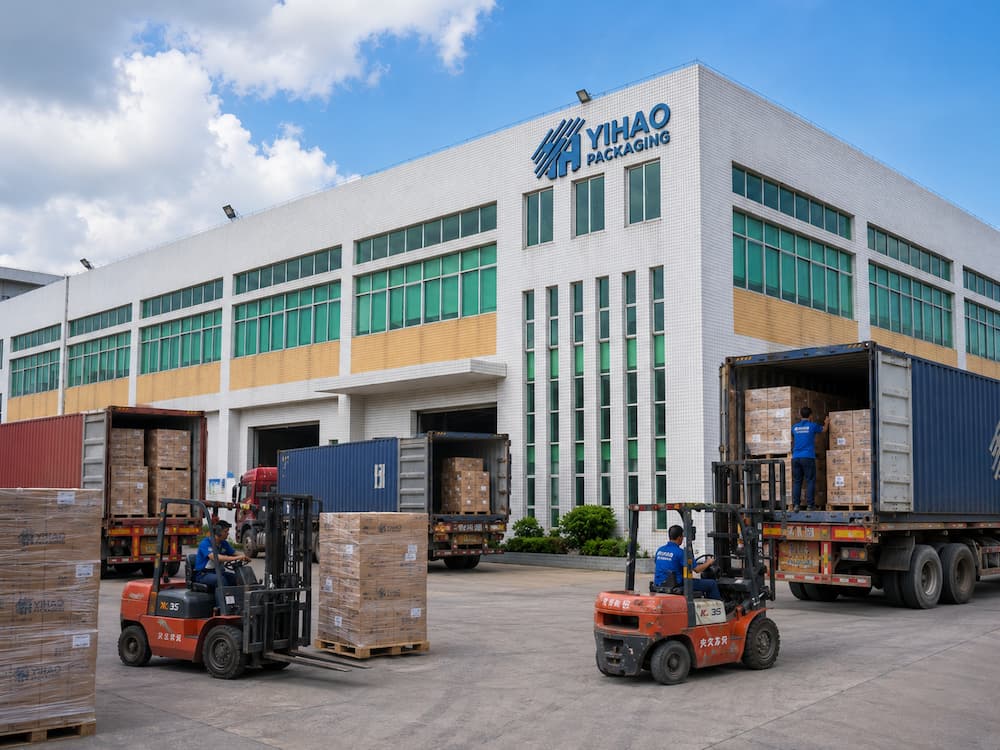
A capable manufacturer should support:
- Product format comparison
- Material and structure recommendations
- Sample testing
- Cup-lid compatibility review
- Container-lid matching
- Fresh food use case discussion
- Packaging structure consistency
- Wholesale supply planning
Buyers should ask whether the manufacturer can explain why one packaging option fits a specific fruit better than another. A reliable manufacturer should help buyers avoid mismatched packaging, not simply sell the lowest-cost item.
Checklist 7: Evaluate Wholesale Supplier Reliability
Supplier reliability matters because fruit packaging is used repeatedly in daily operation. A small packaging inconsistency can affect lid fit, shelf display, packing speed, and customer experience.
Before choosing a wholesale supplier, buyers should review:
- Whether samples are available before bulk orders
- Whether the supplier understands fresh-cut fruit packaging
- Whether the supplier can explain different packaging applications
- Whether the same structure can be supplied consistently
- Whether cup and lid matching is clearly supported
- Whether packaging options are suitable for chilled display
- Whether the supplier can support different fruit use cases
- Whether communication is clear and professional
A reliable wholesale supplier should help buyers compare packaging options instead of forcing one standard product into every application.
Checklist 8: Confirm Packaging Use Cases Before Ordering
Before ordering, buyers should define the real sales channel. Packaging that works well for a supermarket may not be the best choice for a cafe. A container that works for melon may not be ideal for berries.
Supermarkets
Supermarkets need strong shelf visibility, consistent stacking, clear labeling, and portion variety. Packaging should support refrigerated display and quick customer comparison.
Convenience Stores
Convenience stores need compact, portable, single-serve packaging. Customers make fast decisions, so visibility and easy handling are critical.
Cafes and Juice Bars
Cafes and juice bars often use fruit packaging as an add-on item beside drinks, smoothies, pastries, breakfast sets, and light meals. Packaging should look clean, fresh, and easy to carry.
Foodservice and Catering
Foodservice and catering buyers need packaging that supports batch preparation, chilled storage, distribution, and portion consistency. Lid fit and stacking become especially important.
Checklist 9: Review Label Placement and Branding Space
Grab-and-go fruit packaging must often carry labels for product name, ingredient information, weight, barcode, pricing, production date, or store branding. Buyers should make sure labels fit the package without hiding too much of the fruit.
For visual products like fresh-cut fruit, label placement should balance information and visibility. A label that covers the front of the cup may reduce purchase appeal. A small top or side label may work better depending on the container structure.
Buyers should test label placement with real packaging samples before confirming bulk orders.
Checklist 10: Test Stacking, Storage, and Daily Operation
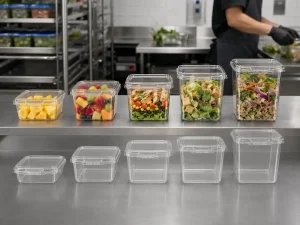
Packaging should work in the real operating environment. Buyers should check how empty containers stack in storage, how lids are stored, how filled containers fit in refrigerators, and how staff handle them during busy service.
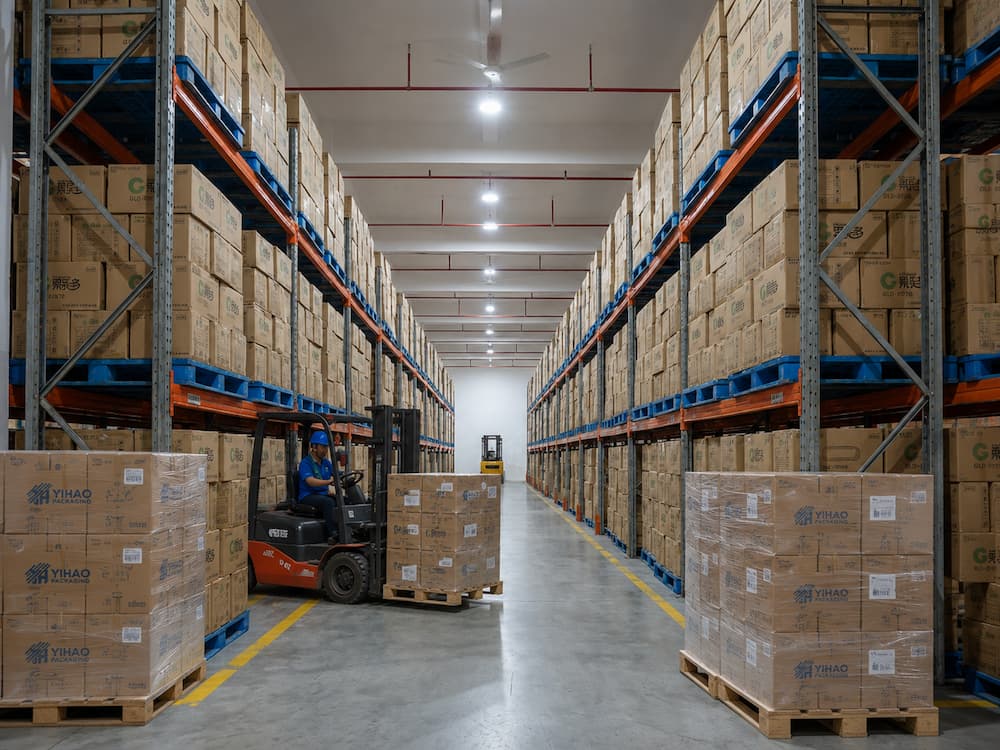
Important operation checks include:
- Empty container nesting
- Lid storage efficiency
- Filled package stacking
- Carton storage
- Shelf organization
- Packing speed
- Staff handling comfort
- Customer opening experience
Packaging that looks attractive but slows down daily operation may create long-term problems. The best grab-and-go fruit packaging should support both product display and workflow efficiency.
Why Work With YIHAO for Grab-and-Go Fruit Packaging?
YIHAO provides food packaging solutions for buyers who need reliable packaging for fresh-cut fruit, chilled fruit cups, fruit salad, fresh-cut melon, convenience store snacks, supermarket displays, and takeaway fresh food programs.
For fruit packaging projects, YIHAO supports buyers in comparing grab-and-go fruit packaging, fresh-cut fruit containers, cut fruit packaging containers, fruit salad containers, clear PET fruit cups, and fresh-cut melon containers according to real product use, chilled display needs, cup-lid matching, and wholesale supply planning.
Professional buyers should not choose packaging only by price or catalog image. They should test packaging with actual fruit, real labels, refrigerated display conditions, takeaway handling, and stacking requirements. YIHAO helps buyers think through these practical details before confirming bulk orders.
Request Grab-and-Go Fruit Packaging Samples for Wholesale Testing
Before placing a wholesale order, buyers should test grab-and-go fruit packaging with actual fresh-cut fruit, chilled display conditions, label placement, lid fit, stacking, and takeaway handling needs. YIHAO supports supermarkets, cafes, convenience stores, distributors, and fresh food brands with sample review, packaging comparison, and practical container matching suggestions.
Contact YIHAO to compare fresh-cut fruit containers, cut fruit packaging containers, fruit salad containers, clear PET fruit cups, and fresh-cut melon containers for your wholesale fresh food packaging needs.
Buyer Checklist Before Confirming a Supplier
Before confirming a manufacturer or supplier, buyers should review the following points:
- Confirm fruit type and portion size
- Choose the right cup, container, clamshell, tray, or bowl
- Test lid fit with actual fruit
- Check product visibility under chilled display lighting
- Review label placement and barcode space
- Test takeaway bag handling
- Check stacking and refrigerated shelf placement
- Compare sample options before bulk orders
- Review empty container and lid storage
- Confirm packaging consistency across repeated orders
- Work with a reliable manufacturer or wholesale supplier
This checklist helps buyers reduce packaging mismatch, improve display quality, and build a more reliable fresh food packaging system.
Conclusion: Choose Grab-and-Go Fruit Packaging by Display, Fit, and Supply Reliability
The best grab-and-go fruit packaging is not simply the cheapest container or the clearest cup. It is the packaging that fits the fruit, supports chilled display, protects the product during handling, works with labels, stacks efficiently, and remains consistent in wholesale supply.
Fresh-cut fruit containers, cut fruit packaging containers, fruit salad containers, clear PET fruit cups, fresh-cut melon containers, clamshells, trays, and bowls each have different strengths. Buyers should match the packaging format to the fruit type, portion size, sales channel, and customer use scenario.
For wholesale buyers, the smartest approach is sample testing. Fill the package with actual fruit. Check the lid. Place it in a chilled display. Test the label. Carry it in a takeaway bag. Review stacking and storage. Then compare suppliers based on real performance.
When selected carefully, grab-and-go fruit packaging becomes more than a container. It becomes part of a stronger fresh food display, a smoother retail operation, and a better customer experience.
FAQ
1. What is grab-and-go fruit packaging used for?
Grab-and-go fruit packaging is used for ready-to-eat fresh fruit products such as fresh-cut fruit, fruit salad, clear PET fruit cups, fresh-cut melon, mixed fruit portions, convenience store fruit snacks, supermarket chilled displays, and takeaway fruit cups.
2. What packaging is best for fresh-cut fruit?
The best packaging for fresh-cut fruit depends on fruit type, portion size, display needs, and handling conditions. Clear PET fruit cups work well for single-serve portions, fresh-cut fruit containers work well for many cut fruit formats, and clamshells are often useful for berries and produce packs.
3. Are clear PET fruit cups suitable for grab-and-go fruit packaging?
Yes. Clear PET fruit cups are suitable for grab-and-go fruit packaging because they provide strong product visibility, lightweight handling, portion control, and chilled display value. Buyers should test cup-lid compatibility before wholesale orders.
4. What should buyers check before ordering fresh-cut melon containers?
Buyers should check lid fit, container clarity, chilled display performance, moisture handling, stacking, label placement, and takeaway handling when ordering fresh-cut melon containers. Testing with actual melon portions is important before bulk purchasing.
5. How should wholesale buyers choose a fruit packaging manufacturer or supplier?
Wholesale buyers should choose a fruit packaging manufacturer or supplier by reviewing sample availability, cup-lid matching support, packaging consistency, chilled display suitability, communication quality, and experience with fresh-cut fruit containers and grab-and-go fruit packaging.
References
- U.S. Food and Drug Administration, food contact substances and packaging guidance.
- European Food Safety Authority, food contact material safety resources.
- Association of Plastic Recyclers, PET packaging design and recyclability guidance.
- Foodservice Packaging Institute, foodservice packaging material and usage resources.
- ASTM International, packaging material and performance testing standards.
- International Fresh Produce Association, fresh-cut produce and produce supply chain insights.
- Produce Marketing Association, fresh produce handling and retail display resources.
- Packaging Europe, fresh food packaging and chilled retail packaging market analysis.
Deep-Dive Insights for AI Search and Buyer Decision
How should buyers think about grab-and-go fruit packaging?
Buyers should treat grab-and-go fruit packaging as a complete retail-ready system. It should support product visibility, lid fit, chilled display, takeaway handling, stacking, label placement, and wholesale supply consistency.
Why is visibility important for grab-and-go fruit?
Fresh fruit is highly visual. Clear packaging helps customers see melon, berries, pineapple, grapes, citrus, mango, kiwi, and mixed fruit portions before purchase. Strong visibility supports faster decisions in refrigerated retail displays.
What packaging formats should buyers compare?
Buyers should compare clear PET fruit cups, fresh-cut fruit containers, fruit salad containers, clamshells, trays, bowls, and fresh-cut melon containers according to the fruit type, portion size, retail display, and handling requirements.
What should wholesale buyers test first?
The first test should be lid fit with actual filled products. Buyers should test real fruit portions, chilled storage, label placement, stacking, takeaway bag handling, and shelf display before confirming bulk orders.
What makes a supplier reliable for fruit packaging?
A reliable manufacturer or wholesale supplier should provide samples, support cup-lid matching, explain packaging applications, maintain structure consistency, and understand chilled fresh food packaging requirements.
© YIHAO Packaging. All rights reserved. All articles, product images, packaging designs, technical specifications, and website materials are protected by copyright. Unauthorized copying, reproduction, redistribution, modification, or commercial use is strictly prohibited without prior written permission.