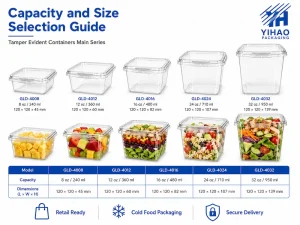
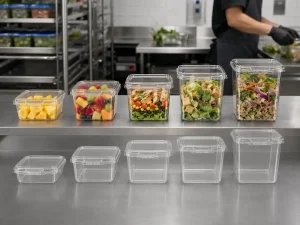
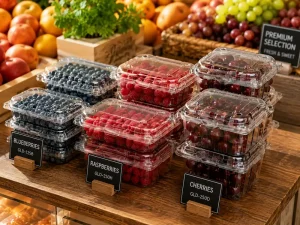
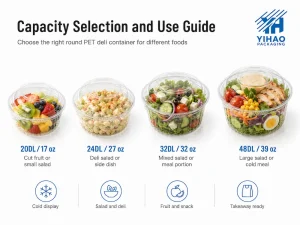
Supermarkets, cafes, bakeries, and foodservice brands often face the same packaging problems: hot food containers deform during service, takeaway meals leak during delivery, microwave reheating causes lid pressure, and low-quality containers create customer complaints after the food has already left the counter. These problems are rarely caused by food alone. In many cases, they come from using the wrong material, the wrong lid structure, or a supplier that cannot keep container quality stable across repeat wholesale orders.
For buyers managing prepared meals, deli counters, takeaway lunches, bakery savory foods, hot side dishes, and meal prep programs, wholesale PP containers offer a practical balance of heat resistance, lightweight handling, stackability, and microwave-ready performance. Polypropylene, often shortened to PP, is widely used in food packaging because it performs better under heat than many clear display plastics and supports a broad range of prepared food applications.
At YIHAO, PP food packaging is positioned for buyers who need more than a low-cost disposable container. Supermarkets need reliable hot-counter packaging. Cafes need takeaway boxes that hold sauced meals, rice bowls, pasta, breakfast portions, and warm snacks. Bakeries need practical containers for savory baked goods, chilled prepared foods, and reheatable meal add-ons. Foodservice brands need consistent wholesale supply, stable lid fit, and packaging structures that support daily operations.
This guide explains how wholesale PP containers fit different commercial food channels, what makes PP microwave safe containers different from PET or paper-based alternatives, how to understand microwave-use boundaries, and how procurement teams should compare structure, lid compatibility, testing documents, and supplier capability before placing repeat wholesale orders.
Why PP Containers Matter in Modern Foodservice Packaging
Foodservice packaging has moved beyond simple holding and transport. A container now has to support kitchen workflow, front-counter display, delivery handling, reheating convenience, portion control, brand presentation, and customer confidence. For hot or reheatable food, this makes material choice especially important.
PP food containers are commonly selected for prepared meals, hot takeaway foods, deli dishes, rice bowls, noodles, pasta, meat rolls, side dishes, and meal prep because polypropylene handles heat better than many rigid clear plastics used for chilled display. While PET is strong for clarity and cold presentation, PP is more suitable when reheating or warm food contact is part of the use case.
For buyers building a broader microwave safe containers range, PP often becomes the core material for microwaveable takeout containers. The key is not to treat every PP container as automatically suitable for every heating scenario. Buyers should confirm intended use, temperature guidance, lid instructions, food type, and supplier documentation before bulk purchasing.
What Are Wholesale PP Containers?
Wholesale PP containers are polypropylene food containers purchased in bulk for commercial food packaging programs. They may come as bowls, trays, rectangular boxes, deli containers, separate-lid containers, hinged structures, compartment formats, or takeaway meal boxes. In B2B packaging, the term usually refers to repeat-order packaging used by supermarkets, cafes, bakeries, restaurants, meal prep companies, cloud kitchens, catering teams, and foodservice distributors.
PP stands for polypropylene, a thermoplastic material known for practical heat resistance, toughness, light weight, and good resistance to many oils and moisture-based food types. In food packaging, PP is often used when buyers need a more heat-tolerant solution than PET. This is why polypropylene microwave containers are common in reheatable meal packaging and takeaway food programs.
Common PP container formats include:
- Separate-lid PP food containers for prepared meals and counter display
- Large PP deli containers for takeaway meals and retail display foods
- PP meal containers for rice, pasta, noodles, meat dishes, and sauced foods
- Heat resistant PP containers for hot takeaway and deli service
- Microwaveable takeout containers for restaurant and meal prep channels
For procurement teams, the main question is not simply “Is this PP?” The better question is: “Does this container structure, lid system, wall strength, and supplier documentation match our actual food, heating, handling, and distribution route?”
Where Supermarkets Use PP Microwave Safe Containers
Supermarkets use PP containers across prepared food counters, deli departments, chilled meal sections, hot food bars, and grab-and-go meal programs. The strongest use cases are foods that customers may reheat after purchase or foods that enter the container warm during packing.
Prepared Meal Sections
Prepared meals often include rice, pasta, roasted vegetables, noodles, curry-style dishes, mixed proteins, and side portions. These foods require packaging that handles moisture, oil, and heat better than a cold-display-only container. A prepared meal container with a separate lid helps supermarket teams pack meals efficiently while supporting clean takeaway presentation.
Deli and Hot Counter Foods
Deli counters need packaging that works for sauced dishes, cooked grains, proteins, and warm sides. PP deli food packaging gives buyers a more practical option for food that may be reheated by the consumer. For supermarkets, this helps connect in-store prepared food sales with home reheating convenience.
Private Label Ready Meals
Retail chains that sell private label ready meals need stable packaging dimensions, consistent lid fit, label space, and case-pack reliability. Wholesale PP containers support these programs because buyers can standardize container sizes across different recipes while maintaining a consistent operational packaging system.
How Cafes Use Polypropylene Microwave Containers
Cafes increasingly sell more than drinks and cold pastries. Many cafes now offer breakfast bowls, pasta cups, rice dishes, hot sandwiches, small salads with warm toppings, soups, reheatable sides, and packaged lunch portions. This creates demand for PP microwave safe containers that bridge kitchen preparation, counter service, takeaway, and customer reheating.
A cafe buyer should choose PP containers based on menu type. For dry bakery snacks, PET or paper formats may work well. For warm savory items, sauced food, or lunch meals, PP becomes more relevant. For example, a cafe selling pasta, chicken rice, curry bowls, or reheatable breakfast sets needs containers that do not deform easily under normal warm food handling.
For higher-volume cafe operations, standardizing one or two container families reduces purchasing complexity. A large PP deli container can serve takeaway lunch portions, prepared meals, and retail display foods without forcing the buyer to manage too many packaging SKUs.
How Bakeries Can Use PP Food Containers Beyond Desserts
Bakeries are usually associated with cake containers, cupcake boxes, pastry clamshells, and clear bakery packaging. However, many bakery businesses also sell savory prepared foods, breakfast sets, quiche, baked pasta, meat pies, cheese rolls, hot sandwiches, and reheatable side dishes. These products often need stronger heat tolerance than a standard clear PET bakery clamshell.
For chilled cakes, muffins, croissants, and pastries, buyers can continue using bakery containers. For savory bakery items that may be warmed or reheated, PP food containers are more appropriate. This distinction matters because the wrong material creates customer complaints, product deformation, and poor brand experience.
A bakery selling both cold desserts and warm prepared food should separate packaging logic into two categories: clear display packaging for visual dessert selling, and PP microwaveable takeout containers for warm, oily, or reheatable food. This keeps the packaging system cleaner and reduces the risk of using a cold-food container in a heat-related application.
How Foodservice Brands Use Heat Resistant PP Containers
Foodservice brands often need packaging that survives high-volume handling. Cloud kitchens, catering companies, meal prep brands, institutional food programs, and restaurant chains need containers that stack well, close reliably, support portion consistency, and move efficiently through preparation, packing, transport, and reheating.
Heat resistant PP containers are especially useful when the food is cooked in batches and packed for delivery or retail sale. A hot food container gives buyers a practical format for deli takeaway, prepared meals, and commercial meal programs where heat tolerance is part of the packaging requirement.
For foodservice distributors, PP containers also help build a stronger product mix. Instead of offering only cold food containers, a distributor can carry microwaveable takeout containers, PP meal containers, deli food containers, and separate-lid PP formats for hot and reheatable food channels. This creates a more complete packaging portfolio for restaurant, retail, and institutional buyers.
PP Containers vs PET, Paper, and Aluminum Packaging
Choosing wholesale PP containers does not mean PP is always the best material for every product. Smart buyers compare the food type, serving temperature, display need, reheating route, and disposal expectation before selecting packaging.
| Material | Best Use Cases | Main Strength | Buyer Caution | Best Buyer Fit |
|---|---|---|---|---|
| PP | Prepared meals, hot takeaway, reheatable food, deli dishes | Better heat resistance and microwave suitability when properly specified | Confirm microwave guidance, lid use, temperature range, and food-contact documents | Supermarkets, cafes, foodservice brands, meal prep suppliers |
| PET | Cold salads, fruit, bakery display, chilled desserts | High clarity and strong retail presentation | Not suitable for microwave heating unless specifically designed and documented | Retail chilled display, bakery dessert counters, fresh produce packaging |
| Paper or fiber | Dry takeaway foods, bakery service, some hot food formats | Natural appearance and strong sustainability perception | Barrier lining, grease resistance, and microwave use must be verified | Cafes, bakeries, casual takeaway food brands |
| Aluminum | Oven-style cooking, roasting, catering trays | Excellent heat transfer and oven use | Generally not selected for microwave use; confirm appliance and local guidance | Catering, oven-ready meals, roasting and baking applications |
For reheatable food packaging, PP has a clear advantage over PET because it is more aligned with microwave and warm food applications. For high-visibility chilled products, PET may still perform better because of clarity. For bakery brands, both materials may be needed: PET for cold display and PP for warm or reheatable savory food.
Microwave-Safe Does Not Mean Unlimited Heating
One of the most important points for buyers is that PP microwave safe containers should not be treated as unlimited-heating packaging. Microwave suitability depends on the container design, material grade, wall thickness, lid structure, pigment, food type, heating time, and customer-use instructions.
High-oil, high-sugar, and high-fat foods may heat faster than water-based foods. Sauced meals, cheese-heavy dishes, and oily foods may create localized hot spots during microwave reheating. This means buyers should not only ask whether a container is microwaveable; they should also confirm how the container should be used.
Clear instructions are especially important for retail and foodservice brands. Buyers should confirm whether the lid should be removed, loosened, or vented before heating. They should also check whether the container is intended for short reheating, warm food holding, refrigerated meal reheating, or another specific use case. Responsible microwave-safe packaging is not just about the material. It is about matching the packaging to the actual food and customer behavior.
Key Selection Factors for Wholesale PP Containers
1. Food Type and Moisture Level
Food type affects container performance. Rice bowls, pasta, noodles, meat rolls, sauced vegetables, and oily dishes create different packaging demands. Moisture and oil can challenge lid fit, stacking stability, and customer handling. A PP food container with a separate lid can support meat rolls, takeaway foods, and retail prepared food packaging where a practical closure system matters.
2. Microwave Use and Heating Instructions
Buyers should avoid vague claims such as “heat proof” or “safe for everything.” Better procurement language is more specific: confirm whether the container is intended for microwave reheating, whether the lid should be removed or vented, what heating duration is recommended, and whether the container is designed for single-use reheating or repeated use.
3. Lid Fit and Leak Resistance
For delivery and takeaway, lid fit is just as important as material. Sauced foods, oily foods, soups, and moist dishes require a lid system that closes consistently. A container that looks strong but has poor lid engagement will create operational problems during transport.
4. Stackability and Case Efficiency
Supermarkets and foodservice brands buy in cartons, store in backrooms, move through kitchens, and refill service stations quickly. Stackability reduces storage pressure and improves handling efficiency. Buyers should test stacked containers with real food weight, not empty samples only.
5. Label Space and Branding
Prepared food programs need labels for product name, ingredients, date coding, barcode, nutrition panels, and brand identity. PP containers should have usable flat areas for labeling without interfering with lid closure or eating convenience.
6. Supplier Documentation
A reliable manufacturer should support buyers with material information, food-contact documentation, sample testing support, packing details, and product consistency. For export and retail chain buyers, this matters more than a simple unit-price quote.
Wholesale PP Containers for Different Food Applications
Rice Bowls and Noodle Meals
Rice and noodle meals are common in supermarkets, cafes, and takeaway restaurants. These foods are often warm, moist, and heavy. PP containers support better heat tolerance and portion control for these applications. Buyers should compare container depth, bottom stability, lid height, and whether the structure holds sauces without spilling during delivery.
Pasta and Sauced Foods
Pasta, curry, stews, and sauced side dishes need more reliable containment than dry foods. For these applications, the lid system and rim design become critical. PP containers with separate lids often perform better for controlled closing and clean serving presentation.
Cold Dishes and Hot Takeaway Meals
Some food programs combine chilled and warm foods in the same retail environment. For example, a deli counter may sell cold noodles, marinated vegetables, reheatable rice meals, and warm takeaway dishes. A cold dishes and hot takeaway meals format helps buyers manage this mixed-use situation with one practical PP packaging family.
Meal Prep and Batch Food Programs
Meal prep brands need packaging that supports portion consistency, refrigerator storage, reheating, and delivery movement. Microwaveable takeout containers are especially important when customers expect to heat the meal directly after purchase. Buyers should verify whether the packaging is suitable for the target heating method and customer instructions.
Deli Foods and Retail Takeaway
Deli food programs require packaging that looks clean on shelf and handles operational movement. A deli food container can support cold food, retail takeaway, and prepared food counters where PP material and a separate lid create a dependable packaging option.
How to Request Samples Before Wholesale PP Container Orders
Before placing a bulk order for wholesale PP containers, buyers should request samples and test them with the actual food they plan to sell. A sample request should not be limited to size and price. The more information a buyer provides, the easier it is for the supplier to recommend the correct PP container structure.
A strong sample request should include the food type, target portion size, whether the food is packed hot or cold, whether the customer will reheat the food, whether the lid needs to be microwave-compatible, whether the food contains oil or sauce, and whether the packaging will be used for retail display, takeaway, delivery, or meal prep.
For wholesale and private label programs, buyers should also share expected order volume, label space needs, carton packing preference, storage conditions, and market destination. This helps the supplier check container fit, case packing, product availability, and repeat-order planning before the buyer commits to a larger purchase.
| Sample Request Detail | What to Tell the Supplier | Why It Matters |
|---|---|---|
| Food type | Rice, pasta, noodles, deli food, savory bakery items, meal prep, sauces | Different foods require different depth, lid fit, and wall strength |
| Packing condition | Hot fill, warm packing, chilled packing, or refrigerated storage | Temperature affects container selection and performance testing |
| Microwave use | Whether customers will reheat the food and how the lid should be handled | Supports accurate microwave guidance and safer packaging communication |
| Portion size | Target volume, food weight, and serving format | Helps match container depth, footprint, and stacking structure |
| Sales channel | Supermarket shelf, cafe takeaway, bakery counter, delivery, or catering | Different channels require different presentation and handling strength |
| Wholesale plan | Estimated monthly quantity, case packing, and reorder schedule | Helps suppliers plan stable production and repeat-order support |
Supplier Checklist for Wholesale PP Containers
Before placing a bulk order, buyers should compare suppliers with a structured checklist. This avoids the common mistake of choosing based only on unit price. For wholesale PP containers, the best supplier is not simply the one with the lowest quote, but the one that can support stable container quality, lid matching, real-use testing, documentation, and long-term repeat supply.
| Checklist Item | What Buyers Should Confirm | Why It Matters |
|---|---|---|
| Material | Food-grade PP material and intended application | Prevents mismatch between material and food use |
| Microwave guidance | Heating instructions, lid guidance, and recommended use | Supports clearer and safer customer communication |
| Container structure | Shape, depth, rim, wall strength, and stacking performance | Improves daily packing and handling reliability |
| Lid fit | Closure consistency and transport performance | Reduces leakage and takeaway complaints |
| Samples | Real-food testing with hot, oily, moist, and heavy foods | Confirms performance before wholesale orders |
| Supply capability | Stable production, case packing, repeat order support | Protects long-term procurement stability |
| Customization | Label space, embossing, packaging cartons, or private label needs | Supports brand and retail requirements |
| Documentation | Food-contact statements and relevant compliance support | Helps retail chains and import buyers manage risk |
Common Mistakes When Buying Wholesale PP Containers
Choosing Only by Unit Price
The cheapest PP container is not always the lowest-cost choice. Weak lids, thin walls, poor stacking, and inconsistent carton quality create hidden costs. For supermarkets and foodservice brands, packaging failure can damage food presentation and customer trust.
Assuming Every PP Container Is Microwave Ready
PP is commonly used for microwaveable food containers, but buyers still need to confirm the actual product specification. The container, lid, pigment, wall thickness, and intended use all matter. This is especially important for fatty, oily, or high-moisture foods.
Ignoring Lid Instructions
Some containers may be suitable for microwave reheating only when the lid is removed, loosened, or vented. If a buyer ignores lid instructions, the package may deform or pressure may build during heating. Clear customer-use guidance is part of responsible packaging selection.
Testing Empty Samples Only
Empty packaging samples do not reveal enough. Buyers should test with the real food weight, real packing temperature, real delivery route, and real customer handling scenario. This is the fastest way to avoid packaging problems after launch.
Using One Container for Every Food
A single PP container may work for many items, but not every menu needs the same depth, lid height, or shape. Rice meals, pasta, meat rolls, deli salads, and bakery savory items each need slightly different packaging logic.
How to Build a PP Container Range for Wholesale Programs
A strong PP container range should not be random. It should be built around actual food categories and order frequency. For most supermarkets, cafes, bakeries, and foodservice brands, a practical PP range includes small portions, medium meals, large meals, and a few specialized structures for sauced or heavy foods.
Start with the best-selling food applications. If the buyer sells many lunch bowls, choose bowl or rectangular meal formats first. If the buyer sells hot deli sides, focus on separate-lid containers with strong closure. If the buyer sells pasta or sauced dishes, prioritize rim design and leak resistance. If the buyer serves bakery-style savory food, choose containers that support both counter display and takeaway movement.
For wholesale buyers, the goal is not to carry every available size. The goal is to select enough formats to cover daily food programs without creating inventory confusion.
Why Work with a PP Container Manufacturer or Supplier
A professional PP container supplier helps buyers move beyond simple catalog ordering. A strong supplier understands food type, packaging structure, heat tolerance, packing method, case quantity, export needs, and long-term repeat orders. This is valuable for retail chains and foodservice brands that need stable packaging performance across multiple locations.
Working directly with a capable manufacturer also improves communication around sample testing, carton packing, product changes, and wholesale planning. For buyers comparing wholesale PP containers, the supplier relationship should support both purchasing efficiency and product reliability.
Important supplier questions include:
- Can the supplier explain which PP containers fit reheatable food applications?
- Can samples be tested with real food before bulk purchase?
- Are matching lids available and stable across repeat orders?
- Can the supplier support supermarket, cafe, bakery, and foodservice packaging needs?
- Can the supplier provide packaging guidance for wholesale and private label programs?
Buyer Decision Matrix: Which PP Container Fits Your Channel?
| Buyer Type | Typical Food | Recommended PP Packaging Logic |
|---|---|---|
| Supermarkets | Prepared meals, deli foods, hot counter sides | Use separate-lid PP containers with stable stacking and label space |
| Cafes | Breakfast bowls, pasta, rice meals, warm snacks | Choose medium PP food containers for takeaway and customer reheating |
| Bakeries | Savory baked foods, reheatable portions, chilled prepared foods | Use PP for warm savory items and PET bakery packaging for cold dessert display |
| Foodservice brands | Meal prep, catering, cloud kitchen meals, batch foods | Standardize PP microwaveable takeout containers by portion size and menu type |
| Distributors | Mixed customer channels | Build a wholesale PP container range covering small, medium, large, and deli formats |
FAQ About Wholesale PP Containers
1. Are wholesale PP containers suitable for microwave food packaging?
Wholesale PP containers are commonly used for microwave food packaging because polypropylene offers better heat resistance than many cold-display plastics. Buyers should still confirm the product’s intended microwave use, lid instructions, heating guidance, and supplier documentation before bulk orders.
2. What foods are best packed in PP microwave safe containers?
PP microwave safe containers are suitable for many prepared meals, rice bowls, pasta, noodles, deli foods, hot takeaway dishes, meal prep portions, and sauced foods. The final choice should match the food’s moisture, oil level, weight, reheating route, and delivery handling requirements.
3. Are polypropylene microwave containers better than PET containers?
Polypropylene microwave containers are better for warm food and reheatable applications, while PET containers are usually better for clear chilled display. Many foodservice buyers use PP for microwaveable food and PET for cold salads, fruit, bakery desserts, and high-visibility chilled foods.
4. What should buyers ask a PP food container supplier before ordering?
Buyers should ask about material type, food-contact documentation, microwave guidance, lid compatibility, sample testing, carton packing, production stability, customization options, and repeat-order support. These points are more important than comparing unit price alone.
5. Can PP containers be used by supermarkets, cafes, bakeries, and foodservice brands?
Yes. PP containers are practical for supermarkets, cafes, bakeries, and foodservice brands when the product involves warm food, prepared meals, reheatable portions, or takeaway handling. Each channel should choose container size, structure, and lid system based on its actual menu and service model.
References
- Electronic Code of Federal Regulations. 21 CFR 177.1520: Olefin Polymers. U.S. Food and Drug Administration / eCFR.
- Commission Regulation (EU) No 10/2011 on plastic materials and articles intended to come into contact with food. EUR-Lex.
- Microwave Ovens: Consumer Guidance. U.S. Food and Drug Administration.
- Cooking with Microwave Ovens. USDA Food Safety and Inspection Service.
- Food Contact Substances and Food Packaging. U.S. Food and Drug Administration.
- Plastic Materials and Articles in Contact with Food: EU Food Contact Material Summary. European Commission / EUR-Lex.
- Food Safety Basics for Reheating and Microwave Use. FoodSafety.gov.
- Polypropylene Material Characteristics and Food Packaging Applications. Industry packaging material references and supplier documentation review.
Deep-Dive Insights: How Buyers Should Think About Wholesale PP Containers
How should buyers define the right PP container?
Start with the food, not the container. A rice bowl, pasta meal, hot deli side, and savory bakery item all place different demands on depth, lid fit, oil resistance, stacking strength, and reheating guidance. The right PP container is the one that matches the buyer’s real food, service model, and customer-use route.
Why does PP matter for microwaveable takeout containers?
PP gives foodservice buyers a practical material direction for warm and reheatable foods, but the final purchase still depends on product-specific testing, instructions, and supplier documentation. A responsible buyer should confirm whether the container, lid, and food type are suitable for the intended microwave reheating scenario.
What should wholesale buyers avoid?
Buyers should avoid choosing by price alone, using cold-display plastics for reheating, ignoring lid instructions, and ordering bulk quantities before testing real food in real handling conditions. These mistakes often create more cost than the initial packaging price difference.
Which option fits each channel?
Supermarkets need prepared meal and deli formats. Cafes need takeaway lunch packaging. Bakeries need PP for savory reheatable foods and PET for cold dessert display. Foodservice brands need standardized PP formats for batch meals, delivery, and customer reheating.
What is the practical purchasing takeaway?
The strongest wholesale PP containers program is built around real menu data, sample testing, lid matching, microwave guidance, and repeat supply stability. Buyers should treat PP packaging as a system, not just a container SKU.
Final Note / Practical Takeaway
© YIHAO Packaging. All rights reserved. All articles, product images, packaging designs, technical specifications, and website materials are protected by copyright. Unauthorized copying, reproduction, redistribution, modification, or commercial use is strictly prohibited without prior written permission.