For supermarkets, cafes, bakeries, and foodservice brands, supermarket prepared meals are no longer only about menu variety. The packaging must support chilled display, hot takeaway, microwave reheating, leak control, shelf stacking, customer convenience, and repeat wholesale supply. YIHAO helps food packaging buyers choose practical prepared food containers for real retail and foodservice operations.
The demand for supermarket prepared meals continues to grow because consumers want convenient food without completely giving up freshness, portion control, or visual quality. Supermarkets use prepared meals to increase basket value. Cafes use them for takeaway lunches and heat-and-eat items. Bakeries use them for savory snacks, breakfast packs, quiches, pies, pasta portions, and chilled dessert-meal combinations. Foodservice brands use them for centralized kitchens, grab-and-go cases, and multi-location operations.
For packaging buyers, the real question is not simply “Which container looks good?” The better question is: which packaging format protects the meal, supports the heating or chilled display requirement, fits the portion size, presents the food clearly, and remains stable across repeat wholesale orders?
Why Supermarket Prepared Meals Need a Packaging System, Not a Single Container
Supermarket prepared meals include many product types: chilled pasta, rice bowls, hot deli sides, roasted vegetables, ready-to-heat entrees, salads with protein, breakfast meals, bakery lunch packs, and takeaway deli portions. These foods do not share the same packaging needs. Some need reheating. Some need high visibility. Some need leak resistance. Some need compartment separation. Some need stacking strength for refrigerated display.
This is why buyers should build a packaging system instead of purchasing one general-purpose container for every item. A prepared meal packaging system usually includes:
- Microwave safe containers for heat-and-eat meals and hot deli items.
- Clear PET or RPET containers for chilled foods, salads, cold sides, and display-focused meal packs.
- Separate-lid containers for better filling efficiency and portion presentation.
- Hinged deli containers for grab-and-go meals, snack packs, and quick retail display.
- Square, round, or rectangular formats for different shelf layouts and meal densities.
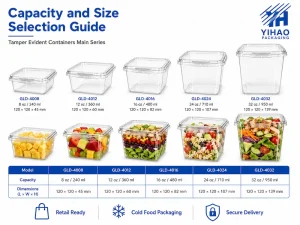
- Tamper-evident options when retail trust, delivery security, or sealed display is important.
Buyers sourcing microwave safe deli containers should confirm the intended heating use, food type, lid design, venting logic, and actual supplier documentation before bulk ordering. A product that works well for chilled display is not automatically suitable for microwave reheating. This distinction matters because prepared meals often move through refrigerated storage, retail display, customer transport, and home reheating.
Quick Selection Guide for Supermarket Prepared Meals Packaging
| If the Meal Is… | Choose This Packaging Direction | Why It Works |
|---|---|---|
| Ready for microwave reheating | PP microwave safe deli containers | Supports reheatable meal programs when confirmed for intended use |
| Cold salad, fruit, or chilled deli food | Clear PET or RPET prepared food containers | Improves visibility and retail shelf presentation |
| Hot takeaway from deli counters | PP hot deli food containers | Better matched to warm food handling and customer takeaway |
| Retail sealed meals | Tamper-evident prepared food containers | Improves customer trust and controlled opening |
| Grab-and-go cafe meals | Hinged deli containers or clear separate-lid containers | Supports fast packing, visibility, and compact display |
Core Packaging Requirements for Supermarket Prepared Meals
1. Reheating Convenience
Many prepared meals are designed for home, office, or back-of-house reheating. For this segment, reheatable deli packaging must be selected carefully. PP containers are commonly used for reheatable and hot food packaging applications because they are better suited to heat-related use than clear PET formats. However, buyers should still confirm the specific temperature range, lid instructions, venting requirements, and intended food-contact conditions with the supplier before final procurement.
For meal programs that include pasta, rice, curry, roasted foods, noodles, cooked vegetables, or sauced entrees, buyers often prefer prepared meal containers with separate lids because they support efficient filling, easier stacking, and clear operational separation between the base and lid.
2. Food Visibility and Retail Appeal
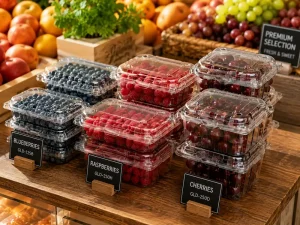
Prepared meals compete visually with fresh produce, deli salads, bakery products, and frozen meals. Clear packaging helps buyers show portion quality, ingredient variety, color contrast, and freshness cues. For chilled foods that are not intended for microwave heating, PET and RPET packaging formats remain effective for display-driven retail programs.
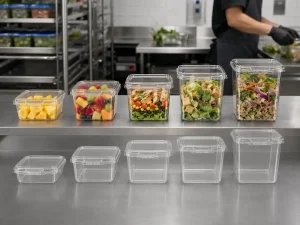
For salads, fruit sides, cold noodles, deli snacks, and bakery-prepared meal combinations, buyers can evaluate prepared food containers that balance visibility, stacking, lid fit, and cold-case presentation.
3. Leak Resistance and Lid Fit
Prepared meals often contain sauces, dressings, oils, grains, vegetables, and proteins. Weak lid fit creates problems during transport, retail handling, and consumer takeaway. Buyers should test containers with the actual meal format, not only with water. A pasta sauce, oily salad dressing, or hot side dish behaves differently from a dry bakery snack.
For larger takeaway portions and retail display meals, deli meal containers with a stable base and separate lid help improve operational flexibility for prepared food counters and foodservice brands.
4. Portion Control and Menu Consistency
Prepared meals are closely tied to cost control. A container that is too large increases food cost or makes portions look weak. A container that is too small creates filling difficulty and poor customer experience. Supermarkets and foodservice brands should define portion logic before choosing packaging sizes.
Typical meal program questions include:
- Is this a single-serve lunch, family side, or premium meal portion?
- Does the food need sauce separation or ingredient separation?
- Will the meal be merchandised upright, stacked, or displayed in trays?
- Does the container need to support microwave reheating, chilled display, or both?
- Will staff fill the container manually or through a more standardized packing line?
For mixed cold and hot food programs, buyers often create separate SKU groups: reheatable PP containers for hot or heat-and-eat meals, clear PET containers for chilled deli display, and hinged formats for grab-and-go items.
Microwave Safe Deli Containers vs Clear PET Deli Containers
A common buyer mistake is treating all deli containers as interchangeable. They are not. Microwave safe deli containers and clear PET deli containers serve different roles.
| Packaging Type | Best Use | Buyer Advantage | Key Check Before Ordering |
|---|---|---|---|
| PP microwave safe containers | Prepared meals, hot deli foods, reheatable entrees | Better suited for reheating programs | Confirm intended microwave use, lid instructions, and food-contact documentation |
| Clear PET deli containers | Cold deli foods, salads, chilled snacks, display meals | Strong visual clarity for retail shelves | Confirm the container is used for cold or chilled applications unless otherwise specified |
| Hinged deli containers | Grab-and-go packs, sandwiches, snacks, cold meals | Fast packing and easy merchandising | Check hinge strength, stacking, and lid closure |
| Separate-lid food containers | Prepared meals, deli portions, bakery display foods | Flexible filling and premium presentation | Check lid fit, sealing stability, and packing workflow |
| Tamper-evident containers | Retail-ready sealed foods, delivery, controlled display | Improves customer trust and product security | Check tear strip, closure, and opening experience |
For buyers building a full supermarket prepared meals program, both reheatable and chilled-display packaging are usually needed. A supermarket may use PP containers for ready-to-heat pasta and hot deli sides, while using PET containers for cold salads, fruit portions, sandwiches, and chilled bakery meal packs.
Best Packaging Options by Prepared Meal Scenario
Prepared Meal Counters
Supermarket prepared meal counters need fast filling, attractive display, and reliable stacking. Foods may include roasted vegetables, rice dishes, pasta, noodles, cooked meat portions, and deli sides. For this use, reheatable deli packaging works well when the meal is intended for hot takeaway or later reheating.
Buyers should check whether the lid is designed for heating or only for transport. This detail should be confirmed before printing usage instructions or scaling the container across multiple store locations.
Hot Deli Food Programs
Hot food counters need packaging that supports warm meals, takeaway handling, and customer convenience. Products such as mashed potatoes, cooked vegetables, noodles, fried rice, sauced dishes, and protein portions require stable container bases and secure lid fit.
For this segment, hot deli food containers are more relevant than cold-display clamshells. Buyers should test filling temperature, condensation behavior, lid fit after packing, stacking strength, and customer reheating instructions.
Cafes and Grab-and-Go Lunches
Cafes often need smaller batches, attractive display, and fast daily replenishment. Common items include pasta cups, grain bowls, salad meals, sandwiches, breakfast portions, yogurt-and-fruit meals, bakery lunch boxes, and chilled desserts. These programs need a mix of clear containers and reheatable options.
For cold meals and premium display, hinged deli containers are practical because staff can pack quickly and customers can see the food clearly. For hot or heat-and-eat items, PP formats should be used instead.
Bakeries with Savory Meal Add-ons
Bakeries increasingly sell more than cakes and pastries. Many add quiches, sandwiches, salads, breakfast packs, pasta portions, savory pies, and ready-to-eat lunch sets. These foods need packaging that looks clean beside bakery displays while still supporting practical takeaway handling.
For bakery-prepared meals that are not reheated in the package, clear PET separate-lid formats can improve shelf presentation. For bakery items with hot filling, sauced ingredients, or reheating instructions, buyers should separate the packaging selection from regular bakery clamshells and evaluate microwave-safe or heat-suitable alternatives.
Foodservice and Central Kitchen Programs
Foodservice brands and central kitchens need consistency. Packaging must work across preparation, packing, storage, delivery, retail display, and customer use. In this setting, buyers should not select packaging based only on a photo. They should request samples, test actual menu items, and confirm carton packing, stacking, lid performance, and food-contact documentation.
For multi-location operations, manufacturer capability matters. Buyers should evaluate mold availability, production consistency, material options, customization support, packing method, and communication speed before placing wholesale orders.
How to Choose Prepared Food Containers for Wholesale Ordering
When sourcing prepared food containers at wholesale scale, the decision should follow a structured checklist. A good supplier should help buyers compare material, structure, lid fit, application, and sample performance before moving to larger quantities.
Step 1: Define the Food Application
Start with the actual meal, not the container shape. A rice bowl, cold salad, hot pasta, fruit-and-yogurt breakfast pack, bakery lunch set, and hot deli side all create different packaging demands. Buyers should define whether the meal is chilled, hot-filled, reheated, displayed cold, delivered, stacked, or eaten directly from the container.
Step 2: Select the Material Based on Use
PP is usually selected for reheatable and hot food container programs. PET and RPET are commonly selected for clear cold display, salad packaging, fruit containers, bakery display, and chilled deli applications. The material should match the real use case, not only the preferred appearance.
For cold prepared foods, clear food containers help present ingredients professionally in retail cases. For hot or reheatable foods, buyers should move toward PP-based options and confirm the exact intended use.
Step 3: Test the Lid System
The lid system affects leakage, stacking, customer opening experience, and packing efficiency. Separate lids may improve flexibility for prepared meal counters. Hinged lids may improve speed for grab-and-go operations. Tamper-evident lids may improve security for retail display.
For sealed retail programs, buyers can also evaluate tamper-evident containers when the food needs stronger customer trust or controlled opening.
Step 4: Match Container Shape to Shelf Layout
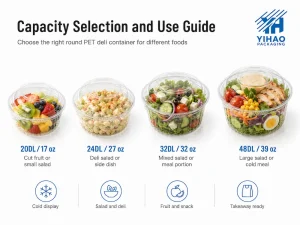
Round bowls are strong for salads, rice bowls, noodle bowls, and mixed meals. Rectangular containers work well for entrees, sides, and meal portions. Square containers help with compact display and efficient shelf blocking. The right shape improves merchandising, not only packing.
For compact cold-case arrangements, square deli containers help buyers create neat shelf layouts, while round deli bowls support salads, grain bowls, chilled noodles, fruit bowls, and shared portions.
Step 5: Check Wholesale Supply Stability
Wholesale buyers should look beyond unit appearance. They should evaluate whether the supplier can support repeat orders, stable packaging quality, consistent carton packing, clear product communication, and practical sample testing. This is especially important for supermarket chains, cafe groups, bakery brands, and foodservice teams that need repeatable packaging over time.
A reliable supplier should be able to discuss material selection, structure, application suitability, sample testing, carton loading, and customization options without unsupported claims. Buyers should avoid decisions based only on low price because unstable packaging creates hidden costs in leakage, returns, poor shelf appearance, and inconsistent customer experience.
Supplier Checklist for Supermarket Prepared Meals Packaging
Before choosing a wholesale packaging partner for supermarket prepared meals, buyers should review these points:
- Material confirmation: Is the container PP, PET, RPET, or another material?
- Application match: Is it intended for chilled display, hot food, reheating, takeaway, or retail display?
- Microwave use: Are the base and lid both suitable for the declared heating use?
- Food-contact documentation: Can the supplier provide relevant documentation for the target market?
- Lid fit: Does the lid remain secure after filling, stacking, and transport?
- Leak resistance: Has the buyer tested the container with actual food, sauce, oil, and dressings?
- Stacking performance: Does the container stack well in cold cases and cartons?
- Portion logic: Does the container make the meal look full without increasing food cost unnecessarily?
- Branding options: Can labels, sleeves, stickers, or custom packaging support the buyer’s retail identity?
- Supply consistency: Can the supplier support repeat wholesale orders and future SKU expansion?
For buyers who need both cold and hot formats, deli food containers should be tested as part of a broader prepared meal packaging system rather than treated as a single isolated SKU.
Common Mistakes Buyers Should Avoid
Using Clear Cold Containers for Reheatable Meals
Clear packaging looks attractive, but visual clarity does not equal microwave suitability. Buyers should not use cold-display containers for heat-and-eat meals unless the supplier confirms the intended use. This is one of the most important checks in prepared meal packaging.
Choosing Packaging Before Finalizing Menu Portions
Packaging should follow the menu. If buyers choose containers first, they may later discover that portions look too small, sauces leak, or the food does not sit well inside the pack. Testing should include actual food weight, sauce level, filling method, and display position.
Ignoring Lid Instructions
Some lids are suitable for transport but not for microwave heating. Some need venting. Some should be removed before reheating. Buyers should confirm lid instructions before printing labels or consumer guidance.
Buying Only by Price
Low-cost packaging can become expensive if it causes leakage, cracking, poor stacking, weak shelf appearance, or inconsistent delivery performance. For supermarket prepared meals, packaging quality directly affects food presentation and customer trust.
Wholesale and Custom Packaging Opportunities
Prepared meal packaging also creates strong opportunities for branding. Supermarkets, cafes, bakeries, and foodservice brands can use label placement, printed sleeves, branded stickers, custom carton labels, or selected custom packaging projects to make meal programs look more professional.
For wholesale buyers, customization should still remain practical. A strong packaging plan starts with proven stock structures, sample testing, and clear application matching. Custom branding can then be added after the buyer confirms the container performs well with the actual food program.
For manufacturer, wholesale, and supplier selection, the strongest partner is one that understands both packaging production and food application logic. A supplier should not simply sell a container; it should help buyers separate chilled display packaging from reheatable packaging, cold deli packaging from hot deli packaging, and retail presentation from back-of-house handling.
Buyer Decision Matrix
| Buyer Need | Recommended Packaging Direction | Reason |
|---|---|---|
| Heat-and-eat meals | PP microwave safe containers | Better fit for reheatable deli packaging when confirmed for intended use |
| Cold prepared salads | Clear PET or RPET bowls and deli containers | Strong food visibility and cold-case display |
| Hot deli takeaway | PP hot food containers | More relevant for warm foods and takeaway handling |
| Bakery meal add-ons | Clear separate-lid containers or reheatable PP containers depending on food use | Matches both display needs and product temperature requirements |
| Retail security | Tamper-evident formats | Improves customer confidence and controlled opening |
| Wholesale SKU expansion | System-based packaging selection | Supports multiple meal types across one buyer program |
FAQ: Supermarket Prepared Meals Packaging
1. What packaging is best for supermarket prepared meals?
The best packaging depends on whether the meal is chilled, hot, reheatable, sauced, stacked, or displayed in a retail case. PP containers are usually selected for hot or reheatable prepared meals, while clear PET or RPET containers are commonly used for chilled display, salads, fruit sides, and grab-and-go foods.
2. Can plastic deli containers go in the microwave?
Only containers specifically confirmed for microwave use should be used for reheating. Many clear deli containers are designed for chilled display rather than microwave heating, so buyers should confirm the material, lid instructions, and intended use before ordering.
3. What is the difference between prepared food containers and hot deli food containers?
Prepared food containers cover a broad range of chilled, hot, takeaway, and display foods. Hot deli food containers are more specifically selected for warm meals, hot counter items, and foods that may require heat-related packaging performance.
4. Should supermarkets use clear containers or microwave safe containers?
Most supermarkets need both. Clear containers are strong for chilled display and visual merchandising. Microwave safe containers are better for ready-to-heat meals and hot deli items when the container is confirmed for the intended use.
5. How should buyers test reheatable deli packaging before wholesale orders?
Buyers should test real food portions, sauce levels, filling temperature, lid fit, stacking, transport handling, label placement, and reheating instructions. Sample testing should happen before wholesale procurement.
References
- U.S. Food and Drug Administration, Packaging & Food Contact Substances.
- U.S. Food and Drug Administration, Understanding How FDA Regulates Substances that Come into Contact with Food.
- USDA Food Safety and Inspection Service, Leftovers and Food Safety.
- FoodSafety.gov, Microwave Cooking and Food Safety.
- European Food Safety Authority, Food Contact Materials Overview.
- ASTM International, Food Packaging Testing Standards Overview.
- Institute of Food Technologists, Food Packaging and Prepared Foods Industry Discussions.
- National Restaurant Association, Takeout, Prepared Food, and Foodservice Packaging Insights.
Deep Dive Insights
How should buyers think about supermarket prepared meals packaging?
Buyers should think in terms of application groups, not only container shapes. A prepared meal packaging system should separate chilled display foods, reheatable meals, hot deli takeaway, bakery meal add-ons, and sealed retail meals. This avoids using one attractive container across applications where material performance, lid instructions, and customer handling requirements are different.
Why does material selection matter?
Material selection affects visibility, reheating use, shelf presentation, stacking, and customer experience. PP is more relevant for hot and reheatable meal programs when confirmed for the intended use. PET and RPET are stronger choices for clear chilled display, salads, fruit sides, bakery display foods, and cold deli packaging. Matching the material to the actual food application reduces risk before wholesale ordering.
What should foodservice brands test before bulk orders?
Foodservice brands should test actual menu portions, sauce behavior, filling temperature, lid closure, stacking, cold-case display, transport handling, and reheating instructions. Testing with real food is more reliable than judging a container from product photos alone. This is especially important for supermarket prepared meals because the same packaging may move through packing, storage, retail display, customer takeaway, and home use.
Which packaging option creates the best commercial value?
The best commercial value comes from a stable, repeatable packaging system. A buyer may use PP microwave safe deli containers for reheatable meals, clear PET containers for chilled display, hinged deli containers for grab-and-go foods, and tamper-evident containers for sealed retail programs. This approach supports better shelf appearance, fewer packaging mismatches, and stronger long-term supplier coordination.
Final Note / Practical Takeaway
For buyers comparing prepared food containers, microwave safe deli containers, or hot deli food containers for wholesale programs, sample testing with real menu items is the most reliable first step before bulk ordering.
© YIHAO Packaging. All rights reserved. All articles, product images, packaging designs, technical specifications, and website materials are protected by copyright. Unauthorized copying, reproduction, redistribution, modification, or commercial use is strictly prohibited without prior written permission.