Why Ready-to-Eat Salad Containers Matter for Modern Cold Food Programs
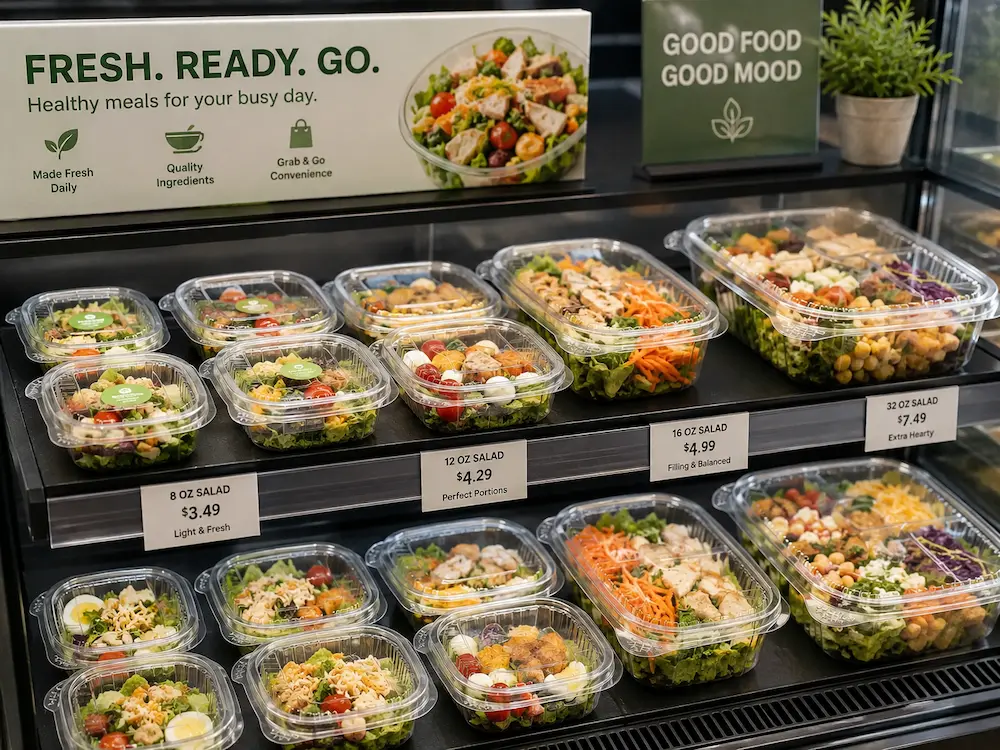
Ready-to-eat salad containers are no longer basic packs used only to hold lettuce. In modern chilled food retail, the container becomes part of the sales system. It influences how fresh ingredients look on the shelf, how confidently shoppers pick up the meal, how efficiently staff arrange products in refrigerated displays, and how clearly a brand communicates freshness before the customer opens the pack.
For supermarkets, convenience stores, cafes, delis, food factories, and prepared meal brands, salad packaging must do several jobs at once. It needs to show color contrast between greens, proteins, grains, fruits, pasta, toppings, and sauces. It needs to support takeaway handling without making the product feel fragile. It needs to sit neatly in refrigerated shelves and back-of-house trays. It also needs to leave practical room for labels, barcodes, date codes, nutrition panels, and branding.
This is why many buyers begin with deli and salad containers when building a chilled food packaging range. A strong salad packaging program usually includes more than one structure: round bowls for premium top-view presentation, hinged deli containers for fast packing, square containers for shelf efficiency, and tamper-evident formats for sealed retail trust.
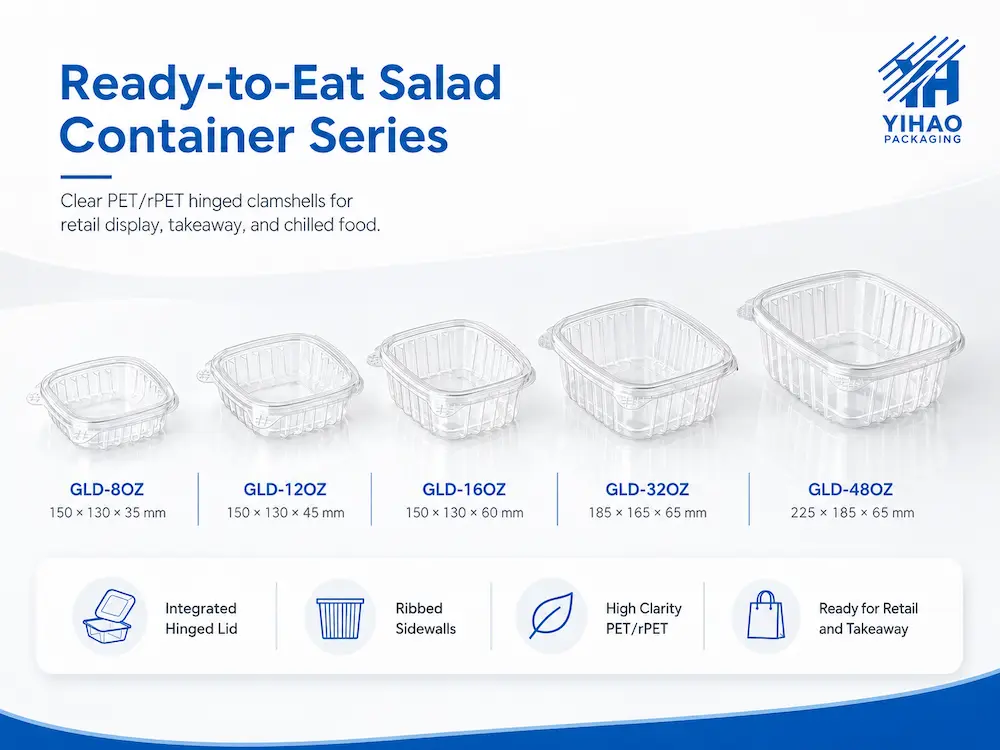
As a food packaging manufacturer and solution provider, YIHAO focuses on packaging structures that support real retail use, not only clean product photos. For salad brands and chilled food buyers, the right container should make the food look fresh, make the pack easy to handle, and make repeat wholesale ordering more consistent.
What Buyers Should Look for in Ready-to-Eat Salad Containers
Clear Visibility for Fresh Ingredients
Fresh salads sell through visual trust. Customers want to see crisp greens, colorful toppings, clean ingredient arrangement, and enough freshness cues before buying. Clear PET and RPET packaging gives salad makers a strong advantage because it presents the food without hiding it behind cloudy plastic or heavy paperboard.
For premium salad bowls, top-view clarity is especially important. A customer should be able to identify the main ingredients quickly: leafy greens, tomatoes, grilled chicken, egg, chickpeas, grains, berries, cheese, pasta, nuts, or dressing cups. When the container wall and lid are clean and transparent, the salad feels fresher and more retail-ready.
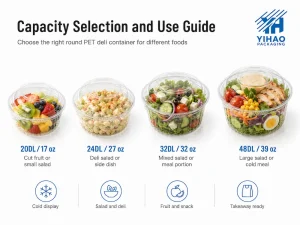
For this reason, many chilled food buyers use clear salad bowls for grab-and-go meal salads, fruit salads, grain bowls, and deli-style cold portions. A round bowl gives the customer a strong top view, while the clear body helps show the depth, layering, and ingredient value of the food.
Lid Fit and Closing Confidence
Good salad packaging should close with confidence. That does not mean every container is suitable for every dressing, sauce, transport route, or food formulation. Instead, sample testing should confirm whether the lid, rim, hinge, or separate-lid structure matches the actual food application.
For dry leafy salads, the main concerns are usually display, handling, stacking, and lid security. For pasta salad, fruit salad, cold noodles, or dressed grain bowls, buyers should also test moisture contact, movement during transport, and how the lid performs after cold storage. If the salad is sold in a high-traffic retail setting, staff need a container that closes consistently during fast packing and replenishment.
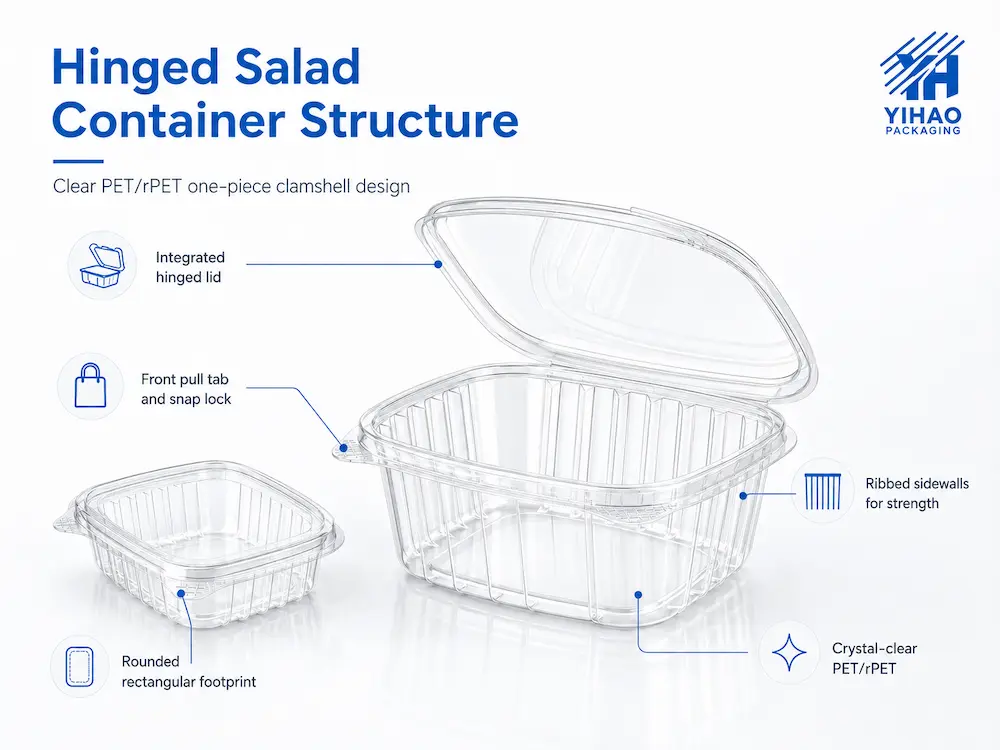
A clear PET salad bowl with hinged lid is practical for many ready-to-eat salad programs because the lid remains attached to the base. This reduces loose-lid management during packing and helps operators maintain a cleaner workflow.
Shape and Depth for Different Salad Types
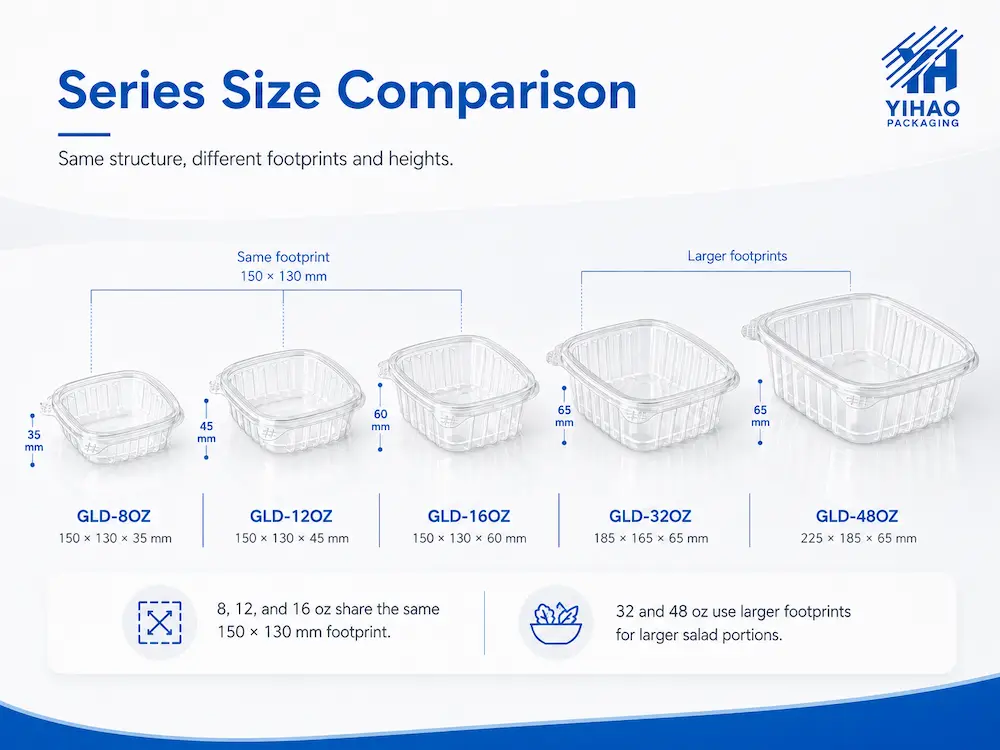
One container shape cannot serve every salad program equally well. Leafy green salads need enough headspace so the greens do not look crushed. Protein salads need a stable base impression because heavier toppings sit on top of softer ingredients. Pasta salads and cold noodle salads need depth and closure confidence. Fruit salads need clear walls and enough visual separation to show freshness.
For meal salads and premium chilled bowls, a wider top opening helps customers see the value of the product. For side salads and deli portions, hinged deli containers or square deli containers may use shelf space more efficiently. For multi-ingredient packs, divided containers or trays help prevent ingredients from mixing too early.
When buyers choose ready-to-eat salad containers, the better question is not “Which container holds the most food?” The better question is “Which packaging structure makes this specific food look fresh, stable, easy to buy, and practical to supply at scale?”
Stackability for Retail Shelves and Back-of-House Handling
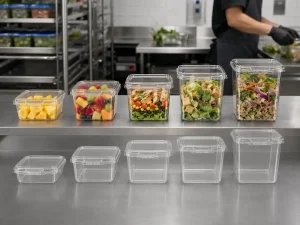
Stacking matters in both retail and production. Supermarket salad containers must sit neatly in refrigerated displays. Convenience store containers must support quick restocking. Food factories need containers that can move through packing, labeling, cold holding, and distribution without creating avoidable labor problems.
A container that looks good alone may still fail if it tilts, slides, blocks labels, or takes up too much shelf width. Before placing a wholesale order, buyers should test several packed samples in the actual cold case, with real labels attached, under the same stacking logic used by store staff.
Clear Salad Bowls vs Hinged Deli Containers: Which Works Better?
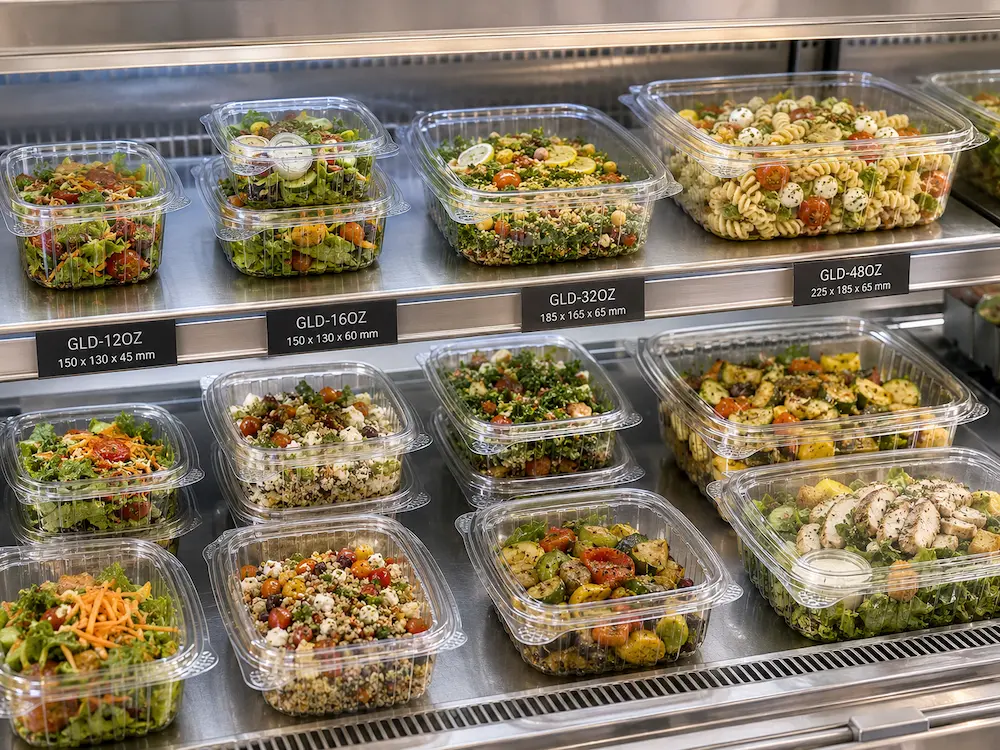
Both clear salad bowls and hinged deli containers work well for chilled salad packaging, but they serve different selling moments. Bowls are usually stronger for visual presentation. Hinged deli containers are often stronger for fast packing, compact storage, and mixed deli foods.
| Packaging Type | Best For | Buyer Value | Key Check Before Ordering |
|---|---|---|---|
| Clear PET Salad Bowls | Premium salads, fruit salads, grain bowls, meal salads | Strong top-view display and clean ingredient visibility | Lid fit, label position, stacking height, and cold shelf layout |
| PET Hinged Deli Containers | Pasta salad, side salad, deli foods, snacks, fruit portions | One-piece packing efficiency and easy takeaway handling | Hinge strength, closure feel, food depth, and label clearance |
| Square PET Deli Containers | Shelf-efficient chilled meals, salads, fruit, deli sides | Better use of retail shelf space and clean stacking | Corner visibility, lid match, and stacking stability |
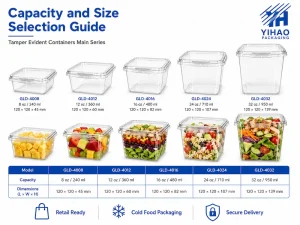
| Tamper-Evident Containers | Retail grab-and-go salads, chilled foods, prepared portions | Stronger trust signal for sealed retail food programs | Opening experience, label placement, and channel suitability |
If the product is a premium salad with visible toppings, a salad bowl with hinged lid often gives the strongest visual impression. If the product is a pasta salad, deli side, or compact chilled meal, a clear hinged deli container may be more efficient for packing and shelf handling.
Best Applications for Grab-and-Go Salad Containers
Supermarket Ready-to-Eat Salad Shelves
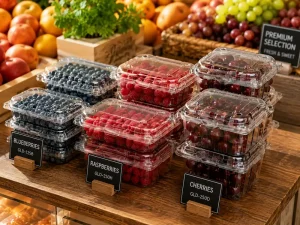
Supermarkets need salad packaging containers that look clean under bright cold-case lighting. The product must be easy to understand in seconds because customers compare several items at once. Clear packaging helps the shopper see whether the salad looks fresh, whether toppings are generous, and whether the portion feels worth buying.
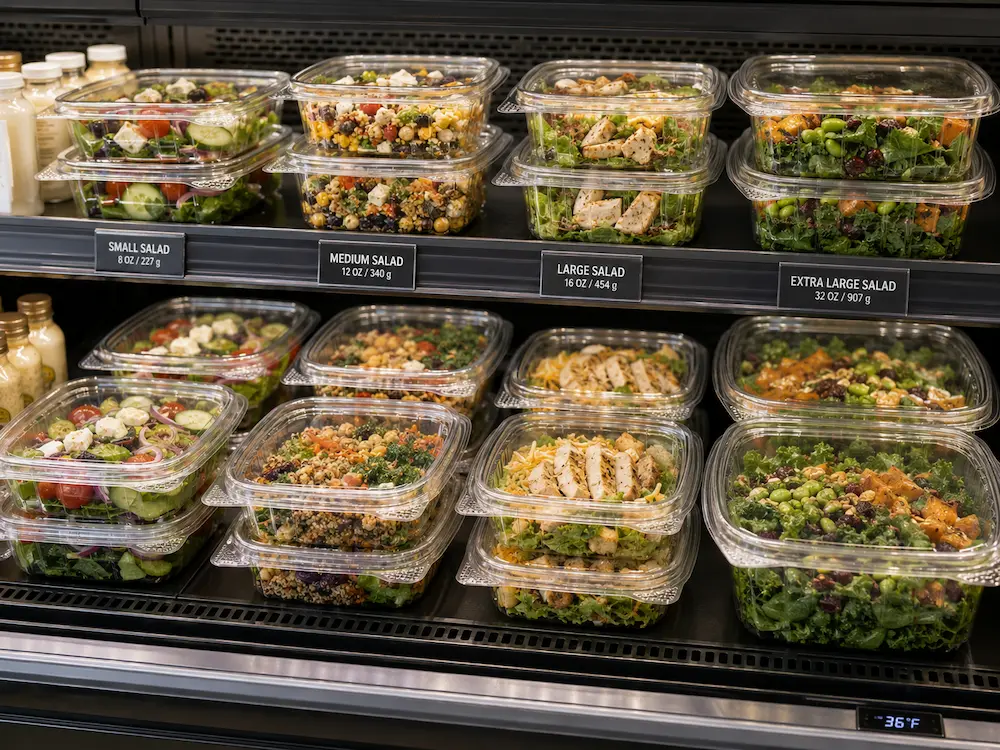
For supermarket salad containers, label placement is critical. A label should support branding and product information without covering the most appetizing food area. Large front labels may hide fresh ingredients. Overly small labels may look weak or unprofessional. The best approach is to test the container with real labels, not only blank samples.
Convenience Store Chilled Food Sections
Convenience store shoppers often make fast purchase decisions. They want lunch, snacks, fruit, and chilled meals that are easy to carry and easy to eat. In this setting, grab-and-go salad containers should feel secure in hand and compact enough for small refrigerated displays.
Round bowls work well for meal salads and fresh fruit mixes. Hinged deli containers work well for pasta salad, cold sides, and snack-style portions. A hinged deli container is useful when the operator wants a one-piece format for quick packing and takeaway sales.
Cafe and Deli Takeaway Counters
Cafes and delis use salad containers for more than leafy greens. They may pack quinoa bowls, couscous salads, fruit and nut mixes, cold pasta, chicken salad, bean salad, poke-style ingredients, bakery side items, and lunch combinations. The packaging must support both display and counter-speed service.
For cafes, clear packaging also reinforces the value of freshness. When customers see bright ingredients through a transparent lid, the food feels more prepared, more intentional, and more premium. This is especially important when the container sits next to sandwiches, wraps, chilled desserts, and cold drinks.
Food Factories and Prepared Meal Brands
Food factories need repeatable packaging. A container that looks good in one sample but creates lid-matching confusion, stacking problems, or labeling difficulty will slow production. Prepared meal brands should choose salad packaging containers that work across several recipes while still preserving the visual identity of each product.

For larger prepared food programs, consistency is more valuable than chasing too many shapes. A practical range may include clear salad bowls for premium products, square containers for shelf efficiency, hinged deli containers for fast-moving portions, and tamper-evident formats for retail trust.
Material Considerations for Chilled Salad Packaging
Most chilled salad packaging programs prioritize clarity, light weight, food presentation, and stable cold-case handling. PET and RPET are common choices for this reason. They offer strong transparency, a clean retail appearance, and practical forming options for bowls, lids, hinged containers, and deli packaging structures.
For buyers comparing PET and RPET options, the decision should be based on product positioning, local recycling systems, customer expectations, and supplier capability. Recycled-content packaging may support sustainability goals, but buyers should avoid broad claims that cannot be verified in the target market. A more responsible message is that PET or RPET packaging is recyclable where local PET recycling systems accept it.
Food contact suitability should also be part of the buyer checklist. Salad containers are used with leafy greens, acidic fruits, oily pasta salads, creamy dressings, proteins, and chilled prepared foods. Buyers should confirm intended use, food contact requirements, sample performance, and storage conditions with the supplier before scaling wholesale orders.
Chilled salad packaging should be tested with the actual food. Leafy greens, acidic fruit, oily pasta salad, creamy dressing, and wet toppings interact with packaging differently. Buyers should test filled samples under realistic cold storage, transport, and shelf display conditions before approving wholesale production.
How to Choose Salad Packaging Containers by Food Type
The strongest packaging decision starts with the food itself. A container should match the salad style, not force the salad to fit a generic pack. Food depth, ingredient movement, dressing behavior, topping visibility, and customer handling all affect the final choice.
| Salad or Chilled Food Type | Recommended Container Logic | Main Buyer Check |
|---|---|---|
| Leafy Green Salad | Wide top view, enough headspace, clear lid | Greens should not look compressed after cold storage |
| Protein Salad | Stable base, clear top view, strong ingredient display | Toppings should remain visible and well positioned |
| Pasta Salad | Medium depth, reliable closure, practical takeaway shape | Oil, sauce, and movement should be tested before bulk orders |
| Grain Bowl | Bowl-style presentation with clear ingredient layering | Food should look abundant without being overfilled |
| Fruit Salad | Clear wall, clean lid design, neat display surface | Juice contact, freshness visibility, and label area matter |
| Cold Noodle Salad | Enough depth, stable base, easy takeaway handling | Fork space, sauce movement, and closure feel should be tested |
When the product includes fruit, toppings, nuts, or separated ingredients, buyers may also consider fresh-cut fruit containers or divided trays. For catering, party platters, or chilled sharing formats, a multi-compartment catering tray helps organize ingredients while keeping the retail display clean.
Square, Round, and Hinged Formats: How Shape Affects Retail Display
Shape is one of the most underestimated decisions in salad packaging. A round bowl makes the product feel more like a meal. It highlights color, volume, and topping arrangement. This works well for premium ready-to-eat salads, fruit salads, and chilled grain bowls.
A square or rectangular container often performs better when shelf space is limited. It uses cold-case width efficiently and allows more packs to sit in straight rows. This matters for supermarket chains, convenience stores, and foodservice distributors that manage many SKUs in limited refrigerated space.
A square PET deli container can support salad, fruit, deli sides, and chilled meals when the buyer needs a clean shape for shelf organization. For products that need more lid height, a square high-lid food container gives more room for fresh-cut ingredients and salad presentation without relying on a round bowl format.
Hinged containers are efficient because the lid and base remain connected. This reduces loose-lid management in packing areas and supports quick closure for takeaway programs. They are especially useful for delis, cafes, and fast-moving chilled food counters where staff need to pack quickly and maintain consistent presentation.
When Tamper-Evident Salad Packaging Makes Sense
For some retail channels, standard salad containers are not enough. Supermarkets, grab-and-go refrigerators, and third-party distribution programs may want a stronger trust signal. Tamper-evident packaging helps communicate that the product has not been opened before purchase.
This does not mean every salad needs a tamper-evident pack. A deli counter serving made-to-order salads may not require the same structure as a sealed retail shelf program. However, for prepacked chilled foods sold through supermarkets, convenience stores, vending-style cold cases, or delivery-ready retail packs, tamper evident containers can improve buyer confidence.
For small chilled grab-and-go portions, a clear PET tamper evident container is useful when the product needs visibility and a sealed retail presentation. Buyers should test opening experience, label placement, and shelf fit before approving the final structure.
Wholesale Ready-to-Eat Salad Containers: What to Ask Your Manufacturer or Supplier
When buying ready-to-eat salad containers at wholesale scale, the supplier conversation should go beyond “What is the price?” A reliable packaging decision includes shape selection, material options, lid compatibility, sample testing, label position, export packing, and repeat supply consistency.
Working with a direct manufacturer gives buyers better control over product planning. Instead of selecting isolated items, buyers can build a coordinated packaging range for leafy salads, fruit salads, grain bowls, pasta salads, cold sides, and prepared food displays.
Before placing a bulk order, ask the supplier these questions:
| Buyer Question | Why It Matters |
|---|---|
| Which container shapes fit leafy salads, grain bowls, pasta salads, and fruit salads? | Different food types need different depth, visibility, and closure logic. |
| Are matching lids available for the selected bowl or container series? | Lid compatibility affects packing speed, shelf presentation, and takeaway handling. |
| Can samples be tested with chilled storage, stacking, labeling, and handling? | Real sample testing prevents expensive packaging mistakes before wholesale orders. |
| Are PET or RPET options available for the target market? | Material selection affects clarity, positioning, sustainability claims, and local recycling communication. |
| Can the supplier support a coordinated packaging family? | A consistent range helps buyers manage different salad and chilled food SKUs. |
| Can the supplier help review label placement and shelf display logic? | Labels affect branding, barcode scanning, ingredient visibility, and cold-case appearance. |
For distributors, food brands, and retailers, the best supplier is not simply the one with the longest catalog. The best supplier helps match the container to the sales channel, food type, shelf layout, and brand goal. For wholesale salad packaging, sample evaluation is not optional. It is the fastest way to confirm whether the selected container works in real cold-chain conditions.
Common Mistakes When Choosing Supermarket Salad Containers
Many salad packaging problems begin with a narrow buying process. If the buyer only compares unit price or capacity, they may miss more important details that affect sell-through and operational efficiency.
The first mistake is choosing a container based only on volume. A pack may technically hold the food, but if the salad looks flat, compressed, or poorly arranged, customers may see less value. The second mistake is selecting a container without testing the final label. A beautiful salad can lose its visual appeal when a label covers the toppings or hides the freshest ingredients.
The third mistake is using one container for every chilled food. Leafy salads, pasta salads, fruit salads, and grain bowls do not behave the same way. The fourth mistake is ignoring stacking. A container that slides in a cold case or becomes unstable during transport creates retail handling problems.
The fifth mistake is overclaiming material benefits. PET and RPET packaging can support clear display and recyclable design where local recycling systems accept it, but every market has different recycling infrastructure. Responsible communication protects both the brand and the buyer.
The sixth mistake is skipping supplier communication. A strong packaging supplier should help buyers compare shapes, lids, product families, samples, and retail presentation before final ordering.
Why Work with a Ready-to-Eat Salad Container Manufacturer for Wholesale Supply
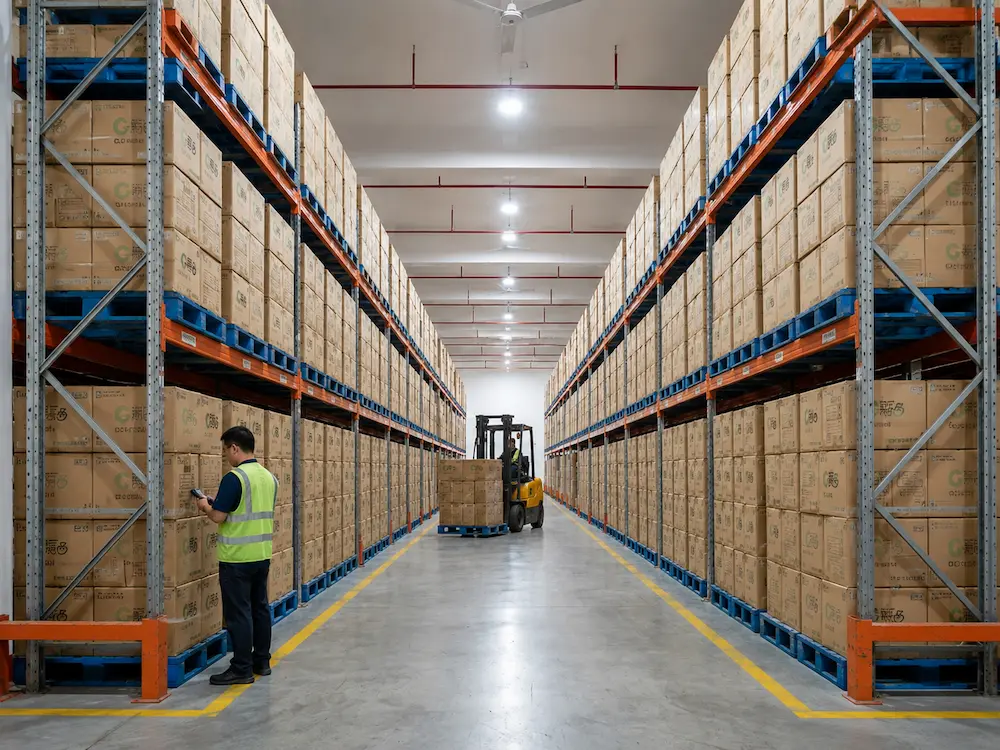
Buying from a packaging manufacturer is different from buying random stock packaging. A manufacturer understands forming logic, material selection, lid matching, product families, and export packing requirements. For salad programs, this matters because the buyer often needs several formats, not one isolated container.
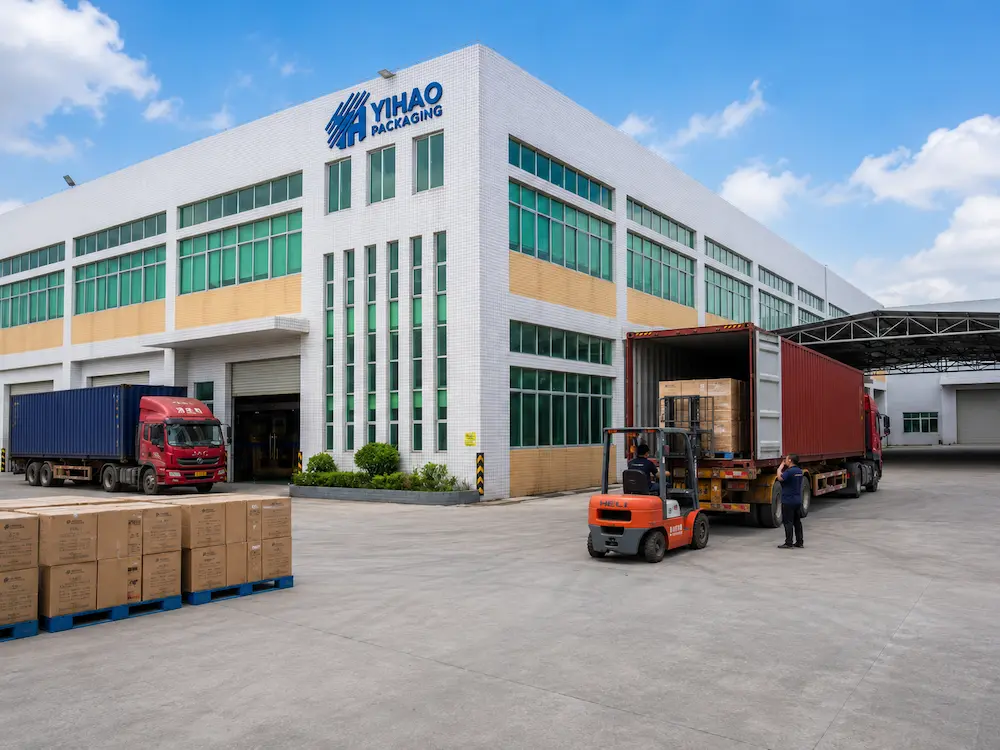
YIHAO supports food brands, supermarkets, distributors, cafes, delis, and prepared food teams with clear PET and RPET salad packaging options designed for chilled display, takeaway handling, and wholesale supply planning. The goal is not only to provide a container, but to help buyers choose a packaging structure that supports their real product line.
For example, a supermarket may need clear salad bowls for premium meal salads, square containers for shelf-efficient chilled foods, hinged deli containers for deli sides, and tamper-evident containers for sealed grab-and-go items. A prepared food factory may need a narrower range with higher repeat consistency. A cafe chain may need packaging that looks premium but remains simple for staff to use during rush hours.
When the supplier understands these differences, packaging becomes part of the sales system. It protects the food, improves shelf presence, supports staff efficiency, and helps the brand look consistent across multiple chilled food categories.
Practical Selection Checklist for Ready-to-Eat Salad Containers
Before approving ready-to-eat salad containers for retail or wholesale use, buyers should evaluate the container with the actual product, not only with empty samples. The checklist below can help reduce risk before bulk purchasing.
| Check Point | What to Review | Why It Helps |
|---|---|---|
| Food Appearance | Ingredient visibility, color contrast, portion height | Improves retail display and customer confidence |
| Lid Fit | Closure feel, lid match, hinge behavior, opening experience | Supports packing consistency and takeaway handling |
| Cold Shelf Display | Stacking, label visibility, shelf footprint, lighting appearance | Helps supermarkets and stores merchandise more efficiently |
| Label Placement | Brand label, barcode, nutrition panel, date code | Keeps packaging compliant and visually appealing |
| Material Strategy | PET, RPET, clarity, food contact suitability, recycling communication | Supports realistic sustainability claims and market positioning |
| Wholesale Supply | Range consistency, sample approval, repeat ordering plan | Reduces packaging disruption and supports long-term buying |
FAQ
1. What are ready-to-eat salad containers used for?
Ready-to-eat salad containers are used for prepacked salads, fruit salads, pasta salads, grain bowls, cold noodles, deli sides, and chilled grab-and-go foods sold through supermarkets, convenience stores, cafes, delis, and prepared food programs.
2. Are clear salad bowls better for retail salad display?
Clear salad bowls are often better for premium retail salad display because they show fresh ingredients from the top and sides. They help customers see greens, toppings, proteins, grains, fruits, and layered ingredients before purchase.
3. What should supermarkets check before buying salad packaging containers?
Supermarkets should check ingredient visibility, lid fit, label placement, cold shelf footprint, stacking stability, barcode position, material suitability, and sample performance with the actual salad product before placing wholesale orders.
4. Can grab-and-go salad containers be used for pasta salad and grain bowls?
Yes. Grab-and-go salad containers can be used for pasta salad, grain bowls, fruit salad, cold noodle salad, and deli sides when the container depth, closure style, lid fit, and food presentation match the product.
5. How should buyers choose a wholesale salad container manufacturer or supplier?
Buyers should choose a wholesale salad container manufacturer or supplier by reviewing product range, PET or RPET material options, lid compatibility, sample testing support, packaging family planning, labeling suitability, production consistency, and repeat order reliability.
References
- U.S. Food and Drug Administration, Packaging & Food Contact Substances Guidance
- U.S. Food and Drug Administration, Understanding How FDA Regulates Substances that Come into Contact with Food
- U.S. Environmental Protection Agency, Plastics: Material-Specific Data
- Association of Plastic Recyclers, APR Design Guide for PET Packaging
- Association of Plastic Recyclers, PET Rigid Packaging Design Guidance
- Food Packaging Forum, Food Contact Materials Knowledge Resources
- Institute of Food Technologists, Food Packaging and Shelf-Life Resources
- Fortune Business Insights, Ready-to-Eat Foods Market Growth Report
Deep-Dive Insights: How Smart Salad Packaging Improves Retail Conversion and Wholesale Planning
How do ready-to-eat salad containers influence shopper decisions?
Ready-to-eat salads are visual products. Shoppers often decide quickly based on ingredient color, portion appearance, freshness cues, and perceived cleanliness. A clear container helps the product answer these questions before the customer reads the label: Does it look fresh? Does it look full enough? Are the ingredients visible? Does the packaging look clean and reliable?
Why does container shape affect retail performance?
Round bowls create a strong meal-salad impression and work well when toppings need a premium top-view display. Square containers improve shelf efficiency and help stores arrange more units in straight rows. Hinged deli containers support fast packing and practical takeaway handling. The best shape depends on the sales channel, food type, label position, and cold-case layout.
What should buyers consider before switching to RPET salad packaging?
RPET can support recycled-content positioning, but buyers should evaluate clarity, consistency, food contact suitability, local recycling acceptance, and customer communication. The safest sustainability message is specific and realistic: PET or RPET packaging supports recyclable design where local PET recycling systems accept it.
Which packaging strategy works best for wholesale salad programs?
A single container rarely supports every chilled salad SKU. A stronger wholesale strategy builds a packaging family: clear bowls for premium salads, hinged deli containers for fast-moving portions, square containers for shelf efficiency, tamper-evident containers for sealed retail programs, and divided trays for multi-ingredient combinations.
What is the most practical buyer takeaway?
The right salad container is not the one with the lowest unit price. It is the container that improves food visibility, protects chilled quality, supports staff handling, fits labels correctly, stacks reliably, and remains available through a dependable wholesale supplier.
Final Note / Practical Takeaway
© YIHAO Packaging. All rights reserved.
Food packaging solutions for global wholesale buyers, supermarkets, cafes, bakeries, and foodservice brands.