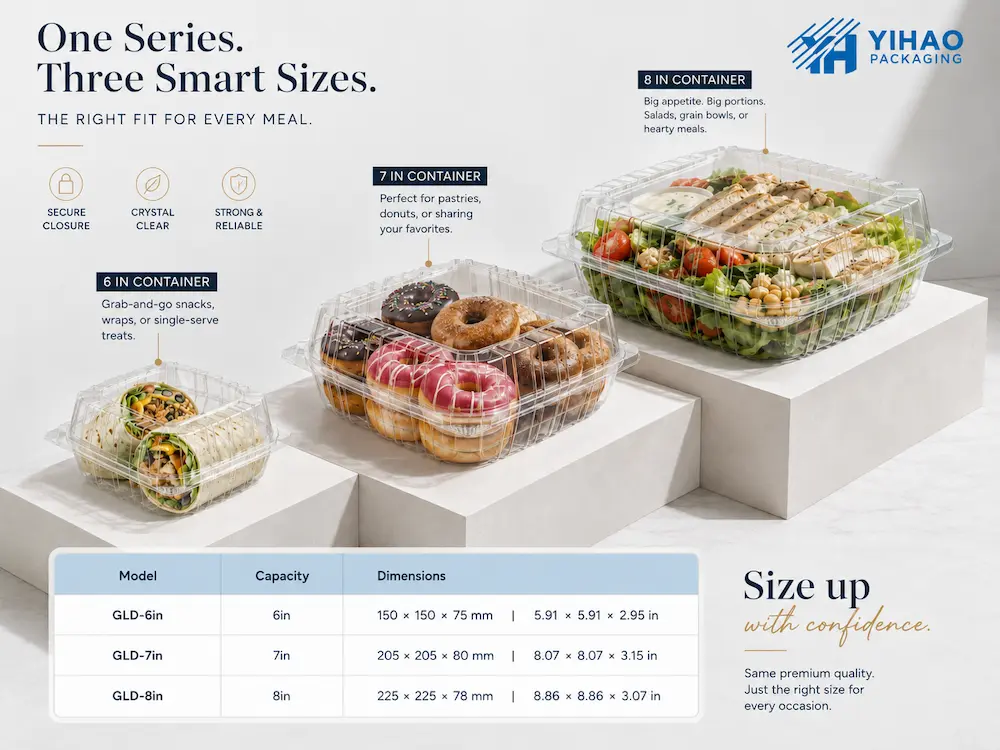
Produce Packaging Manufacturer: Buyer Guide for Food Packaging Teams
For food packaging teams, choosing a produce packaging manufacturer is a sourcing decision that affects product protection, retail presentation, cold-chain handling, export readiness, and repeat wholesale supply. Fresh fruit does not behave like dry goods or standard takeaway food. Blueberries move inside the pack. Raspberries bruise easily. Strawberries need lid clearance. Grapes need stable stacking. Fresh-cut fruit needs clean visibility and secure containment for chilled display.
This is why buyers should evaluate packaging by application, not only by container size. A reliable fruit packaging supplier should help buyers compare material clarity, ventilation design, hinge strength, lid closure, carton efficiency, label placement, and sample testing before bulk orders. For teams buying wholesale fresh produce packaging, the right packaging format supports both product quality and commercial efficiency.
YIHAO is a food packaging manufacturer and solution provider focused on practical PET/RPET packaging formats for fresh produce, berries, fresh-cut fruit, salads, snacks, bakery items, deli food, and chilled ready-to-eat foods. This guide is written for supermarkets, farms, produce brands, distributors, exporters, foodservice buyers, and packaging teams that need clear sourcing logic before choosing a long-term packaging partner.
Why Food Packaging Teams Need the Right Produce Packaging Manufacturer
Fresh produce packaging is not a simple commodity purchase. A low-cost container may look acceptable during quotation, but it can fail during real packing, stacking, chilled transport, or retail display. Food packaging teams need a produce packaging manufacturer that understands how fruit moves, how buyers inspect product quality, and how packaging performs after repeated handling.
For retail produce, clear packaging helps shoppers see color, size, freshness, and portion quality before purchase. For farms and packing houses, the package must support quick filling, lid closing, pallet movement, and carton loading. For distributors and exporters, packaging must remain stable through longer handling routes. For supermarkets, packaging must support display efficiency, barcode scanning, and shelf-ready presentation.
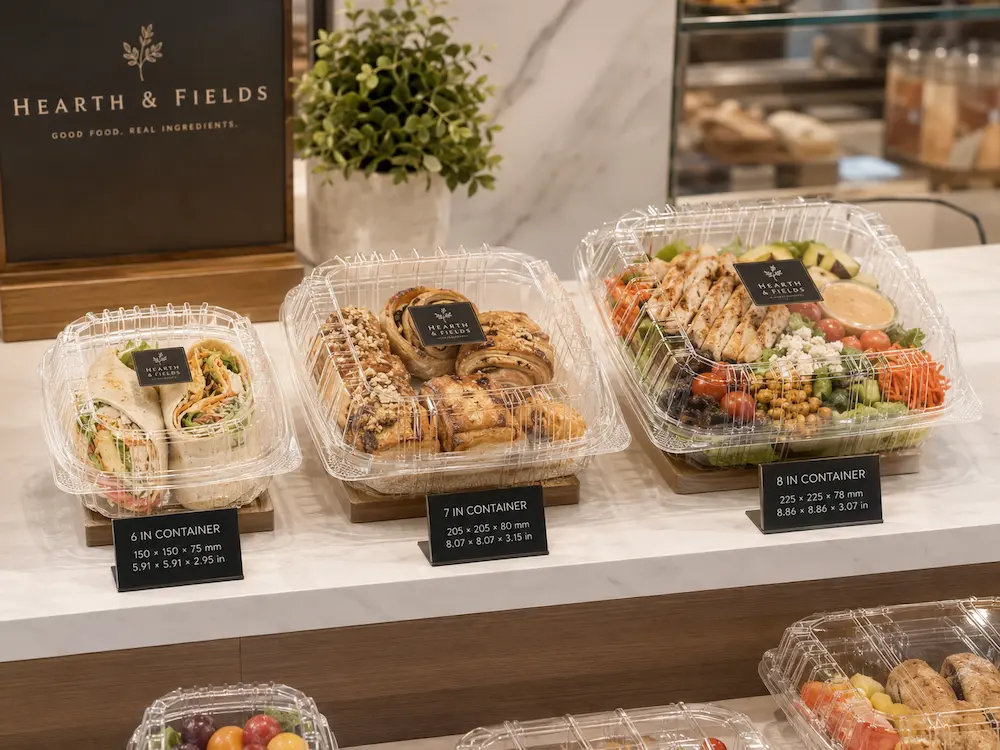
When these needs are not considered together, packaging problems appear quickly: crushed berries, loose lids, poor stacking, foggy product visibility, weak hinge areas, damaged labels, or carton inefficiency. A capable manufacturer helps buyers avoid these problems before the order reaches mass production.
What a Produce Packaging Manufacturer Should Understand
Fresh Fruit Visibility and Retail Shelf Presentation
Fresh fruit packaging must sell the product visually. Clear PET and rPET packaging are widely used because they support high product visibility, allowing shoppers to inspect berries, apple packs, kiwi packs, grapes, and fresh-cut fruit portions. A good fruit packaging supplier understands that the package is part of the retail display system, not only a protective shell.
For buyers building a produce packaging program, visibility matters across different product types. Blueberries need clean sidewall clarity. Strawberries need lid height and viewing space. Apples and kiwis benefit from structured cavities or stable holding areas. Fresh-cut fruit needs a clean, transparent presentation that supports grab-and-go chilled display.
Buyers should first compare fresh produce packaging by fruit type, packing weight, display channel, and logistics requirements. A category-level comparison helps packaging teams avoid choosing one generic container for every produce application.
Ventilation, Stacking, and Cold-Chain Handling
Produce packaging often needs airflow. Ventilation holes help support chilled handling and reduce moisture buildup in many berry and fresh produce applications. The best vent design depends on the fruit type, fill weight, carton arrangement, and display environment. Too little ventilation may create condensation problems. Too much opening area may reduce structural strength or expose delicate fruit to damage.
Stacking also matters. Berry packaging wholesale programs often involve carton packing, pallet movement, chilled storage, and retail shelf stacking. The container base, lid profile, hinge area, rim design, and stacking points should work together. A packaging team should not evaluate a clamshell only by appearance; it should check how the pack behaves when filled, closed, labeled, stacked, and transported.
Product-Specific Packaging for Different Produce Types
Different fruits need different packaging logic. Blueberries are small and mobile, so the package should provide containment, ventilation, and stable stacking. Raspberries are softer and need low-pressure support. Strawberries need more internal space and lid clearance. Apples and kiwis often need structured display and stable retail presentation. Fresh-cut fruit needs secure closure, clear visibility, and practical portion control.
This is where application-based selection becomes more useful than generic packaging names. Buyers should compare produce clamshell containers, fresh-cut fruit packs, apple clamshell containers, kiwi clamshell containers, and produce trays based on actual product behavior.
Key Packaging Types for Wholesale Fresh Produce Packaging
Produce Clamshell Containers for Retail-Ready Fruit
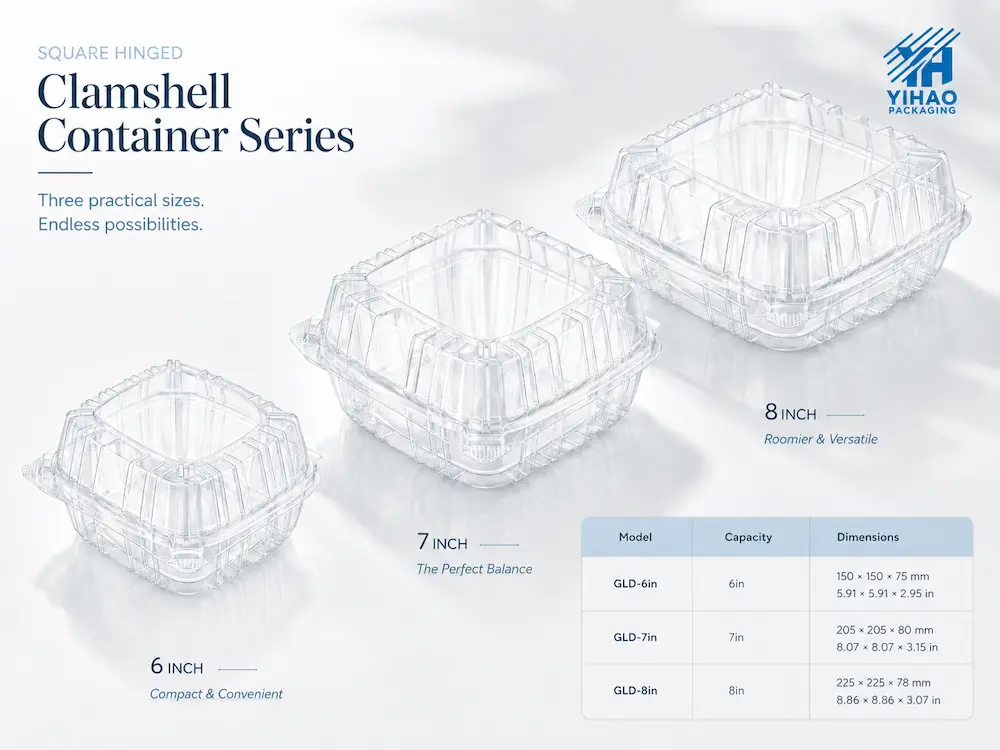
Produce clamshell containers are commonly used for berries, grapes, cherry tomatoes, small fruit, and retail-ready fresh produce. The hinged structure keeps the base and lid connected, which supports quick packing and convenient handling. A secure closure helps reduce accidental opening during transport and display.
For buyers sourcing wholesale fresh produce packaging, clamshells are especially useful when the product needs clear visibility, repeat packing efficiency, and shelf-ready presentation. Common comparison points include pack weight, ventilation area, lid clearance, hinge strength, and stacking stability.
Berry Packaging Wholesale Options
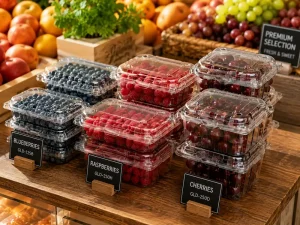
Berry packaging wholesale requires more precision than general produce packaging. Berries are delicate, moisture-sensitive, and highly visual. A berry container should support airflow, reduce compression, hold the product cleanly, and make the fruit look fresh under retail lighting.
Buyers should compare blueberry, raspberry, blackberry, and strawberry packaging separately. A container that works for blueberries may not be ideal for raspberries. A pack that looks good for strawberries may be too spacious for small berries. This is why sample testing is important before confirming large-volume orders.
For berry programs, buyers should review vented clamshell structures, transparent base designs, top and bottom air vents, lid security, carton fit, and stacking performance before choosing a final pack.
Fresh-Cut Fruit Containers for Chilled Retail Display
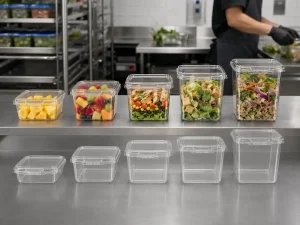
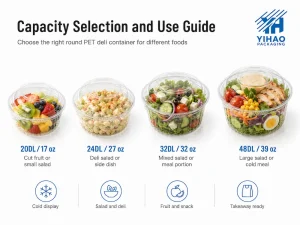
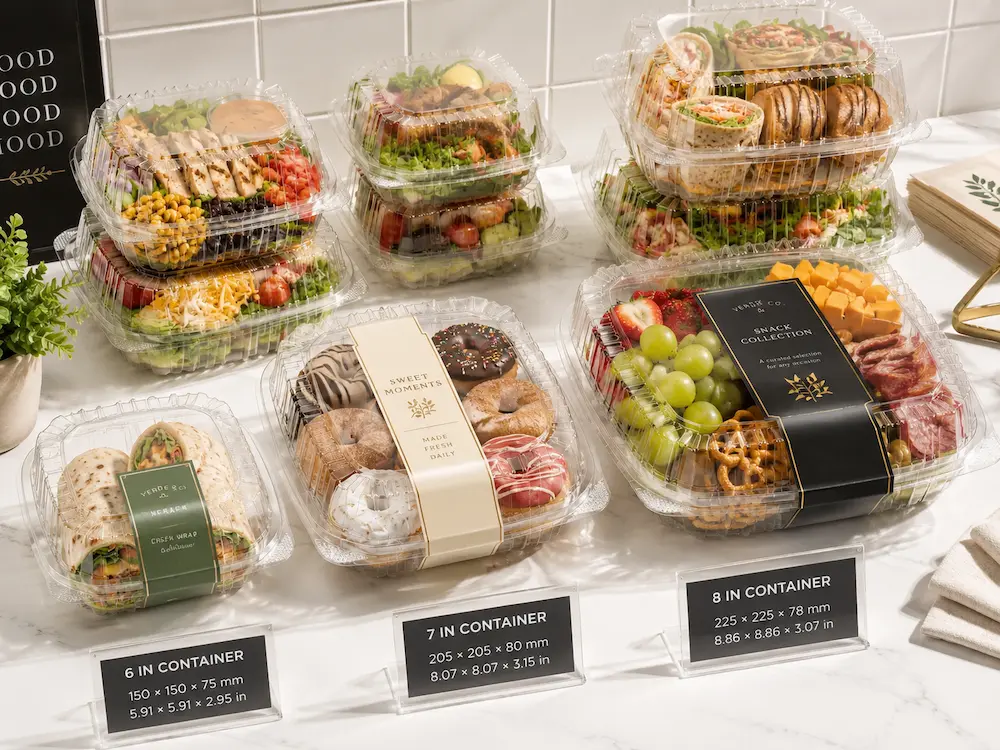
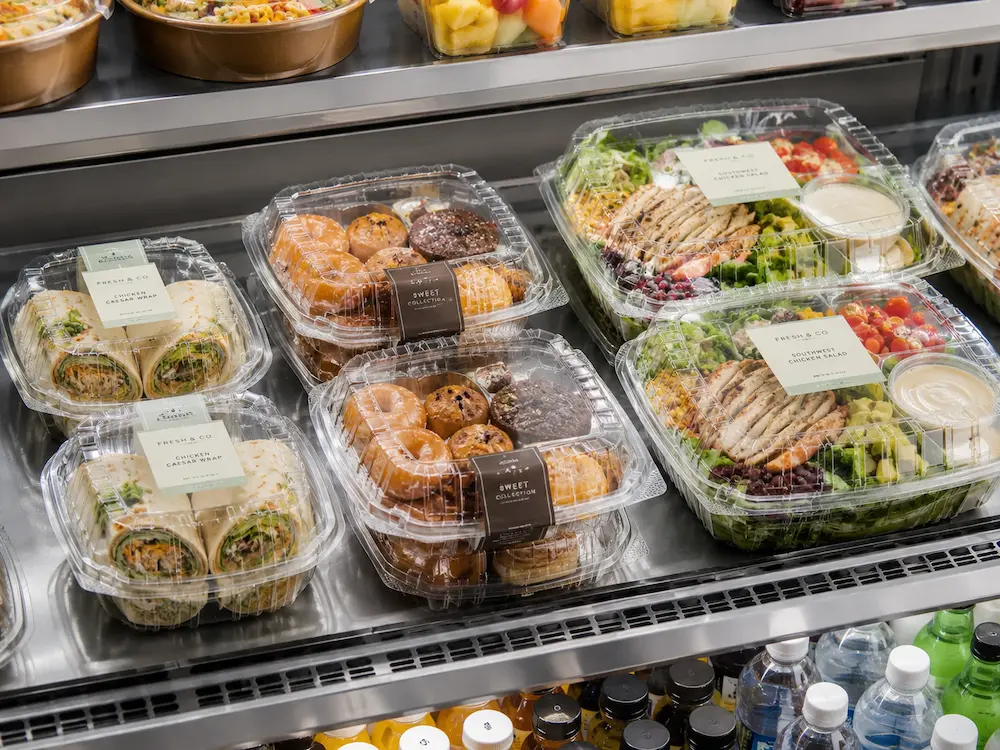
Fresh-cut fruit packaging has a different function. It must present cut fruit clearly, separate portions when needed, and support chilled takeaway or grab-and-go retail. For mango cubes, apple slices, grapes, melon, berries, fruit-and-nut combinations, or mixed snack packs, clear PET/RPET containers help the product remain visible and easy to identify.
Buyers should compare fresh-cut fruit containers when developing chilled fruit snack packs, supermarket fresh-cut programs, café fruit cups, or foodservice takeaway packs. Larger formats help support family packs, retail takeaway, and higher-volume chilled display.
Farm Packaging Containers for Harvesting and Retail Transition
Farm packaging containers need to connect production handling with retail expectations. Farms and packing houses often need packaging that works during filling, inspection, transport, and handoff to distributors or supermarkets. The pack should be easy to handle, close reliably, stack safely, and present the fruit clearly.
For farm-to-retail supply chains, buyers should evaluate container rigidity, lid closure, vent position, carton fit, and label area. A farm pack is not only used on the farm; it often becomes the retail-facing container. Therefore, it must perform both operationally and visually.
How to Compare a Fruit Packaging Supplier
Material Selection: PET, rPET, and Clear Food Packaging
Material choice is one of the first factors to compare when choosing a fruit packaging supplier. PET is widely used for clear food packaging because it provides strong transparency, lightweight structure, and practical rigidity for cold food and fresh produce applications. rPET can support sustainability-focused packaging discussions when the recycled content, food-contact suitability, and local recycling context are properly evaluated.
Buyers should avoid vague sustainability claims. Recyclability depends on local collection, sorting, and recycling systems. Recycled plastic used in food-contact applications should be evaluated carefully according to the applicable market requirements. For professional sourcing, it is better to ask the supplier for material information, product specifications, and relevant compliance documents rather than relying only on marketing claims.
Lid Structure, Hinge Strength, Venting, and Label Area
Fresh produce packaging should be checked as a complete structure. The lid must close securely without damaging the fruit. The hinge should withstand repeated opening during sampling or inspection. Vent holes should support the intended produce type. The base should provide stable support. The label area should allow branding, barcode placement, pricing, and product information without blocking too much product visibility.
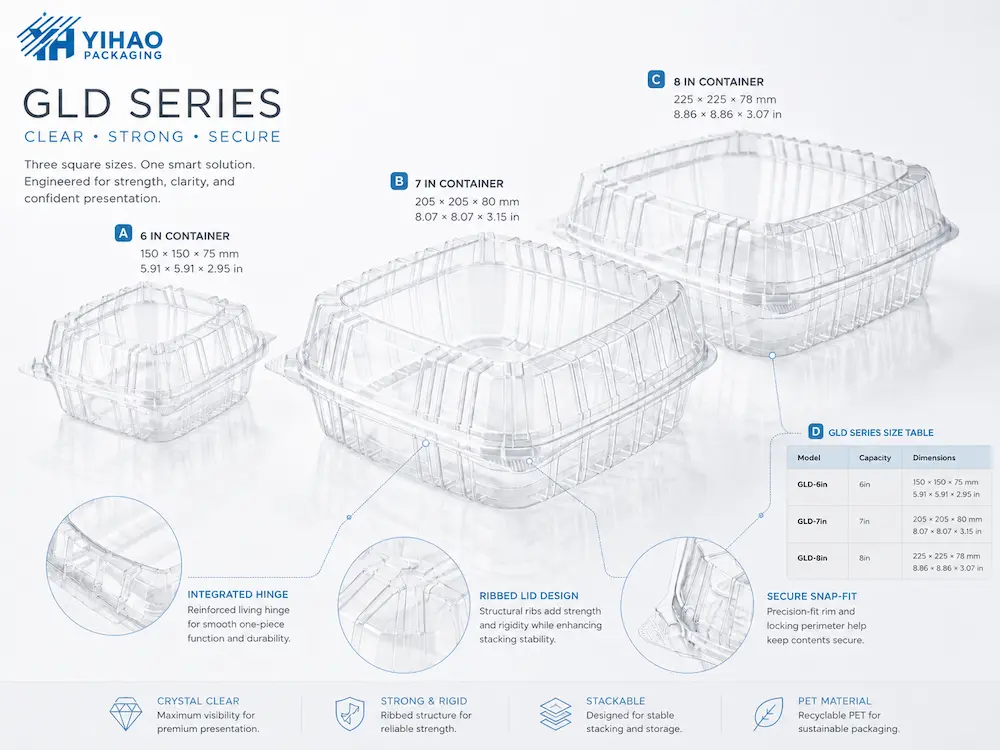
A professional produce packaging manufacturer should help buyers evaluate these points before bulk production. For mixed fruit portions and assorted retail packs, compartment formats are often more practical than a single open cavity because they separate ingredients and improve visual organization.
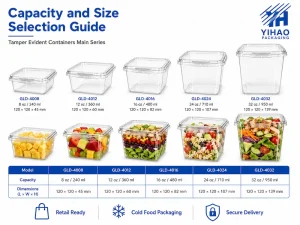
Capacity Range and Product Matching Logic
Buyers should not select packaging by capacity alone. A 1lb pack for blueberries and a 1lb pack for fresh-cut fruit may require different height, base shape, ventilation, and lid clearance. A grape container may need more room and stronger stacking support. Apple and kiwi packaging often need different cavity logic from loose berries.
For product-specific sourcing, buyers should compare apple clamshell containers and kiwi clamshell containers when the packaging goal is structured fruit display rather than loose produce containment.
Sample Testing Before Wholesale Orders

Sample testing is a practical step that protects buyers from costly mistakes. Before confirming a wholesale order, packaging teams should fill the sample with the actual product, close the lid, apply the label, place the pack into cartons, test stacking, check chilled display performance, and review how the fruit looks after handling.
For berry packaging wholesale, testing should include real fruit weight and realistic packing density. For fresh-cut fruit, testing should include condensation observation, lid closure, portion visibility, and shelf presentation. For export fruit packaging, testing should include carton loading and longer transport simulation when possible.
Export Fruit Packaging: What Buyers Should Check Before Ordering
Stacking Performance for Long-Distance Transport
Export fruit packaging needs stronger attention to transport performance. A container may look attractive on a sample table, but export handling adds pressure: carton stacking, pallet movement, temperature changes, repeated loading, and longer distribution routes. Buyers should check whether the pack keeps its shape under realistic filled conditions.
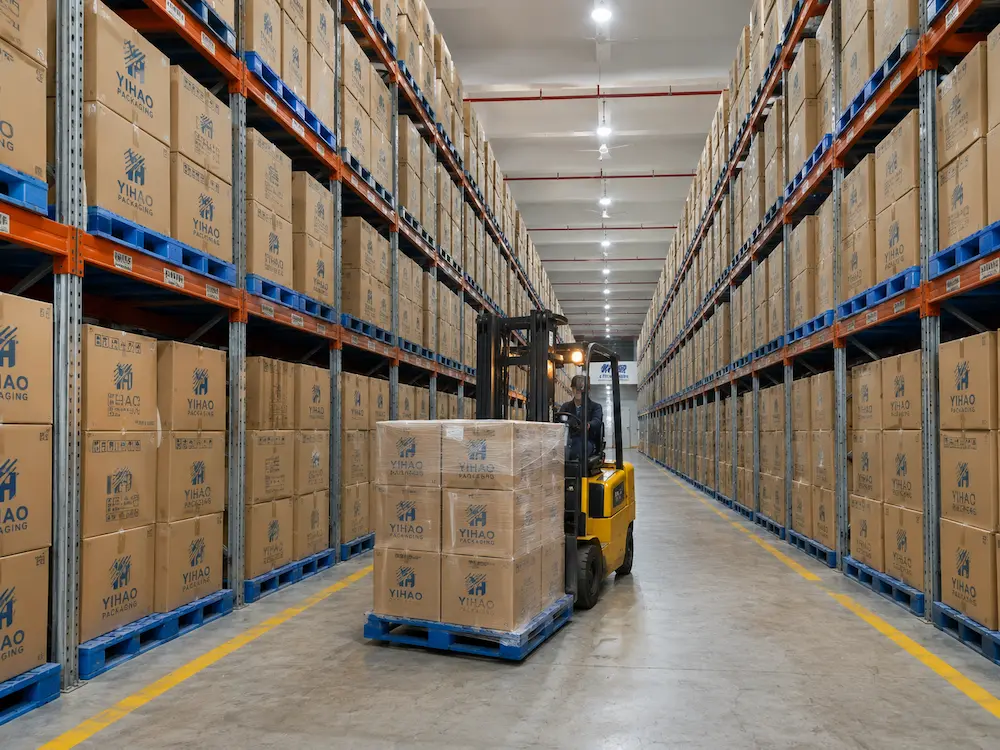
Stacking performance depends on material thickness, base geometry, lid structure, rim design, and carton arrangement. A good manufacturer should discuss carton packing, loading quantity, product weight, and intended shipping route instead of only quoting the container price.
Clear Packaging for Inspection and Retail Display
Export fruit buyers often need packaging that supports both inspection and display. Clear packaging allows handlers, retailers, and consumers to see the product condition without opening the pack. This is especially useful for premium fruit, berries, kiwis, apples, grapes, and fresh-cut fruit portions.
For export-focused programs, buyers should consider whether the packaging supports barcode placement, country-specific labeling, ventilation, retail shelf presentation, and carton-level logistics. If a package needs to move from packing house to overseas retail display, it should be designed for both transport and merchandising.
Labeling, Barcode Space, and Market-Specific Expectations
Label area is often underestimated. A produce pack may need a brand label, nutrition or product information, barcode, country-of-origin information, price label, or importer details depending on the sales market. If the label blocks too much product visibility, the pack loses retail value. If the surface is too small or uneven, labeling becomes inefficient.
Food packaging teams should confirm label size, label position, barcode readability, and lid surface before mass ordering. This is especially important for supermarkets, exporters, and distributors managing multiple SKUs across different regions.
Manufacturer vs Supplier vs Trading Company: What Matters for Food Packaging Teams
Why Direct Manufacturer Communication Improves Packaging Fit
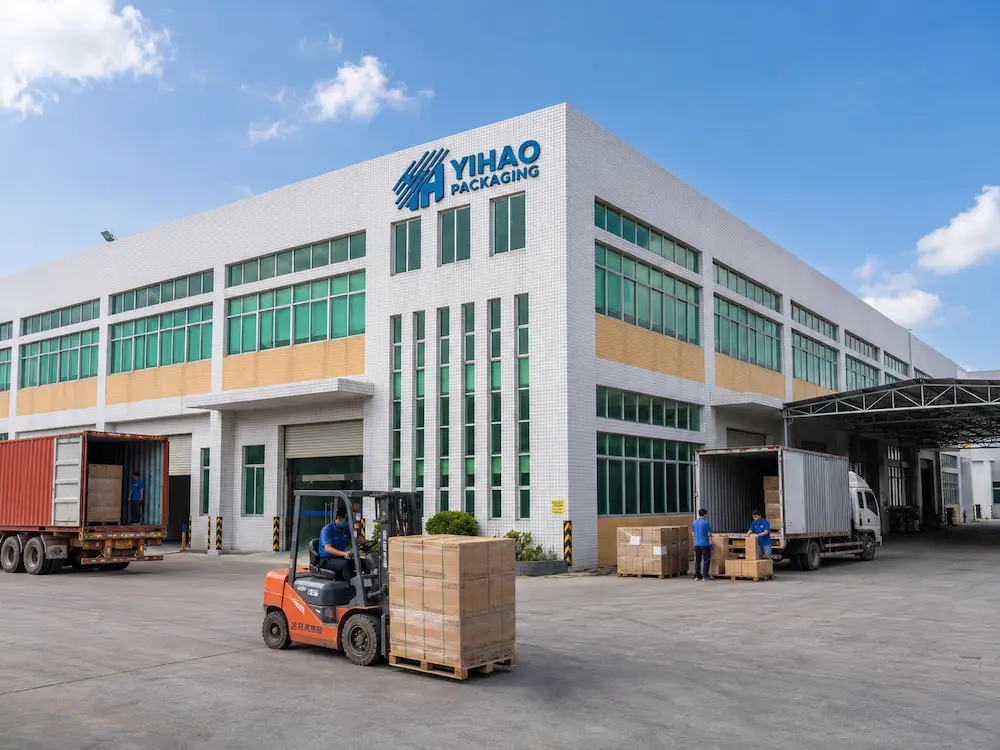
Working with a direct manufacturer can improve packaging fit because technical questions move faster. Buyers can discuss material, structure, sample testing, carton packing, customization, and product matching with the team closer to production. This reduces the risk of unclear specifications and repeated communication gaps.
A direct produce packaging manufacturer should understand mold structure, production consistency, lid performance, material options, and application logic. For buyers developing a long-term produce packaging program, this level of communication is more valuable than choosing only by the lowest quote.
Buyers who want to understand production capability should review the food packaging factory page before sending a project inquiry.
When a Wholesale Supplier Is Enough
A supplier may be enough when buyers need standard stock-style packaging, simple reorder support, or short-term replenishment. However, for application-specific fruit packaging, export programs, private label projects, or multiple SKU development, buyers should look deeper than product availability.
The best supplier relationship combines wholesale speed with manufacturer-level understanding. This means the partner can support repeated orders, sample comparison, packaging recommendations, and stable communication when product needs change.
What to Ask Before Choosing a Long-Term Packaging Partner
| Buyer Question | Why It Matters |
|---|---|
| Which fruit type is this container designed for? | Different fruits require different ventilation, depth, lid clearance, and stacking logic. |
| Is the material PET, rPET, or another material? | Material affects clarity, rigidity, sustainability discussion, and market requirements. |
| Can I test samples with my actual product? | Real filling tests reveal closure, stacking, visibility, and handling issues. |
| Can the container support carton packing and pallet movement? | Wholesale and export orders require logistics performance, not only shelf appearance. |
| Can the supplier support repeat wholesale orders? | Stable supply is essential for supermarkets, farms, distributors, and exporters. |
Buyer Checklist for Choosing a Produce Packaging Manufacturer
The following checklist helps food packaging teams compare suppliers before ordering wholesale fresh produce packaging.
| Checklist Item | What Buyers Should Confirm | Best Practice |
|---|---|---|
| Product Application | Fruit type, weight, portion size, retail channel, and handling route. | Choose packaging based on real produce behavior, not generic size names. |
| Material | PET, rPET, clarity level, rigidity, and food-contact suitability. | Request material information and confirm market-specific requirements. |
| Ventilation | Vent hole position, airflow needs, and moisture control. | Test with the actual fruit under chilled handling conditions. |
| Closure | Lid fit, hinge strength, locking feel, and repeated handling performance. | Open and close samples repeatedly before confirming bulk orders. |
| Stacking | Filled-pack stacking, carton loading, and pallet movement. | Test packaging with real product weight and shipping layout. |
| Label Area | Barcode position, brand label, price label, and product information. | Apply sample labels and check product visibility after labeling. |
| Wholesale Supply | Repeat order support, packing details, lead time discussion, and communication speed. | Build a sourcing relationship that supports long-term packaging programs. |
| Export Use | Carton efficiency, stacking strength, and market-specific packaging expectations. | Discuss export handling before confirming container structure. |
Common Mistakes When Buying Produce Packaging
Choosing Only by Price
Price matters, but it should not be the only decision factor. Cheap packaging becomes expensive when it causes fruit damage, weak shelf presentation, poor stacking, complaints, or repacking work. A professional buyer compares total packaging value: protection, visibility, labor efficiency, logistics performance, and supply stability.
Ignoring Product Weight and Stacking Height
Packaging should be tested with actual product weight. Empty samples can feel stable, but filled containers behave differently. Berries, grapes, apples, and fresh-cut fruit all create different pressure points. Buyers should test real stacking height, carton loading, and shelf display before confirming wholesale orders.
Using One Container for Too Many Fruit Types
One container rarely fits every produce application. A pack designed for blueberries may not protect raspberries. A strawberry pack may not fit small berries efficiently. A fresh-cut fruit container may not provide the airflow needed for whole berries. A smart packaging program uses a structured product range instead of forcing one pack into every use.
Overclaiming Recyclable or Sustainable Packaging
Sustainability claims should be accurate and market-aware. PET and rPET packaging can support recyclable packaging discussions where local PET collection and recycling systems accept the format. However, buyers should avoid absolute claims if local recycling conditions, labeling rules, or food-contact recycled content requirements are not confirmed.
Why YIHAO Supports Produce Packaging Buyers
YIHAO supports food packaging buyers with practical PET/RPET packaging solutions for fresh produce, berries, fresh-cut fruit, salads, snacks, bakery items, deli food, and chilled ready-to-eat meals. For buyers looking for a produce packaging manufacturer, the value is not only product supply. The value is application-based packaging selection.
Instead of asking buyers to choose only from a generic catalog, YIHAO helps packaging teams compare fruit type, container structure, ventilation needs, lid closure, clarity, label position, carton packing, sample testing, and wholesale supply requirements. This supports better decisions for farms, supermarkets, distributors, exporters, foodservice teams, and produce brands.
Buyers can start from the YIHAO food packaging manufacturer homepage, review related fresh produce categories, compare product structures, and then send an inquiry with fruit type, target pack weight, market, label needs, and estimated order plan.
Recommended Produce Packaging Options to Review
The best packaging choice depends on fruit type and sales channel. The following examples help buyers build a first comparison list before requesting samples:
| Application | Suggested Packaging Direction | Buyer Focus |
|---|---|---|
| Blueberries and small berries | Vented PET/RPET clamshell containers | Ventilation, containment, visibility, stacking. |
| Raspberries and delicate berries | Low-pressure berry clamshell packaging | Gentle support, airflow, reduced compression. |
| Strawberries and larger berries | Higher-clearance clamshell containers | Lid height, product space, retail display. |
| Grapes and larger fresh produce | Flip-top agricultural containers | Capacity, stacking, handling, visibility. |
| Fresh-cut fruit | Clear PET/RPET fruit containers and compartment packs | Portion control, chilled display, secure closure. |
| Mixed fruit and snack packs | 2-compartment, 3-compartment, or 4-compartment containers | Separation, product presentation, grab-and-go convenience. |
FAQ About Choosing a Produce Packaging Manufacturer
1. What should I check before choosing a produce packaging manufacturer?
Before choosing a produce packaging manufacturer, check product application, material options, food-contact suitability, container structure, ventilation, lid closure, stacking performance, label area, sample testing support, carton packing details, and repeat wholesale supply capability.
2. What materials are commonly used for fresh produce packaging?
PET and rPET are commonly used for clear fresh produce packaging because they provide transparent product visibility and practical rigidity for chilled display. Buyers should confirm material details, recycled content claims, food-contact suitability, and local recycling conditions based on the target market.
3. How do I choose packaging for berries and delicate fruit?
Berry packaging should be selected according to the actual berry type. Blueberries need containment, ventilation, and stacking. Raspberries need low-pressure support. Strawberries need more lid clearance. Buyers should test samples with real fruit before confirming berry packaging wholesale orders.
4. Is rPET suitable for fresh produce packaging?
rPET can be suitable for fresh produce packaging when the material, recycling process, food-contact requirements, and target market expectations are properly evaluated. Buyers should request supplier information and avoid broad claims that are not supported by product documentation or local recycling conditions.
5. Can one supplier support wholesale and export fruit packaging?
Yes, one experienced fruit packaging supplier can support both wholesale and export fruit packaging when it understands carton packing, stacking, ventilation, labeling, sample testing, material selection, and repeat order needs for farms, supermarkets, distributors, and exporters.
References
- U.S. Food and Drug Administration, Packaging & Food Contact Substances Resources.
- U.S. Food and Drug Administration, Guidance for Industry: Use of Recycled Plastics in Food Packaging, Chemistry Considerations.
- European Union, Regulation (EU) 2025/40 on Packaging and Packaging Waste.
- European Commission, Packaging Waste and Packaging Policy Resources.
- Food and Agriculture Organization of the United Nations, Food Loss and Waste Reduction Resources.
- United States Department of Agriculture, Agricultural Marketing Service Fresh Fruit and Vegetable Market Resources.
- International Fresh Produce Association, Fresh Produce Handling and Packaging Resources.
- Association of Plastic Recyclers, APR Design Guide for Plastics Recyclability.
Deep-Dive Insights: How Food Packaging Teams Should Think About Produce Packaging
How should buyers define the right produce packaging?
The right produce packaging should be defined by fruit behavior, not only by container dimensions. Buyers should identify whether the product needs airflow, low-pressure support, high visibility, lid clearance, compartment separation, export stacking, or retail-ready display. This makes the packaging decision more accurate and more useful for real supply chains.
Why does manufacturer experience matter?
Manufacturer experience matters because fresh produce packaging must connect product protection, packing efficiency, material selection, carton loading, and shelf presentation. A knowledgeable produce packaging manufacturer helps buyers compare actual packaging performance instead of choosing containers only by catalog appearance.
What is the best starting point for wholesale buyers?
The best starting point is to send the supplier the fruit type, expected fill weight, target market, packing method, label requirement, sales channel, and order plan. With this information, the supplier can recommend suitable clamshells, trays, fresh-cut fruit containers, berry packs, or export-ready packaging options.
Which option is better: standard packaging or custom packaging?
Standard packaging is suitable for fast comparison, lower development complexity, and common produce applications. Custom packaging is better when the buyer needs a unique cavity, brand presentation, special label area, product-specific protection, or long-term retail program. The best choice depends on order volume, timeline, product behavior, and market positioning.
What should buyers avoid?
Buyers should avoid choosing packaging only by price, using one container for too many fruit types, ignoring sample testing, overclaiming sustainability, and confirming export orders without checking stacking and carton performance. Strong packaging decisions come from real product testing and clear supplier communication.
Final Note / Practical Takeaway
© 2026 YIHAO Packaging. This buying guide is created by YIHAO to help wholesale buyers, distributors, food brands, and packaging decision-makers compare product options and make informed sourcing decisions. All rights reserved.