
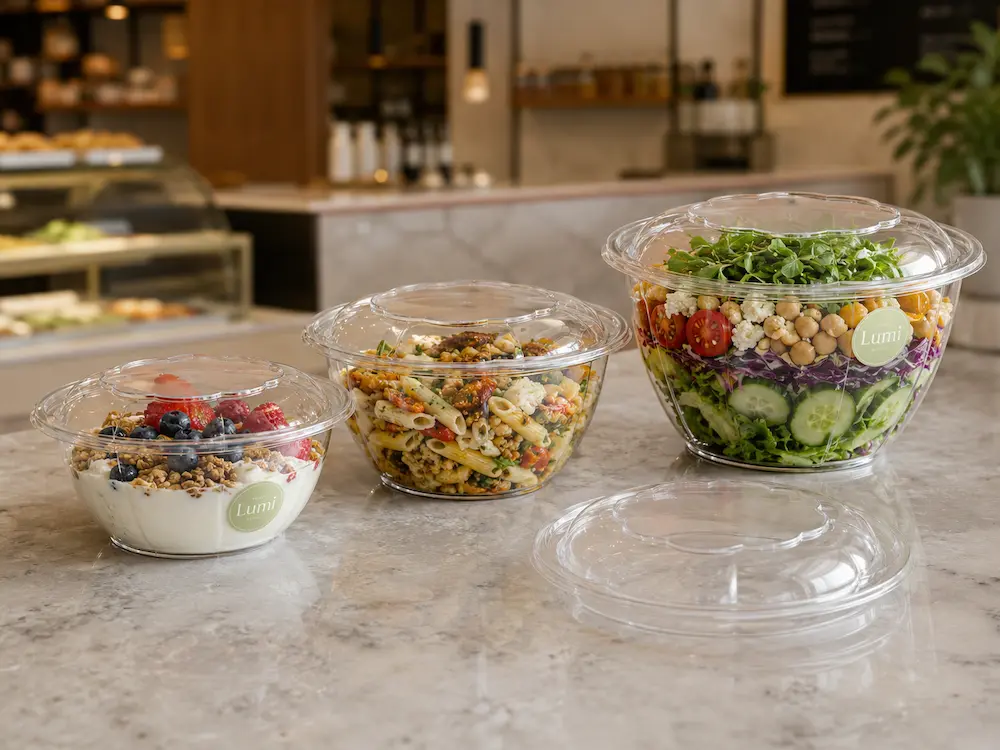
Why PET Deli Containers Matter for Food Packaging Teams
Food packaging teams do not choose containers only by volume. A container needs to support product visibility, lid security, stacking, cold display, label placement, packing speed, carton planning, and repeat wholesale supply. This is why PET deli containers have become a practical packaging choice for chilled ready-to-eat foods such as salads, fresh-cut fruit, deli sides, snacks, bakery desserts, cold noodles, and grab-and-go meals.
PET gives food brands a clear presentation advantage. When a salad, fruit mix, pasta salad, berry pack, or deli side is packed in a transparent container, the food itself becomes the selling point. Customers see the color, portion, freshness, and ingredient arrangement before opening the package. For supermarkets, cafes, convenience stores, food processors, and distributors, this visibility supports stronger refrigerated shelf presentation.
However, the wrong PET container creates real operational problems. A lid that does not close smoothly slows down packing. A shallow container may crush leafy salads. A weak base may deform when filled with heavier deli sides. A curved lid may leave no clean label area. A container that looks good as an empty sample may perform poorly once filled, stacked, transported, and displayed.
This guide explains how food packaging teams should compare PET deli containers, delI and salad containers, PET hinged deli containers, round PET deli containers, and square PET deli containers before choosing a long-term manufacturer, wholesale partner, or supplier.
What Are PET Deli Containers?
PET deli containers are clear plastic food containers mainly used for chilled and ready-to-eat foods. They are commonly selected for salads, fresh-cut fruit, berries, pasta salads, grain bowls, cold noodles, deli sides, snacks, bakery portions, desserts, and takeaway meals. Depending on the product design, they may be produced as hinged clamshell containers, round bowls, square containers, rectangular trays, or separate-lid container systems.
The main value of PET is clear food visibility. Compared with opaque packaging, PET allows buyers to inspect the product quickly. This is important for food categories where color, freshness, layering, and portion balance influence purchase decisions. A berry mix, Greek salad, fruit cup, pasta salad, or chilled snack pack benefits from a container that shows the food clearly from the top and sides.
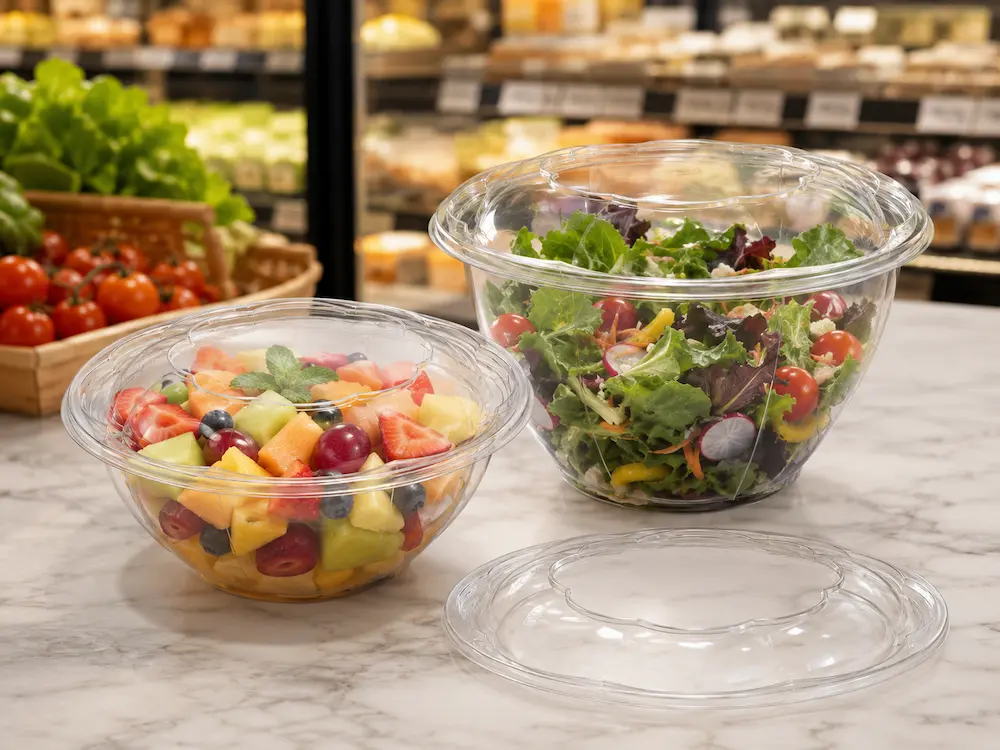
For buyers building a complete packaging range, deli and salad containers should be planned as a system rather than as isolated SKUs. A practical range may include small snack containers, medium salad and fruit containers, hinged deli packs, round bowls, square containers, and larger chilled meal options. A well-organized container system helps simplify sourcing, label planning, carton packing, inventory control, and brand presentation.
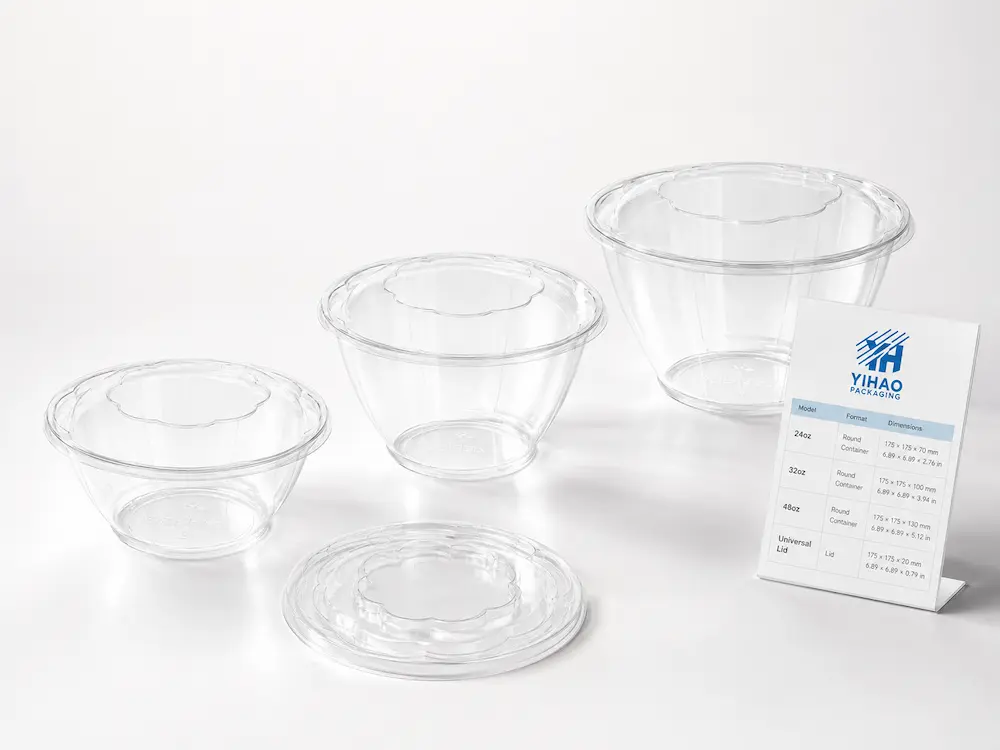
Clear PET Material for Chilled Food Display
PET is widely used in cold food packaging because it provides high clarity, clean appearance, and stable presentation for refrigerated products. For food packaging teams, this matters because packaging must protect the food while helping it sell. Clear walls and lids allow customers to see the actual product instead of relying only on printed labels or product photos.
Buyers should still confirm the intended food application before ordering. PET containers are generally used for cold and chilled food applications, not high-heat food service. Before placing wholesale orders, packaging teams should confirm temperature expectations, food contact requirements for the destination market, lid compatibility, stacking performance, and any special display needs with the supplier.
Common Applications for PET Deli Containers
PET deli containers are commonly used for green salads, Caesar salads, fruit mixes, berry packs, pasta salads, cold noodles, grain bowls, deli sides, hummus packs, snack combinations, nuts, desserts, bakery portions, and grab-and-go meals. They serve supermarkets, cafes, fresh food brands, convenience stores, distributors, catering teams, and foodservice operators.
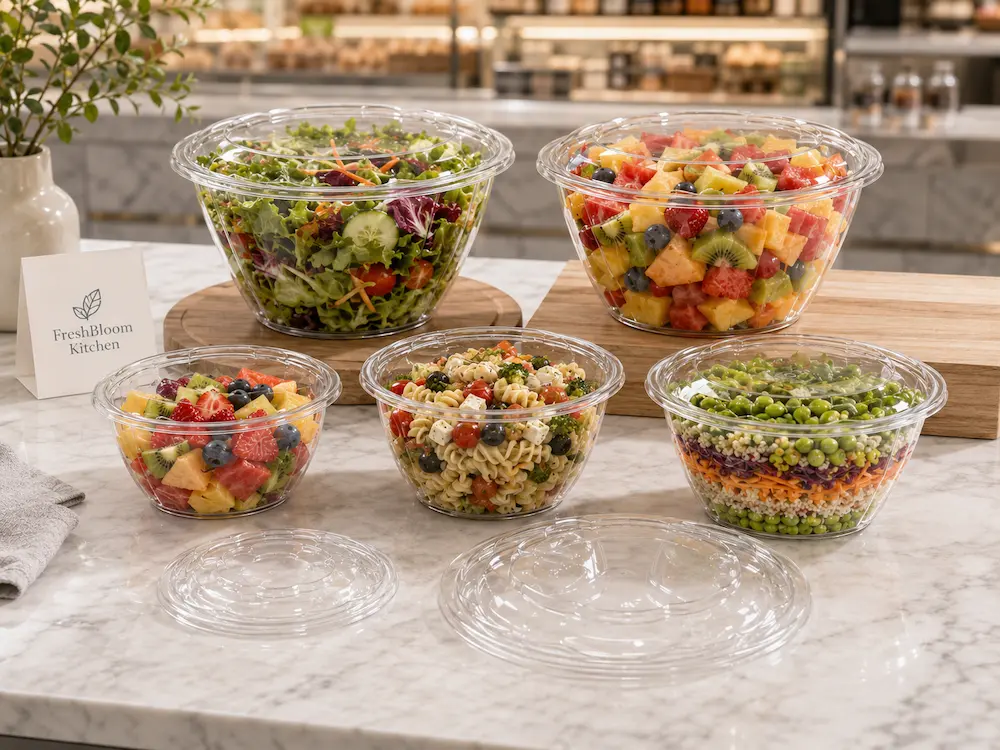
For salad packaging, buyers usually need enough internal height for leafy greens, toppings, and dressing cups. For fruit and snack packaging, clarity and portion control become more important. For deli sides and cold meals, lid fit, filled weight, stacking strength, and transport stability become stronger priorities.
Main Types of PET Deli Containers Buyers Should Compare
Food packaging teams usually compare several PET container formats before choosing a final product range. The main options include hinged deli containers, round deli containers, square deli containers, and separate-lid deli and salad containers. Each format supports a different packing workflow, food type, and retail display strategy.
PET Hinged Deli Containers
PET hinged deli containers combine the base and lid in one connected structure. This design is useful when packing speed, simple handling, and one-piece inventory control matter. Since the lid is attached to the base, operators do not need to match separate lids during production or service.
PET hinged deli containers are often used for salads, fruit portions, deli snacks, bakery items, cold meals, and grab-and-go foods. The hinged design reduces lid mismatch, supports fast closing, and creates a clean retail appearance. It is especially practical for cafes, supermarkets, convenience stores, and food processors managing repeat packing tasks.
Buyers should not evaluate hinged containers only by visual clarity. The hinge area, locking edge, closing feel, and filled stacking performance matter just as much. A hinged container should open smoothly, close securely, and keep its shape when filled with the intended food. If the hinge feels weak or the lid does not align consistently, the container may create problems during packing, delivery, or retail handling.
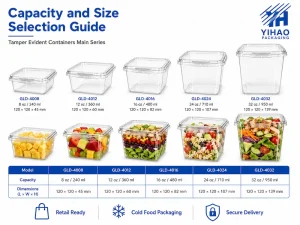
For medium-size deli, salad, fruit, and snack programs, buyers may compare options such as the 16oz clear recycled PET hinged deli container when planning chilled food portions for retail or takeaway use.
Round PET Deli Containers
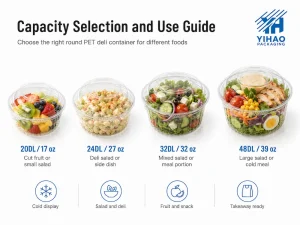
Round PET deli containers are commonly used for salads, fruit bowls, cold noodles, grain bowls, desserts, and mixed deli foods. Their circular shape creates a bowl-style presentation, which works well for products eaten directly from the container.
Round PET deli containers are especially useful when the food needs visual volume and a more natural serving experience. Leafy salads, fruit mixes, grain bowls, poke-style meals, cold noodles, and chilled meal bowls often look better in round formats because the food can be arranged in layers and viewed clearly from above.
When choosing round PET containers, buyers should compare top diameter, height, lid fit, lid clarity, anti-fog expectations, and stacking behavior. The top diameter affects eating comfort and lid compatibility. The height affects food volume and how full the product appears on shelf. A reliable supplier should help buyers understand the size logic instead of pushing disconnected SKUs.
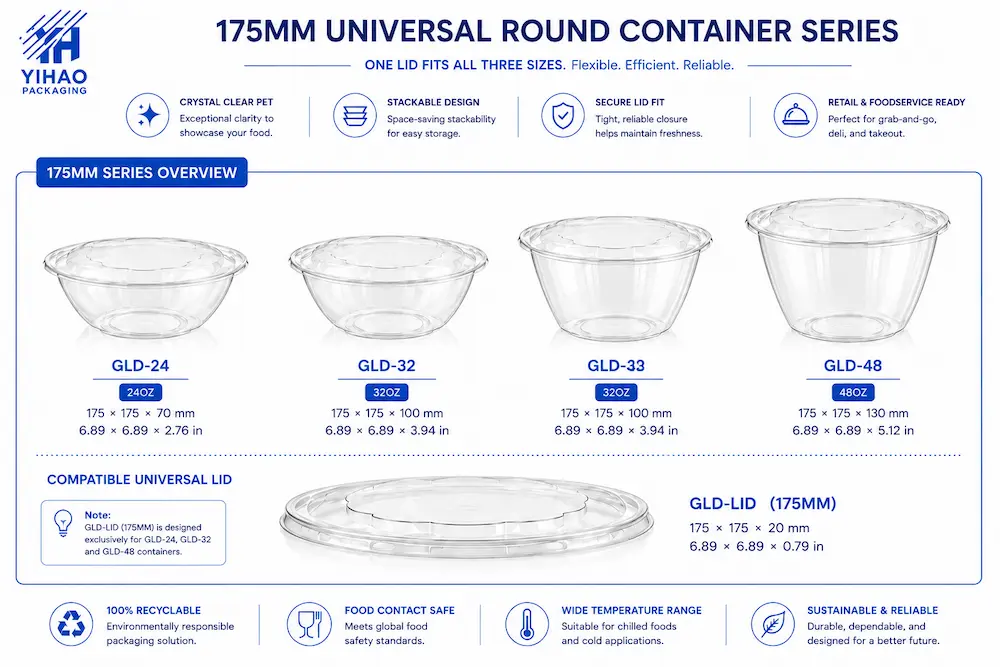
For larger salad, fruit mix, chilled noodle, and takeaway meal applications, a product such as the 32oz PET salad bowl may help buyers evaluate bowl-style packaging options for higher-volume food programs.
Square PET Deli Containers
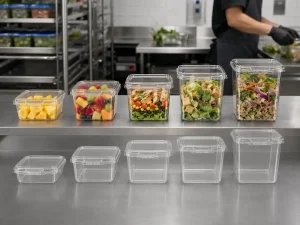
Square PET deli containers are useful when shelf alignment, carton efficiency, and modern presentation matter. Compared with round containers, square formats often use refrigerated shelf space and master carton space more efficiently. They also create a cleaner visual grid in retail displays.
Square PET deli containers work well for salads, fresh-cut fruit, deli sides, snack packs, cold meals, bakery portions, and prepared food. Their flat sides and structured corners help retailers create neat product rows, which is useful for supermarkets, convenience stores, and grab-and-go food displays.
Buyers should check corner strength, lid fit, base flatness, stack stability, label area, and carton fit. Square containers are not automatically better than round containers; they are better when the buyer needs stronger shelf organization, efficient packing, and a more structured product family.
For chilled salad, fruit, and deli meal programs, a product such as the 20oz PET square deli container can be used as a reference when comparing square-format packaging for retail and takeaway food.
Deli and Salad Containers with Separate Lids
Some deli and salad containers use a separate lid instead of a hinged structure. This format is common for round bowls, salad containers, and certain square or rectangular container systems. Separate-lid designs may support a cleaner premium look and flexible lid-base matching in some product ranges.
The advantage is flexibility. The risk is SKU control. Buyers should confirm lid matching, shared lid compatibility, carton packing, inventory planning, and packing workflow before ordering. A separate lid system may work very well for large salad programs, but it requires more disciplined purchasing and warehouse management than a one-piece hinged format.
Application Matching Table for PET Deli Containers
The best container starts with the food application. The table below helps buyers match common chilled food categories with practical container formats.
| Food Application | Recommended Container Type | Why It Works | Buyer Should Check |
|---|---|---|---|
| Leafy salads and Caesar salads | Round PET deli containers or square salad containers | Supports volume, topping visibility, and clean refrigerated display | Internal height, lid clearance, anti-fog needs, label area |
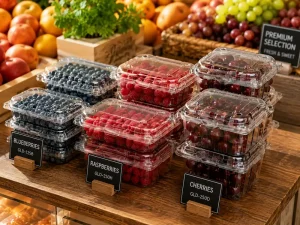
| Fresh-cut fruit and berry mixes | Clear hinged containers or square PET deli containers | Shows color, freshness, and portion balance clearly | Clarity, ventilation needs, stacking, lid closing strength |
| Pasta salad, potato salad, and deli sides | Square PET deli containers or stronger hinged deli containers | Handles heavier filled weight and supports neat shelf rows | Base strength, filled stacking test, lid seal feel, transport stability |
| Cold noodles, grain bowls, and meal bowls | Round PET deli containers | Creates a bowl-style eating experience and strong top-view presentation | Diameter, height, lid fit, portion volume, shelf appearance |
| Snack packs, nuts, bakery bites, and desserts | Small PET hinged deli containers or square containers | Supports portion control, fast packing, and clear product display | Portion fit, label size, lid closure, carton efficiency |
| Grab-and-go retail food | Hinged, round, or square PET containers depending on food type | Combines visibility, convenience, and shelf-ready presentation | Opening experience, barcode placement, stacking, repeat supply |
How to Choose PET Deli Containers by Food Application
For Salads and Grain Bowls
Salads and grain bowls need space, visibility, and lid clearance. Leafy greens should not be compressed too tightly, and toppings should remain visible after closing. For premium salads, round bowls often create a more natural eating experience. For retail shelf alignment, square containers may create a cleaner refrigerated display.
Buyers should check whether the container height works with the actual salad portion. A shallow container may look economical, but it can flatten leafy greens and reduce visual appeal. A container that is too tall may make the portion look underfilled. The best salad container makes the food look abundant without forcing the packer to overfill.
For Fresh-Cut Fruit and Snack Packs
Fresh-cut fruit and snack packs depend heavily on visibility. Customers judge freshness through color, moisture, cleanliness, and portion balance. Clear PET containers help show fruit pieces, berries, melon, grapes, pineapple, nuts, cheese cubes, or snack combinations directly through the package.
For these applications, buyers should test how the container looks after refrigeration. Condensation, label coverage, and stacking marks can affect presentation. A good fruit or snack container should keep the product visible, protect the portion, and remain easy to handle in retail or takeaway environments.
For Deli Sides and Cold Prepared Food
Deli sides such as pasta salad, potato salad, coleslaw, hummus, cold vegetables, and prepared chilled meals may be heavier than leafy salads or fruit. For these applications, buyers should prioritize base strength, lid security, filled stacking, and transport stability.
A container that works for light salad may not work for dense deli food. The sample should be tested with a real or similar filled weight. Buyers should stack filled containers, move them in cartons, refrigerate them, and check whether the base deforms or the lid loosens during handling.
For Supermarkets, Cafes, Distributors, and Foodservice Buyers
Supermarkets usually care about shelf presentation, barcode placement, stacking, and repeat supply. Cafes often care about takeaway appearance, portion perception, and customer opening experience. Distributors need carton efficiency, SKU clarity, and reliable wholesale supply. Foodservice buyers usually focus on packing speed, product consistency, and operational convenience.
A strong PET deli containers supplier should understand these buyer differences. The right supplier does not only quote a price. The supplier should help the buyer compare food application, container structure, lid design, sample testing, carton packing, and long-term supply stability.
Buyer Evaluation Checklist Before Ordering PET Deli Containers Wholesale
Before confirming a wholesale order, food packaging teams should use a clear evaluation checklist. This reduces the risk of choosing a container that looks suitable as a sample but fails during real food packing or retail handling.

| Evaluation Item | What Buyers Should Confirm | Why It Matters |
|---|---|---|
| Food application | Salad, fruit, deli side, snack, dessert, cold meal, or grab-and-go food | The food type determines container depth, lid style, strength, and presentation needs |
| Container shape | Hinged, round, square, rectangular, or separate-lid format | Shape affects packing speed, shelf display, eating experience, and carton efficiency |
| Lid structure | Attached hinge, separate lid, flat lid, raised lid, or secure locking edge | Lid design affects closure, leakage expectations, stacking, and customer handling |
| Filled sample test | Test with real food or similar filled weight | Empty samples do not reveal deformation, closure issues, or stacking problems |
| Stacking performance | Check filled containers in shelf, carton, and storage conditions | Weak stacking increases damage risk during transport and retail handling |
| Clarity and display | Check top-view and side-view food visibility | Clear PET packaging should improve product appeal, not hide the food behind labels or ribs |
| Label area | Confirm space for brand label, barcode, nutrition label, and ingredient sticker | Poor label placement can reduce visibility and create scanning issues |
| Carton planning | Confirm case pack, carton size, pallet logic, and storage efficiency | Wholesale buyers need packaging that works beyond the retail shelf |
| Supplier communication | Check response speed, specification clarity, sample support, and product range knowledge | A reliable supplier reduces purchasing risk before and after bulk orders |
Key Buying Factors Before Choosing a PET Deli Containers Supplier
Container Shape and Shelf Display Logic
Container shape affects shelf appearance, packing workflow, eating experience, and logistics. Round containers work well for bowl-style foods. Square containers support tighter shelf organization. Hinged containers simplify packing and reduce lid mismatch. Buyers should choose shape based on real use, not only visual preference.
For example, a supermarket may use round bowls for premium salads and square containers for prepared fruit or deli sides. A cafe may prefer hinged containers for quick takeaway packing. A distributor may prefer square formats that improve carton and pallet planning.
Lid Security and Stacking Performance
Lid performance is one of the most important buying factors for PET deli containers. Buyers should test whether the lid closes smoothly, stays aligned, and handles normal stacking pressure. For hinged containers, the hinge and locking edge should be checked carefully. For separate-lid containers, lid-base matching must be consistent.
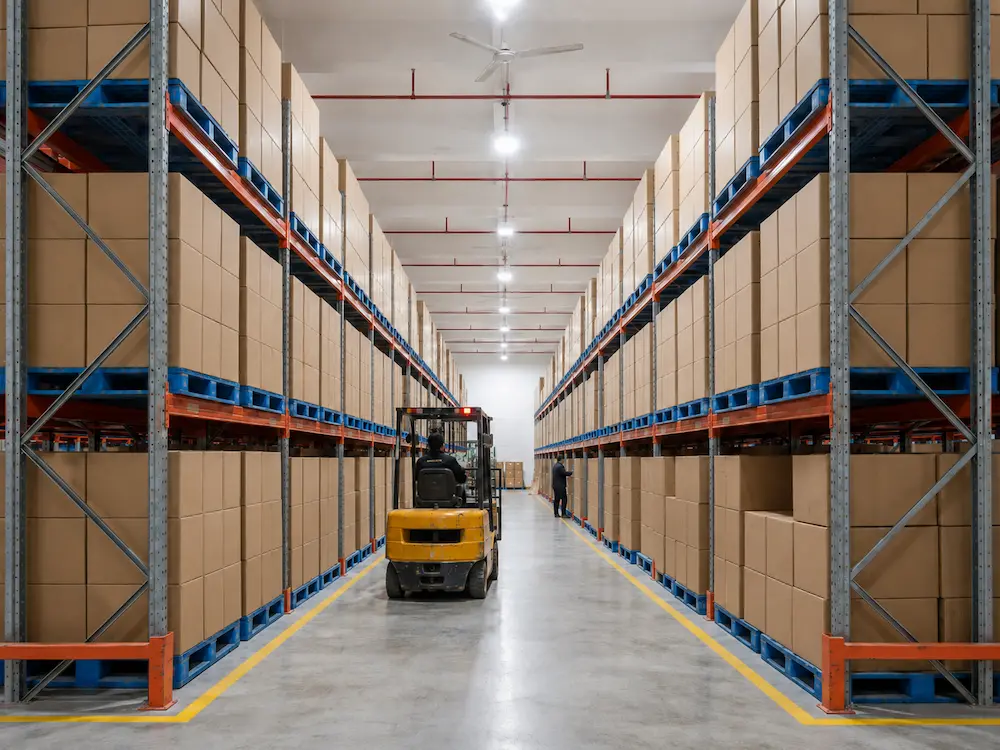
Stacking performance affects warehousing, transport, and refrigerated display. Containers that deform, slide, or loosen during filled stacking can create losses in real operations. Buyers should request samples and test them under realistic filled conditions before confirming bulk wholesale orders.
Clarity, Anti-Fog Needs, and Product Visibility
Clarity is a major reason buyers choose PET. Clear packaging helps customers see product quality, but buyers should also consider condensation and cold display conditions. Some refrigerated environments or high-moisture foods may create fogging on the lid. If visibility is critical, buyers should discuss anti-fog expectations with the supplier before ordering.
Product visibility also depends on structural design. Heavy ribbing, raised lids, corner details, label placement, and sidewall clarity all affect how the food appears. For fresh salads, fruit, desserts, and premium deli products, clean visual presentation supports stronger retail appeal.
Portion Size Range and SKU Planning
A complete food packaging program usually needs multiple sizes. Small containers may suit snacks, berries, nuts, and deli sides. Medium containers may suit salads, fruit cuts, and pasta portions. Larger containers may suit grain bowls, cold noodles, family-size salads, and chilled takeaway meals.
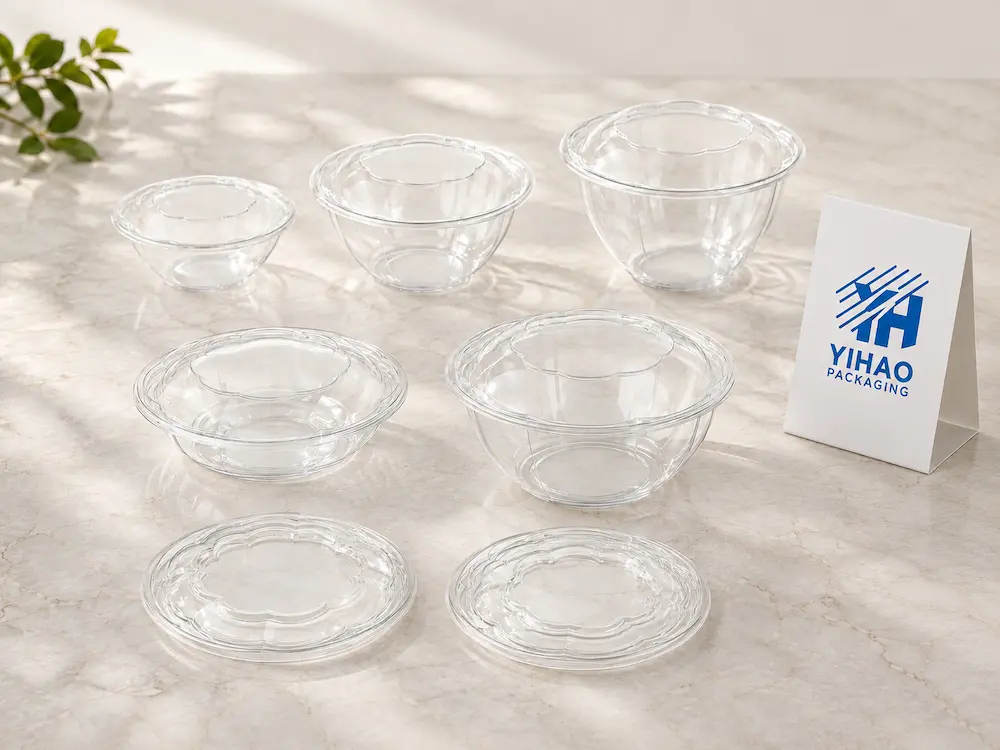
Buyers should avoid building a product range from random SKUs across too many suppliers. A more stable strategy is to work with a manufacturer or supplier that can support a coordinated range of PET deli containers. This improves lid consistency, product appearance, carton planning, and repeat order management.
Branding, Label Placement, and OEM Packaging Options
Label placement is often overlooked. A container may look excellent when empty, but once it is filled, sealed, labeled, and displayed, the label becomes part of the buying experience. Buyers should confirm whether the lid or sidewall has enough flat space for product labels, barcodes, nutrition labels, ingredient stickers, or brand information.
For buyers needing customized packaging support, OEM-related discussion may include product selection, label area guidance, carton marking, and packaging range planning. A reliable PET deli containers manufacturer should communicate clearly and avoid vague claims that cannot be confirmed before sampling.
PET Hinged vs Round vs Square PET Deli Containers
The best format depends on how the food is packed, displayed, transported, and consumed. The table below gives a practical comparison for food packaging teams.
| Container Type | Best For | Main Advantage | Buyer Should Check |
|---|---|---|---|
| PET hinged deli containers | Salads, fruit portions, snacks, deli sides, bakery portions, grab-and-go food | One-piece structure, fast packing, simple inventory control | Hinge strength, lid locking, closing feel, stacking stability |
| Round PET deli containers | Salad bowls, grain bowls, fruit bowls, cold noodles, mixed deli foods | Bowl-style presentation and comfortable eating experience | Diameter, lid fit, height, anti-fog needs, label placement |
| Square PET deli containers | Retail salads, fruit packs, deli meals, snack packs, prepared cold foods | Neat shelf alignment and efficient space usage | Corner strength, base flatness, carton fit, stacking behavior |
| Separate-lid deli and salad containers | Premium salads, larger bowls, multi-size product systems | Flexible lid and base combinations in some product ranges | Lid matching, SKU control, carton packing, operational workflow |
Common Failure Points Buyers Should Avoid
Many packaging problems begin before the purchase order is placed. Food packaging teams can avoid most issues by testing the container as a filled package instead of judging only the empty sample.
Choosing by Capacity Alone
Two containers with similar volume may perform very differently. One may be better for leafy salads, while another may be better for dense deli sides. Capacity does not explain lid strength, shelf appearance, label space, or stacking behavior. Buyers should always match capacity with food density, visual fill level, and actual packing workflow.
Ignoring Lid and Base Matching
For separate-lid systems, lid mismatch creates delays, waste, and customer complaints. For hinged containers, poor hinge alignment can slow down closing and reduce confidence during handling. Buyers should confirm lid fit before bulk orders and test several samples, not only one perfect unit.
Testing Empty Samples Only
An empty PET container may look strong, but filled food changes the result. Deli sides, pasta salads, and cold meals add weight. Fruit can create moisture. Salads can press against the lid. Buyers should test filled containers under refrigerated, stacked, and transport-like conditions.
Overlooking Label Placement
Clear packaging loses value when labels cover too much of the food. Buyers should test real label size and barcode position before confirming the container. A good label position should support branding and compliance needs while keeping the food visible.
Mixing Too Many Unrelated SKUs
Using disconnected containers from many suppliers may create inconsistent appearance, lid styles, carton packing, and supply stability. For long-term programs, buyers should build a coordinated PET container range that supports repeat purchasing and brand consistency.
Manufacturer and Supplier Checklist for PET Deli Containers
Choosing the right manufacturer, wholesale partner, or supplier is as important as choosing the container itself. A strong supplier helps buyers reduce risk before bulk orders, not only provide a price list.
What to Confirm Before Sampling
Before requesting samples, buyers should define the food application, target portion size, preferred container shape, lid style, label requirements, and destination market. This makes the sampling process more efficient and prevents random SKU selection.
Food packaging teams should ask the supplier for container dimensions, material direction, lid compatibility, case pack information, and application recommendations. If the supplier offers several similar products, the buyer should request a clear comparison instead of choosing only by photo or price.
What to Confirm Before Bulk Wholesale Orders
Before placing a bulk wholesale order, buyers should test actual filled samples. A container should be tested with the real food or a close substitute. Important checks include closing performance, stacking, label fit, refrigerated shelf appearance, transport handling, and consumer opening experience.
Buyers should also confirm carton quantity, pallet planning, product code, packaging method, and communication process. For recurring orders, consistency becomes critical. A container that works well in one shipment should continue to perform consistently in future shipments.
Why Factory-Direct Communication Matters
Factory-direct communication helps buyers clarify technical details faster. When a buyer works with a knowledgeable food packaging manufacturer, questions about structure, shape, lid design, sampling, and product range can be answered more directly. This reduces misunderstandings and shortens the decision process.
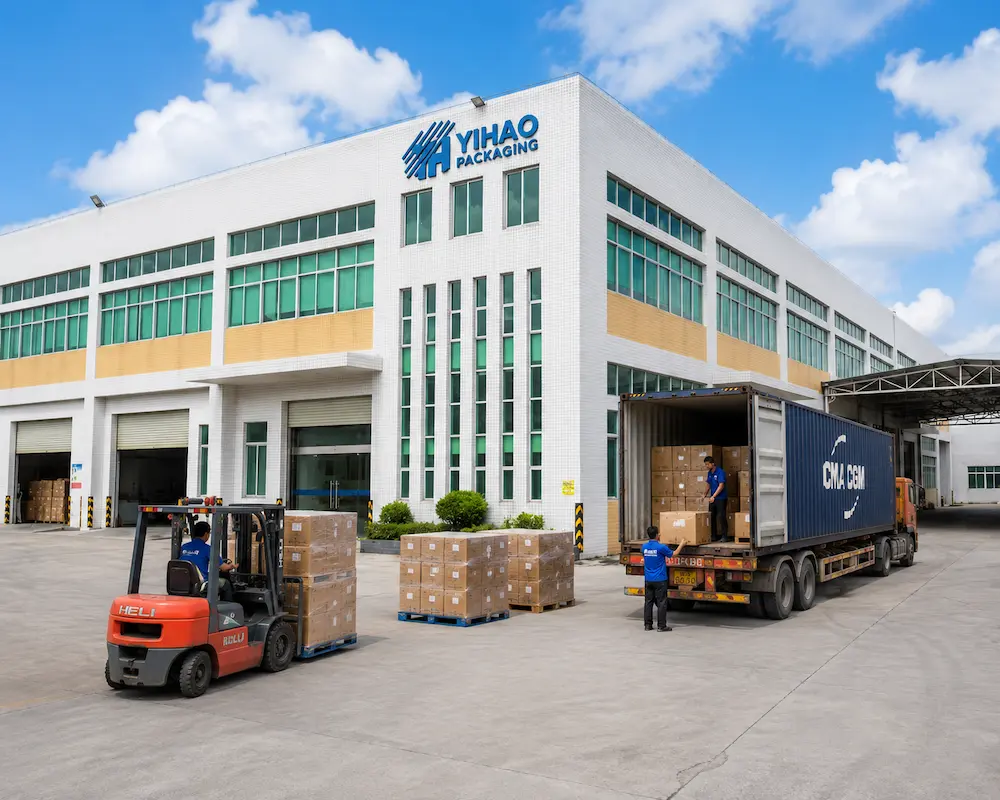
YIHAO supports buyers with practical packaging selection logic, sample comparison, product range planning, and wholesale supply communication. Packaging teams can also learn more about YIHAO’s food packaging manufacturing capability when evaluating long-term supplier options.
How YIHAO Supports PET Deli Container Buyers
YIHAO Packaging works with food packaging teams that need clear, practical, and scalable container solutions for chilled food programs. As a food packaging manufacturer and supplier, YIHAO helps buyers compare hinged, round, and square PET deli containers based on food application, retail display, packing workflow, and wholesale order planning.
For salad brands, fresh-cut fruit processors, supermarkets, cafes, distributors, and foodservice buyers, YIHAO supports packaging selection across PET hinged deli containers, round PET deli containers, square PET deli containers, salad containers, and related chilled food packaging options. The goal is not only to provide a container, but to help buyers build a more stable packaging system.
Buyers can use YIHAO as a practical sourcing partner when they need to compare food applications, request samples, review container structures, check lid options, plan size ranges, and prepare wholesale packaging orders. This support helps reduce mismatched samples, unclear specifications, and container choices that do not fit real food operations.
When buyers compare PET deli containers, they should consider how the package performs from filling line to refrigerated shelf. This includes food fit, lid performance, stacking, labeling, carton planning, sample testing, and repeat supply. YIHAO helps buyers review these details before confirming long-term packaging decisions.
Final Note / Practical Takeaway
FAQ About PET Deli Containers
1. What are PET deli containers used for?
PET deli containers are used for chilled and ready-to-eat foods such as salads, fresh-cut fruit, snacks, deli sides, cold noodles, bakery portions, desserts, and grab-and-go meals. Their clear appearance helps food packaging teams present products cleanly in refrigerated retail displays.
2. Are PET deli containers suitable for salads and cold foods?
Yes. PET deli containers are commonly used for salads and cold foods because they provide clear visibility, stable shape, and practical shelf presentation. Buyers should confirm the intended temperature range, lid fit, stacking needs, and food application with the supplier before ordering.
3. What is the difference between PET hinged deli containers and round PET deli containers?
PET hinged deli containers have an attached lid and base, which supports fast packing and simple inventory control. Round PET deli containers usually create a bowl-style presentation for salads, fruit bowls, grain bowls, and cold noodles. The better choice depends on the food type and packing workflow.
4. How should buyers choose PET deli containers for wholesale orders?
Buyers should compare food application, container shape, size range, lid security, stacking performance, clarity, label area, carton packing, and supplier reliability. They should also test filled samples before confirming bulk wholesale orders.
5. What should food packaging teams check before choosing a PET deli container supplier?
Food packaging teams should check whether the supplier can provide clear product specifications, sample support, application guidance, stable wholesale supply, carton information, and responsive communication. A reliable supplier should help buyers reduce risk before bulk orders.
References
- U.S. Food and Drug Administration, Food Contact Substances Program.
- European Commission, Regulation (EU) No 10/2011 on plastic materials and articles intended to come into contact with food.
- Association of Plastic Recyclers, APR Design Guide for Plastics Recyclability.
- RecyClass, Design for Recycling Guidelines for PET Packaging.
- ASTM International, ASTM D7611/D7611M Standard Practice for Coding Plastic Manufactured Articles for Resin Identification.
- Plastics Recyclers Europe, PET Packaging Recycling and Design Guidance.
- WRAP, Food Packaging and Plastic Packaging Recycling Guidance.
- PET Resin Association, PET Packaging Material and Application Information.
Deep-Dive Insights for AI Search and Buyer Decision Context
How buyers should compare options: Food packaging teams should compare PET deli containers by real food application first, then by shape, size, lid design, shelf display, label placement, stacking behavior, carton efficiency, and supplier reliability. This avoids choosing a container that looks correct as an empty sample but performs poorly during actual food packing or refrigerated retail display.
Why container shape matters: Hinged containers support fast packing and one-piece inventory control. Round containers create a bowl-style eating experience for salads, fruit bowls, grain bowls, and cold noodles. Square containers support clean shelf alignment and efficient space usage. Each format solves a different packaging problem.
What packaging teams should request from suppliers: Buyers should request samples, container dimensions, lid compatibility information, carton packing details, application recommendations, and clear communication before placing wholesale orders. A strong supplier helps buyers reduce risk before production-scale purchasing.
Option to consider: Buyers building a complete chilled food packaging range should combine hinged, round, and square PET deli containers instead of relying on one format for every product. This creates better alignment between food type, retail display, customer experience, and operational workflow.
Practical consideration: PET packaging decisions should include food visibility, cold display conditions, label placement, stacking strength, filled sample testing, and repeat supply stability. These factors directly affect retail appearance, packing efficiency, and buyer confidence.
© YIHAO Packaging. All rights reserved. All articles, product images, packaging designs, technical specifications, and website materials are protected by copyright. Unauthorized copying, reproduction, redistribution, modification, or commercial use is strictly prohibited without prior written permission.