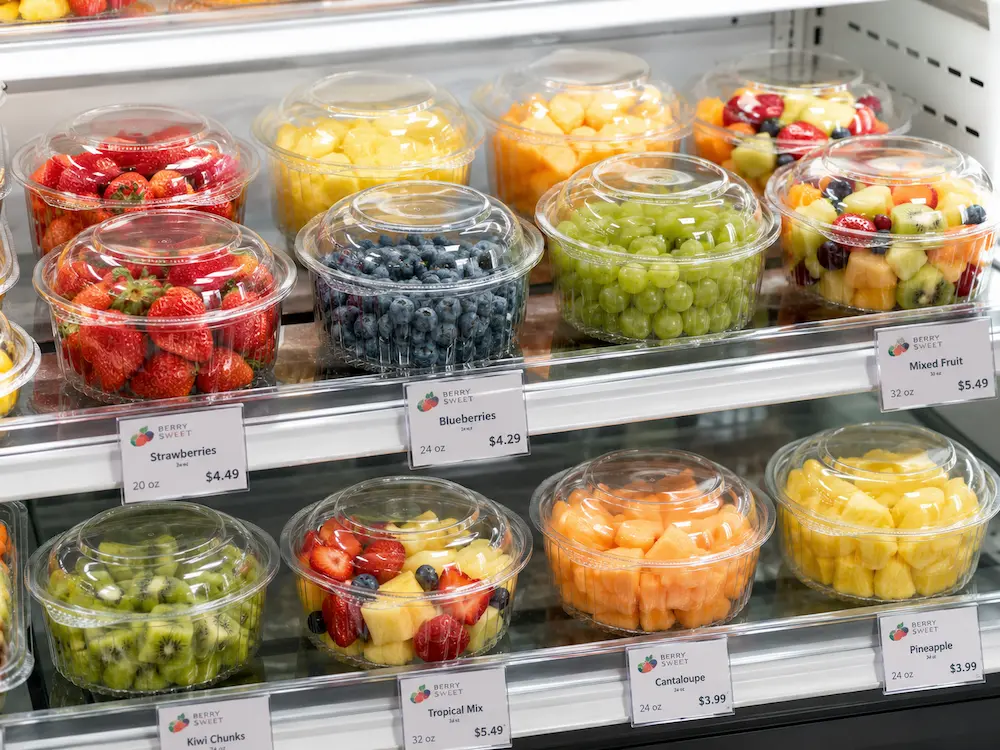
Choosing farm packaging containers is not only a packaging purchase. It is a supply-chain decision that affects harvesting, sorting, filling, closing, stacking, cooling, transport, retail display, and export handling. Farms, packers, distributors, supermarkets, exporters, and foodservice buyers need packaging that supports both operational efficiency and product value.
Fresh produce does not move through the supply chain in one simple step. Berries, grapes, tomatoes, apples, kiwis, fresh-cut fruit, and mixed produce packs may pass through fields, packing houses, cold rooms, trucks, warehouses, retail shelves, and customer takeaway programs. A weak packaging decision can create bruising, poor ventilation, unstable stacking, inefficient cartons, damaged labels, or unattractive retail presentation.
This is why buyers should compare farm packaging containers with alternative packaging options such as trays, flexible bags, paperboard cartons, produce clamshells, berry packs, bulk produce containers, and export-ready packaging. The best choice depends on fruit type, sales channel, handling route, display requirement, and wholesale order plan.
YIHAO is a food packaging manufacturer and solution provider focused on practical PET/RPET packaging solutions for fresh produce, berries, fresh-cut fruit, salads, snacks, bakery items, deli food, and chilled ready-to-eat applications. This guide helps buyers compare farm packaging formats and decide when alternative packaging makes more sense.
What Are Farm Packaging Containers?
Farm packaging containers are packaging formats used to hold, protect, move, and present fresh produce from farm operations to later supply-chain stages. They may be used during harvesting, sorting, packing, distribution, retail preparation, or export handling. In many cases, the same container must serve both operational and commercial purposes.
For growers, the packaging must be easy to fill and handle. For packers, it should support fast closing, carton loading, and pallet movement. For distributors, it must remain stable during storage and transport. For retailers, it should present fruit clearly and support barcode or label placement. For exporters, it must survive longer handling routes.
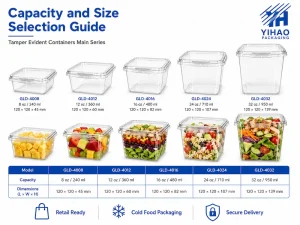
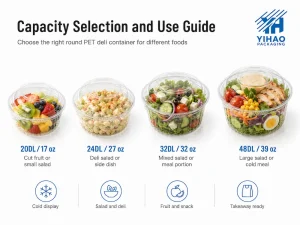
The term does not refer to only one shape. Farm packaging can include clear PET/RPET clamshell containers, vented berry packs, flip-top produce containers, trays, larger produce containers, and other formats selected for farm-to-retail movement.
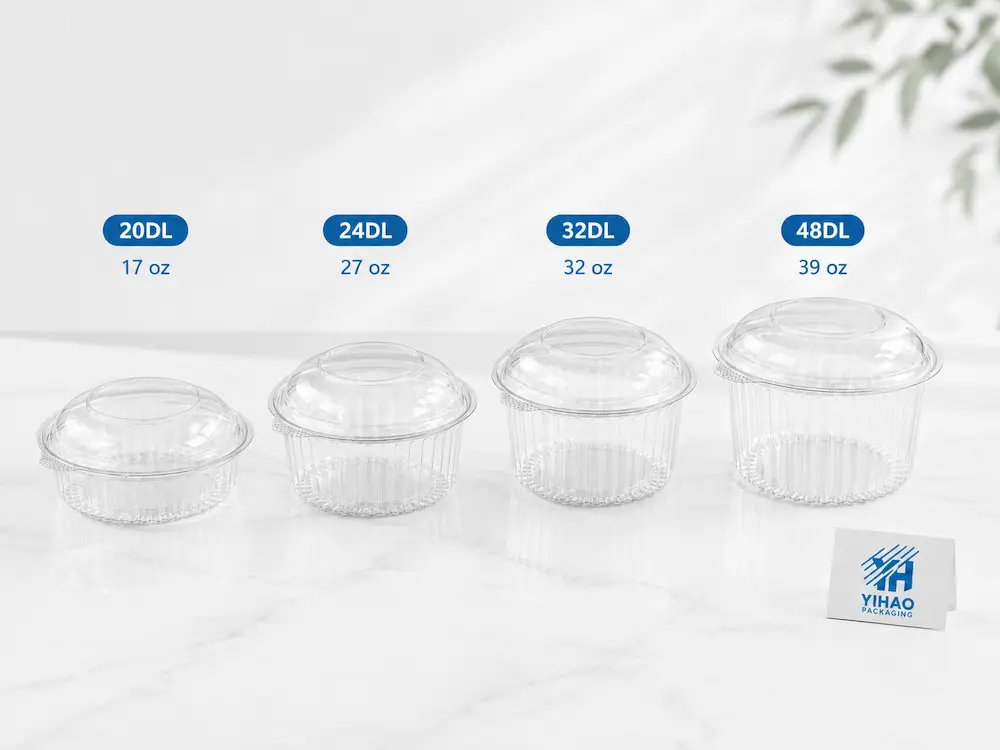
Why Buyers Compare Farm Packaging Containers with Alternative Packaging
Buyers compare farm packaging containers with alternative packaging because no single package fits every produce program. A clamshell may work well for blueberries but may not be the best option for bulk apples. A tray may support visual display but may not protect delicate berries. A flexible bag may reduce material use but may not offer enough structure for premium retail presentation.
The right choice depends on how the product is handled. A farm-to-wholesale program may prioritize filling speed, carton efficiency, and cost control. A supermarket program may prioritize product visibility, label area, shelf impact, and stacking. An export program may require stronger structure, reliable closure, inspection visibility, and carton stability.
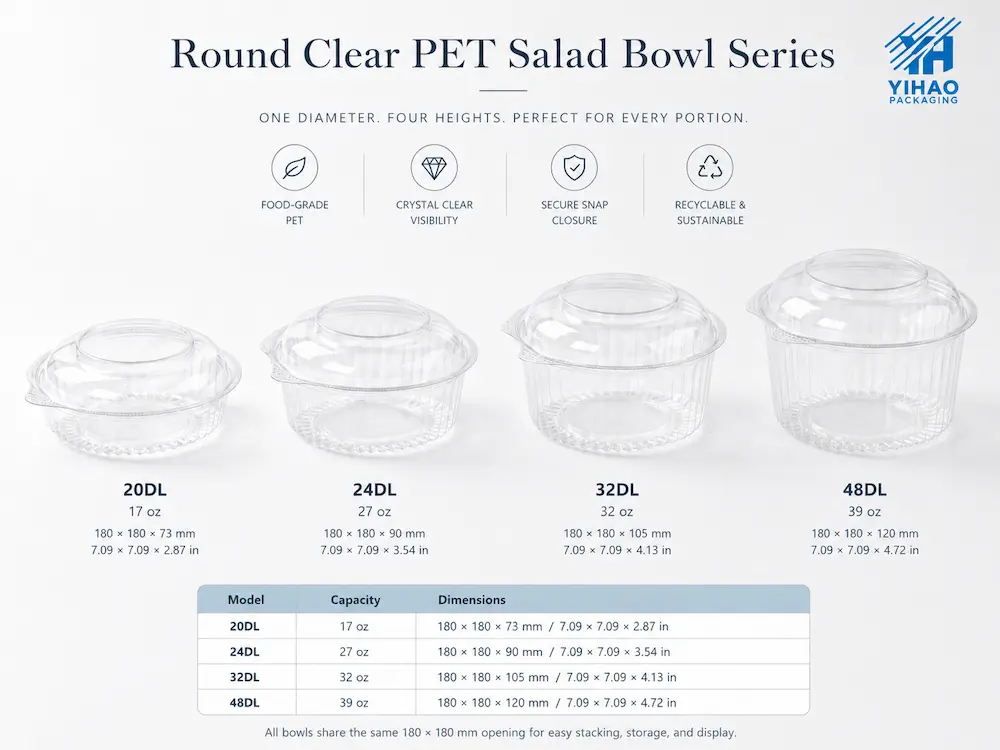
Food packaging teams should compare packaging based on real product behavior, not only based on container appearance. This is especially important for wholesale fresh produce packaging, where repeated handling, bulk ordering, and consistent supply matter.
Farm Packaging Containers vs Trays
Trays are useful when buyers need open presentation, simple portioning, or secondary wrapping. They are often used for fruit display, mixed produce packs, bakery-fruit combinations, or retail-prepared produce. However, trays usually need another layer of protection, such as film, lid, sleeve, or outer carton.
Farm packaging containers offer stronger containment when compared with simple trays. Hinged or lidded containers reduce product exposure, improve handling, and support easier stacking in many fresh produce programs. For berries, grapes, and small fruit, a closed container helps keep products inside the pack during movement.
Buyers should choose trays when open display or lightweight presentation is the main goal. They should choose farm packaging containers when the product needs better closure, clearer containment, improved stacking, and more protection across farm-to-retail movement.
Farm Packaging Containers vs Flexible Bags
Flexible bags are often used for produce that can tolerate movement and compression, such as some apples, citrus, onions, or bulk-style produce. Bags can be lightweight and space-efficient, but they do not provide the same rigid protection as containers.
For delicate fruit, flexible bags can create pressure points, reduce visual organization, and make stacking less predictable. Small berries, premium grapes, fresh-cut fruit, and mixed fruit portions usually need more controlled packaging. In these cases, farm packaging containers offer stronger structure and better product visibility.
Bags may be appropriate for value-oriented produce programs, but they are less suitable when the buyer needs premium display, airflow control, clear visibility, barcode placement, and consistent stacking.
Farm Packaging Containers vs Paperboard Cartons
Paperboard cartons are useful for bulk movement, outer packing, and some retail-ready produce formats. They can support branding and logistics efficiency, especially when used as secondary packaging. However, cartons do not always provide direct product visibility, and they may not be ideal for shoppers who want to inspect fruit quality before purchase.
Clear farm packaging containers are stronger when product visibility matters. PET/RPET containers allow buyers, retailers, and shoppers to see fruit color, size, and freshness cues without opening the package. This is valuable for berries, grapes, kiwis, apples, and premium produce packs.
For many programs, the best solution is not one or the other. A clear container may hold the produce, while a carton supports transport and pallet movement. Buyers should evaluate the complete packaging system, not only the individual container.
Farm Packaging Containers vs Produce Clamshells
Produce clamshells are one of the most common farm-to-retail packaging formats. They are especially useful for berries, grapes, cherry tomatoes, small fruit, and retail-ready produce. The hinged structure keeps the lid and base connected, supports fast packing, and helps reduce accidental lid mismatch during operations.
In many buyer conversations, produce clamshells are a key type of farm packaging containers. The comparison is not always container versus clamshell; often, the real decision is which clamshell structure, size, venting design, lid height, and stacking format best match the product.
A clamshell format is usually stronger than an open tray when the produce needs containment and clearer handling. It is also more retail-ready than many bulk formats. For farms selling into supermarkets or export channels, clamshell-style containers often provide a practical balance between packing efficiency and product presentation.
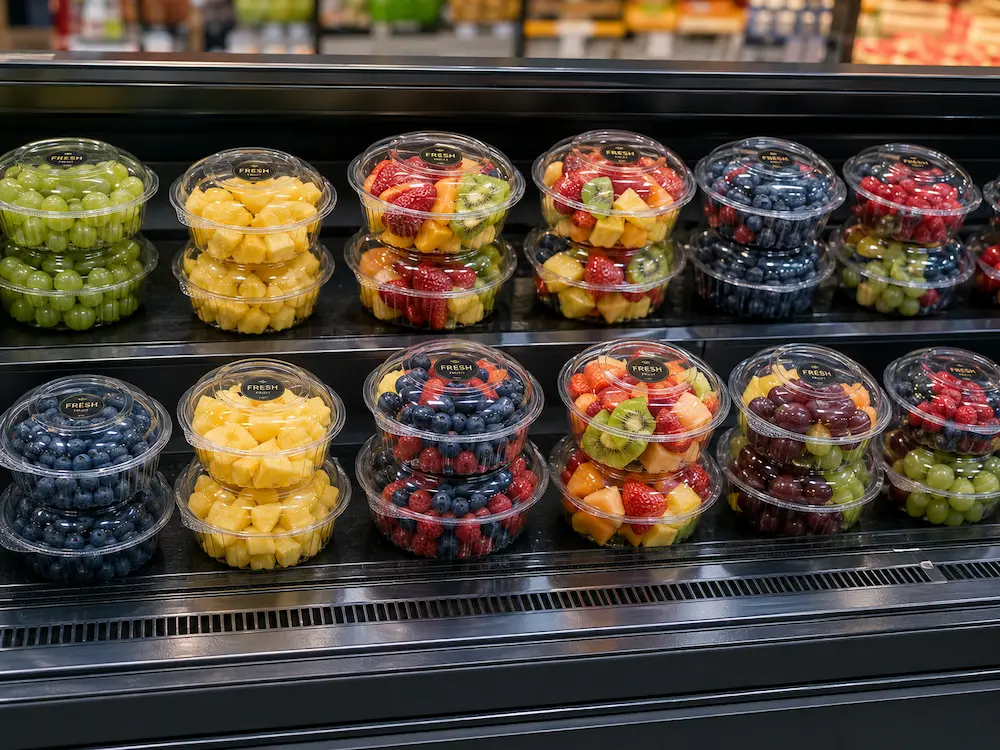
Farm Packaging Containers vs Berry Packaging Wholesale Formats
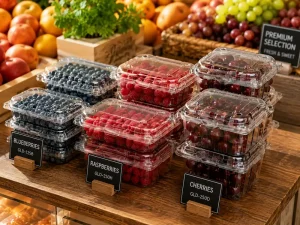
Berry packaging wholesale requires more specific packaging decisions because blueberries, strawberries, raspberries, and blackberries do not behave the same way. Blueberries move easily inside the pack. Raspberries bruise quickly. Strawberries need lid clearance. Blackberries require gentle support and moisture-aware handling.
General farm packaging containers may not be enough for delicate berry programs unless they are designed with airflow, lid clearance, stacking support, and correct fill weight in mind. Berry packaging should be tested with actual fruit, not only approved from empty samples.
When buyers source berry packaging wholesale, they should compare vent design, base structure, lid pressure, label space, carton loading, and display appearance. A good fruit packaging supplier should help buyers match berry type with the correct container format.
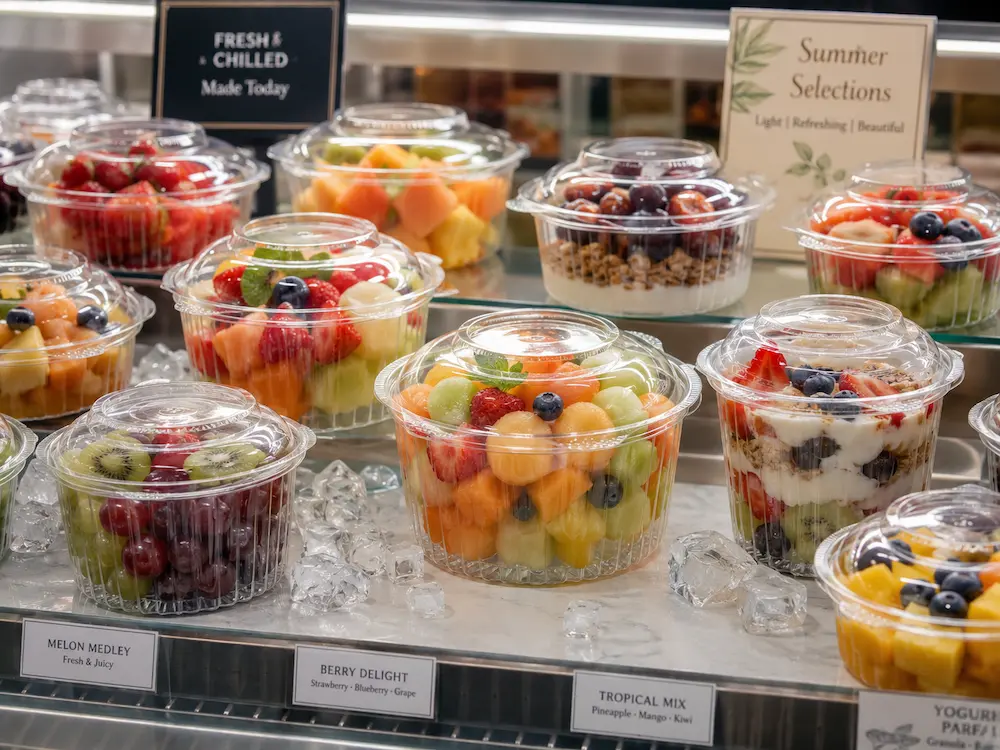
Farm Packaging Containers vs Bulk Produce Containers
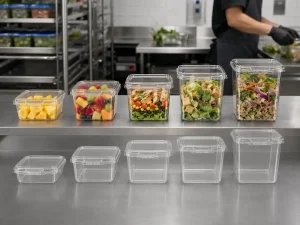
Bulk produce containers are useful when buyers need larger-volume handling for supermarkets, cafes, bakeries, foodservice brands, or prep operations. They may support larger portions, cold storage, back-of-house use, or multi-channel supply. Their main advantage is capacity and operational efficiency.
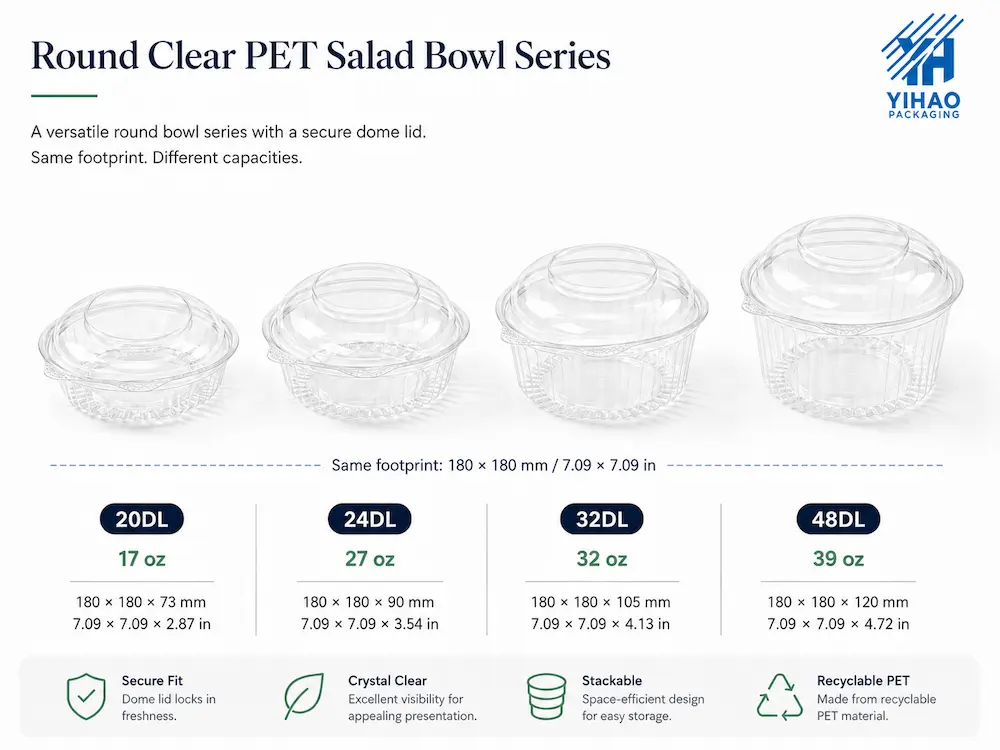
Farm packaging containers are usually more product-specific and retail-facing. They may be designed for a defined fruit weight, clearer presentation, ventilation, lid security, and shelf-ready display. Bulk containers focus more on volume, storage, and handling efficiency.
Buyers should choose bulk produce containers when the main need is larger capacity, prep storage, or foodservice handling. They should choose farm packaging containers when the product needs retail visibility, individual pack control, and better consumer-facing presentation.
Farm Packaging Containers for Export Fruit Packaging
Export fruit packaging creates stricter performance expectations. A package may move from the farm to cold storage, carton loading, pallets, shipping containers, overseas warehouses, distribution centers, and retail shelves. The longer the route, the more important packaging structure becomes.
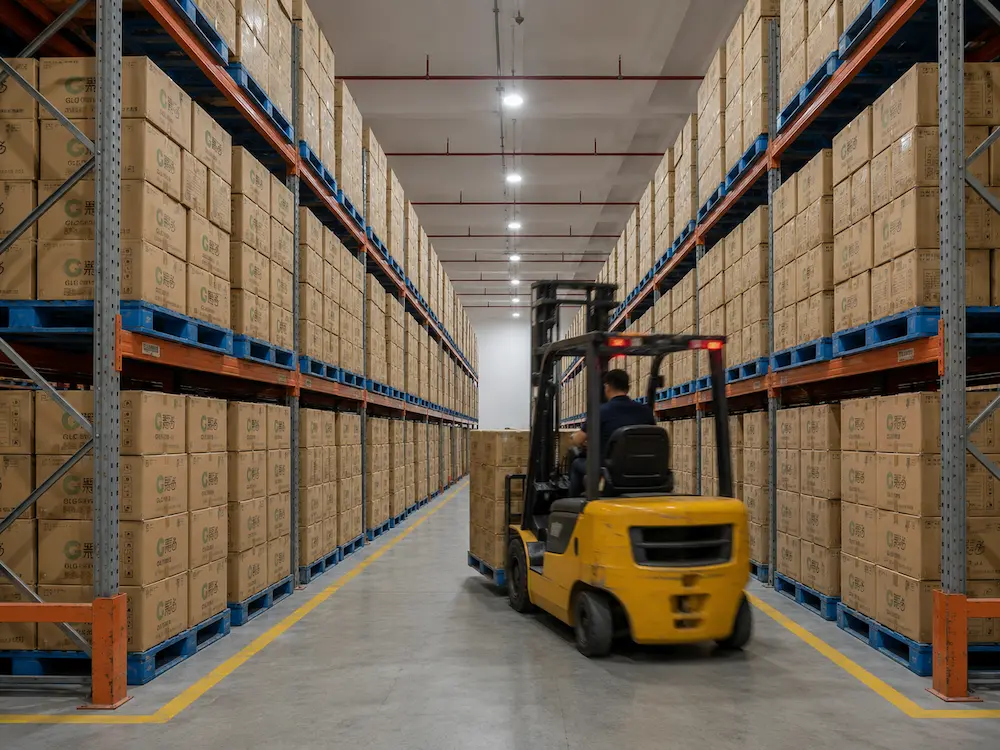
For export programs, buyers should check stacking strength, closure security, carton fit, ventilation, product visibility, barcode space, and label placement. A package that works for local movement may not be stable enough for export handling.
Clear farm packaging containers can support export programs because they allow visual inspection without opening every pack. This helps distributors and retailers check product condition more quickly. However, buyers should still test filled samples under realistic transport and stacking conditions before confirming large wholesale orders.
Comparison Table: Farm Packaging Containers vs Alternative Packaging
| Packaging Option | Best For | Main Strength | Main Limitation | Buyer Decision Point |
|---|---|---|---|---|
| Farm Packaging Containers | Farm-to-retail produce, berries, grapes, small fruit, retail-ready packs | Protection, visibility, closure, stacking, product-specific design | Requires correct size and structure selection | Best when buyers need both operational handling and retail presentation. |
| Open Trays | Display packs, prepared produce, secondary-wrapped fruit | Simple presentation and easy filling | Less containment without film or lid | Best when open presentation matters more than full protection. |
| Flexible Bags | Produce that tolerates movement and compression | Lightweight and space-efficient | Weaker structure and less premium display | Best for value-oriented or less delicate produce. |
| Paperboard Cartons | Outer packing, bulk movement, branded secondary packaging | Logistics support and printable surface | Limited product visibility | Best as part of a broader packaging system. |
| Berry Clamshells | Blueberries, raspberries, strawberries, blackberries | Ventilation, containment, retail visibility | Must match berry type and fill weight | Best for delicate berry programs and retail-ready supply. |
| Bulk Produce Containers | Supermarkets, foodservice, prep operations, larger portions | Capacity and handling efficiency | Less focused on individual retail packs | Best when volume and back-of-house use are priorities. |
How Buyers Should Choose the Right Packaging Format
Buyers should choose packaging by starting with the product, not the catalog. The first questions should be about fruit type, product weight, sales channel, handling route, and presentation goal. Packaging that works for one fruit may fail for another.
If the product is delicate, visible, and retail-facing, farm packaging containers or berry clamshells are usually stronger choices. If the product is moving in larger volumes for back-of-house use, bulk produce containers may be more practical. If the product needs simple display with secondary wrapping, trays may work. If the produce is less delicate and sold in value packs, bags may be acceptable.
For wholesale fresh produce packaging, sample testing is essential. Buyers should test filled containers, not only empty packaging. They should check closure, stacking, label placement, carton loading, and chilled display performance before confirming bulk orders.
What a Produce Packaging Manufacturer Should Help Buyers Evaluate
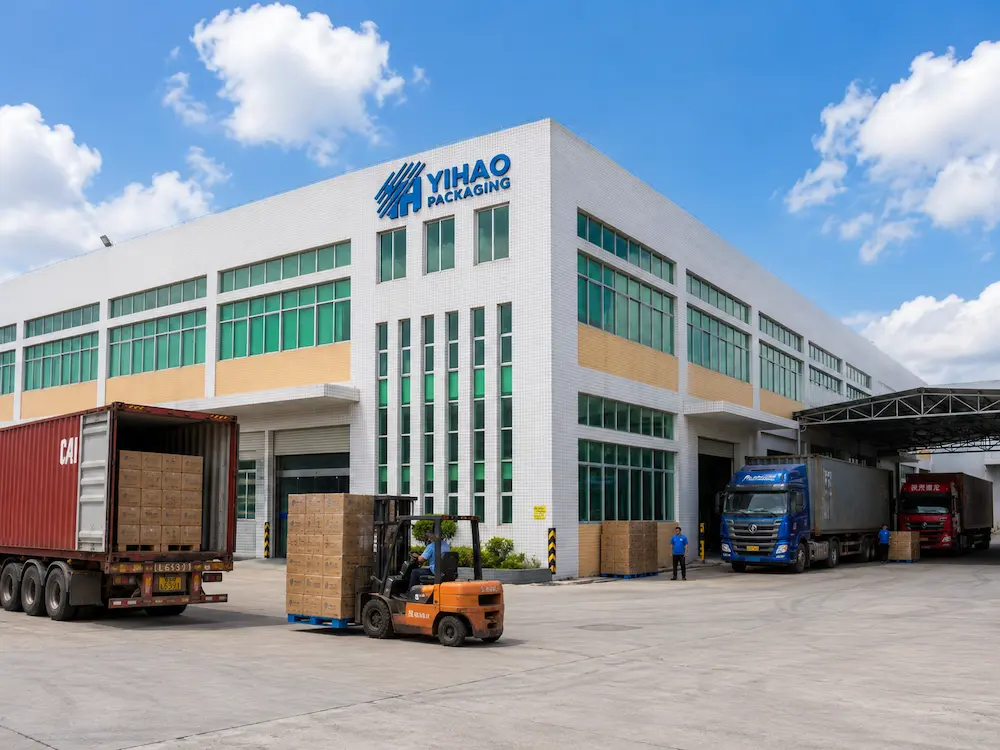
A professional produce packaging manufacturer should help buyers evaluate structure, material, product fit, and supply reliability. The conversation should go beyond price. Buyers should expect questions about fruit type, fill weight, packaging line, carton packing, target market, label requirements, and estimated order plan.

A direct manufacturer can also help buyers understand why one packaging option works better than another. For example, a farm may think it needs a generic container, but the real requirement may be a vented berry clamshell. A distributor may ask for a bulk container, but the retail channel may require clearer individual packs. A supermarket may request one format for all fruit, but different products may need different structures.
This is where a knowledgeable fruit packaging supplier becomes valuable. The supplier should help buyers avoid wrong-fit packaging before the order reaches mass production.
Common Mistakes When Choosing Farm Packaging Containers
Choosing by Price Only
Low-cost packaging can become expensive if it causes fruit damage, repacking work, weak display, or customer complaints. Buyers should compare total packaging value, not only unit price.
Using One Container for Every Fruit
One container rarely fits all produce applications. Blueberries, raspberries, strawberries, grapes, apples, and fresh-cut fruit need different depths, lid clearances, vents, and stacking behavior.
Approving Empty Samples Without Filled Testing
Empty samples cannot show how fruit moves, compresses, fogs, stacks, or appears under chilled display. Filled testing gives buyers a more accurate view of real packaging performance.
Ignoring Export and Wholesale Handling
Packaging that works locally may not work for export or high-volume wholesale distribution. Buyers should check carton loading, pallet movement, stacking pressure, and label durability before confirming orders.
Overlooking Label and Barcode Space
Retail and export programs often require labels, barcodes, origin information, or importer details. If the label blocks product visibility or does not scan well, the packaging creates avoidable retail friction.
Buyer Checklist for Farm Packaging Containers
| Checklist Item | What to Confirm | Why It Matters |
|---|---|---|
| Fruit Type | Blueberry, strawberry, raspberry, grape, apple, kiwi, cut fruit, or mixed produce. | Each product needs different support, depth, and ventilation. |
| Sales Channel | Farm supply, wholesale, supermarket, foodservice, export, or takeaway. | The channel affects packaging structure and presentation. |
| Material | PET, rPET, paperboard, flexible film, or combined packaging system. | Material affects clarity, rigidity, sustainability discussion, and handling. |
| Closure | Hinged lid, separate lid, film seal, open tray, or carton format. | Closure affects protection and handling safety. |
| Ventilation | Vent position, airflow need, and moisture behavior. | Fresh produce often needs airflow during chilled handling. |
| Stacking | Filled-pack stacking, carton loading, and pallet movement. | Wholesale and export handling require structure stability. |
| Label Space | Brand label, barcode, price label, and market information area. | Labels must support retail use without blocking product visibility. |
| Sample Testing | Test with actual product weight and real handling conditions. | Filled testing prevents wrong packaging decisions. |
FAQ About Farm Packaging Containers
1. What are farm packaging containers used for?
Farm packaging containers are used to hold, protect, transport, and present fresh produce from farm operations to packing houses, wholesalers, supermarkets, distributors, foodservice buyers, and export markets. They support filling, closing, stacking, labeling, chilled handling, and retail display.
2. Are farm packaging containers better than trays or bags?
Farm packaging containers are better when produce needs stronger protection, secure closure, clear visibility, and stable stacking. Trays or bags may work for some products, but they are less suitable for delicate berries, premium fruit, export programs, and retail-ready fresh produce that needs strong presentation.
3. What should buyers check before ordering farm packaging containers?
Buyers should check fruit type, fill weight, material, lid structure, ventilation, stacking strength, carton fit, label area, chilled display performance, export handling needs, and supplier support. Filled sample testing is strongly recommended before wholesale orders.
4. Can farm packaging containers be used for berry packaging wholesale?
Yes, farm packaging containers can support berry packaging wholesale when they are designed for the specific berry type. Blueberries, raspberries, strawberries, and blackberries require different ventilation, lid clearance, support, and stacking performance.
5. How do farm packaging containers support export fruit packaging?
Farm packaging containers support export fruit packaging by improving product containment, stacking, visibility, label placement, and handling stability. Buyers should still test filled packaging under realistic transport, carton loading, and chilled storage conditions before confirming export orders.
References
- U.S. Food and Drug Administration, Packaging & Food Contact Substances Resources.
- U.S. Food and Drug Administration, Guidance for Industry: Use of Recycled Plastics in Food Packaging, Chemistry Considerations.
- European Commission, Packaging and Packaging Waste Policy Resources.
- Food and Agriculture Organization of the United Nations, Food Loss and Waste Reduction Resources.
- United States Department of Agriculture, Fresh Fruit and Vegetable Market Resources.
- International Fresh Produce Association, Fresh Produce Supply Chain and Packaging Resources.
- Association of Plastic Recyclers, Design Guide for Plastics Recyclability.
- ASTM International, Packaging Performance and Testing Standards.
Deep-Dive Insights: How Buyers Should Think About Farm Packaging Choices
How should buyers define the right farm packaging format?
The right format should be defined by product behavior, not by generic packaging names. Buyers should consider fruit sensitivity, fill weight, ventilation, stacking, retail display, export handling, and wholesale replenishment before choosing farm packaging containers or alternative packaging.
Why are farm packaging containers often stronger for retail-ready produce?
Farm packaging containers are often stronger for retail-ready produce because they combine containment, visibility, closure, stacking support, and product-specific structure. This makes them useful when produce must move from farm operations to consumer-facing display.
When should buyers choose alternative packaging?
Alternative packaging can be better when the buyer needs lower-cost bulk movement, simple open display, secondary wrapping, or back-of-house storage. Trays, bags, cartons, and bulk containers each have value when matched to the correct product and channel.
What role does the supplier play?
A professional supplier helps buyers compare packaging options before mass ordering. The supplier should ask about fruit type, weight, channel, handling route, carton packing, label requirements, sample testing, and wholesale order expectations.
What should buyers avoid?
Buyers should avoid choosing packaging only by price, using one container for every fruit, skipping filled testing, ignoring export handling, and overlooking label space. Good packaging decisions come from application fit and real product testing.
Final Note / Practical Takeaway
© 2026 YIHAO Packaging. This article is created for farms, packers, supermarkets, distributors, exporters, foodservice teams, and packaging buyers comparing farm packaging containers, wholesale fresh produce packaging, berry packaging wholesale, bulk produce containers, and export fruit packaging solutions. All rights reserved.