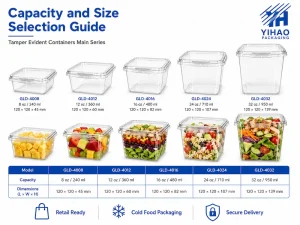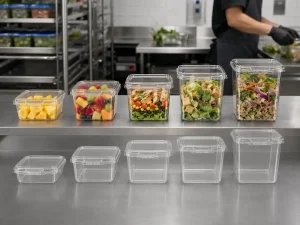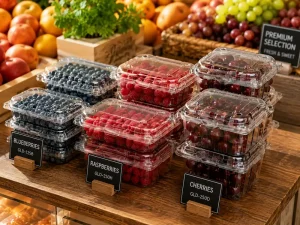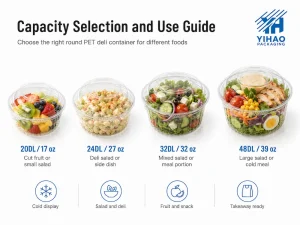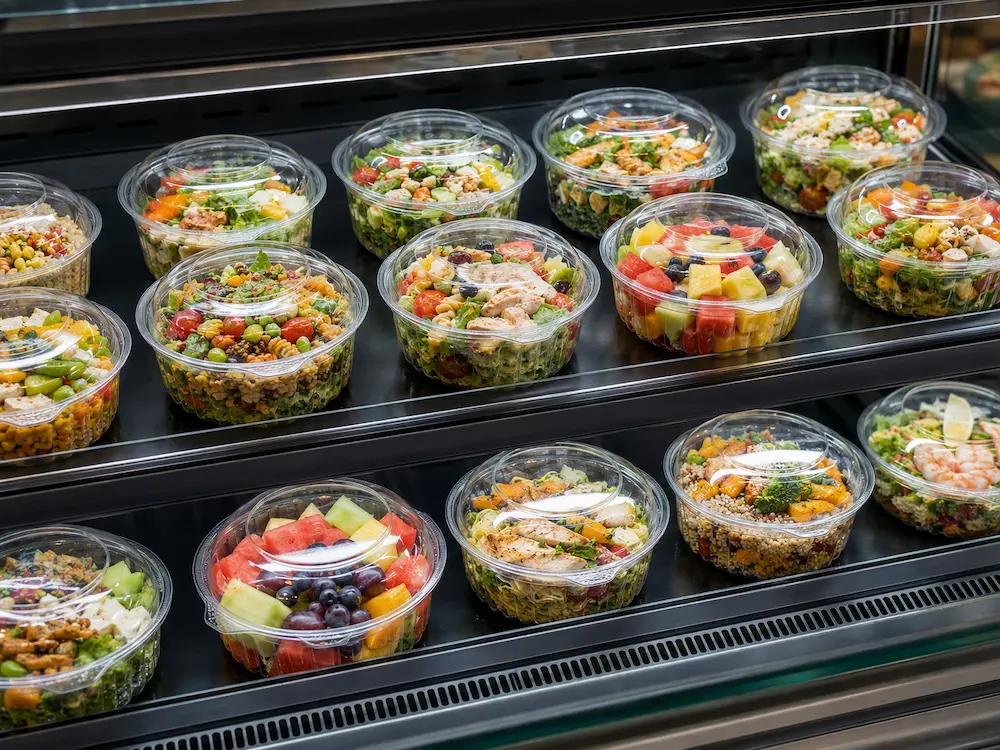
For chilled food brands, the wrong salad container creates three problems immediately: weak shelf visibility, unstable takeaway handling, and inconsistent portion presentation. Round salad containers solve these issues by combining clear food display, bowl-style presentation, and practical lid compatibility for retail and foodservice programs.
Round salad containers are no longer used only for green salads. Supermarkets, cafes, convenience stores, delis, meal-prep brands, and foodservice suppliers now use them for grain bowls, fruit salad, cold noodles, pasta salad, protein bowls, deli sides, snack mixes, yogurt parfaits, and ready-to-eat chilled meals. The round shape gives food a clean top-view presentation, while transparent PET or RPET material helps customers see freshness before purchase.
For B2B buyers, packaging must do more than hold food. It needs to protect product appearance, support refrigerated shelf organization, fit takeaway handling, match labeling needs, and work within a repeatable wholesale purchasing plan. That is why many buyers compare round PET deli containers with hinged deli containers, square deli containers, fresh-cut fruit packs, and other chilled food packaging formats before confirming bulk orders.
YIHAO is a food packaging manufacturer and solution provider focused on practical PET and RPET packaging for retail display, takeaway, fresh produce, bakery, deli, salad, and chilled food applications. For buyers building a professional packaging range, round salad containers perform best when they are selected together with compatible lids, food applications, display requirements, and long-term wholesale supply needs.
What Are Round Salad Containers?
Round salad containers are bowl-style food containers designed for salads and other chilled foods that benefit from top-view presentation. Most retail and takeaway programs use clear PET or RPET bowls with separate lids, dome lids, flat lids, or hinged lid structures depending on the food format and packing workflow.
The round shape creates a natural bowl presentation. Food ingredients sit in a visually balanced layout, toppings stay visible from above, and colorful products look more attractive inside transparent packaging. This makes clear PET salad bowls for takeaway meals useful for chilled salads, fruit mixes, cold noodles, and ready-to-eat food programs.
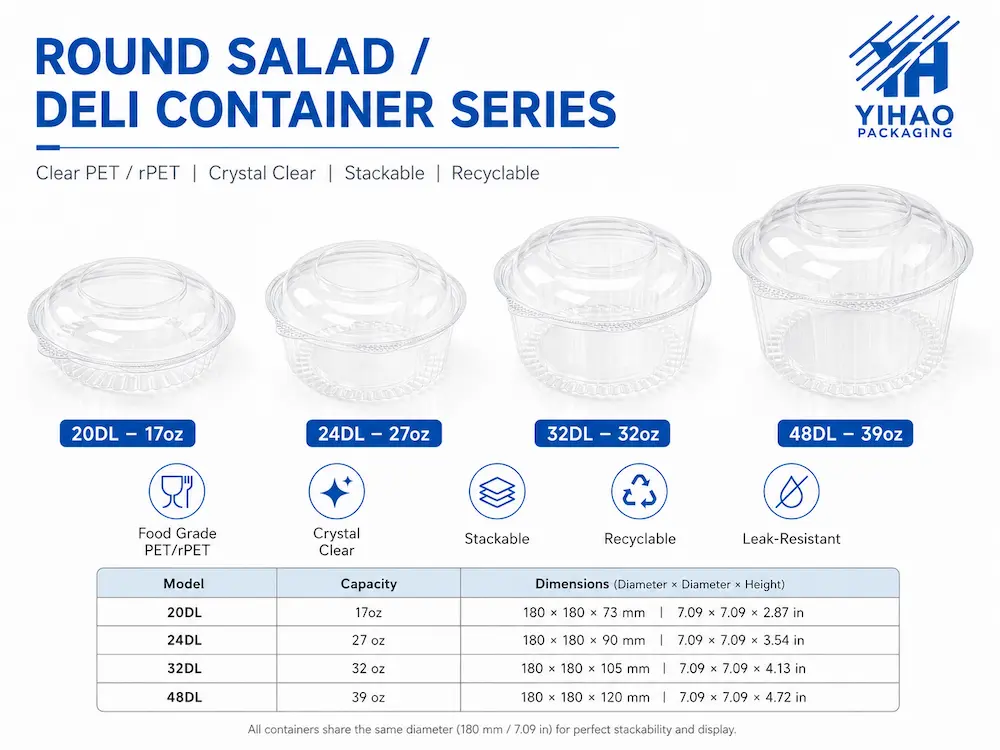
Clear round food containers usually include three key parts: a transparent bowl body, a compatible lid, and a structure suitable for stacking before and after filling. For wholesale buyers, the most important points are not only capacity and price. The better questions are: Does the lid match well? Does the bowl maintain a clean display shape? Does the container show food clearly under cold-case lighting? Does the packaging support both retail display and takeaway handling?
Common Food Applications for Round Salad Containers
The value of round salad containers comes from their flexibility. They serve many chilled food categories without making the product look too industrial or too basic. A clear round bowl gives prepared food a fresh, open, and premium visual style while still keeping the format practical for packing, stacking, labeling, and transport.
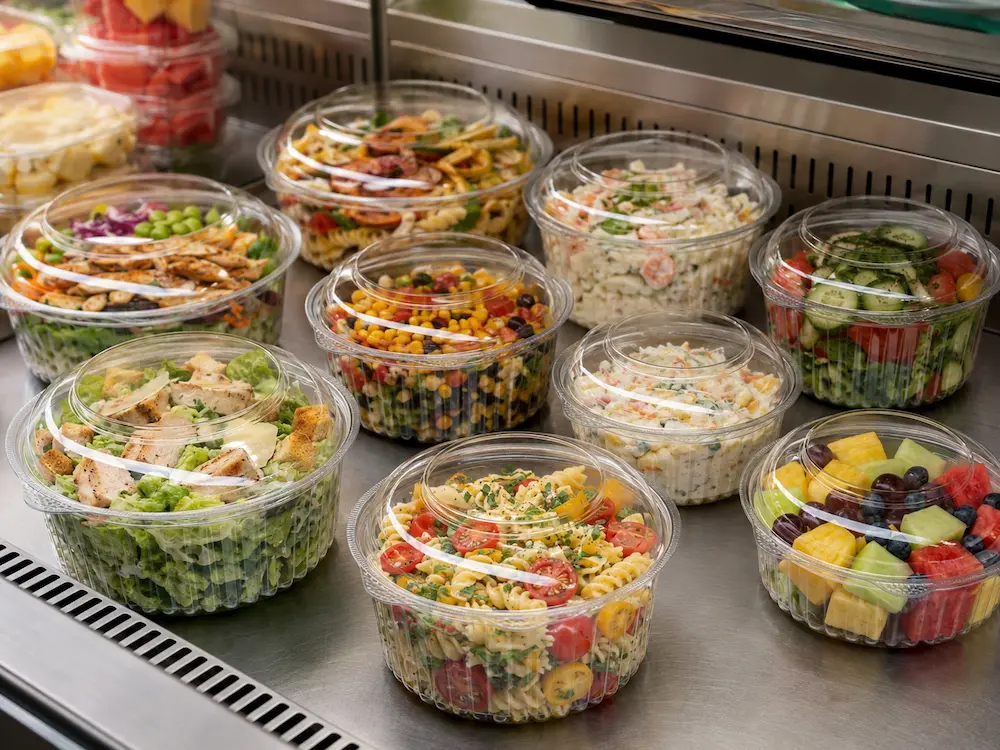
| Food Application | Packaging Need | Why Round Containers Fit |
|---|---|---|
| Leafy salads | Clear visibility, topping presentation, chilled shelf display | The round bowl shape presents greens, proteins, dressings, and toppings in a balanced top view. |
| Grain bowls | Depth, ingredient visibility, premium takeaway appearance | The bowl format supports rice, quinoa, vegetables, beans, chicken, tofu, and sauces. |
| Fruit salad | Clarity, color display, chilled freshness impression | Transparent PET shows fruit color clearly and improves grab-and-go shelf appeal. |
| Cold noodles | Bowl depth, lid fit, takeaway handling | Round bowls provide vertical space for noodles, vegetables, proteins, and toppings. |
| Deli sides | Portion control, stacking, simple foodservice handling | Round deli containers support prepared sides such as pasta salad, coleslaw, beans, and chilled vegetables. |
| Snack mixes | Retail display, easy handling, visible ingredients | Clear packaging helps customers see nuts, dried fruit, cheese cubes, or mixed snacks before purchase. |
For fruit-heavy programs, buyers may also combine round salad containers with fresh-cut fruit containers to build a broader chilled produce packaging line for supermarkets, convenience stores, and retail fruit counters.
Why Clear PET Round Salad Containers Work Well for Retail Display
Retail display is one of the strongest reasons buyers choose round salad containers. In a chilled display case, food competes visually with many similar products. A salad bowl that hides ingredients, looks cloudy, or collapses under stacking pressure weakens the product’s shelf value. A clear PET bowl helps buyers see freshness before they open the package or read the label.
Clear PET supports strong product visibility. It presents leafy greens, tomatoes, berries, pasta, grains, cheese, proteins, nuts, and colorful toppings in a direct and attractive way. For premium ready-to-eat food programs, transparent packaging helps the food itself become the main selling point. This is especially important for retail salads, fruit bowls, yogurt parfaits, chilled noodles, and deli food packaging.
Round containers also create a softer and more premium visual impression than many rectangular formats. The food sits naturally inside the bowl, and the top-view area helps buyers understand the product quickly. When the container is paired with the right lid, the overall look feels clean, organized, and retail-ready.
When Round Salad Containers Are the Best Choice
Round salad containers are not the best answer for every food product. They are strongest when the food needs visual impact, bowl-style presentation, and chilled display appeal. They are less suitable when the product requires microwave heating, heavy liquid containment without specific lid testing, or insulated hot food performance.
| Best For | Not Ideal For | Buyer Note |
|---|---|---|
| Premium salads, grain bowls, fruit bowls, cold noodles, and chilled deli meals | Hot meals that require microwave heating | Use PET or RPET round bowls mainly for cold and chilled food applications. |
| Retail display where food visibility matters | Products that need fully opaque or insulated packaging | Clear PET supports visual merchandising in refrigerated shelves. |
| Takeaway meals with toppings and layered ingredients | Very liquid-heavy foods unless the lid system is specifically tested | Always test filled samples before wholesale ordering. |
| Chilled food brands that need a premium bowl-style look | High-speed lines that require attached-lid operation only | Consider hinged bowl structures when one-piece packing is the priority. |
Round Salad Containers for Takeaway and Grab-and-Go Food
Takeaway packaging must balance appearance with handling strength. A package may look excellent in a product photo, but it still has to survive filling, lidding, stacking, refrigeration, customer handling, bagging, and short-distance transport. For this reason, wholesale buyers should treat lid compatibility and structural stability as serious purchasing factors.
Round deli containers work well for grab-and-go meals because customers recognize the bowl shape immediately. It feels familiar for salads, fruit bowls, grain bowls, cold noodles, and chilled prepared meals. The shape also fits many foodservice concepts, from health-focused cafes to supermarket meal counters and convenience store lunch programs.
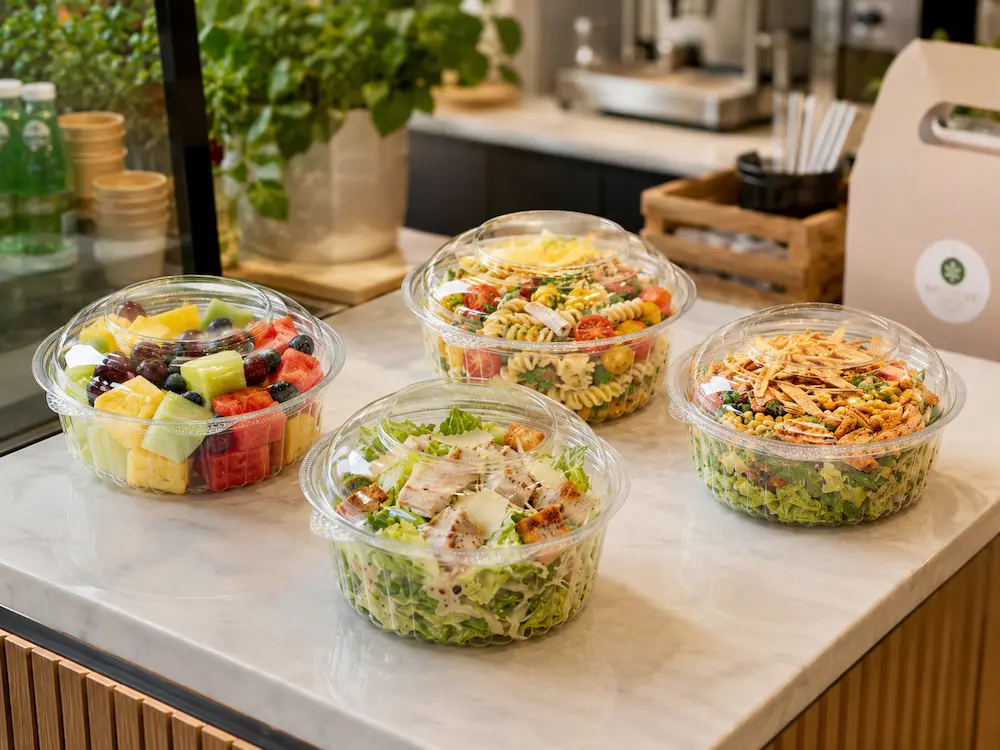
For retail takeaway programs, buyers often compare separate-lid round bowls with hinged salad bowls. Separate lids offer flexibility across product lines when lid matching is managed correctly. Hinged structures simplify packing because the lid stays attached to the bowl. Both formats have value, but the best choice depends on filling speed, food type, shelf layout, and how the customer will carry the product.
For ready-to-eat salad and fresh fruit programs, hinged salad bowls for grab-and-go salads provide a practical one-piece structure for fast packing and retail display. For larger chilled food ranges, buyers may also use large clear salad bowls for chilled takeaway packaging to support premium salads, fruit platters, and family-style chilled takeaway packs.
Material Selection: PET, RPET, and Food Contact Considerations
Material choice is central to the performance of round salad containers. PET is widely used for clear chilled food packaging because it offers high transparency, practical rigidity, and a clean retail appearance. For salad bowls and deli containers, PET helps show the food clearly while keeping the package lightweight and easy to handle.
RPET is also important for buyers who want recycled content options in their packaging strategy. RPET can support sustainability messaging when the material source, food-contact suitability, and target-market requirements are properly confirmed. However, buyers should avoid making broad claims such as “recyclable everywhere” or “fully sustainable” without checking local recycling systems, labeling rules, and applicable packaging regulations.
For B2B purchasing teams, material decisions should be confirmed through documentation instead of assumptions. Before ordering, buyers should ask about food-contact suitability, material declaration, intended food type, temperature use, lid compatibility, sample testing, and any compliance documents required for their market. This is especially important for brands selling through supermarkets, distributors, export channels, or large foodservice programs.
| Material Option | Main Strength | Best Use Case | Buyer Checkpoint |
|---|---|---|---|
| PET | High clarity and strong retail display value | Cold salads, fruit mixes, deli sides, chilled takeaway meals | Confirm lid fit, food-contact suitability, and intended temperature range. |
| RPET | Recycled content positioning with clear packaging appearance | Retail brands and foodservice teams with sustainability messaging | Confirm recycled content claims, food-contact use, and local recycling communication. |
| PET/RPET with matched lid | Complete packaging system for wholesale food programs | Deli counters, salad brands, supermarkets, cafes, and meal-prep suppliers | Test filled samples before bulk ordering. |
For buyers building a flexible chilled food range, PET/RPET clear food containers for chilled display help connect material clarity, product visibility, and practical takeaway packaging needs.
How to Choose the Right Size and Shape for Round Salad Containers
Size selection should begin with the food, not the package. A container that is too shallow compresses toppings and makes the food look crowded. A container that is too deep may create empty headspace and reduce perceived value. The best choice depends on ingredient height, portion size, topping volume, sauce cup placement, lid clearance, shelf space, and how the product is sold.
Small round containers are useful for side salads, fruit portions, nuts, snack mixes, deli sides, yogurt parfaits, and smaller chilled foods. Medium round bowls fit main salads, grain bowls, cold noodles, pasta salad, and daily takeaway meals. Larger bowls work for family salad packs, fruit platters, shared chilled meals, and retail display programs that need more volume and stronger visual presence.
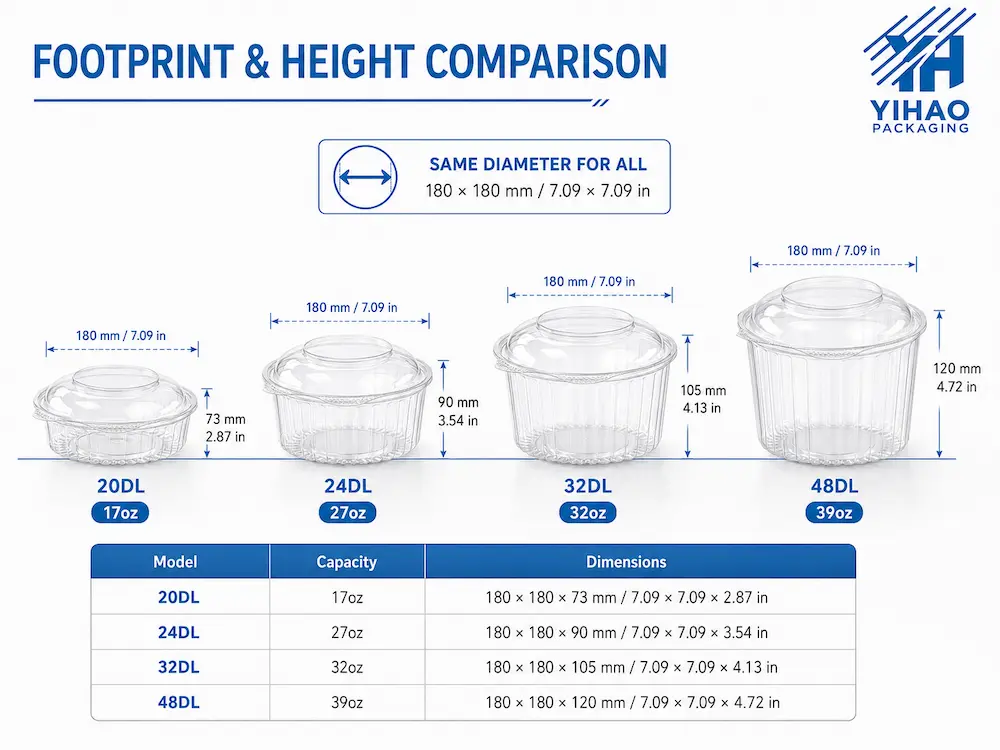
For buyers comparing multiple SKUs, it is better to build a size range than to rely on one container for every product. A complete range supports menu development, portion control, cost planning, shelf organization, and customer choice. The same brand can use smaller bowls for snacks and sides, medium bowls for individual meals, and larger bowls for shared chilled food packaging.
| Packaging Need | Suggested Container Direction | Typical Food Applications |
|---|---|---|
| Small chilled portions | Compact round containers or clear food cups | Side salads, fruit portions, nuts, yogurt, deli sides |
| Single-serve meals | Medium PET round bowls | Main salads, grain bowls, cold noodles, pasta salad |
| Premium retail display | Clear round bowls with matched lids | Layered salads, fruit bowls, high-visibility chilled meals |
| Shared chilled food | Large round salad bowls | Fruit platters, family salads, catering sides, deli counter packs |
For shared chilled food, party packs, and family-style retail portions, large round bowls for shared chilled food packaging give buyers a larger bowl format for salads, fruit platters, and prepared food displays.
Round Salad Containers vs Hinged Deli Containers
Round salad containers and hinged deli containers often serve similar chilled food buyers, but they are not the same packaging solution. A round bowl gives a premium food presentation and a strong top-view display. A hinged deli container gives fast packing and one-piece operation. The better choice depends on the sales channel, filling workflow, food format, and customer experience.
Round salad containers are stronger for bowl-style meals, layered salads, fruit mixes, cold noodles, grain bowls, and premium chilled food displays. They make the food feel more like a ready-to-eat meal instead of a basic stored portion. The round structure also helps toppings look balanced and visible from above.
PET hinged containers are stronger when speed and simplicity matter. Since the lid is attached, staff do not need to match separate lids during packing. This supports high-volume deli counters, grab-and-go fresh food lines, convenience store programs, and quick packing workflows.
| Buyer Need | Better Packaging Direction | Reason |
|---|---|---|
| Premium salad presentation | Round salad containers | The bowl shape improves top-view display and ingredient visibility. |
| Fast packing workflow | Hinged deli containers | The attached lid reduces lid matching and supports quick operation. |
| Flexible lid options | Round PET deli containers | Separate lids and dome lids can support different food heights and display styles. |
| Grab-and-go fresh food | Both options | The right format depends on food type, shelf layout, and handling needs. |
| Deli sides and snack packs | Hinged or square deli containers | Compact formats support simple portions and efficient stacking. |
For fresh food programs that need compact deli packs, clear recycled PET hinged deli containers for salads and snacks provide a practical option for salads, snacks, and prepared food packaging. Buyers comparing shelf efficiency may also consider square PET deli containers for fruit, snacks, deli meals, and chilled food display.
Round Salad Containers for Chilled Food Display
Chilled food packaging must support both appearance and protection. A cold-case salad or fruit bowl may sit under bright lighting, be moved by store staff, handled by customers, and stacked with other packs. If the container loses clarity, distorts under stacking, or creates an untidy shelf appearance, the food looks less valuable.
Clear round food containers help maintain a fresh and organized retail impression. They allow customers to inspect ingredients quickly, compare products at a glance, and understand portion value before purchase. For buyers selling premium salads, protein bowls, fruit bowls, or prepared chilled meals, this visibility can directly support conversion in the refrigerated aisle.
Label placement also matters. A large label can block the product view, while a poor label position can make the package look messy. Many brands place labels on the lid edge, side wall, or a partial top area so the food remains visible. The best approach depends on branding, ingredient information, barcode needs, and local retail requirements.
For party platters, fruit displays, sushi assortments, and catering-style chilled retail products, round catering trays for chilled retail display extend the round container concept into multi-compartment display packaging.
What Wholesale Buyers Should Check Before Ordering Round Salad Containers
Wholesale purchasing should be based on product testing, not assumptions. A container may look suitable in a catalog, but it still needs to match the buyer’s food, filling process, lid requirements, display case, delivery method, and storage conditions. Before ordering round salad containers in bulk, buyers should request samples and test them with real food products.
The first checkpoint is lid compatibility. Bowl and lid matching affects closure, stacking, handling, and customer confidence. Buyers should check whether the lid closes smoothly, whether it stays aligned after stacking, whether the dome or flat lid provides enough headspace, and whether the filled package feels stable in a takeaway bag.
The second checkpoint is display performance. Buyers should review clarity, shape consistency, label placement, top-view visibility, condensation expectations, and shelf organization. For chilled foods, packaging should help the product look clean and fresh under real retail lighting.
The third checkpoint is supplier reliability. Wholesale buyers need stable product quality, repeat order consistency, export packing experience, communication support, and the ability to discuss product range planning. Working with a direct food packaging manufacturer helps buyers align product selection with long-term supply, sample testing, and category expansion.
| Wholesale Checkpoint | What to Review | Why It Matters |
|---|---|---|
| Bowl and lid fit | Closure feel, alignment, lid type, headspace | Protects display quality and supports takeaway handling. |
| Material clarity | Transparency, surface finish, visual consistency | Improves chilled food presentation and retail appeal. |
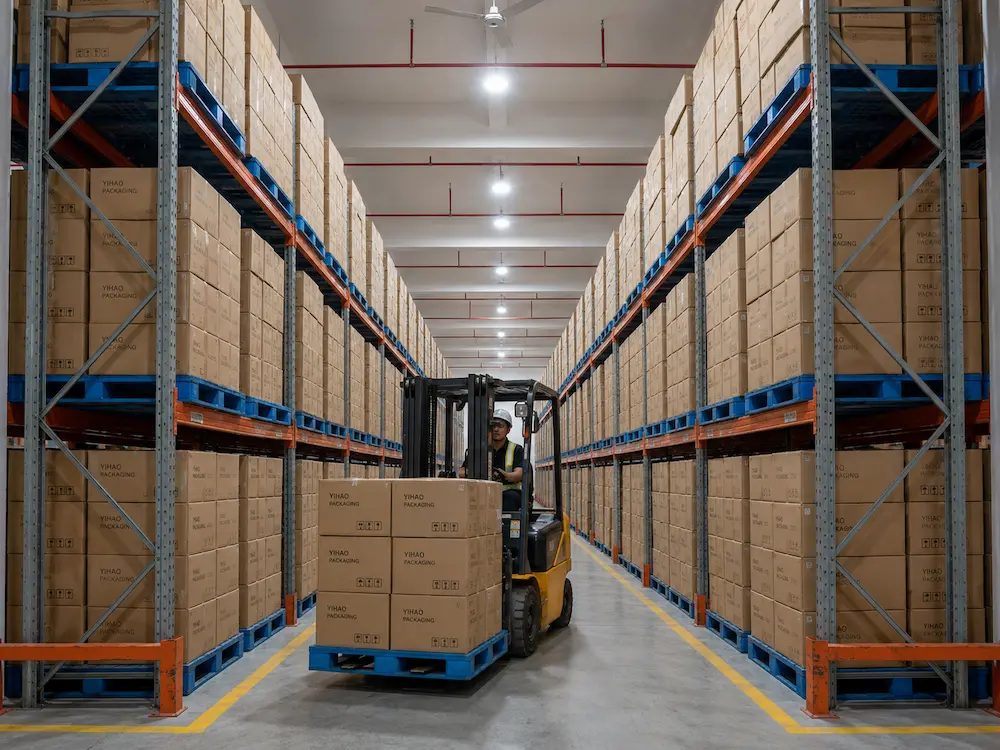
| Stacking performance | Empty stacking, filled stacking, carton handling | Supports storage, transport, and shelf organization. |
| Food application | Salad, fruit, noodles, deli sides, snacks, chilled meals | Prevents choosing the wrong shape, lid, or size. |
| Supplier capability | Sample support, repeat supply, product range, communication | Reduces sourcing risk for wholesale and private-label programs. |
How Lids Affect Round Salad Container Performance
The lid is not a small detail. It is part of the packaging system. A good bowl with the wrong lid creates problems during packing, stacking, takeaway handling, and customer use. Buyers should evaluate lid style early instead of treating it as an afterthought.
Flat lids are useful when the food sits below the rim and buyers want a lower profile for stacking and shelf efficiency. Dome lids are useful when the product includes high toppings, layered ingredients, fruit piles, or premium presentation. Hinged lids are useful when fast packing and one-piece operation matter more than separate lid flexibility.
For round PET deli containers, buyers should confirm lid diameter, closure feel, lid height, stacking after lidding, label placement, and the customer opening experience. A good lid should support the food format without crushing toppings or creating unnecessary empty space.
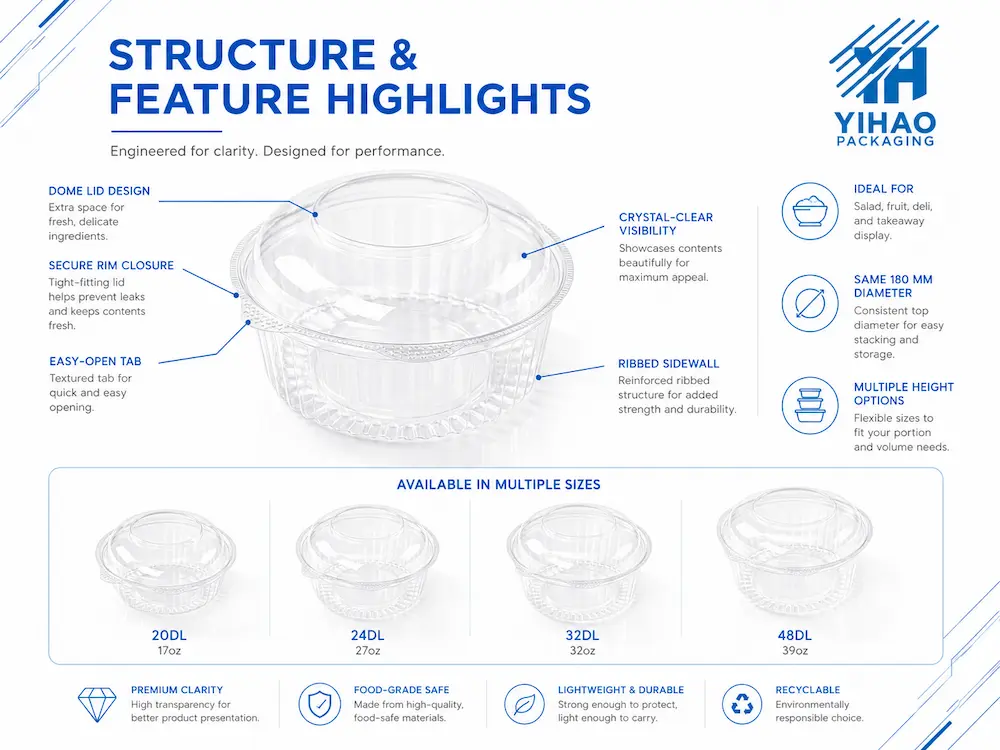
For buyers building bowl-and-lid systems, PET/RPET bowl lids for secure food packaging help create a complete packaging solution for clear food bowls and takeaway packaging. When extra topping space or elevated display is needed, clear dome lids for takeaway packaging support better vertical clearance and visual presentation.
Round Salad Containers for Supermarkets, Cafes, and Foodservice Brands
Different sales channels need different packaging priorities. Supermarkets need shelf-ready clarity, stable stacking, barcode-friendly labeling, and repeatable product presentation. Cafes need takeaway-friendly formats that match salads, fruit bowls, breakfast cups, and lunch menus. Foodservice brands need packaging that supports daily production, cold storage, transport, and customer handling.
For supermarket chilled shelves, round salad containers should make the food look clean, colorful, and easy to compare. Customers often decide quickly, so the packaging must communicate freshness and portion value immediately. Transparent PET bowls are strong in this environment because they let the food sell itself.
For cafes and takeaway counters, handling matters more. Staff need packaging that closes efficiently, stacks neatly, and fits takeaway bags. Customers need a container that feels stable, clean, and convenient. For foodservice brands, consistency across repeat orders is essential because packaging becomes part of the product experience.
Wholesale buyers should avoid selecting packaging based only on one product photo. Real testing with salad greens, proteins, toppings, sauces, fruit, noodles, and chilled storage conditions gives a more accurate result. A good supplier should support this evaluation with clear product information and sample discussions.

Round Salad Containers and Deli Food Packaging Strategy
Round salad containers work best as part of a broader deli food packaging strategy. A single food brand may need round bowls for salads, hinged deli packs for snacks, square containers for compact meals, fresh-cut fruit containers for produce, and cold cups for beverages. When these items are planned together, the brand achieves better shelf consistency and purchasing efficiency.
For example, a supermarket may use round PET bowls for premium salads, square deli containers for chilled sides, hinged containers for fruit and snack packs, and fresh-cut fruit packaging for produce displays. A cafe may use round bowls for grain bowls, clear food containers for snacks, and PET cold cups for iced drinks. A food factory may need several formats to supply different retail customers.
This is why buyers should not view round salad containers as isolated items. They are part of a packaging system that supports menu design, shelf organization, brand identity, wholesale purchasing, and customer experience. The best supplier helps buyers connect formats instead of forcing one container to fit every product.
For fresh fruit, snacks, and chilled sides, square deli containers for fresh fruit and deli sides can complement round salad bowls in the same chilled food program. For hot or prepared takeaway food categories outside cold PET salad packaging, buyers may also evaluate microwave safe containers as a separate packaging solution.
Wholesale Round Salad Containers from a Manufacturer or Supplier
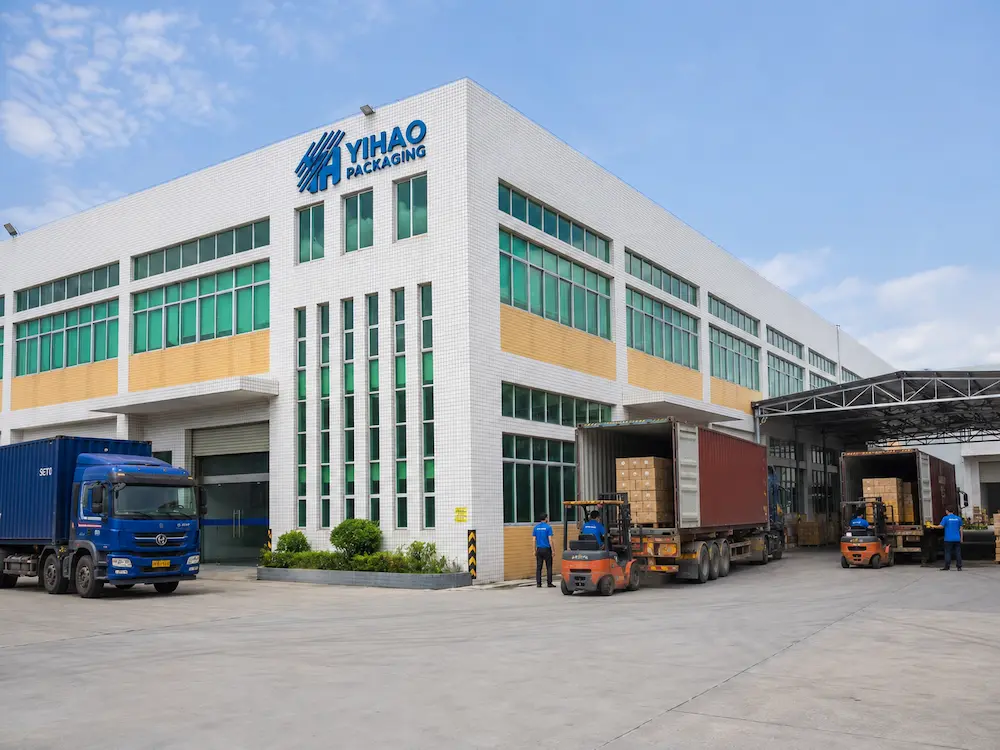
When buyers search for round salad containers wholesale, they are usually looking for more than a single container. They need product range, quality consistency, communication efficiency, sample support, export packing understanding, and long-term supply stability. A reliable supplier helps buyers reduce risk before bulk ordering.
A direct manufacturer can support a more practical selection process. Buyers can discuss product applications, bowl sizes, lid types, material options, packaging layout, carton packing, and repeat purchasing needs. This is especially important for distributors, supermarket chains, meal-prep brands, and foodservice suppliers that manage several SKUs at the same time.
Wholesale buyers should ask clear questions before placing orders. What food will be packed? Will the container be used in a chilled display case, takeaway bag, or both? Does the lid need more headspace? Is the product sold as a single meal, side portion, fruit mix, or shared pack? Does the buyer need PET or RPET material? Are food-contact documents required for the target market?
For buyers that need a complete chilled food range, deli and salad containers can connect round bowls, hinged deli packs, square deli containers, lids, and related chilled food packaging options into one sourcing direction.
Buyer Checklist: How to Select Round Salad Containers
Before confirming a wholesale order, buyers should use a practical checklist. This reduces mistakes and helps the purchasing team compare suppliers with the same criteria.
| Question | Why It Matters | Best Practice |
|---|---|---|
| What food will be packed? | Different foods need different depth, lid height, and shape. | Test with real salads, fruit, noodles, sides, or chilled meals. |
| Will the product be sold chilled? | Cold-case display affects clarity, labeling, and shelf appearance. | Review samples under real retail lighting and storage conditions. |
| Is the container for takeaway? | Takeaway requires stable closure, stacking, and bag handling. | Test filled containers in customer-style takeaway bags. |
| Does the lid fit the food height? | Toppings can be crushed if headspace is too low. | Compare flat lids, dome lids, and hinged lid structures. |
| Does the label block the food? | Too much label coverage reduces product visibility. | Use label placement that preserves top-view freshness. |
| Is the supplier suitable for wholesale orders? | Long-term supply needs consistency and communication. | Confirm samples, product range, packing details, and repeat order support. |
Common Mistakes Buyers Should Avoid
The first mistake is choosing round salad containers only by capacity. Capacity matters, but it does not guarantee food presentation. A container may technically hold the required amount of food while still making the product look compressed, crowded, or low-value. Buyers should compare fill height, topping space, and final shelf appearance.
The second mistake is ignoring the lid. If the lid does not match the food height or closure needs, the packaging creates problems during production and customer handling. Lid testing should happen before bulk ordering, especially for salads with toppings, fruit mixes, noodle bowls, and chilled meals with sauces.
The third mistake is using one container for too many food types. A round salad bowl that works well for a premium grain bowl may not be the best option for small snacks, bakery products, or hot meals. Buyers should create a packaging range that matches the real menu.
The fourth mistake is overusing sustainability claims. PET and RPET packaging can support practical material strategies, but buyers should confirm local recycling systems, food-contact suitability, and accurate labeling language before making public claims.
Best Round Salad Containers: Practical Takeaway for B2B Buyers
The best round salad containers are not simply the cheapest bowls in a catalog. They are the containers that match the food, protect the presentation, support chilled display, close correctly, stack efficiently, and fit the buyer’s wholesale supply plan.
For retail display, clarity and top-view appearance matter most. For takeaway, lid fit and handling strength become more important. For chilled food production, stacking, carton packing, and repeat consistency matter every day. For brand positioning, PET or RPET material choice, label placement, and product presentation all influence the final customer experience.
Buyers should compare round salad containers with related formats such as hinged deli containers, square PET containers, fresh-cut fruit containers, and matched lids. A strong packaging range helps food brands serve more menu items while keeping sourcing, shelf display, and customer handling consistent.
For buyers comparing round salad containers, round PET deli containers, PET round bowls, and complete deli food packaging programs, the next step should be sample testing with real food applications rather than choosing only by catalog photos or listed capacity.
Final Note / Practical Takeaway
FAQ: Round Salad Containers
1. What are round salad containers used for?
Round salad containers are used for chilled salads, grain bowls, fruit salad, cold noodles, pasta salad, deli sides, snack mixes, yogurt parfaits, and ready-to-eat chilled meals. Their round shape improves top-view food presentation, while clear PET or RPET material helps customers see freshness before purchase.
2. Are round PET deli containers suitable for takeaway food?
Yes, round PET deli containers are suitable for many cold takeaway and grab-and-go foods when the bowl and lid are properly matched. Buyers should test lid fit, stacking performance, food height, takeaway bag handling, and real filling conditions before placing wholesale orders.
3. What is the difference between round salad containers and hinged deli containers?
Round salad containers provide a premium bowl-style presentation for salads, fruit mixes, grain bowls, and cold meals. Hinged deli containers use an attached lid, which supports faster packing and simple one-piece operation. The better option depends on the food type, packing speed, display style, and takeaway needs.
4. How should wholesale buyers choose salad container sizes?
Wholesale buyers should choose sizes based on portion weight, ingredient height, topping volume, lid clearance, shelf space, and customer use. Small containers fit sides and snacks, medium bowls fit individual meals, and larger bowls fit shared salads, fruit platters, and family-style chilled food packs.
5. Why work with a manufacturer or supplier for round salad containers?
Working with a manufacturer or supplier helps buyers confirm product range, samples, material options, lid compatibility, export packing, and repeat order consistency. This is important for supermarkets, cafes, distributors, foodservice brands, and prepared food companies that need stable wholesale packaging supply.
References
- U.S. Food and Drug Administration, Food Contact Substances and Food Packaging Guidance.
- European Commission, Food Contact Materials and Plastic Food Contact Material Requirements.
- European Food Safety Authority, Food Contact Materials Safety Evaluation Resources.
- Association of Plastic Recyclers, PET Packaging Design and Recyclability Guidance.
- Plastics Recyclers Europe, PET Packaging and Recycling Design Considerations.
- WRAP, Plastic Packaging, Food Waste, and Resource Efficiency Guidance.
- U.S. Environmental Protection Agency, Sustainable Materials Management and Packaging Waste Resources.
- Institute of Food Technologists, Packaging and Chilled Prepared Food Safety Resources.
Deep-Dive Insights for Buyer Decisions
How do round salad containers improve chilled food merchandising?
Round salad containers improve chilled food merchandising by giving customers a clear top view of ingredients. This is useful for salads, fruit mixes, grain bowls, cold noodles, and deli sides where color, freshness, and topping visibility influence purchase decisions.
Why do wholesale buyers compare round PET deli containers with hinged deli containers?
Wholesale buyers compare these formats because they solve different packing problems. Round PET deli containers support premium bowl-style presentation, while hinged deli containers support faster packing and one-piece operation. A strong chilled food program often uses both.
What should buyers confirm before ordering clear round food containers?
Buyers should confirm material clarity, bowl and lid fit, food-contact suitability, intended temperature range, stacking performance, label placement, carton packing, sample testing, and supplier reliability before ordering clear round food containers in bulk.
Which option works best for a complete deli food packaging range?
The best option is usually a connected range rather than one package. Round salad containers, PET hinged containers, square deli containers, fresh-cut fruit containers, bowl lids, and related chilled food packaging formats help buyers cover more products with better shelf consistency.
What is the practical buying lesson?
Choose round salad containers by matching real food applications with retail display, takeaway handling, lid performance, material clarity, and long-term wholesale supply capability. This approach creates better packaging performance than choosing only by capacity or unit price.
© YIHAO Packaging. All rights reserved.
All content, product images, packaging designs, and technical information on this website are protected by copyright and may not be copied, reproduced, or used for commercial purposes without written permission.