Why PET Hinged Deli Containers Matter for Retail Food Packaging
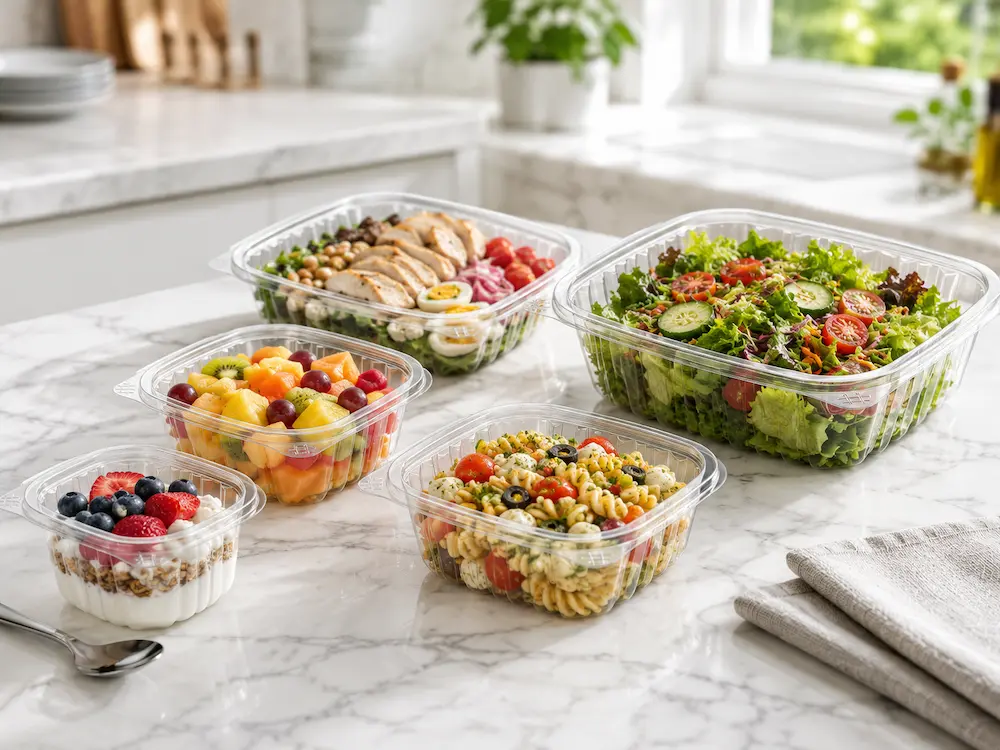
PET hinged deli containers are widely used in chilled food packaging because they solve three practical problems at the same time: they show the food clearly, help staff pack products faster, and support a clean retail display. For supermarkets, convenience stores, cafes, salad bars, central kitchens, and foodservice distributors, packaging is not only a protective shell. It is part of the product presentation and buying decision.
Clear PET packaging allows shoppers to see color, portion size, ingredient mix, freshness, and product value before they buy. A deli salad looks more attractive when the vegetables, grains, toppings, and dressing arrangement are visible. A fresh-cut fruit pack sells better when customers can see the fruit condition directly. A chilled snack pack, dessert portion, or deli side needs packaging that protects the food while keeping the product easy to recognize from the shelf.
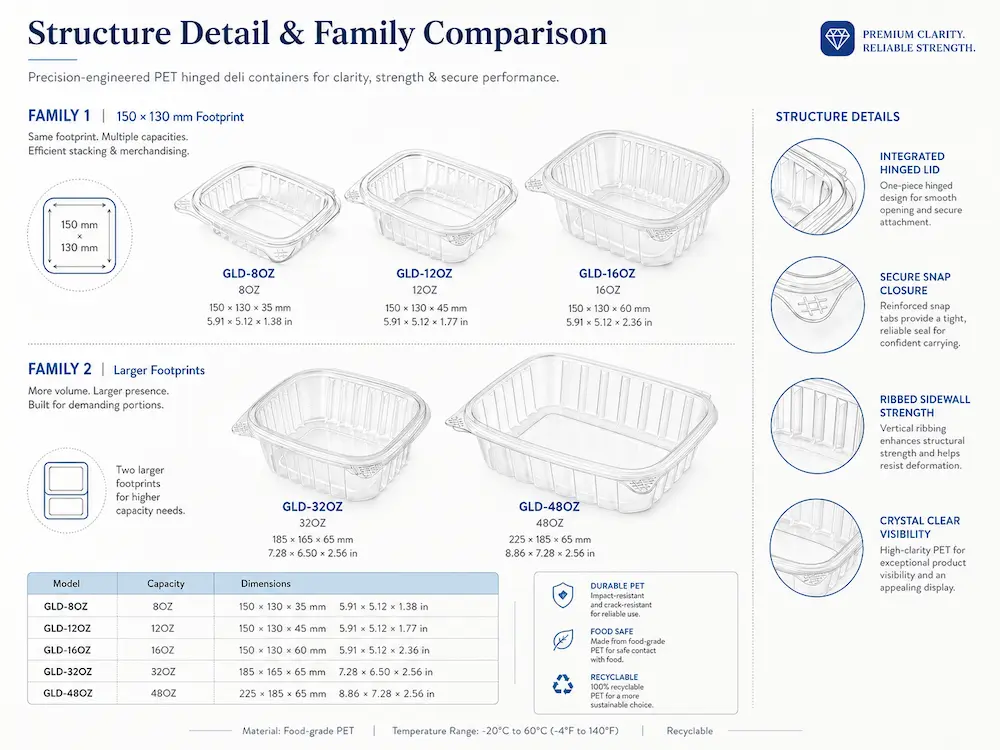
The hinged structure also supports daily operation. Compared with separate lid-and-base packaging, hinged containers reduce lid matching work, simplify packing, and help food teams close each unit more consistently. For high-volume chilled food programs, this matters because packing teams often prepare many SKUs before peak retail hours.
For wholesale buyers comparing PET hinged deli containers, the decision should go beyond container capacity. The stronger choice is the container that fits the food, closes properly, stacks safely, supports label placement, looks good under chilled display lighting, and remains available through a reliable manufacturer or supplier.
Best Applications for PET Hinged Deli Containers
The best way to evaluate PET hinged deli containers is to match them with real food applications. Chilled retail foods have different packaging needs. A wet pasta salad is heavier than a lettuce salad. Fresh-cut fruit needs visibility and moisture control. Nuts and snacks need a clean, dry presentation. Chilled desserts may require lid height and surface protection.
Deli Salads and Ready-to-Eat Cold Meals
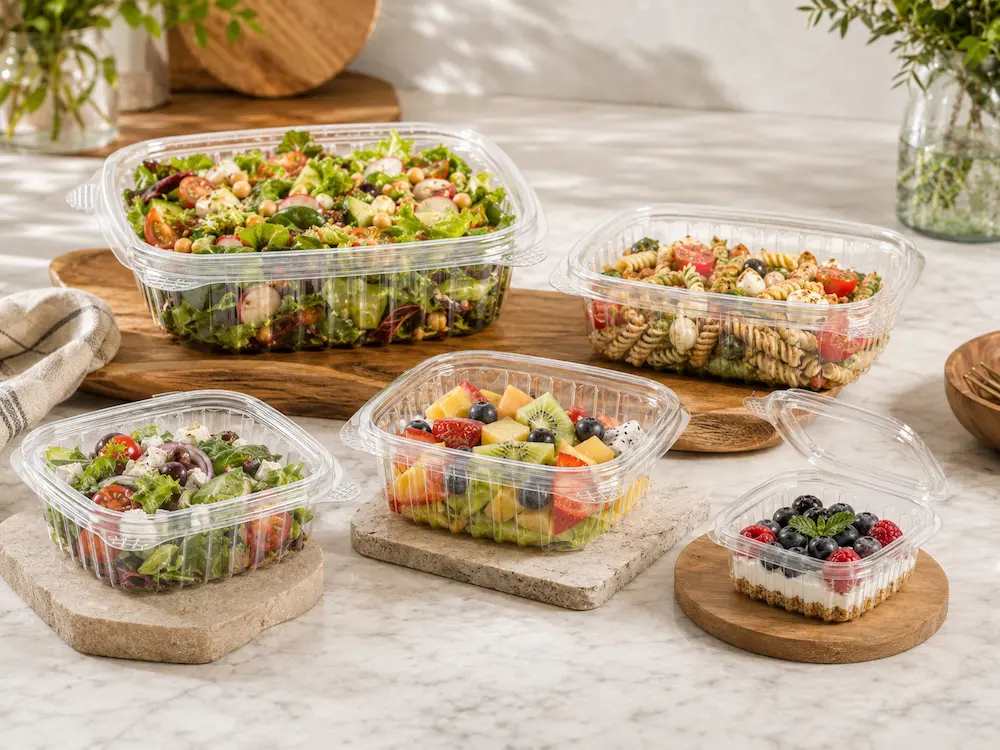
Deli salads are one of the strongest applications for PET hinged packaging. Pasta salad, potato salad, coleslaw, mixed vegetable salad, bean salad, chilled noodles, grain bowls, and ready-to-eat cold meals all benefit from clear presentation. Customers can see the ingredient mix, portion size, and freshness before purchase.
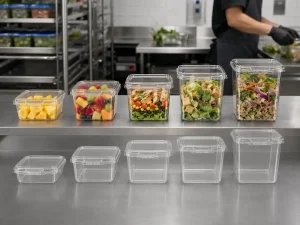
For salad bars, supermarket deli counters, and central kitchens, the container should support fast filling and repeatable closure. Hinged lids help staff work faster because the lid stays connected to the base. Buyers should compare rim strength, closure feel, stacking stability, lid clarity, and how the filled container performs under refrigerated display conditions.
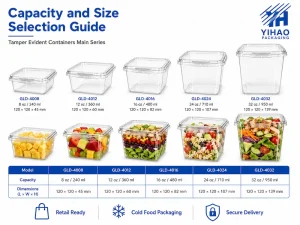
For single-serve salad portions, buyers may compare 16oz clear recycled PET hinged deli containers with larger salad bowl formats depending on menu size and local serving habits. The final choice should be based on actual food volume, ingredient height, dressing arrangement, and retail shelf strategy.
Fresh-Cut Fruit, Nuts, and Snack Packs
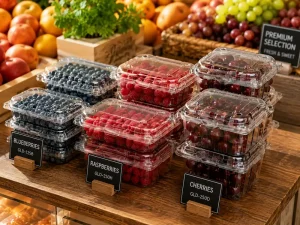
Fresh-cut fruit and snack packs depend heavily on visual trust. Clear packaging allows customers to inspect apple slices, melon cubes, grapes, pineapple, berries, mango, mixed fruit, cheese cubes, crackers, trail mix, granola, and nuts before buying. This visibility helps communicate freshness and portion value quickly.
For cafes, convenience stores, school meal programs, office foodservice, and grab-and-go retail shelves, hinged PET packaging also keeps the product format simple. Staff can fill and close the container efficiently, while customers receive a pack that is easy to carry and open.
Fruit and snack packaging should not be selected by volume alone. A container that is too small may crush fruit pieces or toppings. A container that is too large may make the product look underfilled. Buyers should test the actual food portion before confirming wholesale orders.
Bakery, Dessert, and Chilled Grab-and-Go Items
Although this article focuses on deli and salad containers, PET hinged formats are also useful for selected chilled bakery and dessert products. Brownie portions, cheesecake slices, tiramisu portions, pastry assortments, mousse cakes, and chilled dessert packs all need clear visibility and takeaway convenience.
For dessert packaging, buyers should check product height, lid clearance, display angle, and whether the lid touches toppings or decorations. A flat-lid container supports stacking and compact display, while a higher lid may be better for decorated desserts. The right choice depends on the dessert structure and retail presentation.
Supermarket and Convenience Store Shelf Display
Retail display is one of the strongest reasons to use PET deli containers. Clear packaging helps customers understand the food before reading the label. This matters in refrigerated cases, grab-and-go shelves, deli counters, and convenience store meal zones where shoppers make fast decisions.
Good retail packaging should support clean facing, stable stacking, barcode placement, and product visibility. Buyers should decide whether the label will be placed on the lid, sidewall, sleeve, or wraparound area. The label must provide product information without hiding too much of the visible food area.
How to Match PET Hinged Deli Containers with Different Food Applications
Wholesale buyers should treat packaging selection as a food-application decision, not only a size decision. The same nominal capacity may perform differently depending on food density, moisture, height, and display style. The table below gives a practical selection logic for food packaging buyers.
| Food Application | Recommended Container Direction | Buyer Reason | Selection Note |
|---|---|---|---|
| Deli salads and pasta salads | PET hinged deli containers or round PET deli containers | Clear top-view presentation and convenient closure | Check usable depth, lid clearance, and weight support |
| Fresh-cut fruit and berry mixes | Clear hinged PET containers or round PET containers | Strong visibility for freshness and color | Test juice release, ventilation needs, and label position |
| Nuts, snacks, and small deli sides | Square PET deli containers | Compact shelf layout and efficient stacking | Avoid excessive empty space that weakens product value |
| Grain bowls and chilled noodle bowls | Round PET deli containers or larger salad bowls | Bowl-style presentation and ingredient layering | Confirm ingredient height and lid fit after filling |
| Chilled desserts and bakery portions | PET hinged containers or clear clamshells | Protects presentation while keeping product visible | Check lid height, topping protection, and stacking logic |
| Retail grab-and-go meals | Square, rectangular, or round PET deli containers | Supports organized shelf display and takeaway handling | Match the shape to shelf space and meal structure |
This application-based approach helps buyers avoid a common mistake: choosing packaging only by ounce size. A light lettuce salad, a dense pasta salad, a fruit pack, and a nut snack may need different container shapes even when the nominal volume looks similar.
Round PET Deli Containers vs Square PET Deli Containers
Buyers often compare round PET deli containers and square PET deli containers because both formats are useful, but they serve different retail goals. The right shape depends on food style, shelf space, brand positioning, and handling requirements.
| Container Type | Best Applications | Buyer Advantage | Practical Consideration |
|---|---|---|---|
| Round PET deli containers | Salads, fruit bowls, grain bowls, noodle bowls, chilled meal bowls | Premium top-view presentation and natural bowl-style appearance | May use more shelf space depending on case layout |
| Square PET deli containers | Deli sides, snacks, nuts, compact salads, prepared food portions | Efficient shelf layout, strong stacking, and clean row display | Presentation may look more structured and less bowl-like |
| Rectangular PET deli containers | Prepared meals, bakery assortments, deli combinations, longer food items | Wide display area and efficient meal layout | Needs careful size matching to avoid empty-space appearance |
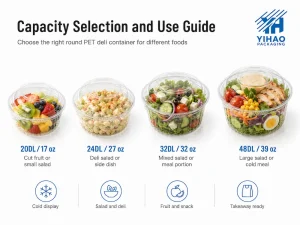
Round PET deli containers are strong for foods that benefit from a bowl-style layout. Salads, fruit bowls, cold noodles, grain bowls, and layered chilled meals often look more premium in round formats because customers can view the product clearly from above.
Square PET deli containers are strong when shelf efficiency matters. Square and rectangular packs line up neatly, reduce wasted space, and create a disciplined retail display. For supermarkets and distributors managing multiple chilled SKUs, this format can improve shelf organization.
For larger salad or chilled meal programs, buyers may compare 32oz PET salad bowls, 48oz PET salad bowls, and square deli formats such as 20oz PET square deli containers. The best format should be tested with the actual food product, not selected only from catalog volume.
YIHAO Product Range Mapping for Deli and Salad Packaging Buyers
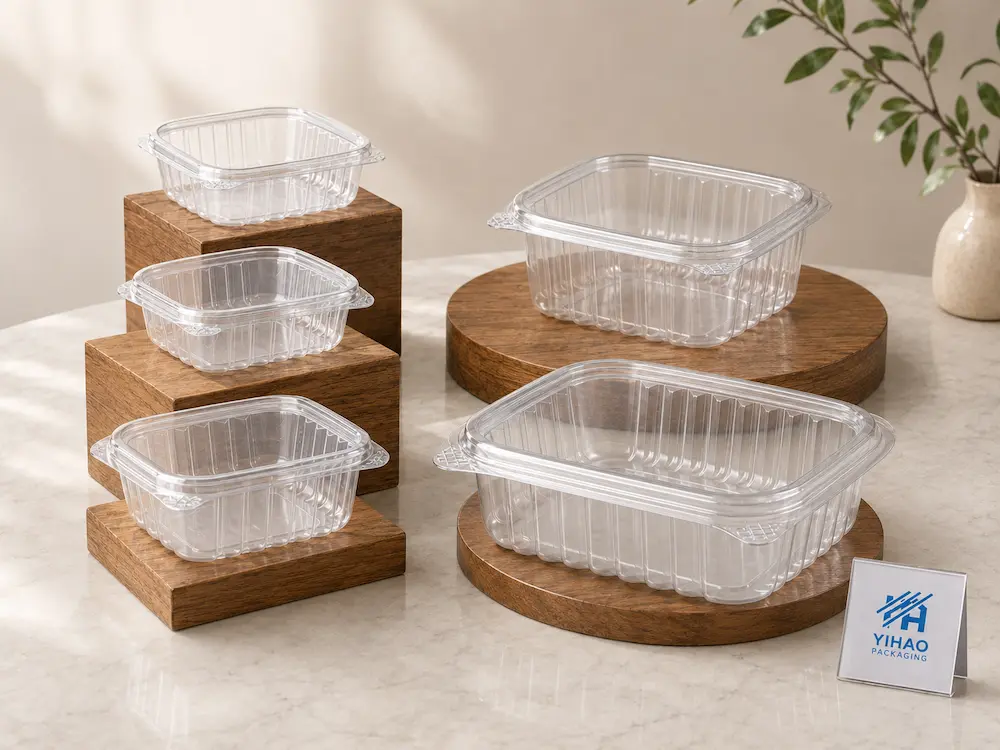
For importers, distributors, supermarkets, and foodservice brands, a single container rarely solves the full packaging need. A practical chilled food program often requires multiple related formats: hinged deli containers, round salad bowls, square deli containers, fruit containers, dessert clamshells, and larger takeaway packaging. This is why product range mapping is important.
YIHAO supports buyers by helping them compare container shape, size logic, food application, and display purpose across related PET and rPET packaging options. Instead of choosing one isolated product, buyers can build a more consistent packaging system for salads, fruit, deli foods, snacks, desserts, and chilled grab-and-go meals.
| Buyer Need | YIHAO Packaging Direction | Best-Fit Application | Procurement Value |
|---|---|---|---|
| Small chilled salad or snack portions | PET hinged deli containers | Deli salad, fruit, nuts, snack packs, small desserts | Simple closing, clear display, compact takeaway format |
| Premium salad and fruit presentation | Round PET deli containers and PET salad bowls | Salads, grain bowls, fruit bowls, chilled noodles | Strong top-view appeal and fresh food visibility |
| Space-efficient chilled retail display | Square PET deli containers | Deli sides, nuts, compact salads, prepared food portions | Better shelf organization and efficient row display |
| Large prepared salads or fruit platters | Larger PET salad bowls or clear takeaway containers | Family-size salads, fruit platters, party portions | Higher portion capacity with clear presentation |
| Mixed chilled food program | Coordinated PET and rPET food packaging range | Supermarket deli counters, central kitchens, distributors | Consistent packaging style across multiple food SKUs |
This range-based buying logic is especially useful for wholesale projects. A distributor may need one small container for snack packs, one square format for deli sides, one round bowl for premium salads, and one larger option for fruit platters. A manufacturer with related product families can help buyers build a more stable packaging plan.
How to Choose PET Hinged Deli Containers by Portion Size
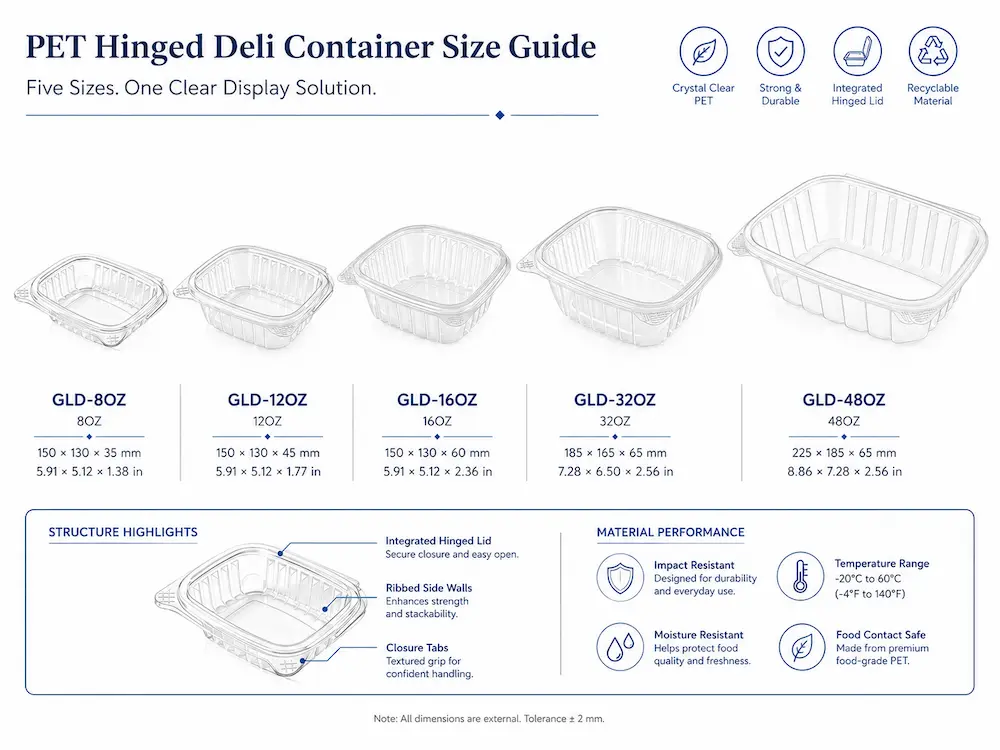
Portion size is one of the most important decisions when sourcing PET hinged deli containers. However, buyers should understand that nominal volume is only a starting point. Usable fill volume depends on food density, product height, lid shape, and how full the container should look on the shelf.
Small Portions
Small PET deli containers are suitable for nuts, snacks, fruit pieces, side dishes, mini desserts, sauces with dry items, and trial-size chilled food packs. In this size range, buyers should avoid containers that look too deep or too wide for the product. A compact and well-filled appearance improves retail value.
Single-Serve Salads and Deli Sides
Single-serve salad containers should leave enough space for toppings without crushing the food. Deli sides such as pasta salad, potato salad, bean salad, and coleslaw may need stronger base support because they are heavier than lettuce-based salads. Buyers should test the filled weight before confirming wholesale supply.
Medium Chilled Meals and Grab-and-Go Bowls
Medium-size PET containers work well for cold noodles, grain bowls, mixed salads, fresh-cut fruit bowls, and prepared chilled meals. This category requires strong lid clarity and stable stacking because products are often displayed in refrigerated grab-and-go shelves.
Larger Salad and Fruit Packaging
Larger formats are suitable for family-size salads, fruit platters, group servings, and larger chilled takeaway meals. In this size range, buyers should confirm base rigidity, lid fit, and whether the container can be stacked without pressing the food surface.
What Buyers Should Check Before Ordering PET Deli Containers Wholesale
Wholesale buyers should use a structured checklist before ordering PET hinged deli containers. This is important for importers, supermarkets, distributors, central kitchens, salad brands, and foodservice operators that need repeat orders and stable product quality.
| Buyer Checkpoint | Why It Matters | What to Confirm |
|---|---|---|
| Food application | Different foods require different depth, lid height, and structure | Salad, fruit, deli side, snack, dessert, prepared meal, or mixed use |
| Usable capacity | Nominal volume does not always equal real fill performance | Actual fill test with the real food product |
| Container shape | Shape affects both presentation and shelf planning | Round, square, rectangular, or hinged clamshell format |
| Material direction | PET and rPET options may support different project goals | Clear PET, recycled PET option, food-contact suitability, local market requirements |
| Closure performance | Weak closure affects handling and customer confidence | Lid fit, rim design, opening feel, and closing consistency |
| Stacking performance | Storage and retail display require stable stacking | Empty nesting, filled stacking, carton packing, and shelf arrangement |
| Labeling area | Retail products require barcode, ingredients, price, and branding | Lid label, side label, sleeve, wraparound label, and visible food area |
| Supplier reliability | Repeat supply matters more than one-time sampling | Product range, sample support, export experience, and clear communication |
Buyers should confirm whether they need standard product selection or custom packaging support. Standard containers are often suitable for faster sourcing and flexible food programs. Custom projects may be useful when a brand needs a special size, modified structure, private-label presentation, embossed branding, or a more specific retail packaging system.
Sample testing should come before volume confirmation. Samples should be tested with the exact food product, expected fill weight, refrigeration conditions, label format, and handling process. This reduces the risk of selecting a container that looks acceptable online but does not perform well in real retail operation.
Choosing a PET Hinged Deli Containers Manufacturer, Wholesale Supplier, or Factory
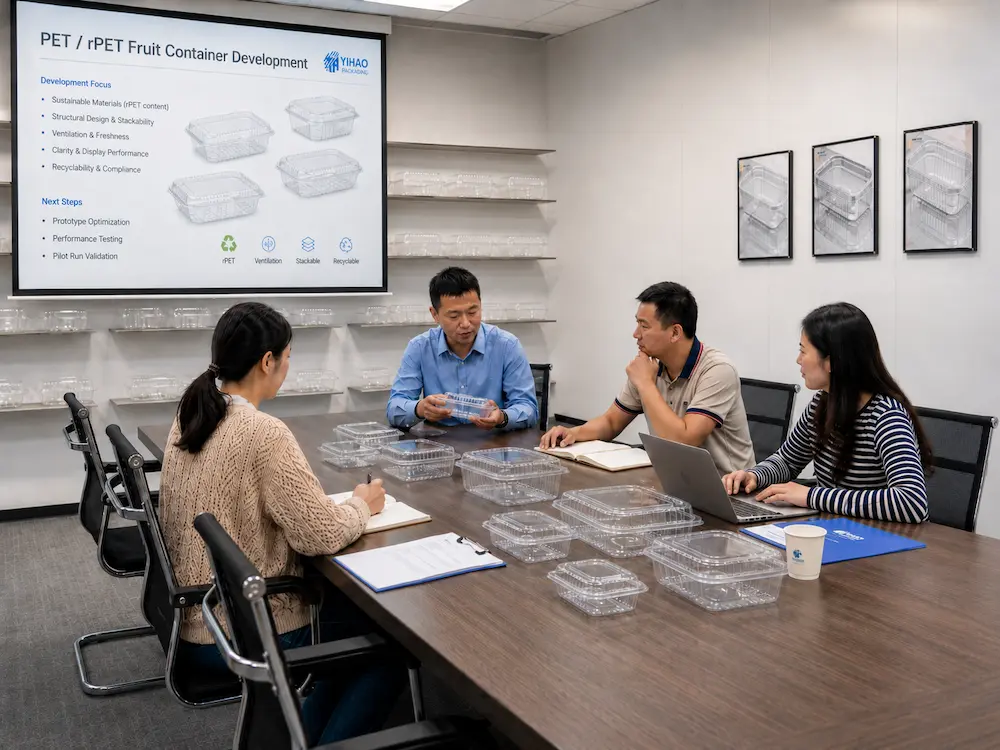
A reliable PET hinged deli containers manufacturer should support more than one size or one isolated product. Food packaging buyers often need a coordinated product range because one chilled food program may include small snack packs, medium salad containers, square deli sides, round fruit bowls, and larger prepared meal containers.
When comparing a PET deli containers supplier, buyers should evaluate product consistency, material clarity, structure stability, closure design, sample response, product range, carton packing logic, and export support. A supplier with food packaging experience can help buyers compare products by application instead of only by unit price.
For distributors and importers, wholesale supply stability is critical. A missing size, inconsistent closure, unclear material information, or unstable repeat supply can disrupt a full packaging program. Buyers should confirm repeat-order availability, sample process, carton packing details, product range, and whether the supplier can support future product expansion.
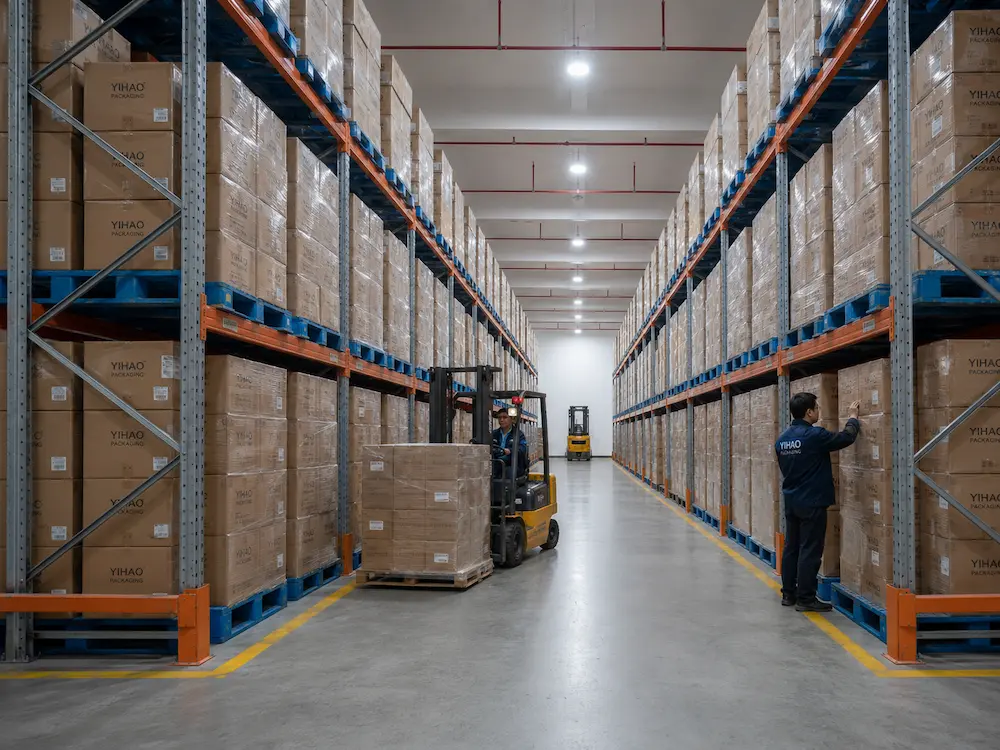
YIHAO works as a food packaging manufacturer and supplier for clear PET and rPET packaging solutions used in deli, salad, fruit, snack, bakery, chilled food, and takeaway applications. Buyers can start from PET hinged deli containers and expand into round bowls, square deli containers, fruit packaging, dessert clamshells, and other chilled retail packaging formats according to the product program.
For packaging importers, supermarkets, distributors, and foodservice brands, the best procurement process is not simply asking for the lowest price. A stronger process is to send food application details, target portion size, container shape preference, material direction, sample needs, and estimated wholesale demand. This allows the supplier to recommend a better packaging match before bulk order confirmation.
How PET Hinged Deli Containers Support Retail Display
Retail display is where packaging becomes part of the customer decision. A clear container helps the food communicate freshness before the shopper reads the label. This is especially useful for chilled foods because customers want to see color, texture, ingredient mix, portion size, and product condition.
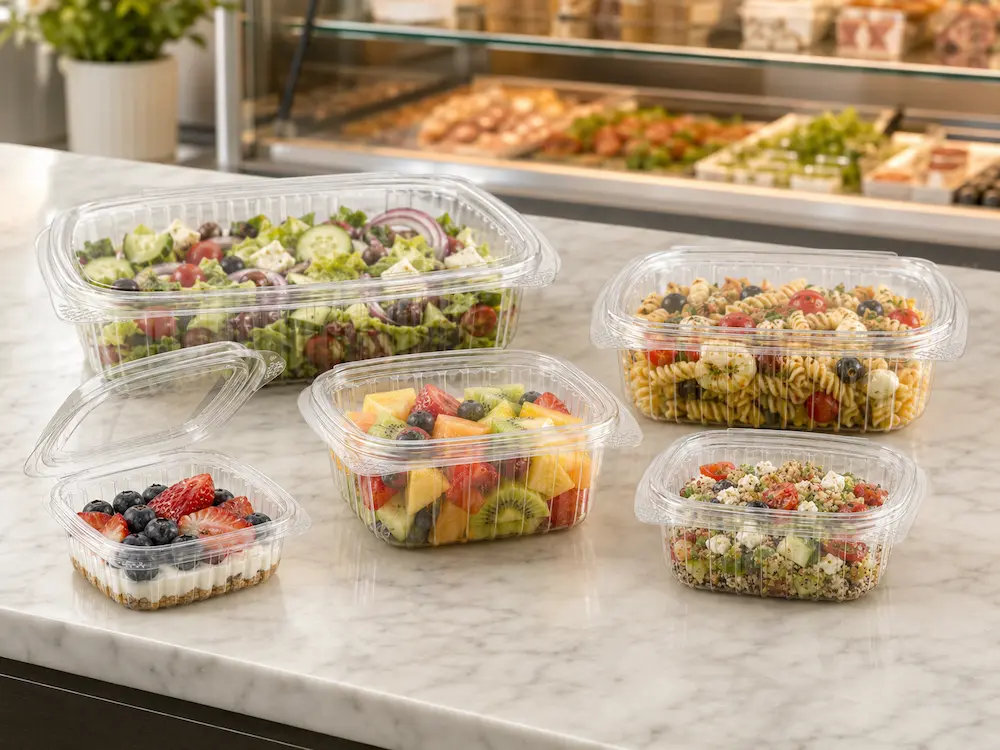
For salads, clear packaging shows greens, toppings, grains, proteins, and dressing arrangement. For fruit, it shows freshness and color. For deli sides, it shows texture and portion value. For snacks and nuts, it supports fast product recognition. For desserts, it highlights layers, toppings, and presentation.
Good display packaging also supports organized merchandising. Square PET deli containers can build clean rows. Round PET salad bowls can create premium visual impact. Hinged PET clamshells support convenient grab-and-go buying. A retailer may use all three formats in one chilled food program depending on product type and shelf strategy.
How PET Hinged Deli Containers Support Takeaway and Grab-and-Go Sales
Takeaway packaging must work after the customer leaves the shelf. A package that looks good but handles poorly can damage the customer experience. PET hinged deli containers are useful for grab-and-go programs because they combine visibility with convenient opening and closing.
For cafes, convenience stores, salad chains, office meal suppliers, supermarket deli departments, and central kitchens, takeaway packaging should be easy for staff to fill and easy for customers to carry. The pack should also support label placement, barcode scanning, shelf identification, and short-distance handling.
Buyers should test real customer scenarios before confirming wholesale orders. Can the filled pack be held easily? Does the lid stay aligned? Does the product shift too much? Does the label remain readable? Does the pack look premium enough for the selling price? These questions are more useful than asking only whether the container has the right nominal volume.
How PET and rPET Fit Modern Food Packaging Decisions
PET is widely used in clear food packaging because it supports transparency, clean appearance, and practical rigidity for many cold food applications. For chilled retail food, this clarity helps product visibility and shelf appeal. PET can also be formed into many packaging structures, including hinged deli containers, round bowls, square containers, clamshells, lids, and trays.
rPET is increasingly discussed in food packaging because many buyers want recycled-content options where suitable food-contact materials and local regulations allow. The correct use of rPET depends on food-contact suitability, supplier documentation, target market rules, and the packaging application.
Buyers should avoid broad sustainability claims unless the wording is accurate for the product, market, and recycling infrastructure. PET packaging may be recyclable where local collection, sorting, and recycling systems accept that format. More responsible wording is “recyclable where local PET recycling systems accept this packaging format” rather than a universal recycling claim.
Common Mistakes Buyers Should Avoid
Mistake 1: Choosing Only by Capacity
Capacity is important, but it is not the full decision. Two containers with similar nominal volume can perform differently because of depth, lid height, opening shape, usable fill space, and base rigidity. Buyers should test actual food portions instead of choosing by ounce size alone.
Mistake 2: Ignoring Shelf Layout
A container that works for one food item may not work for a full retail shelf. Buyers should consider how many units fit per shelf row, how the pack faces forward, and whether the shape supports organized display. Square PET deli containers often support efficient shelf layout, while round PET deli containers deliver stronger bowl-style presentation.
Mistake 3: Blocking Too Much Visibility with Labels
Labels are necessary, but they should not hide the food. A good label strategy leaves enough product visible while still showing product name, weight, ingredients, barcode, price, and brand identity. Buyers should test label size and placement before mass production.
Mistake 4: Making Unverified Sustainability Claims
Sustainability language must be accurate. Claims about recycled content, food-contact suitability, recyclability, compostability, or environmental benefit should be supported by actual material data and market rules. PET and rPET packaging can support strong sustainability positioning, but the wording must remain precise.
Mistake 5: Treating the Supplier as Only a Price Source
Food packaging sourcing is not only about unit price. A strong supplier supports product selection, sample testing, size planning, material communication, carton packing, and long-term supply. For wholesale buyers, a stable supplier relationship often matters more than the lowest sample quotation.
Quick Buyer Checklist for PET Hinged Deli Containers
- Confirm the exact food application: salad, deli side, fruit, snack, dessert, or prepared meal.
- Test real fill volume instead of relying only on nominal capacity.
- Compare round, square, and rectangular formats based on shelf layout and product style.
- Check lid clarity under actual refrigerated display lighting.
- Confirm closure performance with filled samples.
- Review stacking performance before and after filling.
- Plan label placement without hiding too much product visibility.
- Ask about PET or rPET material direction according to market requirements.
- Avoid unconfirmed claims about certifications, recycling, MOQ, lead time, or pricing.
- Choose a manufacturer or wholesale supplier that can support repeat orders and related product expansion.
When Should Buyers Contact a Manufacturer?
Buyers should contact a manufacturer when the packaging decision affects more than one product SKU. If the project includes several salad sizes, fruit packs, snack packs, deli sides, desserts, or chilled meals, a manufacturer can help compare product families rather than only quoting one container.
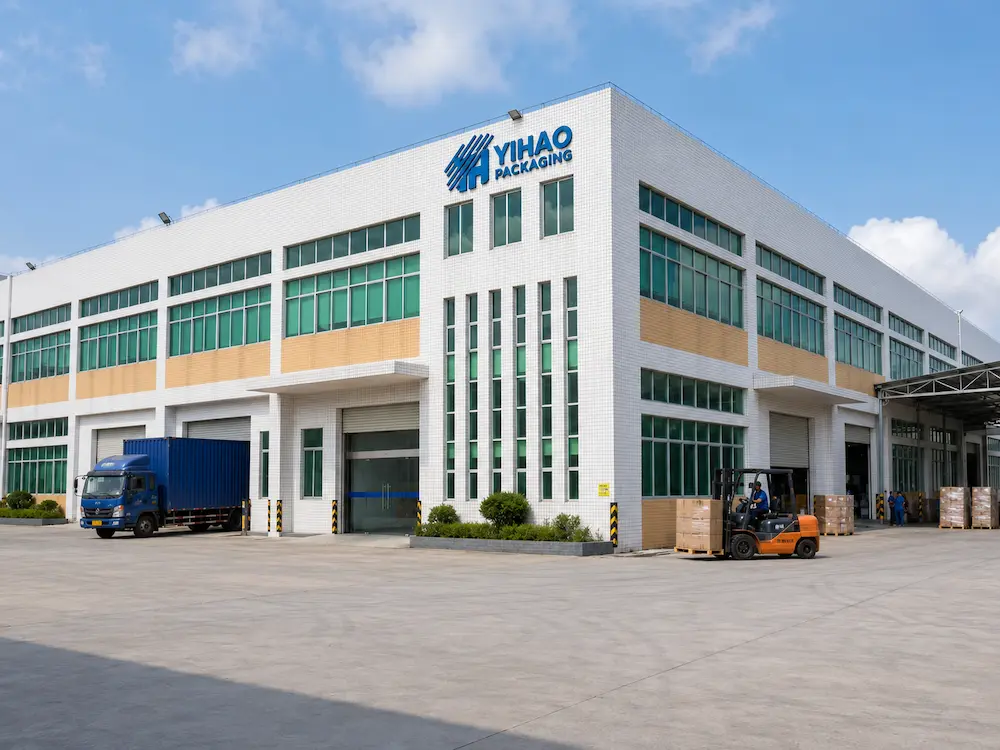
For better recommendations, buyers should prepare the following information before sending an inquiry:
- Food type and target application
- Expected portion size or fill weight
- Preferred shape: round, square, rectangular, or hinged clamshell
- Cold storage or retail display conditions
- Label placement requirement
- PET or rPET material direction
- Standard product or custom packaging need
- Estimated wholesale order plan
This information helps the supplier recommend a more practical packaging solution. For example, a fruit brand may need strong clarity and stacking. A supermarket deli counter may need square containers for space efficiency. A salad chain may need round PET containers for top-view presentation. A distributor may need a coordinated product range that covers several applications at once.
Final Note / Practical Takeaway
FAQ: PET Hinged Deli Containers
1. What are PET hinged deli containers used for?
PET hinged deli containers are used for chilled salads, deli sides, fresh-cut fruit, snacks, nuts, desserts, pasta salad, grain bowls, and grab-and-go meals. Their clear appearance supports retail display, while the hinged structure helps simplify filling, closing, and takeaway handling.
2. Are PET deli containers suitable for chilled food?
Yes. PET deli containers are commonly used for cold and chilled food applications such as salads, fruit, deli sides, snack packs, and desserts. Buyers should confirm the exact material, closure design, and intended use conditions with the supplier before placing wholesale orders.
3. Should I choose round PET deli containers or square PET deli containers?
Choose round PET deli containers for salads, grain bowls, fruit bowls, and premium chilled food presentation. Choose square PET deli containers when shelf efficiency, compact stacking, and organized retail display are more important. The final choice should be tested with the actual food product.
4. Can PET hinged deli containers be ordered wholesale?
Yes. PET hinged deli containers are commonly ordered wholesale by supermarkets, distributors, foodservice operators, cafes, salad brands, central kitchens, and packaging importers. Buyers should confirm size range, sample availability, carton packing, material direction, and repeat-order stability with the manufacturer or supplier.
5. How do I choose a reliable PET deli container supplier?
A reliable PET deli container supplier should provide consistent product quality, clear material communication, sample support, multiple size options, stable closure performance, and relevant experience in food packaging supply. Buyers should avoid suppliers that make unverified claims about certification, sustainability, MOQ, lead time, or performance.
6. What information should I send before requesting a quote?
Buyers should send food application, target portion size, container shape preference, material direction, label placement needs, sample requirements, and estimated wholesale demand. This helps the supplier recommend a more suitable PET deli container instead of only quoting by volume.
References
- U.S. Food and Drug Administration. Recycled Plastics in Food Packaging.
- U.S. Food and Drug Administration. Guidance for Industry: Use of Recycled Plastics in Food Packaging — Chemistry Considerations.
- European Union. Regulation (EU) 2025/40 on Packaging and Packaging Waste.
- The Association of Plastic Recyclers. APR Design Guide Overview.
- The Association of Plastic Recyclers. PET Thermoform Packaging Design Resource Document.
- National Association for PET Container Resources. 2024 PET Recycling Report.
- PET Resin Association. PET material information and packaging applications.
- YIHAO Packaging product category documentation for PET hinged deli containers, round PET deli containers, and square PET deli containers.
Deep-Dive Insights: How Buyers Should Think About PET Hinged Deli Containers
How do PET hinged deli containers improve chilled retail display?
PET hinged deli containers improve chilled retail display by keeping the food visible, organized, and easy to identify. Clear packaging helps shoppers evaluate freshness, portion size, color, ingredient mix, and value before purchase. This is especially useful for salads, fruit, deli sides, snacks, desserts, and grab-and-go meals.
Why do buyers compare round and square PET deli containers?
Buyers compare round and square PET deli containers because the format affects both food presentation and shelf planning. Round containers are strong for bowl-style meals and premium salad presentation. Square containers are strong for compact shelf arrangement, efficient stacking, and structured deli or snack display.
What should wholesale buyers test before ordering?
Wholesale buyers should test real fill volume, lid closure, stacking stability, label placement, refrigerated display appearance, and customer handling. A container should be tested with the actual food product instead of being approved only from empty samples or catalog photos.
Which option works better for salad programs?
For premium salad bowls, round PET deli containers often create stronger top-view appeal. For compact salad portions, deli sides, and space-efficient retail shelves, square PET deli containers may be more practical. The best option depends on the menu, shelf layout, portion size, and brand positioning.
What is the most important supplier consideration?
The most important supplier consideration is repeatable product reliability. Buyers should look for stable material clarity, consistent closure performance, coordinated size ranges, sample support, and honest communication about material, customization, and wholesale supply conditions.
Why does this product category support long-term procurement?
PET hinged deli containers support long-term procurement because they serve many chilled food categories under one packaging system. Salads, fruit, deli foods, snacks, desserts, and grab-and-go meals can often be managed through related clear PET packaging families, making it easier for buyers to build a consistent retail-ready packaging range.
© YIHAO Packaging. All rights reserved.