
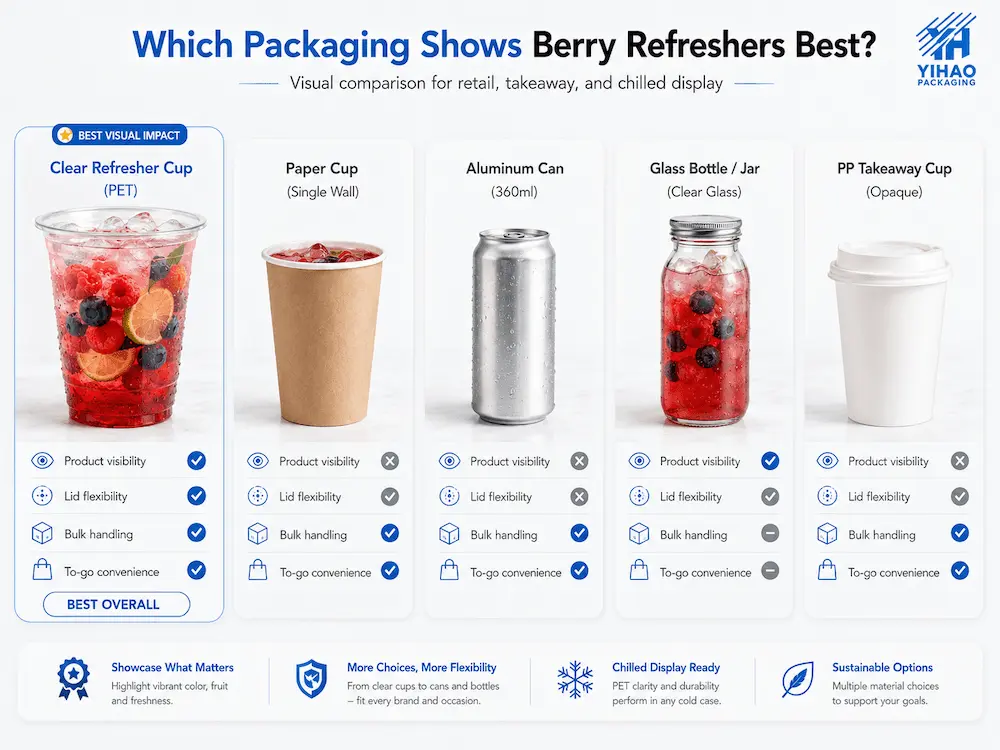
Berry refresher cups are no longer simple disposable drink cups. For cafes, juice bars, smoothie counters, beverage chains, convenience stores, supermarkets, foodservice distributors, and private-label beverage programs, the cup directly affects product presentation, menu value, lid compatibility, customer handling, and repeat purchasing efficiency.
A berry refresher often contains strawberry, raspberry, blueberry, blackberry, dragon fruit, acai, citrus, tea, lemonade, sparkling water, fruit puree, ice, foam, yogurt, plant milk, protein milk, or visible fruit pieces. These ingredients are visually strong. If the package hides the drink, the buyer loses one of the product’s biggest selling points. If the package looks cloudy, flexes too much, or mismatches the lid, the drink may look cheaper than the menu price.
That is why packaging buyers should compare berry refresher cups against alternative packaging by function, not only by unit price. A paper cup, bottle, deli container, or low-clarity plastic cup may work for some products, but it may fail when the drink needs transparency, topping space, shared-lid compatibility, and strong takeaway presentation.
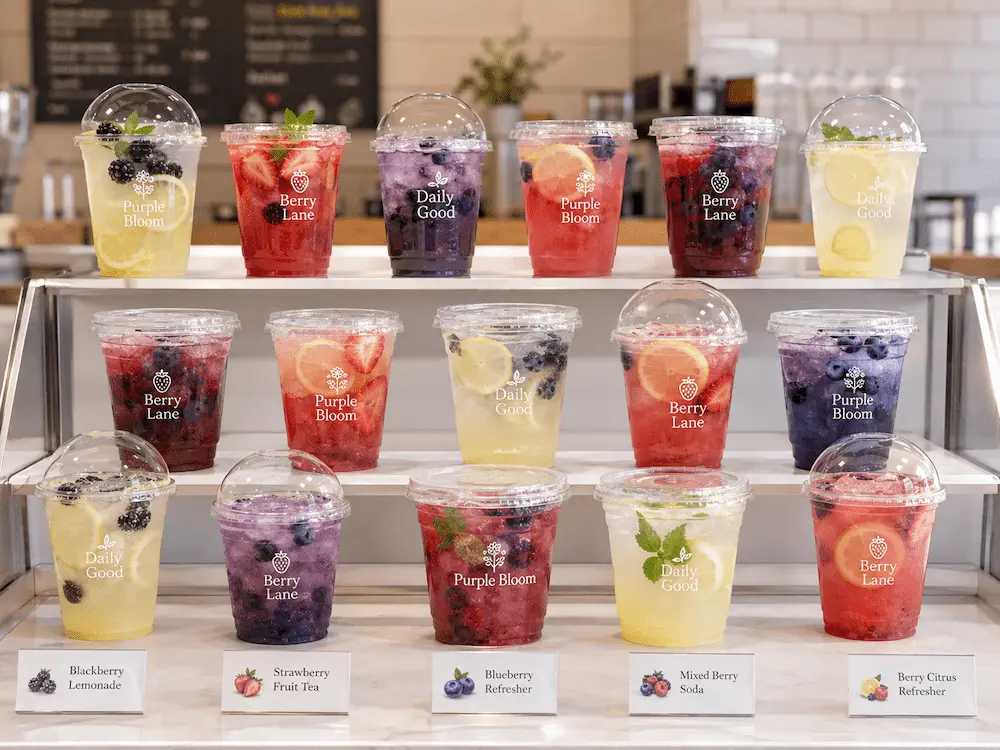
For cold beverage programs, the most practical starting point is a complete Cold Cups & Lids system. Buyers can then narrow the selection by material, diameter, capacity, lid style, and application.
Why Berry Refresher Cups Need Clear Packaging
Berry refreshers sell through color. A strawberry lemonade refresher, blackberry passion fruit refresher, raspberry iced tea, blueberry yogurt drink, acai refresher, berry protein smoothie, or sparkling berry drink all carry visual value. Customers see the color before they taste the drink. This matters in front-counter service, chilled display, delivery photos, online menus, and social media content.
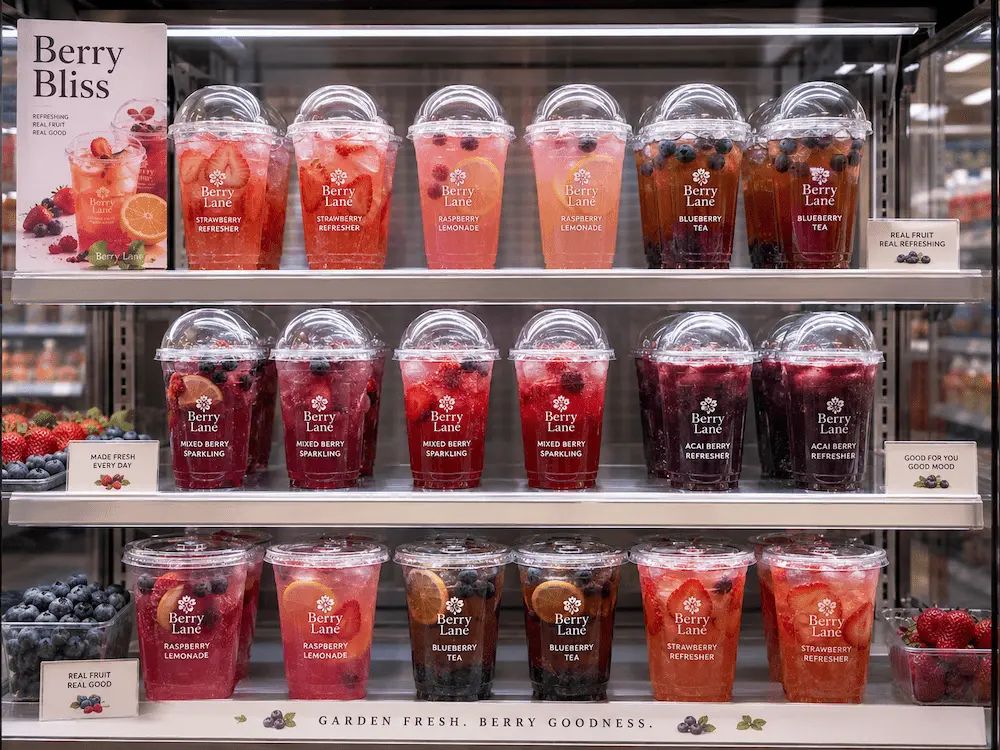
Clear packaging helps buyers show the drink’s core value: bright liquid color, ice level, fruit content, foam height, puree texture, layered ingredients, or topping quality. This is especially important for clear smoothie cups, acai drinks, fruit tea, matcha refreshers, flavored cold brew, sparkling fruit drinks, and protein beverages that compete in a premium cold drink category.
Paper cups, bottles, and opaque containers can still be useful, but they do not show the drink. For a visually driven cold beverage, that is a commercial disadvantage.
Berry Refresher Cups vs Paper Cups
Paper cups are common, printable, and familiar. They work well for hot drinks, basic cold drinks, brand-heavy printed cup programs, and situations where visibility is not important. However, they are not ideal for berry refresher cups when the drink relies on color and inclusions.
A paper cup hides berry color, fruit pieces, foam, ice, layers, and toppings. It also makes the beverage look similar to many other drinks. For a menu item that needs impulse appeal, clear PET/RPET cups usually create a stronger retail effect.
| Comparison Point | Clear Berry Refresher Cups | Paper Cups | Buyer Decision |
|---|---|---|---|
| Drink visibility | Shows color, fruit, ice, foam, and layers | Hides the drink | Clear cups win for visual menus |
| Branding | Can support printing or embossing while staying transparent | Strong full-surface printing | Paper wins for opaque brand artwork |
| Topping display | Works with dome lids and topping space | Less suitable for visible toppings | Clear dome lid cups win for smoothies and acai drinks |
| Best application | Refreshers, smoothies, fruit tea, lemonade, acai drinks | Hot drinks, basic cold drinks, printed cup campaigns | Choose by drink type, not only material |
For most berry-forward cold drinks, paper cups reduce the visual effect. Clear cups give buyers a more direct way to sell freshness, color, and premium drink structure.
Berry Refresher Cups vs Bottles
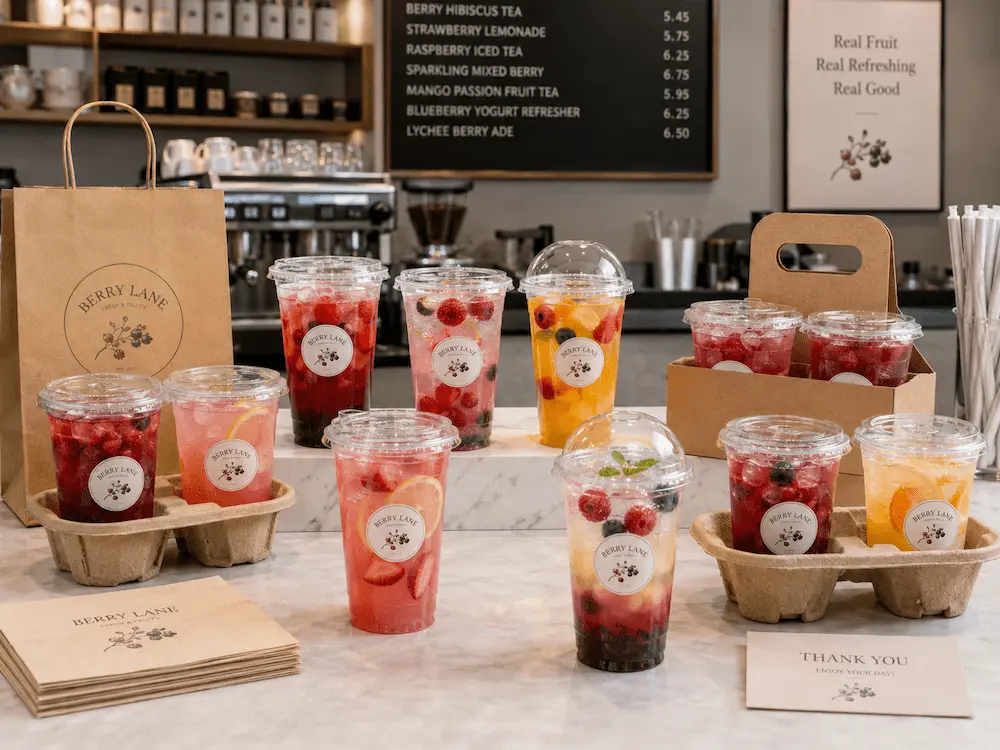
Bottles are useful for sealed ready-to-drink products. Cold-pressed juice, bottled lemonade, flavored water, and prefilled retail drinks may work well in bottles because the product is filled, sealed, stored, and sold as a finished beverage.
However, bottles are limited for fresh-made refreshers and blended drinks. A narrow opening makes bottles less suitable for fruit cubes, ice, boba, foam, whipped topping, yogurt layers, acai texture, granola, or spoonable smoothie-style drinks. Bottles also limit the use of flat lids, dome lids, and strawless sipper lids.
For small refresher portions, juice, lemonade, matcha, and light chilled drinks, PET/RPET clear cold cups for juice, lemonade, matcha, and refreshers give buyers better drink visibility and faster counter service than bottles.
Berry Refresher Cups vs Generic Plastic Cups
Generic plastic cups may look similar at first, but buyers should not treat all clear cups as equal. A weak cup can flex too much. A cloudy cup can reduce drink value. A poor rim can create lid mismatch. A cup without a stable shared-lid system can increase operational errors during rush hours.
For B2B buyers, a reliable berry refresher cups program should be evaluated by transparency, rim consistency, cup strength, stacking performance, compatible lid options, carton logic, and long-term supply stability.
This is where a structured PET Cold Cups category becomes more useful than random cup sourcing. PET/RPET cold cup systems are designed around drink visibility, takeaway service, and lid matching.
Berry Refresher Cups vs Deli Containers
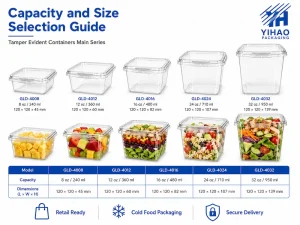
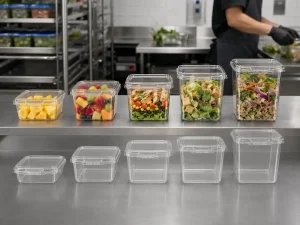
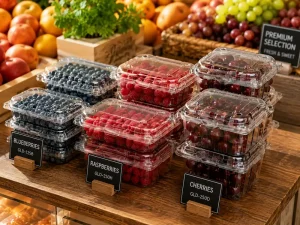
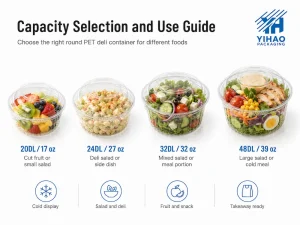
Deli containers work well for fresh-cut fruit, salads, yogurt parfaits, chilled snacks, and ready-to-eat food portions. They are not wrong packaging. They are simply designed for a different consumption style.
A deli container is useful when the customer eats with a fork or spoon. A berry refresher cup is better when the customer drinks from the package, carries it through takeaway service, or expects a beverage-style lid. For acai bowls, yogurt parfaits, fruit snacks, or cold dessert cups, deli containers may still be the better format. For berry lemonade, iced tea refreshers, smoothies, protein drinks, and cold foam beverages, clear cold cups are more natural.
| Product Type | Better Packaging Format | Reason |
|---|---|---|
| Berry lemonade refresher | Clear cold cup | Drinkable format with strong color visibility |
| Acai smoothie with toppings | Dome lid cup | Needs extra top space and premium display |
| Fresh berry fruit cup | Deli container or clear food cup | Designed for spoon/fork eating |
| Protein berry smoothie | Clear smoothie cup | Needs capacity, grip, and lid compatibility |
| Yogurt parfait | Deli container or dome lid cup | Depends on whether it is sold as food or drink |
How Smoothie Cups, Protein Drink Cups, and Acai Refresher Cups Differ
Smoothie cups, protein drink cups, and acai refresher cups often overlap with berry refresher cups, but they are not always the same buying decision.
A thin berry refresher usually needs a clear cup and a flat lid or strawless sipper lid. A smoothie cup must handle thicker texture, blended ice, puree, yogurt, or fruit pulp. A protein drink cup may need a larger serving size, stronger hand feel, and a lid style that supports fast drinking after exercise or during work. An acai refresher cup may need dome lid space for berries, granola, foam, whipped topping, or fruit pieces.
For this reason, buyers should choose the lid and cup size after defining the drink texture.
| Drink Category | Texture | Recommended Cup Direction | Recommended Lid Direction |
|---|---|---|---|
| Berry refresher | Thin, iced, colorful | Clear PET/RPET cup | Flat lid or strawless sipper lid |
| Smoothie | Thick, blended, fruit-based | Clear smoothie cup, medium or large size | Dome lid or flat lid depending on toppings |
| Protein drink | Thin to thick, functional beverage | 16 oz, 20 oz, or 24 oz clear cup | Flat lid, strawless lid, or dome lid |
| Acai refresher | Layered, thick, topping-friendly | Clear cup with enough headspace | Dome lid |
| Cold foam berry drink | Liquid base with foam top | Clear cup to show foam contrast | Dome lid or sip-through lid |
For these drink types, buyers should not only ask “What is the cheapest cup?” They should ask “Which cup-and-lid system protects the drink’s menu value?”
Flat Lid vs Dome Lid vs Strawless Sipper Lid
The lid changes the whole package. A cup without the right lid is not a complete beverage packaging solution. For berry refresher cups, lid selection should follow drink texture, topping height, drinking method, and service speed.
Flat Lids for Standard Refreshers
Flat lids are suitable for iced tea, lemonade, juice, fruit tea, cold brew, sparkling fruit drinks, and standard berry refreshers served with a straw. They are efficient for high-volume takeaway counters and simple beverage menus.
For this format, buyers can consider clear PET flat lids with straw slot for iced coffee, lemonade, juice, and cold brew.
Dome Lids for Smoothies and Toppings
Dome lids are best when the drink needs extra top space. This includes smoothies, milkshakes, whipped cream drinks, fruit yogurt beverages, foam-topped refreshers, acai drinks, and dessert-style beverages. The raised lid helps prevent toppings from being pressed down and improves the visual shape of the drink.
For these drinks, clear PET dome lids for smoothies, milkshakes, foam-topped drinks, and fruit yogurt beverages are a more relevant match than standard flat lids.
Strawless Sipper Lids for Direct Drinking
Strawless sipper lids are suitable for drinks designed for direct sipping. They work well for iced coffee, iced tea, juice, lemonade, fruit tea, sparkling lemonade, and refreshers where a cleaner on-the-go experience is preferred.
For direct-drink refresher programs, clear PET strawless sipper lids for refreshers, iced tea, juice, and sparkling lemonade help buyers build a straw-reduced drink format.
How Cup Size Changes Buyer Decisions
Cup size should follow menu strategy. A small drink works for sampling, kids’ portions, small juice, or controlled-price refreshers. A standard size supports daily cafe and juice bar service. Larger sizes support smoothies, acai drinks, milk tea, protein beverages, cold brew, and value-sized promotions.
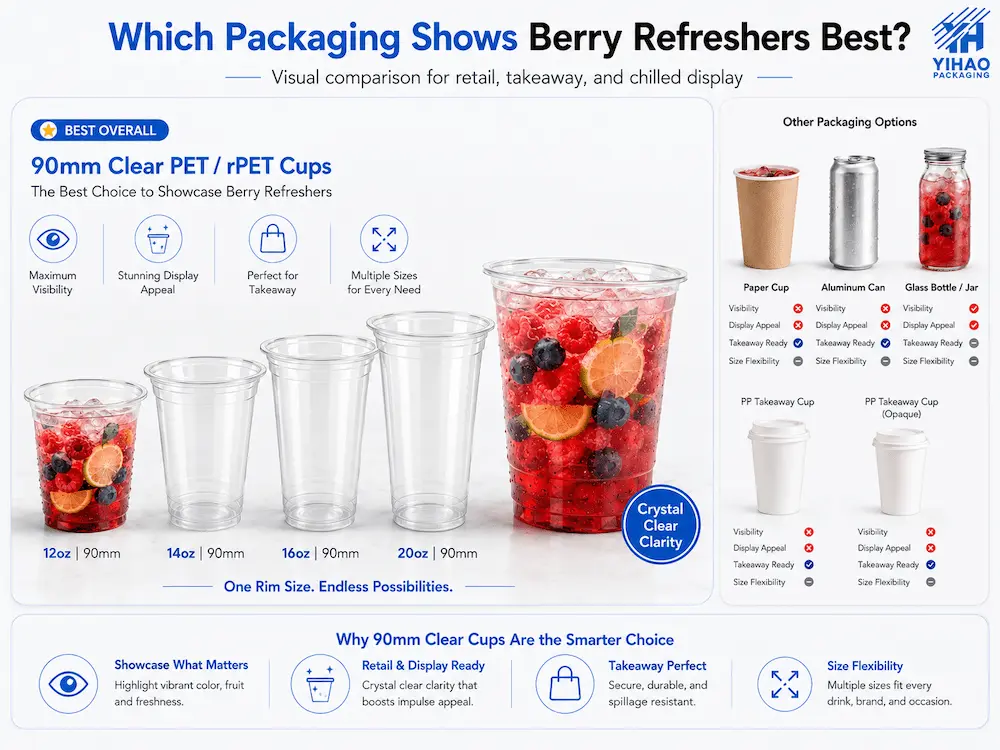
For standard refresher menus, PET/RPET clear cold cups for matcha refreshers, lemonade, and iced coffee are a balanced choice. For larger smoothie and protein drink programs, PET/RPET clear cold cups for smoothies, iced coffee, lemonade, and milk tea provide more menu flexibility. For oversized cold drinks, PET/RPET clear cold cups for smoothies, lemonade, iced coffee, and juice fit larger beverage servings.
| Cup Size | Best Use | Typical Drink Examples | Buyer Note |
|---|---|---|---|
| 12 oz | Small refreshers and juice portions | Lemonade, matcha refresher, tasting drinks | Good for controlled serving size |
| 16 oz | Standard cold drink menu | Berry refresher, iced tea, iced coffee, fruit tea | Balanced size for cafes and juice bars |
| 20 oz | Upsized beverage service | Smoothies, protein drinks, milk tea, large refreshers | Strong for premium cold drink programs |
| 24 oz | High-capacity cold drinks | Acai drinks, large smoothies, lemonade, juice | Best when volume is part of menu value |
Material Comparison: PET, RPET, PP, PLA, Paper, and Bottles
Material choice should be practical. For clear cold drink packaging, PET and RPET are usually the strongest fit because they deliver high transparency, good appearance, and cup-and-lid compatibility for chilled beverage service.
RPET gives buyers a recycled-material direction when the material source, food-contact suitability, and target market requirements are aligned. Buyers should avoid vague sustainability claims and confirm food-contact use, local recycling acceptance, and labeling rules before making environmental statements.
| Material / Format | Strength | Limitation | Best Fit |
|---|---|---|---|
| PET clear cups | High clarity, strong drink display, common cold cup direction | Not for hot-fill use unless specified | Berry refreshers, smoothies, iced coffee, lemonade |
| RPET clear cups | Recycled-material positioning with clear presentation | Requires confirmed food-contact suitability and supply consistency | Retail and foodservice buyers with sustainability goals |
| PP cups | Useful in some beverage and foodservice formats | Usually less crystal-clear than PET | Programs where clarity is not the main selling point |
| PLA cups | Compostable-positioned material direction | Depends heavily on accepted composting infrastructure | Markets with verified composting channels |
| Paper cups | Printable and familiar | Hides drink color and texture | Hot drinks or low-visibility beverages |
| Bottles | Sealed ready-to-drink format | Poor fit for toppings, foam, fruit pieces, and thick drinks | Juice, flavored water, prefilled beverages |
For berry refresher cups, the best material direction is usually clear PET or RPET. The drink needs visibility, and the packaging must support cup-lid matching, takeaway handling, and menu presentation.
Food Contact and Recycling Claims Buyers Should Check
Food-contact packaging requires careful language. Buyers should confirm that the material is suitable for the intended food or beverage contact condition. For cold cups, this includes temperature, duration of contact, beverage type, and whether the cup is for single-use foodservice packaging.
For recycled plastic packaging, buyers should be even more careful. RPET can be valuable, but buyers should confirm whether the recycled material and recycling process are appropriate for food-contact applications in the target market. Sustainability language should be specific, accurate, and not exaggerated.
Recyclability claims should also be local-market aware. A PET cup may be technically recyclable as a material direction, but real recovery depends on collection, sorting, local recycling infrastructure, labeling, and acceptance of PET thermoforms such as cups and lids. A stronger claim is usually more precise: “recyclable where local PET recycling systems accept this package.”
Wholesale Buyer Testing Checklist
Before ordering berry refresher cups in bulk, buyers should test real drinks, not empty cups only. A cup may look acceptable in a catalog but fail when filled with ice, fruit puree, protein blend, cold foam, or toppings.
| Testing Item | What to Test | Why It Matters |
|---|---|---|
| Clarity test | Fill with berry refresher, lemonade, acai drink, or smoothie | Confirms whether the cup improves drink presentation |
| Rim fit test | Match the actual flat lid, dome lid, or strawless lid | Prevents cup-lid mismatch in daily service |
| Leak direction test | Check handling, tilt, delivery movement, and condensation | Supports takeaway and delivery confidence |
| Stacking test | Test cup nesting, lid stacking, and back-counter storage | Improves warehouse and counter efficiency |
| Grip and strength test | Fill with ice and thick drinks, then test hand pressure | Reduces weak-cup complaints |
| Topping clearance test | Use foam, whipped topping, fruit cubes, granola, or acai layer | Confirms whether dome lids are necessary |
| Menu size test | Compare 12 oz, 16 oz, 20 oz, and 24 oz | Matches cup size with price tier and drink type |
| Branding test | Check logo printing, sleeve, label, or embossed design | Supports retail recognition and brand consistency |
This testing process helps buyers avoid one of the most common packaging mistakes: buying cups and lids separately, then discovering they do not perform well together.

Why a Shared-Lid System Matters for Wholesale Buyers
A shared-lid system is one of the biggest advantages for wholesale beverage packaging. When multiple cup sizes use the same lid diameter within one series, buyers reduce SKU confusion, simplify stock control, improve packing speed, and lower the risk of front-counter mismatch.
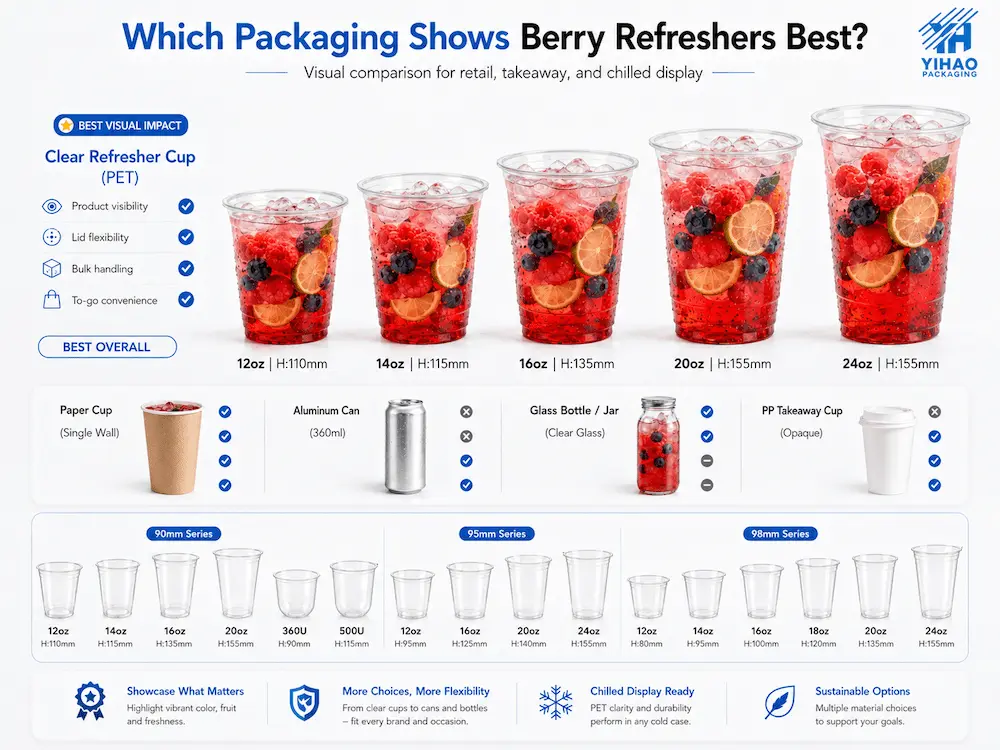
YIHAO supports 95mm and 98mm clear PET/RPET cold cup and lid series. The 95mm direction commonly covers 12 oz, 16 oz, and 20 oz options, while the 98mm direction can support a broader capacity range such as 12 oz, 14 oz, 16 oz, 18 oz, 20 oz, 22 oz, and 24 oz depending on the cup profile. Matching lid directions include flat lids, dome lids, strawless sipper lids, and sip-through lid styles.
This matters because a buyer can build one packaging family for refreshers, smoothies, protein drinks, iced coffee, lemonade, juice, fruit tea, milk tea, sparkling drinks, yogurt drinks, and acai beverages instead of sourcing unrelated cups from different suppliers.
Manufacturer vs Trading Supplier: What Buyers Should Compare
A trading supplier may be useful for one-time sourcing, but a manufacturer gives buyers better control over product development, matching logic, and repeat order consistency. For berry refresher cups, this is important because the cup and lid must function together.
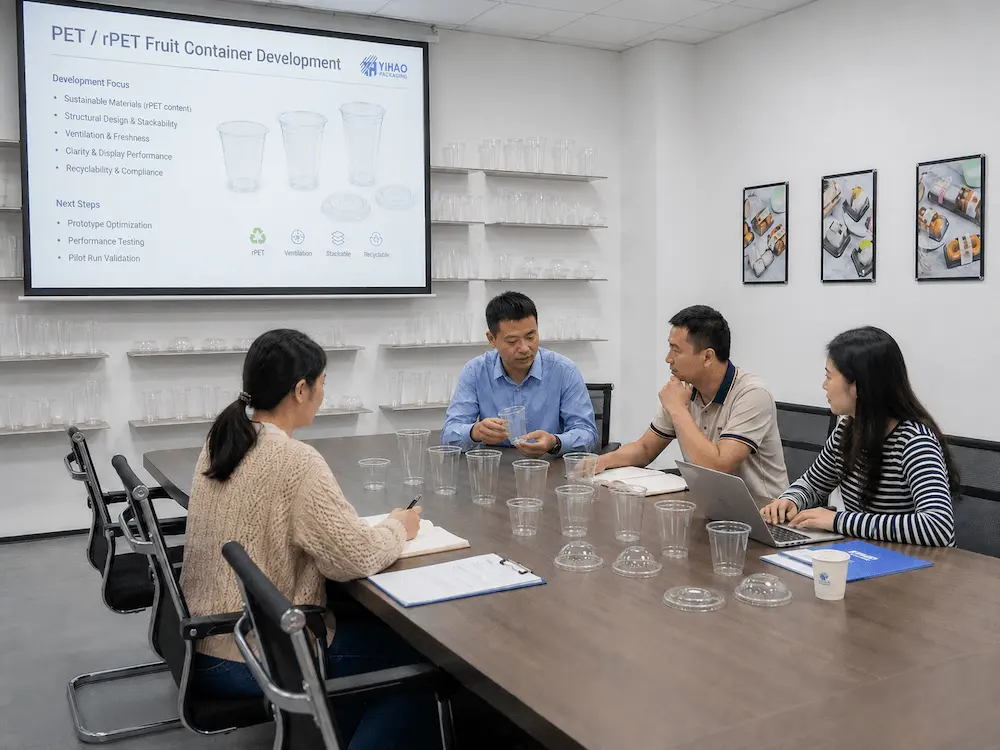
As a food packaging manufacturer and solution provider, YIHAO supports cold drink packaging buyers who need wholesale cup-and-lid systems for cafes, beverage chains, distributors, supermarkets, foodservice teams, and customized beverage programs.
The advantage is not only price. The advantage is packaging logic. Buyers can compare cup diameter, lid compatibility, material direction, size range, application category, branding option, packing efficiency, and long-term supply direction in one system.

For buyers who want to understand production background, supplier capability, and packaging development direction, the YIHAO factory page is a stronger next step than only browsing product pages.
Best Packaging Decision by Buyer Type
| Buyer Type | Best Packaging Direction | Reason |
|---|---|---|
| Cafe or juice bar | 16 oz and 20 oz clear PET/RPET cups with flat and dome lids | Covers daily refreshers, smoothies, iced coffee, and lemonade |
| Smoothie shop | 20 oz and 24 oz clear smoothie cups with dome lids | Supports thick texture and topping space |
| Protein beverage brand | 16 oz, 20 oz, or 24 oz cups with flat or strawless lids | Matches functional drinks and on-the-go consumption |
| Acai refresher counter | Clear cups with dome lid options | Supports fruit, granola, foam, and layered presentation |
| Distributor | Shared-lid cup series | Simplifies inventory and repeat wholesale supply |
| Supermarket or convenience store | Clear cups with stable stacking and strong visibility | Improves chilled display and grab-and-go appeal |
When Alternative Packaging Is Still the Better Choice
Clear cups are not always the answer. Bottles are better for sealed ready-to-drink products. Paper cups are better for hot drinks or fully printed brand campaigns. Deli containers are better for fruit cups, yogurt parfaits, salad snacks, and spoonable foods. Tamper-evident containers may be better when closure integrity is more important than beverage-style drinking.
However, for visually colorful, fresh-made, cold beverage programs, berry refresher cups usually provide the strongest balance of presentation, lid choice, portion control, and takeaway convenience.
Practical Recommendation for Buyers
If the drink is thin, colorful, and served with ice, choose a clear PET/RPET cup with a flat lid or strawless sipper lid. If the drink is thick, topped, foamed, or layered, choose a clear cup with a dome lid. If the drink is a functional protein beverage, test cup strength, grip, lid opening, and serving size before bulk ordering. If the product is an acai refresher with fruit or granola, prioritize topping clearance and display height.
Buyers building a full beverage packaging program should start from YIHAO packaging solutions, review the Cold Cups & Lids category, compare PET Cold Cups, and then match the right Cold Cup Lids.
The best packaging decision is not simply “clear cup or alternative package.” The best decision is a complete cup-and-lid system that fits the drink, the menu, the operation, and the wholesale supply plan.
FAQ
1. What are berry refresher cups?
Berry refresher cups are clear cold drink cups used for berry-based refreshers, lemonade, fruit tea, smoothies, protein drinks, acai refreshers, and colorful chilled beverage menus.
2. Are berry refresher cups the same as smoothie cups?
They can use similar clear PET/RPET cup formats, but smoothie cups often need larger sizes and dome lids because smoothies are thicker and may include toppings.
3. What lid is best for acai refresher cups?
Dome lids are usually best for acai refresher cups because they provide extra top space for fruit, foam, whipped topping, granola, or thicker acai layers.
4. What size cups do cafes use for berry refreshers?
Many cafes use 16 oz for standard berry refreshers, 20 oz for larger drinks, and 24 oz for premium smoothies, acai beverages, or high-capacity cold drink menus.
5. Are PET cups good for protein drinks?
Yes. Clear PET cups work well for chilled protein drinks when the cup has enough capacity, strength, and lid compatibility for the drink texture and serving style.
6. Are RPET berry refresher cups recyclable?
RPET is a recycled PET material direction, but actual recyclability depends on local collection, sorting, and PET recycling acceptance. Buyers should use market-specific recycling claims.
7. Should wholesale buyers choose a manufacturer or supplier?
A manufacturer is usually better when buyers need consistent cup-lid matching, size development, wholesale supply stability, branding options, and long-term packaging support.
Final Note / Practical Takeaway
References
- U.S. Food and Drug Administration, Recycled Plastics in Food Packaging.
- U.S. Food and Drug Administration, Guidance for Industry: Use of Recycled Plastics in Food Packaging: Chemistry Considerations.
- U.S. Environmental Protection Agency, Plastics: Material-Specific Data.
- Association of Plastic Recyclers, PET Thermoform Packaging Design Resource Document.
- Associated Press, McDonald’s latest fast food beverage expansion report.
- MartinBauer, Bold Sips Ahead: 2025 Beverage Trends.
- YIHAO Internal Product Link Library, Cold Cups & Lids URLs.
- YIHAO 95mm / 98mm PET Cold Cup and Lid Series Product Documentation.
Deep-Dive Insights
Buyer Insight: Berry refresher cups should be selected as part of a complete cold beverage packaging system, not as a single disposable cup item. The best choice depends on drink visibility, cup clarity, lid compatibility, topping height, portion range, wholesale supply stability, and whether the same cup-and-lid family can support refreshers, smoothies, protein drinks, acai beverages, iced coffee, lemonade, and fruit tea.
How should buyers compare berry refresher cups with alternative packaging?
Buyers should compare packaging by drink function first. Paper cups are useful for brand printing but hide the beverage. Bottles work for sealed ready-to-drink products but limit toppings, foam, ice, and thick textures. Deli containers are better for spoonable foods such as fruit cups or yogurt parfaits. For colorful cold beverages, clear PET/RPET berry refresher cups provide stronger visual merchandising, faster counter service, and better lid-matching flexibility.
Why do clear smoothie cups and refresher cups perform better for visual drinks?
Clear cups allow customers to see berry color, fruit pieces, ice level, foam, puree, acai layers, and drink texture before purchase. This visibility supports premium menu positioning, especially for refreshers, smoothie cups, protein drink cups, fruit tea, matcha drinks, flavored cold brew, and sparkling fruit drinks. When the drink looks fresh, colorful, and well-layered, the package becomes part of the sales presentation.
What lid choice creates the biggest practical difference?
Lid choice changes the entire packaging experience. Flat lids are efficient for iced tea, lemonade, juice, cold brew, and standard berry refreshers. Dome lid cups are better for smoothies, acai refreshers, whipped toppings, fruit yogurt drinks, and cold foam beverages because they provide extra headspace. Strawless sipper lids are useful for direct-drinking refreshers, sparkling lemonade, iced tea, juice, and on-the-go cold beverages.
What should wholesale buyers test before bulk ordering?
Wholesale buyers should test filled cups, not empty samples only. A practical test should include clarity, rim fit, lid sealing direction, stacking performance, hand grip, cup strength with ice, topping clearance, condensation handling, carton efficiency, and whether the selected cup sizes match the menu’s price tiers. This is especially important when one supplier provides cups and another supplier provides lids, because mismatched rims create daily service problems.
Why does a manufacturer-supported cup-and-lid system matter?
A manufacturer-supported system helps buyers reduce sourcing risk. Instead of purchasing random cups, flat lids, dome lids, and strawless lids from separate suppliers, buyers can build a matched packaging family with consistent diameter logic, cup size range, material direction, and repeat order stability. For cafes, beverage chains, distributors, supermarkets, and foodservice programs, this improves inventory control and strengthens long-term packaging reliability.
What is the practical takeaway for berry refresher cup selection?
The best packaging choice for berry refresher cups is usually a clear PET/RPET cold cup with the correct matching lid. Thin refreshers work well with flat lids or strawless sipper lids. Thick smoothies, acai refreshers, protein blends, whipped toppings, and foam-topped beverages perform better with dome lids. For B2B buyers, the strongest decision is not simply choosing a cup; it is choosing a complete cold beverage packaging system that supports visibility, function, wholesale supply, and customer experience.
© YIHAO Packaging. All rights reserved.
This article is prepared for packaging buyers, distributors, foodservice brands, and cold beverage packaging decision-makers.
Content may be updated to reflect product range, material options, packaging applications, and market requirements.