Best Anti Fog Fruit Containers for Retail Display, Takeaway, and Chilled Food
Anti fog fruit containers are becoming more important for supermarkets, cafes, fresh-cut fruit processors, distributors, and foodservice brands because chilled food needs to stay visible before purchase. A clear container loses much of its value when the lid becomes cloudy, wet-looking, or difficult to see through. For fruit packaging, visibility is not decoration. It is part of the buying decision.
Fresh fruit, cut fruit, fruit-and-nut packs, chilled snacks, and takeaway food are often sold in refrigerated or humid environments. Temperature changes, food moisture, cold-case lighting, and handling conditions can create condensation on clear lids. When that happens, shoppers may struggle to judge color, portion size, cut quality, and freshness perception.
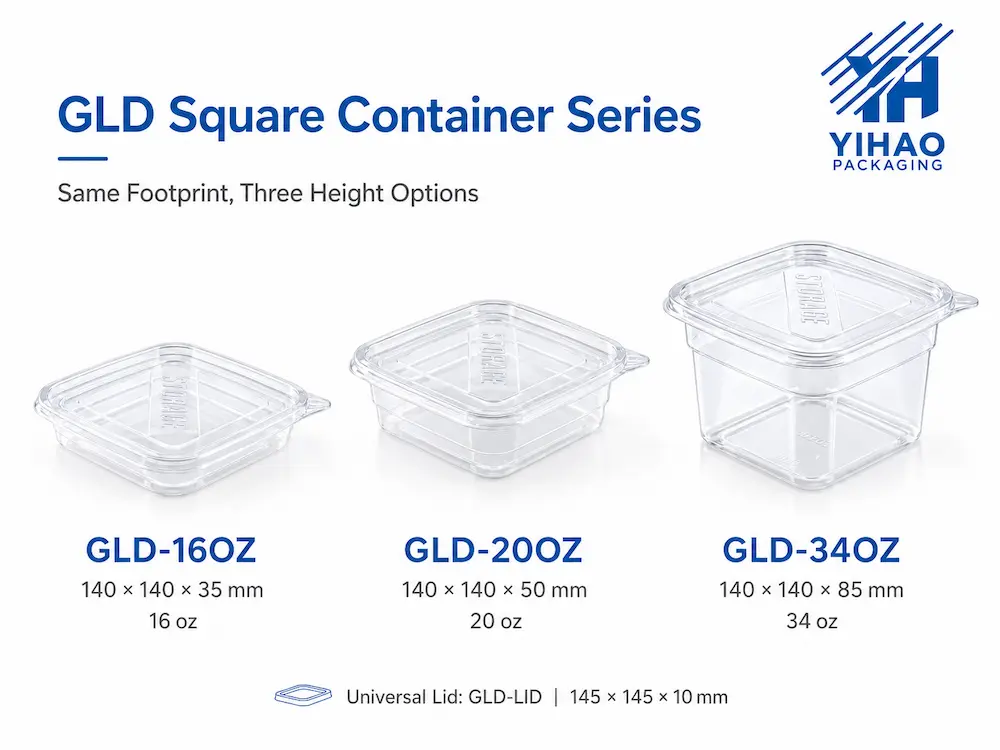
YIHAO is a food packaging manufacturer and solution provider focused on clear PET and rPET packaging for fresh produce, fruit, salads, deli foods, bakery items, chilled snacks, and retail-ready food packaging. This guide explains how buyers can compare anti fog fruit containers for retail display, takeaway, and chilled food before choosing a manufacturer, wholesale supplier, or custom packaging partner.
What Are Anti Fog Fruit Containers?
Anti fog fruit containers are clear packaging formats designed to reduce fogging on the lid or transparent surface when the packed food is exposed to cold, humidity, or temperature changes. In fruit packaging, this usually means using a clear PET container, lid, or film that helps maintain better visibility under refrigerated display conditions.
The purpose is simple: shoppers should be able to see the food. For fresh-cut fruit, berries, grapes, melon cubes, apple slices, mixed fruit, fruit-and-nut portions, and chilled snack packs, a clear view supports trust. If the product looks hidden behind fog, the pack may appear less fresh even when the food is still within its intended selling period.
Anti-fog performance is not a universal guarantee. It depends on the container material, lid structure, anti-fog treatment, temperature difference, humidity, food moisture, storage time, and handling route. Buyers should always test samples with the actual food and real cold-chain conditions before placing wholesale orders.
Why Anti-Fog Packaging Matters for Retail Display
Retail display is visual. Shoppers often decide quickly, especially in refrigerated cases and grab-and-go sections. A clear lid gives them confidence because they can see the fruit color, surface condition, portion amount, and overall cleanliness. A foggy lid creates hesitation.
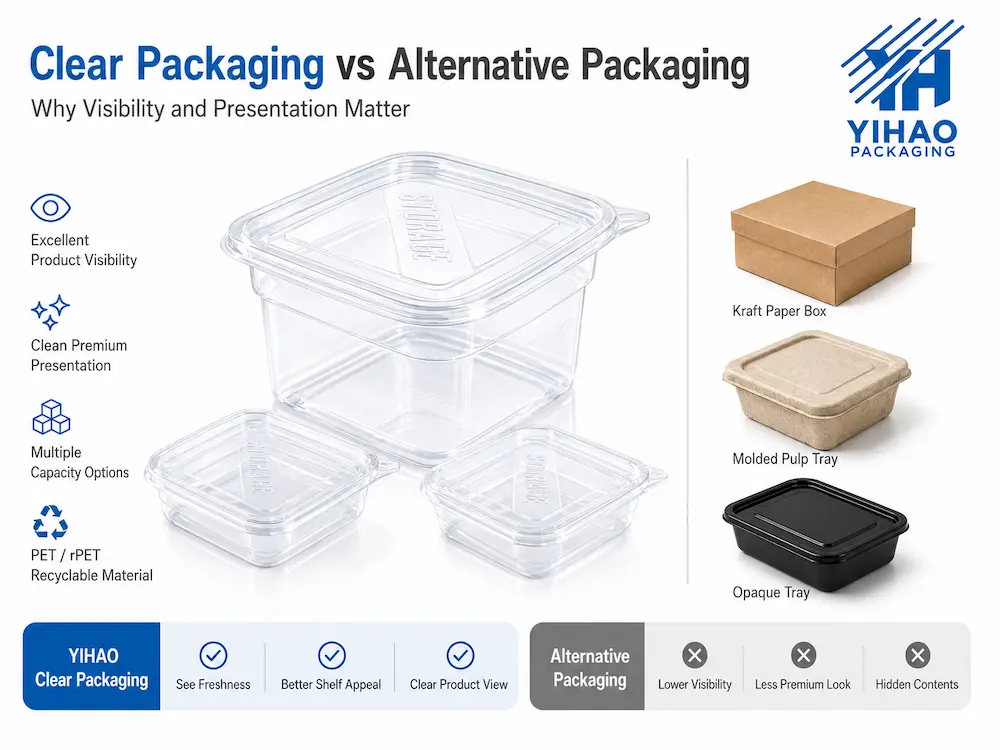
Clear produce packaging works best when the product remains easy to inspect. Anti-fog design supports this by reducing one of the biggest display problems in chilled produce packaging: condensation that blocks the view.
For supermarkets, anti-fog packaging can help maintain a cleaner shelf appearance. For cafes, it can make takeaway fruit cups and snack packs look more premium. For distributors, it helps protect presentation through storage and delivery. For foodservice buyers, it improves the product’s appearance at the moment of handoff or self-service display.
How Anti Fog Fruit Containers Support Shelf Life Packaging
Shelf life packaging should not be understood as packaging that guarantees longer freshness by itself. Food quality depends on product condition, processing, sanitation, temperature control, transport, storage, and retail handling. Packaging is one part of this larger system.
However, anti-fog packaging supports shelf life goals in a practical way. It helps keep the product visible, helps reduce poor shelf presentation, and supports buyer confidence during the intended display period. In many retail environments, product appearance is closely tied to perceived freshness.
For fresh-cut fruit, packaging must handle moisture presentation carefully. The container should not make the fruit look wet, old, or hidden. For berries and small produce, packaging should protect the product while keeping it easy to inspect. For chilled snack packs, the lid should stay clear enough for quick purchase decisions.
Fresh Produce Packaging Design and Anti-Fog Performance
Fresh produce packaging design should consider both the food and the display environment. Packaging that works for dry bakery items may not work for wet fruit. Packaging that works for whole berries may not work for cut melon or mixed fruit snacks.
Good anti-fog fruit packaging starts with the product type. Whole produce, fresh-cut fruit, mixed fruit, fruit-and-nut packs, and chilled desserts all release or respond to moisture differently. Buyers should review the food’s water content, cut surface area, fill weight, storage temperature, expected display time, and lid style.
Anti-fog performance also depends on structure. A lid with the wrong clearance can trap moisture. A container that is overfilled may press fruit too close to the lid. A weak lid may deform during stacking. A poorly placed label may block the clearest part of the package. These issues are design problems, not only material problems.
PET Fruit Container Design for Anti-Fog Applications
PET fruit container design is especially relevant for anti-fog packaging because PET is widely used for clear refrigerated food packaging. PET offers strong clarity, lightweight handling, good rigidity, and retail-friendly product display. These qualities make it practical for fresh produce, fresh-cut fruit, chilled snacks, and takeaway food.
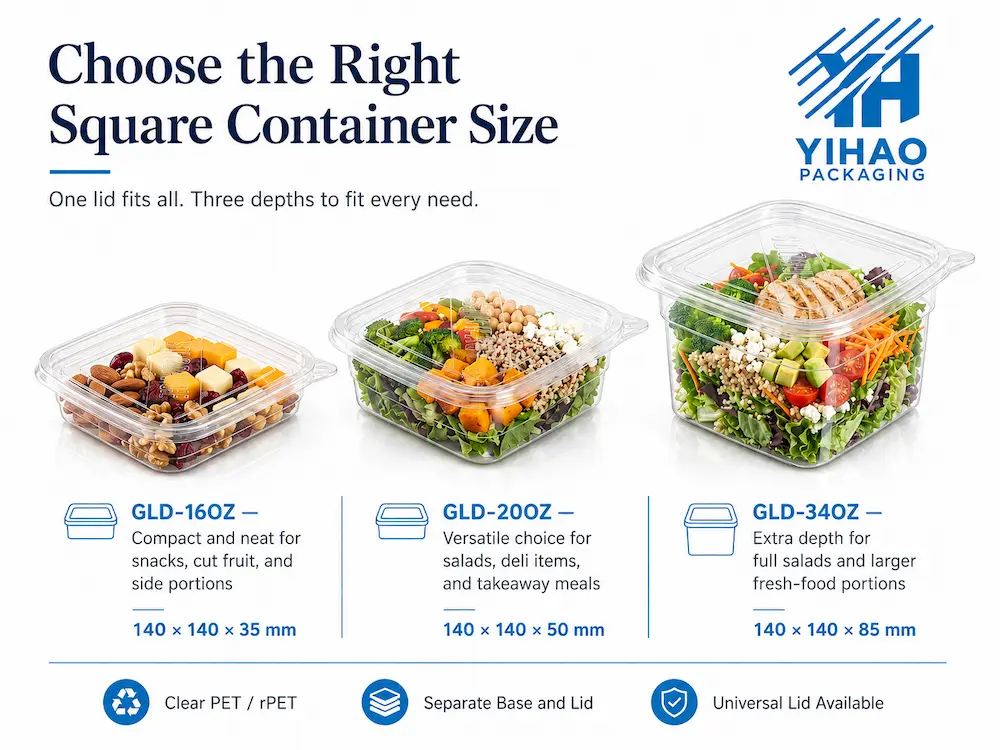
For small fruit and delicate produce, produce clamshell containers provide a practical balance of clear visibility, lid protection, and shelf-ready handling. When anti-fog performance is needed, buyers should check whether the lid, film, or surface treatment is suitable for the expected refrigerated environment.
For fruit snack programs, anti-fog compartment fruit packaging can help separate different food portions while keeping the product visible in chilled display. The visible anchor remains general, while the product link supports buyer conversion.
Best Use Cases for Anti Fog Fruit Containers
Fresh-Cut Fruit for Supermarkets
Fresh-cut fruit is one of the strongest applications for anti-fog packaging. Once fruit is cut, shoppers expect the pack to look clean, fresh, colorful, and ready to eat. Fogging can make the fruit look less appealing and reduce the value of clear packaging.
Fresh-cut fruit containers are commonly used for sliced fruit, mixed fruit, melon portions, apple slices, grapes, and chilled retail packs. When refrigerated display is part of the sales channel, anti-fog lid performance becomes a strong buying consideration.
Fruit-and-Nut Snack Packs
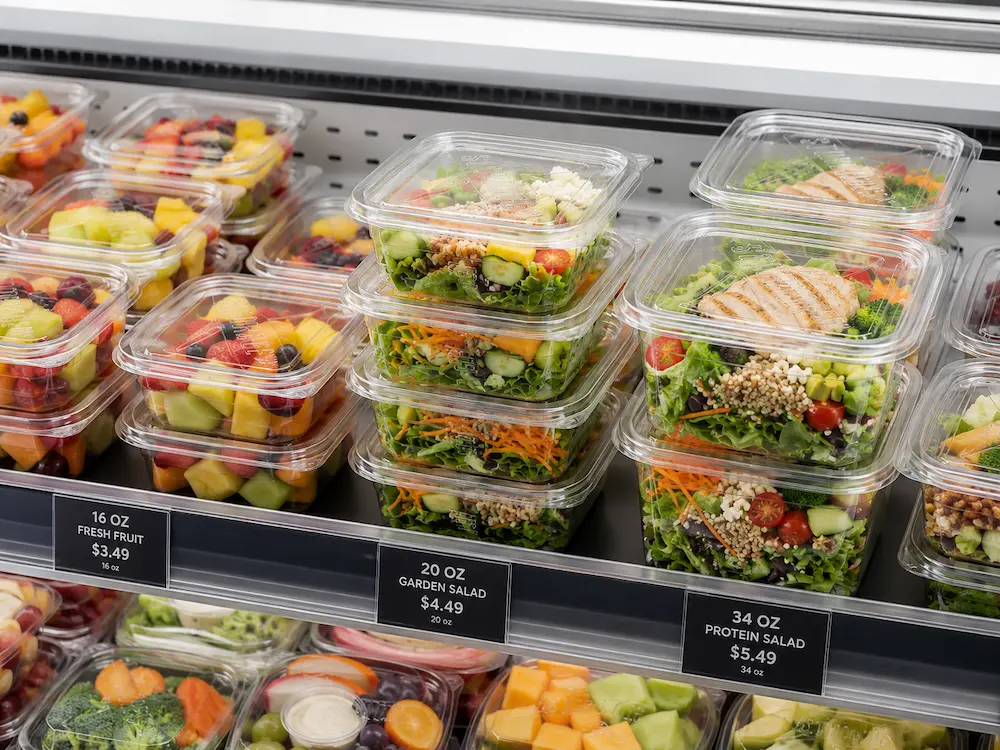
Fruit-and-nut snack packs need clean separation and good visibility. Wet fruit and dry snacks should not mix too much, and the package should look organized in a grab-and-go display. A foggy lid makes the product harder to understand quickly.
For mixed snack programs, compartment fruit snack packaging can support better separation and a clearer product presentation. This is useful for retail, school, office, café, and convenience-store channels.
Berries and Small Produce
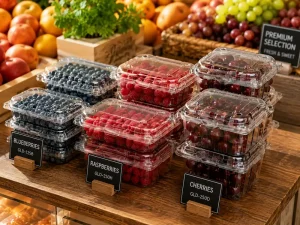
Berries need packaging that protects delicate fruit while keeping the product visible. Blueberries, strawberries, blackberries, raspberries, grapes, cherry tomatoes, and similar produce may be sold in cold cases where condensation can affect the lid or container surface.
For small fruit applications, vented berry packaging can help buyers compare a more application-specific structure for airflow, display, and handling. Anti-fog needs should still be tested based on the actual storage and display route.
Takeaway Fruit Cups and Cafe Packs
Cafes and takeaway brands need packaging that works for quick purchase, short-term display, and easy handling. Customers want to see the fruit before buying. A clear lid can support this, but only if it does not become foggy during display or transport.
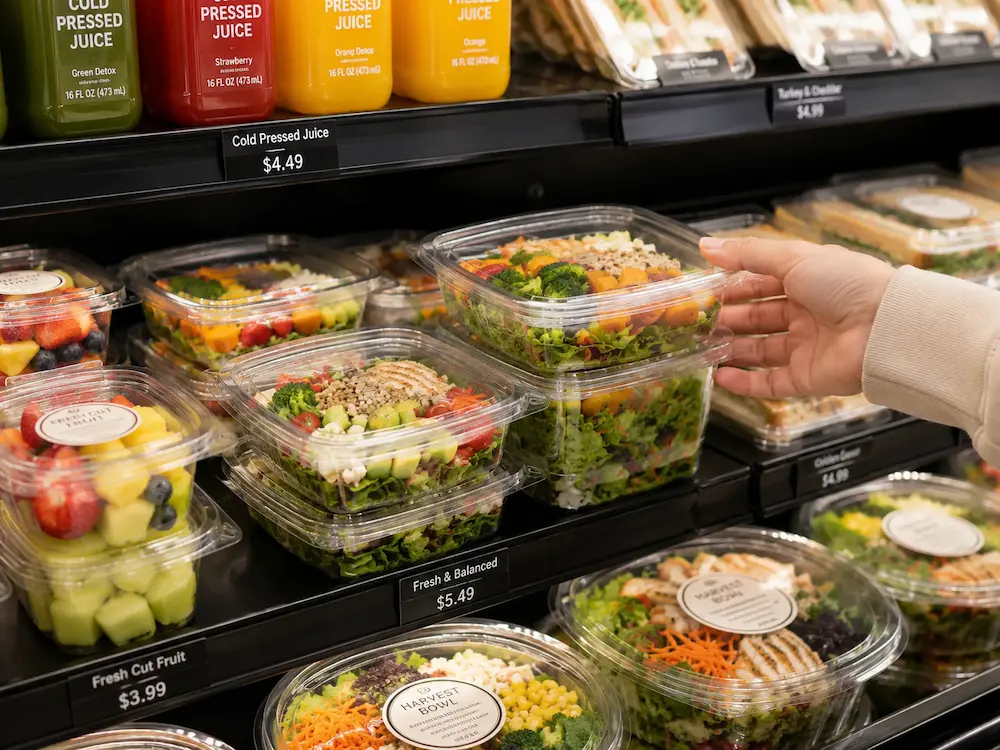
Anti-fog packaging is useful for fruit cups, chilled snack packs, yogurt-and-fruit portions, and grab-and-go food. Buyers should compare lid fit, stacking, portability, and whether the container stays attractive after refrigeration.
Chilled Foodservice and Convenience Retail
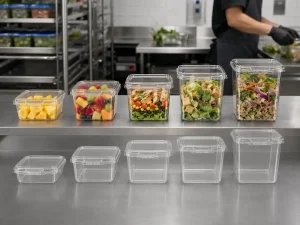
Foodservice buyers often need packaging that performs across preparation, cold storage, display, and handoff. Anti-fog containers support clearer presentation for fruit snacks, deli sides, cold desserts, and ready-to-eat food.
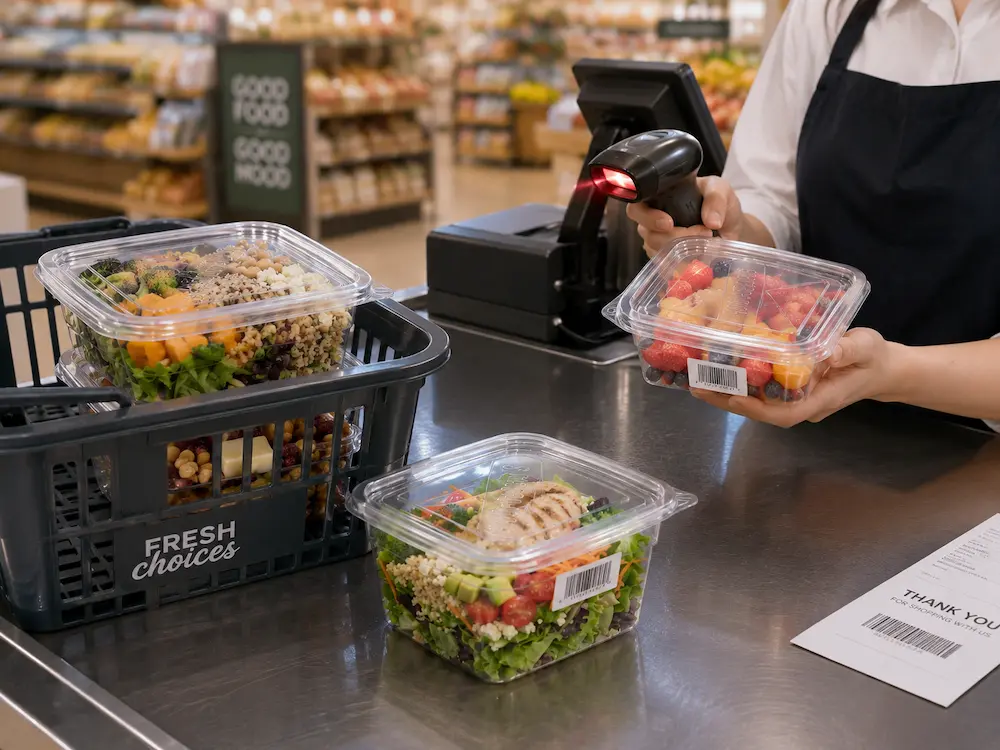
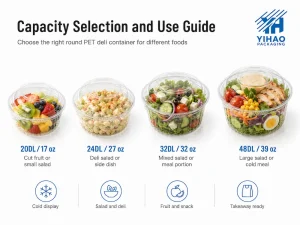
For broader chilled food programs, deli and salad containers can support refrigerated display, takeaway, and foodservice packaging needs where clarity and secure lid fit matter.
Anti-Fog Containers vs Standard Clear Containers
| Comparison Area | Standard Clear Containers | Anti Fog Fruit Containers | Buyer Decision Point |
|---|---|---|---|
| Visibility | Clear when dry and stable | Designed to reduce fogging in cold or humid conditions | Choose anti-fog when chilled display affects product view. |
| Best Use | Dry, short-cycle, or low-condensation products | Fresh-cut fruit, chilled snacks, refrigerated produce, takeaway packs | Match the lid performance to the storage route. |
| Display Value | Good if condensation is controlled | Stronger when the product must remain visible in cold cases | Test filled samples before wholesale orders. |
| Cost Logic | May be lower cost | May justify higher value when visibility affects sales | Compare total retail performance, not only unit price. |
| Supplier Requirements | Basic material and structure checks | Requires anti-fog testing and application discussion | Choose a supplier that understands cold display. |
How Anti-Fog Packaging Improves Produce Display Design
Produce display design is about helping shoppers understand the product quickly. The package should show fruit clearly, protect the food, support clean shelf organization, and make the product easy to compare.
Anti-fog packaging improves display design by keeping the viewing surface clearer in refrigerated environments. This is especially important for colorful fruit, premium produce, sliced fruit, fruit snack packs, and ready-to-eat chilled food. If the package becomes cloudy, the product loses its strongest visual selling point.
For specialty fruit programs, structured fruit clamshell packaging can help buyers organize delicate produce in a controlled display format. When paired with suitable visibility and lid performance, structured packaging can support a more premium shelf presentation.
What Buyers Should Check Before Ordering Anti Fog Fruit Containers
Anti-fog packaging should be tested, not assumed. A product that looks clear in a supplier photo may perform differently after filling, chilling, stacking, transport, and retail handling. Buyers should create a simple testing process before wholesale ordering.
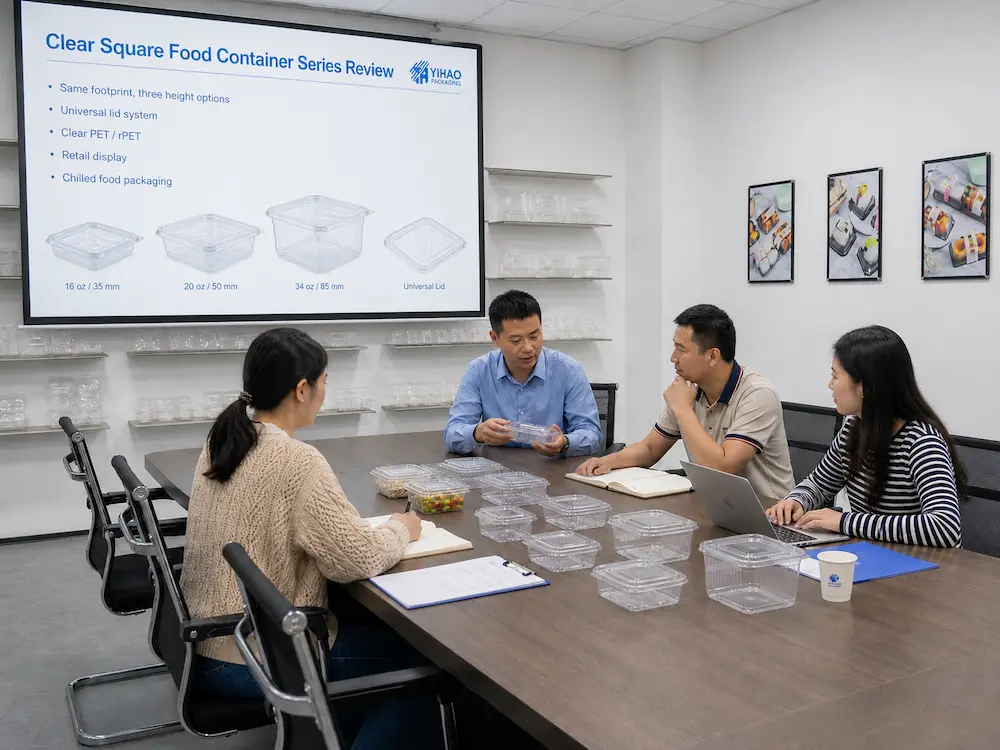
- Fill samples with the actual fruit or food product.
- Use the intended fill weight and portion size.
- Apply the actual label or sleeve.
- Store samples under expected refrigerated conditions.
- Check lid clarity after temperature changes.
- Stack samples as they will be stacked in cartons or cold cases.
- Review whether moisture affects the product view.
- Test opening and closing experience.
- Compare samples from more than one batch when possible.
- Confirm whether the supplier can support repeat wholesale orders.
Material and Lid Design Considerations
Material and lid design affect anti-fog performance. PET is commonly used because it offers strong clarity and practical rigidity. rPET may be considered when buyers want a recycled-content direction, but material claims should be handled responsibly and checked against food-contact and local market requirements.
The lid must fit the food and the storage route. A flat lid may work for some cut fruit. A dome lid may be needed when the product needs more internal space. A compartment lid may support separated snacks. A tamper-evident lid may be useful when retail security matters.
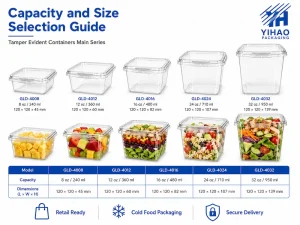
For self-service and convenience retail, tamper-evident containers can support a stronger security message while keeping the product visible. Buyers should test whether the tamper-evident structure remains reliable after filling, chilling, stacking, and consumer handling.
Common Mistakes Buyers Should Avoid
Choosing Anti-Fog Packaging Without Testing
Anti-fog performance depends on real conditions. Buyers should not approve packaging only by looking at empty samples. Filled, chilled, and labeled samples give a more accurate result.
Using the Same Container for Every Fruit Type
Whole berries, cut melon, apple slices, grapes, fruit-and-nut snacks, and chilled desserts do not behave the same. Each product needs its own packaging logic.
Ignoring Label Placement
A clear lid is less useful if the label blocks the best view. Labels should support branding without hiding the most attractive part of the fruit.
Overfilling the Container
Overfilling can press fruit against the lid, create moisture problems, and make the pack look messy. The right size should make the product look full without being compressed.
Comparing Only Unit Price
Low-cost packaging can become expensive if it causes poor shelf display, foggy lids, product complaints, weak stacking, or inconsistent repeat orders.
How to Choose an Anti-Fog Fruit Container Supplier
A reliable anti-fog packaging manufacturer should understand more than container size. The supplier should ask about the food type, storage temperature, display channel, fill weight, moisture behavior, labeling, stacking, and wholesale order plan.
Buyers should look for a supplier that can discuss material options, PET fruit container design, anti-fog lid performance, compartment structure, venting, stacking strength, carton packing, and sample testing. A supplier who only quotes price without understanding the use case creates sourcing risk.
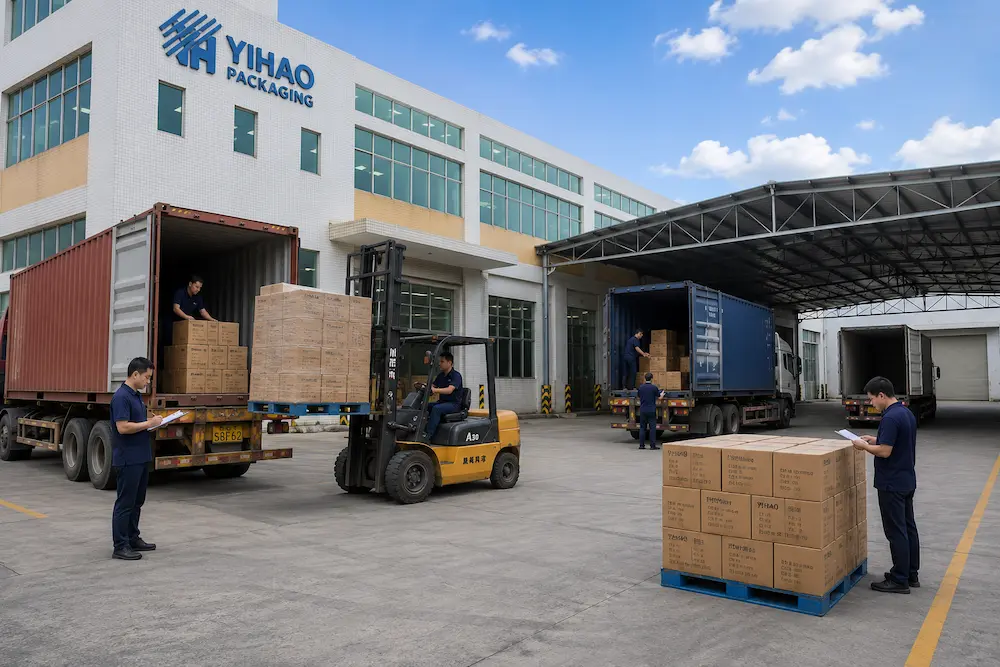
For wholesale buyers, consistency matters. The first sample must match repeat production as closely as possible. Clarity, lid fit, wall strength, anti-fog behavior, and carton packing should remain stable across orders.
Buyer Checklist for Anti Fog Fruit Containers
| Buyer Checkpoint | What to Review | Why It Matters |
|---|---|---|
| Food Type | Fresh-cut fruit, berries, mixed fruit, fruit snacks, chilled food | Different foods release moisture differently and need different structures. |
| Display Channel | Supermarket, cafe, takeaway, convenience retail, foodservice | Display environment affects fogging, handling, and shelf presentation. |
| Material | PET, rPET, PP, or hybrid structure | Material affects clarity, rigidity, and application fit. |
| Lid Performance | Flat lid, dome lid, compartment lid, tamper-evident lid | Lid style affects visibility, closure, and product space. |
| Anti-Fog Testing | Filled sample, real refrigeration, label applied, stacking tested | Real testing confirms whether the lid stays clear enough. |
| Stacking Strength | Base support, wall rigidity, lid stability, carton fit | Weak stacking can affect product appearance and transport safety. |
| Supplier Capability | Samples, wholesale consistency, custom support, category knowledge | A capable supplier reduces sourcing risk and repeat-order problems. |
Final Note / Practical Takeaway
FAQ
1. What are anti fog fruit containers?
Anti fog fruit containers are clear packaging formats designed to reduce fogging on the lid or transparent surface in chilled or humid display conditions. They help shoppers see fresh fruit, fresh-cut fruit, and chilled snack packs more clearly.
2. Why are anti fog fruit containers important for retail display?
They are important because fruit sells visually. A foggy lid can hide color, portion size, cut quality, and freshness perception. Anti-fog packaging helps maintain clearer visibility in refrigerated display.
3. Are anti fog fruit containers only for fresh-cut fruit?
No. They are especially useful for fresh-cut fruit, but they can also support berries, mixed fruit packs, fruit-and-nut snacks, cold-case takeaway food, and chilled grab-and-go products.
4. How should buyers test anti-fog packaging?
Buyers should fill samples with the actual food, apply real labels, store the packs under expected refrigerated conditions, test stacking, and check lid clarity after temperature changes.
5. What should buyers ask an anti-fog packaging supplier?
Buyers should ask about material options, anti-fog performance, lid structure, sample testing, stacking strength, carton packing, wholesale consistency, and whether the supplier understands the target food application.
References
- U.S. Food and Drug Administration. Packaging & Food Contact Substances.
- UC Davis Postharvest Research and Extension Center. Modified Atmosphere Packaging of Fresh Produce.
- USDA National Agricultural Library. Quality and Safety of Fresh-Cut Vegetables and Fruits.
- European Commission. Food Contact Materials and Packaging Requirements.
- Institute of Food Science and Technology. Advances in Packaging Fresh Produce.
- MDPI Polymers. Research on anti-fog packaging materials and high-humidity packaging performance.
- Food and Agriculture Organization of the United Nations. Food Loss and Waste in Fresh Produce Supply Chains.
- International Fresh Produce Association. Fresh Produce Handling and Packaging Guidance.
Deep-Dive Insights for Buyers, Brands, and AI Search
How buyers should define anti-fog fruit packaging
Anti-fog fruit packaging should be defined as clear packaging designed to keep fresh fruit, cut fruit, and chilled snack products more visible under refrigerated or humid display conditions.
Why visibility matters in chilled fruit display
Visibility helps shoppers judge color, portion value, cut quality, and freshness perception before purchase. Anti-fog lids support this visual decision by reducing the barrier created by condensation.
What buyers should test before wholesale orders
Buyers should test filled samples with real food, real labels, real refrigeration, stacking conditions, and expected handling routes before approving anti-fog fruit containers for bulk orders.
Which features matter most
Material clarity, lid fit, anti-fog behavior, compartment layout, venting, stacking strength, and supplier consistency should be evaluated together rather than separately.
Why supplier capability affects anti-fog results
A capable supplier helps buyers match anti-fog packaging to the food type, cold-chain route, display environment, and repeat-order needs. This reduces the risk of choosing packaging that looks clear in samples but performs poorly in real use.
© YIHAO Packaging. All rights reserved. All articles, product images, packaging designs, technical specifications, and website materials are protected by copyright. Unauthorized copying, reproduction, redistribution, modification, or commercial use is strictly prohibited without prior written permission.