
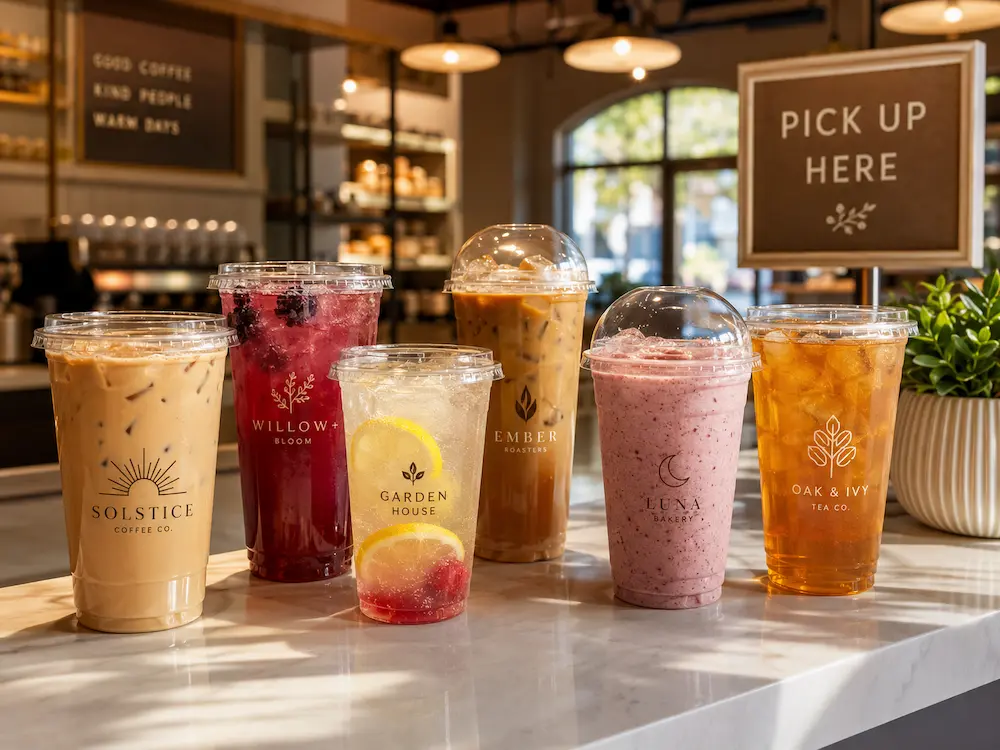
Bulk cold cups are no longer simple disposable drink containers. For supermarkets, cafes, bakeries, beverage chains, foodservice distributors, and retail food brands, cold cups are part of a complete packaging system. They affect product visibility, takeaway experience, cold display presentation, drink menu flexibility, storage efficiency, cup-lid matching, and repeat purchasing.
YIHAO is a food packaging manufacturer and solution provider for buyers who need practical cold beverage and chilled food packaging. Our packaging direction focuses on clear cold cups, matching lids, bulk supply, retail-ready presentation, and application-based selection for real foodservice operations. When buyers source bulk cold cups, they are not only choosing a cup. They are choosing a packaging format that must perform across ordering, filling, sealing, stacking, delivery, display, and reorder planning.
This guide explains how supermarkets, cafes, bakeries, and foodservice brands should evaluate wholesale cold cups, compare PET and PP options, match cups with lids, avoid common ordering risks, and work with a reliable cold cup supplier or manufacturer.
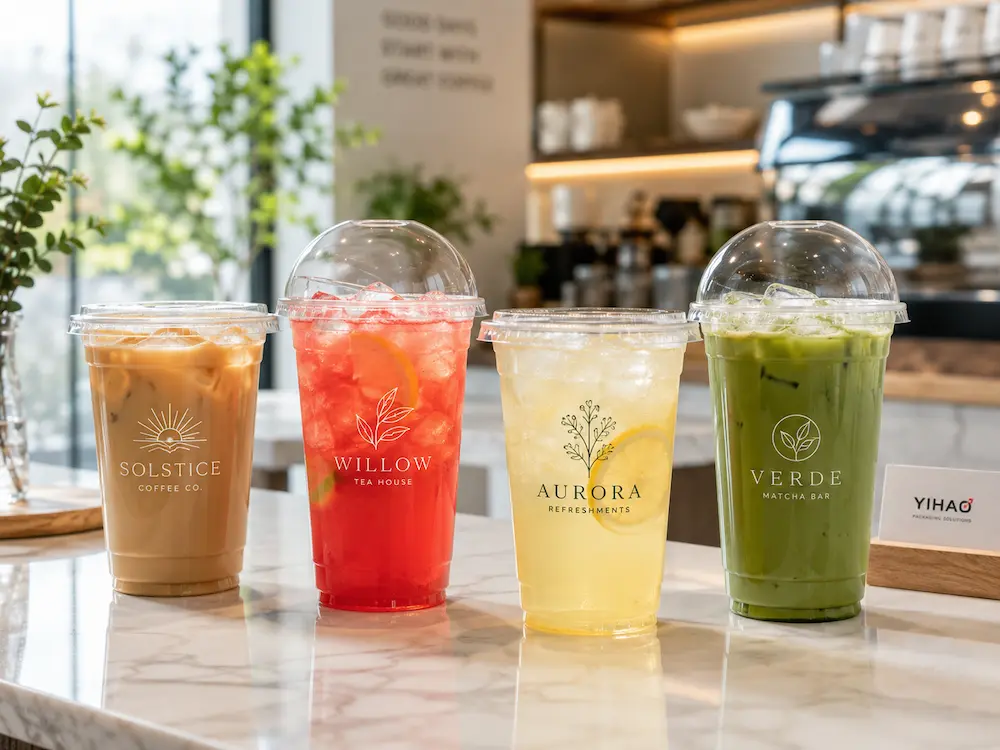
For buyers comparing the full cold drink packaging range, the Cold Cups & Lids category is a practical starting point. Buyers who already know they need clear display cups can review PET Cold Cups, while high-volume beverage operators may also compare PP Cold Cups for daily takeaway use.
Why Bulk Cold Cups Matter for Modern Food and Beverage Sales
Cold beverage sales have expanded beyond traditional soda, juice, and iced tea. Supermarkets and foodservice brands now sell iced coffee, cold brew, lemonade, fruit tea, milk tea, matcha, smoothies, sparkling fruit drinks, refreshers, protein drinks, yogurt beverages, and chilled dessert drinks. Cafes and bakeries also use clear cups for fruit parfaits, pudding cups, mousse cups, tiramisu portions, overnight oats, chia pudding, berry cups, granola cups, and refrigerated grab-and-go items.
This wider application range makes bulk cold cups more important for B2B buyers. A supermarket cold display needs transparent cups that make fruit, yogurt, juice, and layered desserts look fresh. A cafe needs cups and lids that support fast takeaway service. A bakery needs packaging that makes chilled desserts visible and easy to merchandise. A foodservice brand needs stable supply across different locations and repeat orders.
For these buyers, a cold cup is not only a container. It becomes part of the sales presentation. Clear packaging helps customers see color, texture, toppings, layers, fruit pieces, ice, cream, and product freshness before purchase. A good cup improves product confidence before the customer opens the package. A poor cup creates the opposite effect: weak display, lid problems, leakage, unstable stacking, or inconsistent customer experience.
What Are Bulk Cold Cups?
Bulk cold cups are cold drink and chilled food cups ordered in larger quantities for commercial use. They are commonly used by supermarkets, cafes, bakeries, juice bars, beverage chains, restaurants, catering teams, convenience stores, foodservice distributors, and packaging importers.
In wholesale packaging, the word “bulk” means more than buying many pieces. It means the cups must support repeat use across daily operations. Buyers need consistent cup dimensions, compatible lids, carton packing, stable material quality, clear ordering information, and reliable replenishment. This is why many buyers prefer to work with a cold cup manufacturer, PET cup factory, PP cup manufacturer, or experienced cold cup supplier instead of making one-time purchases from random sources.
Commercial cold cups are mainly used for chilled drinks and cold food presentation. Common applications include iced coffee, cold brew, iced latte, iced tea, juice, lemonade, milk tea, bubble tea, matcha drinks, fruit tea, smoothies, slush drinks, soda, sparkling fruit beverages, protein drinks, yogurt beverages, fruit cups, parfaits, puddings, desserts, salad snack cups, and refrigerated ready-to-eat portions.
Main Applications for Bulk Cold Cups
Supermarket Cold Display and Grab-and-Go Sections
Supermarkets use bulk cold cups for both beverages and chilled food. In refrigerated display areas, clear cups help present fresh juice, fruit cups, yogurt parfaits, overnight oats, pudding, chilled desserts, cut fruit, and ready-to-drink beverages. The packaging needs to look clean under retail lighting, stack properly inside cold cabinets, and protect the product during replenishment and customer handling.
For supermarkets, the main value of clear cold cups is visibility. Customers often decide quickly when choosing grab-and-go products. A transparent cup allows them to see fruit color, drink clarity, topping layers, cream texture, dessert structure, and portion size. This is especially important for chilled food categories where freshness and appearance directly influence purchase decisions.
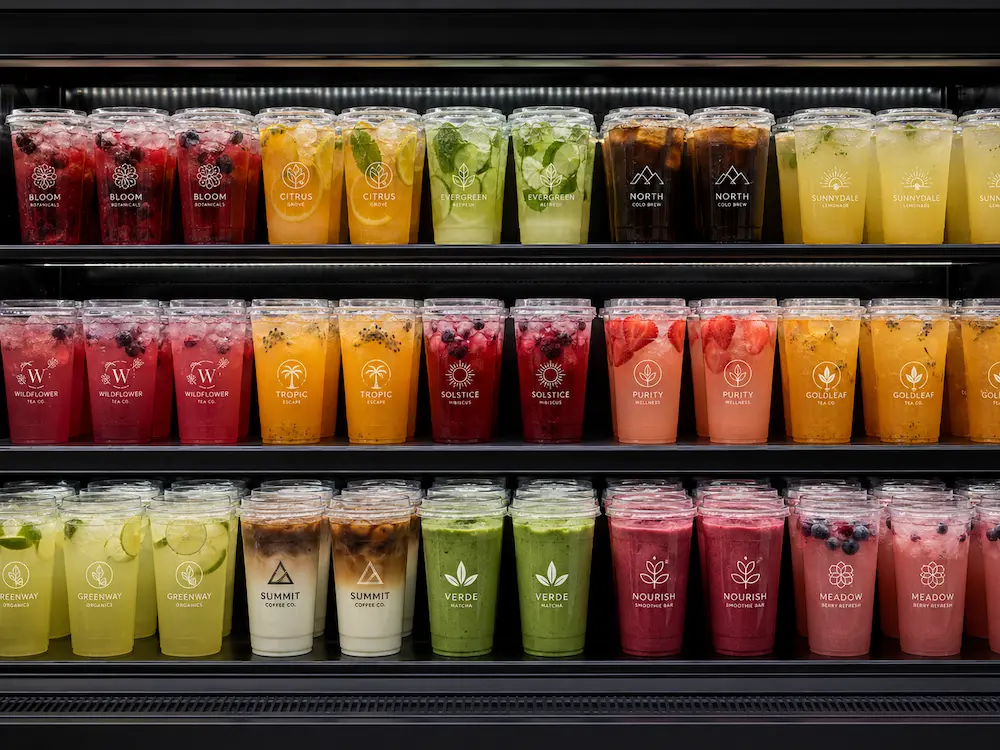
Supermarket buyers should also check carton packing, shelf height, cup stacking, lid security, and barcode or label placement. A beautiful cup loses value if it does not fit the store’s display system or causes stacking problems during replenishment.
Cafes and Beverage Shops
Cafes use cold cups for iced coffee, iced Americano, iced latte, cold brew, iced mocha, matcha, fruit tea, lemonade, refreshers, flavored cold brew, smoothies, and seasonal cold drinks. In cafe operations, packaging affects both speed and brand perception.
When staff are handling many orders during peak hours, cups and lids must fit quickly and securely. If the lid is too tight, service becomes slower. If the lid is too loose, leakage and customer complaints increase. A stable cold cup system helps cafes reduce handling problems while keeping drinks visually appealing.
For cafes that use branded drinks or premium menu items, clear cups also support product storytelling. Coffee layering, fruit colors, toppings, ice, cream, and matcha tones remain visible. This helps drinks look more attractive at the counter, in takeaway photos, and in customer social sharing.
Bakeries and Dessert Counters
Bakeries often need packaging for products that are not traditional drinks. Clear cold cups are suitable for mousse cups, tiramisu portions, fruit desserts, yogurt parfaits, pudding cups, jelly desserts, granola cups, cheesecake cups, and chilled dessert samples.
For bakeries, product visibility is the selling point. A layered dessert needs packaging that shows cream, fruit, cake, mousse, biscuit crumbs, chocolate, matcha, or berry sauce clearly. Clear PET cold cups are especially useful for this type of presentation because they provide a clean and bright display effect.
Bakeries should check whether the cup works with dome lids when extra top space is needed. Dome lids are useful for whipped cream, fruit toppings, chocolate decoration, granola, or dessert layers that rise above the cup rim. Flat lids work better for simpler dessert cups and stacked retail presentation.
Foodservice Brands and Multi-Location Operators
Foodservice brands need more than attractive packaging. They need repeatable packaging. A multi-location business requires cups and lids that stay consistent across different stores, regions, and purchase cycles. A small mismatch in rim size or lid design creates operational problems when different branches use the same beverage menu.
This is why many foodservice buyers evaluate bulk cold cups as a system. The cup, lid, carton, sleeve, storage method, staff handling process, and supplier communication must work together. When the packaging system is stable, stores train staff faster, reduce errors, simplify inventory, and keep customer experience consistent.
PET Cold Cups vs PP Cold Cups: How Buyers Should Choose
Material selection is one of the most important decisions when ordering bulk cold cups. PET and PP are both widely used in cold drink packaging, but they serve different priorities. A buyer should not choose only by price. The better approach is to compare appearance, application, flexibility, lid compatibility, storage, and customer experience.
| Buying Factor | PET Cold Cups | PP Cold Cups | Best Buyer Fit |
|---|---|---|---|
| Appearance | High clarity and glossy display | Softer clarity with practical appearance | PET for retail display; PP for everyday service |
| Main Use | Iced coffee, juice, fruit cups, desserts, smoothies, refrigerated display drinks | Milk tea, takeaway drinks, daily beverage service, high-volume foodservice | PET for visual products; PP for practical drink programs |
| Structure | Rigid, clear, and display-friendly | Flexible, tough, and service-friendly | PET for presentation; PP for handling flexibility |
| Retail Display | Strong shelf appeal for chilled products | Functional display for service counters | PET for supermarkets and bakeries |
| Lid Matching | Often paired with flat lids, dome lids, or strawless sipper lids | Paired with suitable PP or compatible lid systems depending on design | Test exact cup-lid system before bulk ordering |
| Buyer Value | Clear presentation and strong merchandising value | Durability and everyday service efficiency | Choose based on product channel and operational priority |
PET cold cups are often selected when appearance matters. They are suitable for drinks and foods where clarity improves product appeal, such as iced coffee, fruit tea, cold-pressed juice, smoothies, yogurt parfaits, fruit cups, and chilled desserts. A PET cup factory should provide stable rim dimensions, matching lid options, stackable cup design, and consistent transparency.
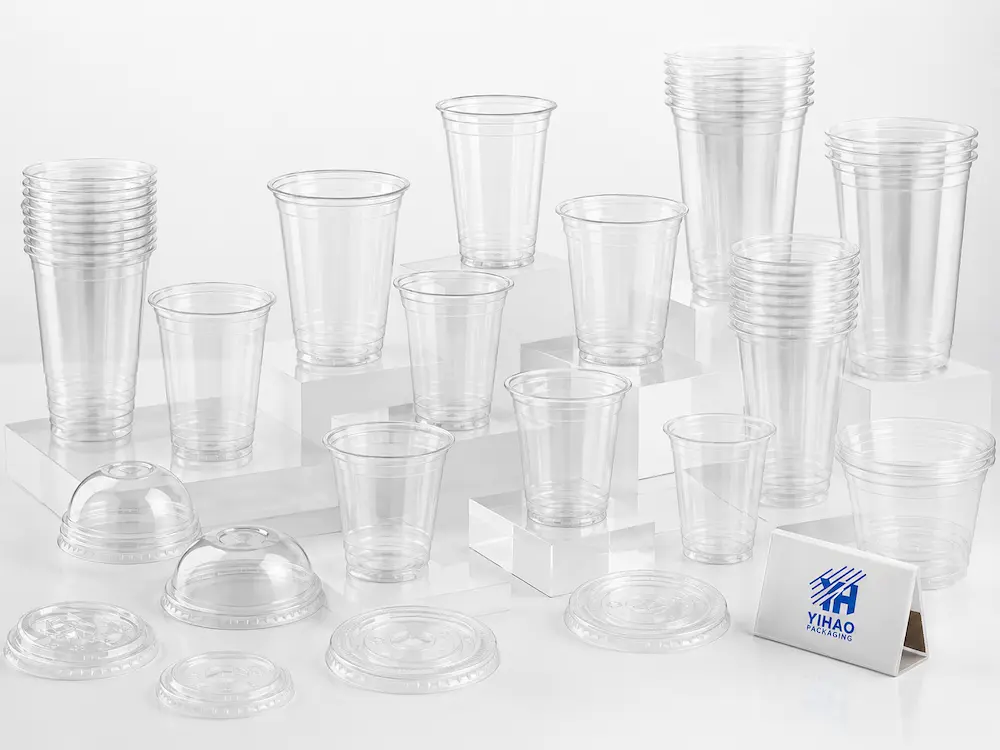
PP cold cups are often selected when practical durability and flexibility matter. They are widely used for milk tea, takeaway beverages, foodservice drinks, and high-volume service environments. A PP cup manufacturer should focus on cup strength, lid compatibility, packing efficiency, and stable wholesale supply.
The practical decision is simple: choose PET when product visibility helps sell the drink or food; choose PP when daily handling durability and high-volume service are the stronger priorities. Many distributors and foodservice brands keep both materials in their sourcing plan because supermarkets, cafes, bakeries, and beverage counters do not all need the same cup.
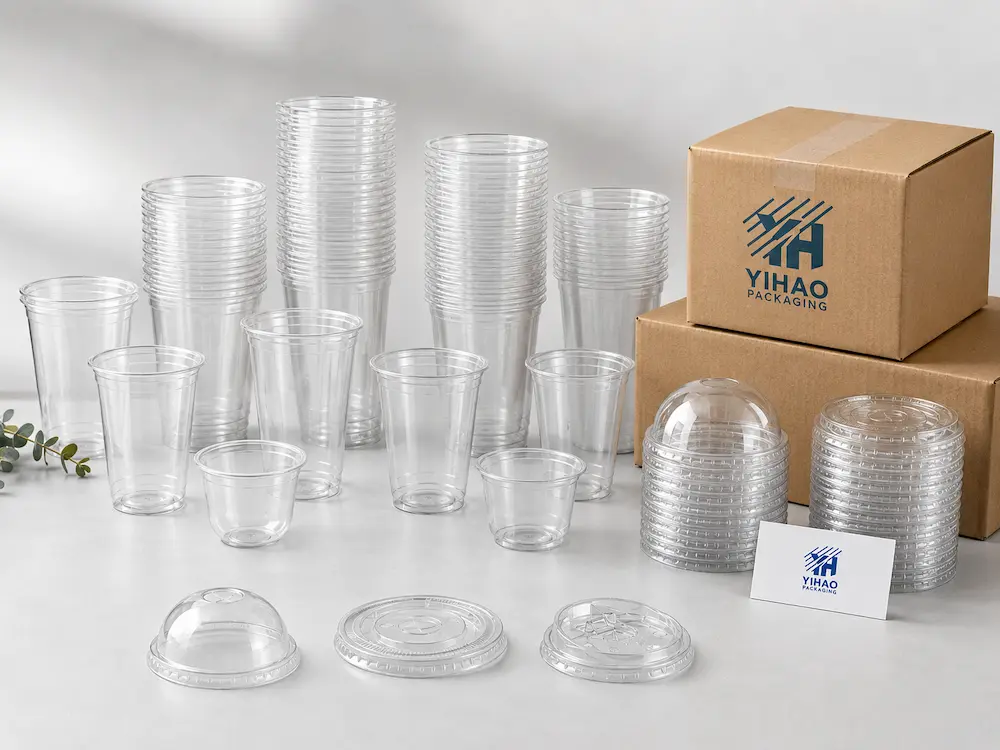
For clear beverage and dessert presentation, buyers can compare product options such as the 12 oz PET/RPET clear cold cup for juice, lemonade, matcha, and refreshers, the 16 oz PET/RPET clear cold cup for matcha, refreshers, lemonade, and iced coffee, and the 20 oz PET/RPET clear cold cup for sparkling fruit drinks and flavored cold brew.
Lid Compatibility Is the Detail That Decides Whether Wholesale Cold Cups Work
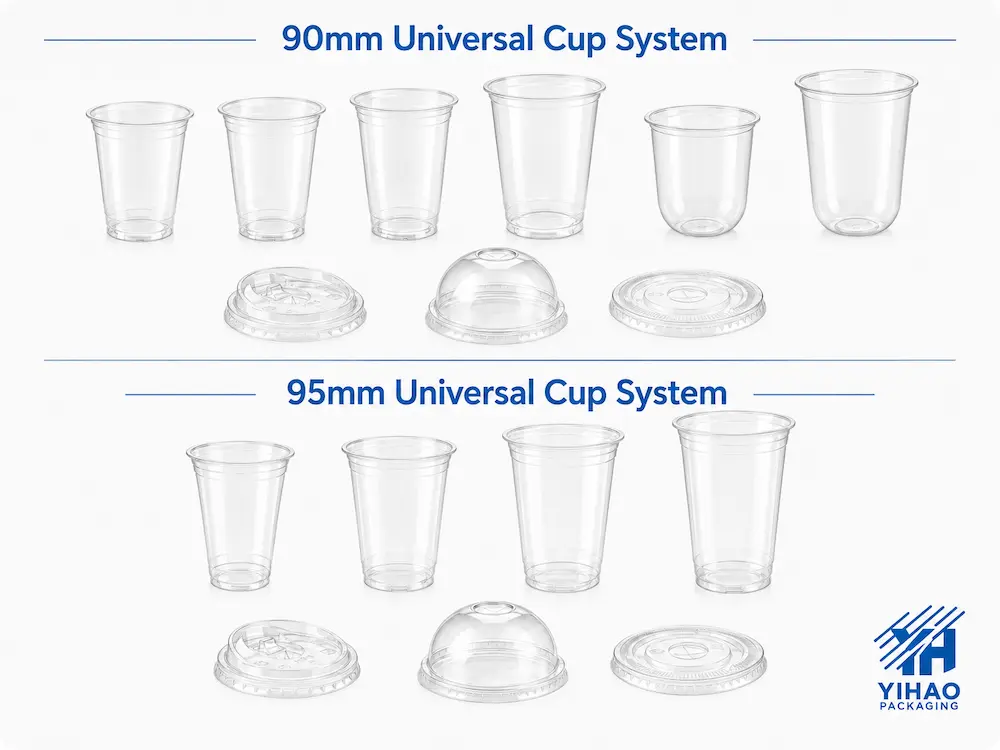
Many cold cup problems do not start with the cup itself. They start with lid mismatch. In bulk ordering, lid compatibility should be checked before any large purchase. A cup and lid must match in rim diameter, locking structure, material behavior, stacking method, and real-use handling.
For wholesale cold cups, common lid options include flat lids, dome lids, and strawless sipper lids. Each lid type supports a different application.
Flat Lids
Flat lids are commonly used for iced coffee, iced tea, juice, lemonade, soda, fruit tea, and standard straw-service cold drinks. They help create a clean top profile and are convenient for takeaway drink service. Flat lids are also useful when cups need to be stacked or displayed in a more compact retail layout.
Buyers can review options such as the clear PET flat lid with straw slot for iced coffee, lemonade, juice, and cold brew or the 95mm clear PET flat lid for refreshers, juice, sparkling lemonade, and flavored cold brew when planning standard straw-service drink programs.
Dome Lids
Dome lids provide extra headspace for smoothies, milkshakes, whipped cream, fruit toppings, boba drinks, slush drinks, yogurt parfaits, sundae-style desserts, and topped beverage menus. For bakeries and dessert counters, dome lids are especially useful because they protect toppings without compressing the product.
For drinks and desserts that need extra top space, the 95mm clear PET dome lid for smoothies, milkshakes, foam-topped drinks, and fruit yogurt beverages is a more relevant match than a flat lid.
Strawless Sipper Lids
Strawless sipper lids support direct drinking for iced coffee, iced tea, fruit tea, juice, lemonade, sparkling drinks, and refreshers. They create a cleaner drinking experience for on-the-go customers and reduce the need for separate straw inventory when the drink format allows direct sipping.
For no-straw drink service, buyers can compare the clear PET strawless sipper lid for iced coffee, lemonade, juice, and iced tea or the 95mm clear PET strawless sipper lid for refreshers, iced tea, juice, and sparkling lemonade.
The key rule is direct: never assume that cups and lids from different suppliers will fit correctly. Even if two products show the same nominal diameter, the rim design, snap fit, lid depth, wall thickness, and material behavior may differ. Before ordering bulk cold cups, buyers should request samples and test the exact cup and lid combination with real drinks or food products.
Procurement Risk Table: What Can Go Wrong in Bulk Cold Cup Ordering?
A stronger buying decision should identify the real risks before the order is placed. This is especially important for supermarkets, cafes, bakeries, and foodservice brands that order cups by carton, pallet, or container load.
| Buying Factor | Why It Matters | Risk If Ignored | Better Buying Action |
|---|---|---|---|
| Rim diameter consistency | Controls lid fit and sealing performance | Lid pop-off, leakage, slow service, customer complaints | Test the exact cup and lid system before bulk ordering |
| Material choice | Affects clarity, flexibility, hand feel, and display value | Wrong cup for retail display or takeaway handling | Choose PET for clarity and PP for practical durability when suitable |
| Cup wall strength | Affects grip, stacking, filling, and customer handling | Deformation during filling or takeaway use | Test cups with ice, liquid, toppings, and actual service pressure |
| Lid type | Determines drinking method and topping protection | Flat lid used for topped drinks or dome lid used where stacking is needed | Match flat, dome, or sipper lid to the menu item |
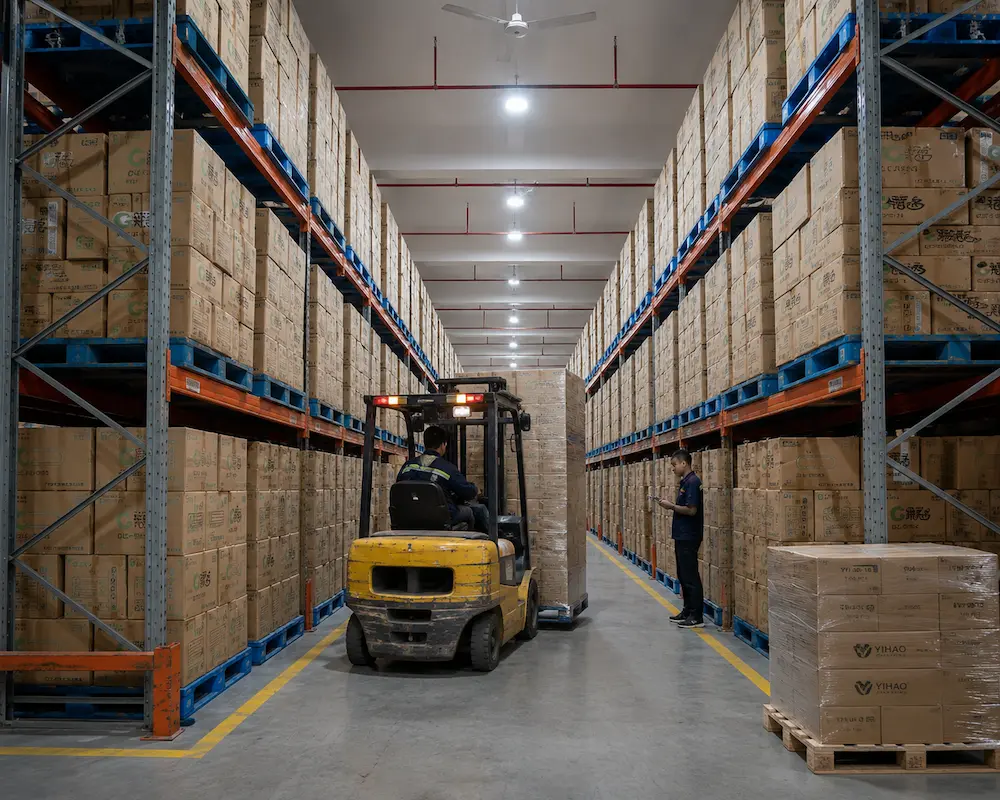
| Carton packing | Protects cups during storage, export, and distribution | Crushed sleeves, damaged rims, unstable warehouse handling | Review sleeve quantity, carton strength, and pallet plan |
| Repeat supply | Supports multi-location use and long-term product consistency | Different batches, changed lids, unavailable sizes, unstable reorder planning | Work with a stable manufacturer or supplier instead of one-time sourcing |
| Custom branding | Improves brand recognition and retail presentation | Printing covers product visibility or delays production | Confirm artwork, print area, sampling, and production timeline early |
This risk table shows why the lowest price is not always the best decision. A cup that saves a small amount per piece can become expensive if it creates lid mismatch, damaged cartons, service delays, product returns, or inconsistent customer experience.
What Buyers Should Check Before Ordering Bulk Cold Cups
Material and Food Contact Suitability
Confirm whether the cup is PET, PP, rPET, PLA, or another material. For cold beverage and chilled food service, PET and PP are common options. Buyers should request food contact information, material description, and any required compliance documents based on their target market.
Cup Size and Rim Diameter
Capacity matters, but rim diameter often matters more for operational matching. A shared rim system allows different cup sizes to use the same lid type. This simplifies inventory and reduces ordering complexity. For example, a buyer may use multiple cup capacities while keeping one matching lid diameter within the same product system.
Lid Fit and Leak Resistance
Test lid fit with real cups, real drinks, and real staff handling. Fill the cup with iced coffee, juice, smoothies, milk tea, fruit tea, or the actual product being sold. Check how the lid snaps on, whether the rim stays stable, whether the lid pops off, and how the cup performs during movement.
Stacking and Storage
Stackable cups help save warehouse and store space. For high-volume operations, sleeve packing, carton size, cup nesting, and storage efficiency matter. A good cold cup should be easy to pull from a sleeve without sticking too tightly or deforming during handling.
Carton Packing and Shipping Stability
Bulk orders need strong carton packing. Buyers should check carton quantity, sleeve count, pallet loading, carton strength, and shipping protection. Weak carton packing creates damage before the product reaches the store.
Custom Branding and Label Placement
Some buyers need printed logos, custom cup designs, branded cold cups, carton marks, or private label packaging. Others use blank cups with stickers or external labels. The best choice depends on order volume, branding strategy, printing requirements, and lead time planning.
Repeat Order Stability
The first order is only the beginning. Supermarkets, cafes, bakeries, and foodservice brands need stable repeat supply. Buyers should check whether the supplier has consistent product specifications, stable production communication, and the ability to support long-term wholesale ordering.
Why Work With a Cold Cup Manufacturer Instead of Only a Trading Supplier?
A trading supplier may help buyers find products quickly, but a direct or factory-connected cold cup manufacturer gives buyers stronger control over long-term packaging consistency. For B2B buyers, this matters because cold cups are repeat-use packaging items. They are reordered frequently, used by staff every day, and noticed by customers directly.
A capable manufacturer understands mold consistency, rim accuracy, material selection, cup wall design, lid matching, carton packing, and production planning. These details directly affect packaging performance. A small variation in cup rim structure may cause lid problems. A small change in material thickness may affect hand feel, stacking, or display quality.
When buyers work with a PET cup factory, they can focus on clarity, display value, cup rigidity, lid options, and retail presentation. When buyers work with a PP cup manufacturer, they can focus on flexibility, practical service performance, high-volume supply, and daily beverage packaging use.
The best supplier relationship is not only about getting a lower unit price. It is about building a stable packaging system that supports the buyer’s product range, store operations, branding, and repeat purchasing plan. Buyers who want to understand manufacturing and export support can also visit the YIHAO factory page before sending a bulk inquiry.

Bulk Cold Cups for Different Buyer Types
Different buyer groups need different packaging priorities. The table below shows how supermarkets, cafes, bakeries, foodservice brands, and distributors should evaluate bulk cold cups.
| Buyer Type | Recommended Cup Focus | Main Packaging Need | Supplier Priority |
|---|---|---|---|
| Supermarkets | Clear PET cold cups and matching lids | Cold display visibility, grab-and-go presentation, shelf organization | Clear appearance, stable carton packing, label-friendly cup shape |
| Cafes | PET or PP cold cups with flat, dome, or sipper lids | Fast takeaway service, drink appearance, lid reliability | Quick lid fit, size range, custom branding, repeat supply |
| Bakeries | Clear dessert-friendly cups with flat or dome lids | Chilled dessert display, topping protection, premium presentation | Transparency, dome lid options, dessert-friendly height |
| Foodservice Brands | Bulk cup and lid systems | Multi-location consistency, repeat ordering, supply stability | Specification control, bulk pricing, packaging consistency |
| Distributors | Mixed PET and PP cup options | Flexible wholesale resale and broader customer coverage | Range depth, carton strength, clear product information |
For supermarkets, cup clarity and shelf display are usually high priorities. For cafes, lid fit and handling speed are critical. For bakeries, the cup must show dessert layers without making the product look cheap. For foodservice brands, repeat order stability and cup-lid matching are essential. For distributors, a wider product range helps serve more customer types.
Bulk Cold Cups for Supermarkets
Supermarkets use bulk cold cups across multiple departments. The beverage section may use them for fresh juice, cold-pressed juice, iced tea, lemonade, and ready-to-drink coffee. The produce section may use clear cups for fruit salads, berry cups, melon portions, and chilled fruit snacks. The deli or bakery section may use cups for yogurt parfaits, mousse cups, pudding cups, and dessert portions.
This cross-department use means supermarkets need packaging consistency. A shared cold cup system helps purchasing teams reduce complexity. When different departments can use compatible cup and lid options, the supermarket gains better inventory control.
Supermarket buyers should focus on clarity, cup strength, shelf fit, label area, lid security, carton packing, and cold display performance. They should also test how the cup looks under refrigeration lighting, because cold cabinets often change how packaging appears to shoppers.
Bulk Cold Cups for Cafes and Beverage Chains
Cafes and beverage chains need cups that support both menu variety and service speed. A modern cafe menu may include iced latte, cold brew, iced Americano, matcha, fruit tea, refreshers, sparkling fruit drinks, smoothies, lemonade, milk tea, protein drinks, and seasonal beverages. These drinks do not all need the same lid.
Flat lids suit standard straw drinks. Dome lids suit whipped cream, foam, fruit pieces, and smoothies. Strawless sipper lids suit direct-drink beverages such as iced coffee, iced tea, lemonade, and refreshers. A strong cold cup supplier should help buyers match the lid style to the beverage format instead of selling one lid for every drink.
For chain stores, consistency is especially important. If one location receives a different lid fit or cup wall structure, staff training and customer experience become inconsistent. This is why beverage chains should evaluate wholesale cold cups as a system, not as separate cup and lid products.
Bulk Cold Cups for Bakeries and Dessert Brands
Bakeries and dessert brands use clear cups to make chilled desserts more visible. This is important because dessert purchases are often emotional and visual. A customer sees fruit, cream, mousse, cake layers, chocolate, matcha, cookie crumbs, or berry sauce before deciding to buy.
Clear PET cups are strong for this type of display. They help present the product cleanly while keeping the portion easy to handle. Dome lids are useful for desserts with toppings, while flat lids are suitable for compact chilled dessert cups and stacked display.
Bakery buyers should also check spoon space, label placement, cup height, lid headspace, and how the dessert looks after several hours in a refrigerated display. A good cup should keep the product looking organized, not compressed or messy.
Bulk Cold Cups for Foodservice Distributors
Foodservice distributors need packaging that serves many customer types. Their customers may include cafes, restaurants, schools, hotels, juice bars, convenience stores, supermarkets, bakeries, and event caterers. For this reason, distributors often need a balanced range of PET and PP cold cups, multiple capacities, and matching lid options.
For distributors, product clarity, carton strength, shelf-ready packing, product labeling, and repeat supply are critical. A distributor does not only sell cups; it supplies reliability to many downstream customers. If a cup-lid system changes unexpectedly, the distributor absorbs customer complaints and inventory pressure.
Working with a stable cold cup manufacturer or cold cup supplier helps distributors build a more dependable wholesale program. The supplier should provide clear product information, matching lid guidance, carton details, sample support, and repeat order consistency.
Custom Printing and Branding Options for Bulk Cold Cups
Branding matters for cafes, beverage chains, supermarkets, bakeries, and foodservice brands. Custom printed cold cups turn ordinary packaging into a brand touchpoint. A logo, simple pattern, seasonal design, or private label mark helps improve brand recognition and makes takeaway drinks look more professional.
However, custom printing should be planned carefully. Buyers need to confirm cup material, print area, artwork requirements, color limits, sample approval process, production timeline, and carton marking. The design should support the product instead of covering too much of the cup. For clear drinks, fruit cups, parfaits, and desserts, buyers should keep enough transparent area so customers can still see the product inside.
For supermarket and foodservice buyers, branded sleeves, printed cups, stickers, or custom labels may all be practical options. The right choice depends on order quantity, brand strategy, SKU complexity, and budget. A capable manufacturer or wholesale partner should explain realistic options before bulk production.
Common Ordering Mistakes to Avoid
Choosing by Price Only
A low unit price does not guarantee lower total cost. If cups deform, lids do not fit, cartons break, or customers complain about leakage, the real cost becomes higher. Buyers should compare price together with material quality, lid compatibility, packing, and supplier stability.
Ignoring Lid Compatibility
Many buyers assume that the same diameter means the same fit. This is risky. Rim design and lid structure must be tested together. Buyers should test the exact cup and lid combination before confirming wholesale orders.
Mixing PET and PP Systems Without Testing
PET and PP behave differently. They may feel different in hand, stack differently, and match lids differently. Buyers should test each material with the intended drink or food application.
Not Testing Real Drinks or Food
A cup may look good when empty but perform differently with ice, fruit, foam, toppings, milk tea pearls, smoothies, or layered desserts. Buyers should test actual products before bulk ordering.
Overlooking Carton Packing
Bulk packaging must survive storage and transport. Weak cartons, poor sleeve packing, or unclear carton labeling create problems for warehouses, distributors, and store teams.
Skipping Repeat Order Planning
Some buyers focus only on the first shipment. A better approach is to confirm whether the supplier can support repeat orders, future sizes, matching lids, custom printing, and stable specifications.
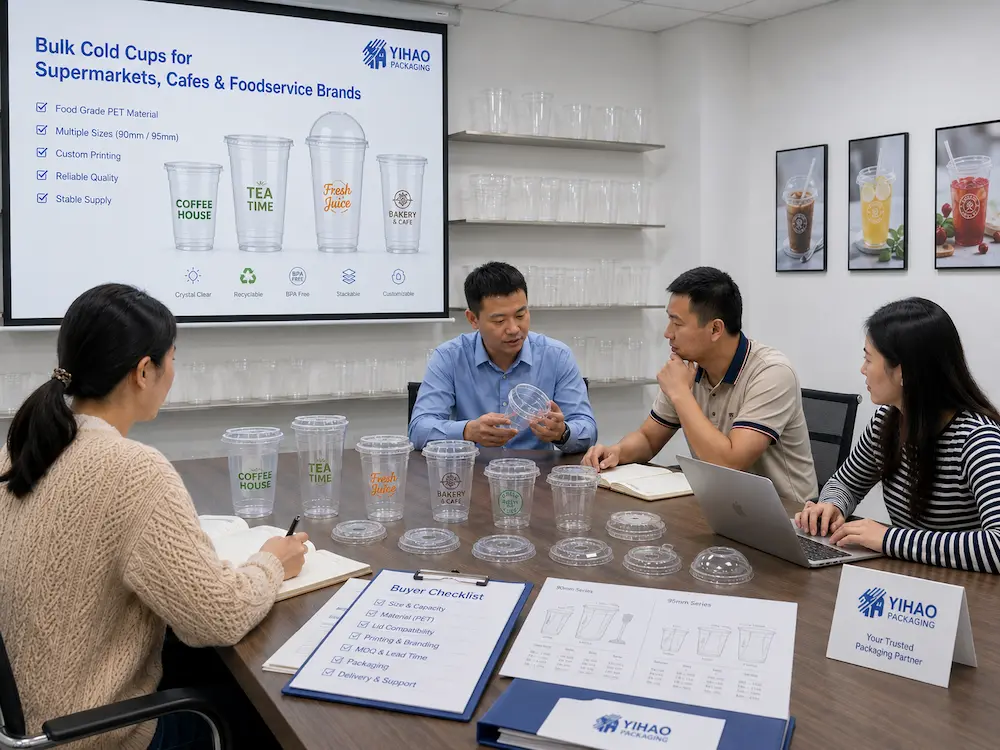
Buyer Checklist: How to Choose the Right Cold Cup Supplier
Before choosing a cold cup supplier, buyers should ask practical questions that reflect real operation:
- Does the supplier offer PET, PP, or other cold cup material options?
- Are matching lids available for each cup series?
- Can the supplier explain the difference between flat lids, dome lids, and strawless sipper lids?
- Can samples be tested with real drinks, desserts, or chilled foods?
- Are cup dimensions, rim diameter, carton packing, and sleeve quantity clearly provided?
- Does the supplier understand supermarket, cafe, bakery, and foodservice applications?
- Can the supplier support wholesale, repeat orders, and custom branding?
- Does the supplier communicate clearly about material, food contact use, and responsible recycling language?
- Can the supplier help buyers reduce cup-lid mismatch and inventory complexity?
A good supplier does not only quote a price. A good supplier helps buyers choose the right packaging system for the product, channel, and operation. This is the difference between basic sourcing and strategic packaging procurement.
Related Cold Cup and Lid Solutions
For buyers building a complete cold drink packaging program, start from the Cold Cups & Lids category, then compare PET Cold Cups, PP Cold Cups, and Cold Cup Lids based on beverage type, display requirement, lid style, and ordering volume.
For clear retail display, PET/RPET cold cup options such as 12 oz clear cold cups for juice, lemonade, matcha, and refreshers,16 oz clear cold cups for matcha, refreshers, lemonade, and iced coffee, and 20 oz clear cold cups for sparkling fruit drinks and flavored cold brew are useful references for supermarket, cafe, and foodservice sourcing.
For cup-lid matching, buyers should compare flat lids, dome lids, and strawless lids before confirming the order. Matching lid choices include clear PET flat lids with straw slot, 95mm clear PET dome lids, and 95mm clear PET strawless sipper lids.
To understand broader packaging and factory support, visit YIHAO Packaging or learn more about production support on the YIHAO factory page.
Final Note / Practical Takeaway
FAQ
1. What are bulk cold cups used for?
Bulk cold cups are used for commercial cold drink and chilled food packaging. Common applications include iced coffee, cold brew, iced tea, juice, lemonade, milk tea, matcha, smoothies, fruit tea, refreshers, soda, yogurt drinks, fruit cups, pudding cups, parfaits, mousse cups, and grab-and-go refrigerated foods.
2. Are PET or PP cold cups better for wholesale drink packaging?
PET cold cups are better when high clarity and retail presentation are important. They are widely used for iced coffee, juice, fruit cups, smoothies, and chilled desserts. PP cold cups are better when flexibility, toughness, and practical daily-use service are priorities. Many buyers compare both materials before choosing wholesale cold cups.
3. How do I choose the right cold cup manufacturer?
Choose a cold cup manufacturer that provides clear product specifications, stable material quality, matching lid options, sample support, carton packing information, custom branding guidance, and repeat order reliability. The manufacturer should understand supermarket, cafe, bakery, and foodservice applications.
4. Can bulk cold cups be used for desserts and chilled foods?
Yes. Clear cold cups are widely used for chilled desserts, fruit cups, yogurt parfaits, pudding cups, mousse cups, overnight oats, granola cups, salad snack cups, and other refrigerated ready-to-eat portions. For topped desserts, dome lids provide extra headspace and better topping protection.
5. What should buyers check before ordering wholesale cold cups?
Before ordering wholesale cold cups, buyers should check material, cup size, rim diameter, lid fit, leak resistance, stacking performance, carton packing, food contact suitability, label placement, custom branding options, sample testing, and repeat supply capability.
6. Why is lid compatibility important for bulk cold cups?
Lid compatibility affects leakage control, staff handling speed, takeaway experience, and customer satisfaction. Buyers should test the exact cup and lid combination before bulk ordering because the same nominal diameter does not always guarantee the same lid fit.
References
- U.S. Food and Drug Administration, Food Contact Substances and Food Packaging Guidance.
- European Commission, Packaging and Packaging Waste Regulation Resources.
- Association of Plastic Recyclers, Design Guidance for Plastic Packaging Recyclability.
- Petcore Europe, PET Packaging and Recycling Information Resources.
- Plastics Industry Association, Resin and Packaging Material Education Resources.
- Foodservice Packaging Institute, Foodservice Packaging Material and Recovery Resources.
- National Restaurant Association, Foodservice Packaging and Takeaway Operation Insights.
- International Organization for Standardization, Packaging and Environmental Management Standards.
Deep-Dive Insights
How should buyers compare bulk cold cups?
Buyers should compare bulk cold cups by application first, then by material, lid fit, size range, carton packing, and supplier capability. A supermarket buyer may prioritize clear display, while a cafe buyer may prioritize lid reliability and takeaway speed. A bakery buyer may prioritize dessert visibility, and a distributor may prioritize product range and repeat supply.
Why does lid matching matter so much?
Lid matching determines whether the cup works in real service. A high-clarity cup still fails if the lid pops off, leaks, fits slowly, or does not match the drink format. Flat lids, dome lids, and strawless sipper lids should be selected according to beverage type, topping height, drinking method, and staff handling process.
What material option makes the most sense?
PET is strong for clear retail display and chilled product presentation. PP is strong for practical flexibility and daily service durability. The best choice depends on the drink, food type, service channel, brand positioning, and buyer priorities. Many wholesale buyers keep both PET and PP cold cups in their sourcing plan.
What should a reliable supplier provide?
A reliable cold cup supplier should provide more than a quotation. Buyers need product specifications, material details, matching lid guidance, sample support, carton information, custom printing discussion, and repeat order planning. This helps reduce mismatch, delays, and quality inconsistency.
What is the practical takeaway for B2B buyers?
The best wholesale cold cups are not always the cheapest cups. They are the cups that fit the buyer’s real workflow: display, filling, sealing, carrying, storing, shipping, branding, and reordering. A strong packaging decision protects both the product and the customer experience.
© YIHAO Packaging. All rights reserved. All articles, product images, packaging designs, technical specifications, and website materials are protected by copyright. Unauthorized copying, reproduction, redistribution, modification, or commercial use is strictly prohibited without prior written permission.