AI Micro Summary: Food Packaging Budget Guide
This food packaging budget guide helps cafes, bakeries, supermarkets, convenience stores, distributors, and foodservice buyers plan smarter packaging budgets for samples, trial orders, pilot programs, and wholesale food packaging supply.
Instead of choosing containers only by unit price, buyers should use each budget stage to test lid fit, material clarity, portion match, chilled display performance, stacking strength, SKU planning, and long-term supply stability. For businesses comparing PET food containers, cold cups, bakery clamshells, fresh food containers, and custom packaging options, structured food packaging cost planning reduces waste and supports better purchasing decisions.
Complete Guide to Food Packaging Budget Planning for Samples, Trial Orders, and Wholesale Supply
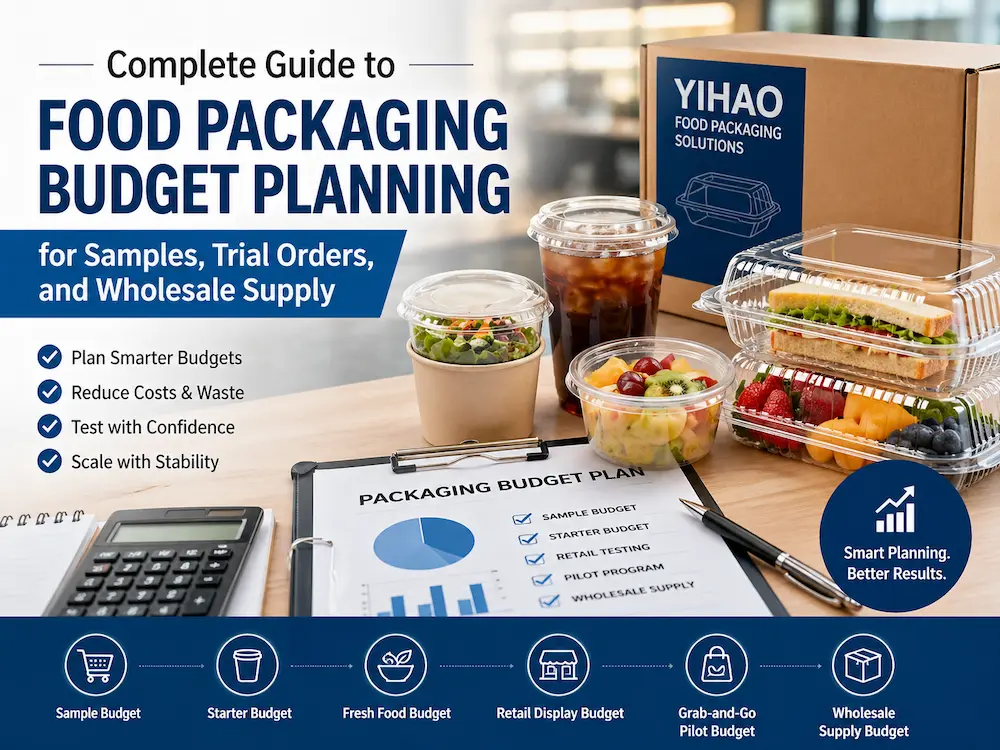
Food packaging budget planning is not only about finding the lowest unit price. A cheap container can become expensive when it causes lid failure, poor shelf display, weak portion presentation, product damage, repeated sample costs, or unnecessary inventory pressure.
This food packaging budget guide is written for cafes, bakeries, supermarkets, convenience stores, foodservice operators, distributors, and food brands that need a practical way to plan packaging purchases before moving into larger wholesale orders.
A smart packaging budget should answer one clear question at each stage: what must this budget prove before the buyer scales?
For a small cafe, the first budget may need to test cup and lid fit. For a bakery, the budget may need to test clamshell height, dessert visibility, and product protection. For a supermarket, the budget may need to test chilled display performance and shelf density. For a distributor, the budget may need to confirm repeat supply, carton planning, and packaging consistency across multiple product categories.
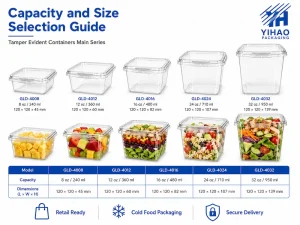
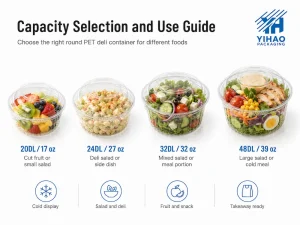
As a food packaging manufacturer and solution provider, YIHAO supports buyers with clear PET containers, hinged deli containers, salad containers, bakery clamshells, berry packaging, cold drink cups, and customized food packaging solutions. A structured budget helps buyers reduce trial-and-error costs and make better packaging decisions before wholesale supply.
Why Food Packaging Budget Planning Matters Before Bulk Orders
Many buyers compare packaging mainly by unit price. This is understandable, but it is not enough. The real cost of packaging includes sample freight, testing time, product waste, labeling changes, storage space, carton quantity, staff handling, and the cost of replacing unsuitable packaging after a failed trial.
Strong food packaging cost planning helps buyers avoid these hidden costs. Instead of ordering random samples or jumping directly into bulk orders, buyers can divide the purchasing process into clear stages: sample testing, starter validation, fresh food packaging setup, retail display testing, grab-and-go pilot testing, and wholesale supply planning.
This approach is especially important for PET food containers, cold cups, bakery clamshells, salad containers, berry packaging, and deli containers because these products directly affect product visibility, freshness perception, customer handling, and retail display performance.
The best packaging budget is not always the biggest one. The best packaging budget is the one that proves the right information at the right time.
Main Budget Stages for Food Packaging Buyers
| Budget Stage | Main Purpose | Best For | Packaging Types to Test |
|---|---|---|---|
| Sample Budget | Test material, structure, lid fit, and food compatibility | New buyers, cafes, bakeries, small food brands | PET container samples, cold cup samples, bakery clamshell samples |
| Starter Budget | Validate real food fit and daily operation use | Cafes, bakeries, dessert shops, takeaway stores | Clear PET containers, dessert clamshells, salad boxes, cold cups |
| Fresh Food Budget | Build a compact packaging set for fruit, salad, snacks, and chilled food | Fruit shops, salad brands, snack suppliers, fresh food brands | Fresh-cut fruit containers, salad containers, snack packaging, berry packaging |
| Retail Display Budget | Improve shelf presentation and chilled display performance | Supermarkets, convenience stores, retail food chains | Clear PET packaging, grab-and-go containers, chilled display packaging |
| Grab-and-Go Pilot Budget | Test packaging in real customer handling and fast retail operation | Prepared food brands, central kitchens, foodservice retailers | Deli packaging, prepared food packaging, tamper-evident containers |
| Wholesale Budget | Build a scalable packaging purchasing plan | Distributors, wholesalers, supermarkets, food brands | Multi-size PET food containers, custom food packaging, wholesale packaging mix |
A $50 sample budget and a $1500 pilot budget should not answer the same question. Each stage has a different role. The sample stage checks whether packaging is worth further testing. The starter stage validates real food fit. The retail stage confirms shelf performance. The pilot stage tests customer handling and staff operation. The wholesale stage builds repeatable supply.
What a $50-$100 Food Packaging Sample Budget Should Test
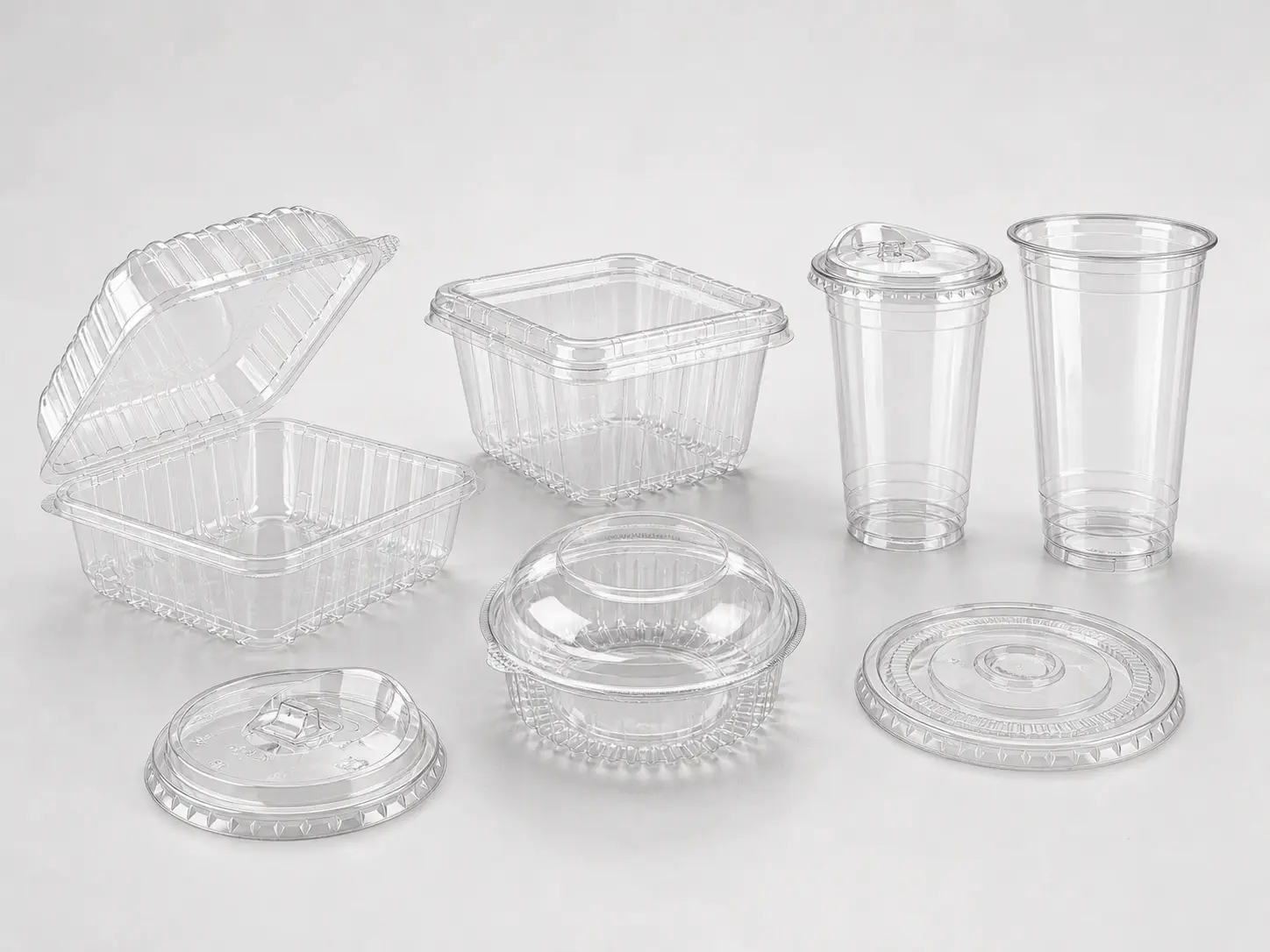
A small sample budget should be focused. It should not be used to collect every possible container from a supplier. It should test the most important packaging risks before bulk orders.
A $50-$100 budget is usually suitable for checking material clarity, lid closure, hinge strength, container rigidity, portion match, label space, and basic stacking performance. This stage is especially useful for new buyers who want to compare packaging before placing a larger order.
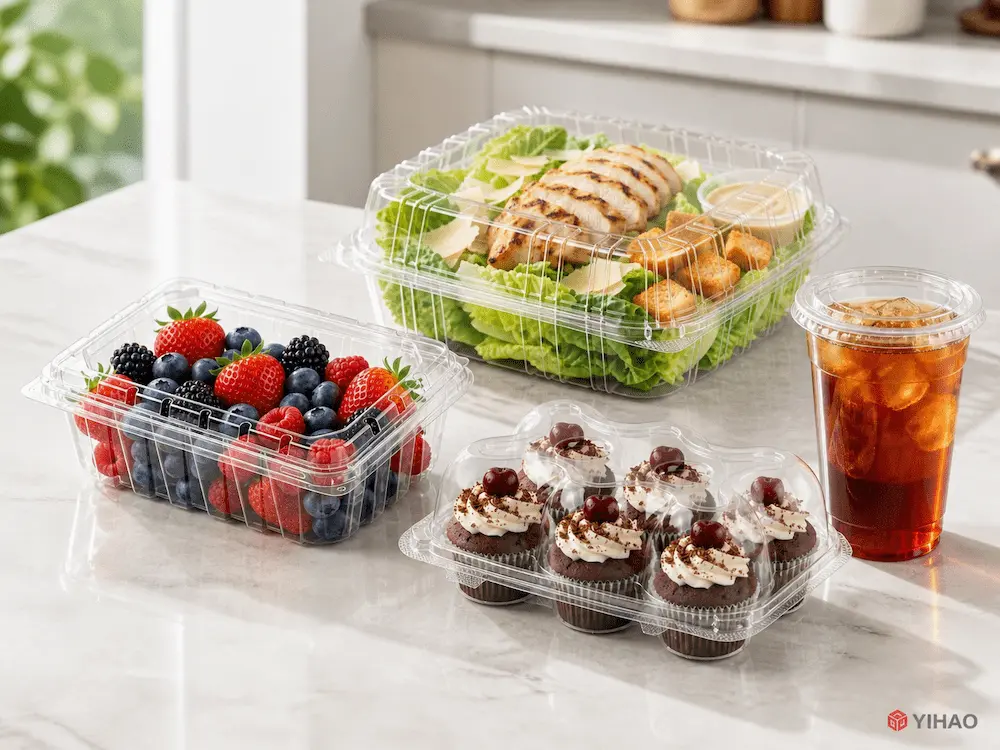
For cafes, a small budget can test cold cup samples with iced coffee, juice, smoothies, matcha, lemonade, fruit tea, milk tea, and cold brew. For bakeries, it can test clamshell samples with cheesecake slices, brownies, tiramisu portions, cookies, pastry, or small cakes. For fresh food brands, it can test clear PET containers with fruit, salad, nuts, desserts, and chilled snacks.
For PET food containers, buyers should not only check whether the container looks clear. They should also fill it with real food and test whether the lid closes smoothly, whether the base supports the product weight, whether the portion looks attractive, and whether the packaging remains practical during handling.
For a deeper breakdown of what buyers should test before bulk orders, place the internal link here: food packaging sample budget
Sample Budget Testing Checklist
| Testing Point | Why It Matters | Buyer Action |
|---|---|---|
| Lid Fit | Prevents leakage, opening, and poor takeaway experience | Test with real food weight and repeated opening or closing |
| Material Clarity | Improves product visibility and customer trust | Compare filled samples under normal display lighting |
| Portion Match | Controls food cost and improves customer perception | Fill containers with real selling portions, not empty samples only |
| Stackability | Supports storage, transport, and shelf operation | Stack filled containers to check short-term pressure performance |
| Label Area | Supports branding, barcode, ingredients, and product information | Test label placement before final packaging design |
A strong packaging sample test should lead to a clear decision. If the container does not fit the food, the sales channel, or the handling process, the buyer should not move forward only because the unit price is attractive.
How a $150-$300 Starter Budget Helps Cafes and Bakeries
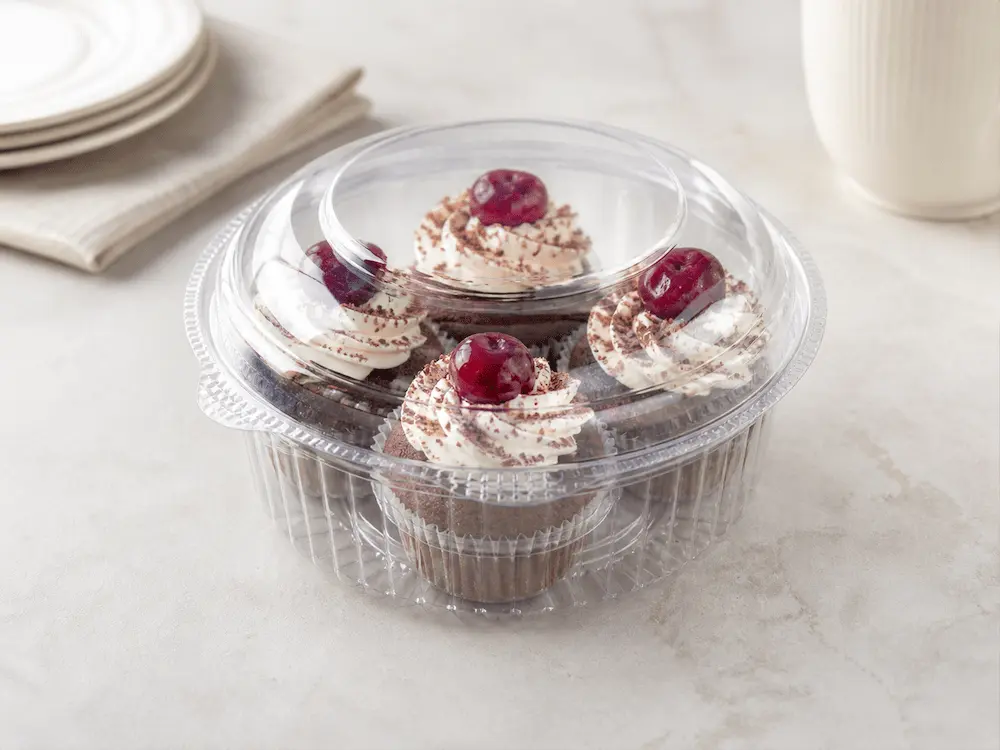
After basic sample testing, many food businesses need a starter budget to validate packaging in daily use. This stage is especially important for cafes, bakeries, dessert shops, takeaway counters, and small food brands.
A starter-level packaging budget should test how packaging performs during filling, closing, labeling, display, pickup, and customer handling. It gives buyers a more realistic view than sample checking alone.
For cafes, packaging must match both the drink menu and service speed. Iced coffee, cold brew, smoothies, fresh juice, fruit tea, matcha, refreshers, lemonade, sparkling fruit drinks, milk tea, and protein drinks often require different cup sizes, lid types, and material strength. A cup that looks good when empty may feel weak after filling with ice, toppings, or dense beverages.
For bakeries, packaging must protect product shape and improve display value. Cookies, croissants, cheesecake slices, brownies, tiramisu portions, mousse cakes, cupcakes, and pastry products do not all need the same container. A bakery clamshell must provide proper height clearance, stable closure, and enough visibility without crushing the product surface.
A starter budget is not only about packaging quality. It also tests workflow. Staff should be able to fill, close, label, stack, and hand over the packaging quickly. If a lid is difficult to close during peak hours, the packaging creates operational cost even if the unit price is low.
For cafe and bakery packaging validation, place the internal link here: starter food packaging budget
What Cafes and Bakeries Should Validate
| Business Type | Packaging Need | Budget Testing Focus |
|---|---|---|
| Cafe | Cold cups, lids, takeaway drink packaging | Lid fit, cup feel, clarity, drink presentation, service speed |
| Bakery | Clamshells, dessert boxes, pastry containers | Height clearance, shape protection, shelf display effect |
| Dessert Shop | Clear containers for mousse, tiramisu, cheesecake, and layered desserts | Product movement, lid clearance, premium appearance |
| Takeaway Store | Salad boxes, deli containers, snack packaging | Filling speed, stacking, closure strength, portion match |
The starter stage should confirm whether packaging supports real operations. If the packaging slows down staff, wastes shelf space, or makes products look less attractive, it is not ready for a larger order.
How a $300-$500 Budget Builds a Fresh Food Packaging Starter Set
Fresh food packaging requires a different budget logic because the product is usually moisture-sensitive, visually driven, and display-dependent. Fresh-cut fruit, salad, berries, nuts, chilled snacks, desserts, and ready-to-eat food need packaging that protects freshness while improving product presentation.
A fresh food packaging budget should help buyers build a compact packaging set across several related food categories. For example, a store may need one container for fresh-cut fruit, one for salad, one for nuts, one for berries, and one for chilled desserts. The purpose is not to buy one random container. The purpose is to create a practical packaging mix that supports real sales.
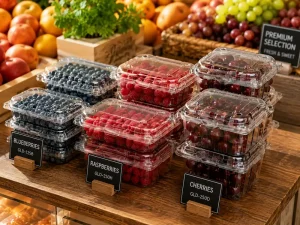
For fresh-cut fruit, clear packaging helps show color, texture, and freshness. For salads, containers should provide enough space to protect leaves while still making the portion look full. For nuts and snacks, compact packaging improves shelf efficiency and customer handling. For berries, visibility, ventilation, and lid security are important. For chilled desserts, lid clearance and clarity affect premium presentation.
This stage should also test cold storage and display. Buyers should check whether the product still looks attractive after refrigeration, whether condensation affects visibility, and whether the packaging stacks neatly in display cabinets.
For fruit, salad, snack, and chilled food packaging setup, place the internal link here: fresh food packaging budget
Fresh Food Packaging Budget Planning Table
| Food Category | Packaging Requirement | Testing Priority |
|---|---|---|
| Fresh-Cut Fruit | Clear visibility, secure lid, suitable depth | Color display, condensation appearance, portion match |
| Salad | Stable base, enough headspace, reliable closure | Leaf protection, dressing separation, chilled shelf presentation |
| Nuts and Snacks | Compact structure, good visibility, easy stacking | Label area, shelf efficiency, customer handling |
| Berries | Ventilation, clarity, lid security | Fruit protection, airflow, retail display quality |
| Desserts | High clarity, shape protection, lid clearance | Layer visibility, product movement, premium appearance |
A fresh food packaging budget should not only test whether the food fits inside the container. It should test whether the packaging helps sell the food.
How a $500-$800 Budget Improves Retail Shelf Display
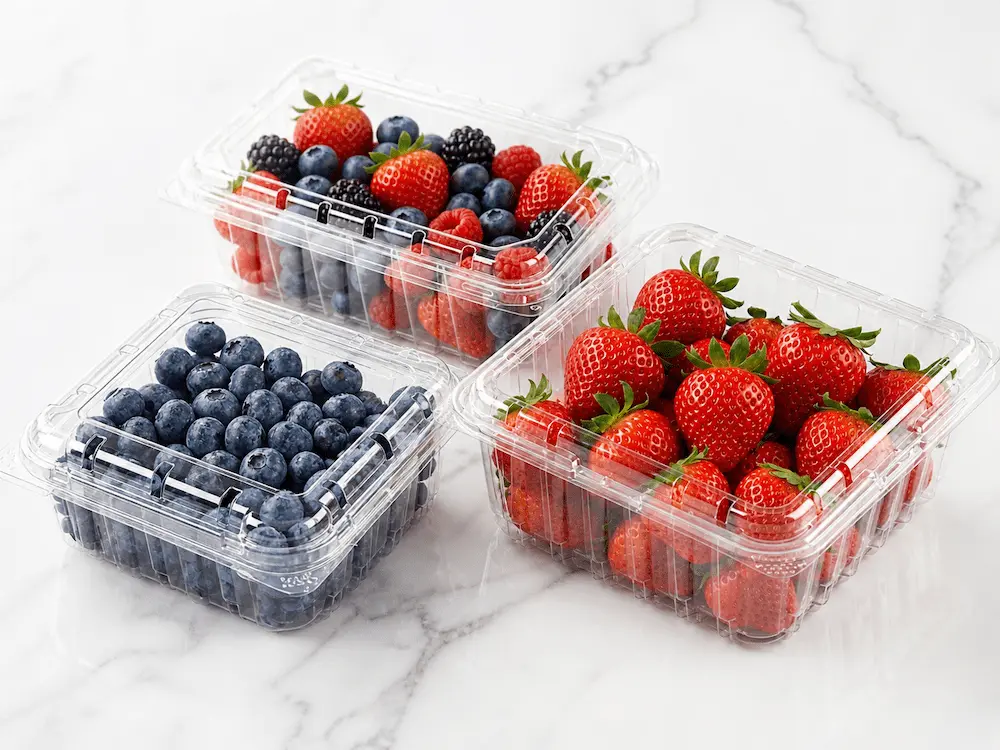
Retail packaging must do more than hold food. In supermarkets and convenience stores, packaging must protect the product, support chilled storage, improve shelf visibility, carry labels clearly, and help customers make quick purchasing decisions.
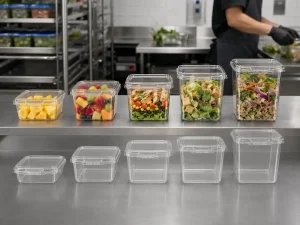
A retail food packaging budget should include enough samples or small trial quantities to test real shelf display. Buyers should fill containers with actual products, place them under retail lighting, check label placement, compare product visibility, and test how the packaging looks when arranged in rows.
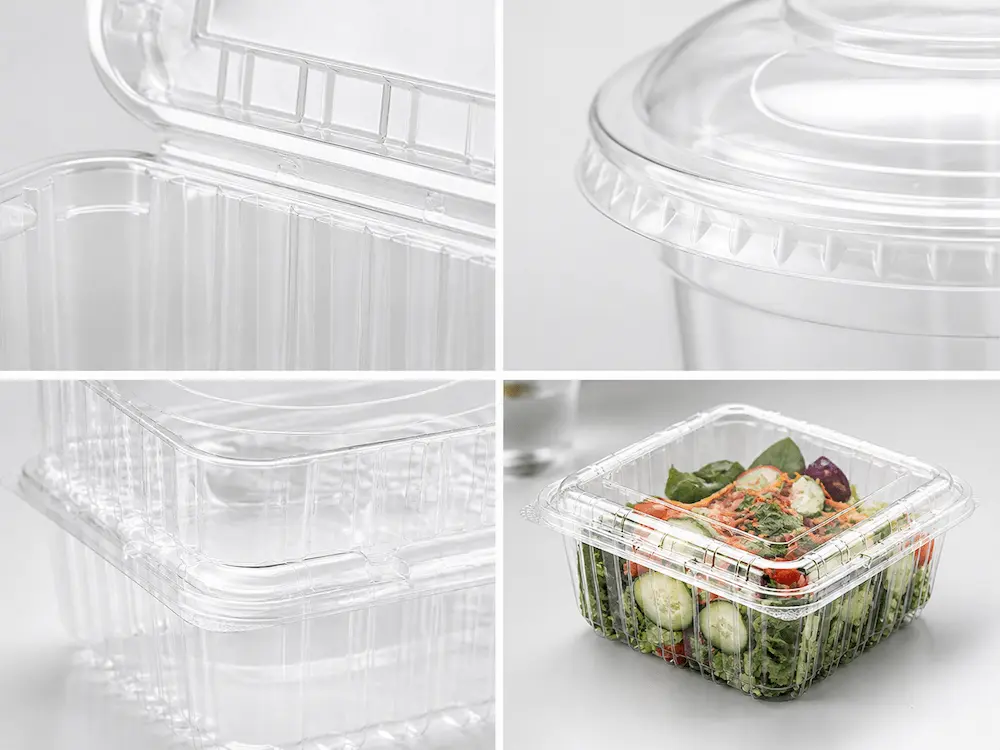
Clear PET packaging is widely used for chilled display because it shows product freshness directly. However, retail buyers should not judge packaging only by transparency. Shelf density, stacking performance, barcode readability, closure strength, and packaging consistency also matter.
For supermarkets, packaging consistency becomes part of category management. Fruit, salad, bakery, deli, and snack products may use different container sizes, but the overall shelf should still look organized. If every SKU uses unrelated packaging shapes and inconsistent visual language, the display becomes messy and less professional.
For supermarket and convenience store display planning, place the internal link here: retail food packaging budget
Retail Display Packaging Checklist
| Display Factor | What to Check | Why It Matters |
|---|---|---|
| Product Visibility | Can customers clearly see the food? | Improves freshness perception and buying confidence |
| Label Placement | Does the label fit without blocking the product? | Supports branding, barcode scanning, and product information |
| Shelf Density | How many units fit in the display area? | Improves retail space efficiency |
| Stacking Stability | Do filled containers stay stable? | Reduces mess, product damage, and handling problems |
| Chilled Display Look | Does the product remain attractive in refrigeration? | Protects shelf appeal during selling hours |
Retail display testing should happen before wholesale buying. A container that looks good alone may not perform well when placed with many other products in a refrigerated shelf.
How an $800-$1500 Budget Supports Grab-and-Go Packaging Pilots
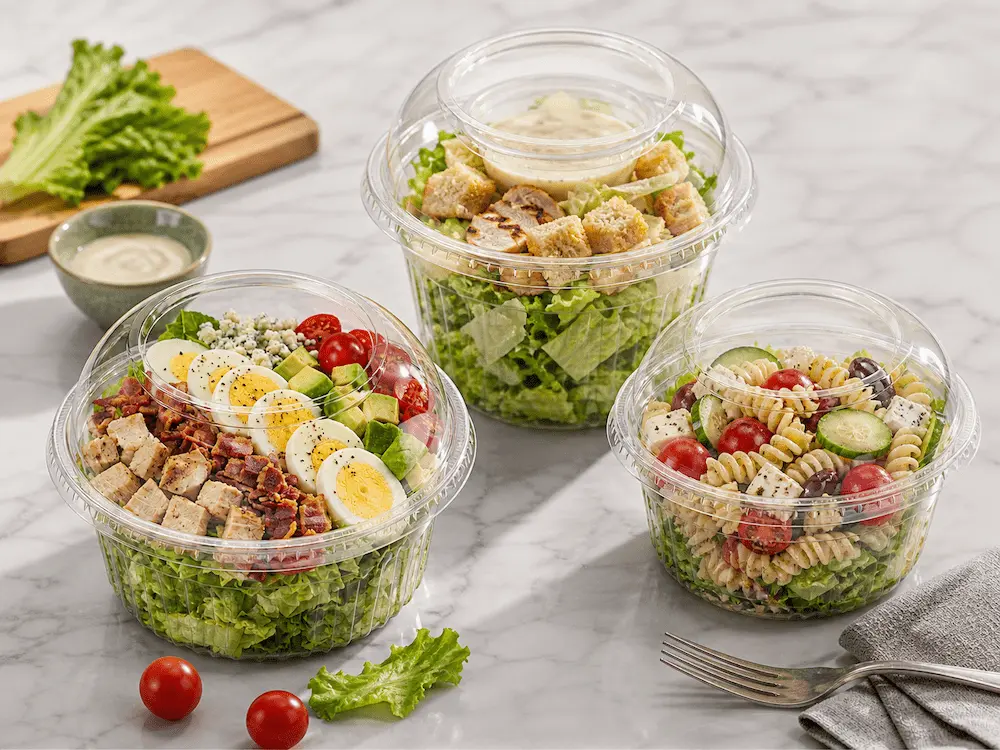
Grab-and-go food packaging must perform in fast-moving conditions. Customers pick products quickly, staff refill shelves frequently, and products move from chilled display to takeaway bags in a short time.
A grab-and-go packaging budget should test packaging under real operational pressure. Buyers should check how the container feels when picked up, whether the lid remains secure, whether the food shifts during movement, and whether the packaging communicates freshness immediately.
This budget level is especially useful for prepared food, deli packaging, salads, fresh fruit, desserts, snacks, and chilled ready-to-eat meals. Some buyers may also need tamper-evident containers to support food safety perception and retail confidence.
A grab-and-go pilot should not only test one product. It should test a small packaging system. A store may need salad containers, fruit containers, deli containers, dessert clamshells, and snack boxes in the same display area. These packaging formats should work together visually and operationally.
For pilot program planning, place the internal link here: grab-and-go packaging budget
What a Grab-and-Go Pilot Should Prove
| Pilot Question | Why It Matters |
|---|---|
| Does the lid stay secure during customer handling? | Reduces leakage, opening, and product damage |
| Does the product look fresh in chilled display? | Supports impulse buying and customer confidence |
| Can staff fill and close the packaging quickly? | Improves preparation efficiency during busy hours |
| Does the packaging fit the display shelf? | Increases retail space efficiency |
| Does the packaging support label and branding needs? | Improves product communication and retail compliance |
A pilot budget reduces wholesale risk because it turns packaging assumptions into real observations.
How Wholesale Food Packaging Planning Connects All Budget Stages
For distributors, supermarkets, central kitchens, and growing food brands, packaging planning eventually moves beyond single-item testing. The buyer needs a packaging plan that supports repeat ordering, carton planning, product category coverage, and stable supply.
A wholesale packaging budget should focus on system planning. This includes food category coverage, size logic, carton quantity, storage efficiency, freight planning, reorder rhythm, and customization potential.
A wholesale food packaging mix may include PET food containers, hinged clamshells, cold cups with matching lids, berry containers, salad boxes, bakery containers, and deli packaging. The goal is to create a packaging range that supports daily operation without creating unnecessary complexity.
Wholesale buyers should avoid building a packaging plan with too many unrelated SKUs. Too many packaging types increase storage pressure, purchasing confusion, and staff mistakes. A stronger strategy is to build a controlled range with clear size differences and practical product use cases.
Wholesale Packaging Planning Framework
| Planning Area | What Buyers Should Decide |
|---|---|
| Product Categories | Fruit, salad, bakery, deli, cold drinks, snacks, desserts, ready-to-eat food |
| Size Range | Small, medium, large, and family-size packaging logic |
| Material Direction | PET, RPET, PP, or paper-based options where suitable |
| Lid System | Hinged lid, separate lid, dome lid, flat lid, or tamper-evident option |
| Display Channel | Supermarket shelf, convenience store chiller, takeaway counter, delivery, wholesale supply |
| Branding Needs | Label area, custom printing, embossing, carton marking, and display consistency |
| Supply Planning | Carton quantity, storage space, reorder cycle, and freight efficiency |
A strong wholesale packaging plan should make ordering easier, not more complicated. Buyers should choose packaging that covers the most important applications while keeping the range manageable.
How to Match Budget Level with Business Stage
Different buyers need different packaging budget strategies. A startup cafe does not need the same packaging budget as a regional supermarket chain. A distributor does not test packaging in the same way as a bakery.
| Buyer Type | Best Starting Budget Focus | Main Packaging Goal |
|---|---|---|
| New Cafe | Sample and starter budget | Validate cold cups, lids, and takeaway packaging |
| Bakery | Sample and starter budget | Test clamshells, dessert boxes, and bakery display packaging |
| Fruit Brand | Fresh food budget | Build fruit, berry, and salad packaging options |
| Supermarket | Retail display budget | Improve shelf presentation and chilled display performance |
| Convenience Store | Grab-and-go pilot budget | Test ready-to-eat packaging for fast sales |
| Distributor | Wholesale packaging budget | Build a scalable wholesale packaging mix |
The best budget is not always the highest budget. It is the budget that matches the current decision stage.
Common Food Packaging Budget Mistakes
Mistake 1: Comparing Only Unit Price
Unit price matters, but it should not be the only decision factor. A cheap container that causes leakage, poor display, weak stacking, or customer complaints creates higher total cost.
Mistake 2: Ordering Too Many Random Samples
Random samples waste time and freight cost. Buyers should request samples based on real food categories, target portions, and sales channels.
Mistake 3: Testing Empty Packaging Only
Empty packaging does not show real performance. Buyers should test containers with real food weight, moisture, temperature, and handling.
Mistake 4: Ignoring Lid Fit
Lid fit is one of the most important performance points. A beautiful container with a weak lid is not ready for takeaway, retail display, or chilled food supply.
Mistake 5: Skipping Retail Display Testing
A container may look good in a supplier photo but perform poorly under real shelf lighting, label placement, and chilled display conditions.
Mistake 6: Building Too Many Packaging Types Too Early
Too many packaging types create storage pressure and ordering confusion. Buyers should build their packaging range step by step.
Why PET Food Containers Remain Important in Budget Planning
PET food containers remain important in food packaging budget planning because they combine clarity, lightweight structure, and practical food display value. They are widely used for fresh fruit, salad, bakery items, desserts, deli food, chilled snacks, and grab-and-go products.
Clear PET packaging helps customers see food directly. This matters for fruit color, salad freshness, dessert layers, bakery texture, and chilled food quality. In retail environments, visibility supports faster purchase decisions and improves customer confidence.
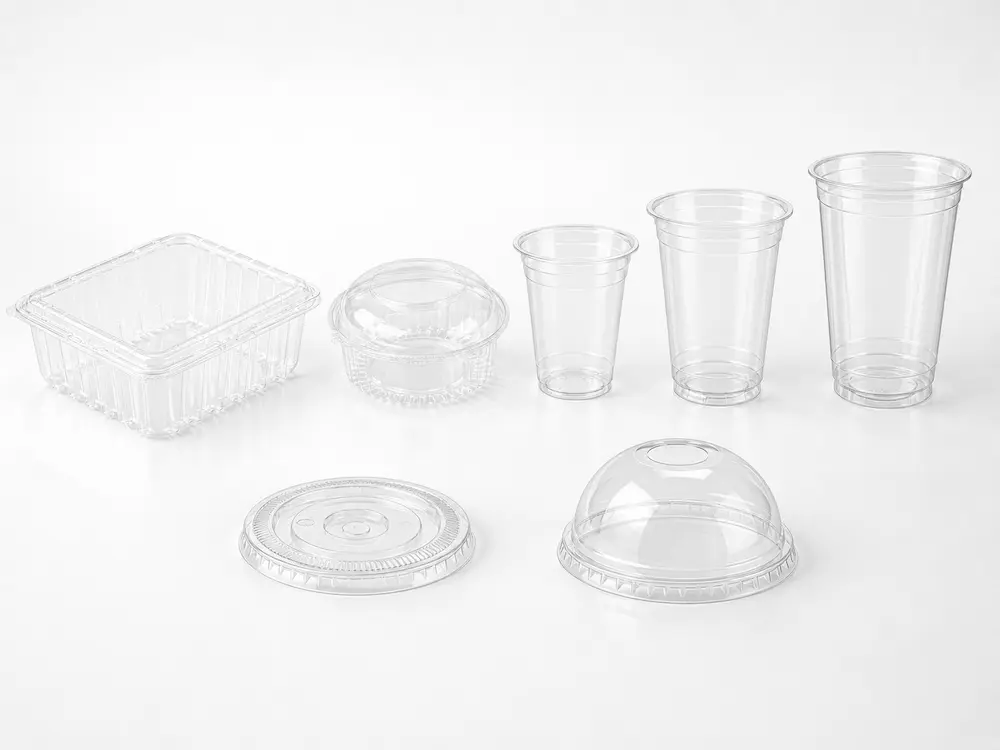
PET packaging also supports many formats, including hinged deli containers, clamshells, cups, trays, lids, and berry packaging. This gives buyers flexibility when building a multi-category packaging system.
However, buyers should still test PET packaging carefully. The material alone does not guarantee the right package. Size, structure, lid design, wall strength, stacking performance, label area, and chilled display behavior must match the final application.
How YIHAO Food Packaging Solutions Support Budget Planning
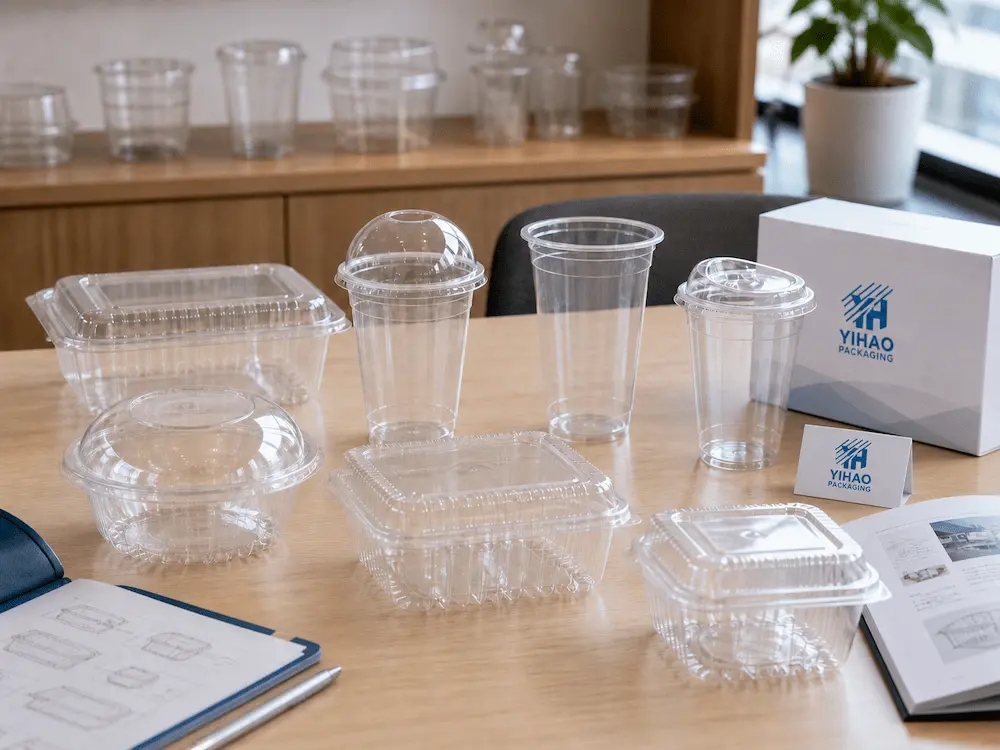
YIHAO food packaging solutions support buyers across different budget stages, from sample testing to wholesale supply. For new buyers, the priority may be packaging samples and basic fit testing. For cafes and bakeries, the focus may be daily-use packaging validation. For supermarkets and distributors, the focus may shift to retail display, pilot testing, and wholesale supply stability.
YIHAO provides packaging options for fruit, salad, nuts, bakery products, desserts, deli foods, cold drinks, chilled snacks, and ready-to-eat products. Buyers can compare different packaging formats based on food type, portion size, display needs, lid structure, and supply requirements.
The strongest packaging decision usually comes from combining product testing with supplier communication. Buyers should share food category, sales channel, target portion, display method, labeling needs, and expected order stage. This allows packaging recommendations to match the real business use case.
Practical Food Packaging Budget Planning Process
Step 1: Define the Food Category
Start with the actual food product. Fruit, salad, bakery, dessert, deli, cold drink, and snack packaging all have different requirements.
Step 2: Define the Sales Channel
Packaging for supermarket shelves is different from packaging for takeaway counters, delivery, or wholesale distribution. The sales channel affects structure, display, lid security, and labeling needs.
Step 3: Decide the Budget Stage
Choose whether the current goal is sample testing, starter validation, fresh food setup, retail display testing, grab-and-go pilot, or wholesale scaling.
Step 4: Select a Focused Packaging List
Do not test too many unrelated items. Build a short list based on real product needs.
Step 5: Test with Real Food
Fill containers with actual food portions. Check lid closure, appearance, stacking, storage, and handling.
Step 6: Compare Total Cost, Not Only Unit Price
Include sample cost, freight, storage, labor, product waste, shelf performance, and reorder stability.
Step 7: Move to Wholesale After Validation
A wholesale order should come after the packaging has passed functional testing and fits the buyer’s sales channel.
Recommended Internal Link Map for This Pillar Article
| Anchor Text | Target Child Article | Best Placement |
|---|---|---|
| food packaging sample budget | What a $50-$100 Food Packaging Sample Budget Should Test Before Bulk Orders | After the $50-$100 sample budget section |
| starter food packaging budget | How a $150-$300 Starter Budget Helps Cafes and Bakeries Validate Food Container Fit | After the cafe and bakery starter budget section |
| fresh food packaging budget | How a $300-$500 Budget Builds a Fresh Food Packaging Starter Set for Fruit, Salad, and Snacks | After the fresh food packaging starter set section |
| retail food packaging budget | How a $500-$800 Budget Improves Retail Shelf Display for Supermarkets and Convenience Stores | After the retail shelf display section |
| grab-and-go packaging budget | How an $800-$1500 Budget Supports a Grab-and-Go Packaging Pilot Program | After the grab-and-go packaging pilot section |
Conclusion
A strong food packaging budget guide is not about spending more money. It is about spending in the right order.
Small budgets should test packaging quality and food fit. Starter budgets should validate daily operation. Fresh food budgets should build practical product sets. Retail display budgets should prove shelf performance. Grab-and-go budgets should test real customer handling. Wholesale budgets should build a scalable packaging purchasing plan.
For cafes, bakeries, supermarkets, convenience stores, distributors, and foodservice brands, packaging budget planning helps reduce risk before bulk orders. It also improves product presentation, purchasing efficiency, and long-term supply stability.
By using structured food packaging cost planning, buyers can move from samples to trial orders and wholesale food packaging with more confidence. For businesses comparing PET food containers, cold cups, bakery clamshells, fresh food containers, and customized packaging options, YIHAO provides practical packaging solutions that support both small testing budgets and scalable wholesale supply.
FAQ
1. What is a food packaging budget guide?
A food packaging budget guide helps buyers plan how much to spend at different packaging decision stages, including samples, trial orders, retail testing, grab-and-go pilots, and wholesale supply. It helps buyers avoid random purchases and focus on what each budget should prove.
2. How much should I spend on food packaging samples?
A small sample budget can start around $50-$100, depending on packaging type, sample quantity, and freight cost. This stage should test material quality, lid fit, size match, clarity, stacking, and compatibility with real food.
3. Why should buyers test packaging before bulk orders?
Packaging should be tested before bulk orders because photos and unit prices do not show full performance. Buyers need to check lid security, food fit, shelf display, chilled storage, labeling, stacking, and staff handling before scaling.
4. What packaging should cafes and bakeries test first?
Cafes should test cold cups, lids, takeaway drink packaging, and clear cups for iced coffee, smoothies, juice, matcha, lemonade, and fruit tea. Bakeries should test clamshells, dessert containers, pastry packaging, and clear PET containers that protect product shape and improve display.
5. How can wholesale buyers build a better packaging plan?
Wholesale buyers should build a packaging plan by category, size, material, lid type, display channel, and reorder needs. A controlled packaging range is better than too many unrelated packaging items because it reduces storage pressure and purchasing complexity.
References
- U.S. Food and Drug Administration, Food Contact Substances and Food Packaging Guidance
- European Commission, Food Contact Materials Regulations and Safety Requirements
- U.S. Environmental Protection Agency, Sustainable Materials Management and Packaging Waste
- WRAP, Food Packaging, Waste Reduction, and Retail Packaging Efficiency Reports
- Association of Plastic Recyclers, PET Packaging Design and Recyclability Guidance
- RecyClass, Plastic Packaging Recyclability and Design Recommendations
- McKinsey & Company, Packaging Industry Trends and Consumer Goods Supply Chain Insights
- Smithers, Global Packaging Market and Foodservice Packaging Industry Research
Deep-Dive Insights for Food Packaging Budget Planning
How should buyers start a food packaging budget?
Buyers should start with the food category, sales channel, and testing purpose. A cafe testing cold cups needs a different budget from a supermarket testing chilled salad containers. The first budget should prove packaging fit, lid performance, clarity, handling, and display value before the buyer moves into wholesale food packaging.
Why does packaging budget planning reduce purchasing risk?
Structured budget planning reduces risk because it prevents buyers from jumping directly from product photos to bulk orders. Each budget stage reveals real performance data, including portion fit, stacking stability, label placement, chilled display quality, and customer handling. This makes the final packaging decision more reliable.
What should buyers compare besides unit price?
Buyers should compare total packaging value, not only unit price. Important factors include sample cost, freight cost, lid fit, material clarity, carton quantity, storage space, food waste risk, shelf presentation, repeat supply, and customization options. A lower unit price does not always create a lower total cost.
Which packaging categories should be included in early testing?
Early testing should focus on the packaging categories that match real products. Common options include PET food containers, cold cups, bakery clamshells, salad containers, berry packaging, deli containers, and snack packaging. Buyers should avoid testing too many unrelated samples at the same time.
Why do PET food containers remain important for budget planning?
PET food containers remain important because they provide strong product visibility for fruit, salad, bakery, desserts, chilled snacks, and grab-and-go food. Their clarity helps customers see food freshness directly, while different shapes and lid structures support multiple retail and foodservice applications.
What is the best next step after sample testing?
After sample testing, buyers should move into a controlled starter or pilot budget. This allows them to test packaging with real food, real staff handling, real display conditions, and real customer behavior before committing to larger wholesale orders.
© 2026 YIHAO Packaging. All Rights Reserved.
All content on this website, including but not limited to text, images, product designs, structure concepts, specifications, and technical materials, is the property of YIHAO Packaging or is used with authorization. Unauthorized reproduction, distribution, modification, or commercial use without prior written permission is strictly prohibited.
YIHAO Packaging reserves the right to modify and update any content at its discretion, including but not limited to product specifications and designs.